

Black Pearl 1 Diamond · The Best Chef One Knife
Our verdict
Vivant by Johnny Pham occupies a considered position in Shanghai's Huangpu dining scene, where chef-driven restaurants have increasingly defined the city's premium tier. With Johnny Pham at the helm, Vivant represents a strand of Shanghai dining that places culinary authorship at the centre of the experience, situated on Zizhong Road in a neighbourhood that rewards those who seek it out.

Pearl is the En Primeur Club membership app, where members save venues, book tables and use the concierge.
The menu
What to order
- Unisotto
- Ikejime-prepared Daily Catch
- St. Tropez-style Bouillabaisse
Zizhong Road and the Chef-Driven Tier
Shanghai's premium restaurant scene has undergone a gradual consolidation over the past decade. The city's most discussed tables now cluster into recognisable categories: legacy Cantonese houses like 102 House, temple-quiet vegetarian formats like Fu He Hui, and a smaller, harder-to-classify tier of chef-led rooms where a single culinary perspective shapes everything from the physical space to the pacing of the meal. Vivant by Johnny Pham sits in that third category, on Zizhong Road in Huangpu, a part of the city where converted longtang buildings and quietly ambitious restaurants share the same block.
Arriving on Zizhong Road, the immediate register is residential quiet. This is not a dining strip built around foot traffic or hotel lobbies. The neighbourhood asks something of a diner before the meal begins: intention, a degree of research, and the willingness to arrive somewhere that does not announce itself loudly. That quality of arrival, the sense of having sought something out, colours the experience before you sit down.
The Atmosphere and What It Signals
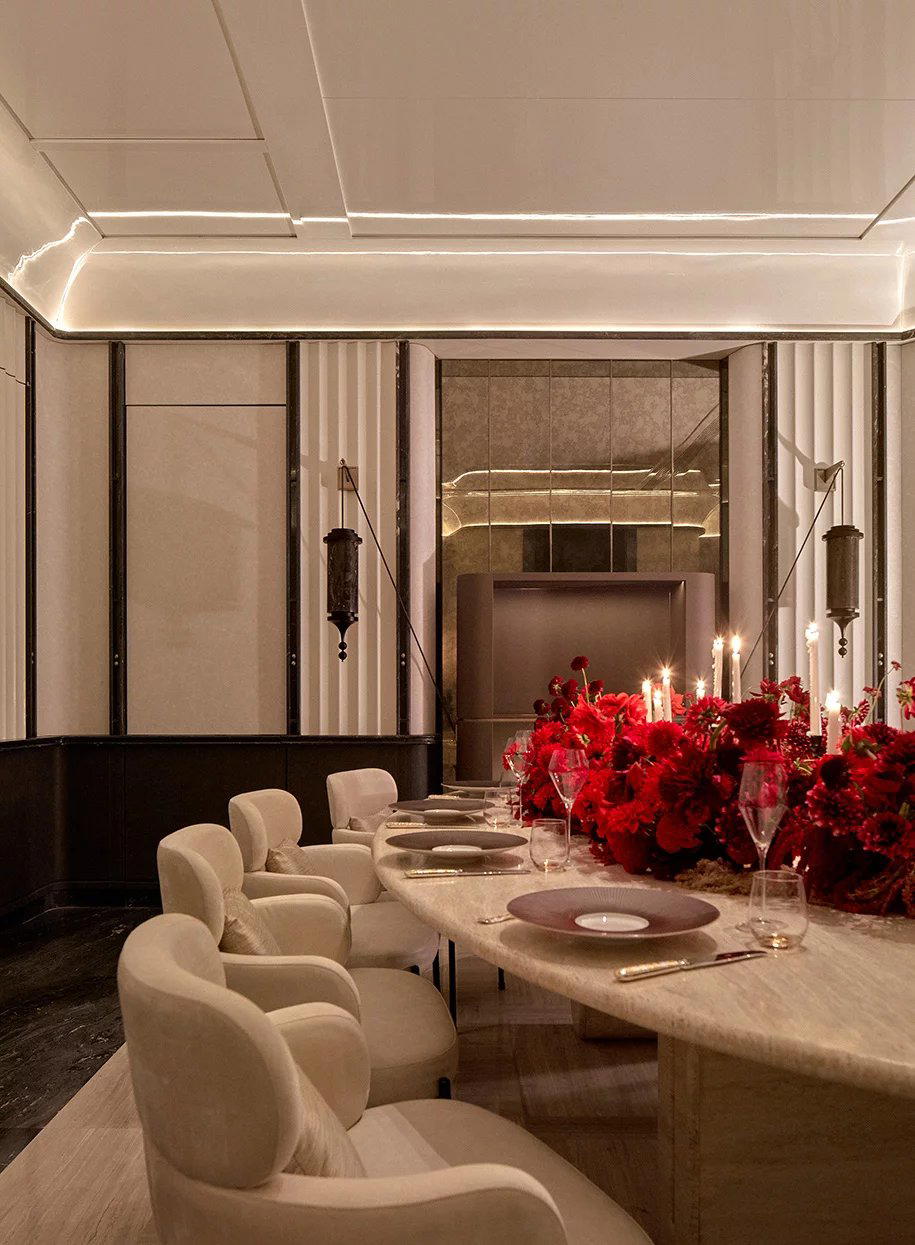
Chef-driven restaurants in Shanghai have largely moved away from the maximalist interior language of the 2010s, when theatrical lighting and statement furniture competed with the food for attention. The current mode leans toward restraint: materials that age well, acoustics that allow conversation, and a spatial logic that centres the diner's focus on what arrives at the table. Vivant operates within this shift.
At address-level, 353 Zizhong Road places the restaurant in a Huangpu pocket where the French Concession's residential texture bleeds eastward. The surrounding streets carry a particular quality of Shanghai urban quiet, plane trees and pre-war architecture providing a visual rhythm that the interior can either respond to or ignore. Restaurants that work with their neighbourhood rather than against it tend to feel more coherent, and in Shanghai's premium tier, spatial coherence has become a competitive differentiator in its own right.
The sensory experience at chef-led rooms of this type follows a recognisable grammar: considered service pacing, a menu structured to move through registers of intensity, and an absence of the background noise that defines larger, more crowded operations. Sound levels in smaller format restaurants matter more than they're typically credited for; a room where you can hear the person across the table is, in practical terms, a different kind of hospitality offer than one where you cannot.
Johnny Pham and the Credentials Behind the Name
Chef-named restaurants carry a particular implicit contract with the diner. The name above the door is a promise that a single sensibility governs the kitchen, and that the person holding that sensibility has earned the right to make that claim. In Shanghai's competitive landscape, where internationally trained chefs have gravitated in significant numbers over the past fifteen years, the question of what a chef's background actually signals has become a more refined conversation.
Johnny Pham's name is attached to this restaurant in the primary billing, which places Vivant in the same structural category as venues like Taian Table, where the chef's identity is the organisational principle of the entire operation. That positioning carries consequences for how the restaurant is experienced and evaluated: diners arrive expecting a coherent point of view rather than a committee-designed menu, and critics assess the work against a standard of culinary authorship rather than category execution.
For comparison, Shanghai's recognised chef-led European table, 8½ Otto e Mezzo Bombana, has used its chef's James Beard and Michelin credentials as the primary trust anchor. The city has demonstrated an appetite for that model repeatedly, which suggests Vivant's naming logic is operating in a well-established register.
Shanghai's restaurant peer sets have become more differentiated as the market has matured. The ¥¥¥¥ tier now contains venues with genuinely distinct identities: Fu He Hui occupies the premium vegetarian position; Xin Rong Ji (West Nanjing Road) holds down the Taizhou seafood category; Taian Table represents the modern European tasting menu format. A chef-driven room like Vivant operates in the spaces between established category leaders, which is where the most interesting dining in any city tends to happen.
That positioning is not without risk. Restaurants without a clear category anchor rely more heavily on word of mouth, critical recognition, and the accumulated reputation of their chef. The upside is that diners who arrive at such a restaurant have usually done more research and arrive with sharper curiosity. The downside is that booking momentum is harder to sustain through category logic alone.
For context on how comparable chef-named formats perform in other Chinese cities, Chef Tam's Seasons in Macau and Ru Yuan in Hangzhou offer useful reference points, as does Xin Rong Ji in Beijing for understanding how chef-identity restaurants translate across mainland markets. Internationally, the chef-named room model has been refined at places like Le Bernardin in New York City and Atomix in New York City, both of which demonstrate how culinary authorship can anchor long-term institutional recognition.
Planning Your Visit
Huangpu restaurants at this tier typically reward advance planning. Shanghai's dining calendar compresses around Golden Week and the spring shoulder season, when the city's most discussed tables fill quickly. For chef-led rooms operating on smaller capacities, the lead time required is often longer than for larger operations in the same price bracket.
Contacting the restaurant directly via their address at 353 Zizhong Road, Huangpu, or checking current listings through concierge services, is the recommended approach for confirmed reservation logistics. See our full Shanghai restaurants guide for broader context on how to plan a dining itinerary across the city's distinct neighbourhoods and price tiers.
Logistics at a Glance
| Venue | Neighbourhood | Price Tier | Format |
|---|---|---|---|
| Vivant by Johnny Pham | Huangpu (Zizhong Rd) | Unconfirmed | Chef-led |
| Taian Table | Jing'an | ¥¥¥¥ | Modern European tasting |
| Fu He Hui | Changning | ¥¥¥¥ | Premium vegetarian |
| 8½ Otto e Mezzo Bombana | Jing'an | ¥¥¥¥ | Italian fine dining |
For accommodation planning around this area of Huangpu, our full Shanghai hotels guide covers the options closest to the French Concession and surrounding neighbourhoods. Our Shanghai bars guide and Shanghai experiences guide round out the picture for those building a multi-day itinerary. Regional context from Dai Yuet Heen in Nanjing and Imperial Treasure Fine Chinese Cuisine in Guangzhou is also worth reviewing for travellers moving between China's premium dining cities. The Shanghai wineries guide and Xin Rong Ji in Chengdu offer further reading for those extending the trip westward.
Frequently asked questions
What dish is Vivant by Johnny Pham famous for?
How far ahead should I plan for Vivant by Johnny Pham?
What is Vivant by Johnny Pham known for?
What if I have allergies at Vivant by Johnny Pham?
Cuisine and Recognition
Comparable venues nearby, for context on price, style, and recognition.
| Venue | Cuisine | Price | Awards | Notes |
|---|---|---|---|---|
| Vivant by Johnny PhamThis venue (the venue you are viewing) | Modern French with Asian Influences | $150–200 | Black Pearl 1 Diamond · The Best Chef One Knife | Not listed |
| Franck Bistrot | Classic French Bistro | $50–100 | Star Wine List | Xujiahui |
| Laimei Luzi | Classic French Fine Dining | $200–300 | 1 Michelin Star · La Liste Top Restaurants | Lu Jia Du |
| 1929 by Guillaume Galliot | Contemporary French with Asian influences in a 1929 heritage building | $150–200 | Black Pearl 1 Diamond | Huangpu |
| 58° 扒房 | Modern French Steakhouse | $100–150 | Not listed | Ti Lan Qiao |
| ZIFUHUI | High-End Cantonese Private Dining | Not listed | Black Pearl 1 Diamond | Zhoujiaqiaq |
Recognition history
Dated appearances from independent guides and award organizations, with the underlying list record or original source where available.
Black Pearl 1 Diamond
Black Pearl
The Best Chef One Knife
The Best Chef
Continue exploring
More in Shanghai
Restaurants in Shanghai
All restaurants in Shanghai →
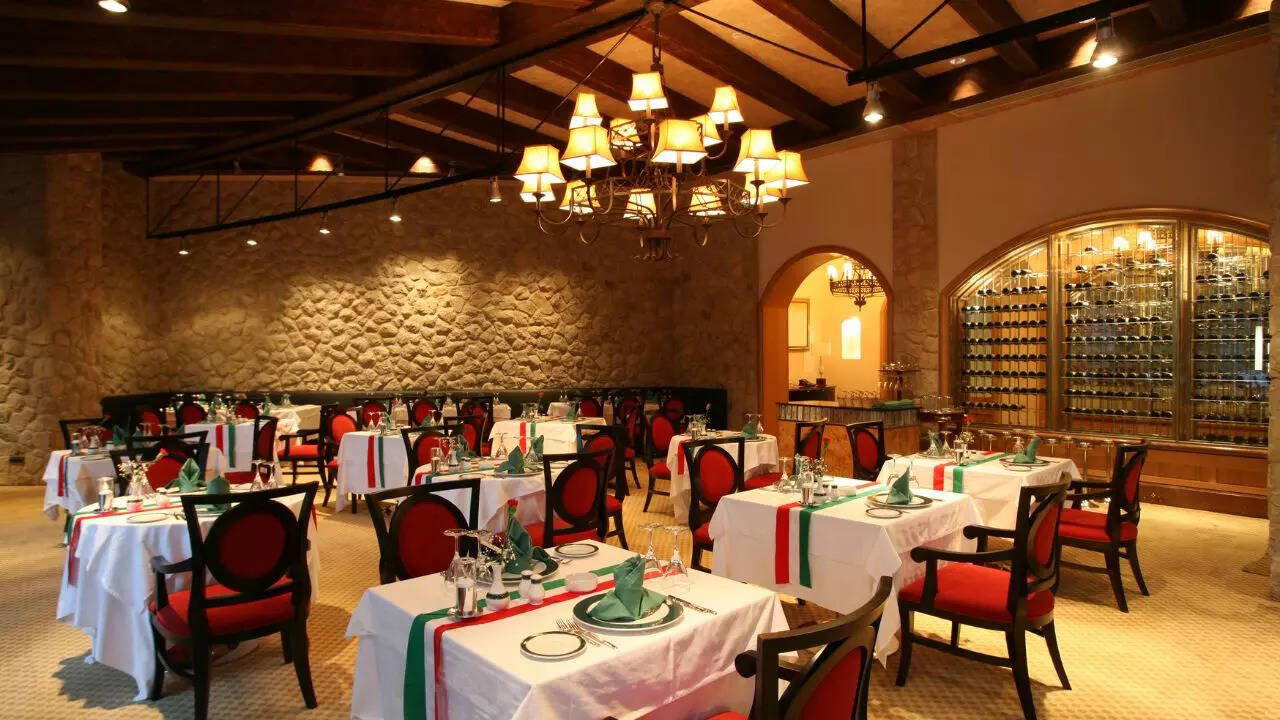
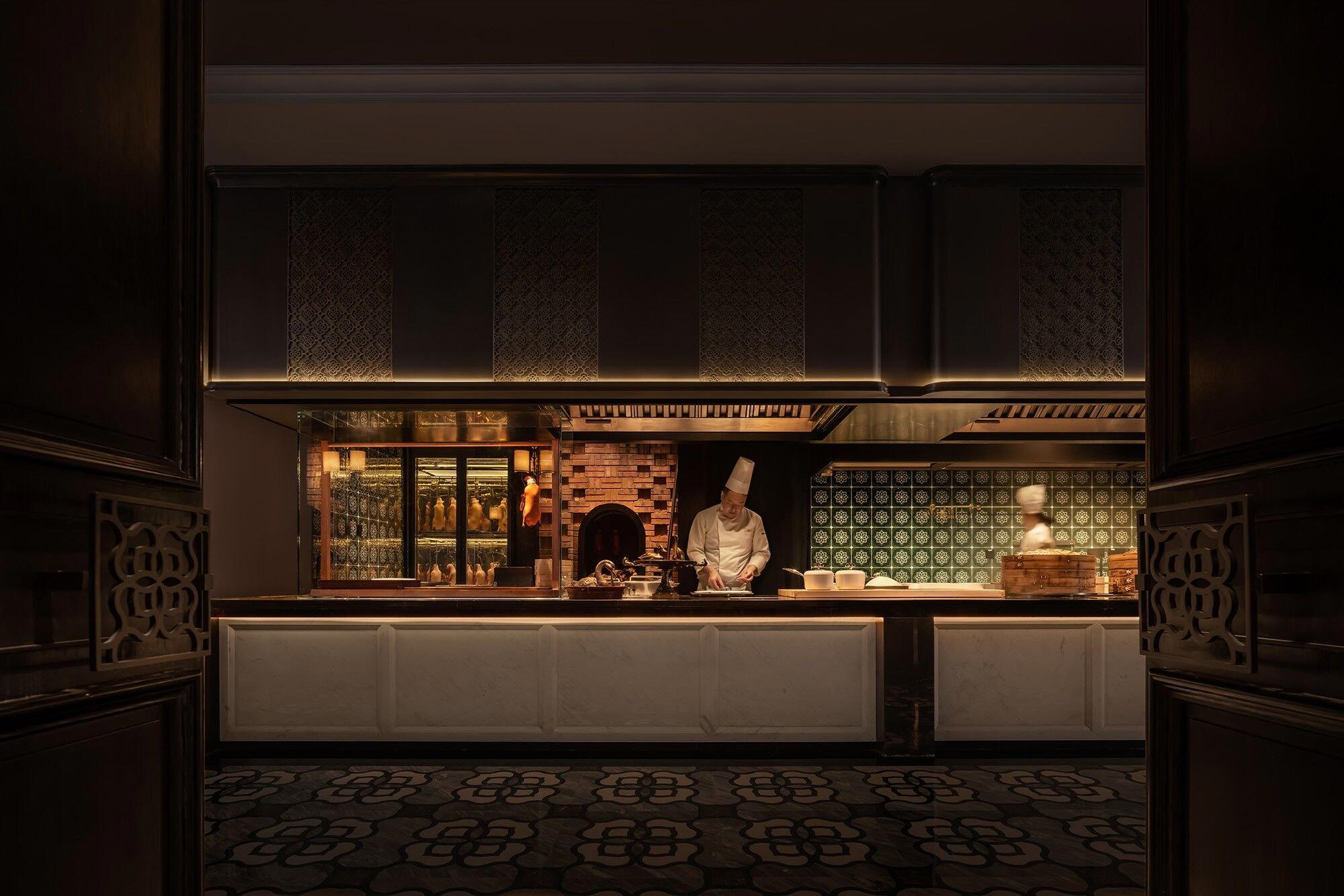
Bars in Shanghai
All bars in Shanghai →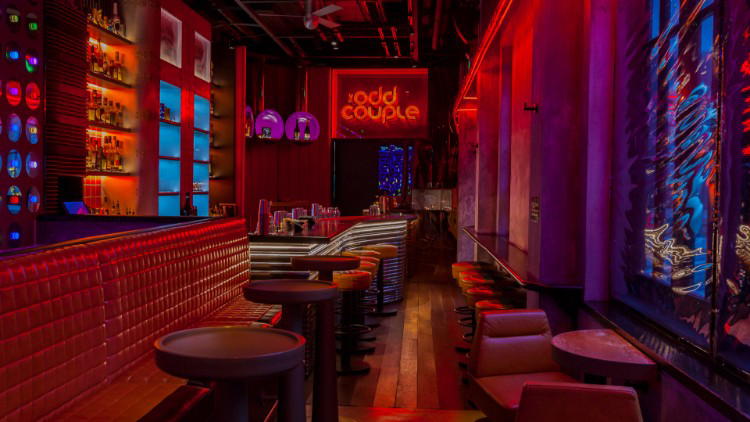
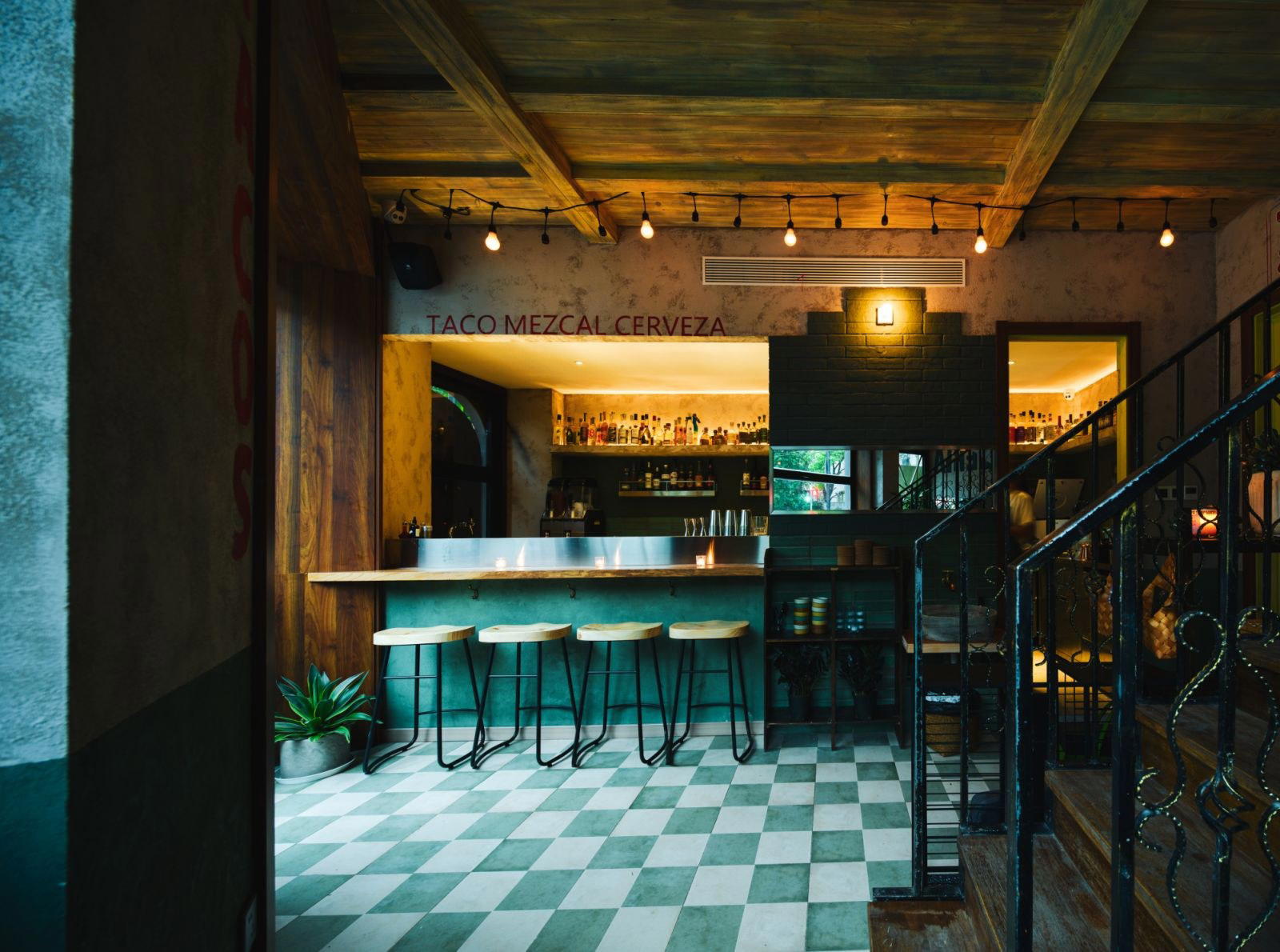
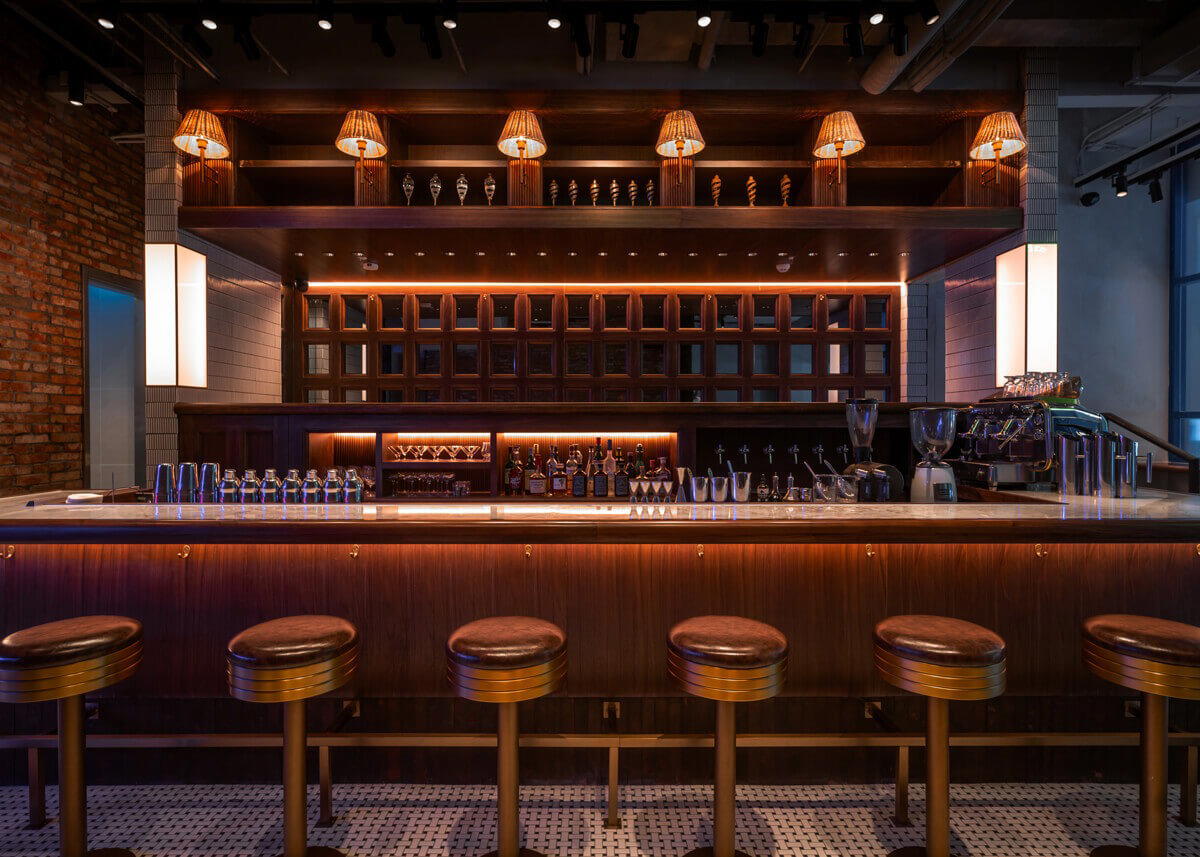
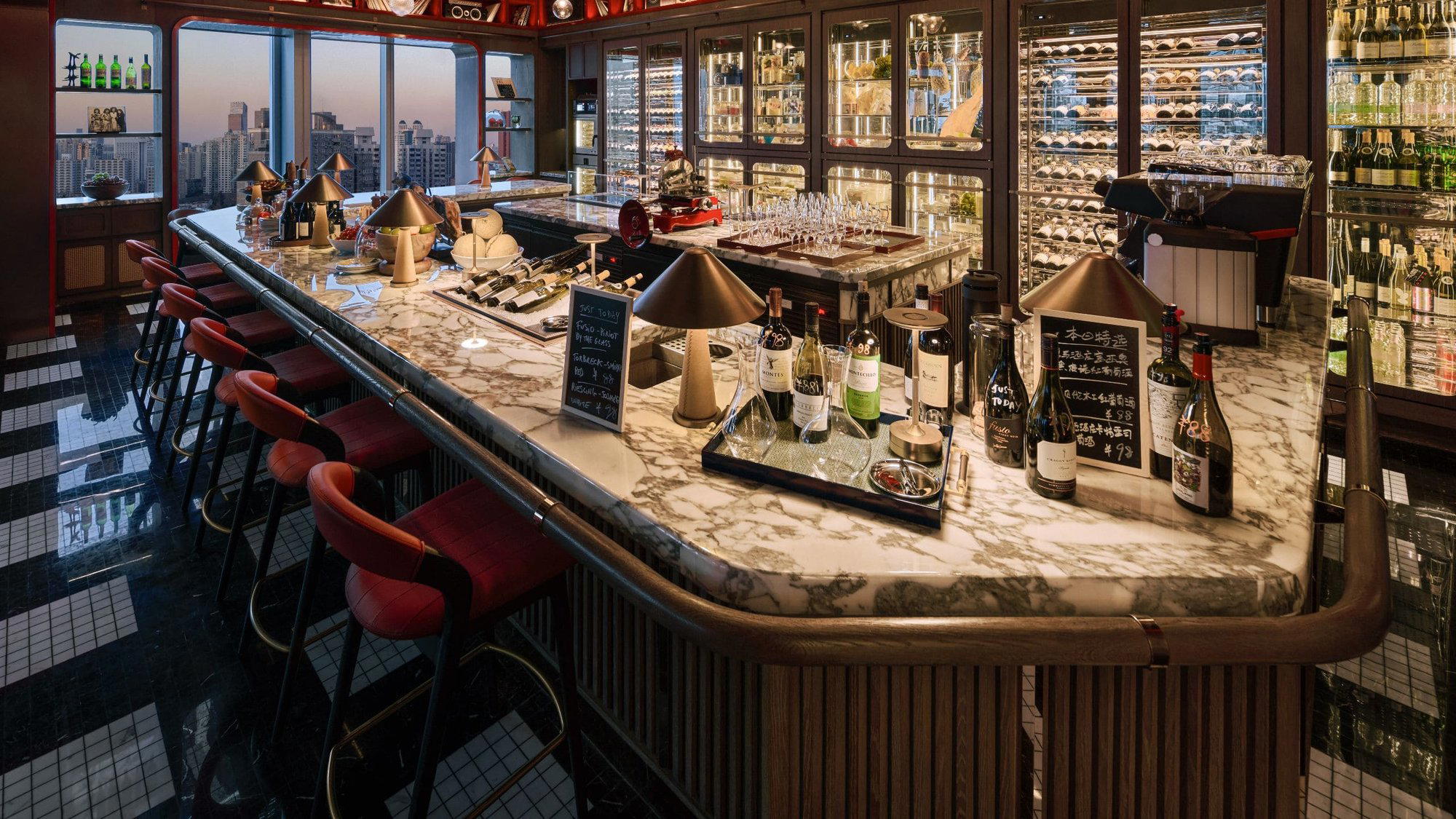
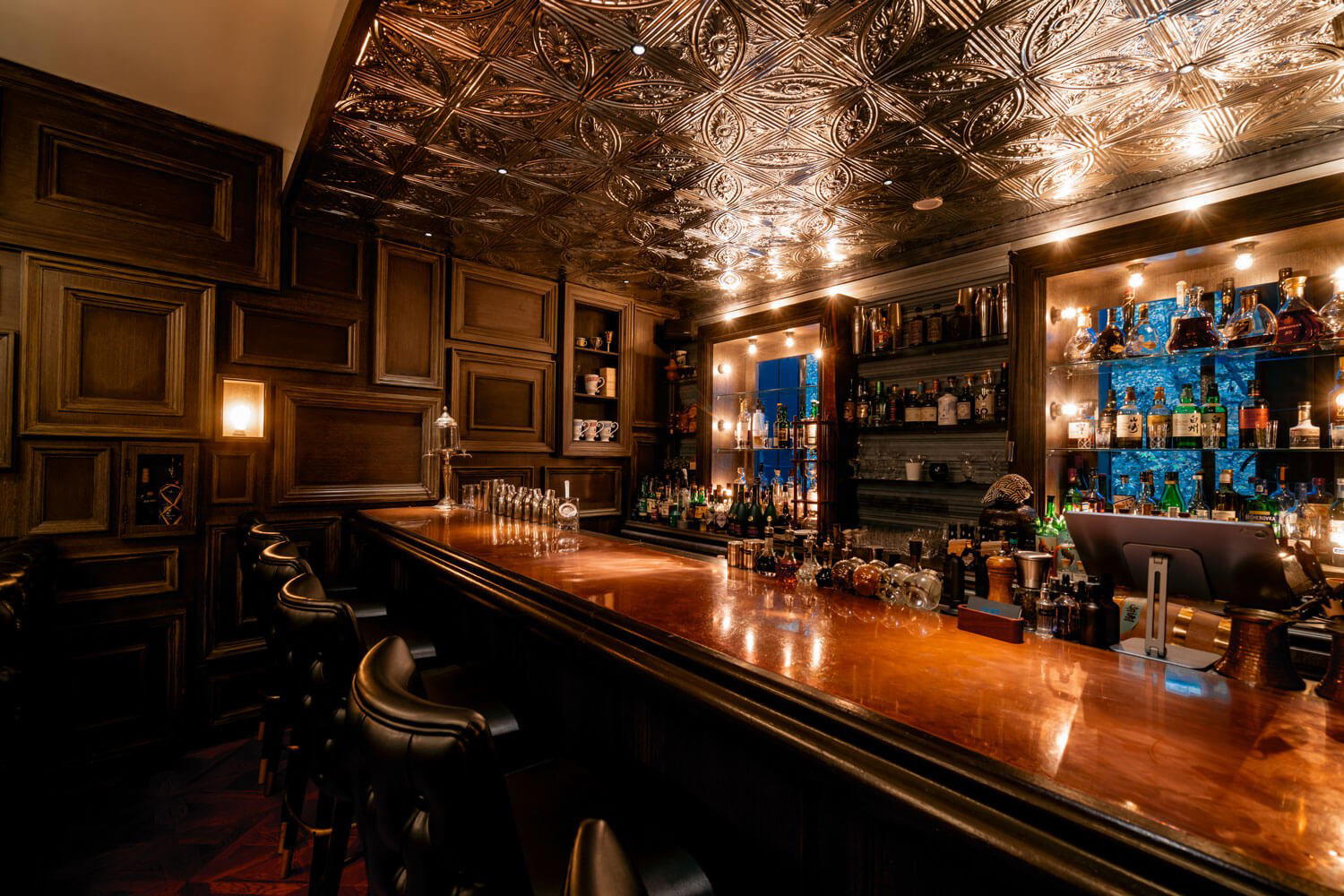
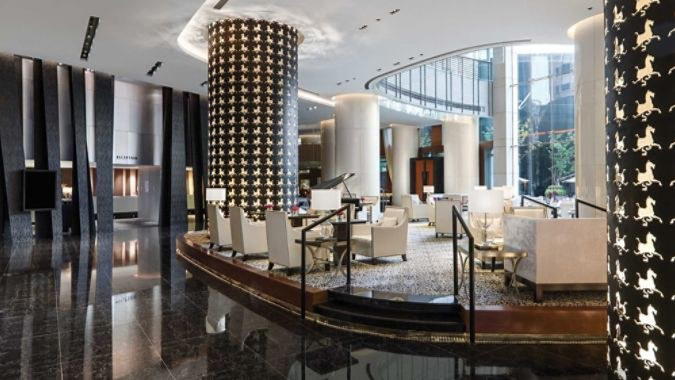
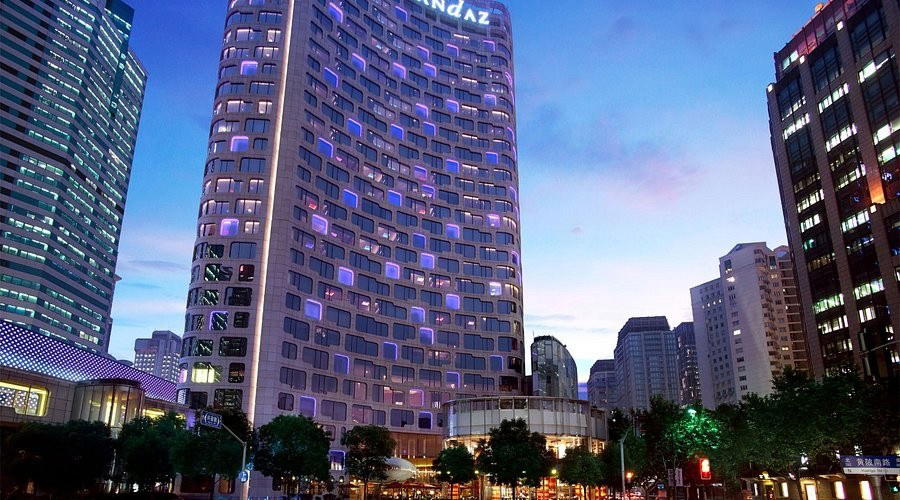
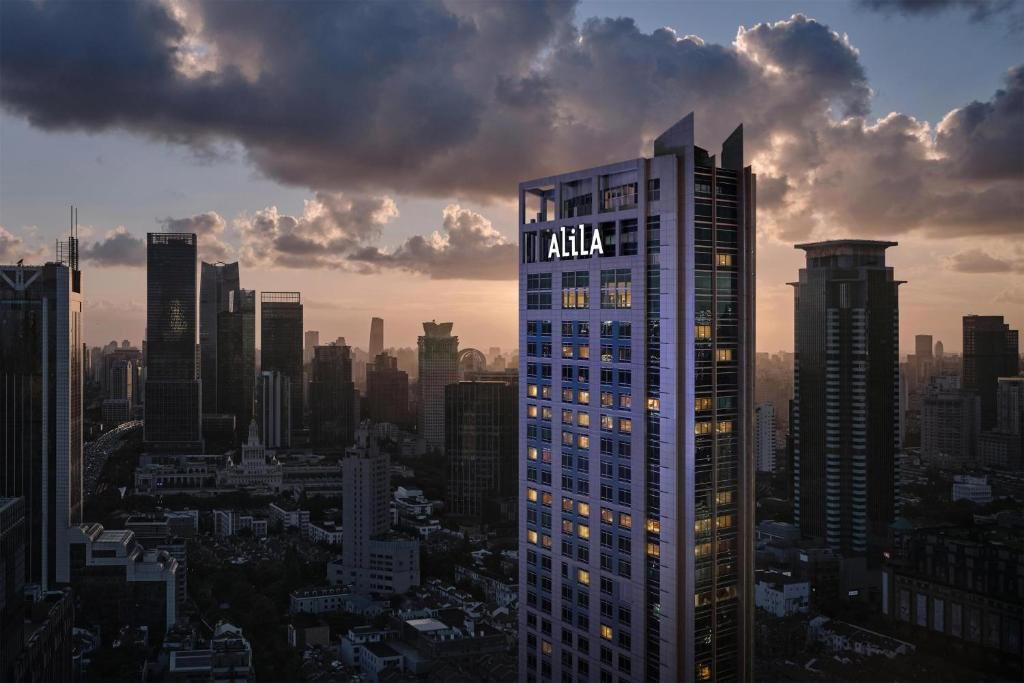
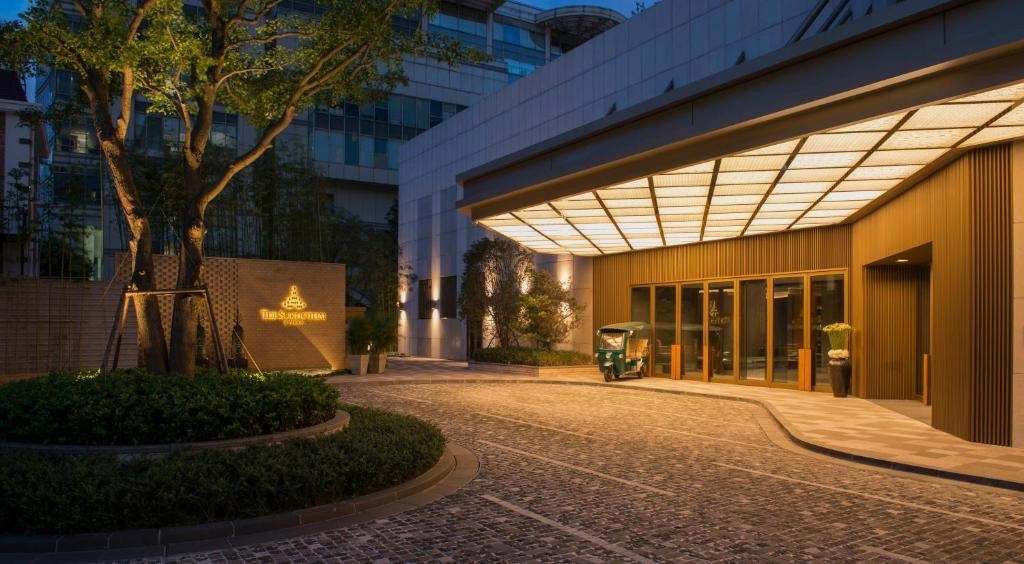
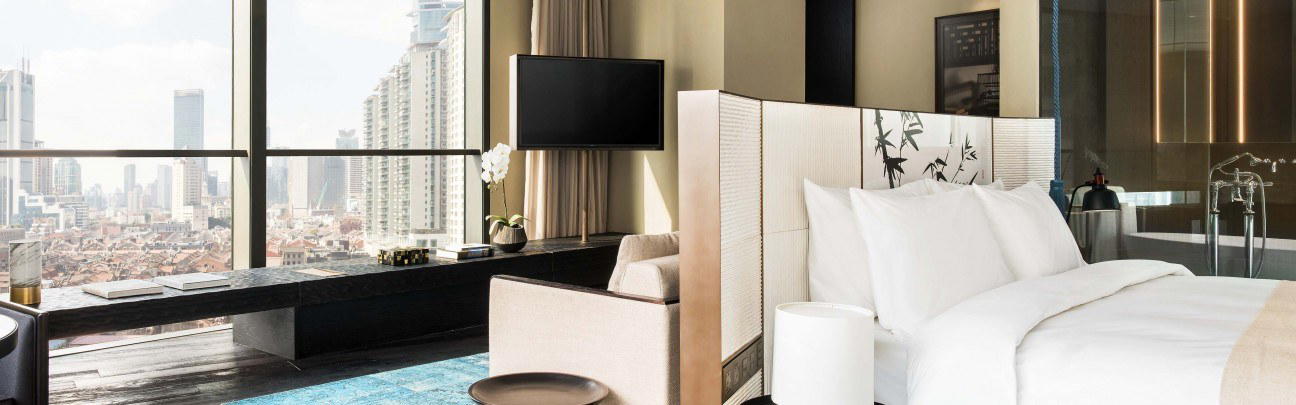
Vivant by Johnny Pham
The wine
- Wine program
- Deep wine list
- Extensive wine list
- Sommelier-led
Details
- Elegant
- Sophisticated
- Intimate
- Modern
- Date Night
- Special Occasion
- Business Dinner
- Open Kitchen
- Chefs Counter
- Private Dining
- Historic Building
- Extensive Wine List
- Sommelier Led
- Local Sourcing
- Tasting Menu
- Set Menu
- Wine
- Champagne
Inviting atmosphere with warm tones, comfortable seating, open kitchen views, and lively but manageable noise levels in a historic hotel setting.