At Reumannplatz in Vienna's 10th district, Würstelbox represents one of the city's most direct expressions of Viennese street food culture. The Würstel stand occupies a category that sits at the intersection of working-class tradition and civic ritual, offering the kind of unfiltered, cash-in-hand food experience that the city's grander dining rooms cannot replicate. For visitors who want to read Vienna beyond its Michelin-starred tier, this is a useful starting point.
 Discover on Pearl
Pearl is the En Primeur Club membership app — saves, bookings, and concierge access live there. Same editors, same standards.
Where Vienna's Street Food Tradition Lives at Street Level
Approach Reumannplatz on a cold evening and the logic of the Viennese Würstelstand becomes immediately clear. The light, the smell of casing split over heat, the short queue of people who know exactly what they want: these are the coordinates of a food culture that predates every tasting menu in the city. Würstelbox, positioned at Reumannpl., 1100 Wien, Austria, is a Viennese Sausage Stand in Vienna's 10th district, with a Google rating of 4.3 from 38 reviews and an estimated price of about US$5 per person. It operates inside a tradition that has functioned as the city's most democratic food institution for well over a century.
The 10th district, Favoriten, is not where most food guides send visitors. It sits south of the Ringstrasse, outside the tourist infrastructure of the 1st and the gentrified dining corridors of the 7th. That positioning is precisely the point. The Würstelstand here is not performing street food for an audience; it is serving the neighbourhood it occupies. Reumannplatz is a transit hub and a local gathering point, and the food culture around it reflects that.
The Würstelstand as Viennese Institution
To understand what a Würstelbox is, you need to understand what the Viennese Würstelstand represents culturally. These small, fixed or semi-fixed sausage kiosks have been granted protected status in Vienna's city planning framework, recognised as part of the built social environment rather than mere food vendors. There are roughly 200 licensed Würstelstände operating across the city, and the variation between them, in sausage selection, sauce pairings, and late-night hours, has generated genuine neighbourhood loyalty for generations.
The format is always approximately the same: a small booth, a heated display case, a limited menu of sausages served with mustard, bread, and sometimes pickled accompaniments. What changes is execution and clientele. The Würstelstand near the Opera draws tourists. The one near a U-Bahn stop in Favoriten draws the people who live there. That difference in audience tends to translate into a difference in price, atmosphere, and the kind of transaction taking place.
The sausage itself carries cultural weight that outsiders sometimes underestimate. The Käsekrainer, a pork sausage laced with cheese pockets that blister and leak when cooked correctly, is the standard by which Viennese regulars judge a Würstelstand. The Burenwurst, coarser in texture and typically boiled, is the older reference point. The Frankfurter arrives thin-skinned and snapping. Each has a place in the hierarchy, and knowing what to order, and how to order it, is a minor but real form of local fluency.
Favoriten and the Geography of Everyday Vienna
Würstelbox's address at Reumannplatz anchors it in a district that houses a large portion of Vienna's working population and, increasingly, a significant immigrant community that has introduced parallel food cultures. The square itself has the functional energy of a place where the city actually moves rather than poses. The U1 terminates here, making Reumannplatz one of the southern endpoints of the city's most direct subway line.
This is a useful context for visitors building an itinerary with range. Vienna's haute dining tier, represented by restaurants like Steirereck im Stadtpark, Amador, and Mraz & Sohn, operates at a considerable remove from the street-level experience in Favoriten, both geographically and conceptually. The same city that produces the tasting menus at Konstantin Filippou also sustains hundreds of Würstelstände that function as the actual daily food infrastructure for most of its residents. The two tiers coexist without contradiction.
Late Night, Low Ceremony
One of the structural advantages of the Würstelstand format is its hours. Würstelbox is open Mon to Thu and Sun from 10:30 AM to 2:00 AM, and Fri to Sat from 10:30 AM to 3:00 AM. This makes them functional at a time when the city's sit-down options thin considerably. After a concert, after a long evening in a Heuriger, after an extended dinner at Doubek: the Würstelstand absorbs all of these scenarios without reservation requirements or dress expectations.
The transaction is fast and unsentimental. You order, you pay, you eat standing or perched on a narrow ledge. The food is the point. This stands in contrast to the format-driven, experience-layered approach of Austria's destination dining rooms: places like Döllerer in Golling an der Salzach, Obauer in Werfen, or Ikarus in Salzburg, where the dining architecture is as considered as the kitchen output. Neither approach is wrong; they answer different questions about what eating out is supposed to accomplish.
Austria's regional dining circuit extends to addresses like Griggeler Stuba in Lech, Landhaus Bacher in Mautern an der Donau, Kräuterreich by Vitus Winkler in Sankt Veit im Pongau, Ois in Neufelden, Schwarzer Adler in Hall in Tirol, Gourmetrestaurant Tannenhof in Sankt Anton am Arlberg, and Restaurant 141 by Joachim Jaud in Mieming. These represent one axis of Austrian food culture. The Würstelstand represents another, no less rooted in the country's food identity, and far more widely eaten.
Planning a Visit
Würstelbox sits at Reumannpl., 1100 Wien, Austria, and is walk-in friendly. Payment is typically cash-based at this category of vendor, so arriving without coins or small notes is inadvisable. The format suits visitors who want to eat quickly and cheaply, and it is best experienced as part of a longer circuit through the 10th rather than as a destination in isolation. Evening and late-night visits tend to reflect the stand's natural rhythm most accurately.
Vienna's version of that split is older and, arguably, more institutionally protected.
Comparable Venues
Comparable venues nearby, for context on price, style, and recognition.
| Venue | Cuisine | Price | Notes |
|---|---|---|---|
| WürstelboxThis venue — the venue you are viewing | Viennese Sausage Stand | $ | |
| Duran | Austrian Open-Faced Sandwiches | $ | Favoriten |
| Würstelstand am Hohen Markt | Austrian Street Food Sausages | $ | Stephansdom |
| Würstlstand | Traditional Viennese Sausage Stand | $ | Alsergrund |
| Würstelstand | Traditional Viennese Sausage Stand | $ | Prater |
| Café Anzengruber | Traditional Austrian with Croatian influences | $$ | Wieden |
Continue exploring
More in Vienna
Restaurants in Vienna
Browse all →
![[aend] restaurant in Vienna](https://cdn.enprimeurclub.com/storage/v1/object/public/images/locations/recsVyRkMfzCxPmp0/hero2.jpg?width=3840&quality=75)
Bars in Vienna
Browse all →
Hotels in Vienna
Browse all →
At a Glance
- Lively
- Energetic
- Casual Hangout
- Late Night
- After Work
- Beer Program
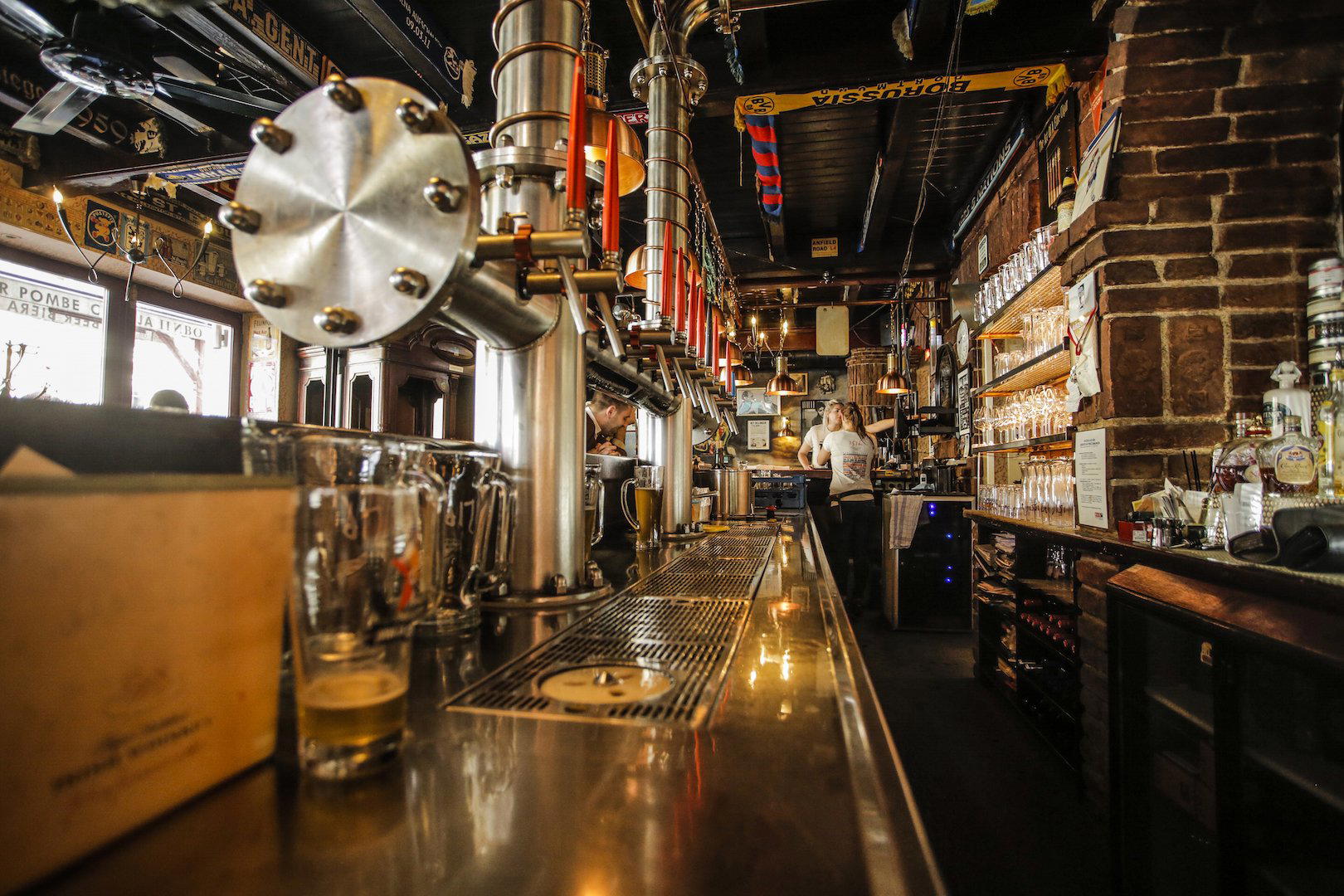
Casual street food atmosphere with quick service and standing eating options in a lively urban setting.