Club U sits beneath the Otto Wagner Pavilion at Karlsplatz, one of Vienna's most architecturally significant transit structures, and operates as a bar and club venue in the city's first district. The Karlsplatz address places it at the intersection of the Ringstrasse cultural corridor and the Naschmarkt quarter, where Vienna's nightlife and its café tradition overlap in ways that happen almost nowhere else in the city.
Pearl is the En Primeur Club membership app — saves, bookings, and concierge access live there. Same editors, same standards.
- Address
- Karlsplatz, 1040 Wien, Austria
- Phone
- +43 1 5059904
- Website
- club-u.at
- Directions
- Get directions
 Saves & bookings on Pearl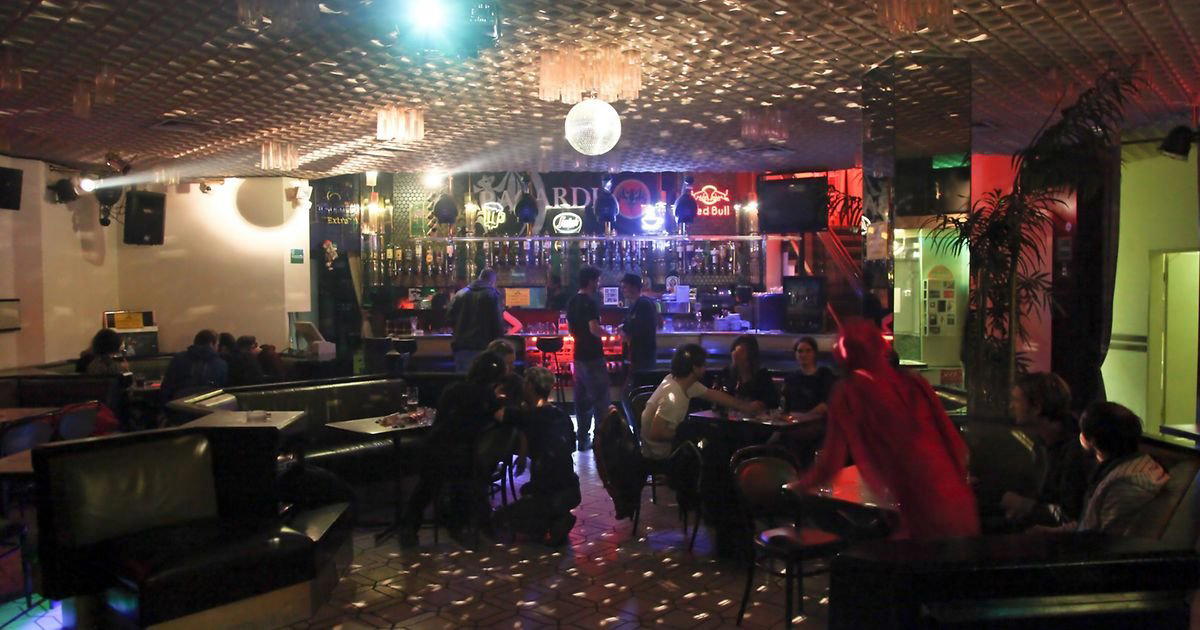
Karlsplatz After Dark: Vienna's Subterranean Bar Scene in Context
Vienna's bar culture has always operated in the shadow of its café tradition. The Kaffeehaus model, with its marble tables, newspaper racks, and implicit permission to occupy a seat for hours, set a hospitality standard that bars have been quietly competing with for decades. The result is a city where the line between a serious cocktail program and a social institution is deliberately blurred, and where location carries as much cultural weight as what's being poured. Club U is a bar at Karlsplatz in Vienna, in a protected Otto Wagner pavilion. The venue sits inside the Otto Wagner Pavilion, a Jugendstil structure at Karlsplatz. That address is not incidental to the experience; it frames it.
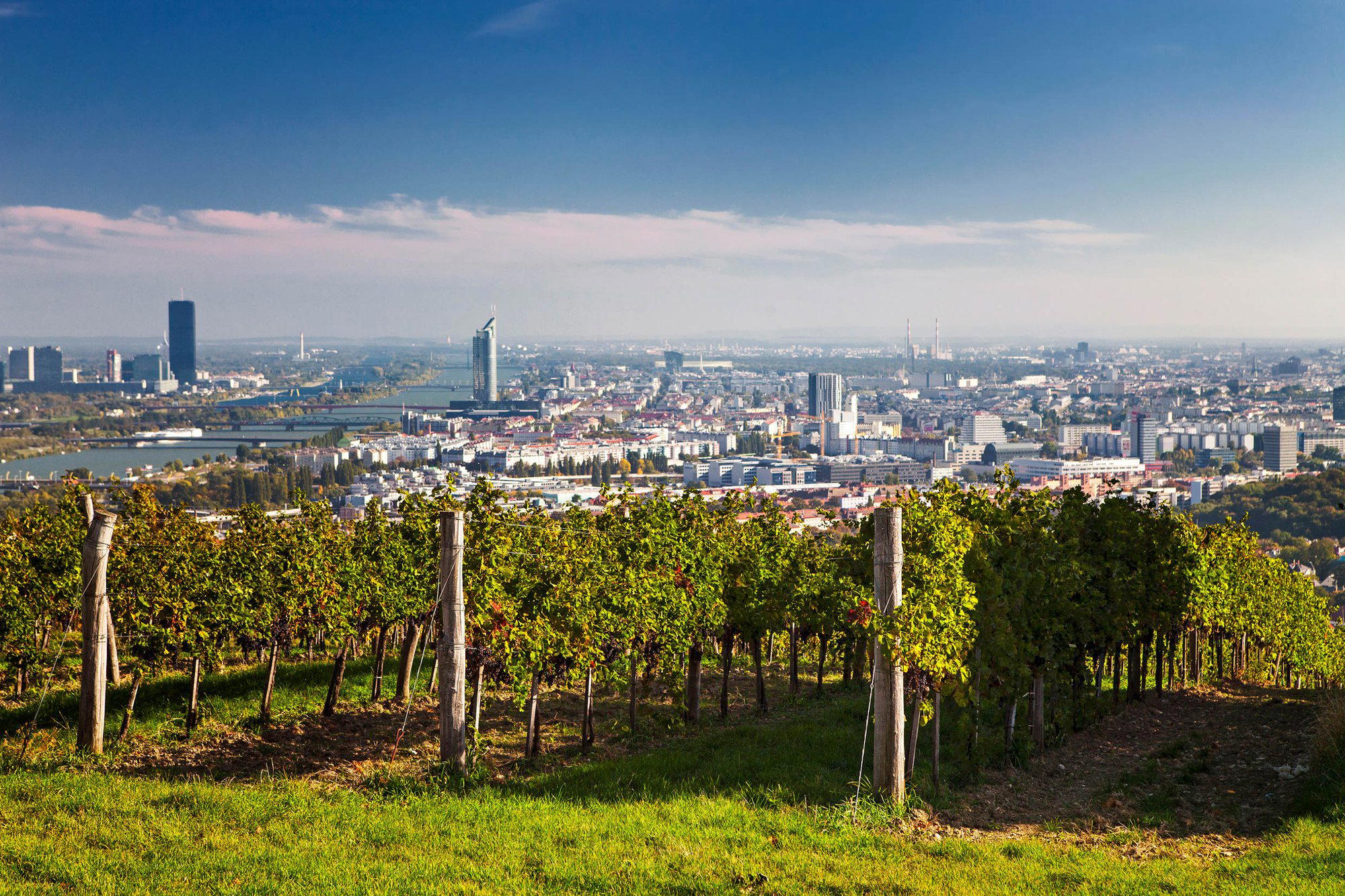
Karlsplatz itself functions as a kind of topographical crossroads for central Vienna. The square connects the Ringstrasse's cultural strip (the Musikverein is a short walk east, the Kunsthistorisches and Naturhistorisches Museums a few minutes north) with the residential and market character of the 4th and 5th districts. The Naschmarkt, Vienna's sprawling open-air market, begins just across the Wienzeile. That positioning means Club U draws from a genuinely mixed crowd: students from the nearby Technische Universität Wien, visitors using the U1/U2/U4 interchange below ground, and Viennese who have been coming to this specific corner of the city for entirely different reasons across different decades.
The Jugendstil Setting and What It Does to a Drinks Program
Drinking inside a protected Jugendstil pavilion is not the same as drinking inside a well-designed bar. The architecture asserts itself. Otto Wagner's 1899 structures at Karlsplatz feature green and white geometric cladding, gilded sunflower ornaments, and a roof profile that reads as decorative even at a distance. Inside, those design decisions create a particular kind of pressure on a bar program: the space has already made a statement before a single glass is poured, and the drinks either meet that register or they don't. Vienna's better bars in heritage settings tend to respond to this by leaning into precision and restraint rather than competing on visual drama. The room already has the drama.
Vienna's cocktail scene more broadly has followed a pattern visible across central European cities: a first wave of imported speakeasy formats in the early 2010s gave way to a quieter, more technically grounded bar culture by the late 2010s. Venues like Bar Tabacchi and Amerlingbeisl sit at different points along that arc, each reflecting a distinct reading of what a Vienna bar should do. Club U, with its club-format programming alongside bar service, occupies a different position in that spectrum, one where the social experience and the drinks program operate as co-equals rather than hierarchy. That format is common in Berlin and Budapest, less so in Vienna, where the café tradition tends to keep socialising and drinking closely tied to seating and service.
Where Club U Sits in Vienna's Night-Time Economy
Vienna's nightlife geography concentrates in predictable clusters: the Bermuda Dreieck around Schwedenplatz for high-volume venues, the Gürtel corridor for club-format spaces, and the area around the MuseumsQuartier for a more design-conscious crowd. The 25hours Hotel Vienna at MuseumsQuartier represents one version of that MuseumsQuartier register. Club U at Karlsplatz sits adjacent to all of those zones without belonging neatly to any of them, which is partly a function of the Otto Wagner Pavilion's civic identity and partly a function of the square's scale. Karlsplatz is big enough that it doesn't generate the concentrated foot traffic that animates Schwedenplatz, but the U-Bahn interchange beneath it means access is frictionless from almost anywhere in the city.
Augustiner Bräu Mülln in Salzburg operates on a radically different social logic, a beer hall with monk-run production that makes no concessions to cocktail culture. Landhauskeller in Graz anchors itself in regional wine and Styrian hospitality traditions. Carinthia Weinbar in Velden am Wörthersee reflects the lake-town leisure economy of Carinthia. Club U is distinctly Viennese in its combination of cultural heritage address and club-era programming, a pairing that would read oddly elsewhere in Austria but makes a particular kind of sense in a city where the Secession building is also used for contemporary events and the Kunsthalle hosts parties.
For those with itineraries that extend beyond Austria, the Alte Donau bar scene on Vienna's eastern recreational waterway offers a summer-weighted outdoor alternative, while venues further afield like Achen Lake in Eben Am Achensee, Hotel Schwarzer Adler in Innsbruck, and Red Bull Hangar-7 in Himmelreich illustrate the range of formats Austria's bar and hospitality sector spans across its geography.
Planning a Visit
Club U is located at Karlsplatz, 1040 Wien, directly accessible via the Karlsplatz U-Bahn station served by the U1, U2, and U4 lines, making it among the more transit-connected venues in Vienna. Because the venue combines bar and club programming, the character of an evening here shifts considerably depending on when you arrive: earlier hours tend toward a bar register, later hours toward a club format. Visitors looking for a quieter drinks experience should plan accordingly. Club U is walk-in friendly, with hours that run from 7 PM to midnight on Mondays, Tuesdays, and Sundays, and from 7 PM to 4 AM from Wednesday through Saturday.
Comparison Snapshot
Comparable venues nearby, for context on price, style, and recognition.
| Venue | Cuisine | Price | Notes |
|---|---|---|---|
| Club UThis venue — the venue you are viewing | lounge | $$ | Not listed |
| Grelle Forelle | Bar | $$ | Doebling |
| Eulennest Vinothek | wine_bar | $$ | Wieden |
| R&Bar | cocktail_bar | $$ | Mariahilf |
| Intermezzo Bar | hotel_bar | $$$ | Staatsoper |
| Bar Tabacchi | cocktail_bar | $$ | Margareten |
Continue exploring
More in Vienna
Bars in Vienna
Browse all →
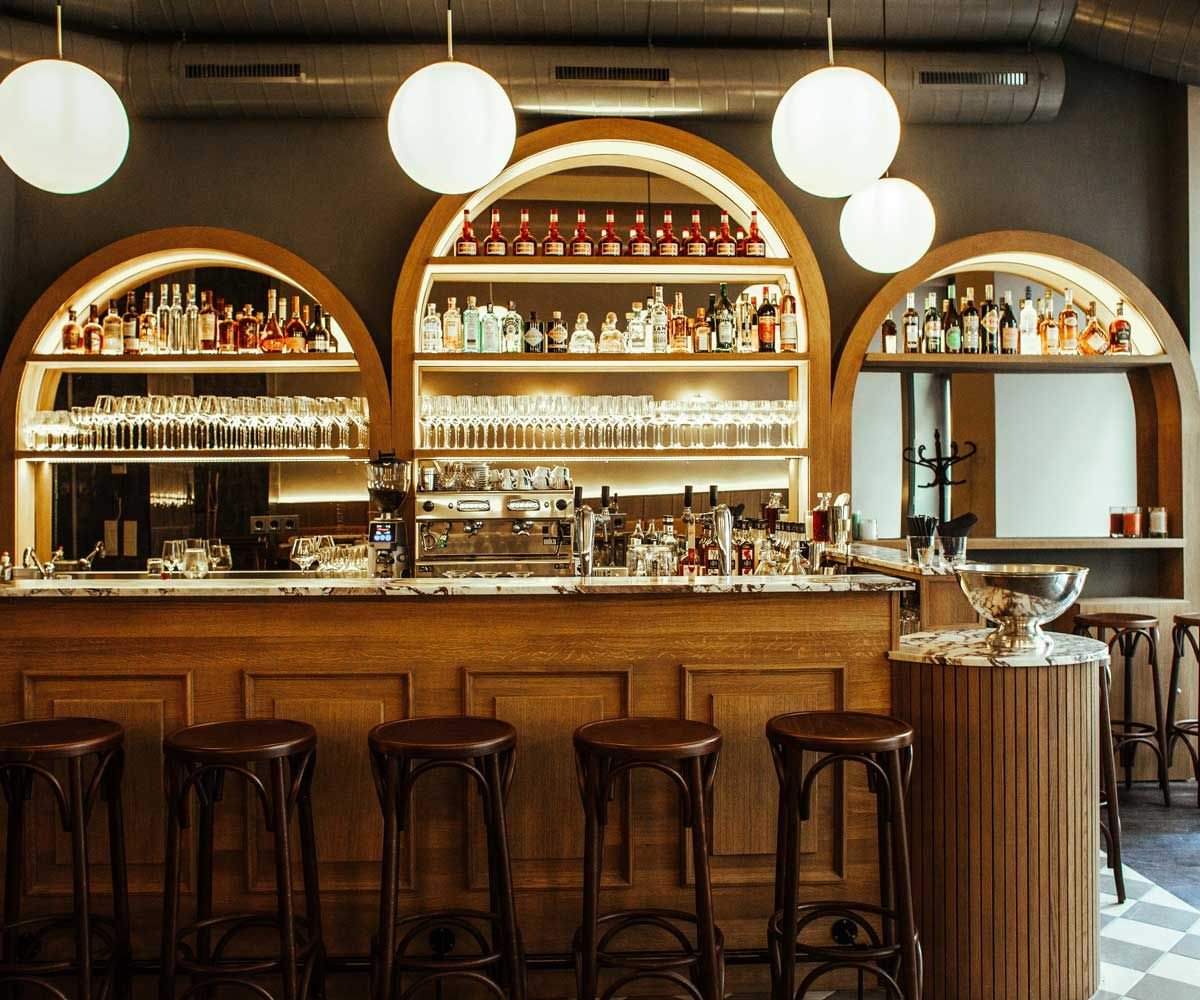
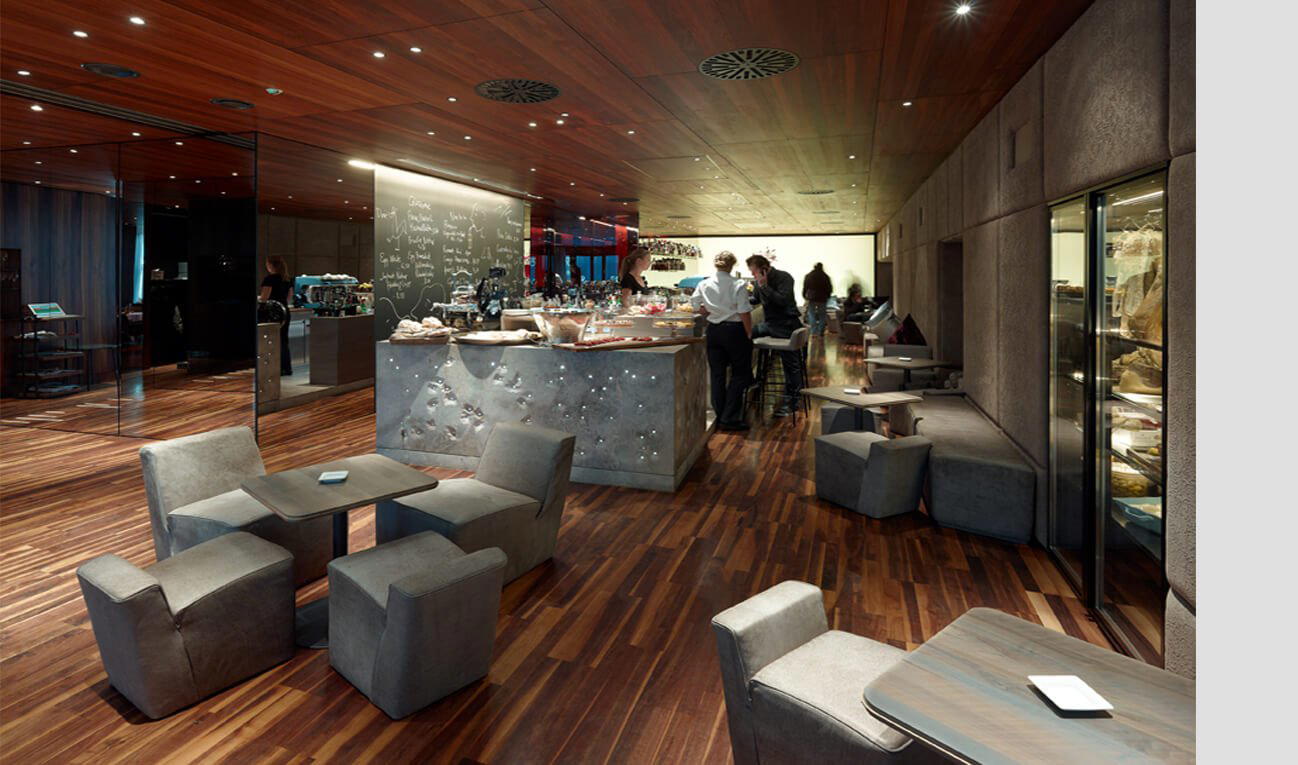
Restaurants in Vienna
Browse all →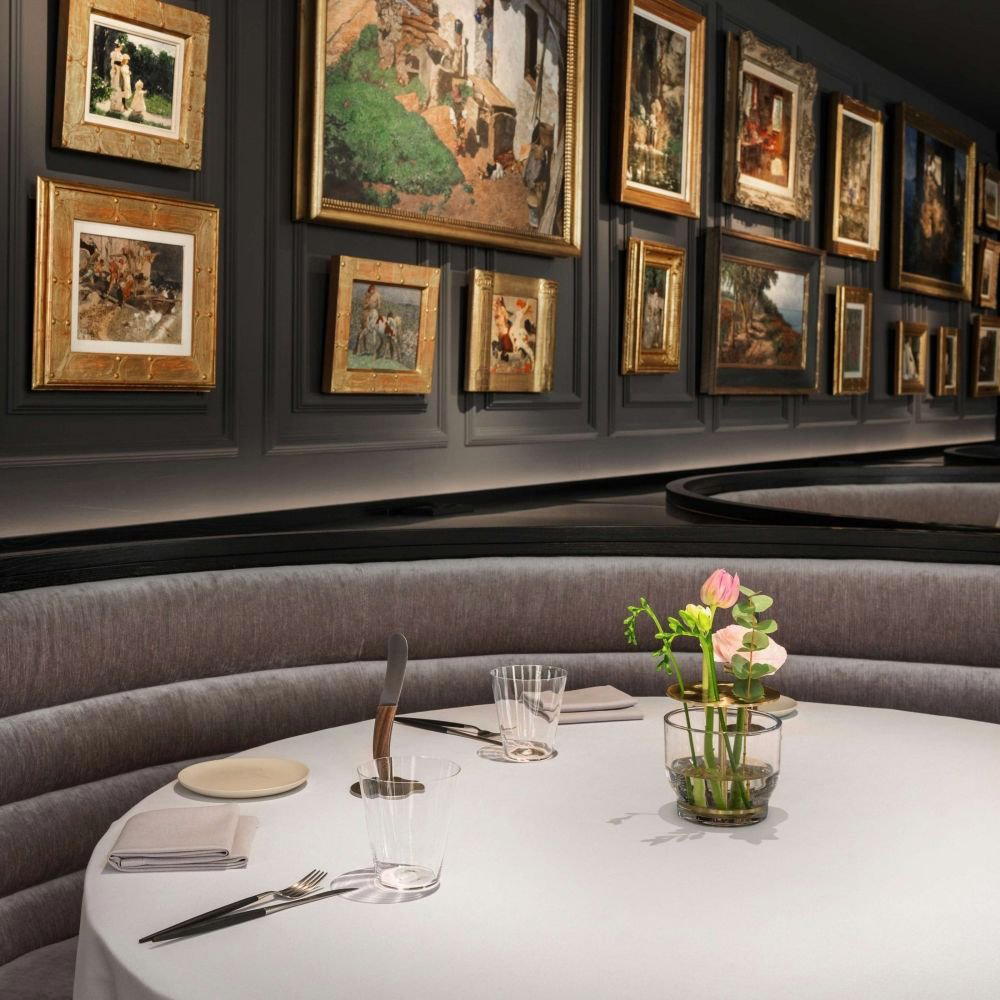
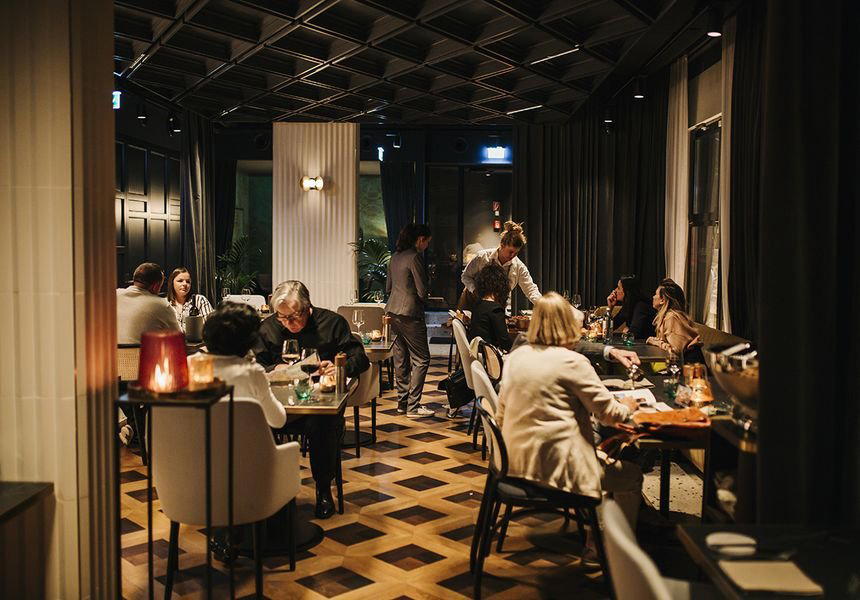
Hotels in Vienna
Browse all →
At a Glance
- Lively
- Energetic
- Trendy
- Late Night
- Group Outing
- Casual Hangout
- Live Music
- Garden
- Historic Building
- Design Destination
- Standalone
- Standing Room
- Lounge Seating
- Outdoor Terrace
- Classic Cocktails
- Garden
Current opening hours
- Monday
- 7 PM–12 AM
- Tuesday
- 7 PM–12 AM
- Wednesday
- 7 PM–4 AM
- Thursday
- 7 PM–4 AM
- Friday
- 7 PM–4 AM
- Saturday
- 7 PM–4 AM
- Sunday
- 7 PM–12 AM
Hours can change for holidays and private events. Last verified .
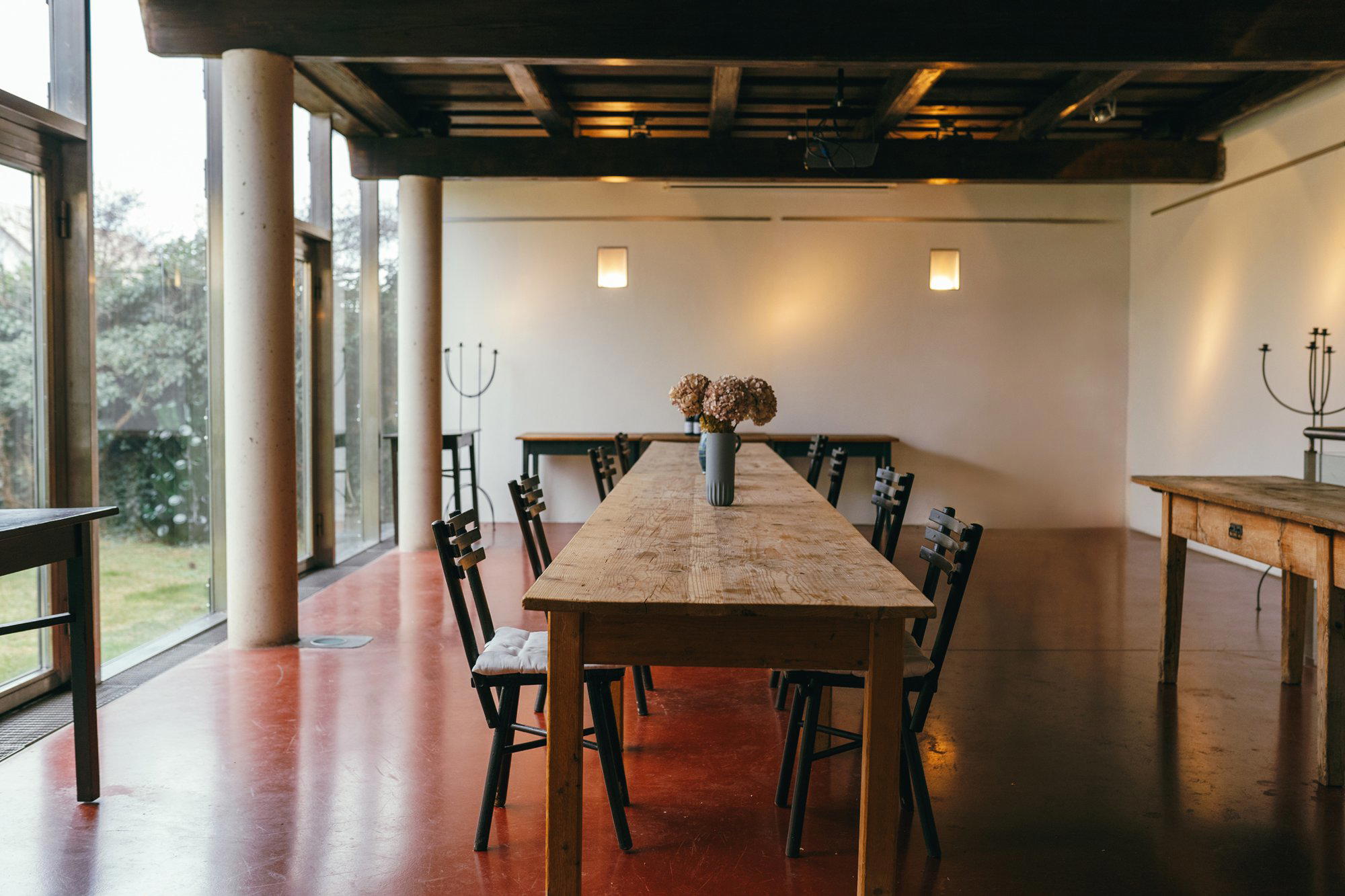
Energetic dance club atmosphere with cozy black seating areas around a small dance floor; decaying industrial aesthetic with an old subway entrance aesthetic.