On Braće Jovanovića in Pančevo, Poco Loco occupies a corner of the city's dining scene where the pace slows and the ritual of eating takes precedence.
Pearl is the En Primeur Club membership app — saves, bookings, and concierge access live there. Same editors, same standards.
- Address
- Braće Jovanovića 15, Pančevo, Serbia
- Phone
- +381648740306
- Website
- pocoloco.rs
- Directions
- Get directions
 Saves & bookings on Pearl
How Pančevo Eats: The Rhythm of a Meal in Serbia's Underrated Dining City
Poco Loco is a restaurant in Pančevo, Serbia, with. The city sits close enough to the capital to absorb some of its energy, yet far enough removed to maintain the slower, more deliberate eating culture that characterises provincial Serbia. Tables are taken seriously here. A lunch that begins at one o'clock rarely resolves before three. Conversation fills the gaps between courses rather than competing with them. Poco Loco, at Braće Jovanovića 15, operates within this rhythm rather than against it.
The street address places the venue inside Pančevo's central district, where a cluster of restaurants and cafés makes the city's eating habits visible to anyone willing to walk. In Serbian dining culture, the physical act of sitting down carries weight. You are not there to turn a table. You are there to occupy a chair, to order slowly, and to let the meal dictate its own conclusion. Poco Loco's name, a small, light touch of irony in a city that takes its pleasures seriously, fits that context in an oblique way.
The Pančevo Restaurant Circuit: Where Poco Loco Sits
Pančevo's dining scene is small enough that individual venues carry distinct identities within a compact comparable set. Dvorište draws on courtyard dining traditions that connect the meal to outdoor space and seasonal air. Kordun positions itself within the kafana lineage, the Serbian institution that blends restaurant, tavern, and social hall into a single form. Windmill and Šajka each occupy their own register, with the latter trading on the riverside associations that define a specific kind of Vojvodina eating experience. Burrito Madre Big Pančevo represents the other end of the spectrum, where international formats have arrived and found a local audience.
The restaurant presents itself straightforwardly to local diners. There is no chef biography on record, and no formal web presence is documented here. In Serbia, this is less unusual than it might appear in a larger European capital. Many of the country's most consistently attended local restaurants operate on reputation transmitted through neighbourhood conversation rather than digital channels. That mode of discovery is itself part of the dining ritual: you hear about a place, you go, you form your own account.
The Ritual Structure of a Serbian Table
Understanding the restaurant as a dining experience means understanding the format conventions that govern Serbian restaurant culture at this tier. The meal typically opens with bread and something cold, whether pickled vegetables, a spread, or a salad that arrives before any formal ordering begins. This is not an amuse-bouche in the French sense; it is a declaration that the table has been claimed and time has been allocated. The main course follows without much ceremony, often grilled meat or a slow-cooked preparation depending on the house's strengths. Dessert, when ordered, is treated as optional rather than mandatory, and coffee, always Turkish in style, closes proceedings with a finality that the table accepts rather than rushes.
This structure, observed in kafanas and local restaurants across Vojvodina, from Etno Kuća Dinar in Vrsac to Kafana Dukat in Pirot, reflects a national attitude toward eating that prioritises duration and sociability over novelty or technical display. It contrasts sharply with the tasting-menu logic of internationally recognised restaurants like Atomix in New York City or the disciplined precision of Le Bernardin, where the kitchen controls pacing and the diner follows. In Serbia, the table controls pacing, and the kitchen accommodates.
Vojvodina's Culinary Position and What It Means at Table Level
Pančevo sits in Vojvodina, the northern Serbian province whose cuisine reflects layers of Central European, Ottoman, and Balkan influence that never fully resolved into a single identity. The food that comes out of this region's kitchens tends to be substantial, ingredient-forward rather than technique-forward, and calibrated to the agricultural calendar in ways that urban restaurants in Belgrade often flatten out. Restaurants along the Vojvodina circuit, including Čarda Zlatna Kruna in Apatin and comparable riverside venues, tend to emphasise freshwater fish, paprika-heavy stews, and cured meats in ways that reflect the region's larder rather than imported culinary trends.
Whether the restaurant follows that regional template or operates in a different register is not something the available record confirms. What can be said with confidence is that any restaurant in Pančevo's centre occupies a culinary geography shaped by those Vojvodina conventions, and that the ritual expectations of its local clientele are formed by the same cultural inheritance.
Planning a Visit: What to Know Before You Go
The restaurant's address at Braće Jovanovića 15 places it in a walkable part of Pančevo's centre, accessible from the city's main streets without complicated logistics. Pančevo connects to Belgrade by road and public transport, making it a viable half-day or full-day excursion for visitors based in the capital. For context on how the broader Serbian dining circuit compares, Kafe Restoran Maša in Novi Sad and Kod Brana in Cacak offer reference points at similar price registers across the country.
Reservations are recommended. In keeping with how many local Serbian restaurants operate, visiting without a reservation may be entirely normal for off-peak periods, though for weekend lunch, when the Serbian tradition of the long table is at its most active, arriving early is the practical move. Nearby reference points include Lovački dom in Valjevo, Grand in Kopaonik, and Aleksandar Gold in Uzice. For something closer to home, Kod poštara in Aran Elovac represents a similar neighbourhood-anchored approach.
Cuisine-First Comparison
Comparable venues nearby, for context on price, style, and recognition.
| Venue | Cuisine | Price | Notes |
|---|---|---|---|
| Poco LocoThis venue — the venue you are viewing | International and Serbian Cuisine | $$ | Not listed |
| Kordun | Traditional Serbian Cuisine | $$ | Pancevo |
| Windmill | Traditional Serbian | $$$ | Pančevo |
| Burrito Madre Big Pančevo | Mexican Burritos & Tacos | $$ | TC BIG |
| Dvorište | Traditional Serbian with Pizza and Barbecue | $$ | Central Pančevo |
| Šajka | Serbian Riverside Fish Restaurant | $$$ | Tamis Rivier |
Continue exploring
More in Pancevo
Restaurants in Pancevo
Browse all →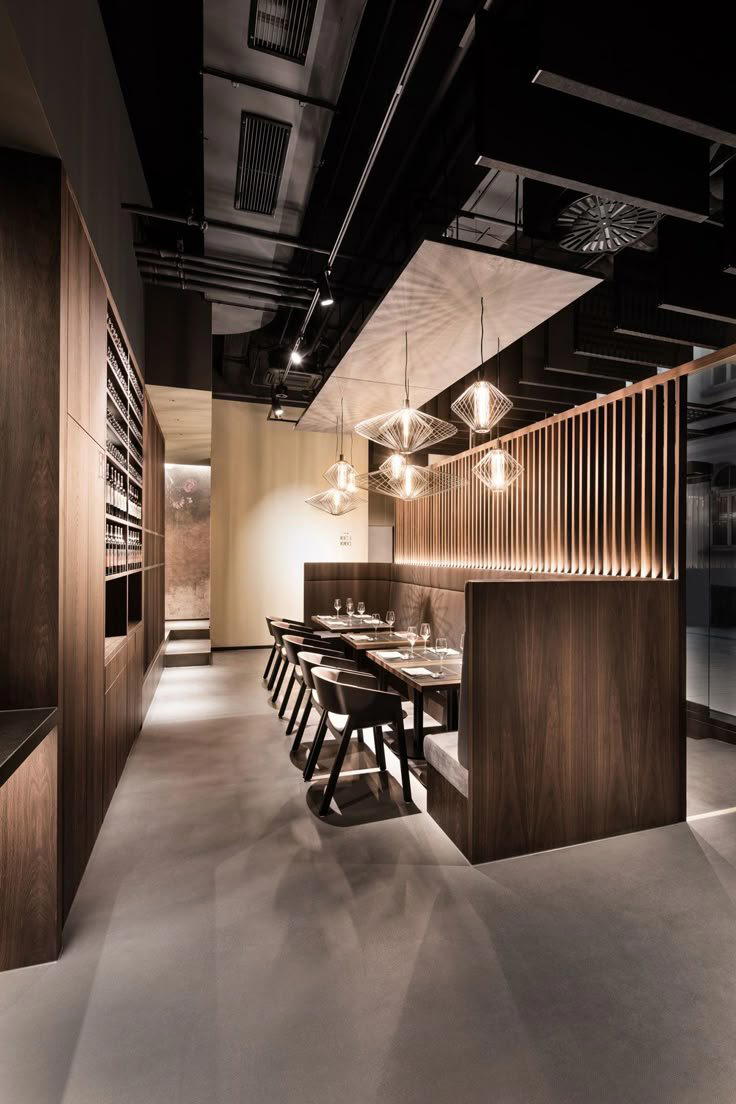
Bars in Pancevo
Browse all →
Hotels in Pancevo
Browse all →

At a Glance
- Modern
- Cozy
- Family
- Group Dining
- Business Dinner
- Celebration
- Private Dining
Current opening hours
- Monday
- 8 AM–10 PM
- Tuesday
- 8 AM–10 PM
- Wednesday
- 8 AM–10 PM
- Thursday
- 8 AM–10 PM
- Friday
- 8 AM–10 PM
- Saturday
- 8 AM–10 PM
- Sunday
- 8 AM–10 PM
Hours can change for holidays and private events. Last verified .
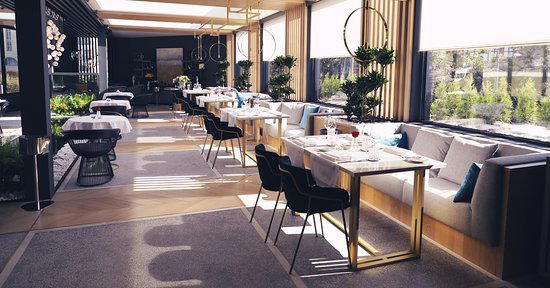
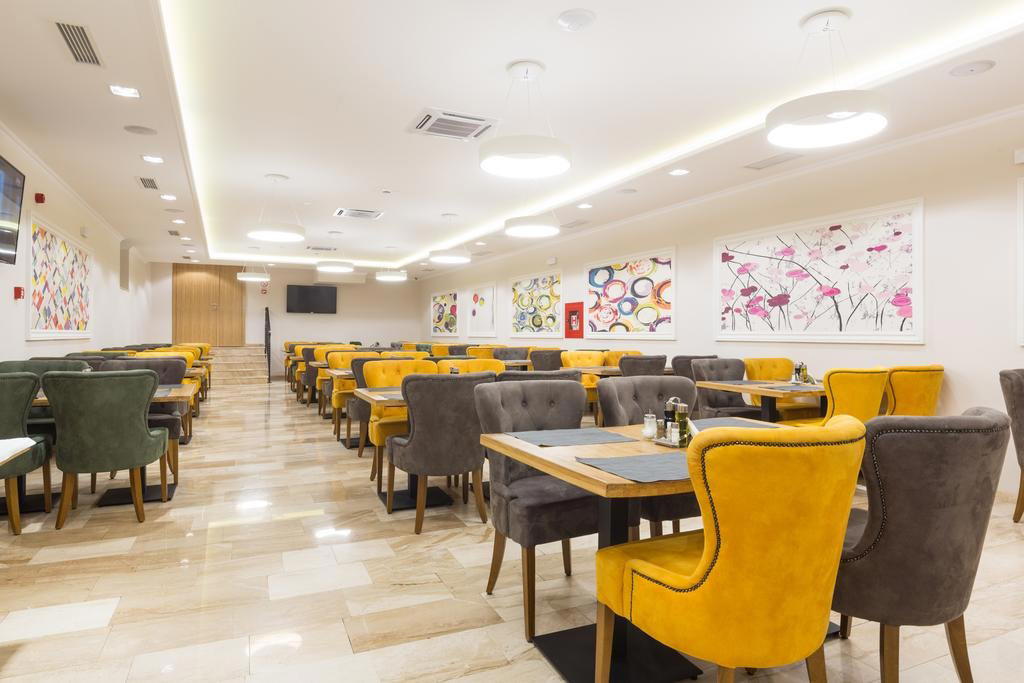
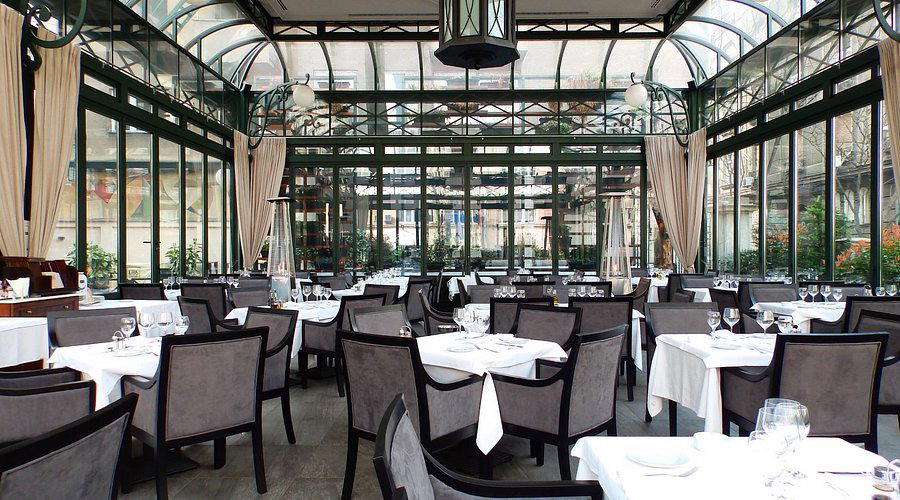
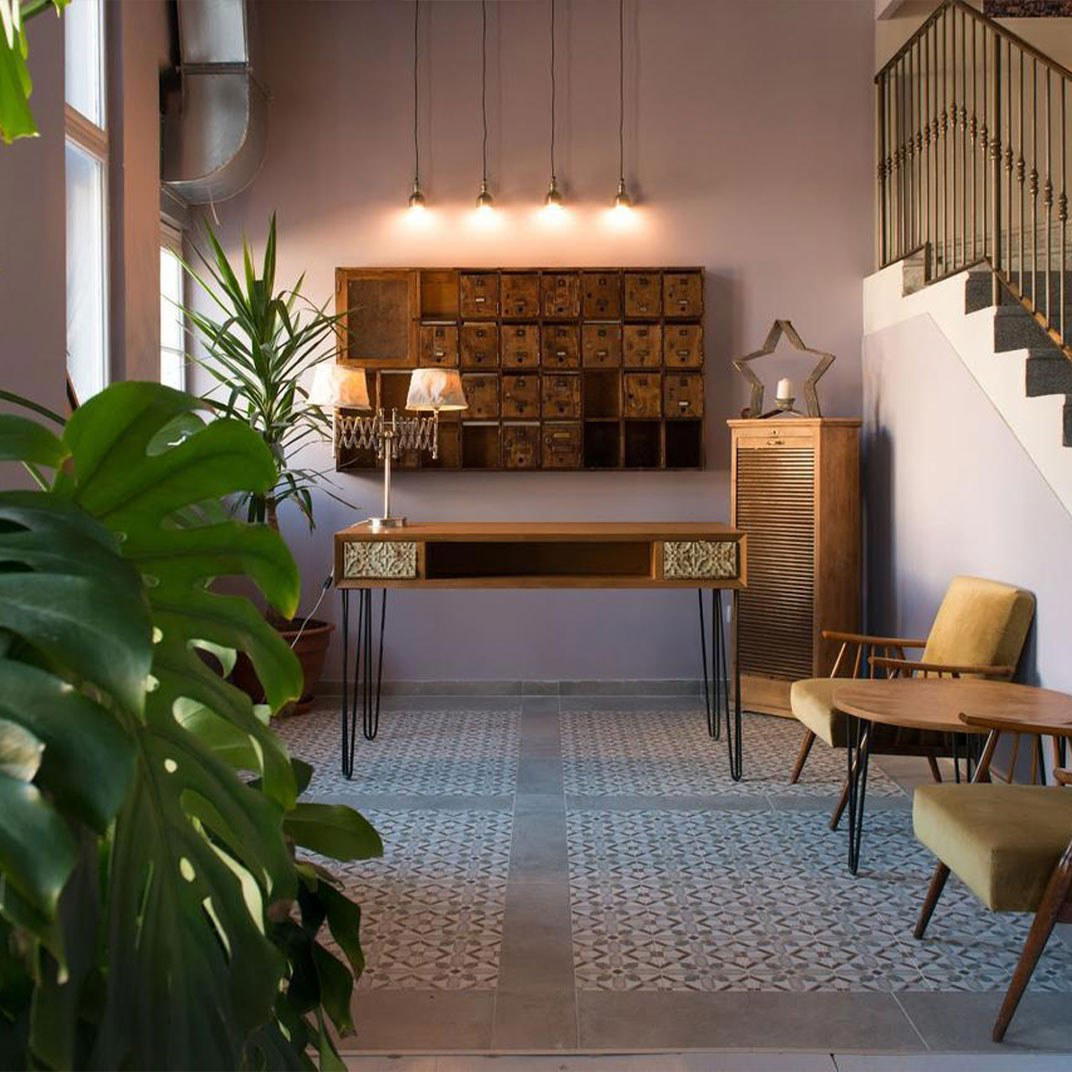
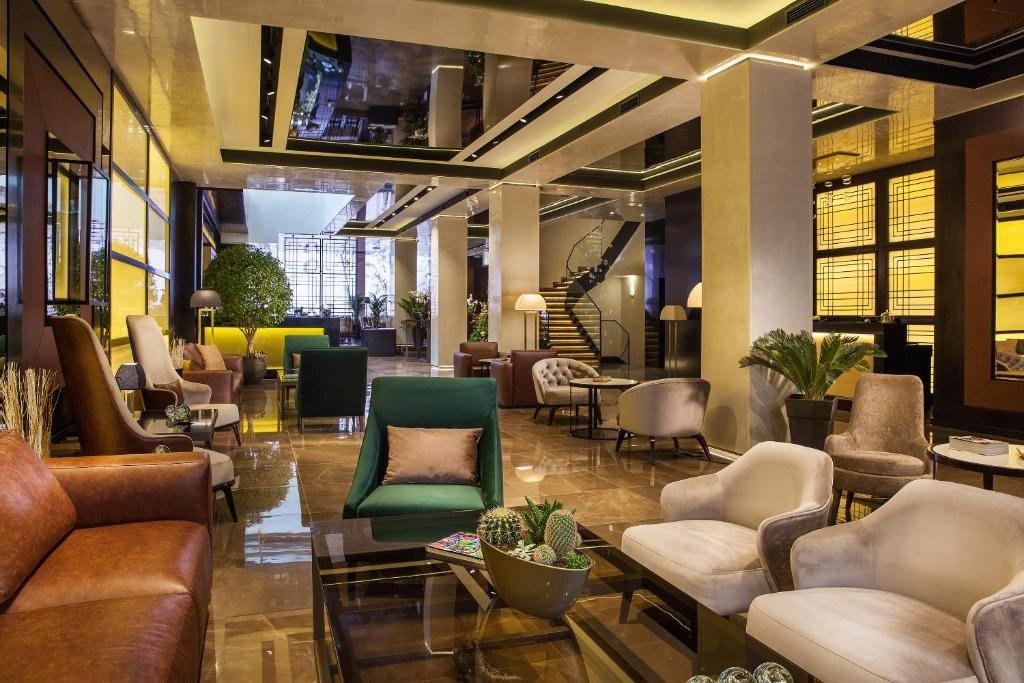
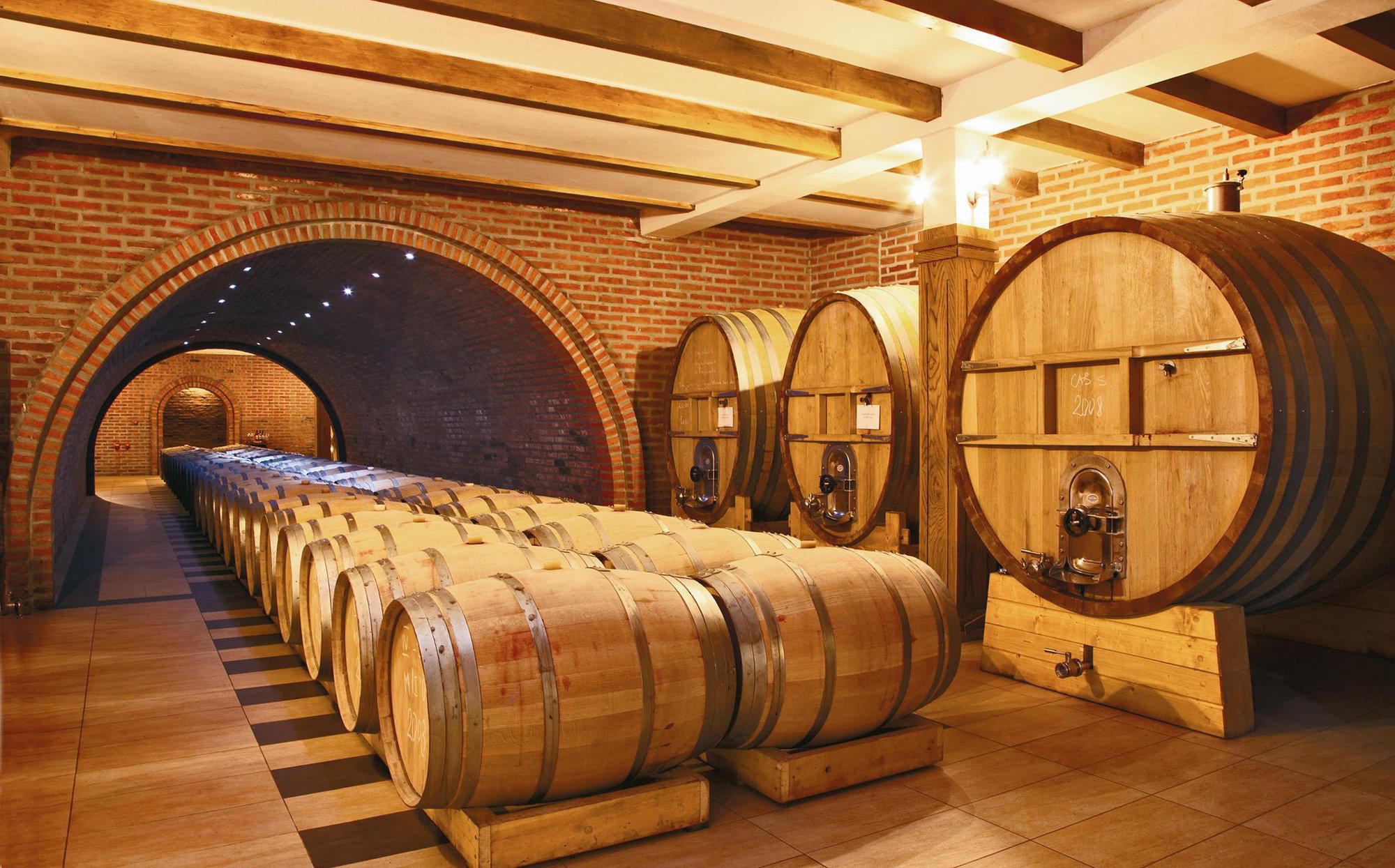
Well-arranged and carefully decorated modern interior with welcoming environment, stylish Golden Hall, and air-conditioned conservatory.