Kordun sits on Braće Jovanovića in central Pančevo, operating within a Serbian dining tradition that prizes slow cooking, seasonal produce, and the kafana atmosphere that underpins social life across the country. The address places it among a compact cluster of restaurants serving a city that functions as both an industrial satellite of Belgrade and a community with its own distinct culinary identity.
Pearl is the En Primeur Club membership app — saves, bookings, and concierge access live there. Same editors, same standards.
- Address
- Braće Jovanovića 17, Pančevo 26000, Serbia
- Phone
- +38113341542
- Directions
- Get directions
 Saves & bookings on Pearl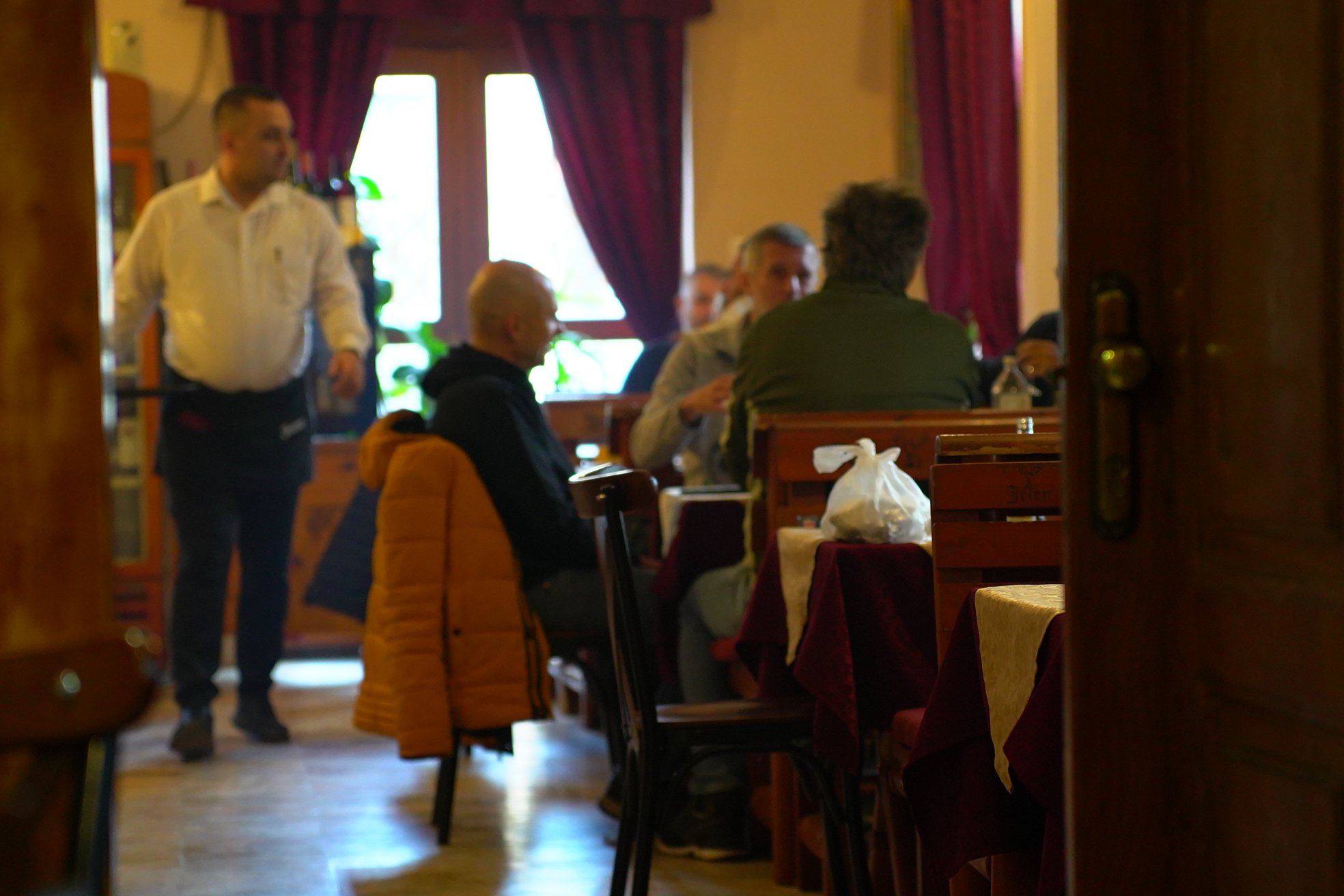
Pančevo at the Table
Approach Braće Jovanovića on a weekday evening and you find the kind of street that still measures its rhythm in conversation rather than foot traffic. Pančevo sits roughly 15 kilometres north-east of Belgrade across the Tamiš and Danube confluence, close enough to the capital to draw comparisons, far enough to have maintained a dining culture that answers to its own logic. The city's restaurants do not perform for tourists; they serve a population with strong expectations about what a meal should feel and taste like. Kordun is a casual, walk-in-friendly restaurant serving Traditional Serbian Cuisine at Braće Jovanovića 17, Pančevo 26000, Serbia.
Serbia's restaurant culture has two broad registers. The first is the kafana tradition: low ceilings, long evenings, grilled meats, rakija, and a social contract that treats lingering as a virtue rather than an imposition. The second is a younger, more technically oriented wave concentrated in Belgrade and, to a lesser degree, Novi Sad. Pančevo's dining scene sits predominantly in the first register, and venues here are judged by how faithfully they serve the Serbian table rather than how creatively they depart from it. That context matters when placing Kordun within its local comparable set alongside addresses like Dvorište and Šajka.
The Cultural Architecture of Serbian Cooking
Serbian cuisine draws on three intersecting traditions: the livestock-centred cooking of the interior highlands, the river and wetland produce of Vojvodina in the north, and the Ottoman-inflected techniques that shaped grilling, slow-braising, and the use of paprika and onion as foundational aromatics. Pančevo sits inside Vojvodina's culinary orbit, which means the table tends toward richer, more agricultural preparations than the leaner mountain food of central Serbia. Čorba (thick soup), sarma (cabbage rolls with minced meat), roasted pork and lamb, and seasonal fresh cheese all carry weight here.
The kafana as a format deserves its own attention. Across Serbian cities, the kafana is not simply a restaurant; it is a social institution with a specific set of obligations toward its guests. The expectation is abundance, warmth, and time. A table is not turned in the way a Western European bistro might turn one. Bread arrives without being ordered. A glass of something arrives while you study the menu. These are not affectations; they are the grammar of the form. Restaurants in smaller Serbian cities like Pančevo tend to maintain this grammar more consistently than their Belgrade counterparts, where international dining norms have begun to overlay the older tradition. For comparison with how Belgrade itself handles the tension between those two modes, Langouste in Belgrade represents the capital's more contemporary direction.
The broader Serbian picture also includes regional anchors that have built strong local reputations precisely by committing to their geographic identity: Lovački dom in Valjevo and KAFANA DUKAT in Pirot both illustrate how a kitchen rooted in a specific regional tradition can develop a loyal following without aspiring to a metropolitan benchmark. Kordun operates within that same logic.
Pančevo's Dining comparable set
A city of around 75,000 people generates a restaurant scene that is, by design, intimate. Pančevo's dining options range from grilled-meat specialists to riverside addresses that lean into the Tamiš setting. Among the venues clustered in the central area, the competition is less about technical virtuosity and more about consistency, generosity of portion, and the quality of house-made staples. Poco Loco and Burrito Madre Big Pančevo represent the city's move toward non-Serbian formats, while Windmill occupies a different register again. Kordun's address on Braće Jovanovića places it in the central residential and commercial fabric rather than on a prominent riverside or plaza position, which typically signals a venue that builds its following through reputation among locals rather than foot traffic or setting.
That positioning is characteristic of how Serbian regional cooking sustains itself outside the capital. Etno Kuća Dinar in Vrsac, roughly 60 kilometres south-east of Pančevo, and Kod Brana in Cacak both demonstrate how ethnographic and regional identity markers, built into the name or the format, help a restaurant establish authority with a local audience that takes culinary heritage seriously. ČARDA ZLATNA KRUNA in Apatin takes the river-centred variant of this approach further into Vojvodina's fishing tradition. Each operates within a specific cultural lane, and Kordun's name, a reference to a historically significant region of the former Yugoslav space, carries its own set of associations for Serbian diners.
Planning a Visit
Pančevo is accessible from Belgrade by bus from the Lasta terminal, with journey times typically under 30 minutes depending on the route. By car, the city sits across the Pančevo Bridge and is a direct drive from the capital's eastern edge. Braće Jovanovića is a central street and navigable on foot from the main square. The restaurant is open Monday through Saturday from 8 AM to 9 PM and closed on Sunday, with a casual dress code and a walk-in-friendly policy. Serbian restaurants at this scale rarely require advance reservations except on weekend evenings or during local events.
Readers building a wider Serbian itinerary might also consider Kafe Restoran Maša in Novi Sad or Aleksandar Gold in Uzice for a sense of how the same broad culinary tradition expresses itself across different Serbian cities. Those looking for a mountain-resort context will find Grand in Kopaonik and Kod poštara in Aran Đelovac useful reference points. For a comparison at the opposite end of the formality spectrum, Atomix in New York City and Le Bernardin in New York City illustrate where tasting-menu culture has arrived globally, a useful frame for understanding why Serbian regional cooking, which makes no concessions to that format, remains a distinct and durable tradition on its own terms.
Booking and Cost Snapshot
Comparable venues nearby, for context on price, style, and recognition.
| Venue | Cuisine | Price | Notes |
|---|---|---|---|
| KordunThis venue — the venue you are viewing | Pancevo, Traditional Serbian Cuisine | $$ | Not listed |
| Poco Loco | Not listed | $$ | city center, International and Serbian Cuisine |
| Windmill | Pančevo, Traditional Serbian | $$$ | Not listed |
| Šajka | Not listed | $$$ | Tamis Rivier, Serbian Riverside Fish Restaurant |
| Burrito Madre Big Pančevo | TC BIG, Mexican Burritos & Tacos | $$ | Not listed |
| Dvorište | Not listed | $$ | Central Pančevo, Traditional Serbian with Pizza and Barbecue |
Continue exploring
More in Pancevo
Restaurants in Pancevo
Browse all →
Bars in Pancevo
Browse all →
Hotels in Pancevo
Browse all →

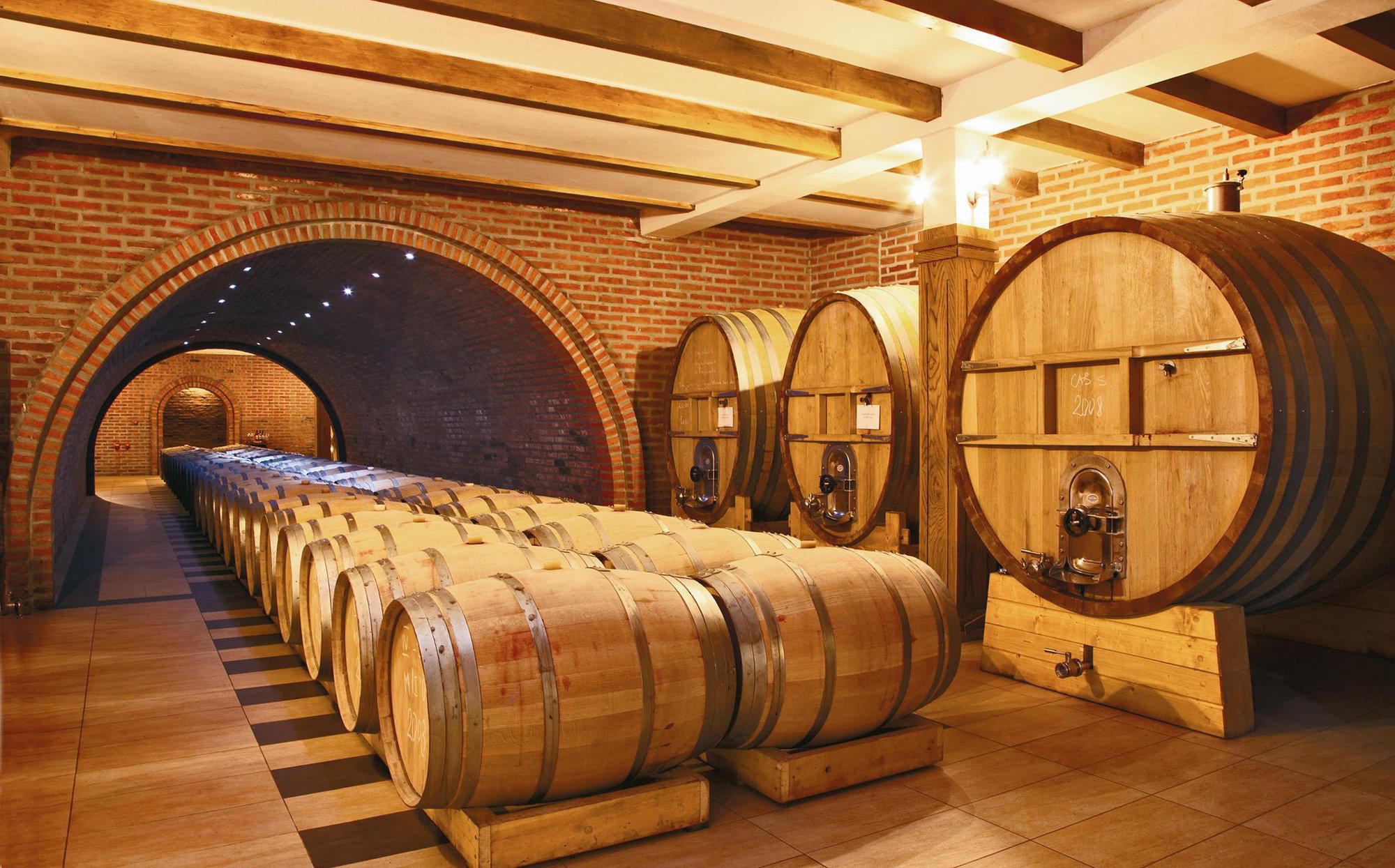
At a Glance
- Cozy
- Classic
- Family
- Casual Hangout
Current opening hours
- Monday
- 8 AM–9 PM
- Tuesday
- 8 AM–9 PM
- Wednesday
- 8 AM–9 PM
- Thursday
- 8 AM–9 PM
- Friday
- 8 AM–9 PM
- Saturday
- 8 AM–9 PM
- Sunday
- Closed
Hours can change for holidays and private events. Last verified .
Charming and cozy atmosphere.