Weltwirtschaft occupies a prominent address on John-Foster-Dulles-Allee in Berlin's Tiergarten district, sitting at the intersection of institutional Berlin and the city's evolving fine-dining scene. The restaurant draws visitors navigating the capital's diplomatic and cultural quarter, where serious wine programs and considered cooking increasingly define the offer. For those mapping Berlin's upper-tier restaurant circuit, it belongs on the itinerary alongside the city's Michelin-recognized addresses.
Pearl is the En Primeur Club membership app — saves, bookings, and concierge access live there. Same editors, same standards.
- Address
- John-Foster-Dulles-Allee 10, 10557 Berlin, Germany
- Phone
- +4930585822492
- Website
- weltwirtschaft.berlin
- Directions
- Get directions
 Saves & bookings on Pearl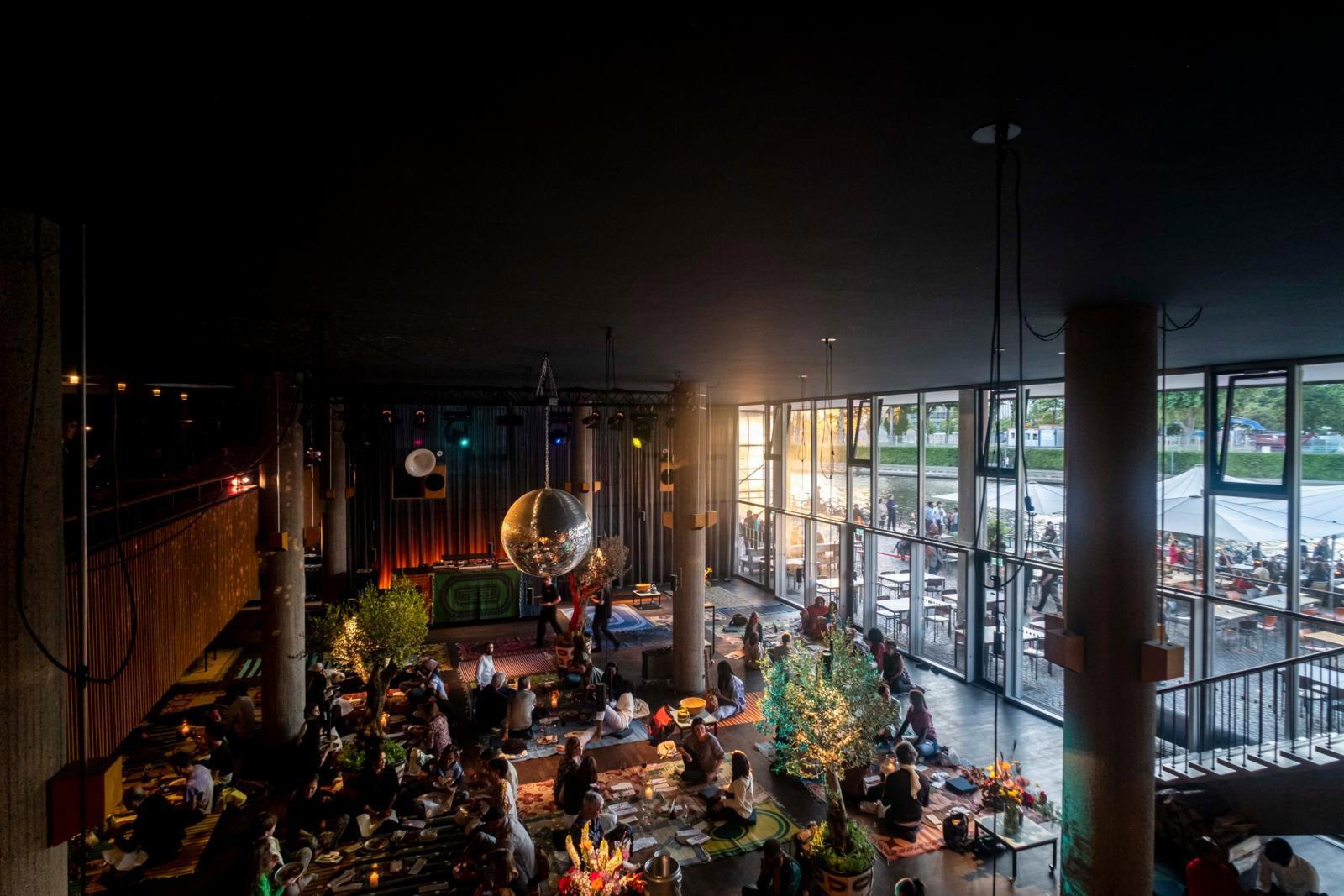
Where Tiergarten's Institutional Weight Meets the Table
John-Foster-Dulles-Allee runs through one of Berlin's most charged corridors: the Tiergarten lakefront, flanked by the Congress Centre, the Chancellery, and the cultural institutions that define the capital's civic identity. Arriving at Weltwirtschaft, the address itself sets expectations. This is an Italian-inspired restaurant with pizza in Berlin. The setting carries the gravitas of its surroundings, a place where the architecture of the city bleeds into the atmosphere of the room before a single dish or glass arrives.
Berlin's premium dining scene has reorganized itself significantly over the past decade. The cluster of Michelin-recognized addresses, from Rutz in Mitte to Nobelhart & Schmutzig on Friedrichstrasse, has pulled the city's culinary identity toward a harder-edged, produce-driven Nordic-German hybridity. Weltwirtschaft sits at a different register: rooted in the Tiergarten quarter's institutional seriousness, it occupies a position in the city's dining map that is defined less by avant-garde ambition and more by the kind of reliable, considered hospitality that political and cultural Berlin has always required.
The Wine Program as the Central Argument
In Berlin's current fine-dining tier, a serious wine list has become a separating factor as meaningful as the kitchen's output. The city's best-resourced rooms, including FACIL at The Mandala and CODA Dessert Dining, have demonstrated that the sommelier's role is no longer decorative. At Weltwirtschaft, the wine program is the primary editorial case to be made. The address, the setting, and the guest profile it attracts all point toward a room where the cellar is expected to carry its own weight.
Germany's fine-dining wine culture has been shaped by proximity to some of Europe's most argumentative appellations. The Mosel's slate-driven Rieslings, the Pfalz's weightier expressions, and the increasingly discussed reds from Baden and Württemberg form the backbone of any serious German list. A room positioned in the capital's diplomatic quarter, where guests arrive from contexts where wine literacy is assumed, cannot afford a list built on safe international labels alone. Particularly compelling German restaurant wine programs thread domestic depth with intelligent international selection, treating the two not as competitors but as complements within a single curatorial logic.
For context across Germany's fine-dining wine culture, the programs at Waldhotel Sonnora in Dreis and Vendôme in Bergisch Gladbach represent the established benchmark for cellar depth in the country's three-star tier. Schanz in Piesport operates within walking distance of the Mosel vineyards it pours, giving it an access that urban rooms cannot replicate. Weltwirtschaft's position in Berlin places it in the urban category, where curation and buying relationships matter more than geographic proximity.
Berlin's Fine-Dining Ecosystem: Where This Address Fits
The city's Michelin-starred circuit has expanded its geographic spread without losing density in its core zones. Restaurant Tim Raue operates at the boundary of German and Asian culinary logic, a position no other Berlin room occupies in quite the same way. Nobelhart & Schmutzig enforces a hyper-regional sourcing rule that functions as both cooking philosophy and political statement. CODA has reorganized the dessert-forward format into something the international press takes seriously. Each of these addresses has a legible identity that positions it within a broader argument about what Berlin cooking is and should be.
Weltwirtschaft on John-Foster-Dulles-Allee occupies a different kind of position: one defined by neighbourhood rather than by culinary manifesto. The Tiergarten quarter draws a guest profile distinct from the creative-class audiences that fill Kreuzberg and Mitte's more talked-about rooms. Embassies, government ministries, and the Congress Centre generate a hospitality demand rooted in reliability, discretion, and a wine list that can hold a conversation with guests who have eaten at Le Bernardin in New York or Aqua in Wolfsburg.
That context shapes what a room like this needs to deliver. The cooking does not need to be provocative; it needs to be precise. The service does not need to be theatrical; it needs to be fluent. And the wine list needs to demonstrate that whoever is running the cellar has a point of view, not just a catalogue.
Germany's Broader Fine-Dining Reference Points
Understanding Weltwirtschaft's place in Berlin requires some sense of where it sits relative to Germany's wider fine-dining distribution. The country's highest-rated rooms are concentrated outside the capital: Victor's Fine Dining by Christian Bau in Perl, Schwarzwaldstube in Baiersbronn, and ES:SENZ in Grassau all operate at the country's upper tier from non-urban addresses. Restaurant Haerlin in Hamburg and JAN in Munich represent the metropolitan tier.
Berlin, for all its cultural capital, has historically underperformed relative to its size in Michelin terms. The city's dining identity has been shaped more by accessibility and attitude than by the classical training pipelines that feed kitchens in Munich or Hamburg. That gap has been narrowing, and rooms across the city's top tier are operating with greater consistency than they were five years ago. Bagatelle in Trier and Atomix in New York illustrate how different cities and scenes construct prestige around different signals entirely.
Weltwirtschaft's Tiergarten address places it within Berlin's more traditionally oriented hospitality zone, where the guest arriving for dinner may have spent the afternoon in a government building or an embassy reception. That context is neither limiting nor elevating in itself; it simply defines the room's operating logic and the standards against which it must be judged.
Planning a Visit
Weltwirtschaft is located at John-Foster-Dulles-Allee 10, 10557 Berlin, in the Tiergarten district. The address is accessible from the Hauptbahnhof and the broader government quarter on foot or by short taxi ride. Given the institutional character of the neighbourhood, the room attracts a mixed audience of business guests, cultural-sector visitors, and tourists staying in the central Berlin hotels. Booking in advance is advisable, particularly for evening sittings, as the restaurant draws on a consistent local professional audience that fills the room on weekdays as reliably as on weekends.
Recognition, Side-by-Side
Comparable venues nearby, for context on price, style, and recognition.
| Venue | Cuisine | Price | Notes |
|---|---|---|---|
| WeltwirtschaftThis venue — the venue you are viewing | Italian-Inspired Global with Pizza | $$ | Not listed |
| Lovebirds | Contemporary Neapolitan Pizza | $$ | Scheunenviertel |
| Ristorante Il Castello | Classic Italian Trattoria | $$ | Charlottenburg |
| Sironi | Italian Spelt Pizza | $$ | Schoneberg |
| Vino & Basilico | Modern Italian | $$ | Mitte |
| Parma di Vinibenedetti | Organic Neapolitan Pizza | $$ | Kreuzberg |
At a Glance
- Scenic
- Lively
- Modern
- Group Dining
- Casual Hangout
- Special Occasion
- Waterfront
- Terrace
- Live Music
- Open Kitchen
- Extensive Wine List
- Local Sourcing
- Waterfront
- Skyline
Current opening hours
- Monday
- 12–11 PM
- Tuesday
- 12–11 PM
- Wednesday
- 12–11 PM
- Thursday
- 12–11 PM
- Friday
- 12–11 PM
- Saturday
- 12–11 PM
- Sunday
- 12–9 PM
Hours can change for holidays and private events. Last verified .
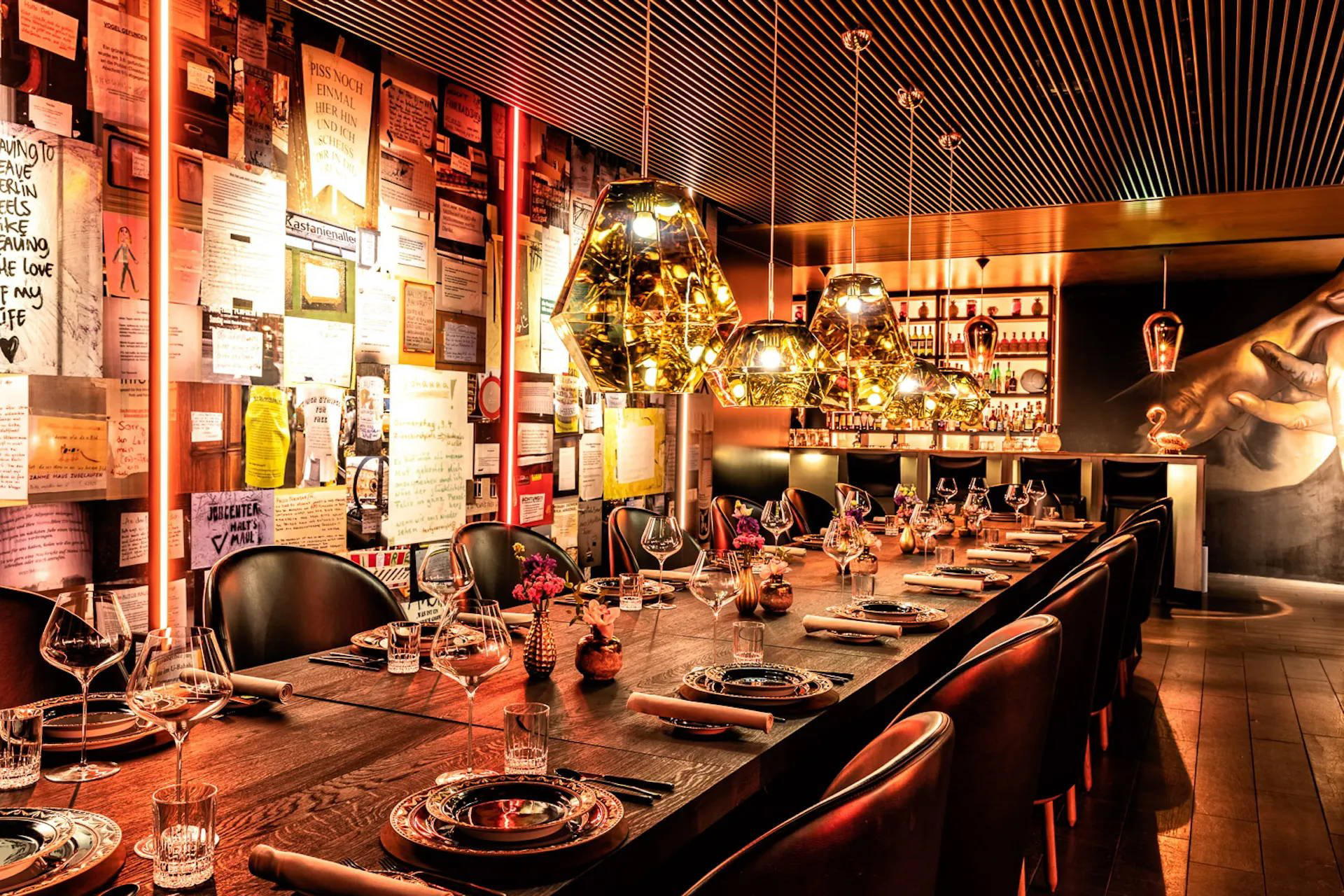
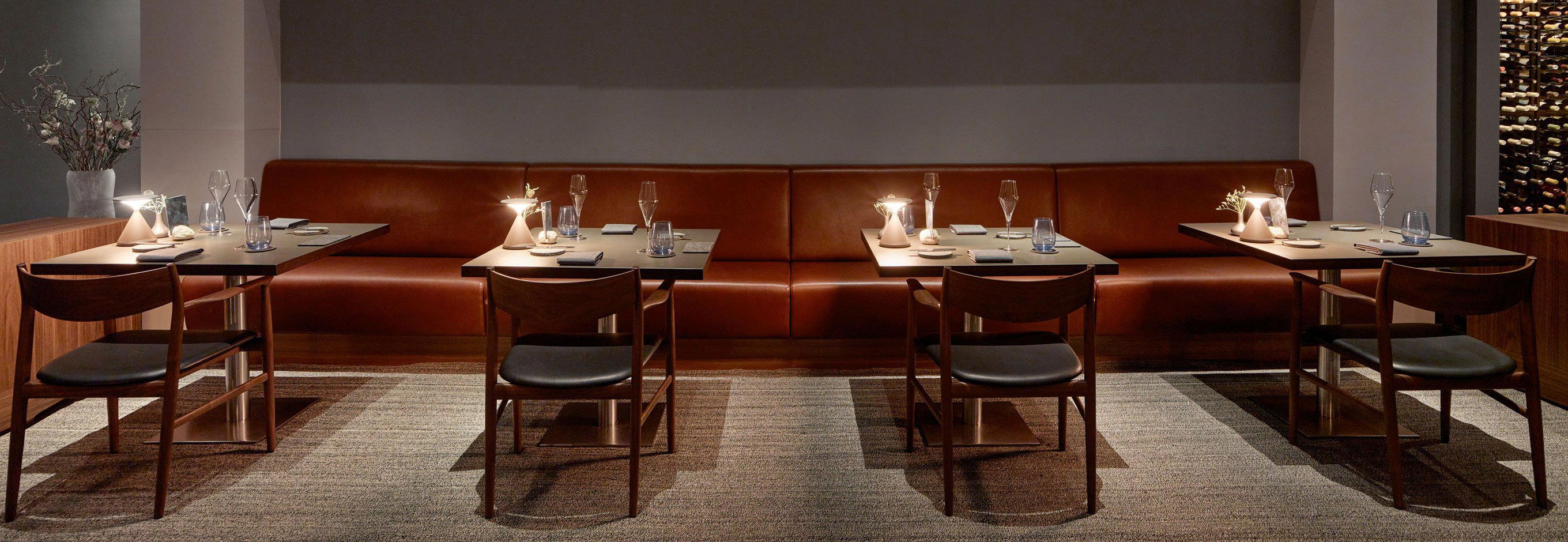
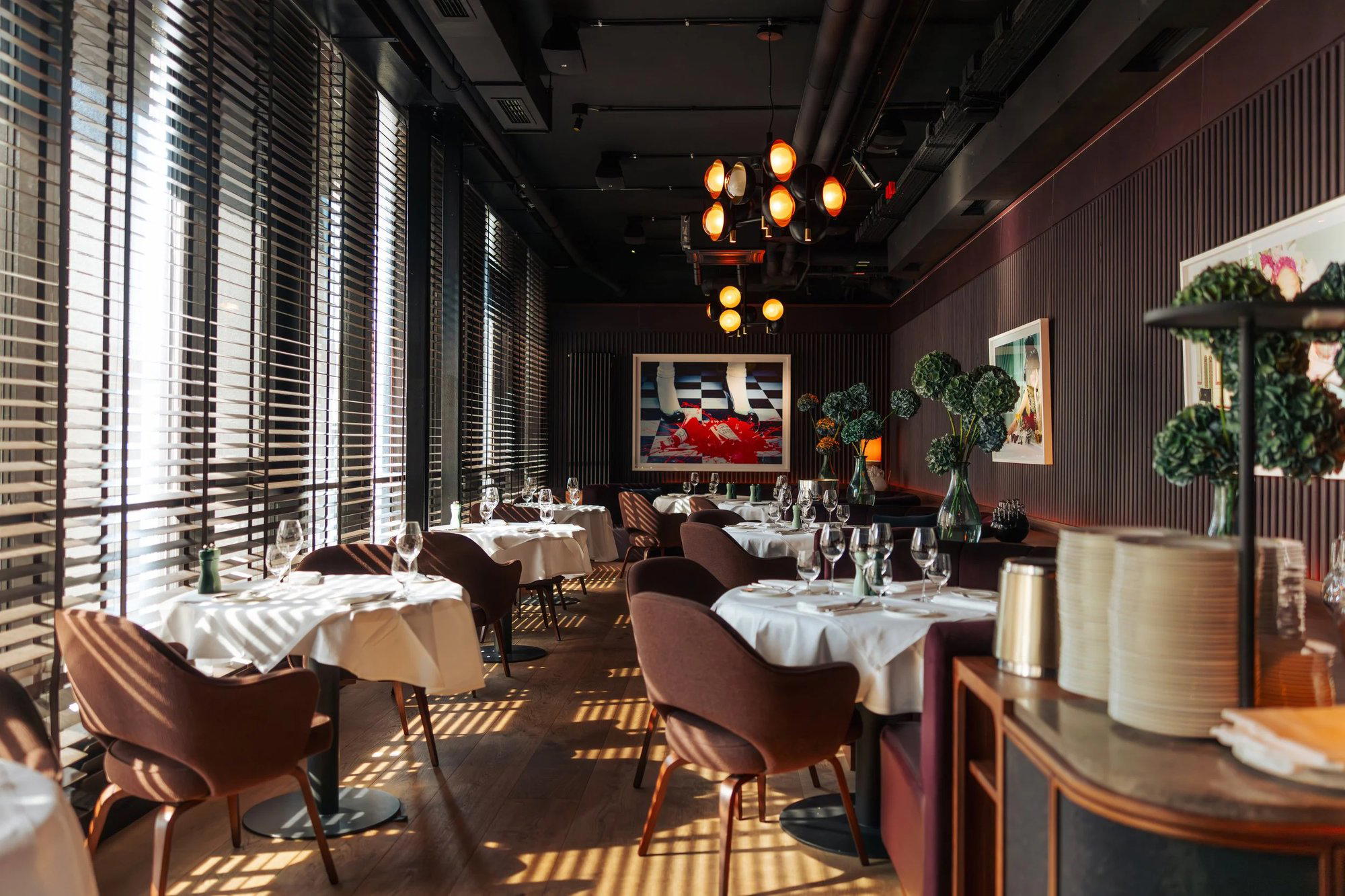
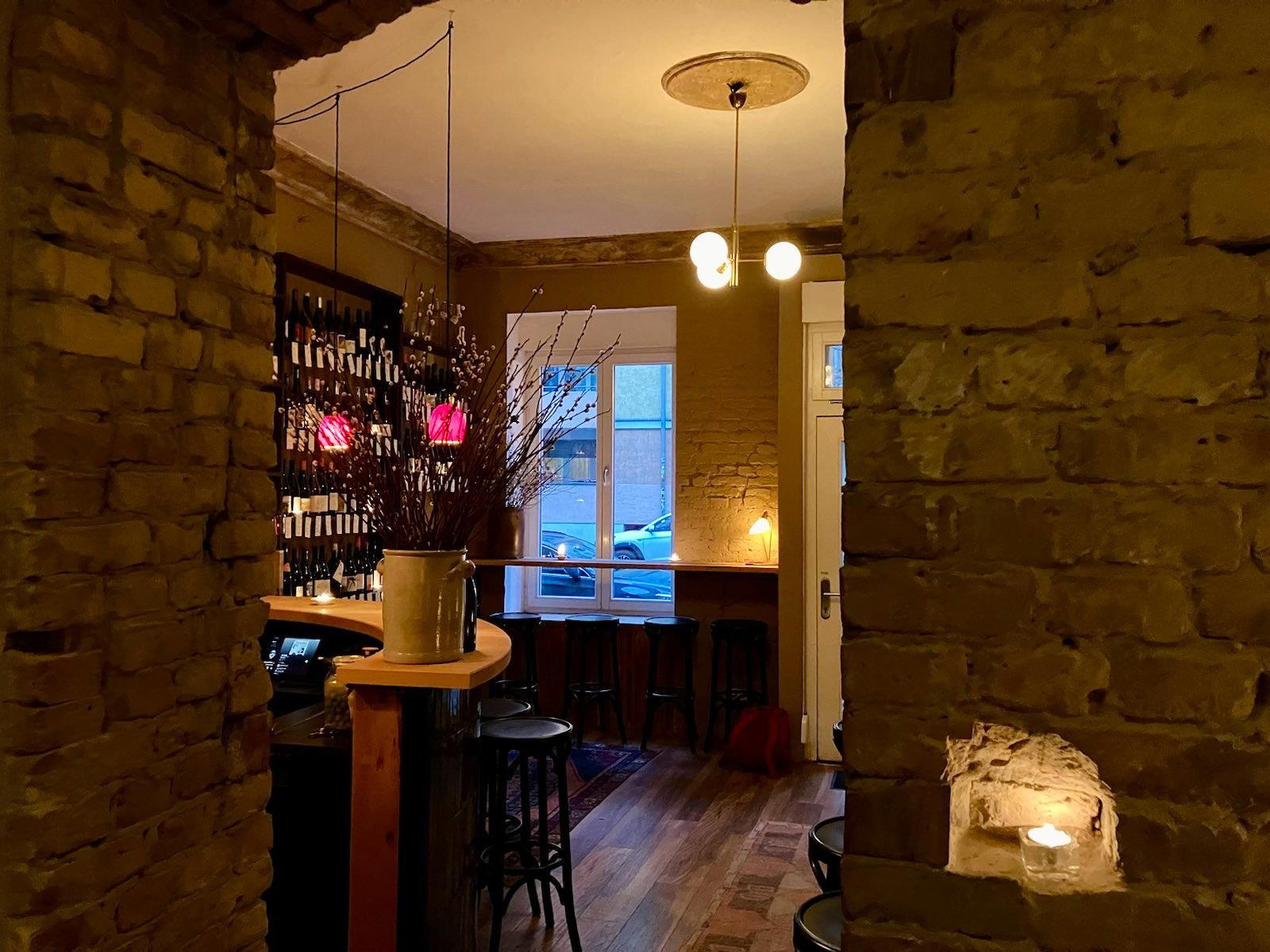
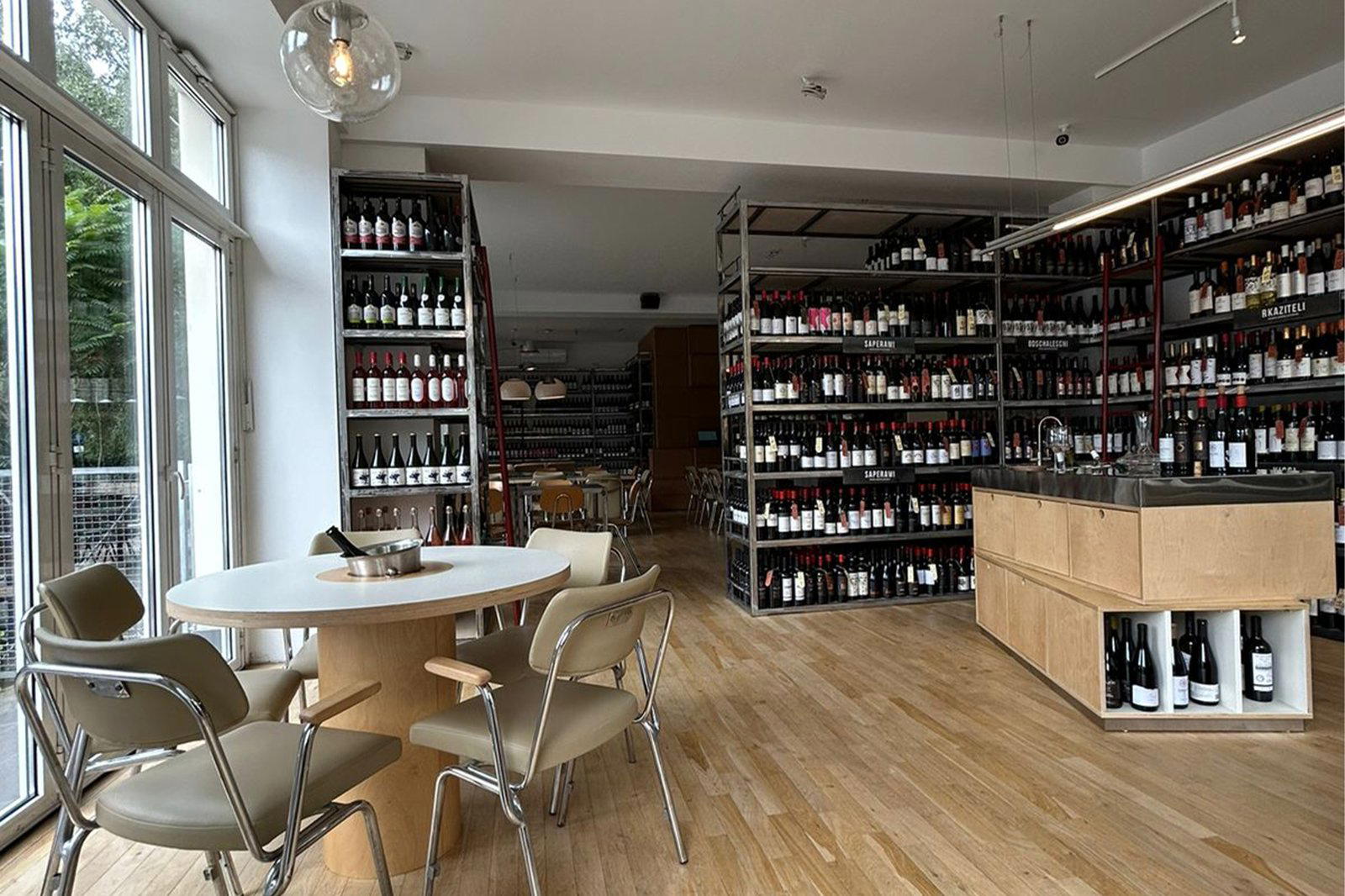
Bright and open with dramatic Spree and skyline views, festive lighting like lamettahimmel in winter, lively atmosphere enhanced by occasional live music.