Weinträne occupies a quiet stretch of Schleißheimer Strasse in Munich's Maxvorstadt district, where the city's wine-bar scene has quietly matured into something worth serious attention. The address positions it alongside a growing cohort of venues where the wine list and the kitchen operate as a single, coordinated argument rather than separate departments. For Munich visitors building a dining itinerary, it belongs on the shortlist alongside the city's established fine-dining addresses.
Pearl is the En Primeur Club membership app — saves, bookings, and concierge access live there. Same editors, same standards.
- Address
- Schleißheimer Str. 77, 80797 München, Germany
- Phone
- +498937454251
- Website
- xn--wein-trne-12a.de
- Directions
- Get directions
 Saves & bookings on Pearl
A Street-Level Address in a City That Rewards Attention
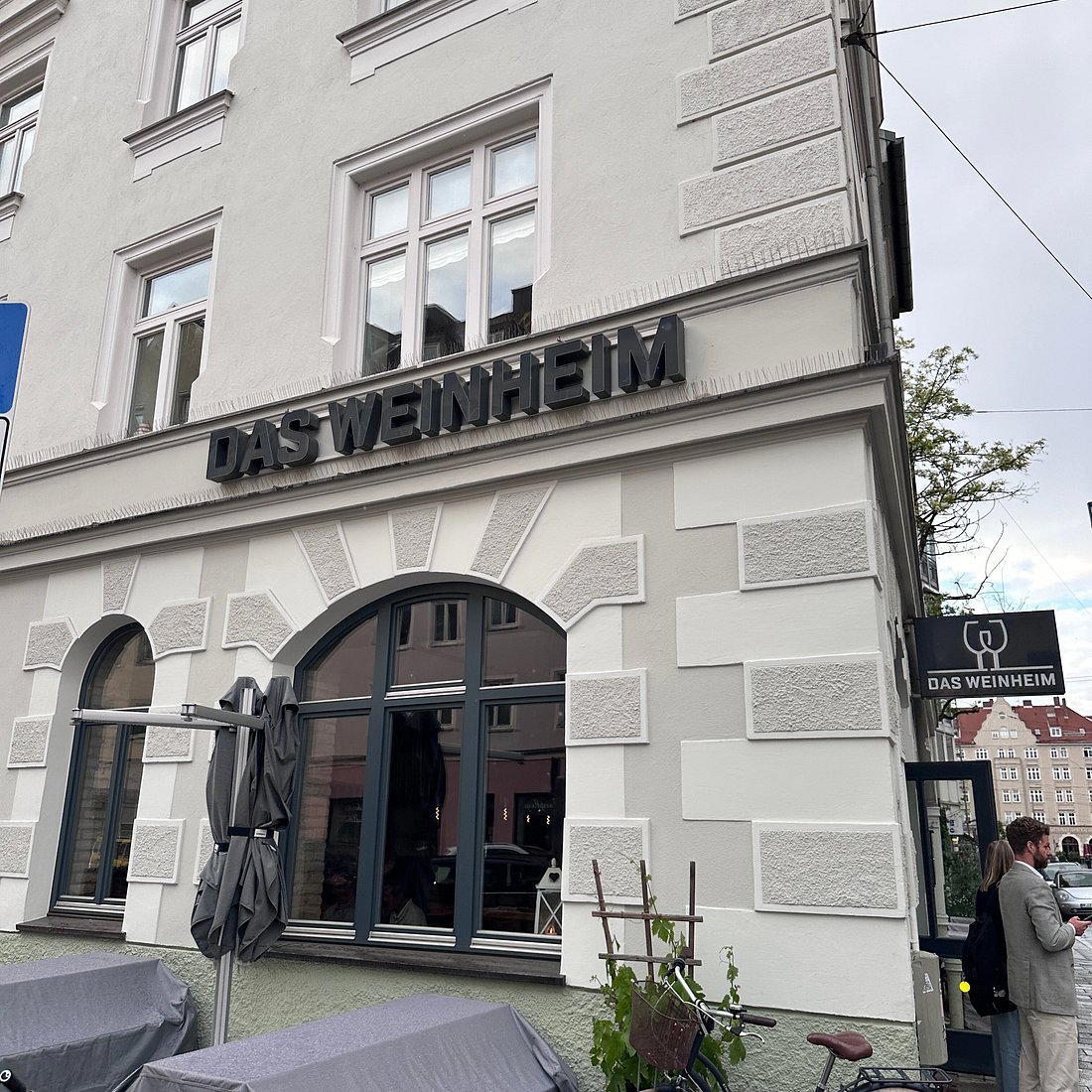
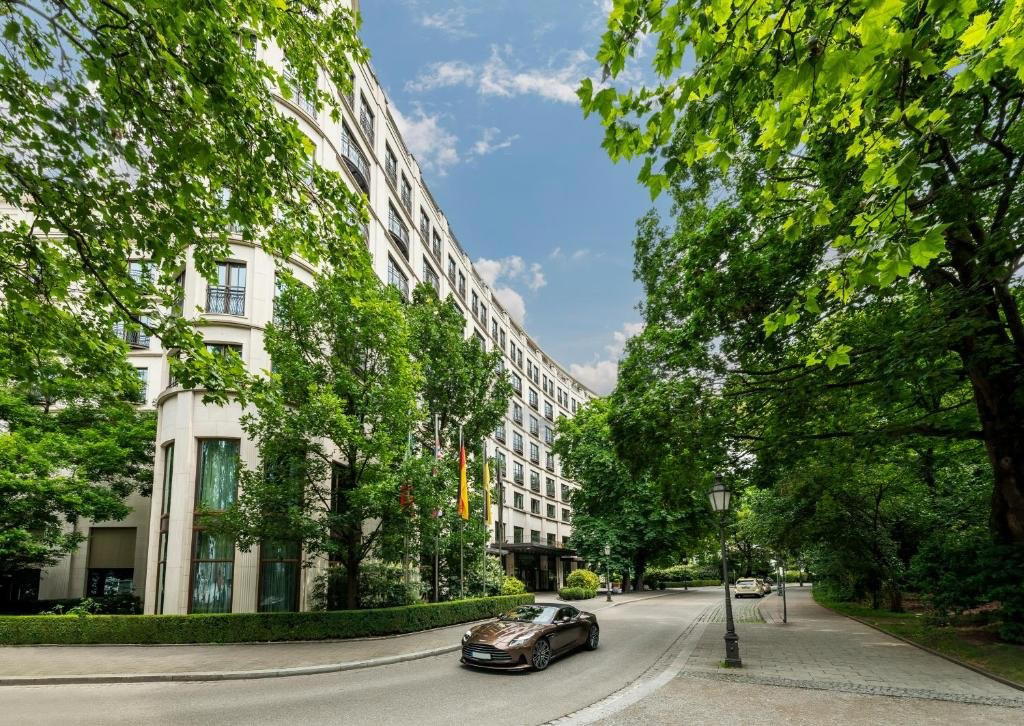
Weinträne is a Seasonal German Wine Bar at Schleißheimer Str. 77, 80797 München, Germany, with a price tier of about $40 per person. Schleißheimer Strasse runs north through Maxvorstadt, threading past art museums, residential blocks, and the kind of neighbourhood dining that Munich does quietly well. The area sits at some remove from the Michelin-heavy cluster around Maximilianstrasse, which is precisely what makes it interesting. Venues here tend to draw on local regulars rather than international hotel guests, and the atmosphere that results is less performative and more grounded. Weinträne at number 77 occupies that register: a street-level presence on a block where the architecture is solid rather than showy, and where the city's residential texture is more visible than in the tourist-facing south.
Weinträne belongs to that format.
The Kitchen and the Wine List as a Single Argument
In Munich's current dining scene, the venues that have carved particularly distinct positions are those where collaboration between the kitchen and the floor is structural rather than incidental. At the summit of the market, addresses like Tantris and Atelier have long operated with sommeliers whose wine decisions are woven into the tasting menu's architecture from the beginning, not added afterward. Further down the price register, that same discipline is increasingly visible at neighbourhood-scale venues where the economics require the food and wine programs to justify each other course by course.
The team dynamic at a venue like Weinträne reflects this shift. When a room is small enough that the sommelier and the kitchen can have a genuine conversation about what's being served on any given evening, the result tends to be a more responsive pairing program, one where the wine changes direction when the kitchen does, rather than lagging behind by a season. Germany has a particular advantage in this format: the country's wine regions, from the Mosel to Franken to the Pfalz, produce styles across a wide acidity and weight spectrum, which means a focused, regionally literate list can pair across a broader range of dishes than an equivalent French or Italian selection might. For a venue on Schleißheimer Strasse, sourcing from producers within a few hours' drive is both logistically sensible and narratively coherent.
The broader German fine-dining circuit has made this kind of regional integration central to its identity. At Schanz in Piesport, the proximity to Mosel vineyards shapes the wine program directly. At ES:SENZ in Grassau, the Alpine geography informs both kitchen sourcing and cellar decisions. Weinträne's Maxvorstadt address means it operates without that kind of immediate regional anchor, but Munich's position as a distribution hub for southern German and Austrian wine gives it access to a range that few German cities outside the wine regions themselves can match.
Munich's Fine-Dining Context and Where Weinträne Sits
Understanding Weinträne requires understanding how Munich's restaurant scene is layered. At the summit tier, a cluster of addresses carries Michelin recognition and prices to match: JAN, Tohru in der Schreiberei, and Alois at Dallmayr each represent a different version of what ambitious Munich cooking looks like in 2024, from product-driven creativity to German-Japanese hybridity to the institutional weight of a heritage address. Below that tier, a second cohort operates with serious intent but without the overhead of a full tasting-menu format or a multi-room operation, and it is in this cohort that a venue like Weinträne finds its natural comparison set.
That second cohort is where Munich's dining scene is currently most dynamic. The city's higher costs of operation push venues toward formats that can sustain quality without the staffing ratios of a full-service fine-dining room, and the wine bar with a serious kitchen is one of the formats that has proven economically viable. The model asks more of each team member: a front-of-house person who can discuss a Silvaner from Franken with the same fluency they bring to a Grüner Veltliner from the Wachau is not easily replaced, which is why venues in this format tend to have lower staff turnover and more coherent guest experiences than comparably priced restaurant rooms.
For visitors building a wider itinerary across Germany's fine-dining circuit, the broader landscape is worth mapping. Aqua in Wolfsburg, Vendôme in Bergisch Gladbach, and Waldhotel Sonnora in Dreis represent the country's highest formal tier, while CODA in Berlin and Bagatelle in Trier show what focused, format-driven venues can achieve at a different scale. Munich's own contributions to that circuit, including Schwarzwaldstube in the surrounding region and the city's Michelin-holding addresses, sit at the formal end. Weinträne occupies a different position in that ecosystem, one defined by accessibility and team-driven coherence rather than ceremony.
Planning Your Visit
Schleißheimer Strasse 77 is accessible from central Munich by U-Bahn, with the Maxvorstadt area served by the U2 and tram connections running north from the Altstadt. The neighbourhood's residential character means parking is possible but not always direct on weekday evenings; public transport is the more reliable option. Reservations are recommended. Venues in this format and price tier in Munich tend to book at shorter lead times than the city's formal fine-dining rooms, where two to four weeks is a reasonable expectation for popular slots, though Saturdays are tighter across the board.
For reference against comparable international formats, Le Bernardin in New York and Atomix represent what the wine-and-kitchen collaboration model looks like at the highest price point in the US market, while Restaurant Haerlin in Hamburg and Victor's Fine Dining by Christian Bau anchor the formal end of that conversation within Germany itself.
How It Stacks Up
Comparable venues nearby, for context on price, style, and recognition.
| Venue | Cuisine | Price | Notes |
|---|---|---|---|
| WeinträneThis venue — the venue you are viewing | Seasonal German Wine Bar | $$$ | Not listed |
| Spatenhaus at the opera | Traditional Bavarian | $$$ | Lehel |
| Restaurant Schapeau | German & Central European | $$$ | Altstadt |
| Schneider Weisse Bräuhaus | Traditional Bavarian Brewery Tavern | $$ | Zamdorf |
| Marstall Festzelt | Traditional Bavarian Oktoberfest | $$ | Theresienwiese |
| Café Münchner Freiheit | Traditional German Bakery Café | $$ | Schwabing |
At a Glance
- Cozy
- Intimate
- Elegant
- Date Night
- Casual Hangout
- Wine Cellar
- Extensive Wine List
- Local Sourcing
Current opening hours
- Monday
- 5–11 PM
- Tuesday
- 5:45–11 PM
- Wednesday
- 5:45–11 PM
- Thursday
- 5:45–11 PM
- Friday
- 5:45–11 PM
- Saturday
- 5:45–11 PM
- Sunday
- Closed
Hours can change for holidays and private events. Last verified .
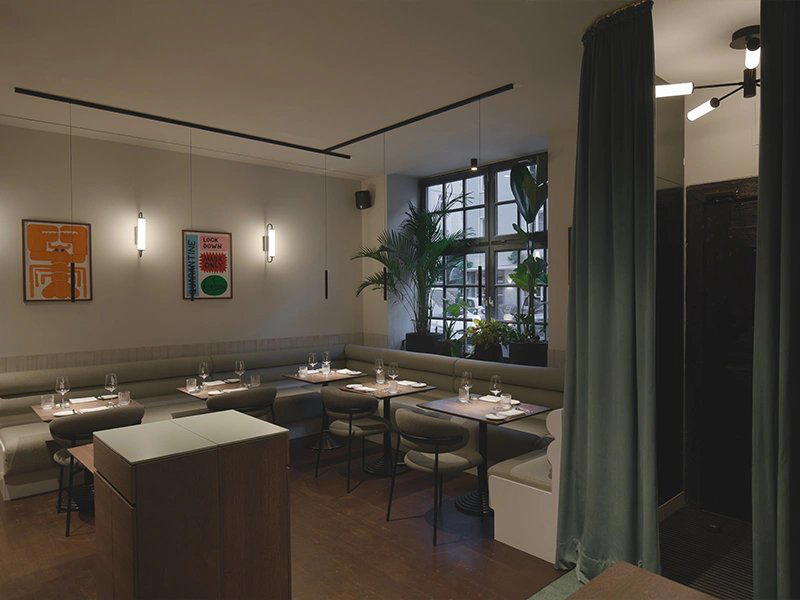
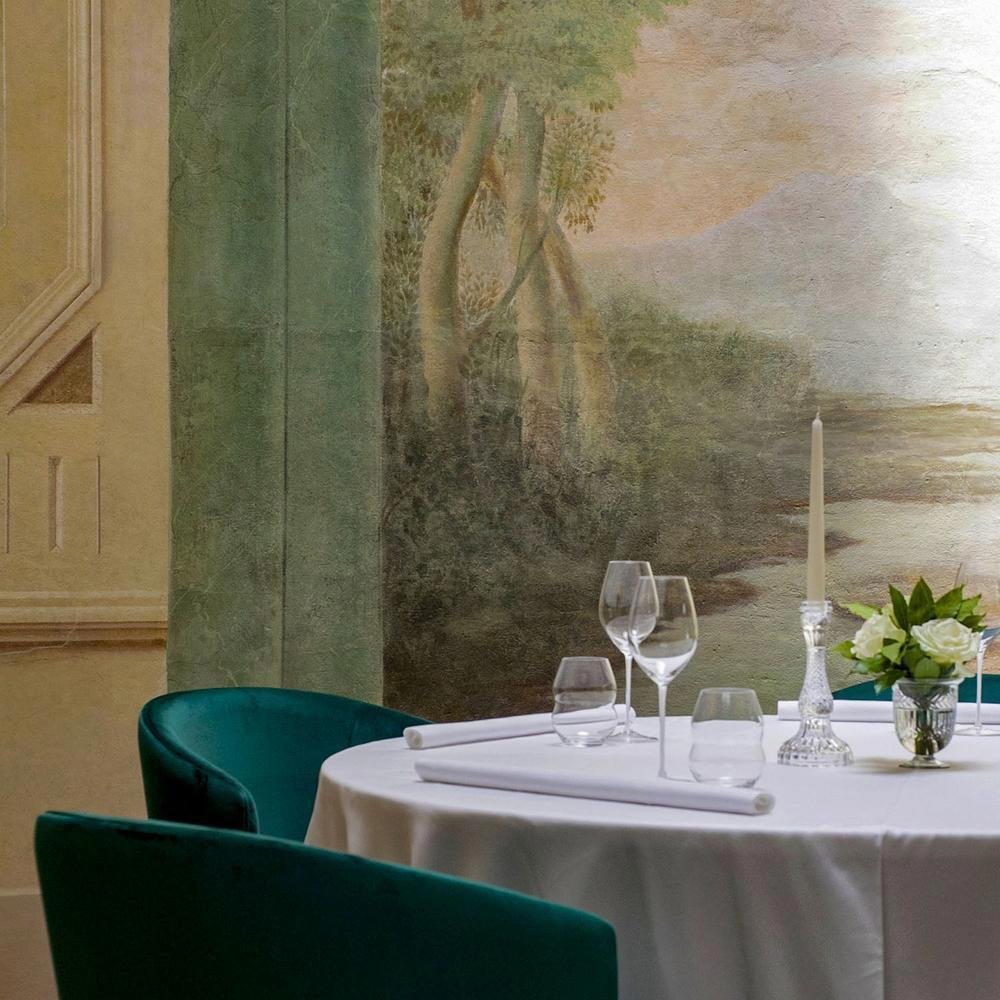
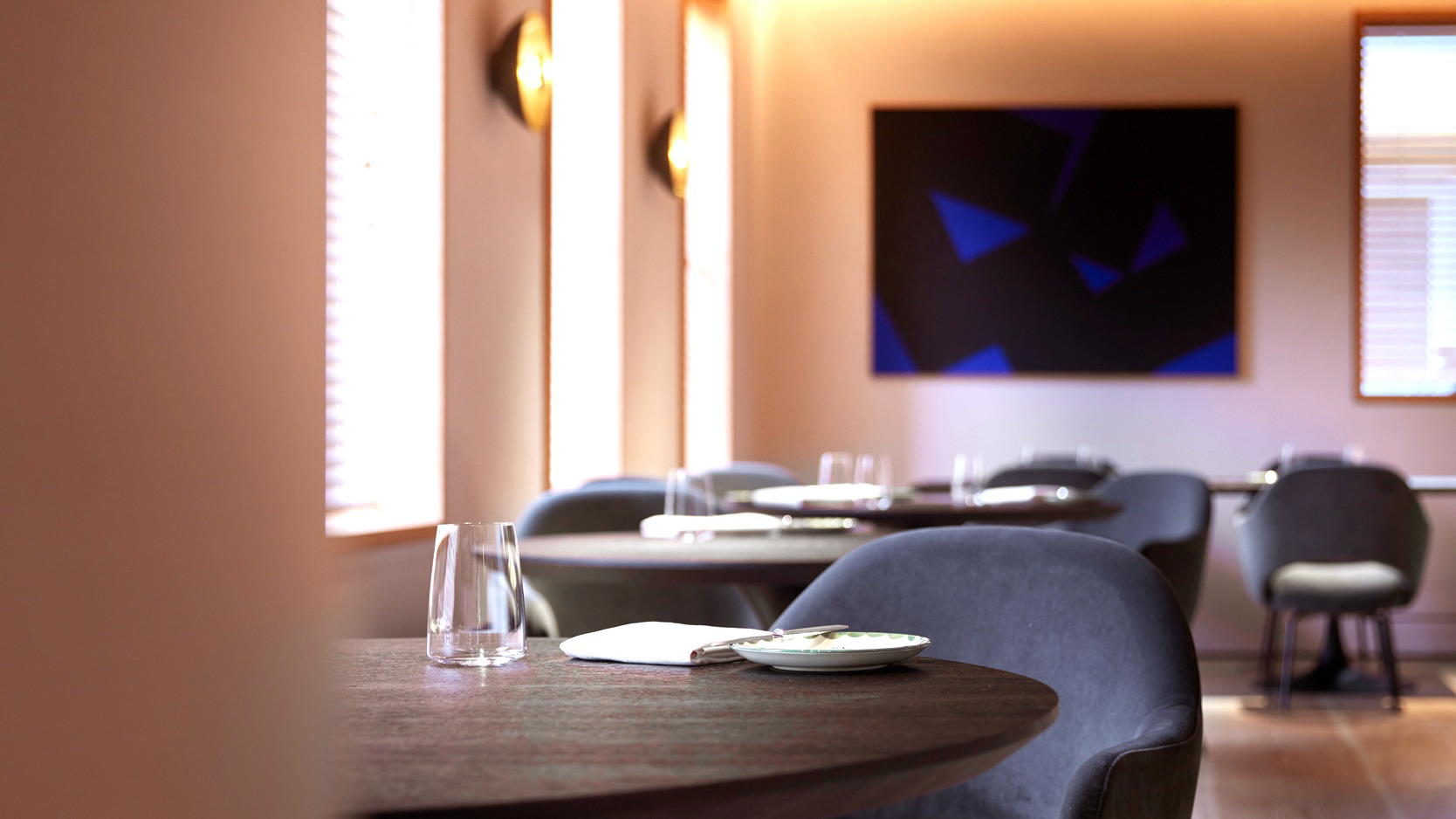
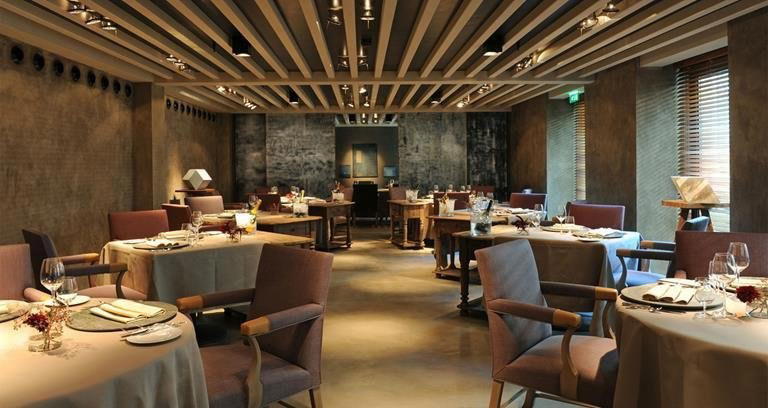
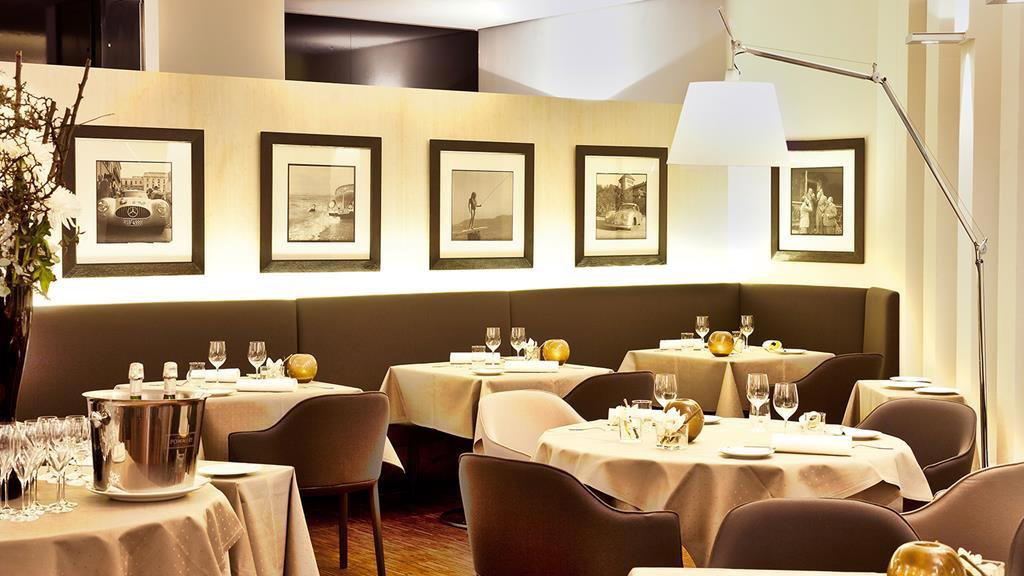
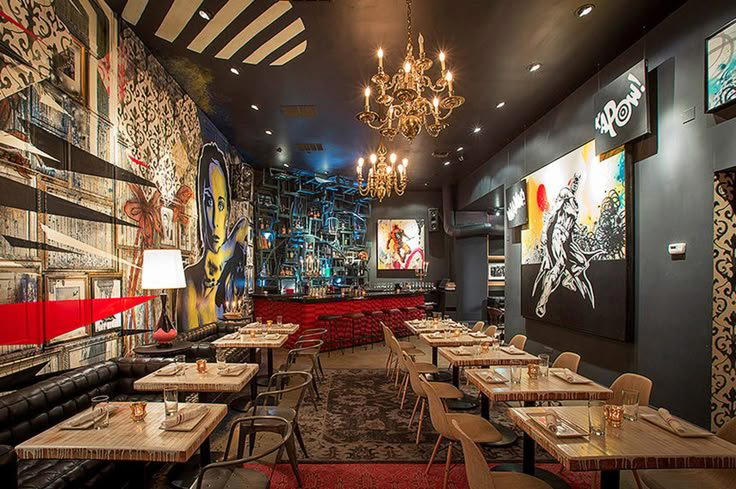
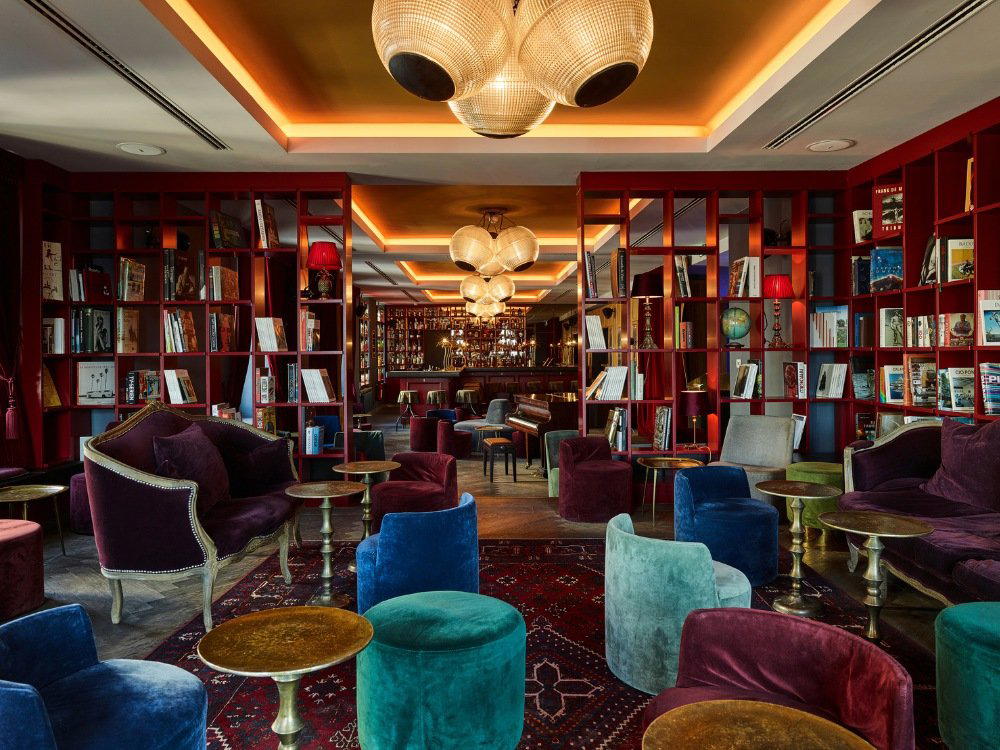
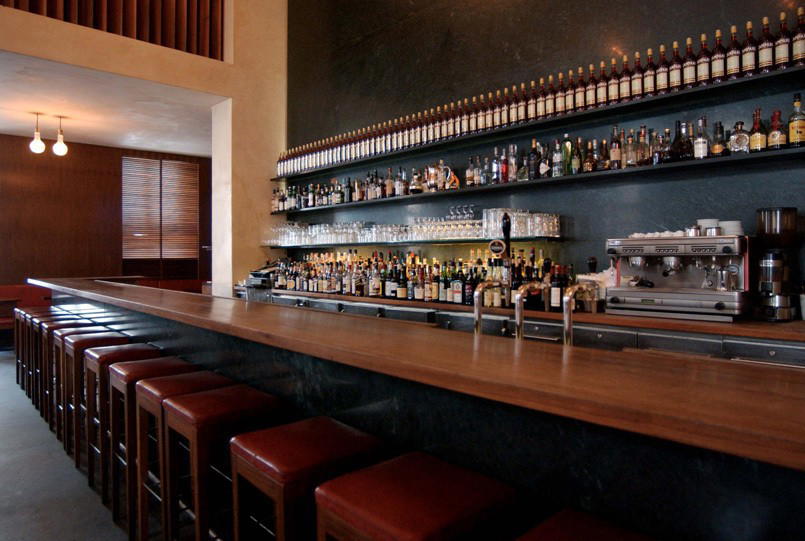
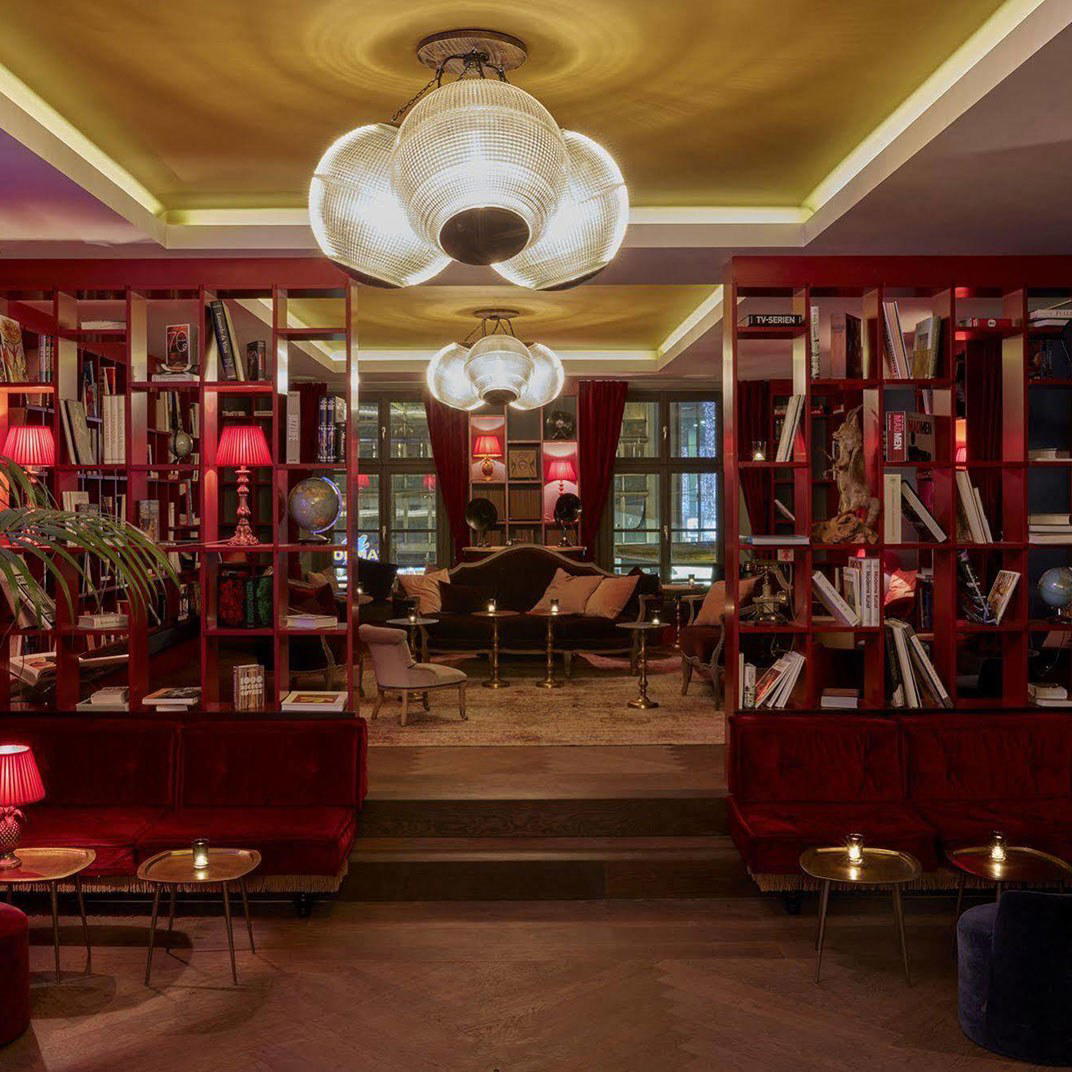
Gemütlich atmosphere with moderate noise levels, warm lighting, and a casual elegant vibe focused on good company and honest cuisine.