Schneider Weisse Bräuhaus in Munich's Haidhausen district is one of the city's enduring Weissbier institutions, rooted in a brewing tradition that predates most of Munich's fine-dining scene by several generations. The Baumkirchner Strasse address places it in a neighbourhood defined by working-class grit and creeping gentrification, making it a reliable measure of how Munich's beer-hall culture holds its ground against the city's upward drift.
Pearl is the En Primeur Club membership app — saves, bookings, and concierge access live there. Same editors, same standards.
- Address
- Baumkirchner Str. 5, 81673 München, Germany
- Phone
- +4949894316381
- Directions
- Get directions
 Saves & bookings on Pearl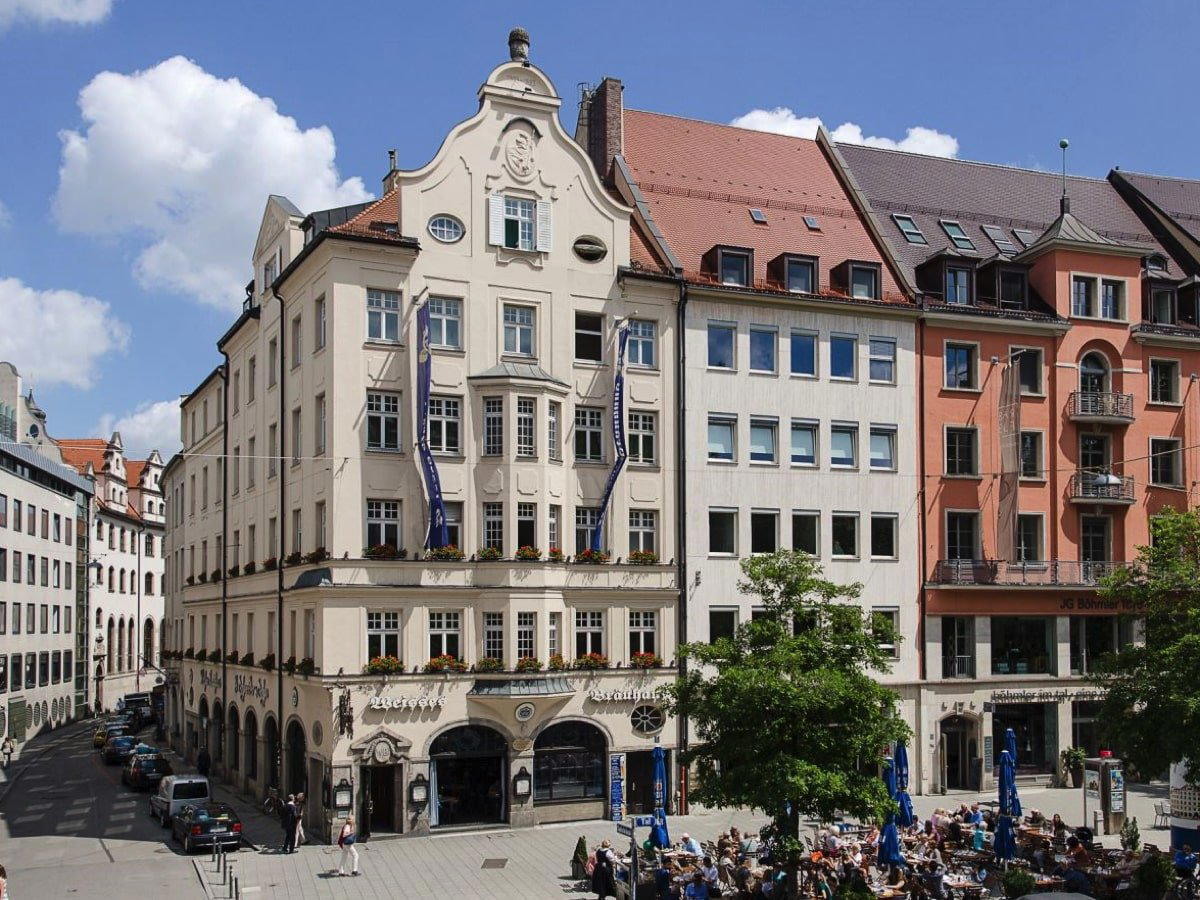
East of the Isar: What Haidhausen Tells You About Munich's Beer Culture
Munich's relationship with its beer halls is rarely simple. The postcard version, all lederhosen and Oktoberfest foam, obscures a more layered reality: that different neighbourhoods carry different registers of that culture, and that where a Bräuhaus sits shapes what kind of place it actually is. Schneider Weisse Bräuhaus occupies a plot on Baumkirchner Strasse in Haidhausen, a district east of the Isar that developed as a craftsmen's and workers' quarter in the nineteenth century and has spent the past three decades absorbing the pressures of Munich's chronic housing costs without fully surrendering its character. That address is not incidental. It locates this establishment inside a tradition of neighbourhood-anchored beer halls that were never designed for tourists and have never fully repositioned themselves to chase them.
Haidhausen sits within easy reach of the Ostbahnhof and the Rosenheimer Platz S-Bahn connections, which means it draws a genuinely mixed clientele: residents who have stayed in the area through successive waves of price increases, younger arrivals who settled here when Schwabing and Maxvorstadt became unaffordable, and visitors who know enough to cross the river. The result is a room that reflects Munich as it actually functions rather than as it is packaged for consumption.
The Schneider Weisse Lineage in Context
The Schneider Weisse name carries specific weight in German brewing. The Georg Schneider family has been producing Weissbier since 1872, and the brewing operation itself traces back to the original Schneider Weisse Weissbräuhaus on Tal Strasse in the city centre, which was destroyed in the Second World War and later rebuilt. That history positions Schneider Weisse within the narrower tradition of dedicated wheat-beer breweries, a category distinct from the broad portfolio lager houses like Augustiner or Hofbräu, and gives the brand a lineage argument that few Munich operations can match across that specific style.
Wheat beer in Germany is a subject with regional subdivision. Bavarian Weissbier, cloudy, yeast-forward, banana-and-clove aromatics from top-fermentation, is a distinct product from the Kölsch of Cologne or the Altbier of Düsseldorf, and within Bavaria the style has its own hierarchy. Schneider Weisse's Tap 7 (Mein Original) is the benchmark against which the house's other expressions are measured, and it appears on tables here in the proper half-litre Weizen glass, served at the temperature and carbonation that the style requires. That specificity matters in a city where Weissbier is sometimes treated as a default order rather than a considered one.
For visitors comparing this to Munich's fine-dining tier, the gap in register is intentional and total. Restaurants like Tantris, Atelier, and Alois - Dallmayr Fine Dining occupy the €€€€ bracket with tasting menus and serious wine programs. JAN and Tohru in der Schreiberei push further into experimental territory. Schneider Weisse Bräuhaus operates in an entirely different register: it is a beer hall, priced as one, with a food menu that exists to accompany the beer rather than to compete for attention. That is not a limitation; it is the correct framing.
Atmosphere and the Physical Experience
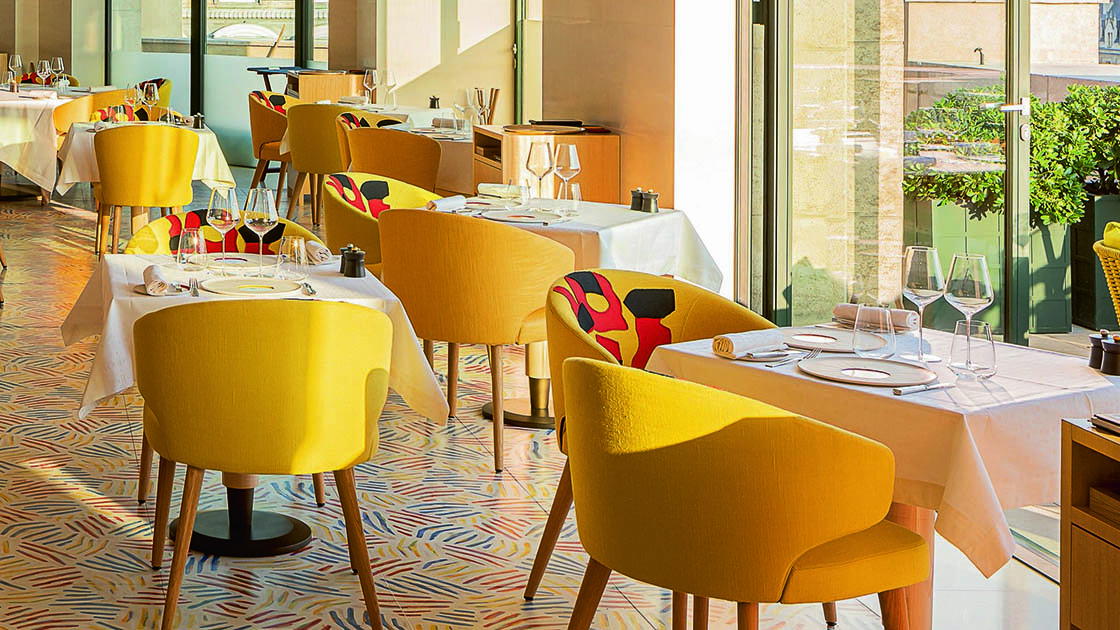
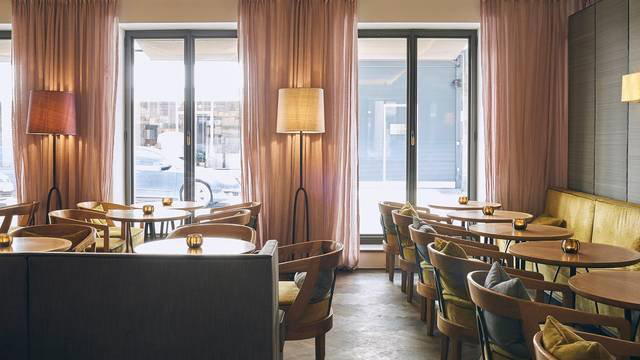
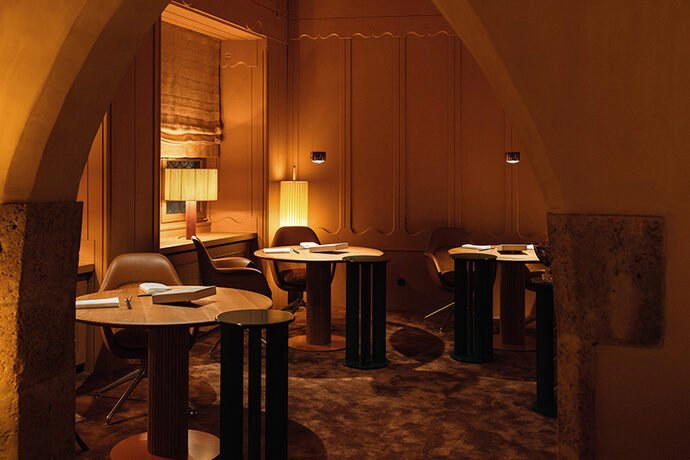
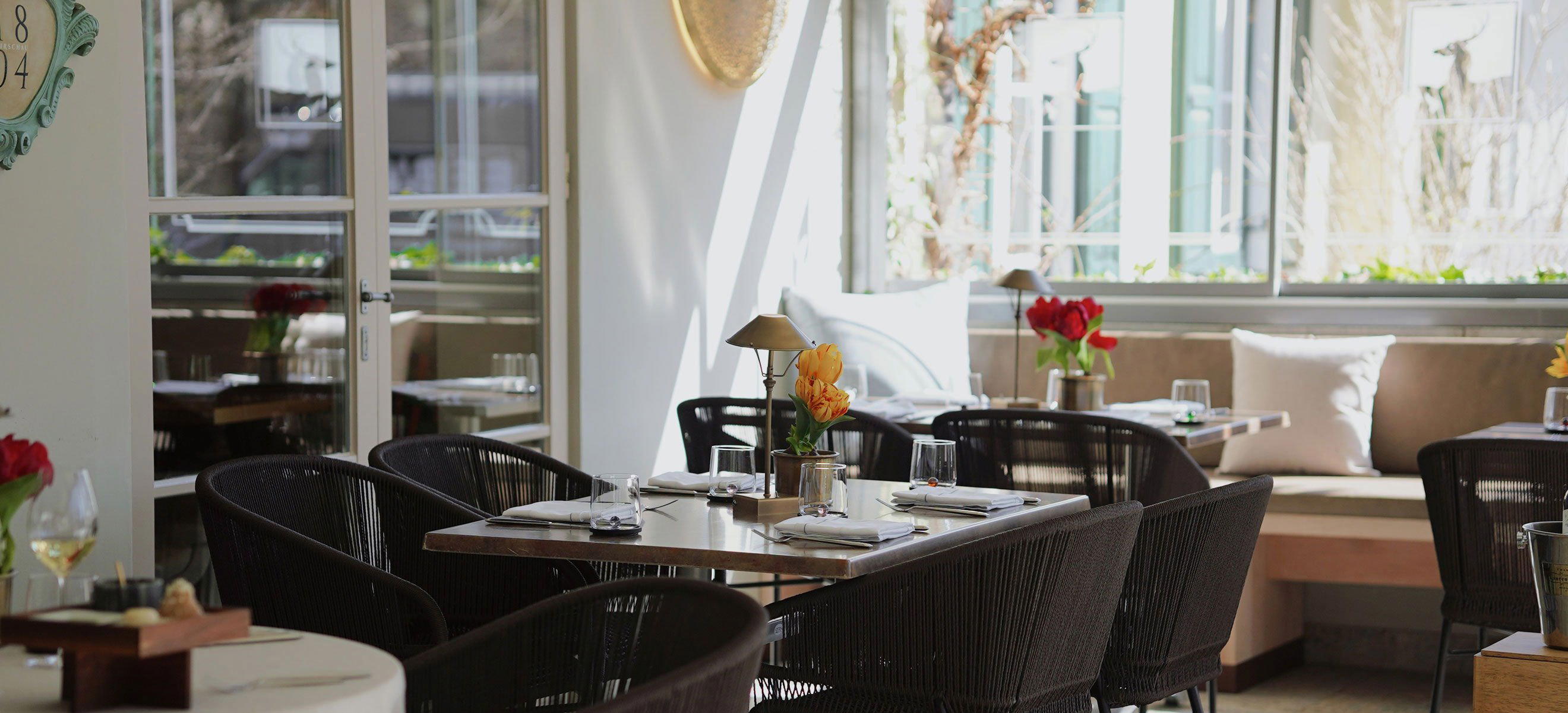
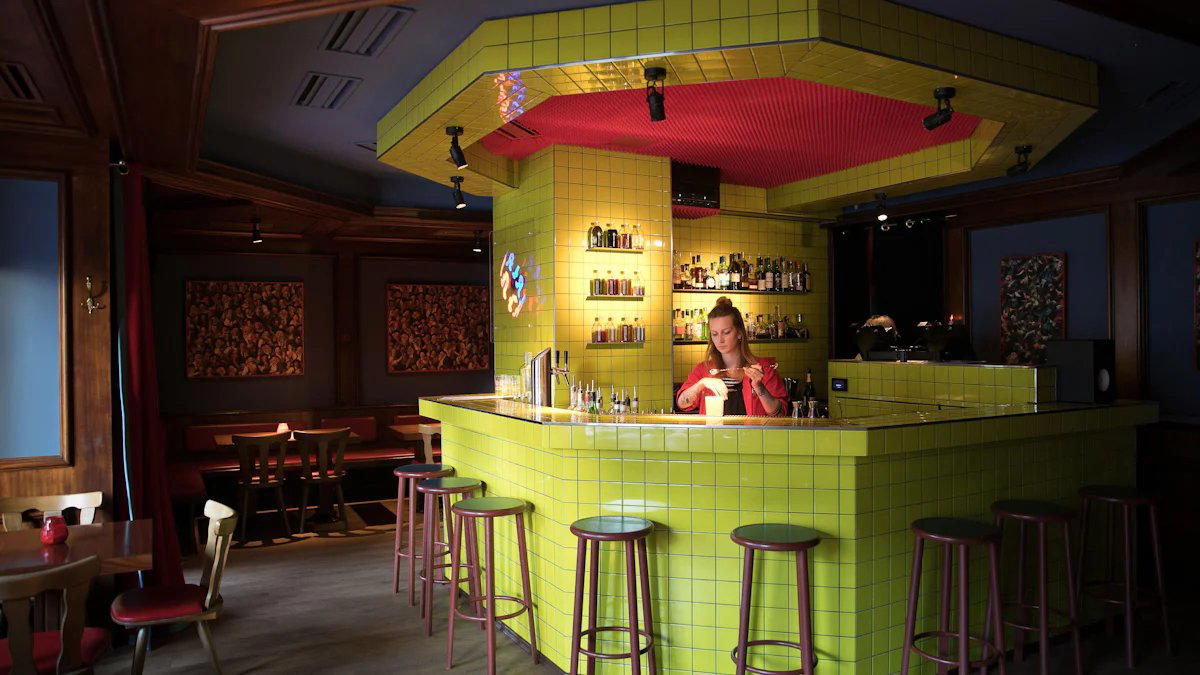
Beer halls of this type are built for noise, longevity, and communal eating. Long tables, wood surfaces, and the acoustic signature of a full room are structural features, not design choices made to evoke something. Haidhausen's version of this format carries less of the self-consciousness that sometimes attaches to the Marienplatz-adjacent institutions, where the heritage framing can feel more curated. Here the scale is more domestic, the density less aggressive than the inner-city halls during peak season.
The seasonal dimension is worth noting. Munich's beer-hall calendar organises itself around Oktoberfest in late September and early October, but a Haidhausen Bräuhaus in January or March operates in a different rhythm entirely: fewer international visitors, a room shaped more by regulars, and the particular quality of a large heated space in cold weather that is one of the underrated pleasures of Bavarian winter. Visiting outside the tourist window is not a concession; it is often the better read on what a place actually is.
Food and What to Order
Bavarian beer-hall food follows a fairly fixed grammar: roast pork, pretzel (Brezel), Obatzda (the spiced cheese spread), Weisswurst served with sweet mustard before noon in keeping with the old Munich convention, and seasonal specials built around game or hearty braised cuts in autumn and winter. The menu at a house of this type is built around dishes that hold up to litre glasses and long tables, not around courses designed for quiet contemplation. The Obatzda-and-Brezel combination, in particular, is among the more coherent beer-hall pairings in Bavarian cooking: the soft, tangy cheese cools the carbonation and makes each sip count more.
Those looking for a wider frame on German fine dining across the country can explore Aqua in Wolfsburg, Schwarzwaldstube in Baiersbronn, Vendôme in Bergisch Gladbach, Victor's Fine Dining by Christian Bau in Perl, Waldhotel Sonnora in Dreis, Restaurant Haerlin in Hamburg, Schanz in Piesport, Bagatelle in Trier, ES:SENZ in Grassau, and CODA Dessert Dining in Berlin, all part of a national dining scene that runs from this kind of rooted tradition up through several tiers of ambition. International reference points at the furthest end of that spectrum include Le Bernardin in New York City and Atomix in New York City.
See the full Munich restaurants guide for a broader map of the city's dining options across price tiers and neighbourhoods.
Planning Your Visit
Address: Baumkirchner Str. 5, 81673 München, Germany. Getting there: Ostbahnhof (S-Bahn and U-Bahn) is the nearest major hub, with the Bräuhaus reachable on foot or by a short tram connection through Haidhausen. Timing: The room operates at a different pace outside Oktoberfest season; autumn and winter visits produce a more local cross-section of the clientele. Dress: No formal code; the room is casual by design. Budget: Beer-hall pricing, substantially below Munich's fine-dining tier.
- Weißwürste
- Kaiserschmarrn
- Schweinebraten
- Schweineshaxe
- Semmelknödel
- Spanferkel
Same-City Peers
Comparable venues nearby, for context on price, style, and recognition.
| Venue | Cuisine | Price | Notes |
|---|---|---|---|
| Schneider Weisse BräuhausThis venue — the venue you are viewing | Traditional Bavarian Brewery Tavern | $$ | Not listed |
| Restaurant Zirbelstube | Traditional Bavarian | $$ | Haidhausen |
| Kaminbar | Classic German Bar | $$ | Theresienwiese |
| Zum Dürnbräu | Traditional Bavarian | $$ | Altstadt |
| Atzinger Wirtshaus | Traditional Bavarian Gastropub | $$ | Schwabing |
| Zur Festwiese | Traditional Bavarian Gasthaus | $$ | Theresienwiese |
At a Glance
- Classic
- Rustic
- Lively
- Well Known
- Cozy
- Group Dining
- Casual Hangout
- Brunch
- After Work
- Live Music
- Historic Building
- Standalone
- Beer Program
- Local Sourcing
Current opening hours
- Monday
- 4:30–11:30 PM
- Tuesday
- 4:30–11:30 PM
- Wednesday
- 4:30–11:30 PM
- Thursday
- 4:30–11:30 PM
- Friday
- 4:30–11:30 PM
- Saturday
- 4:30–11:30 PM
- Sunday
- 4:30–11:30 PM
Hours can change for holidays and private events. Last verified .