Marstall Festzelt is one of Oktoberfest's official beer tents on Munich's Theresienwiese, occupying a category defined by theatrical scale, brass-band immediacy, and the particular social choreography of a Bavarian Festzelt at full capacity. It sits within a tiered field of official tents, each with a distinct character, crowd, and reputation among regular Wiesn-goers.
Pearl is the En Primeur Club membership app — saves, bookings, and concierge access live there. Same editors, same standards.
- Address
- Theresienwiese (Wirtsbudenstr.), 80339 München
- Directions
- Get directions
 Saves & bookings on Pearl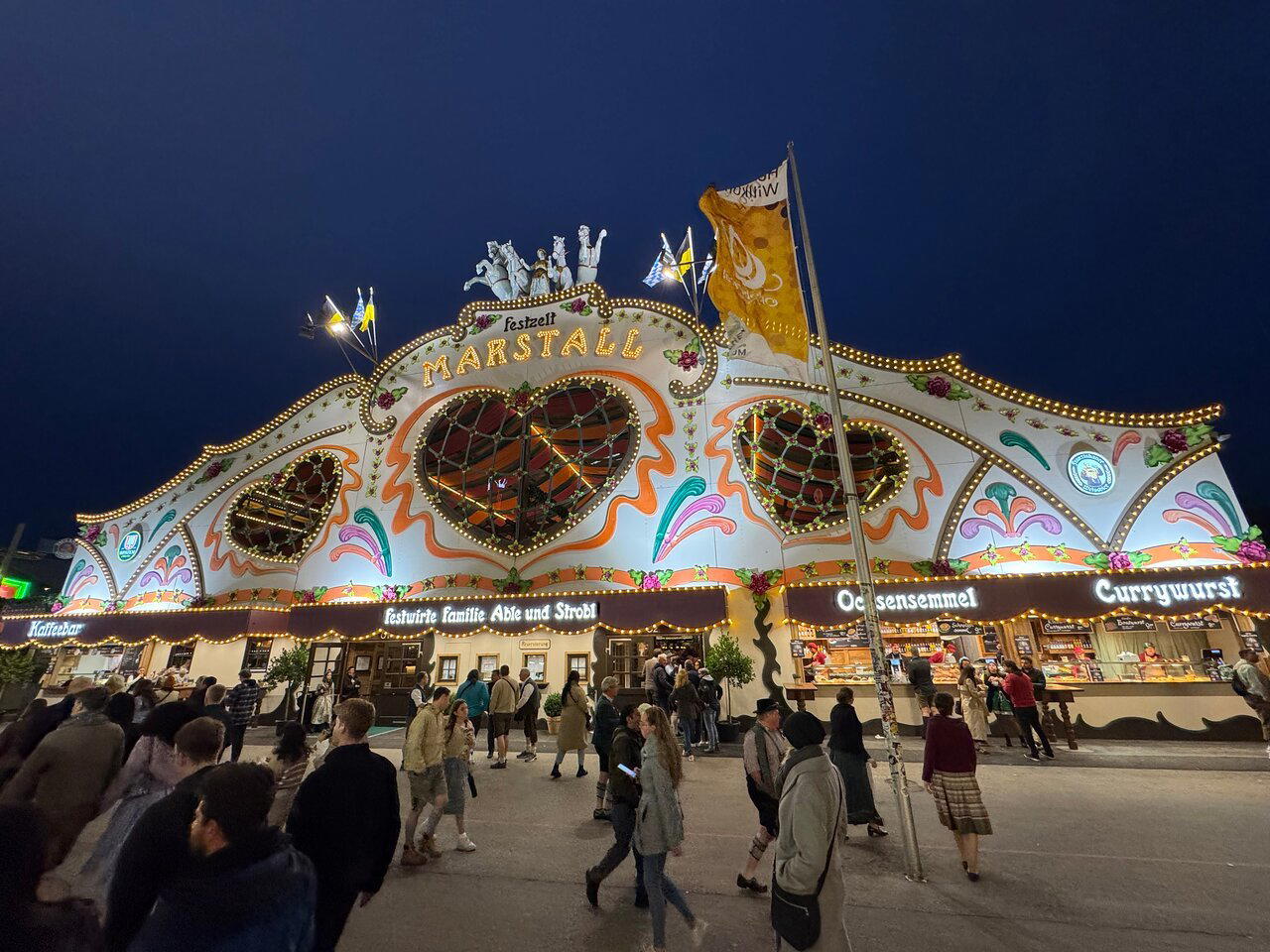
The Theresienwiese at Full Volume
When the Oktoberfest grounds open each September, the Theresienwiese transforms into among the more concentrated expressions of Bavarian civic identity anywhere in the world. Marstall Festzelt sits on Theresienwiese in Munich as a traditional Bavarian Oktoberfest tent, with reservations recommended and a price point of about $30 per person. Marstall Festzelt sits within this official tier, on Wirtsbudenstr. within the Theresienwiese grounds, and participates in a tradition that draws roughly six million visitors to Munich across the festival's approximately sixteen-day run.
The Festzelt format itself dictates the structure of an evening here before a single stein arrives. Long shared benches, a central bandstand, and the acoustic compression of a large tent produce a specific social contract: you are seated next to strangers who will not remain strangers for long. The Bavarian brass band sets the tempo for the room, and the rhythm of rounds ordered through roving service staff gives the meal a sequencing that no printed menu could engineer. It is less a restaurant experience than a participation in a civic ritual, and understanding that distinction is the precondition for appreciating what Marstall does well.
How the Evening Sequences
Oktoberfest tents operate on an arc that is broadly consistent across the Theresienwiese, but the details vary tent to tent. The early hours carry a different register than the post-7pm sessions, when the standing-only areas fill and the bench-singing traditions accelerate. At Marstall, reserved table seating is separated from the more unpredictable standing areas, and the practical experience of a pre-booked bench differs sharply from arriving without a reservation and finding floor space.
The sequencing of a Festzelt meal follows a logic closer to a set progression than à la carte grazing. A liter of Märzen or Festbier arrives first, defining the drink rhythm for the table. The food order typically follows, with the roster of Bavarian tent classics anchoring the menu: whole roast chicken (Hendl), pork knuckle (Schweinshaxe), and Obatzda with pretzels form the reliable pillars across most official tents, Marstall included. These dishes suit the tent format rather than fine dining, and no one eating a half-chicken at a communal bench during Oktoberfest expects otherwise. The point is fit-to-context: food that holds up under the conditions of a loud, warm, densely packed tent environment, eaten at a pace set by rounds rather than courses.
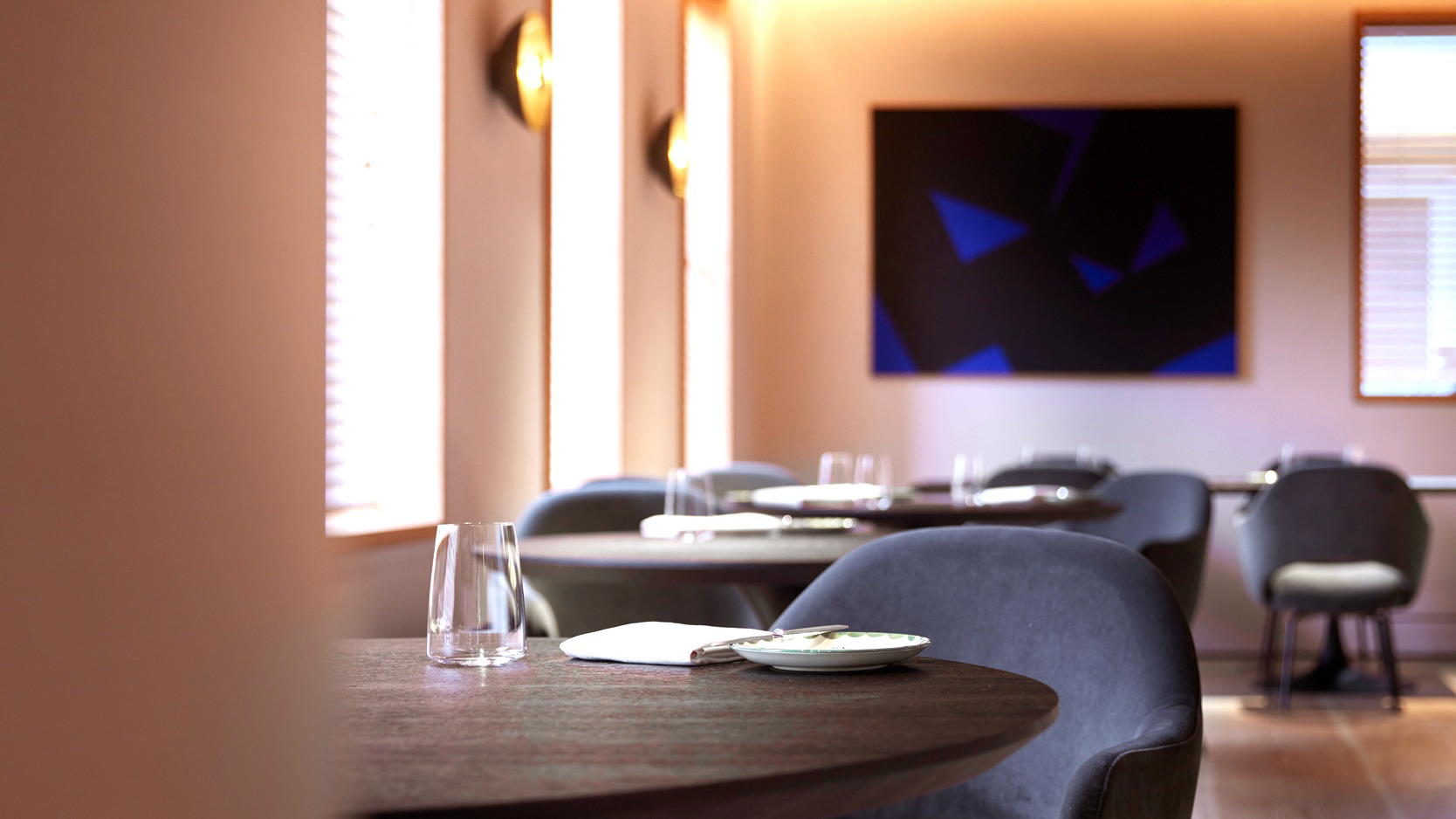
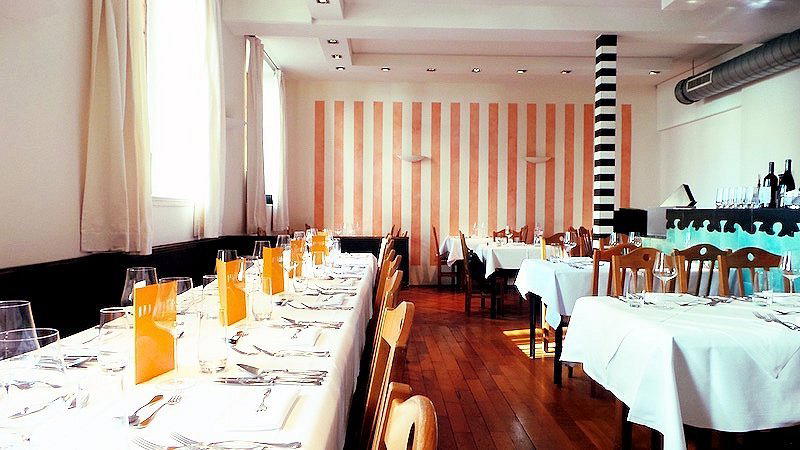
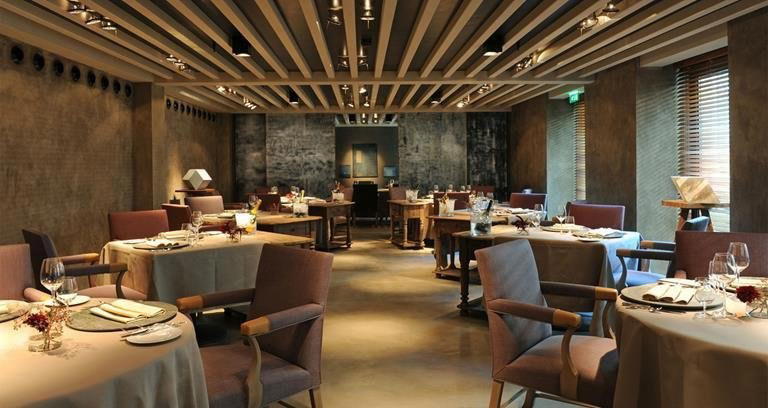
This is where the comparison to Munich's fine dining tier becomes instructive rather than competitive. The city holds serious Michelin-starred kitchens across multiple price brackets. Atelier and Tantris represent Creative French and French Contemporary traditions at the summit of the market. Alois - Dallmayr Fine Dining and JAN operate in the Creative space. Tohru in der Schreiberei fuses Modern German and Japanese traditions. None of these share a competitive tier with a Festzelt. The comparison is categorical, not qualitative: Marstall exists in a format defined by occasion, scale, and tradition, not by kitchen ambition. Visitors planning a Munich trip around both registers, the Wiesn tent experience and a serious tasting menu, should treat them as complementary rather than substitutable.
Across Germany's broader fine dining map, venues like Aqua in Wolfsburg, Schwarzwaldstube in Baiersbronn, and Vendôme in Bergisch Gladbach represent the kitchen-led, multi-course end of the German dining spectrum. Victor's Fine Dining by Christian Bau in Perl, Waldhotel Sonnora in Dreis, Schanz in Piesport, Bagatelle in Trier, ES:SENZ in Grassau, and Restaurant Haerlin in Hamburg collectively indicate the depth of the German fine dining scene. Even CODA Dessert Dining in Berlin occupies a format-specific niche built around a tasting progression logic. The Festzelt operates in a different register entirely, one where the progression is social and ceremonial rather than culinary.
Internationally, the comparison holds. Le Bernardin in New York City or Atomix in New York City represent the tasting-progression format at its most controlled and intentional. A Festzelt inverts that model: the progression is driven by the crowd, the band, and the round of steins rather than by a kitchen's sequencing logic. Both are legitimate forms of hospitality; they simply address different needs.
The Tent Tier Within Oktoberfest
Within the Theresienwiese's official tent hierarchy, Marstall holds a position in the mid-to-upper segment of the licensed venues. The largest tents, including Hofbräu and Augustiner, carry the widest recognition. Smaller and more recently established tents occupy a specialist niche, often associated with a particular demographic or local reputation. Marstall's positioning is worth understanding if you're deciding between tents: it draws a mix of Munich residents and international visitors, and its character sits closer to the festival's traditional middle register than to the louder, higher-turnover rooms.
Reservations for official Oktoberfest tents operate on a system where demand substantially outpaces supply, particularly for evening sessions in the first and final weekends of the festival. Tables for groups are typically secured months in advance, with reservation windows often opening in spring for the following September festival. Walk-in access is possible earlier in the day, particularly on weekday afternoons.
Planning a Visit
Know Before You Go
- Location: Theresienwiese (Wirtsbudenstr.), 80339 München
- Getting there: U-Bahn U4/U5 to Theresienwiese station; direct access from the main festival entrance
- Reservations: Table reservations for evening sessions are competitive; contact the tent directly or through official Oktoberfest booking channels in spring for September dates
- Leading timing: Weekday afternoons offer one accessible walk-in experience; weekend evenings require advance booking
- Festival dates: Oktoberfest runs for approximately sixteen days from mid-to-late September into early October; exact dates vary by year
- Context: Marstall is an official licensed tent; beer served is from one of Munich's traditional Wiesn breweries
Price Lens
Comparable venues nearby, for context on price, style, and recognition.
| Venue | Cuisine | Price | Notes |
|---|---|---|---|
| Marstall FestzeltThis venue — the venue you are viewing | Not listed | $$ | Not listed |
| Augustiner-Keller | Not listed | $$ | Neuhausen, Traditional Bavarian Beer Garden |
| Haxengrill | Lehel, Traditional Bavarian Grill | $$ | Not listed |
| Gasthaus DER BIERMANN | Riem, Traditional Bavarian Gastropub | $$ | Not listed |
| Wildmosers Restaurant-Cafe am Marienplatz - München | Altstadt, Traditional Bavarian | $$ | Not listed |
| Schneider Weisse Bräuhaus | Not listed | $$ | Zamdorf, Traditional Bavarian Brewery Tavern |
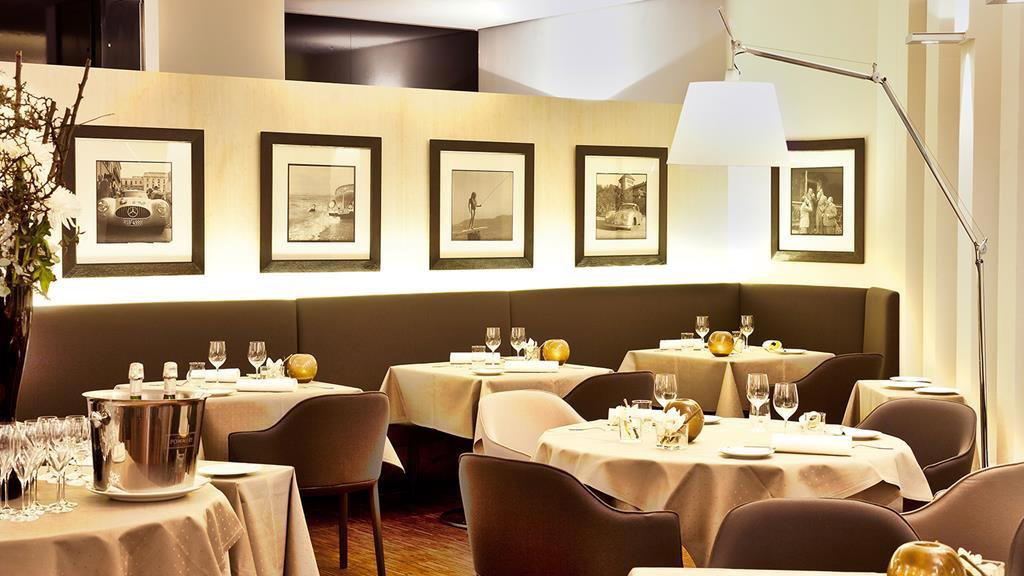
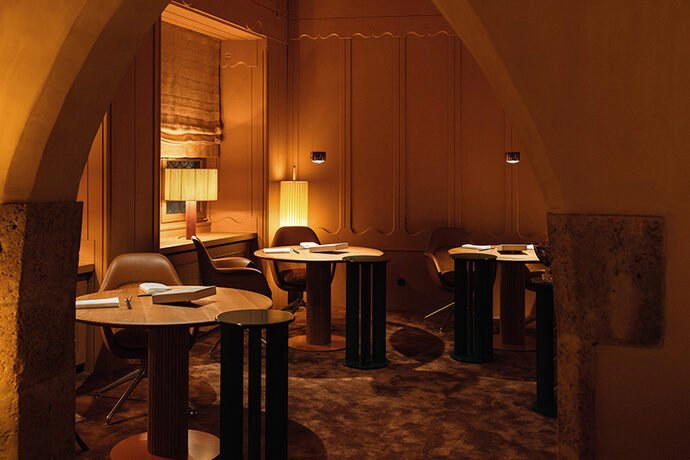
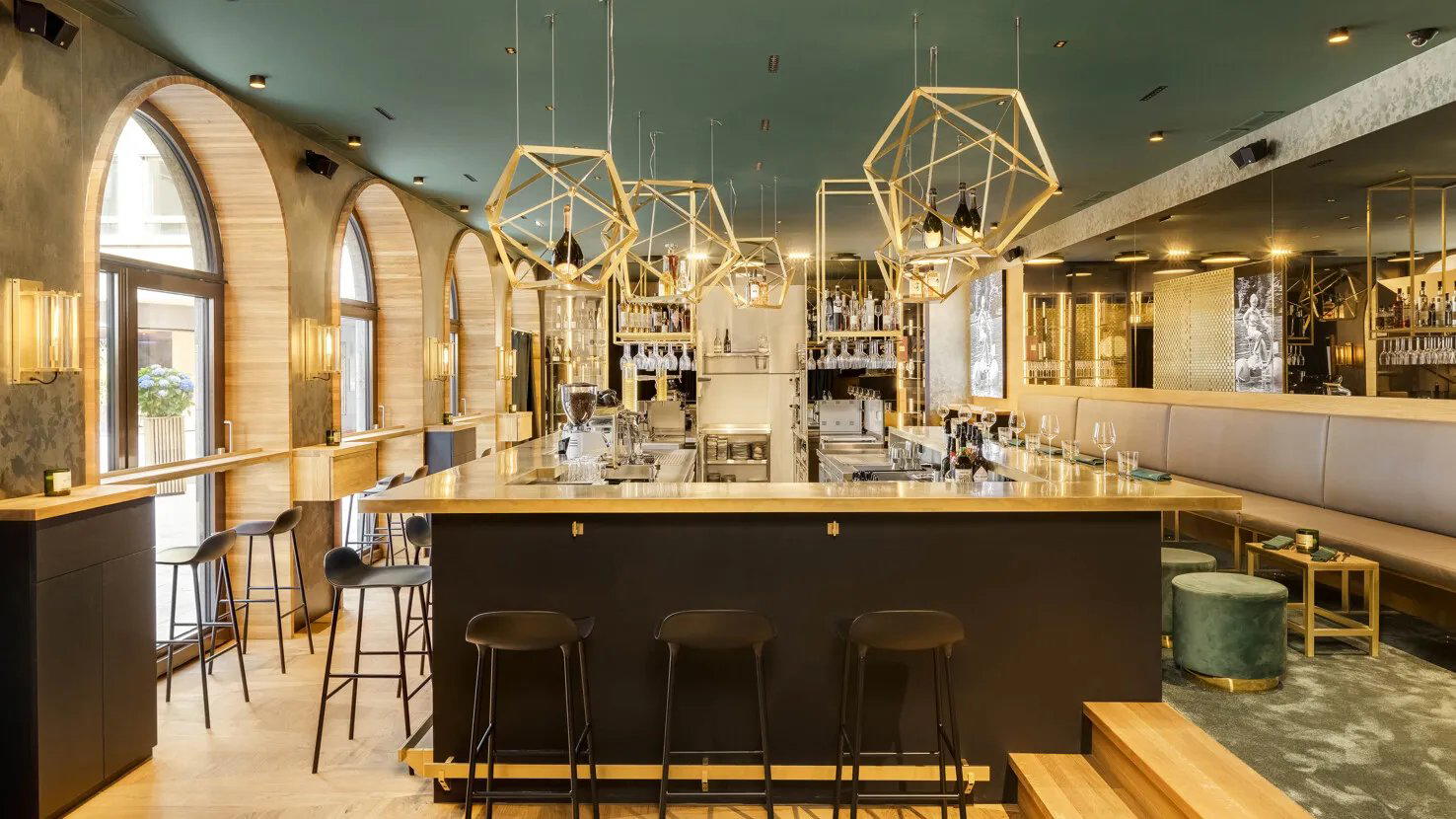
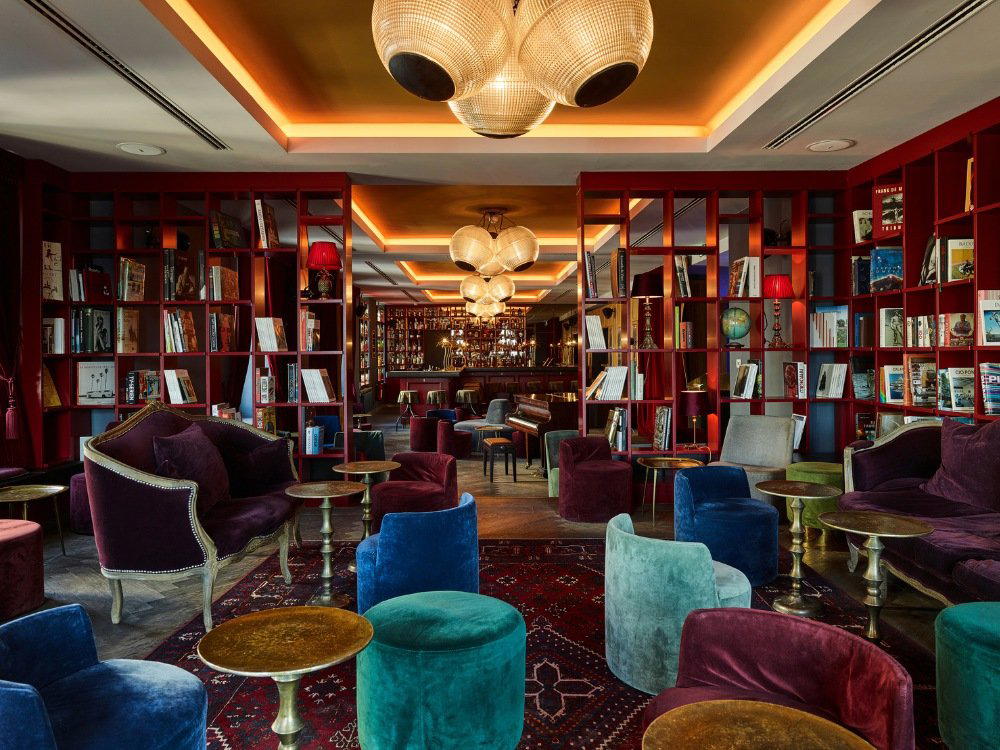
At a Glance
- Lively
- Cozy
- Rustic
- Energetic
- Group Dining
- Celebration
- Family
- Casual Hangout
- Live Music
- Historic Building
- Beer Program
Colorful Art Nouveau exterior leads to stylish interior mixing Bavarian coziness with exuberant atmosphere, calm and family-friendly by day turning lively with music in the evening.