At Residenzstraße 12, directly across from the Bavarian State Opera, Spatenhaus an der Oper occupies one of Munich's most loaded addresses in every sense. The kitchen works the full register of Bavarian classics, from suckling pig to Tafelspitz, in a setting that has fed generations of opera-goers and Altstadt regulars alike. For visitors who want a serious read on Munich's traditional dining culture, this is a reliable place to take it.
Pearl is the En Primeur Club membership app — saves, bookings, and concierge access live there. Same editors, same standards.
- Address
- Residenzstraße 12, 80333 München, Germany
- Phone
- +49 89 2907060
- Website
- kuffler.de
- Directions
- Get directions
 Saves & bookings on Pearl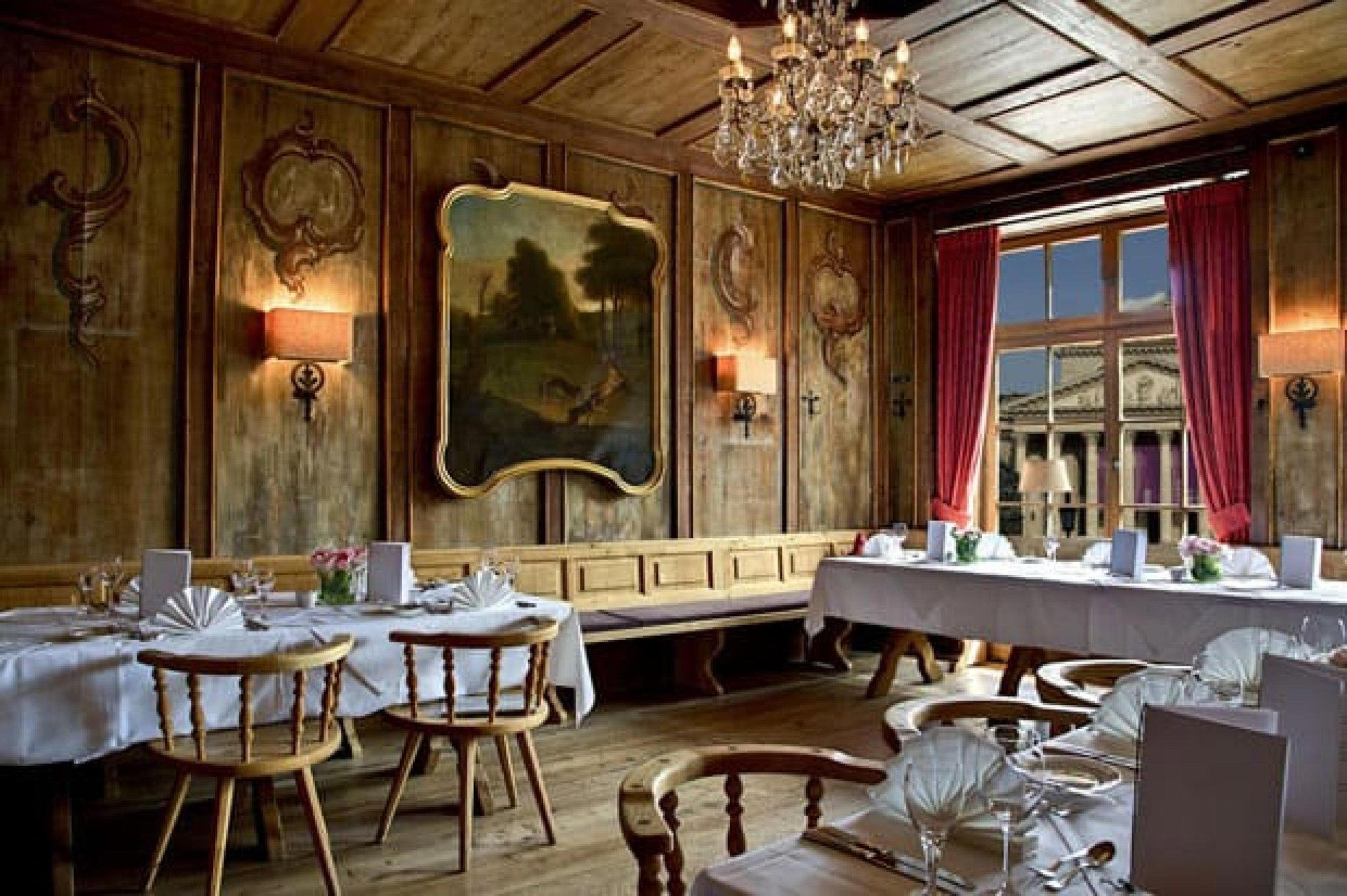
A Corner of Old Munich That Has Survived Everything
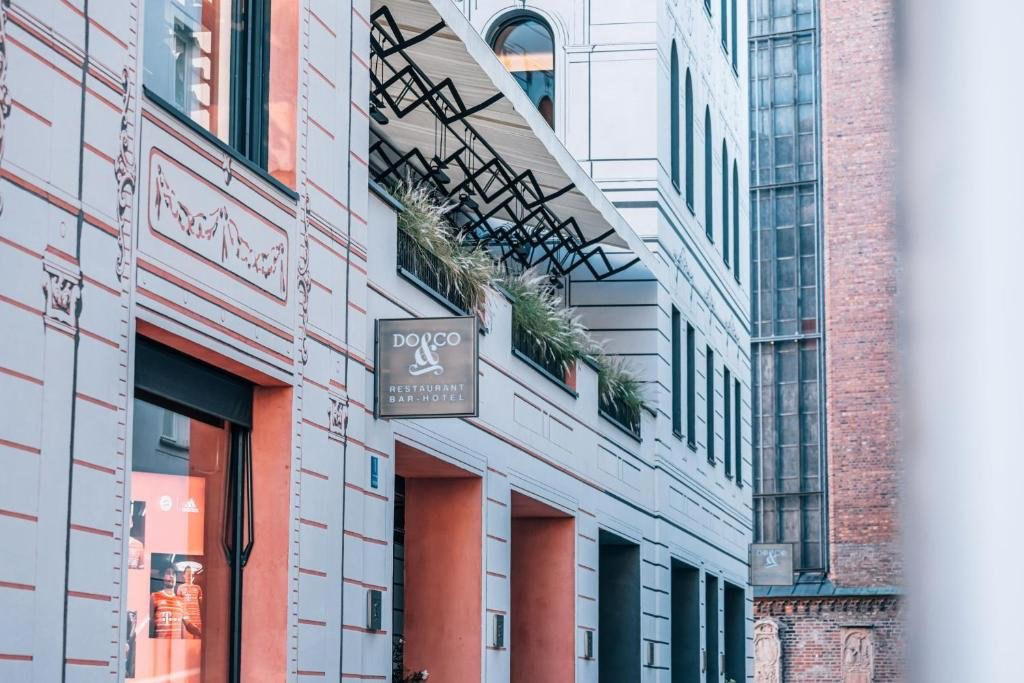
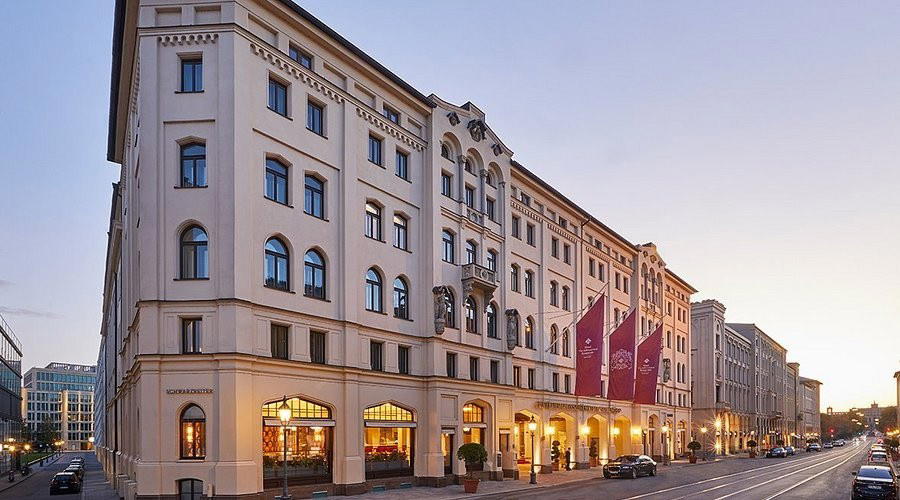
The stretch of Residenzstraße that runs past the Nationaltheater is one of those urban corridors where the physical weight of history is genuinely legible. The Residenz itself dominates one flank; the opera house anchors the other. Spatenhaus at the opera sits at number 12, in a position that makes it a fixture of Bavarian civic life. The building's multi-storey facade and the warm amber light that spills from its windows on winter evenings tell you, before you step inside, that this is not a concept or a relaunch. It is a place that has been doing a specific thing for a long time, and that continuity is precisely the editorial point.
Munich's fine-dining tier has evolved considerably over the past two decades. The city now supports a cluster of multi-Michelin-starred kitchens that trade in global technique: JAN, Tantris, Tohru in der Schreiberei, Alois - Dallmayr Fine Dining, and Atelier all occupy the creative-contemporary end of the spectrum. Spatenhaus operates in a different register entirely. It is the kind of Bavarian Gaststätte that the creative kitchens implicitly reference when they talk about regional identity, and it remains worth understanding on its own terms.
The Architecture of a Traditional Bavarian Meal
The meal at a place like Spatenhaus does not follow the logic of a tasting menu. There is no amuse-bouche sequence or intermezzo. The progression is older and more direct: cold starts, hearty mains built around roasted meats or braised cuts, and desserts that belong firmly to the Austro-Bavarian pastry tradition. That structure is worth taking seriously as a culinary form. Germany's tasting-menu format draws from French sequencing conventions. The Bavarian Wirtshaus tradition draws from a completely different logic: dishes that are architectural in their own right, plates that do not need a narrative arc because each one is complete.
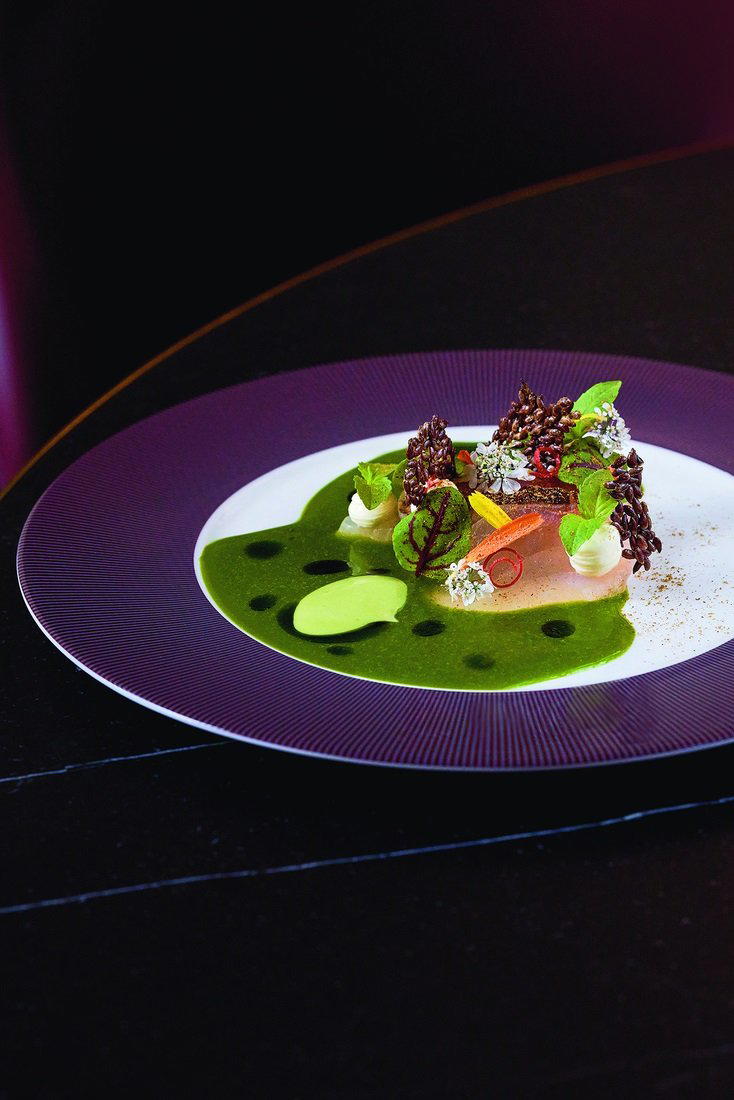
At Spatenhaus, that means the kitchen's attention goes to sourcing and technique at the level of the individual dish rather than across a composed progression. Classics of the southern German canon appear here in their expected forms. Weisswurst with sweet mustard and a pretzel is the traditional morning or early-lunch signal in Bavaria, though in a restaurant of this address and positioning it appears as part of a broader menu rather than the street-food register in which it is typically consumed. Suckling pig, Tafelspitz (boiled beef with horseradish and broth), and Schweinshaxe (roasted pork knuckle with crackling and dumplings) represent the core of what Bavarian cooking has exported to the world's understanding of German food. The versions at a well-resourced Altstadt house tend to be more precisely executed than those at high-turnover tourist spots.
Reading the Room: Opera Night vs. Regular Service
The location opposite the Nationaltheater creates a dining rhythm that most Munich restaurants do not share. On opera nights, the pre-curtain sitting is genuinely time-pressured, and the kitchen has to deliver Bavarian food at a pace that suits people with a fixed departure. That constraint has historically shaped Wirtshaus kitchens into efficiency machines: dishes that are held correctly and plated fast, without the quality drop that affects slower-moving preparations. The post-performance sitting, by contrast, tends toward longer tables and less structured timing. Both rhythms are worth understanding before you book, because they produce different experiences of the same kitchen.
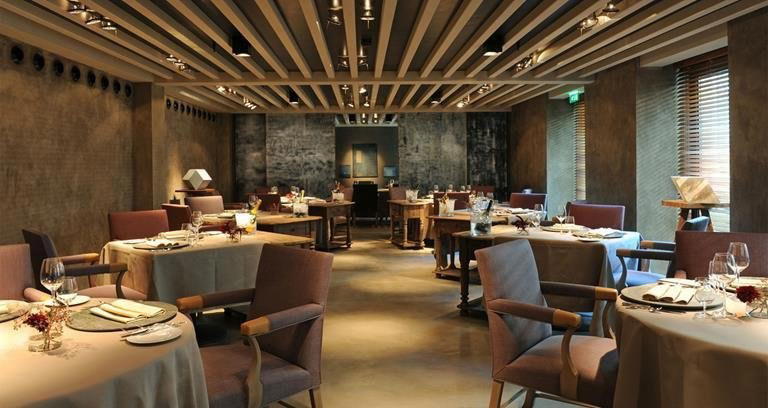
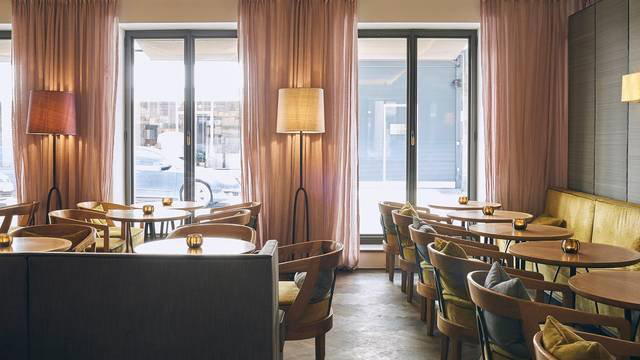
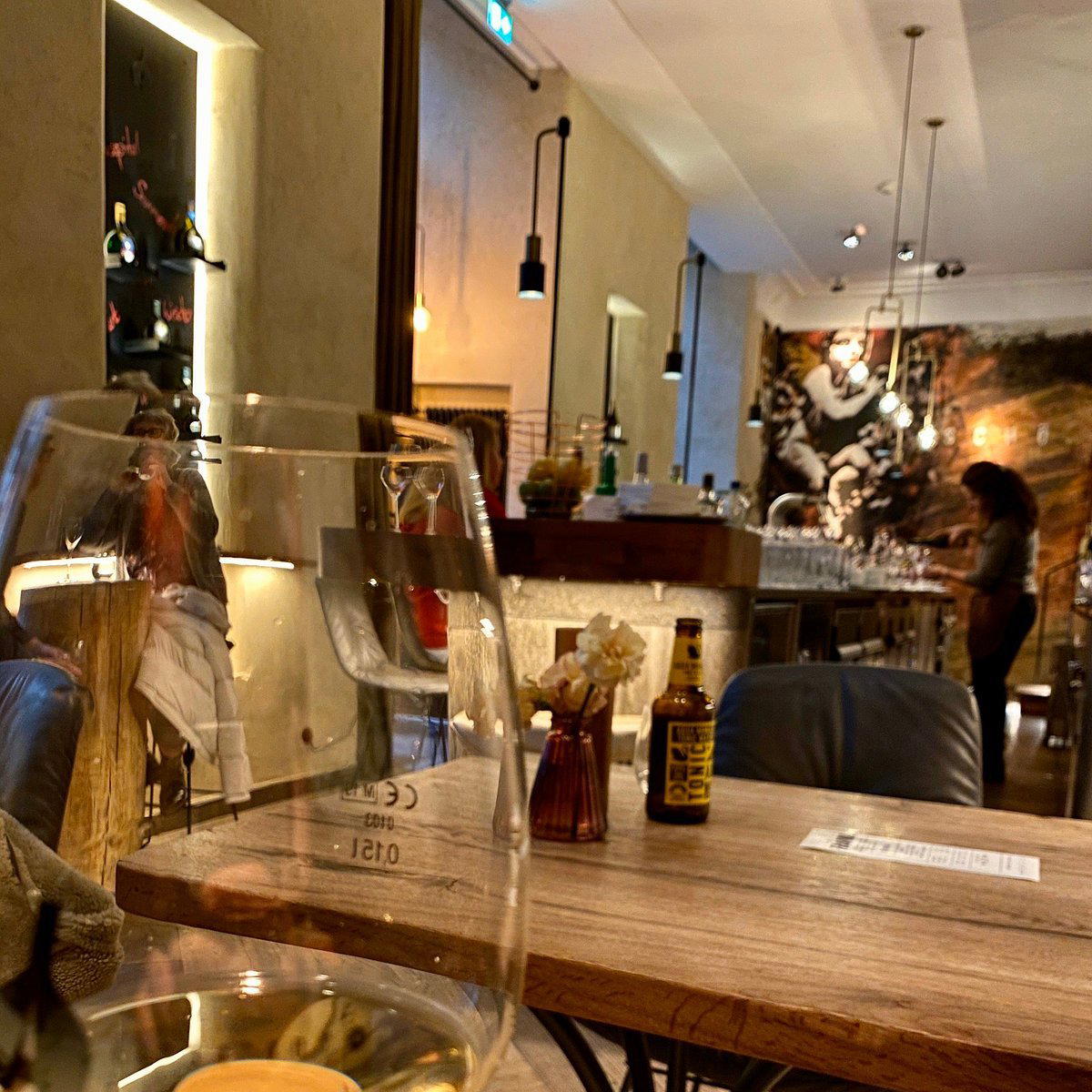
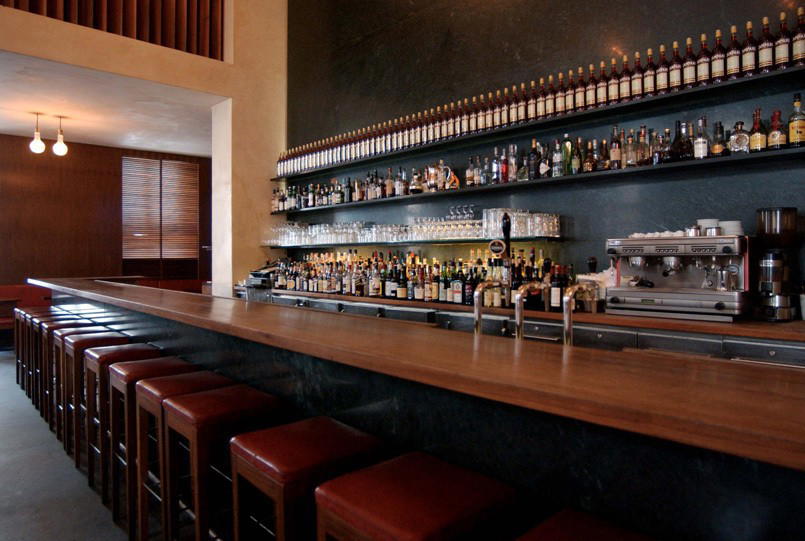
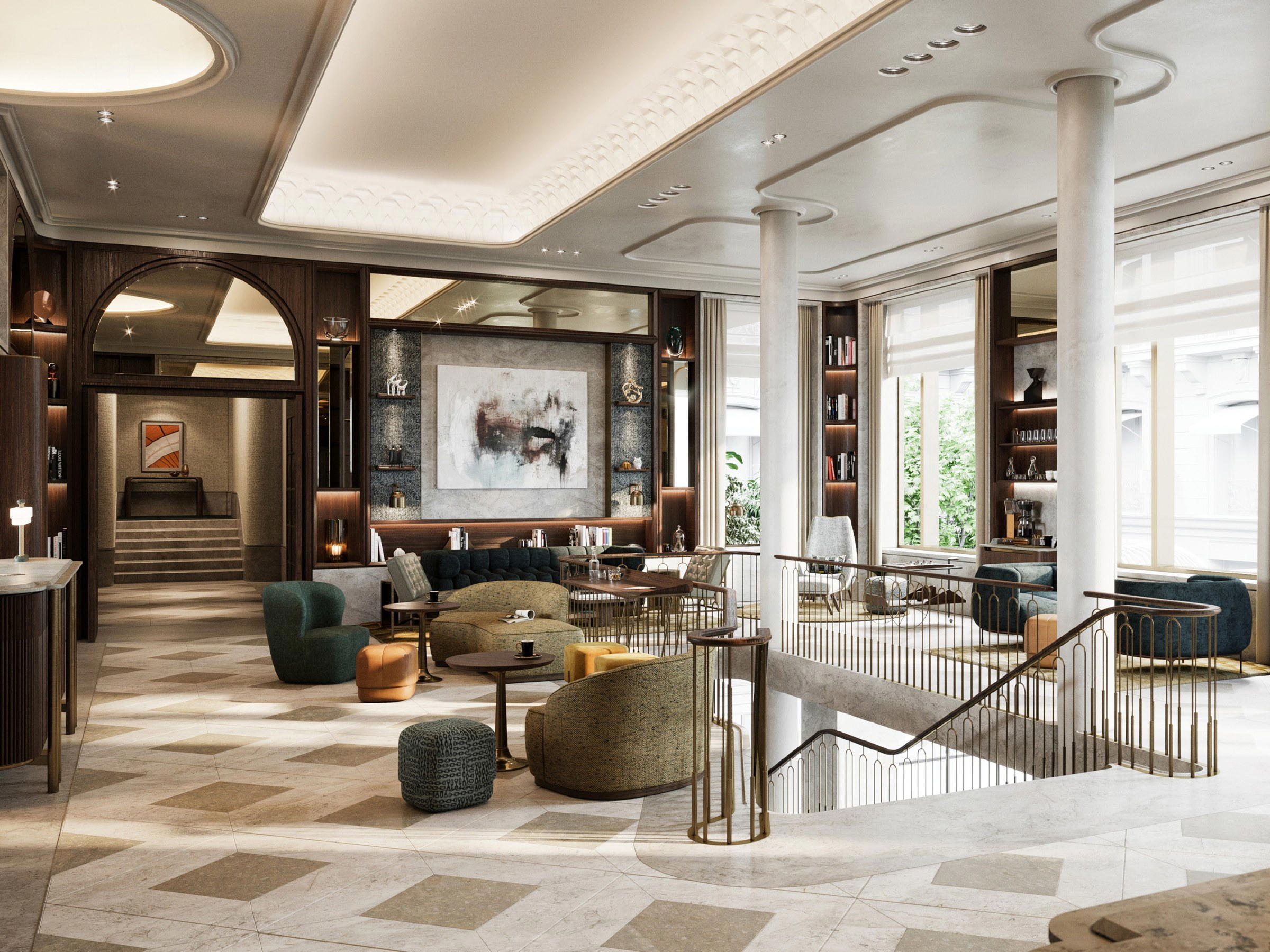
The building's multiple floors and distinct dining areas allow for tonal variation. A table on the upper floor looking toward the opera house has a different atmosphere from a ground-floor seat closer to the bar and the passage of foot traffic. Neither is wrong; they are simply different propositions within the same address.
Where Spatenhaus Sits in the Broader German Dining Picture
Germany's full-service traditional restaurant category has thinned in many cities over the past generation, squeezed between fast-casual expansion and a fine-dining tier that commands the editorial attention. Munich has retained more examples of this middle ground than most German cities, partly because Bavarian food culture has a strong civic and identity function that keeps demand for traditional formats alive. Spatenhaus at this address is one of the more prominent surviving examples of that tradition operating at a central, well-resourced level rather than as a neighbourhood holdover.
For context on how Germany's highest-level kitchens use that same regional tradition as raw material for more technically ambitious work, it is worth looking at what German haute cuisine is doing with regional ingredients and traditions. The gap between those kitchens and a traditional Wirtshaus is not a quality gap in any simple sense; it is a difference in ambition and form. Internationally, a useful structural comparison is the way that Le Bernardin in New York City and Lazy Bear in San Francisco sit at the opposite end of the formality and format spectrum from their respective cities' traditional comfort-food institutions. Every serious dining city has this tension, and it is usually more instructive to understand both poles than to rank one above the other.
At the more experimental edge of German dining, formats like CODA Dessert Dining in Berlin and Victor's Fine Dining by Christian Bau in Perl and Bagatelle in Trier make the case that German haute cuisine is a genuinely plural category. Spatenhaus represents a different but equally legitimate answer to the question of what German food is for.
Planning Your Visit
The address at Residenzstraße 12 puts Spatenhaus within a short walk of the Marienplatz U-Bahn and S-Bahn interchange, making it accessible from most of Munich's central accommodation without needing a taxi. On opera nights, booking ahead is advisable, particularly for the pre-performance sitting. Outside of performance evenings, the house tends to run at a more relaxed pace, and mid-week lunch is likely the session with greater flexibility. Dress runs toward the smart-casual convention.
Reputation First
Comparable venues nearby, for context on price, style, and recognition.
| Venue | Cuisine | Price | Notes |
|---|---|---|---|
| Spatenhaus at the operaThis venue — the venue you are viewing | Traditional Bavarian | $$$ | Not listed |
| Café Luitpold | Historic German Café & Pastry House | $$$ | Lehel |
| InselMühle | Traditional Bavarian with Beer Garden | $$$ | Allach |
| Ayinger am Platzl | Bavarian Wirtshaus | $$ | Altstadt |
| Haxnbauer | Traditional Bavarian | $$$ | Altstadt |
| Leib und Seele | Traditional Bavarian | $$ | Lehel |
At a Glance
- Classic
- Elegant
- Rustic
- Well Known
- Business Dinner
- Special Occasion
- Group Dining
- Terrace
- Historic Building
- Beer Program
- Extensive Wine List
- Local Sourcing
- Street Scene
Current opening hours
- Monday
- 11:30 AM–12:30 AM
- Tuesday
- 11:30 AM–12:30 AM
- Wednesday
- 11:30 AM–12:30 AM
- Thursday
- 11:30 AM–12:30 AM
- Friday
- 11:30 AM–12:30 AM
- Saturday
- 11:30 AM–12:30 AM
- Sunday
- 11:30 AM–12:30 AM
Hours can change for holidays and private events. Last verified .
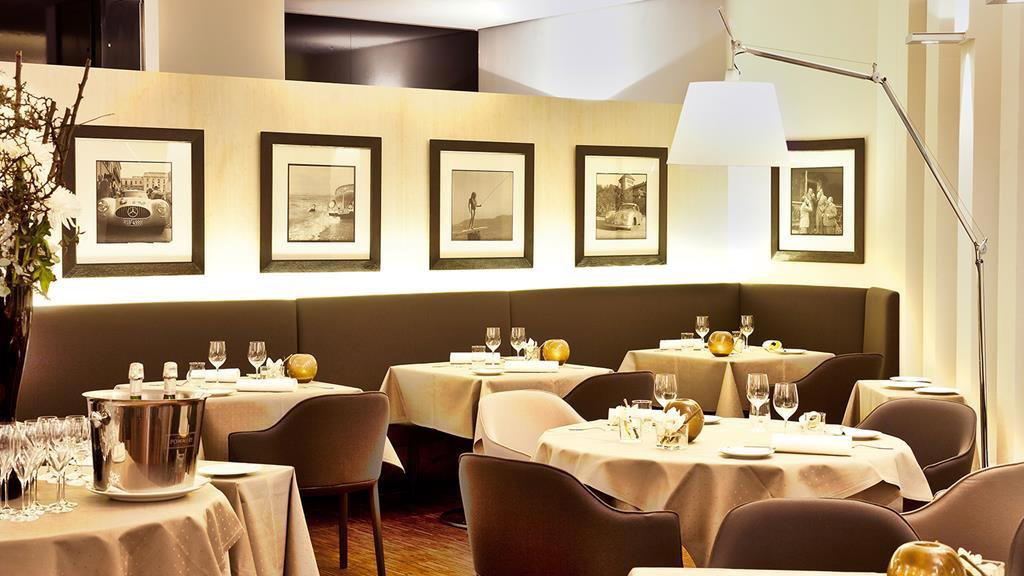
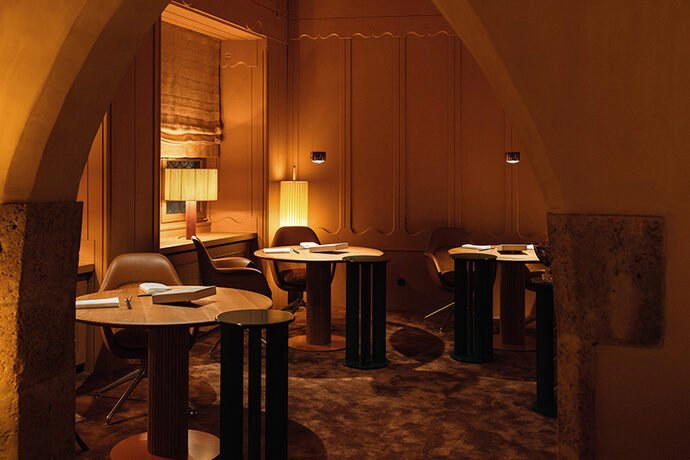
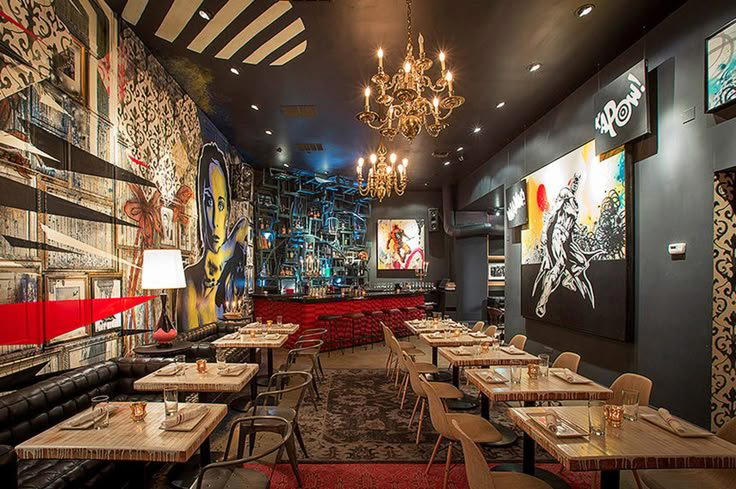
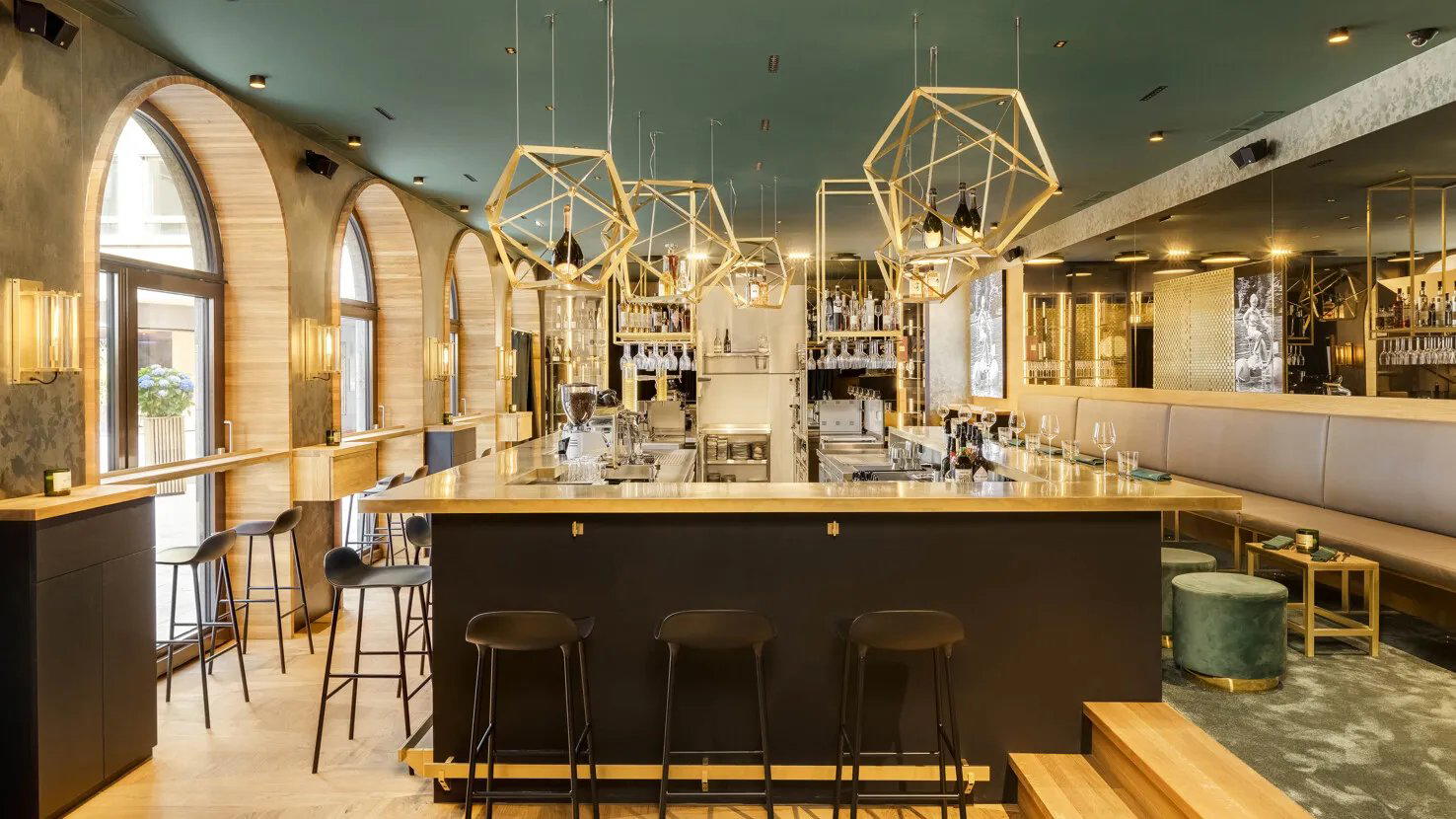
Relaxed and welcoming with a rustic ground floor and more refined ornate upstairs, featuring big windows overlooking the opera square.