Alte Kanzlei occupies one of Stuttgart's most loaded addresses, facing Schillerplatz in the heart of the old city. The building's history as a former chancellery gives the room a civic weight that few restaurants in Baden-Württemberg can match. For visitors oriented toward regional sourcing and traditional German hospitality, it functions as a reliable anchor in a dining scene that otherwise leans heavily toward contemporary fine dining.
Pearl is the En Primeur Club membership app — saves, bookings, and concierge access live there. Same editors, same standards.
- Address
- Schillerplatz 5 A, 70173 Stuttgart, Germany
- Phone
- +49 711 294457
- Website
- alte-kanzlei-stuttgart.de
 Saves & bookings on Pearl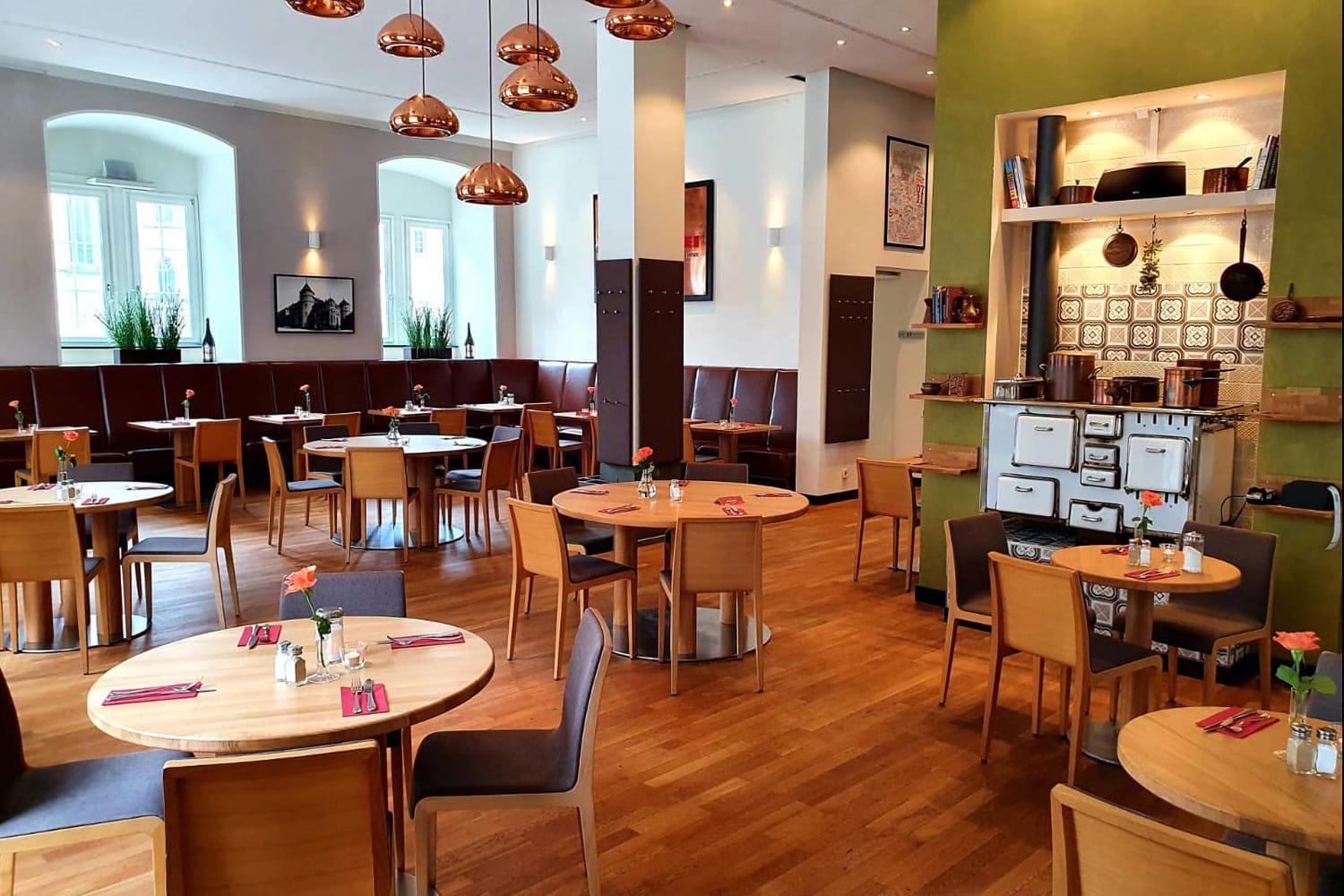
Schillerplatz and the Weight of the Address
Stuttgart's Schillerplatz is one of those rare civic squares where the surrounding architecture does real work. The former chancellery building that gives Alte Kanzlei its name and address carries the accumulated gravity of centuries of administrative life, and arriving here feels different from walking into a restaurant fitted into a converted warehouse or a side-street shopfront. The square itself, with Schiller's statue at its centre, positions this as a place where the city's historical self-image is most concentrated. That context is worth stating plainly, because it shapes what kind of restaurant Alte Kanzlei is and what kind of visit it rewards.
On one side sit the technically driven rooms: Speisemeisterei, Délice, and the creative-format venues like Der Zauberlehrling, which operate in a zone of considered innovation. On the other side sit the rooms that derive their authority from continuity and place. Alte Kanzlei belongs to the latter group. Its competitive set is not the city's Michelin-tracked experimentation corridor but rather the tradition of civic hospitality that Baden-Württemberg has long maintained alongside its fine-dining tier.
The Regional Sourcing Argument
German restaurant culture in the southwest has always maintained a closer relationship between table and terroir than the country's international reputation tends to suggest. Baden-Württemberg sits between two of Europe's most productive agricultural and viticultural zones: the Black Forest to the west, with its game, mushrooms, and cold-climate dairy, and the Swabian Alb to the east, with its lamb, lentils, and heritage grain traditions. A restaurant anchored on Schillerplatz, in a city that built its wealth on precision manufacturing but kept its food culture rooted in the surrounding countryside, is well-positioned to draw on both.
The sourcing logic that underpins Swabian cooking at its most grounded is not farm-to-table in the marketing sense. It is structural: the region's cuisine was built around what was available, durable, and seasonal before those became virtues rather than necessities. Lentils from the Alb, Maultaschen stuffed with whatever the kitchen held, Spätzle made from local flour, venison from Black Forest suppliers. These are not gestures toward provenance; they are the actual architecture of the tradition. Restaurants that hold to this logic, rather than layering it as a stylistic choice onto a globally sourced base, occupy a different position in the regional hierarchy than technically ambitious rooms like Hegel Eins or the modern-cuisine format of 5.
That distinction matters for how to read the room. Alte Kanzlei is not positioned as a destination for the kind of sourcing transparency that contemporary fine dining has made standard practice, with provenance listed by farm name and postcode. It operates in an older register, where the regional identity of the cooking is assumed rather than annotated.
Swabian Cooking in a Fine-Dining City
Stuttgart is unusual among Germany's major cities in that its surrounding wine region, the Württemberg Anbaugebiet, produces reds that pair naturally with the fat-forward, pork-and-offal character of traditional Swabian cooking. Trollinger, Lemberger, and Schwarzriesling from producers in the Remstal and Strohgäu are not wines that travel well internationally, which means they remain deeply local in a way that Riesling from the Mosel or Pinot from Baden does not. A room on Schillerplatz that takes its wine list seriously will lean into this regional specificity rather than building a cellar oriented toward Bordeaux and Burgundy.
Schwarzwaldstube in Baiersbronn and Aqua in Wolfsburg represent the country's top tier of technical ambition. Waldhotel Sonnora in Dreis, Vendôme in Bergisch Gladbach, and Victor's Fine Dining by Christian Bau in Perl sit in a peer tier of three-star ambition that Alte Kanzlei does not compete with and does not attempt to. Further afield, Restaurant Haerlin in Hamburg, Schanz in Piesport, ES:SENZ in Grassau, and the dessert-forward experiment of CODA Dessert Dining in Berlin illustrate how widely the category has expanded.
Planning a Visit
Alte Kanzlei Stuttgart is a Traditional Swabian restaurant at Schillerplatz 5, 70173 Stuttgart, Germany. Visitors combining dinner here with Stuttgart's broader dining circuit should note that the city's more formally ambitious rooms, including those in our full Stuttgart restaurants guide, are scattered across the city rather than concentrated in a single neighbourhood, so Schillerplatz functions as a natural starting point for an evening that stays central. Internationally, the category of civic-anchored, region-rooted dining this represents has parallels in rooms like JAN in Munich, though the format and price register differ. For reference on what serious civic dining looks like with greater technical ambition, Le Bernardin in New York City and Lazy Bear in San Francisco offer instructive contrasts in how a strong sense of place can be married to rigorous kitchen discipline.
Comparable Spots, Quickly
Comparable venues nearby, for context on price, style, and recognition.
| Venue | Cuisine | Price | Awards | Notes |
|---|---|---|---|---|
| Alte Kanzlei StuttgartThis venue — the venue you are viewing | Traditional Swabian | $$ | , | |
| Schnitzelkönig | German Schnitzel House | $$ | , | Heslach |
| Nesenbach Brauhaus | Swabian Brauhaus with Bavarian Influences | $$ | , | Gablenberg |
| Zum Becher | Traditional Swabian German | $$ | , | Gablenberg |
| Speisekammer West | Seasonal Swabian with Organic Focus | $$ | , | Heslach |
| Wirtshaus Hasen | Traditional Swabian Gasthaus | $$ | , | Gaisburg |
Continue exploring
More in Stuttgart
Restaurants in Stuttgart
Browse all →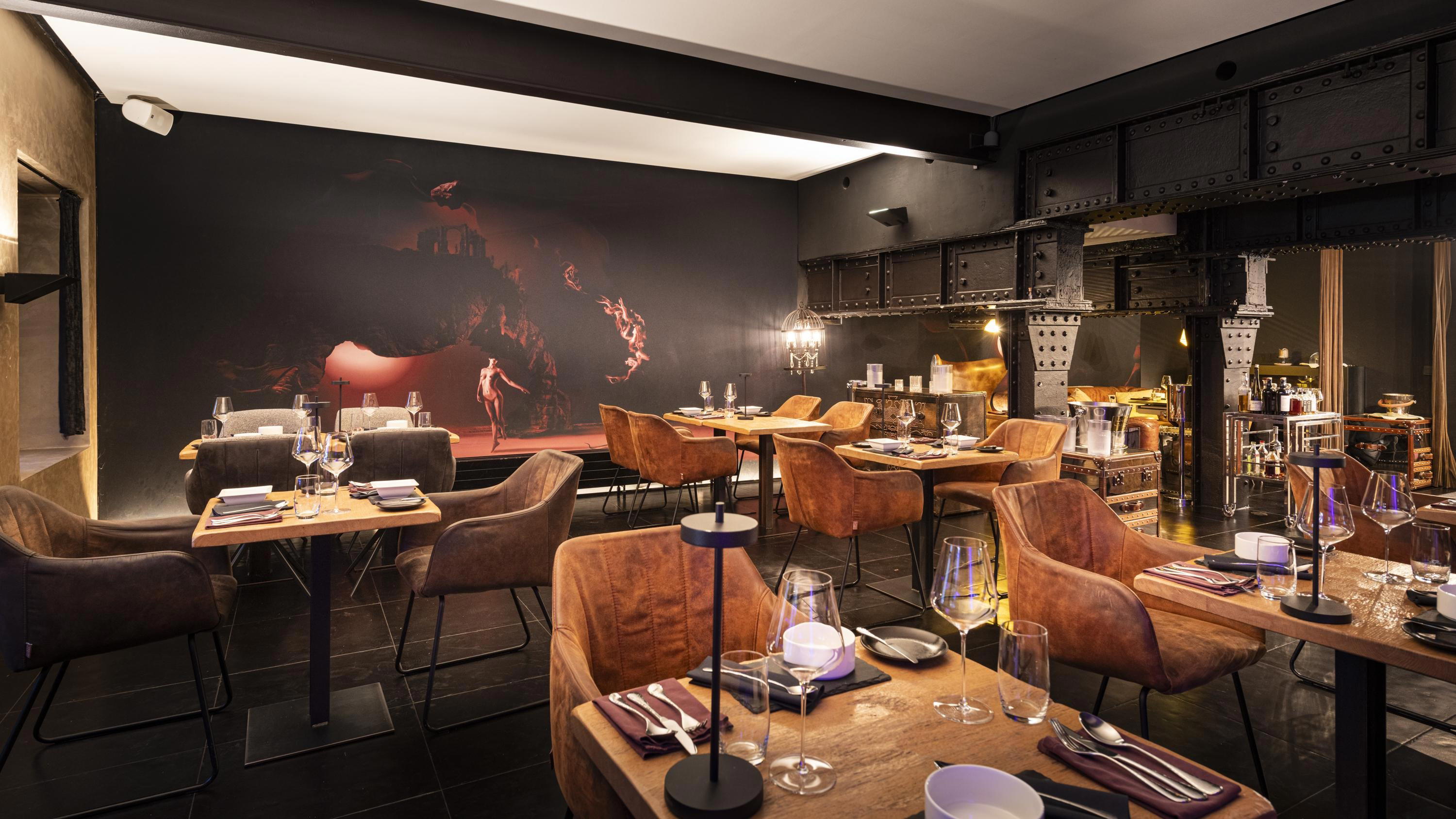
Bars in Stuttgart
Browse all →
Hotels in Stuttgart
Browse all →
At a Glance
- Elegant
- Classic
- Historic
- Cozy
- Business Dinner
- Special Occasion
- Brunch
- Historic Building
- Terrace
- Extensive Wine List
- Street Scene
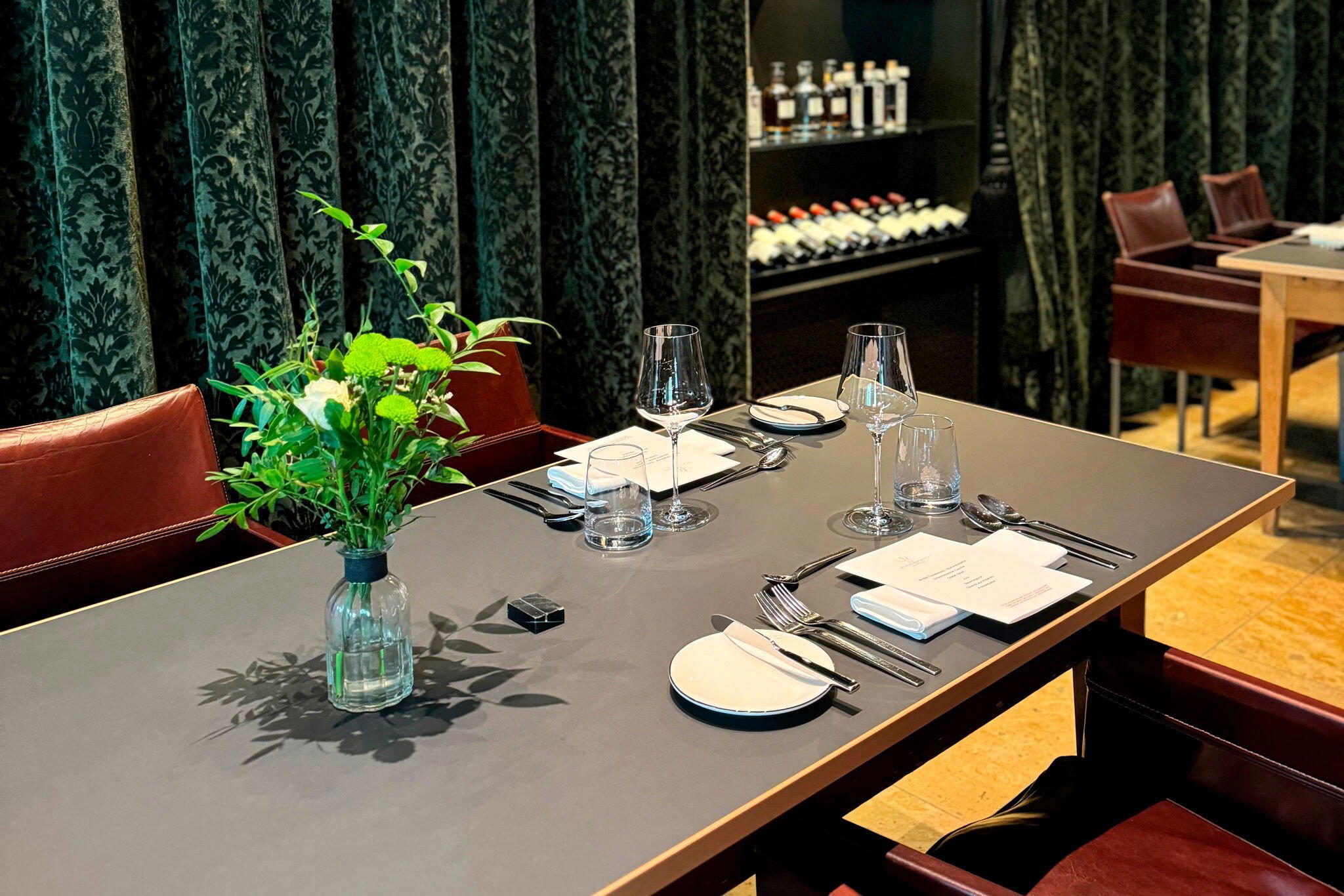
Elegant ambience with high ceilings, airy dining area, historical charm, plush leather seating, ornate details, and warm lighting.