Weinstube Schnitzelbank
On a quiet lane in Heidelberg's Altstadt, Weinstube Schnitzelbank is a long-established Weinstube working within the tradition of Baden wine taverns: shared tables, regional food, and local wine served without ceremony. It sits in a different register from the city's contemporary dining scene, offering the kind of unpretentious, rooted hospitality that Heidelberg's older neighbourhoods have always produced.
Pearl is the En Primeur Club membership app — saves, bookings, and concierge access live there. Same editors, same standards.
- Address
- Bauamtsgasse 7, 69117 Heidelberg, Germany
- Phone
- +49 6221 21189
- Website
- schnitzelbank-heidelberg.de
- Directions
- Get directions
 Saves & bookings on Pearl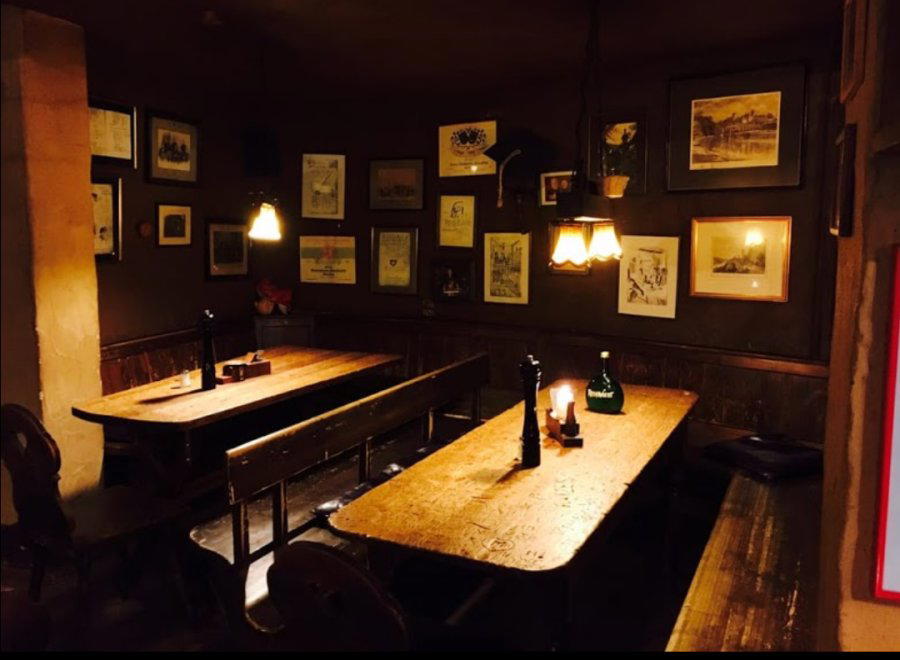
A Lane, a Bench, and the Logic of the Weinstube
Bauamtsgasse is the kind of street that Heidelberg's Altstadt produces in abundance: narrow, cobbled, compressed between sandstone walls that have been absorbing the city's history for centuries. At number seven, Weinstube Schnitzelbank occupies a position that feels less like a commercial address and more like an institutional one. The name itself encodes the format. A Weinstube is a wine room, not a wine bar in the contemporary sense; it is a civic institution with its own grammar of hospitality, one that predates the modern restaurant by several centuries in German-speaking regions. The Schnitzelbank, a carved wooden bench, is the furniture of that tradition, a place where guests share tables, conversations, and carafes without much ceremony.
Understanding that context matters, because Weinstube Schnitzelbank is not operating in the same competitive set as Heidelberg's modern European tables. Venues like Oben (Modern European, Creative) or 959 (Contemporary) are producing ambitious, technique-led cooking aimed at a different kind of evening. The Weinstube model is older and, in its own way, more demanding: it has to deliver on authenticity, regularity, and a sense of place that a newer format does not carry as an expectation.
The Cultural Weight of the Wine Tavern Format
Baden-Württemberg has one of Germany's most coherent regional wine cultures, built around Spätburgunder (Pinot Noir), Grauburgunder, and Müller-Thurgau vines that run along the Rhine rift valley and into the foothills of the Schwarzwald. The Weinstube is the traditional vehicle for that wine culture at a local level, functioning as the point where producer and drinker meet across a table rather than across a tasting counter. In a wine-growing region, this matters: the tavern format historically allowed winemakers to sell directly and informally, which shaped both the social character of the institution and the economics of wine access in these communities.
That lineage positions a place like Weinstube Schnitzelbank differently from the kind of destination dining that draws visitors across Germany for three-Michelin-star cooking. For reference, the upper tier of German fine dining includes kitchens like Schwarzwaldstube in Baiersbronn, Aqua in Wolfsburg, and Vendôme in Bergisch Gladbach, all operating in a register of formal precision. The Weinstube sits at the opposite pole of the same national dining culture: informal, community-rooted, and measured not by tasting-menu ambition but by the quality of a single glass of Badischer Wein and the company across the table.
Heidelberg's Dining Geography and Where This Fits
Heidelberg's Altstadt is a concentrated dining district that runs roughly from the Marktplatz toward the Philosophenweg banks of the Neckar, with most serious eating options folded into the lanes between these points. The city's restaurant scene has diversified considerably, with international formats represented alongside regional ones. [CANTINACCIA] pulls in Italian regulars, Chambao (International) operates at a more casual price point, and Akam's Heidelberg covers Middle Eastern ground. Within that range, the Weinstube category represents a specifically local form, one that survives on repeat custom and neighbourhood trust rather than the broader tourist appetite that the Altstadt's visibility tends to attract.
The address on Bauamtsgasse is marginally off the main pedestrian flow, which in Altstadt terms means it is sixty seconds' walk from the busiest lanes but positioned enough to filter out foot traffic that is simply looking for the nearest available table. That kind of micro-geography tends to produce more consistent dining rooms: the guests who arrive know where they are going.
For those building a broader picture of the city's eating options, the full Heidelberg restaurants guide maps the scene across formats and price points.
Regional Cooking in the Weinstube Tradition
The food at a Weinstube of this type tends to operate within the Baden regional kitchen, which draws on heavier pork-based dishes, game when seasonal, egg preparations like Maultaschen (Baden's stuffed pasta, often credited as the region's answer to ravioli), and the kind of root vegetable and legume cookery that reflects a historically agricultural larder. This is not refined-technique cooking. The standard is consistency, portion generosity, and a complementary relationship to the wine being served alongside.
In Germany's broader culinary conversation, the regional tavern format has faced pressure from above (destination fine dining, which draws both attention and higher-spending guests) and from below (fast-casual and international formats that capture younger urban diners). The Weinstube that survives into the present decade has generally done so by holding its format steady rather than adapting toward trend. Whether Schnitzelbank occupies that resilient tier or something more transitional is a question the room answers better than any database entry can.
Across Germany's more ambitious kitchens, the contrast is sharp. JAN in Munich, CODA Dessert Dining in Berlin, and ES:SENZ in Grassau represent kitchens where the meal itself is the primary object. At a Weinstube, the meal is one component of an evening that is equally about the wine, the table, and the duration of the sitting. These are different products serving different needs, and the comparison is useful mainly to clarify what the Weinstube format is not trying to do.
For context on what German regional fine dining looks like at its most developed, kitchens like Schanz in Piesport, Waldhotel Sonnora in Dreis, Restaurant Haerlin in Hamburg, and Victor's Fine Dining by christian bau in Perl show how seriously Germany's kitchen culture can be taken at the upper end. Internationally, the format gap is even wider: kitchens like Le Bernardin in New York City or Lazy Bear in San Francisco operate in an entirely different idiom. None of that diminishes the Weinstube, which is not trying to compete in those terms and is more honest for it.
Planning a Visit
Weinstube Schnitzelbank sits at Bauamtsgasse 7 in Heidelberg's Altstadt, a short walk from the Marktplatz and within easy reach of the main pedestrian zone. Current hours, booking availability, and contact details are best confirmed directly, as the venue's public-facing information is limited. In general, traditional Weinstuben in this district tend to be busier on weekend evenings and during the university-term period when Heidelberg's population density increases; midweek visits often allow a more relaxed pace. Reservations, where the format permits them, are advisable for groups rather than pairs, since shared-table formats can accommodate walk-ins more flexibly than fixed-seating rooms.
Cost and Credentials
Comparable venues nearby, for context on price, style, and recognition.
| Venue | Cuisine | Price | Awards | Notes |
|---|---|---|---|---|
| Weinstube SchnitzelbankThis venue — the venue you are viewing | Altstadt, Traditional German Regional | $$ | Not listed | Not listed |
| Gasthaus "Zum Roten Ochsen" | Not listed | $$ | Not listed | Altstadt, Traditional German Hausmannskost |
| Weisser Bock | Altstadt, Traditional German Fine Dining | $$$ | Michelin Plate | Not listed |
| Scharffs Schlossweinstube | Not listed | $$$$ | Not listed | Heidelberger Altstadt, Classic German Fine Dining |
| Traube | Not listed | $$$$ | Michelin Plate | Rohrbach, Modern Regional German Fine Dining |
| Restaurant zur Herrenmühle | Not listed | $$$$ | Not listed | Altstadt, Modern French Crossover Gourmet |
Continue exploring
More in Heidelberg
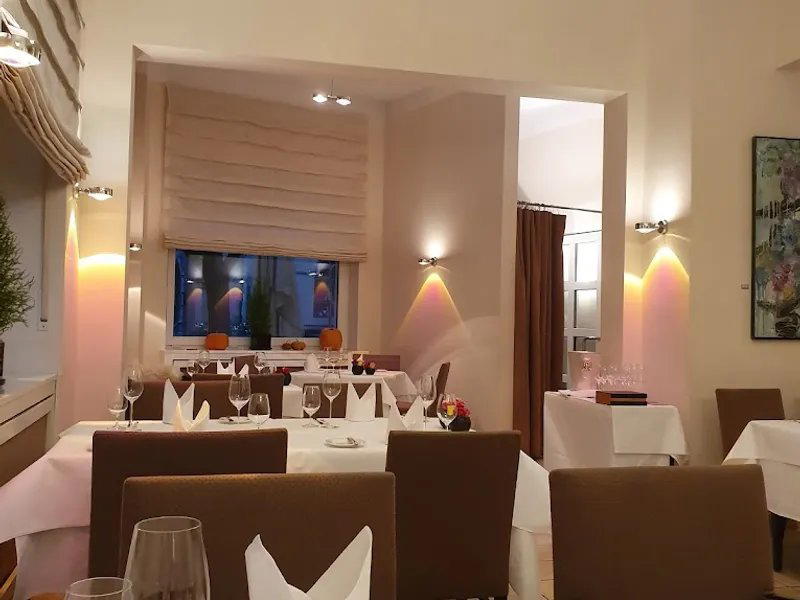
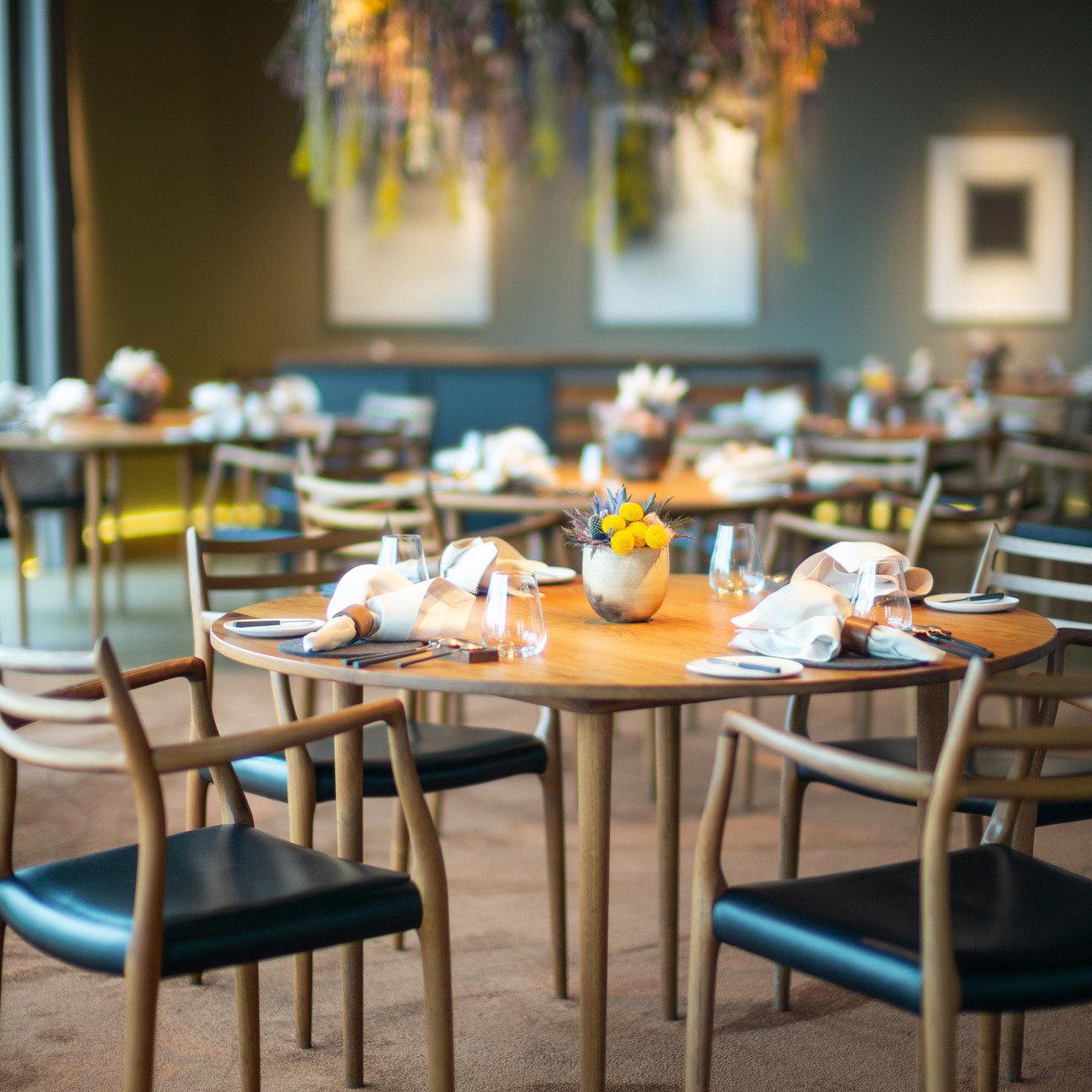
Restaurants in Heidelberg
Browse all →
Bars in Heidelberg
Browse all →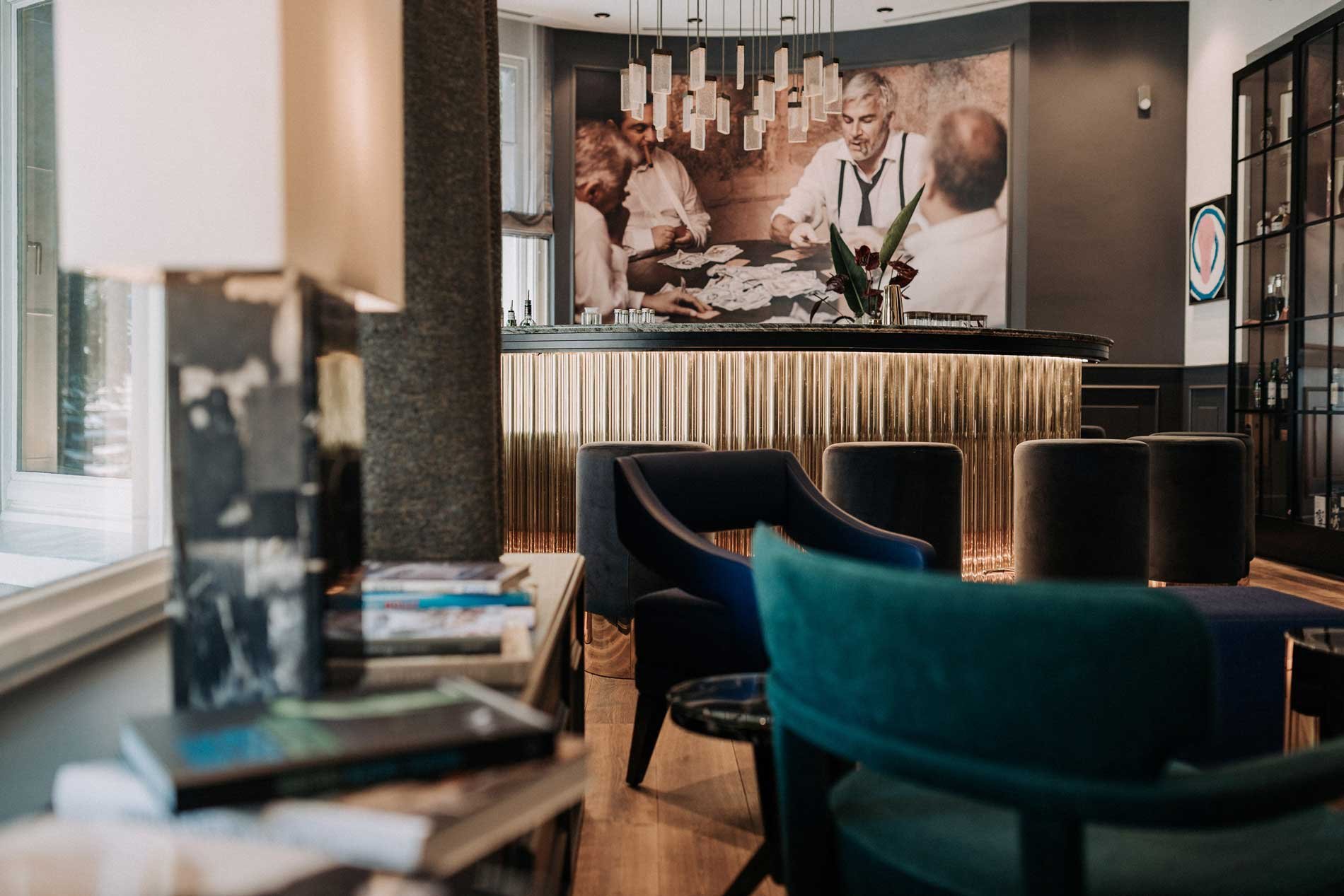
Hotels in Heidelberg
Browse all →
At a Glance
- Cozy
- Rustic
- Historic
- Classic
- Intimate
- Casual Hangout
- Group Dining
- Historic Building
- Wine Cellar
- Extensive Wine List
- Local Sourcing
Current opening hours
- Monday
- 5–10 PM
- Tuesday
- 5–10 PM
- Wednesday
- 5–10 PM
- Thursday
- 5–10 PM
- Friday
- 5–10 PM
- Saturday
- 12–10 PM
- Sunday
- 12–10 PM
Hours can change for holidays and private events. Last verified .
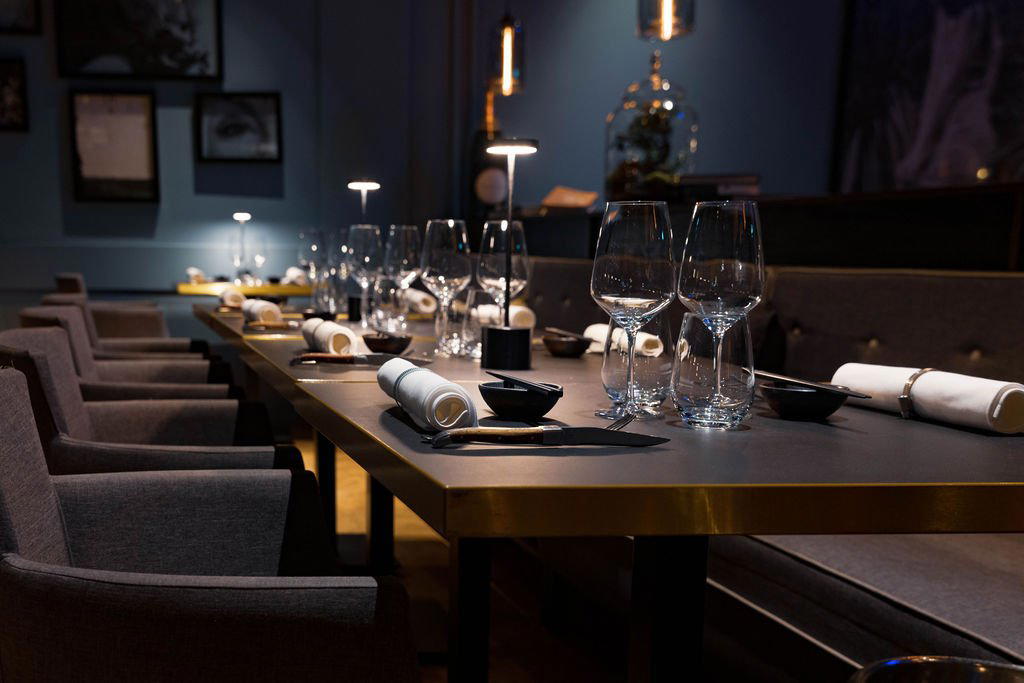
Rustic and cozy with dark wood furnishings, low lighting, and historic hobelbänke benches creating a warm, old-world atmosphere.