Akam's Heidelberg
Akam's Heidelberg occupies a quietly residential address on Rudolf-Diesel-Straße, operating within a city that has long supported serious dining alongside its university-town character. The venue sits at a point in Heidelberg's restaurant scene where neighbourhood familiarity and considered cooking overlap. For visitors working through the city's dining options, it represents a grounded local reference.
Pearl is the En Primeur Club membership app — saves, bookings, and concierge access live there. Same editors, same standards.
- Address
- Rudolf-Diesel-Straße 9, 69115 Heidelberg, Germany
- Phone
- +4962214384009
- Website
- akams-heidelberg.de
- Directions
- Get directions
 Saves & bookings on Pearl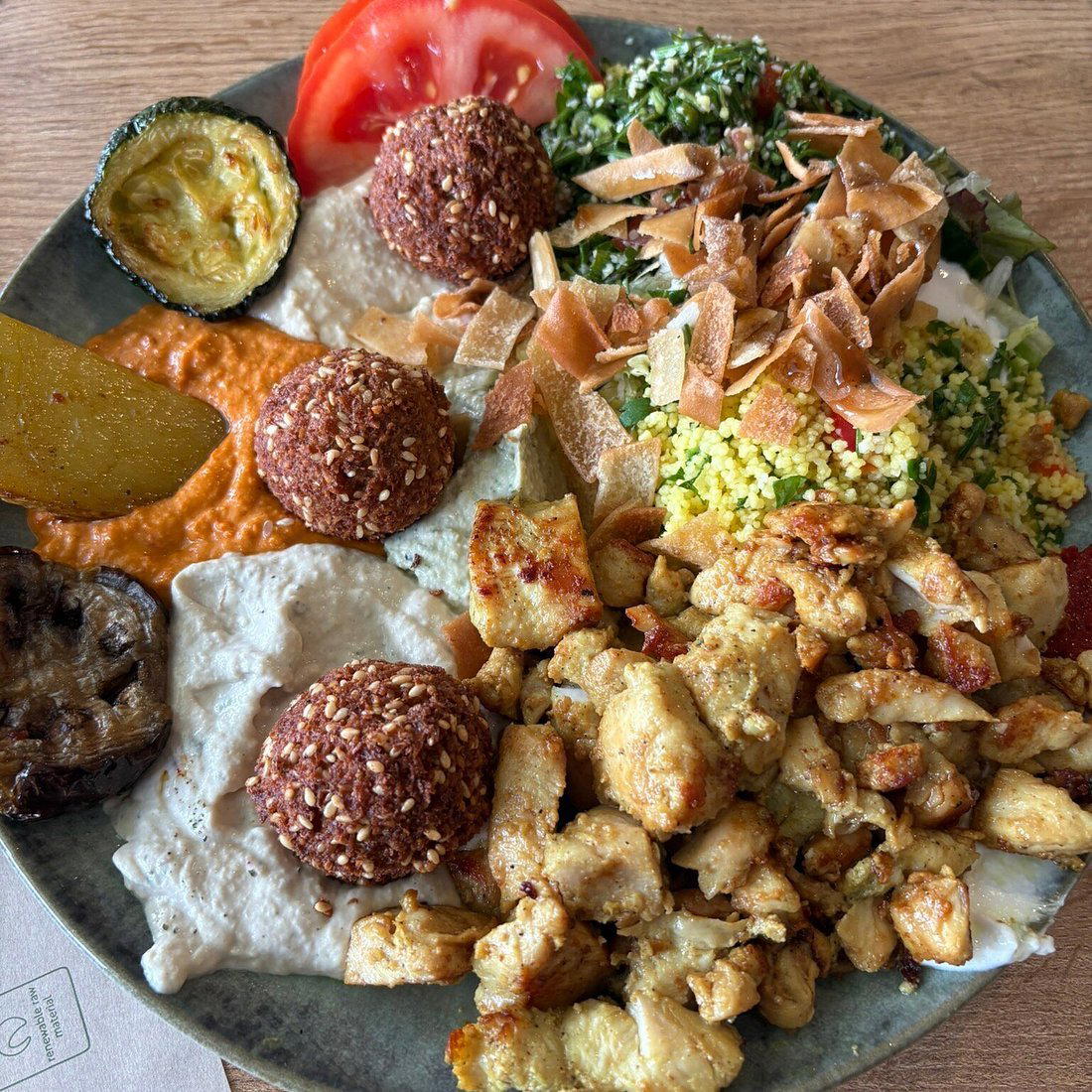
Rudolf-Diesel-Straße and the Rhythm of a Meal
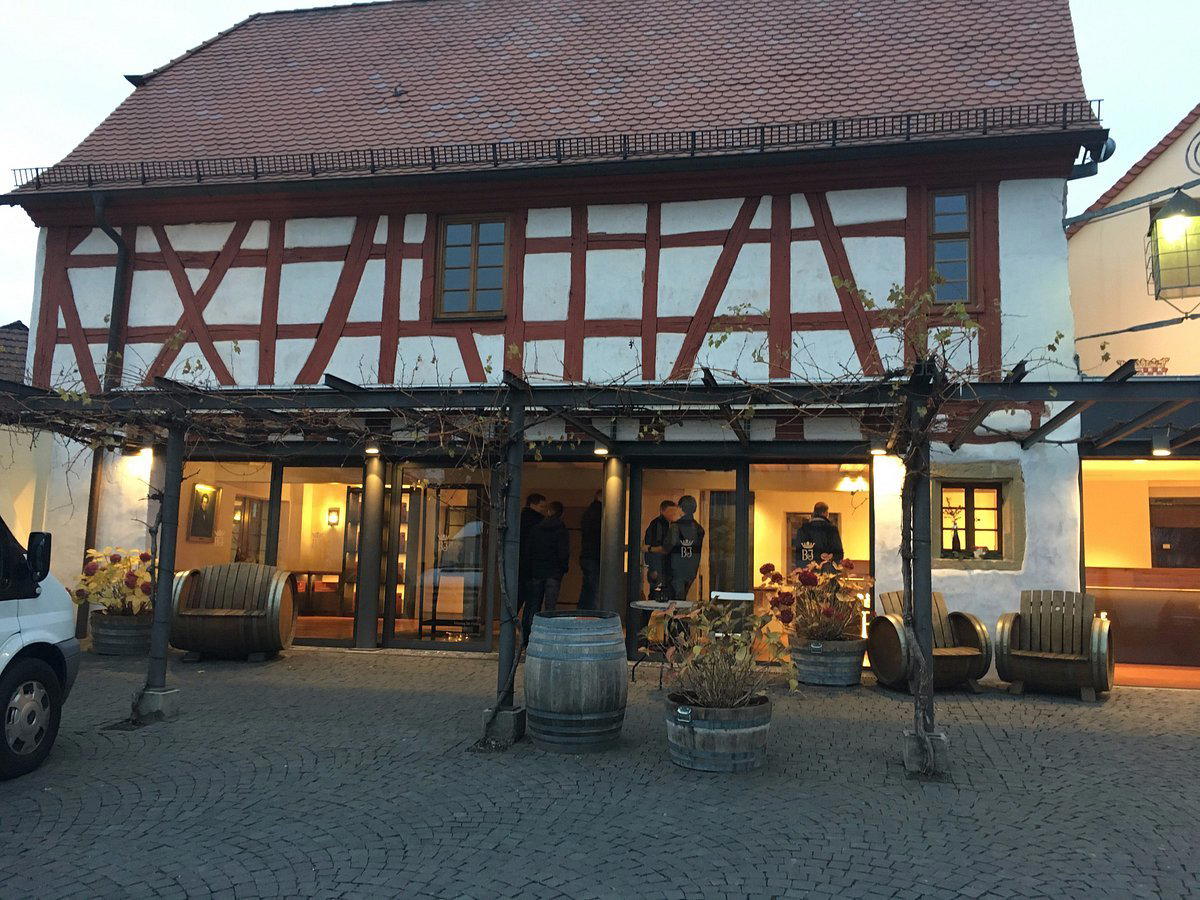
Heidelberg's dining scene has always carried a particular dual character: the historic Altstadt draws the tourist trade and the celebrated set-piece restaurants, while the quieter residential streets on the city's western fringe tend to sustain a different kind of eating — more regular, more neighbourhood-rooted, less concerned with spectacle. Rudolf-Diesel-Straße 9 sits firmly in that second register. Approaching the address, the surroundings are low-key in the way that many of Germany's mid-sized university cities produce: functional streets, lived-in architecture, the sense that the people eating here are locals rather than visitors working through a list.
That physical context shapes the dining ritual before the first plate arrives. In a city where the formal end of the restaurant spectrum is represented by venues like Oben (Modern European, Creative) at the €€€€ tier, or where Chambao (International) occupies the more casual €€ bracket, a neighbourhood address like Akam's operates in a middle register that Heidelberg has historically supported well. The pacing here is unlikely to be driven by a tasting menu countdown or a theatrical kitchen reveal. Instead, the ritual of the meal is organised around arrival, familiarity, and the kind of unhurried service that residential-quarter restaurants in Germany tend to sustain.
Heidelberg's Dining Framework and Where This Address Fits
Germany's mid-sized cities have developed their own internal logic for dining. The country's most decorated restaurants — Schwarzwaldstube in Baiersbronn, Vendôme in Bergisch Gladbach, or Victor's Fine Dining by Christian Bau in Perl, tend to operate outside major urban centres, a structural feature of the Michelin-starred tier in this country that has no real parallel in France or the United States. Within cities like Heidelberg, the dining framework is therefore less about chasing starred prestige and more about sustaining quality across a range of formats and price points.
Heidelberg specifically has built a recognisable local restaurant culture around its student population and its position as a weekend destination for visitors from Frankfurt, Stuttgart, and the Rhine-Neckar region. That audience sustains a wide range of cuisines. The city's willingness to support non-German cooking, whether at the international end or at more community-facing addresses, is a documented feature of its restaurant market.
For context on where the city's more formal creative cooking sits, 959 (Contemporary) and [CANTINACCIA] both represent distinct positions in the Heidelberg market, as does Darwisch, which brings a Middle Eastern or Turkish reference point that reflects the city's demographic breadth. Akam's sits within this plural environment, at an address that suggests a community-facing rather than destination-facing positioning.
The Dining Ritual: Pacing, Custom, and Expectation
The question of how a meal unfolds at a neighbourhood address in a German university city is worth addressing directly, because it differs from the rituals of destination dining. At the formal end, venues like Aqua in Wolfsburg or ES:SENZ in Grassau, the sequence of a meal is prescribed, the pacing is managed by a kitchen team, and the experience is structured from arrival to departure. At neighbourhood addresses, the contract between diner and kitchen is more informal: you arrive, you choose, you stay as long as makes sense. The kitchen responds to the room rather than directing it.
That informality is not a lesser form of dining. It represents a different set of priorities, where the measure of a successful meal is comfort and repetition rather than revelation. Germany's neighbourhood restaurant culture has produced some of the country's most durable eating places precisely because the ritual of regular return is built into the format. A good local restaurant in Baden-Württemberg is one that a household returns to monthly, not annually, and that durability is its own credential.
Internationally, the contrast is instructive. At Le Bernardin in New York City or Lazy Bear in San Francisco, the meal is an event with a formal beginning and end, ticketed in advance and structured around a predetermined sequence. At a neighbourhood address like Rudolf-Diesel-Straße 9, the structure is open-ended. Both formats serve a purpose; the reader's choice between them should be based on what kind of evening they are planning.
Planning a Visit to Akam's Heidelberg
Heidelberg is most practically reached by rail: the city sits on the main Frankfurt-Mannheim-Karlsruhe corridor, with fast ICE connections from Frankfurt Hauptbahnhof taking around 50 to 60 minutes. From Heidelberg Hauptbahnhof, Rudolf-Diesel-Straße is accessible by tram or a short taxi ride westward. The address is not in the tourist-concentrated Altstadt, which means the approach is more functional and less picturesque, but also less congested on Friday and Saturday evenings when the old town fills quickly.
For visitors building a broader dining itinerary in the region, it is worth noting that Baden-Württemberg contains some of Germany's most concentrated fine dining, including Schanz in Piesport and Waldhotel Sonnora in Dreis within reasonable driving distance. For those extending north, Restaurant Haerlin in Hamburg or JAN in Munich represent the formal tier of German city dining. And for something structurally different, CODA Dessert Dining in Berlin is worth knowing as a point of contrast.
The address, Rudolf-Diesel-Straße 9, 69115 Heidelberg, is verified. Visitors should confirm current opening times and reservation availability directly before planning a visit. Our full Heidelberg restaurants guide provides broader context on the city's dining options across all price tiers.
How Akam's Heidelberg compares with similar nearby venues.
| Venue | Cuisine | Price |
|---|---|---|
| 959 | Contemporary | €€€ |
Continue exploring
More in Heidelberg
Restaurants in Heidelberg
Browse all →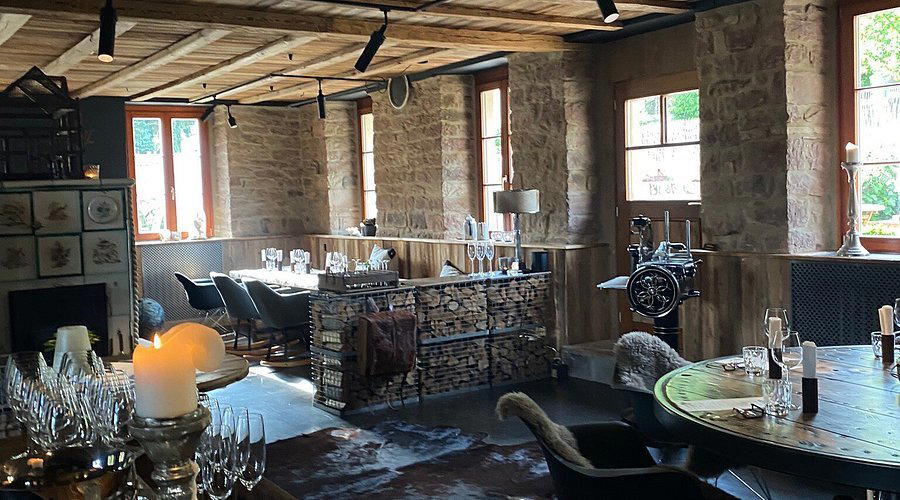
Bars in Heidelberg
Browse all →
Hotels in Heidelberg
Browse all →
At a Glance
- Cozy
- Casual Hangout
Current opening hours
- Monday
- 10 AM–10 PM
- Tuesday
- 10 AM–10 PM
- Wednesday
- 10 AM–10 PM
- Thursday
- 10 AM–10 PM
- Friday
- 10 AM–10 PM
- Saturday
- 10 AM–10 PM
- Sunday
- 11 AM–10 PM
Hours can change for holidays and private events. Last verified .
Casual and welcoming with a focus on quality homemade food.