Weisser Bock

Weisser Bock has held consecutive Michelin Plate recognition in 2024 and 2025, placing it among Heidelberg's more seriously regarded international tables. Located in the Altstadt at Große Mantelgasse 24, it occupies a tier between casual neighbourhood dining and the city's premium French houses, making it a practical choice for visitors who want kitchen ambition without the formality of a full tasting format.
Pearl is the En Primeur Club membership app — saves, bookings, and concierge access live there. Same editors, same standards.
- Address
- Große Mantelgasse 24, 69117 Heidelberg, Germany
- Phone
- +49 6221 90000
- Website
- weisserbock.de
- Directions
- Get directions
 Saves & bookings on Pearl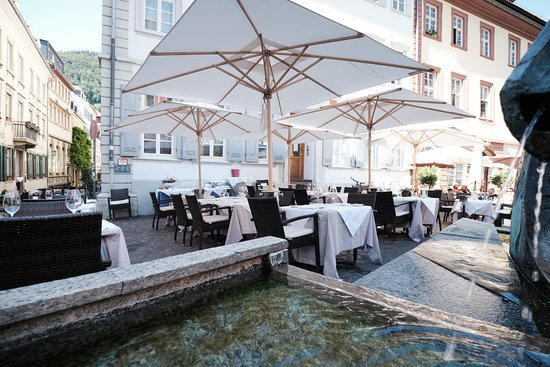
Where Heidelberg's Old Town Sets a Serious Table
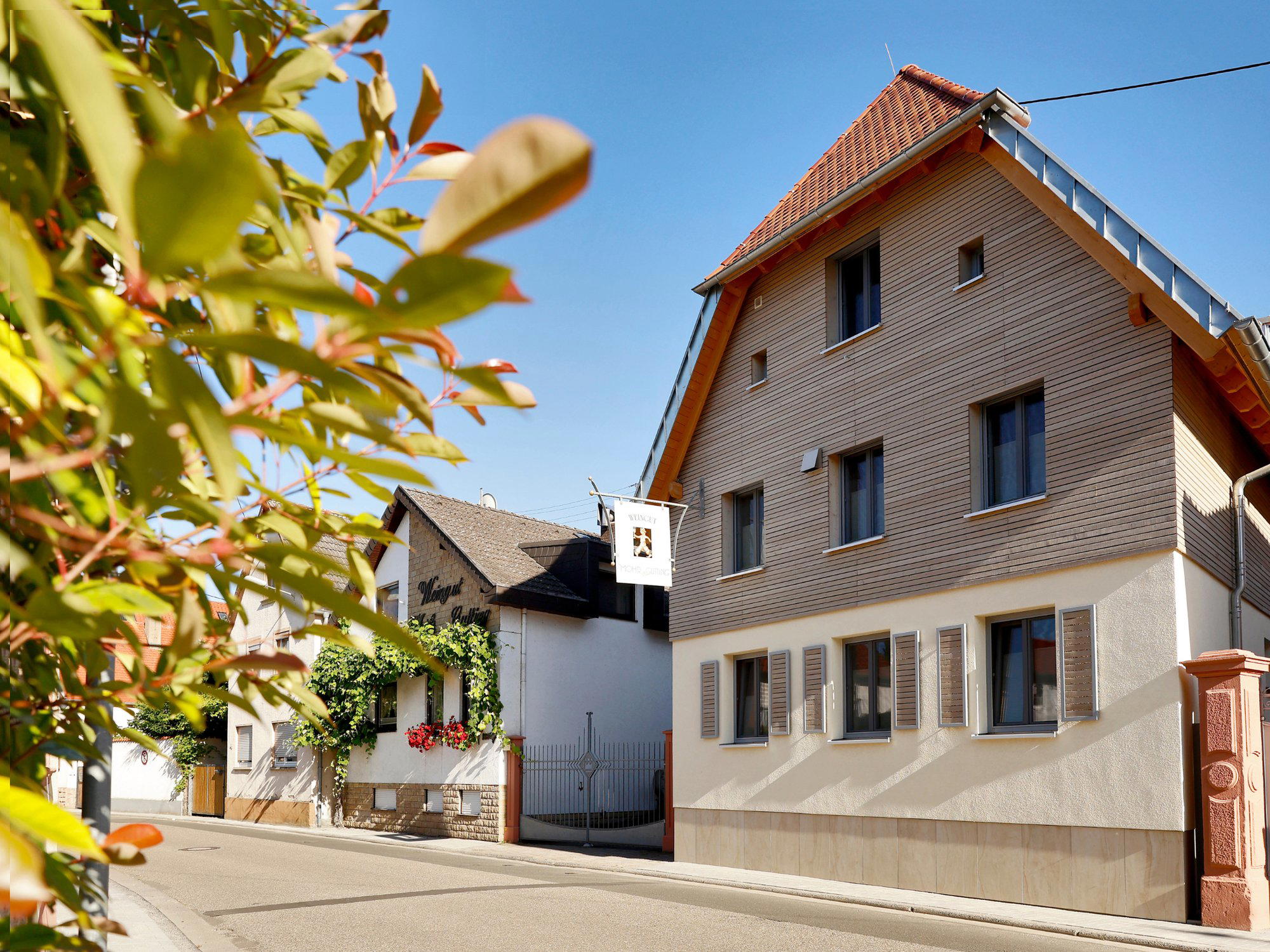
Große Mantelgasse sits deep in Heidelberg's Altstadt, a few narrow turns from the busier tourist corridors that loop around the Marktplatz and the castle hill. The street has the quality common to old German university towns: cobblestones worn smooth, façades that suggest centuries of uninterrupted use, and a quietness in the evening that the main thoroughfares never quite achieve. Arriving at Weisser Bock, the physical context matters. This is not a restaurant positioned for foot traffic or passing trade. It occupies a historic address with the settled confidence of somewhere that expects its guests to have sought it out.
That expectation is reasonable. Consecutive Michelin Plate recognition in 2024 and 2025 places Weisser Bock in a specific bracket within Heidelberg's dining scene, kitchens that Michelin inspectors consider worth noting for cooking quality without yet awarding star status. In a city of roughly 160,000 people with a strong student population and a high volume of cultural tourism, the gap between casual Altstadt dining and genuinely ambitious cooking is wider than it looks from the outside. Weisser Bock sits on the ambitious side of that gap.
The International Kitchen in a German Altstadt Context
Heidelberg's restaurant scene has historically leaned on two modes: traditional German and regional Badisch cooking on one end, and French-influenced fine dining on the other. Die Kurfürstenstube represents the latter tradition at its most formal, with Classic French positioning and a price point that reflects it. The restaurant's international designation places it in a different register, one that, across Germany's mid-sized cities, has come to mean a kitchen comfortable drawing from European and global culinary reference points without being anchored to a single national tradition.
This category has become one of the more interesting spaces in German restaurant culture over the past decade. At the higher end, kitchens like JAN in Munich and, at the three-star level, Schwarzwaldstube in Baiersbronn have demonstrated how an international or European framework can hold significant culinary ambition. The restaurant operates well below that tier in terms of recognition and price, but the Michelin Plate signal suggests the cooking is held to a standard that places it meaningfully above the generalist international restaurants common to German tourist centres. For context within Heidelberg itself, Chambao occupies the international category at a lower price point (€€), while the restaurant's €€€ positioning aligns it with peers like 959 and Grenzhof, the latter focusing on seasonal cuisine at the same tier.
Reading the Room: Atmosphere and Guest Profile
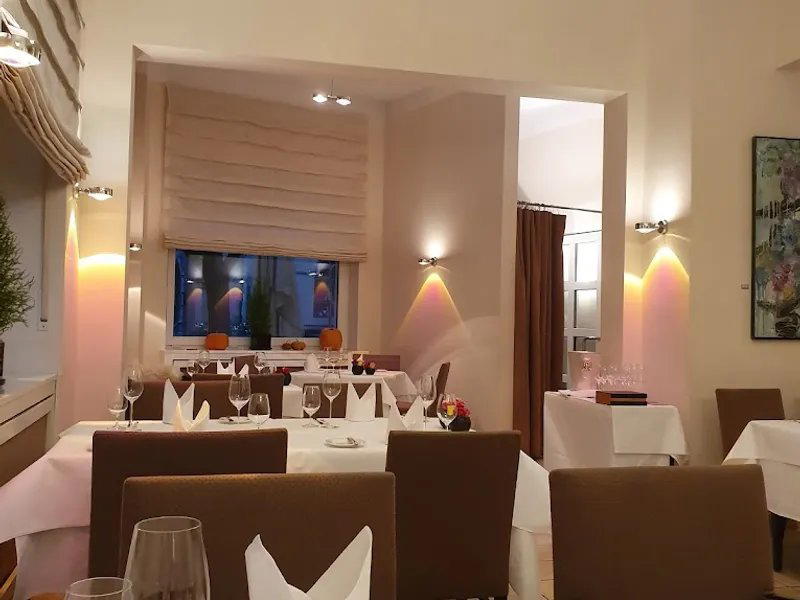
The sensory character of a well-run Altstadt restaurant in a German university city tends to follow a particular logic. Stone and timber construction absorbs sound differently than modern build, and the acoustic texture of an old Heidelberg dining room, lower ceilings, irregular surfaces, the ambient warmth of candlelight or close-set pendant lighting, produces a quality of enclosure that contemporary restaurant spaces often spend considerable design effort trying to replicate. The restaurant's address on Große Mantelgasse places it in exactly this architectural context.
The guest profile at a Michelin Plate-recognised table in this neighbourhood skews toward informed visitors rather than first-time tourists, alongside Heidelberg residents who treat the Altstadt as a destination rather than just a backdrop.4 across 492 ratings is a useful signal here: the volume is large enough to be statistically meaningful, and the score suggests consistent delivery rather than a polarising experience. Kitchens that overpromise and underdeliver tend to accumulate more variance in their review profiles. This one does not.
For those considering where the restaurant fits relative to Heidelberg's most ambitious cooking, Oben, with its Modern European and Creative positioning at €€€€, represents the ceiling of the city's current restaurant offer. The restaurant's €€€ pricing makes it accessible to a wider group while the Michelin recognition confirms it is working at a level of kitchen seriousness that the €€€€ tier would need to substantially surpass to justify the price differential for all guests.
Placing Weisser Bock in Broader German Dining
Germany's restaurant scene at the Michelin Plate and one-star level has become considerably more varied in the past five years. The concentration of recognition has historically favoured Bavaria, Baden-Württemberg, and the Rhineland, and Heidelberg, sitting in Baden-Württemberg within the Rhine-Neckar metropolitan region, benefits from being in one of Germany's most gastronomically active federal states. Restaurants like ES:SENZ in Grassau, Vendôme in Bergisch Gladbach, and Aqua in Wolfsburg show how wide the range of ambition runs across the country's recognised kitchens. Closer to the international register, Loumi in Berlin and Haubentaucher in Rottach-Egern both operate in the international cuisine category, offering a point of comparison for how that designation plays out across different German city contexts. At the conceptually adventurous end, CODA Dessert Dining in Berlin demonstrates how far from convention a German kitchen can travel within Michelin's recognised framework.
The restaurant is not making that kind of statement. Its consecutive Plate recognitions suggest a kitchen that has found its register and is executing within it reliably, which, in a mid-sized German city with a rotating population of students and tourists, is a more durable position than chasing headline formats.
Planning Your Visit
The restaurant is located at Große Mantelgasse 24 in Heidelberg's Altstadt (postcode 69117), walkable from both the main pedestrian zone and the Heidelberg Hauptbahnhof via the old bridge corridor. The €€€ price tier in a German Altstadt context typically covers a three-course dinner with wine at around €60 to 90 per person, though exact current pricing should be confirmed directly. Given the Michelin recognition and the limited capacity implied by a historic Altstadt building, reservations are advisable, particularly for Friday and Saturday evenings and during Heidelberg's high tourist season, which runs from spring through early autumn. The Altstadt addresses popular with visitors tend to fill earlier in the week than comparable urban neighbourhoods elsewhere in Germany, so booking a few days ahead is reasonable planning rather than excessive caution.
Comparable Venues
Comparable venues nearby, for context on price, style, and recognition.
| Venue | Cuisine | Price | Awards | Notes |
|---|---|---|---|---|
| Weisser BockThis venue — the venue you are viewing | Traditional German Fine Dining | $$$ | Michelin Plate | Not listed |
| Grenzhof | Modern Seasonal German | $$$ | Michelin Plate | Boxberg |
| 959 | Modern Classic German | $$$ | Michelin Plate | Stadtgarten |
| Gasthaus "Zum Roten Ochsen" | Traditional German Hausmannskost | $$ | Not listed | Altstadt |
| Chambao | Creative Mediterranean Tapas | $$$ | Michelin Plate | Altstadt |
| Die Kurfürstenstube | Classical French Fine Dining | $$$$ | Michelin Plate | Altstadt |
Recognition history
Dated appearances from independent guides and award organizations, with the underlying list record or original source where available.
Michelin Plate
Michelin · 2026 Michelin Plate
Michelin Plate
Michelin
Michelin Plate
Michelin
Continue exploring
More in Heidelberg
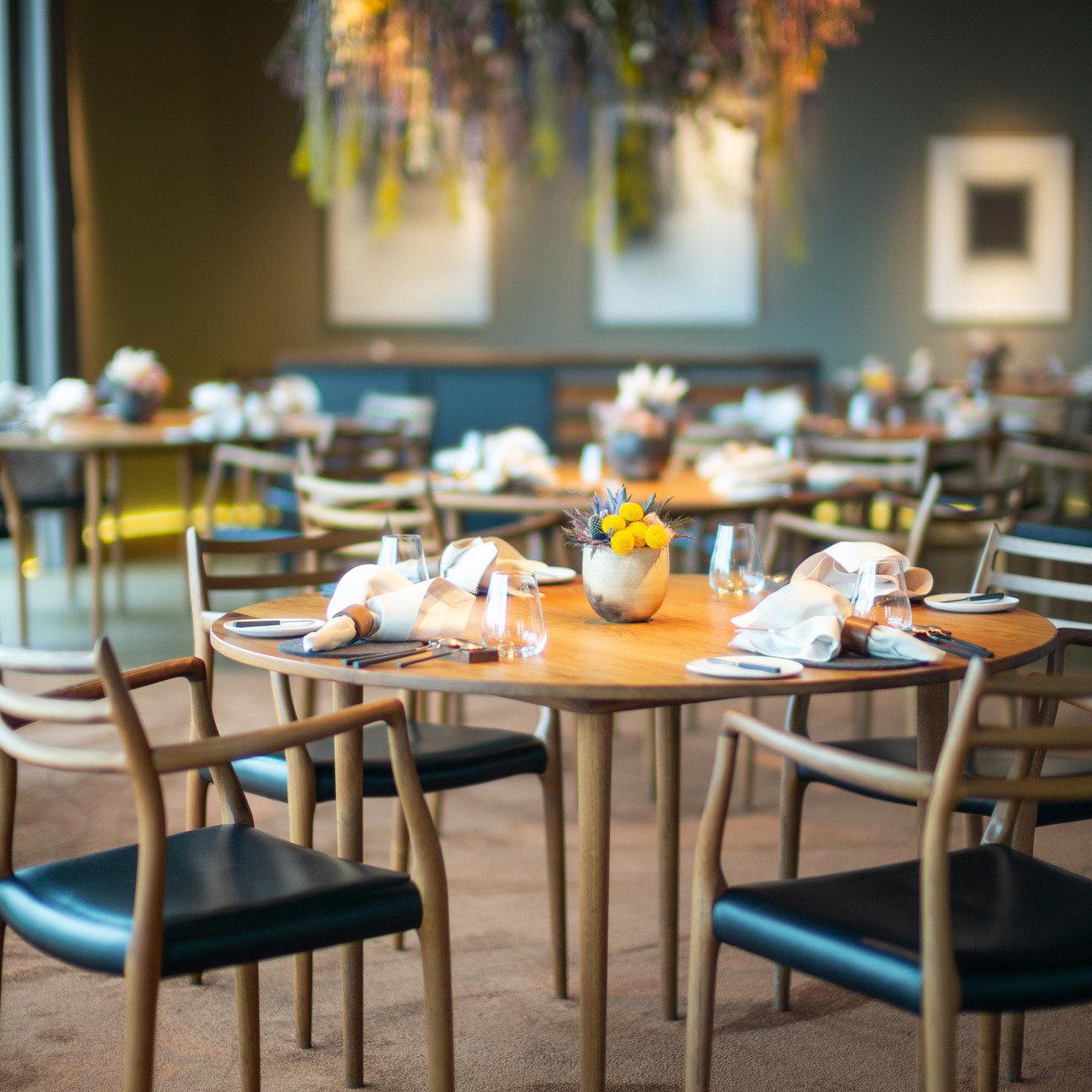
Restaurants in Heidelberg
Browse all →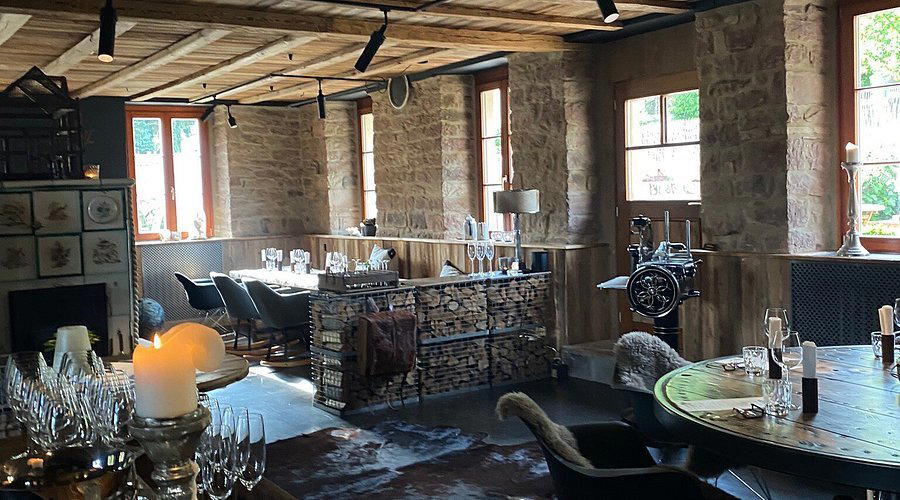
Bars in Heidelberg
Browse all →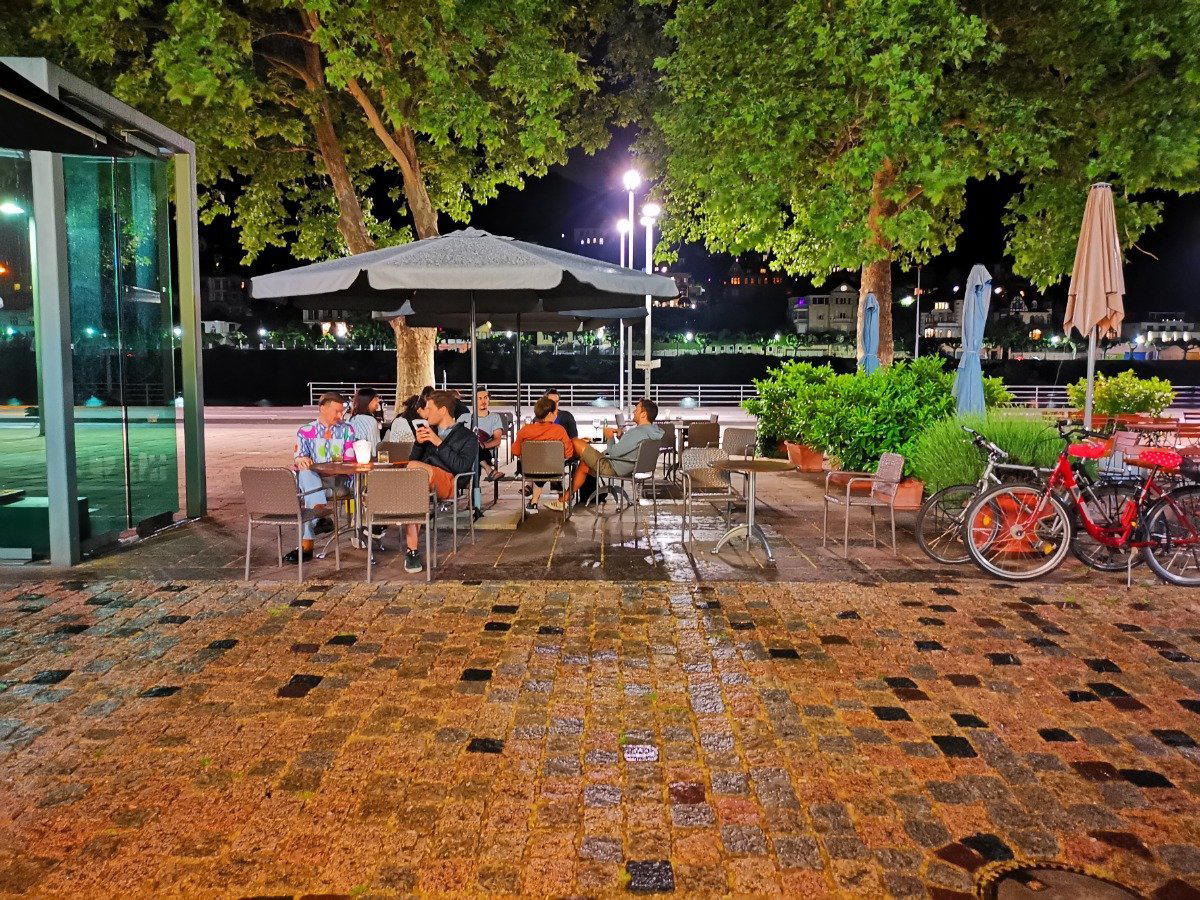
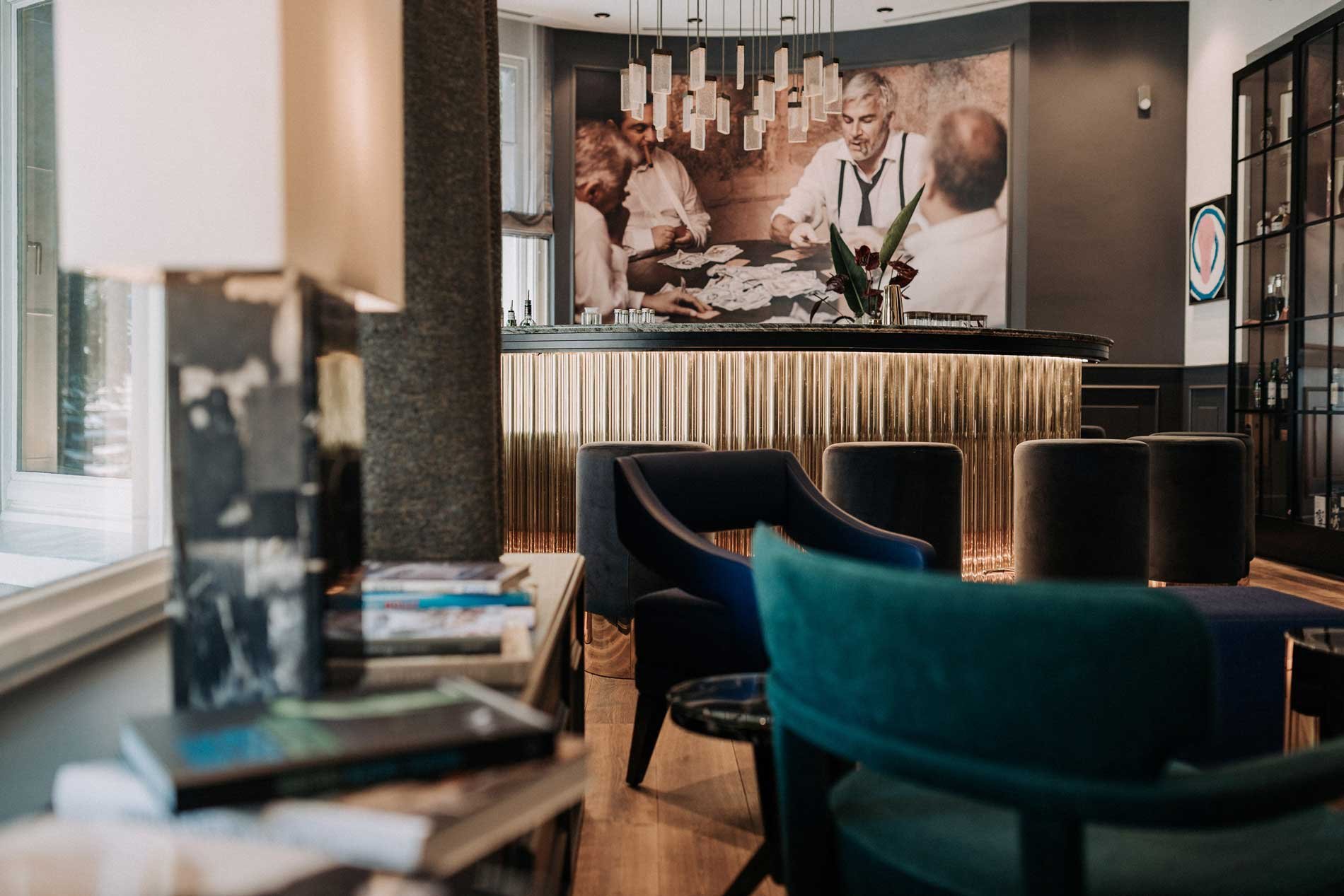
Hotels in Heidelberg
Browse all →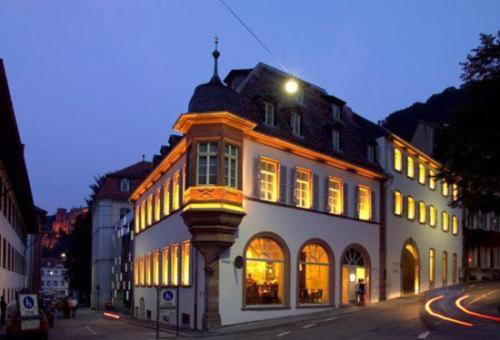
At a Glance
- Cozy
- Classic
- Elegant
- Intimate
- Special Occasion
- Date Night
- Business Dinner
- Historic Building
- Private Dining
- Extensive Wine List
- Local Sourcing
- Street Scene
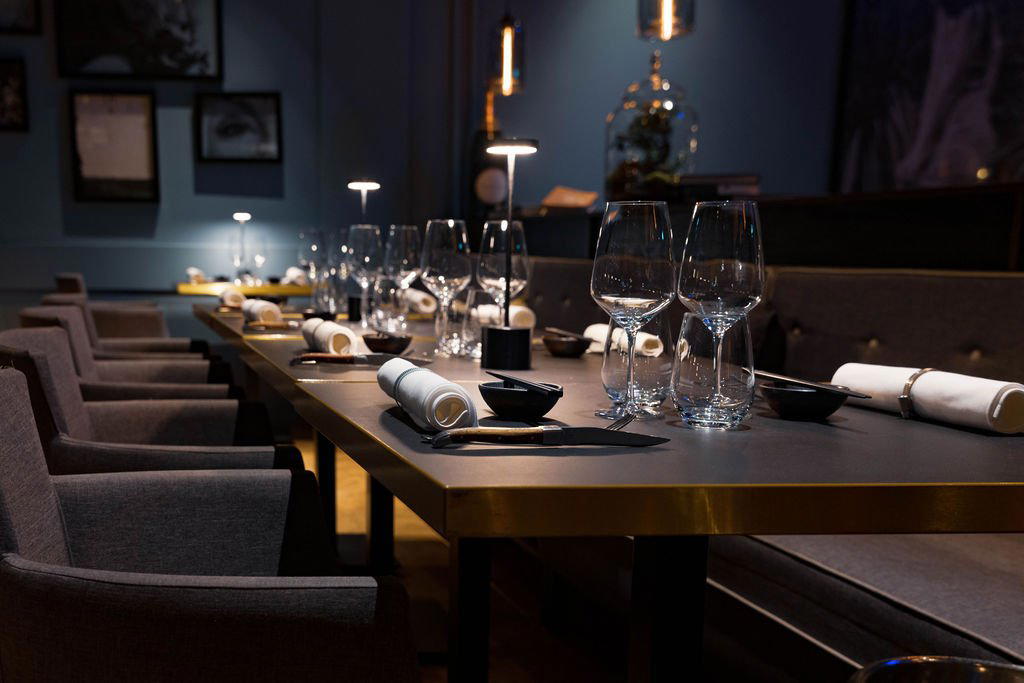
Warm and inviting with wood panelling, historical photos, quiet and homely atmosphere blending traditional German decor and modern touches.