[CANTINACCIA]
An Italian-leaning cantina on Dossenheimer Landstraße, Cantinaccia occupies a different register from Heidelberg's more formal dining rooms. The address places it in the city's northwestern residential fringe rather than the tourist-heavy Altstadt, which shapes both its clientele and its pace. For the city's dining scene, that positioning matters as much as what arrives on the plate.
Pearl is the En Primeur Club membership app — saves, bookings, and concierge access live there. Same editors, same standards.
- Address
- Dossenheimer Landstraße 4, 69121 Heidelberg, Germany
- Phone
- +4962218786234
- Website
- cantinaccia.de
- Directions
- Get directions
 Saves & bookings on Pearl
![[CANTINACCIA] restaurant in Heidelberg, Germany](https://cdn.enprimeurclub.com/storage/v1/object/public/images/restaurants/0c72c179-25a5-4257-9f65-2db7f132f52a/hero1.jpg?width=3840&quality=75)
A Cantina at the Edge of the Altstadt's Orbit
Heidelberg's dining scene tends to stratify around geography as much as cuisine type. The Altstadt pulls visitors toward its terraced restaurants and established hotel dining rooms, while addresses further out along arterial roads like Dossenheimer Landstraße serve a more settled, local clientele. Cantinaccia sits at Dossenheimer Landstraße 4, in the city's northwestern residential fringe, which places it at a deliberate remove from the tourist circuit that feeds restaurants like Chambao and the broader Altstadt cluster. That remove is not incidental; it shapes the pace of the room and the composition of the crowd.
The name itself signals intent. Cantinaccia is Italian, a diminutive-inflected riff on cantina, the kind of word that suggests a wine cellar, a working kitchen, something unpretentious and slightly worn at the edges. Italian dining culture at this register prizes the sourcing of ingredients above spectacle: the tomato matters more than the plate it sits on, the olive oil more than the tablecloth beneath it. The name positions the kitchen within a recognisable European idiom.
Where the Food Comes From and Why It Matters
Italian cantina cooking is, at its core, an argument about ingredients. The tradition assumes that the quality of raw materials, the freshness of a pasta dough, the provenance of a cured meat, the acidity of a wine used in a braise, determines the outcome more than technical intervention does. This is not the same as the farm-to-table rhetoric that has attached itself to a certain tier of modern European cooking; it is older than that, and more pragmatic. A cantina kitchen sources what is available, uses what is seasonal, and treats complexity as a consequence of good ingredients rather than a design objective.
In a city like Heidelberg, which sits within reach of the Palatinate wine region, the Rhine plain's produce corridors, and the agricultural hinterland of Baden-Württemberg, the sourcing argument has geographic credibility. The region supplies asparagus in spring, stone fruit in summer, and a deep autumn pantry of game, mushroom, and root vegetable. An Italian-inflected kitchen operating in this context has the option to work with local supply chains while maintaining the structural logic of Italian cooking, a combination that, when executed with discipline, produces food that reads as rooted without being parochial.
This sourcing logic also explains why the cantina format travels. Restaurants like Schwarzwaldstube in Baiersbronn and ES:SENZ in Grassau, operating at a significantly higher price tier, share the underlying premise that regional sourcing is the foundation of serious cooking, even when the cuisine type differs entirely. The principle scales down as well as it scales up.
Heidelberg's Mid-Register Dining and Where Cantinaccia Sits
Heidelberg's restaurant offerings divide into a few recognisable brackets. At the formal end, Oben operates with a modern European, creative format at the city's highest price point (€€€€), and 959 holds a contemporary position at €€€. Below that, a cluster of international and casual addresses, including Chambao at €€, serves a more varied audience. The city also maintains classic French options like Die Kurfürstenstube and seasonal German cooking through venues like Grenzhof.
Cantinaccia's €€€ price tier places it in the middle of this range, closer to the neighbourhood-restaurant tier than to the formal dining category. That is the segment where Italian and Italian-adjacent cooking tends to thrive in German cities: a glass of house wine, shared antipasti, a pasta made that morning, a dessert that does not require explanation. The format is not ambitious in the way that JAN in Munich or Vendôme in Bergisch Gladbach are ambitious, but it serves a different need, one that those addresses cannot and do not try to serve.
For a city with a substantial university population and a steady flow of academic visitors, the neighbourhood cantina fills a real gap. Heidelberg's student quarter generates a demand for places that can sustain a two-hour dinner without ceremony, and the western residential addresses along Dossenheimer Landstraße serve that function for locals who have moved beyond the tourist-facing restaurants of the centre. Venues like Darwisch and Akam's Heidelberg operate in comparable neighbourhood registers, each with a distinct cuisine identity.
The German Cantina Context
Italian restaurants in Germany occupy a complicated position. At one end of the spectrum sit the deeply assimilated, often decades-old trattorie that have become as much a part of German civic life as the Gasthaus, these are places where the menu has not changed since 1993 and the regulars would riot if it did. At the other end are newer addresses run by Italian-trained cooks or Italian nationals who are making an explicit argument about what the cuisine should be in a contemporary German context. The distinction between these two modes matters more than it might appear: the first is comfort and habit, the second is an active culinary position.
The cantina name implies the former more than the latter, a kind of deliberate modesty that resists the pressure to be conceptual. Germany's most decorated Italian-inflected cooking tends to appear inside larger fine dining projects; the standalone cantina format remains a civilian pleasure rather than a critical one. For comparison, the ambition at Aqua in Wolfsburg or Restaurant Haerlin in Hamburg sits at a structural remove from what a cantina proposes to do. Those restaurants are arguments; a cantina is a habit.
Planning Your Visit
Cantinaccia is at Dossenheimer Landstraße 4, in the 69121 postal district of Heidelberg, reachable by tram from the Altstadt in a short journey westward. The venue's recommended reservation policy makes advance booking sensible, particularly for weekend evenings when neighbourhood restaurants in Heidelberg's residential quarters tend to fill from a loyal local base. First-time visitors unfamiliar with the area should note that this part of the city reads quite differently from the pedestrian zone around the Hauptstraße: quieter, less signposted, and oriented toward residents rather than tourists.
For a fuller picture of where Cantinaccia sits within the city's dining options, Heidelberg's restaurants range from neighbourhood casual through to formal European dining. Those planning a longer Germany itinerary with fine dining as a focus might also look at Schanz in Piesport, Waldhotel Sonnora in Dreis, or Victor's Fine Dining by Christian Bau in Perl, all operating in a different register. For international reference points at the casual-to-formal spectrum, Le Bernardin in New York and Atomix in New York illustrate how far the sourcing-first argument can be taken when resources and critical pressure align. CODA Dessert Dining in Berlin offers a useful domestic counterpoint for those curious about where German restaurants are pushing format conventions most aggressively.
In Context: Similar Options
Comparable venues nearby, for context on price, style, and recognition.
| Venue | Cuisine | Price | Awards | Notes |
|---|---|---|---|---|
| [CANTINACCIA]This venue — the venue you are viewing | Authentic Italian Trattoria | $$$ | Not listed | Not listed |
| Darwisch | Traditional Persian | $$$ | Not listed | Weststadt |
| 959 | Modern Classic German | $$$ | Michelin Plate | Stadtgarten |
| Restaurant zur Herrenmühle | Modern French Crossover Gourmet | $$$$ | Not listed | Altstadt |
| Weinstube Schnitzelbank | Traditional German Regional | $$ | Not listed | Altstadt |
| Scharffs Schlossweinstube | Classic German Fine Dining | $$$$ | Not listed | Heidelberger Altstadt |
Continue exploring
More in Heidelberg
Restaurants in Heidelberg
Browse all →
Bars in Heidelberg
Browse all →
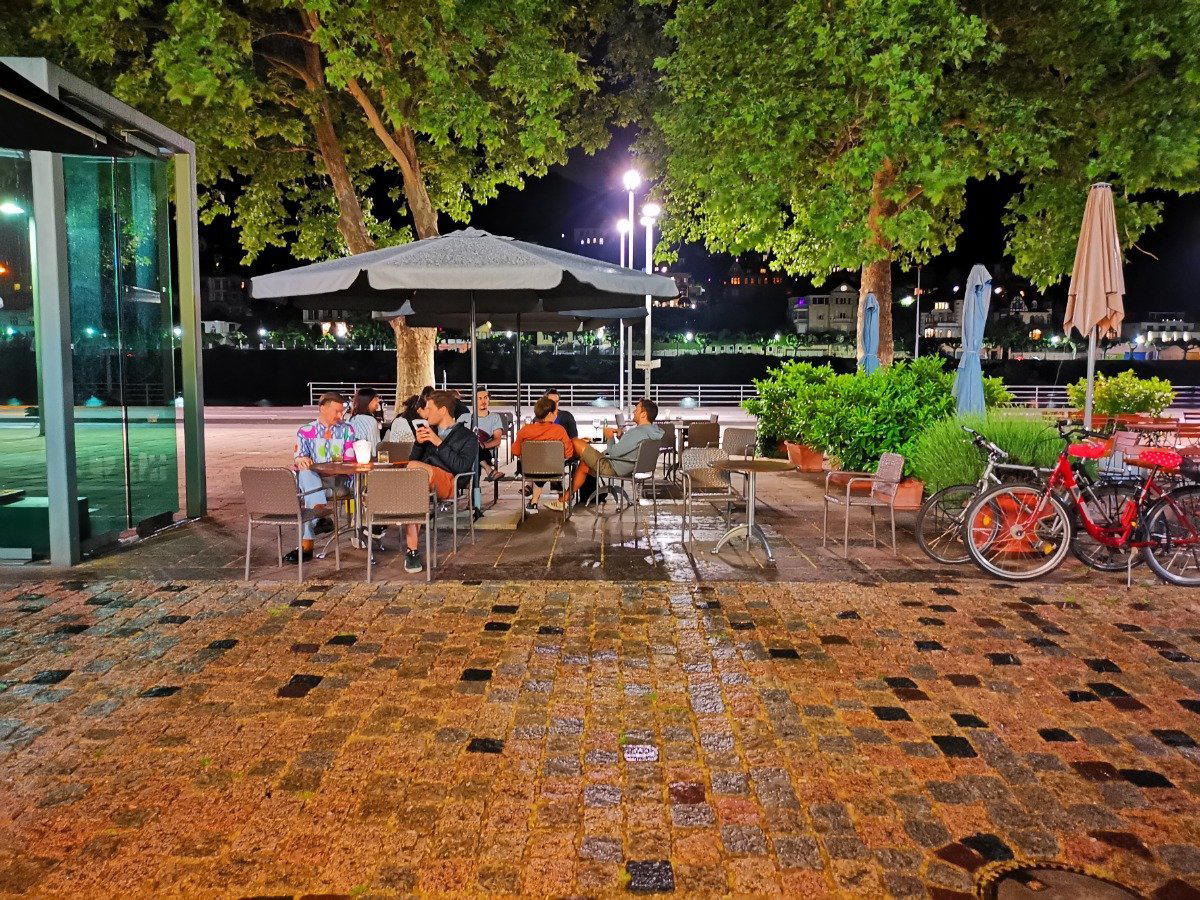
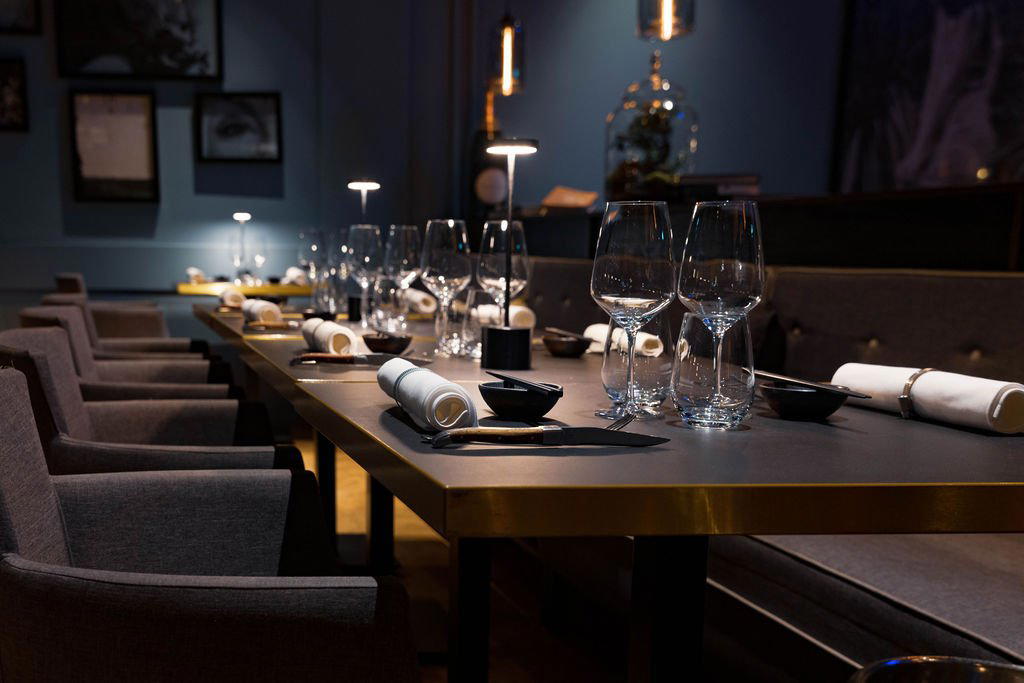
Hotels in Heidelberg
Browse all →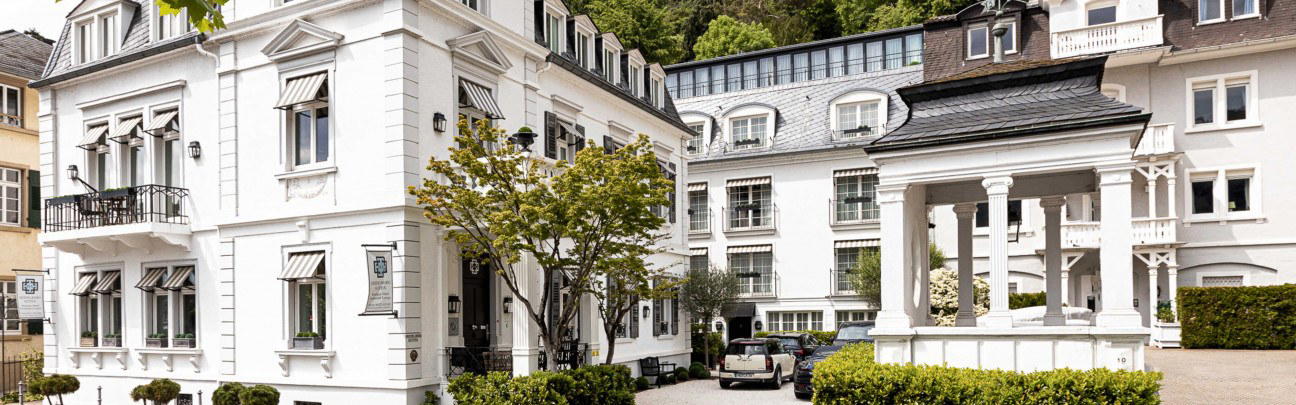
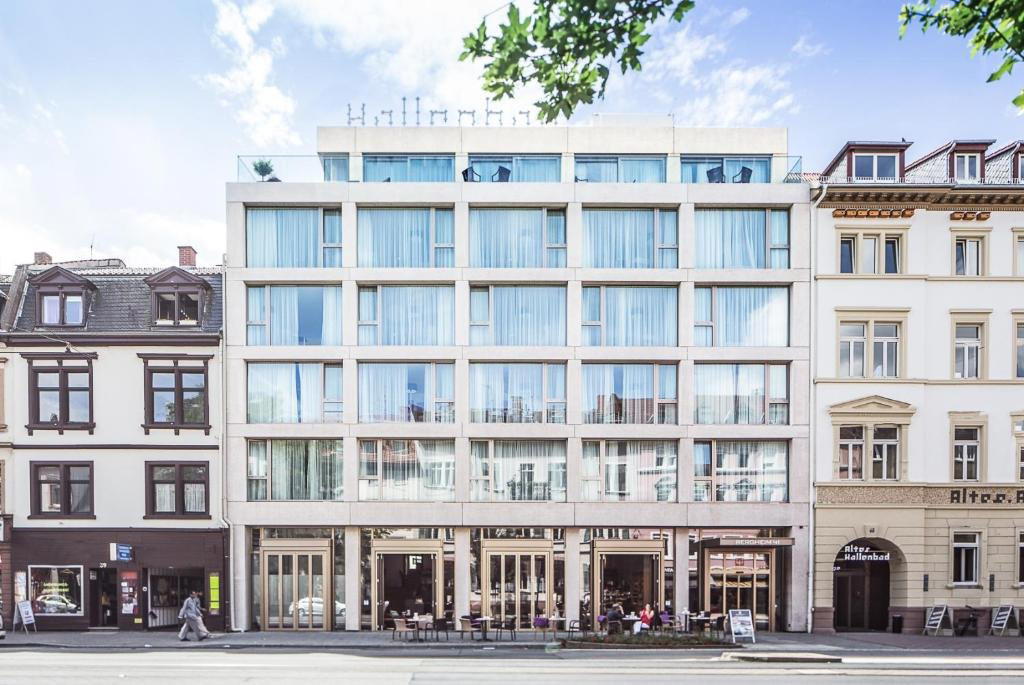
At a Glance
- Cozy
- Rustic
- Date Night
- Casual Hangout
- Extensive Wine List
- Street Scene
Current opening hours
- Monday
- Closed
- Tuesday
- 11 AM–3 PM, 6–11 PM
- Wednesday
- 11 AM–3 PM, 6–11 PM
- Thursday
- 11 AM–3 PM, 6–11 PM
- Friday
- 11 AM–3 PM, 6–11 PM
- Saturday
- 11 AM–3 PM, 6–11 PM
- Sunday
- 11 AM–11 PM
Hours can change for holidays and private events. Last verified .
Modern, inviting, and warm atmosphere praised by guests.