Raro im Mühlenhof


1 Michelin Star · We're Smart World 2 Radishes
Our verdict
A Michelin-starred farm-to-table address in Schriesheim's Mühlenhof, Raro places vegetables and fruit at the centre of its menu without abandoning the regional cooking traditions of the Bergstraße. Chef Jan Hildenhagen leads a kitchen that earns its star through product discipline and local sourcing, making it one of the more considered fine-dining options in the Rhine-Neckar region.

Pearl is the En Primeur Club membership app — saves, bookings, and concierge access live there. Same editors, same standards.
- Address
- Talstraße 188, 69198 Schriesheim, Germany
- Phone
- +49 6203 9543190
- Hours
- Mon–Tue ClosedWed–Sat 6:30–11 PMSun Closed
- Website
- raro-restaurant.de
- Directions
- Get directions
- Booking
- Book on Zenchef
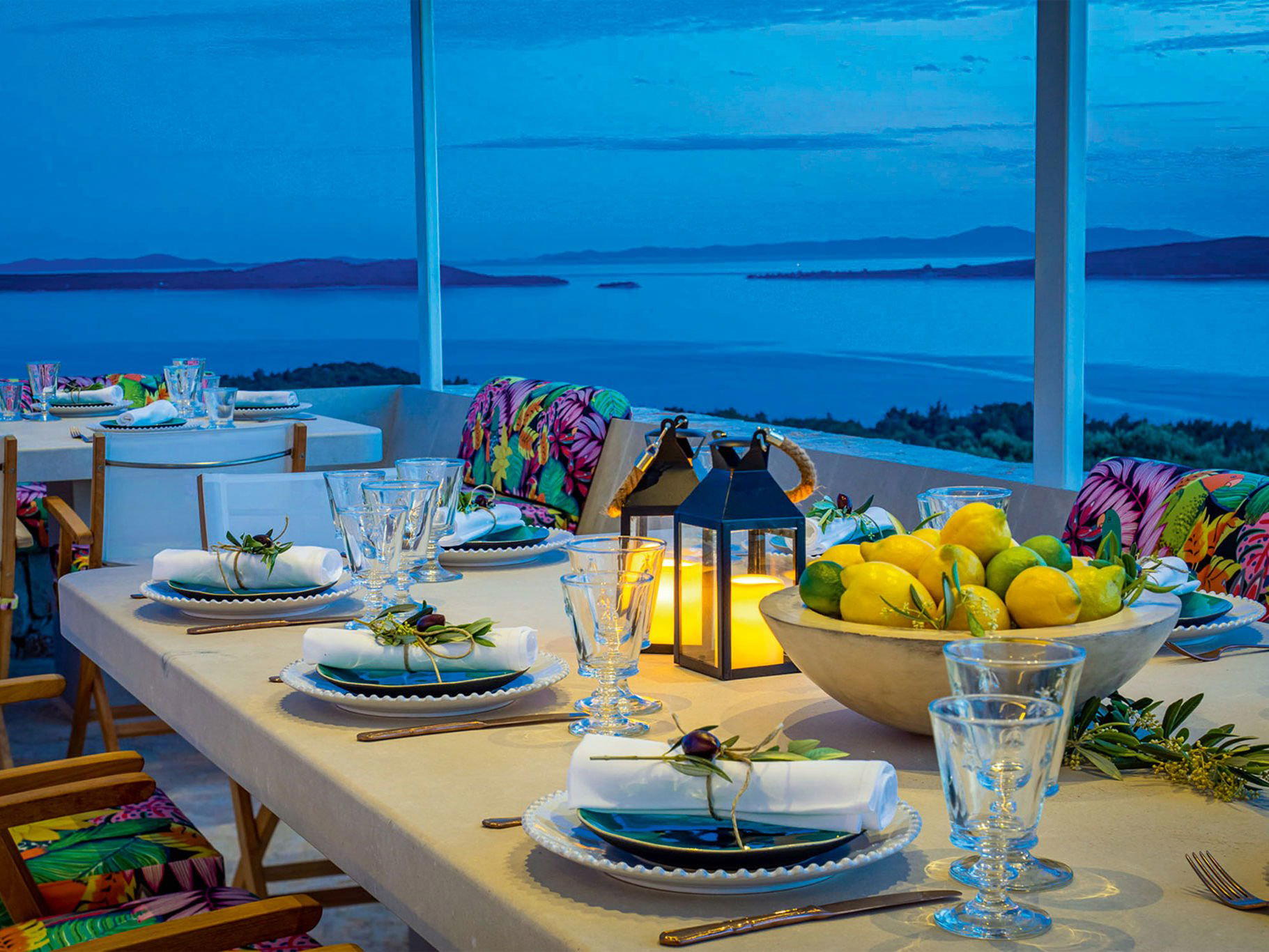
Where the Bergstraße Meets the Plate
The road into Schriesheim's Mühlenhof valley follows a quiet agricultural corridor southeast of Heidelberg, where market gardens and orchards have supplied local kitchens for generations. That geography is not incidental to Raro im Mühlenhof — it is the entire premise. Farm-to-table cooking in Germany has often remained a slogan applied loosely to menus that still treat a piece of protein as the centrepiece, with vegetables arranged around it as decoration. Raro takes a more committed position: vegetables and fruit occupy the main role, and the kitchen's sourcing logic begins in the garden attached to the property itself. That commitment, recognised by Michelin with a star in 2025, places it within a small cohort of German fine-dining addresses that treat plant-forward cooking as structural rather than supplementary.
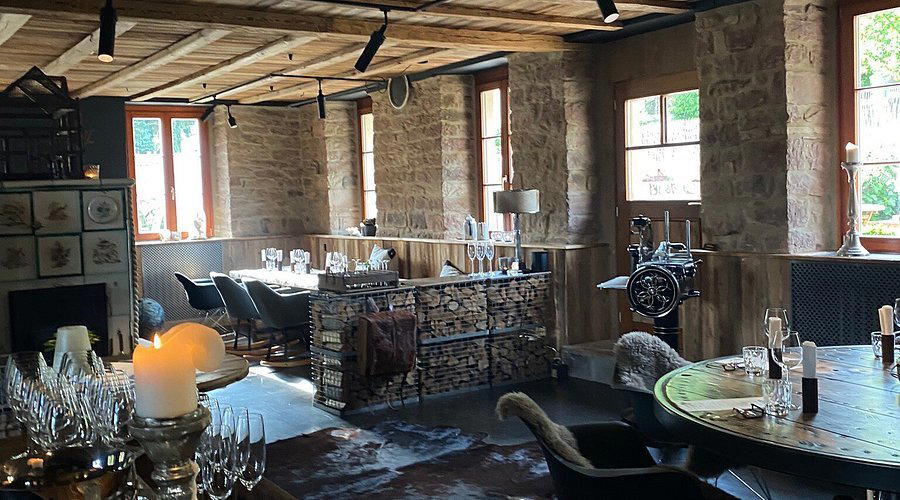
The Mühlenhof setting is a former mill estate, and the physical approach — through open land rather than a city block, prepares the diner for a meal that is deliberately grounded in place. The building carries the character of the region: stone, timber, working agricultural memory. There are no urban distractions here. The silence is part of the experience in the way that a Bordeaux château's isolation is: it frames the food as something inseparable from its surroundings.
Chef Jan Hildenhagen and the Kitchen's Direction
Germany's top tier of plant-forward fine dining has evolved significantly over the past decade. The model that CODA Dessert Dining in Berlin established around radical format invention, or the produce-led discipline visible at ES:SENZ in Grassau, shows that Michelin recognition is increasingly available to kitchens that move away from classical protein hierarchies. Chef Jan Hildenhagen's kitchen at Raro sits within this broader shift, earning its star through the logic of seasonal, regionally sourced produce rather than classical French technique applied to luxury ingredients.
Michelin's own commentary on the restaurant signals something important about where the kitchen currently stands. The inspectors praised the farm-to-table philosophy and the elevation of vegetables and fruit to the main role, but noted that the cooking still draws from traditional habit in ways that limit the full realisation of a 100% plant-based approach. That is not a dismissal, it is a productive tension. The garden is there. The philosophy is in place. The question of how far the kitchen commits to it is, as Michelin framed it, an open one. That kind of critical engagement from the guide is more useful to a prospective diner than a direct recommendation: it tells you what to expect and what to watch for.
The chef's approach, within the context of the Bergstraße region, reflects a culinary tradition that has always been close to its agricultural base. The Bergstraße runs along the western edge of the Odenwald and has one of the mildest microclimates in Germany, producing early asparagus, cherries, and stone fruit that appear in regional cooking months before they are available further north. A kitchen that takes this geography seriously has genuine seasonal material to work with across much of the year.
Regional Cuisine at the €€€€ Price Point
The €€€€ price classification at Raro places it at the top of the local market and in direct comparison with other Michelin-starred regional addresses across southwest Germany. What differentiates Raro is not its award total but its position as a one-star address with a specific regional and philosophical identity that the multi-star houses in the region do not occupy. It is not trying to compete with French-classical kitchens or Japanese-inflected creative cuisine. Its competitive set is more accurately the small group of farm-rooted, regionally committed restaurants across the German-speaking world that have earned Michelin recognition on produce terms rather than technique-display terms.
For comparison within that specific niche, Fahr, Regional Cuisine in Künten-Sulz and Gannerhof, Regional Cuisine in Innervillgraten operate with similar regional commitments, albeit in very different geographical contexts. The point is that regionally anchored fine dining at this price level is a recognisable category across the DACH region, and Raro's 2025 Michelin star confirms it as a credible member of that group.
Schriesheim and the Rhine-Neckar Dining Scene
Schriesheim itself is a small wine town on the Bergstraße, known regionally for its Straußwirtschaften, the seasonal, licensed wine taverns that open when producers have wine to sell, and for its position along a cycling and hiking corridor between Heidelberg and Weinheim. The town does not carry a dense restaurant scene in the way that Heidelberg does, which means Raro occupies a distinct position: the area's most formally recognised fine-dining address, operating outside the competition of an urban restaurant cluster. That isolation is both an asset and a planning consideration for visitors.
Diners arriving from Heidelberg are approximately 15 kilometres away from the city centre, a journey that takes under 20 minutes by car. The Rhine-Neckar region more broadly has seen increasing culinary recognition over the past decade, with several addresses in Mannheim, Heidelberg, and the surrounding Odenwald towns earning Michelin attention. Raro's location in the Mühlenhof valley places it at the agricultural edge of this cluster, which suits the restaurant's sourcing identity precisely. For those planning a wider sweep of southwest German fine dining, Schanz in Piesport, Bagatelle in Trier, and Restaurant Haerlin in Hamburg represent other reference points across the country's Michelin-starred tier, each with distinct regional and stylistic identities.
Visitors looking to extend a stay in the area will find the broader Schriesheim context covered in our full Schriesheim restaurants guide, as well as hotel options in Schriesheim, bars, local wineries, and experiences in the area. The Bergstraße wine route in particular makes the region worth more than a single-meal visit.
Planning a Visit
At the €€€€ price tier with a 2025 Michelin star, Raro im Mühlenhof requires advance booking. New one-star addresses in Germany at this price point typically see lead times extend quickly after guide publication, and a property of this size and setting is unlikely to operate with walk-in availability. Booking well ahead, several weeks at minimum, more during the asparagus and summer stone-fruit seasons when regional produce is at its peak, is the practical approach. The restaurant is at Talstraße 188, 69198 Schriesheim, accessible by car from Heidelberg or Mannheim.
For those mapping a multi-day fine-dining itinerary through southwest Germany and the Rhine region, Raro makes a logical anchor point given its proximity to Heidelberg and the broader Bergstraße. The combination of Michelin recognition, farm-rooted produce philosophy, and an agricultural setting that reinforces the menu's logic gives it a distinct identity within a region that otherwise defaults to wine-tavern and brasserie formats at the accessible end of the market.
Frequently asked questions
Does Raro im Mühlenhof work for a family meal?
Raro sits at the €€€€ price tier with a 2025 Michelin star, which positions it firmly in special-occasion territory rather than casual family dining. The farm-to-table format, with vegetables in the lead role, is distinctive enough that younger or less adventurous diners may find the menu less approachable. It suits families celebrating a milestone dinner more than a routine outing.
Is Raro im Mühlenhof formal or casual?
The Mühlenhof setting — a valley-edge property southeast of Heidelberg with working garden space — leans toward relaxed countryside rather than urban formality, but the €€€€ price point and Michelin recognition set clear expectations. Guests should dress with some consideration; think considered rather than stuffy. The tone is closer to a serious regional restaurant than a white-tablecloth city address.
What distinctions does Raro im Mühlenhof have?
Raro im Mühlenhof has received recognition including: Raro at Mühlenhof is a beautiful new establishment in Schriesheim where Chef Dustin Dankelmann and his team follow the logic of ‘Farm to table’. Vegetables are therefore given the place they deserve, the main role. Yet we find that the cook….
What do regulars order at Raro im Mühlenhof?
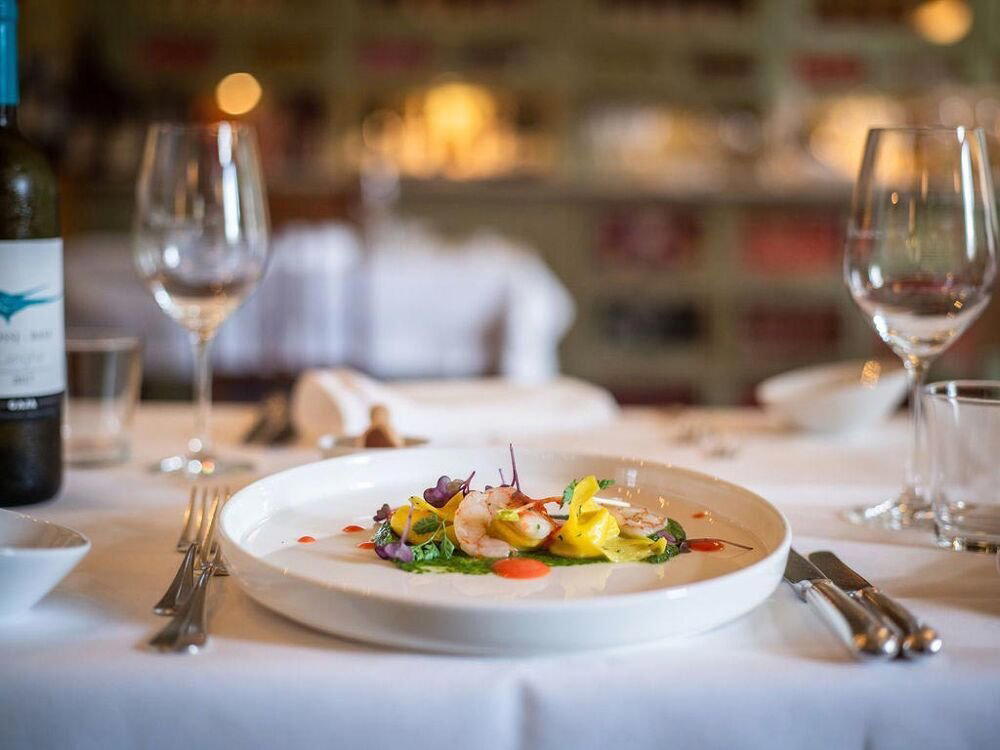
The kitchen's declared philosophy puts vegetables and fruit at the centre of the plate, so the menu's strongest material runs through the produce-led courses rather than conventional protein mains. Chef Jan Hildenhagen's team sources from the property's own garden, meaning what regulars return for tends to follow the season. The Michelin committee awarded a star in 2025, which validates the overall direction of the tasting format.
A Quick Peer Check
| Venue | Cuisine | Awards |
|---|---|---|
| Raro im MühlenhofThis venue — the venue you are viewing | Modern Farm-to-Table Regional | 1 Michelin Star · We're Smart World 2 Radishes |
| Schwarzwaldstube | French, Classic French | Michelin 3 Star |
| Aqua | Contemporary German, Italian/Japanese, Creative | Michelin 3 Star |
| CODA Dessert Dining | Creative | Michelin 2 Star |
| Tantris | Modern French, French Contemporary | Michelin 2 Star |
| Vendôme | Modern European, Creative | Michelin 2 Star |
Recognition history
Dated appearances from independent guides and award organizations, with the underlying list record or original source where available.
Michelin 1 Star
Michelin
We're Smart World 2 Radishes
We're Smart World
Full recognition history (3 entries)
Michelin 1 Star
Michelin
Continue exploring
More in Schriesheim
Restaurants in Schriesheim
Browse all →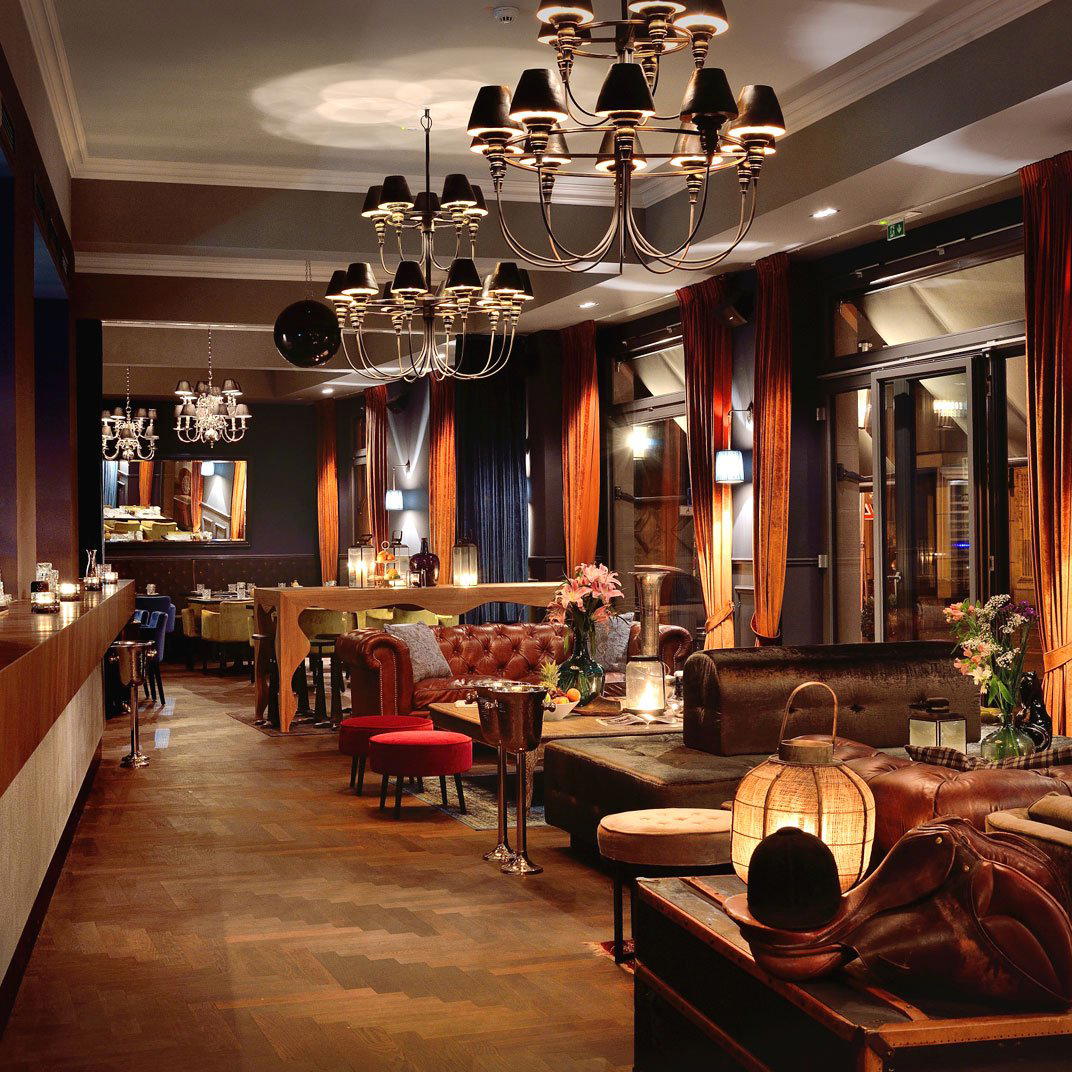
Bars in Schriesheim
Browse all →
Hotels in Schriesheim
Browse all →

Details
- Cozy
- Modern
- Elegant
- Intimate
- Scenic
- Date Night
- Special Occasion
- Garden
- Open Kitchen
- Sommelier Led
- Farm To Table
- Local Sourcing
- Garden
- Tasting Menu
- Vegetarian Friendly
Current opening hours
- Monday
- Closed
- Tuesday
- Closed
- Wednesday
- 6:30–11 PM
- Thursday
- 6:30–11 PM
- Friday
- 6:30–11 PM
- Saturday
- 6:30–11 PM
- Sunday
- Closed
Hours can change for holidays and private events. Last verified .
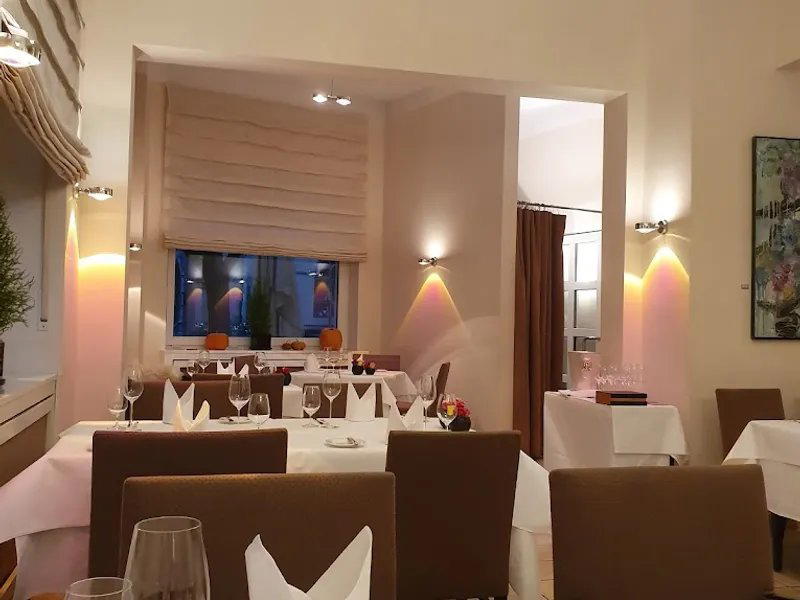
Modern yet cozy atmosphere in a renovated historic mill with airy architecture, clean-lined design, semi-open kitchen, and warm, welcoming lighting that makes guests feel at home.