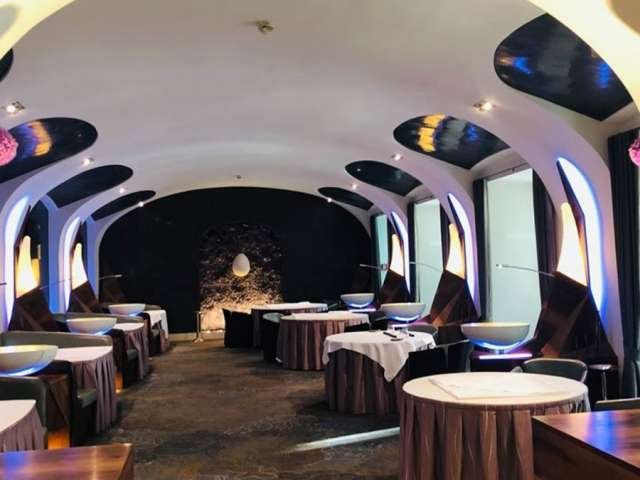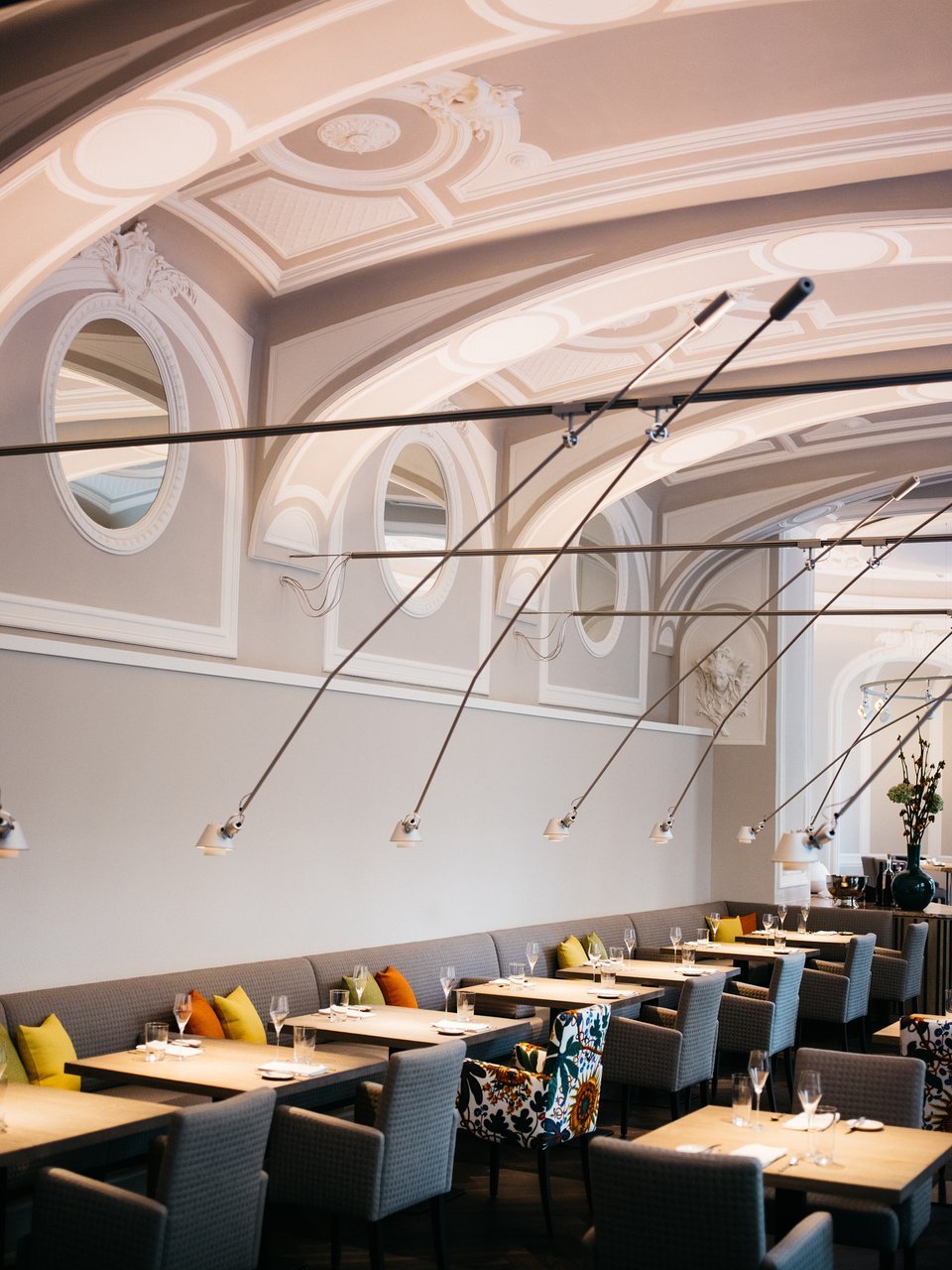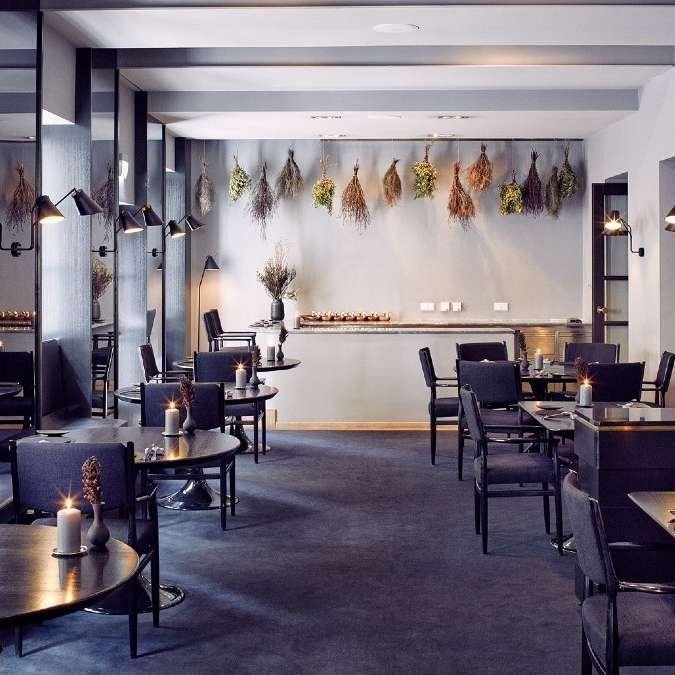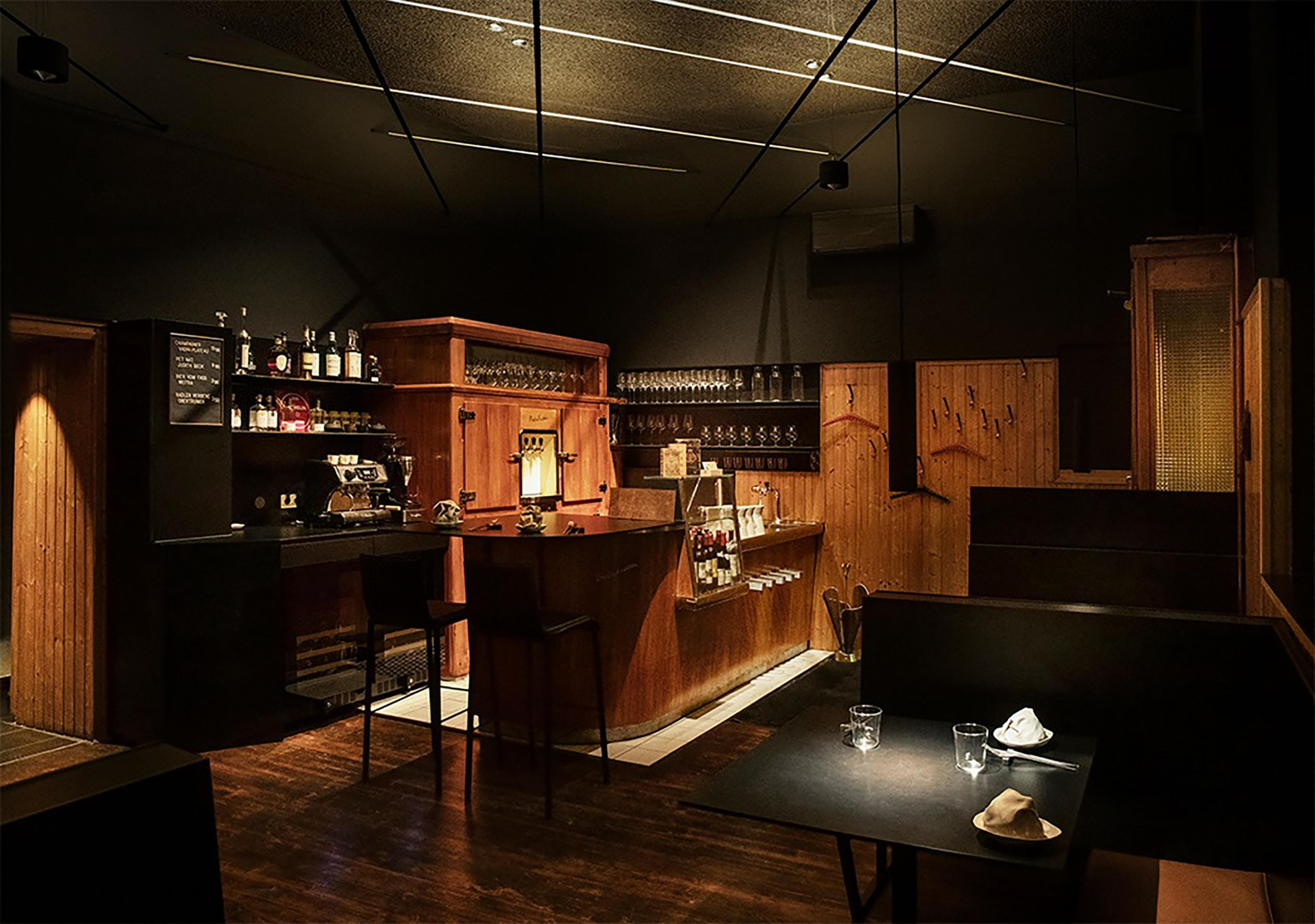







Inside a 1904 pavilion in Vienna's Stadtpark, Steirereck im Stadtpark operates at the intersection of architectural drama and Austrian culinary research. Three Michelin stars and consistent placement inside the World's 50 Best Restaurants top 25 position it as the reference point for serious dining in the city. The menu is built around rare breeds, near-extinct produce varieties, and ingredients grown on the building's own rooftop.
 Discover on Pearl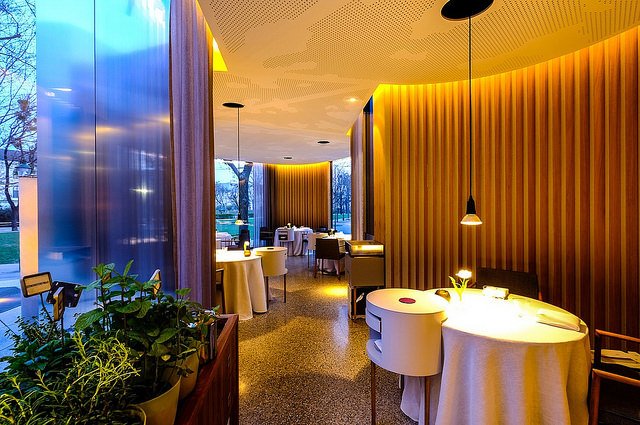
A Pavilion That Changes With the Seasons
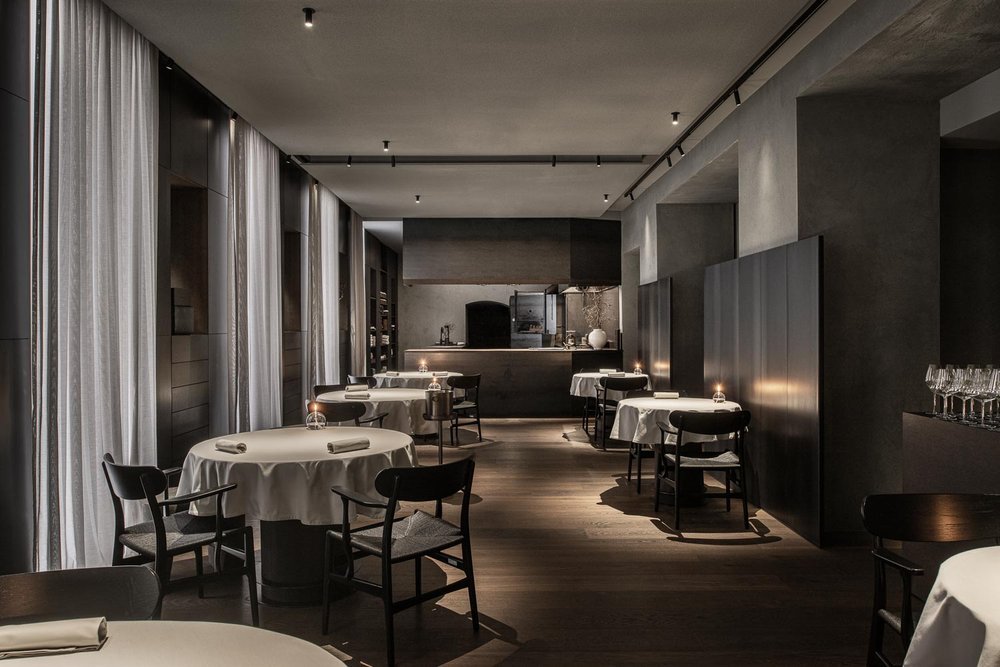
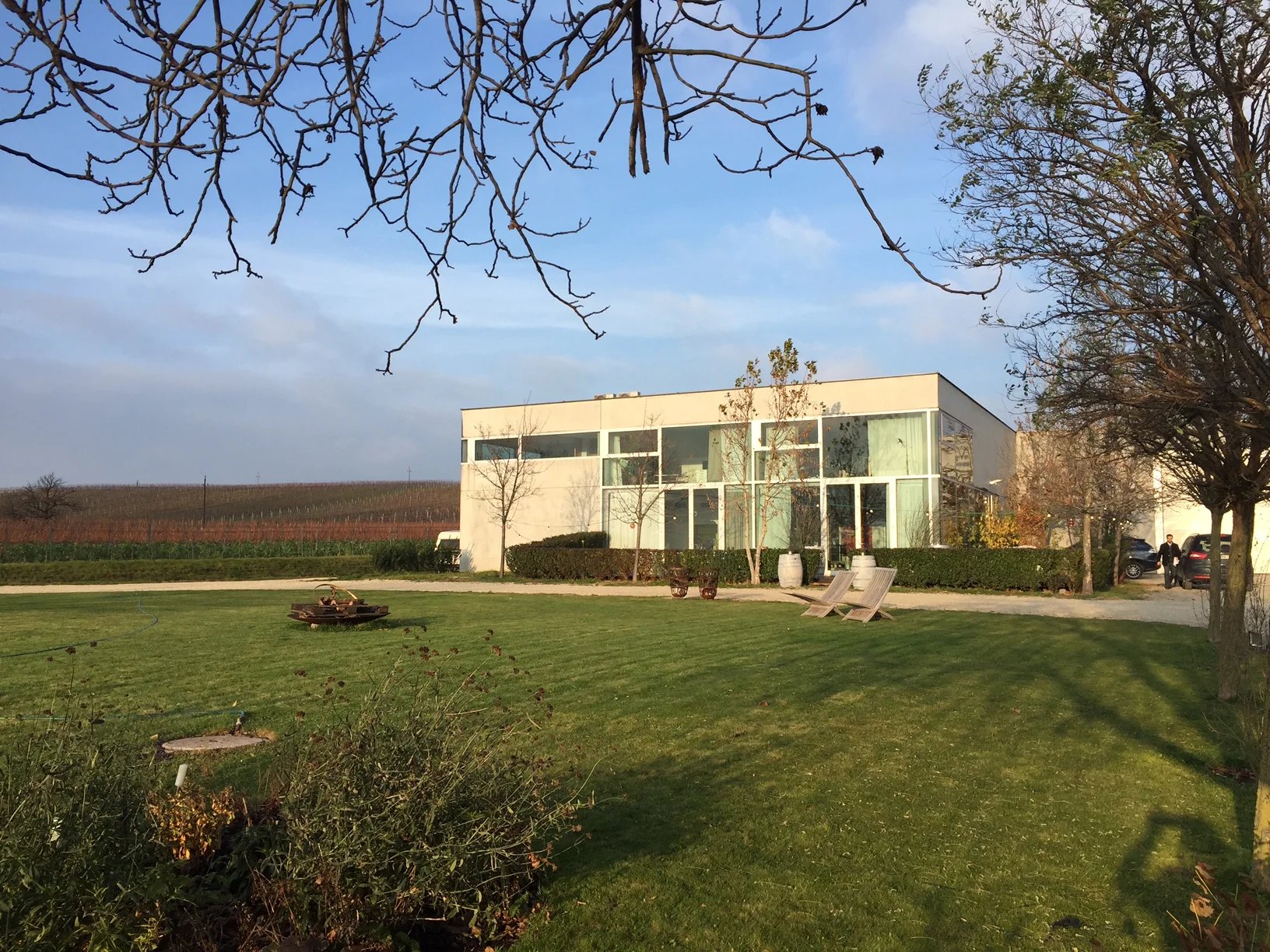
Vienna has no shortage of grand dining rooms housed in historic architecture, but the building at Am Heumarkt 2A does something most of them do not: it opens up. The original structure dates from 1904 and sits inside the Stadtpark, the city's central green corridor. Attached to it is a mirrored glass extension with walls engineered to rise in warmer months, dissolving the boundary between interior and park. On a summer evening, the effect is of dining in a room that has simply decided to become the outdoors. In winter, the same space turns inward, the glass holding the light and the city at a slight distance.
The interior reads as a studied contrast: blonde wood and poured concrete against the Historicist bones of the original pavilion. Neither material is trying to dominate the other. The result is airy rather than austere, contemporary without announcing itself. This is not the ornate imperial register that defines much of Vienna's formal dining culture. It occupies a different bracket, one where the architecture serves the food and the room, rather than asking you to admire it separately.
Among Vienna's top-tier creative restaurants, including Mraz & Sohn and Konstantin Filippou, Steirereck occupies a distinct position: it is the one with a room that shifts physically with the calendar year. That seasonal transformation is not incidental. It mirrors how the kitchen operates.
The Kitchen's Research Logic
Austrian haute cuisine has historically been understood through the lens of the empire: rich stocks, game, structured pastry, the grand tradition of the Viennese kitchen. What has emerged over the past two decades at Steirereck represents a different reading of the same source material. The emphasis here falls on Austrian provenance taken seriously at the ingredient level, not just the dish level.
Rare meat and fish breeds, fruit varieties that commercial agriculture had largely abandoned, and vegetables grown in quantities too small for supply chains to care about: these are the raw materials. The rooftop of the building itself carries herb gardens and beehives, a short supply chain measured in floors rather than kilometres. The resulting menu does not feel like a catalogue of provenance claims. It presents as a coherent argument about what Austrian cooking could be if it followed the ingredient rather than the tradition.
Documented dishes from the tasting menu include pheasant with yacon, gooseberry, and kale; young artichoke with bergamot, nettle, and chicken velouté; and kohlrabi with oats, apple, and parsley. The combinations are not arbitrary. Each signals the kitchen's method: a known Austrian product placed alongside something that either extends or complicates it, pulling the dish away from the familiar without losing the regional logic. An à la carte option runs alongside the tasting menu for those who prefer a shorter format at the same table.
Heinz Reitbauer, who took over the family restaurant approximately twenty years ago, holds three Michelin stars as of 2025 and has appeared in the World's 50 Best Restaurants list every year since 2009, including years at positions 9, 10, and 12. The 2024 ranking placed Steirereck at number 22 globally. La Liste awarded it 98 points in its 2026 edition. For context among European creative restaurants, that places it in a comparable conversation to Alléno Paris au Pavillon Ledoyen in Paris and Enrico Bartolini in Milan.
The Trolley Culture
One of the more telling details about how this restaurant thinks about the table is the trolley programme. Most restaurants at this price point have reduced tableside service to a few theatrical gestures. Steirereck has built an entire parallel experience around it. The bread trolley carries twenty-five varieties, a survey of Austrian baking tradition that would function as a separate course if you let it. Aperitif trolleys precede the meal. A cheese selection follows. Then a tea trolley. Then digestif trolleys, one national and one international. In the weeks before Christmas, a trolley arrives carrying vanillekipferl, the crescent-shaped biscuit that belongs to Austrian December the way mince pies belong to a British one.
This is not nostalgia performance. The trolley format keeps the room alive between courses, gives the service team a reason to move through the space with purpose, and provides guests with decision points rather than passive receipt of a fixed sequence. It is also, practically, one of the more effective ways a kitchen at this level can signal regional specificity without putting it all on the plate.
Service as a Structural Element
The dining room operation at Steirereck is led by Birgit Reitbauer, and the approach has been widely credited as a reason the restaurant maintains its position on global lists beyond the kitchen's output alone. The World's 50 Best Restaurants list, which has included Steirereck in every edition since 2009, reflects both culinary achievement and the hospitality standard the room sets consistently. Google reviews across more than 3,000 entries average 4.5 stars, a signal that the experience reads broadly rather than only to specialist audiences.
Vienna's fine dining culture tends toward formality, a product of its Habsburg service inheritance. What distinguishes the room here is that the formality does not create distance. The service team carries the depth of knowledge the kitchen requires, but delivers it without the presentation anxiety that sometimes afflicts restaurants operating at this level. Guests who arrive without specialist wine or culinary knowledge report the same quality of attention as those who do.
Placing It in the Vienna Context
Vienna's €€€€ creative restaurant tier includes Amador, Doubek, and Pramerl & the Wolf, each operating with distinct identity within that bracket. Steirereck's position above that set rests on its sustained international recognition, its physical setting, and the breadth of the experience it provides across a full evening. The restaurant is not simply a tasting menu destination. It is a room you spend several hours inside, one that has been considered at every point: the architecture, the trolleys, the service choreography, the rooftop supply chain.
Austria's broader fine dining context extends well beyond Vienna. For those building a longer itinerary around the country's serious restaurants, Döllerer in Golling an der Salzach, Ikarus in Salzburg, and Obauer in Werfen represent different registers of the country's culinary ambition. In the alpine west, Gourmetrestaurant Tannenhof in Sankt Anton am Arlberg, Griggeler Stuba in Lech, and Kräuterreich by Vitus Winkler in Sankt Veit im Pongau extend the map further.
Planning Your Visit
Steirereck operates Tuesday through Friday for both lunch, from 11:30am to 2:30pm, and dinner, from 6:30pm until midnight. Monday follows the same service hours for both sittings. The restaurant is closed on Saturday and Sunday. Given the restaurant's sustained global profile and limited seatings, advance planning is advisable. The Stadtpark location, within walking distance of the city's first district, makes it direct to combine with an evening in central Vienna. For wider orientation across the city, our full Vienna restaurants guide covers the complete range of options, and our Vienna hotels guide, bars guide, wineries guide, and experiences guide provide full coverage of the city.
Awards and Standing
A short peer set to help you calibrate price, style, and recognition.
| Venue | Awards | Cuisine | Notes |
|---|---|---|---|
| Steirereck im Stadtpark | Michelin 3 Stars, Les Grandes Tables Du Monde Award (2025) | Creative | This venue |
| Mraz & Sohn | Michelin 2 Star | Modern Austrian, Creative | Modern Austrian, Creative, €€€€ |
| Silvio Nickol Gourmet Restaurant | Michelin 2 Star | Modern Cuisine | Modern Cuisine, €€€€ |
| Konstantin Filippou | Michelin 2 Star | Modern European, Modern Cuisine | Modern European, Modern Cuisine, €€€€ |
| APRON | Michelin 1 Star | Austrian, Creative | Austrian, Creative, €€€€ |
| Edvard | Michelin 1 Star | French, Creative | French, Creative, €€€€ |
Continue exploring