Google: 4.8 · 282 reviews
Kaffeemodul occupies a compact address on Josefstädter Strasse in Vienna's 8th district, sitting inside a neighbourhood where independent coffee culture runs parallel to the city's grand café tradition. The focus here is on the bean itself: sourcing, roasting, and extraction treated with the same seriousness that wine-focused venues apply to provenance and vintage. It belongs to a generation of Viennese specialty coffee spots that have reframed what the city's coffee identity can mean.
 Discover on Pearl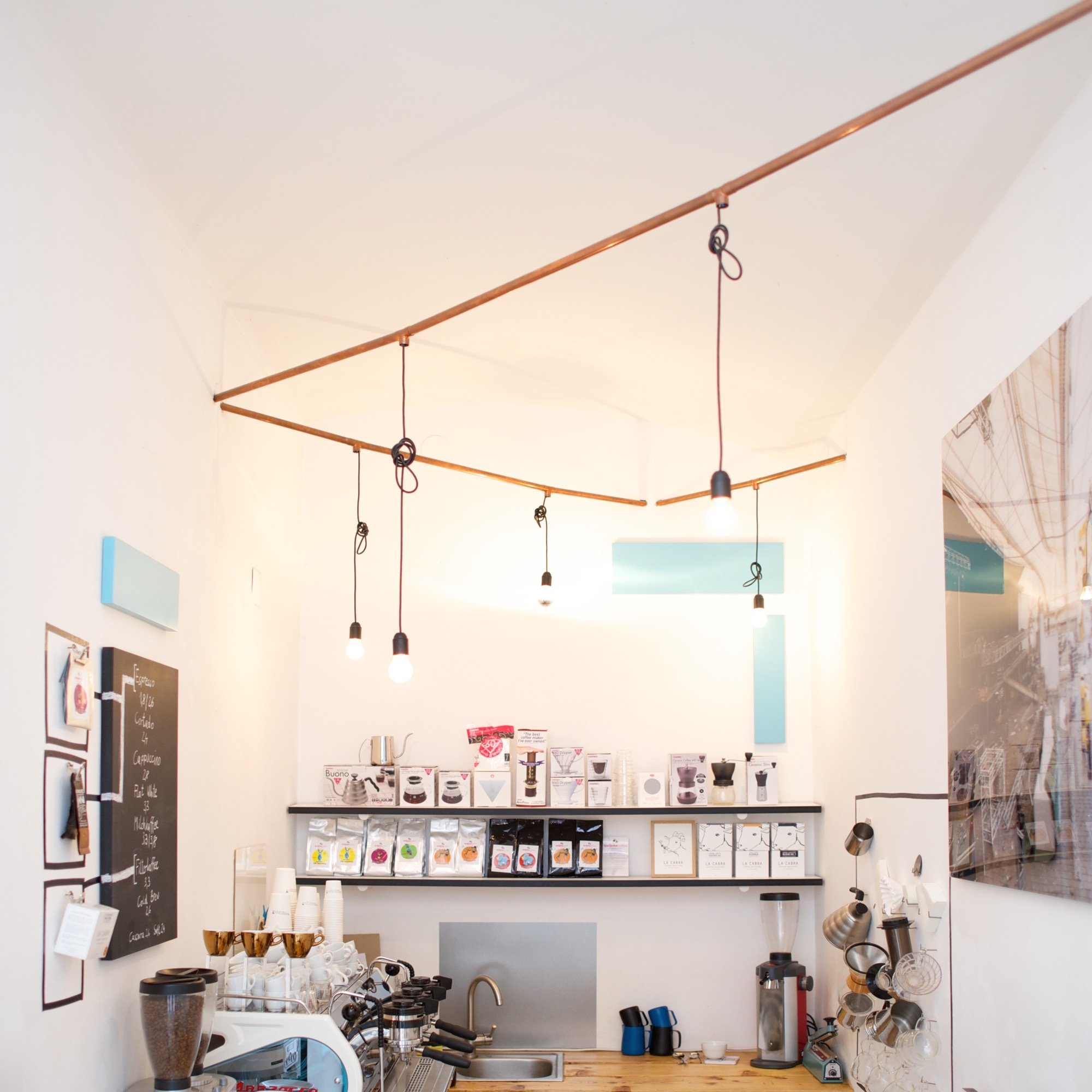
Coffee Sourcing as a Discipline: What Kaffeemodul Represents in Vienna's Eighth District
Josefstädter Strasse runs through one of Vienna's most quietly self-assured neighbourhoods. The 8th district sits between the Ring and the Gürtel, close enough to the city centre to draw foot traffic but grounded enough in residential life that the cafés along this stretch serve the neighbourhood first and the tourist circuit second. It is precisely this kind of street where specialty coffee has taken hold in Vienna over the past decade, not in the high-visibility locations of the 1st district, but in the mid-ring Bezirke where rents allow for a slower, more considered format. Kaffeemodul, at Josefstädter Str. 35, is part of that pattern.
Vienna's coffee identity is one of the most discussed in European hospitality. The grand café tradition, anchored by institutions like Café Central and Landtmann, has long defined the city's relationship with the beverage internationally. But the format those houses represent, marble tables, silver trays, newspapers on wooden dowels, serves a social and atmospheric function that is largely decoupled from what is actually in the cup. Specialty coffee, by contrast, treats the drink as the primary object. Sourcing, roast profile, extraction method, and water chemistry are the conversation. Kaffeemodul positions itself in that second register.
The Case for Sourcing-Led Coffee in a City Built on Ritual
Across European specialty coffee, the shift from roast-centric to origin-centric thinking has been visible since the mid-2010s. The third-wave framework, already well established in Scandinavian and British markets, arrived in Vienna with some delay but has since produced a small but concentrated cluster of venues that treat single-origin beans and transparent supply chains as baseline requirements rather than differentiators. In this context, what a venue sources and from whom it sources matters as much as how it extracts.
The logic runs as follows: a coffee bar that can speak to a specific farm, cooperative, or washing station in Ethiopia, Colombia, or Guatemala is doing something categorically different from one that pours a house blend without traceable origin. The former approach demands ongoing supplier relationships, careful lot selection, and roasting decisions calibrated to preserve rather than mask origin character. It also demands staff who can communicate those choices to a customer standing at a counter. Kaffeemodul operates within this framework, in a district that has become one of the more receptive parts of the city for that kind of hospitality.
For visitors cross-referencing Vienna's coffee scene with its broader drinks culture, the comparison venues are instructive. Kleinod Bar and Eulennest Vinothek represent the wine-focused end of the city's independent drinking culture, where provenance is already the organising principle. Specialty coffee bars have imported that same logic into a lower-price-point, higher-frequency context. You are essentially applying the same sourcing literacy to a two-euro beverage that a sommelier applies to a bottle. The intellectual framework is identical; the commercial format is entirely different.
Josefstädter Strasse: Neighbourhood Character and Coffee Context
The 8th district has a particular daytime energy. It is home to courts, law offices, and a density of residential buildings that produce consistent foot traffic through the morning and early afternoon. The café-going habit is embedded in the working rhythm of the area. That demographic context matters for understanding what a specialty coffee bar in Josefstädter Strasse is actually doing: it is serving a neighbourhood clientele that returns regularly, which in turn creates the conditions for the kind of iterative menu development and seasonal lot rotation that sourcing-led coffee requires.
Seasonal availability is fundamental to how serious specialty coffee bars operate. Unlike commodity blends, single-origin lots are finite. A natural-process Yirgacheffe or a washed Geisha from Panama arrives in a specific quantity and disappears when the lot is exhausted. The menu at any given point reflects what has been purchased and roasted recently, which means repeat visits will encounter different offerings. This is structurally similar to the en primeur logic in wine, where allocation and vintage specificity drive the experience. Kaffeemodul sits inside that model.
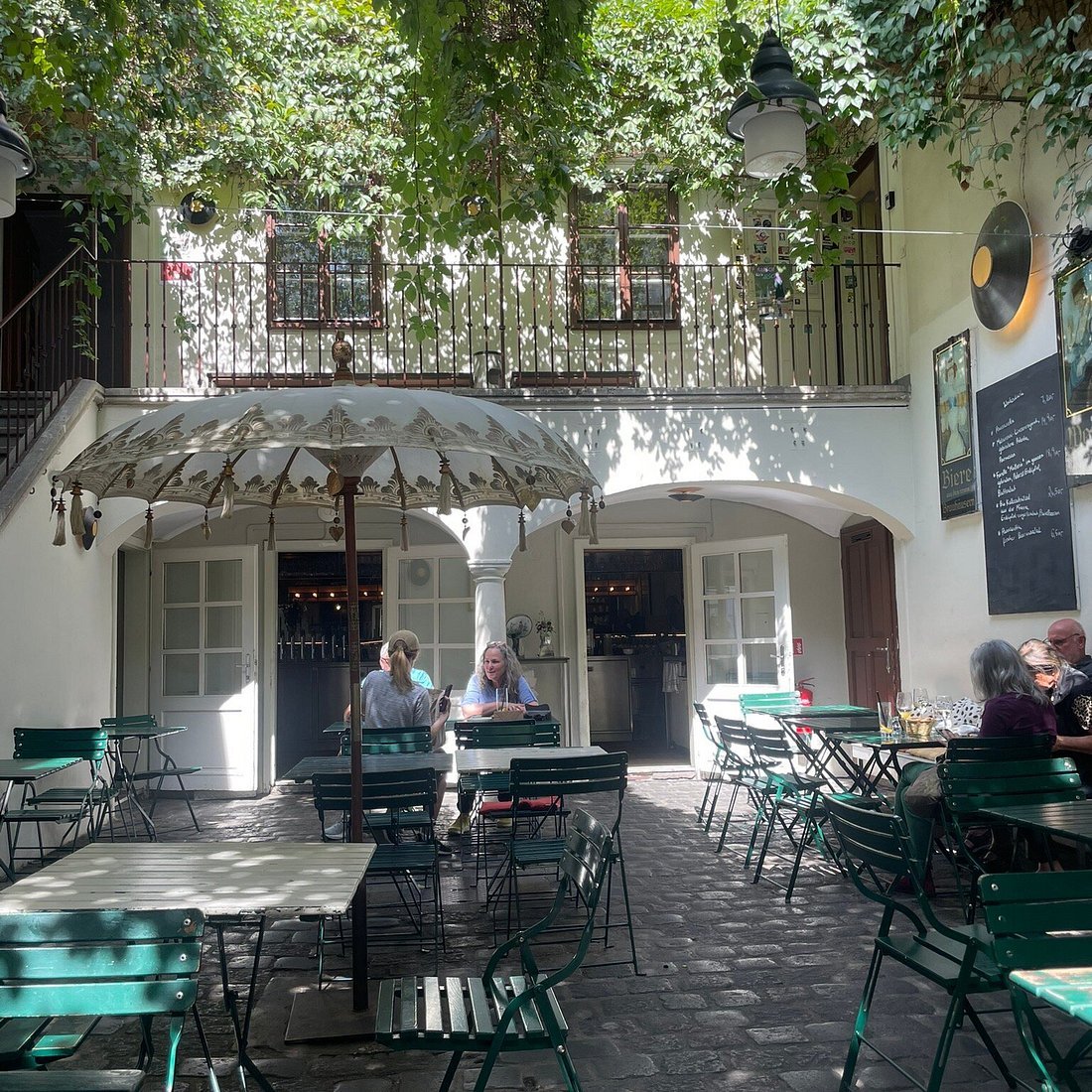
For visitors planning time in Vienna's 8th district, the area offers a range of reference points. Amerlingbeisl covers the Biedermeier courtyard end of the neighbourhood drinking experience, while Bar Tabacchi takes a more Italian-inflected approach to standing-at-the-counter culture. Kaffeemodul occupies a different register entirely, coffee-specific and technically oriented, but it functions within the same ecosystem of independently operated, format-conscious venues that define this part of the city.
Planning Your Visit
Kaffeemodul is located at Josefstädter Str. 35 in Vienna's 8th district, reachable on foot from Rathaus or via the Josefstädter Strasse U-Bahn stop on the U6 line. As with most independent specialty coffee bars in Vienna, the morning and midday hours represent the highest-traffic window; arriving mid-morning on a weekday typically means shorter queues and more time to engage with whoever is behind the bar about current offerings. Specific hours, pricing, and booking details are not confirmed in available data, so checking directly before visiting is advisable. No reservations are expected for a coffee bar format of this type. For anyone mapping a broader Vienna drinks itinerary, 25hours Hotel Vienna at MuseumsQuartier and Alte Donau cover adjacent parts of the city's independent bar scene. Those exploring Austria beyond Vienna will find a different rhythm at Augustiner Bräu Mülln in Salzburg, Landhauskeller in Graz, or Hotel Schwarzer Adler Innsbruck in Innsbruck. For further contrast, Achen Lake in Eben Am Achensee, Red Bull Hangar-7 in Himmelreich, and Carinthia Weinbar in Velden am Wörthersee illustrate how differently Austria's drinking culture expresses itself by region. Our full Vienna restaurants guide maps the broader picture. And for an international reference point in serious bar culture, Bar Leather Apron in Honolulu applies a comparable sourcing-first discipline to cocktails.
At-a-Glance Comparison
A quick snapshot of similar venues for side-by-side context.
| Venue | Cuisine | Price | Awards | Notes |
|---|---|---|---|---|
| Kaffeemodul | This venue | |||
| Capsule | ||||
| Champagne Characters | ||||
| Espresso Bar | ||||
| Eulennest Vinothek | ||||
| Kleinod Bar |
Continue exploring
More in Vienna
Bars in Vienna
Browse all →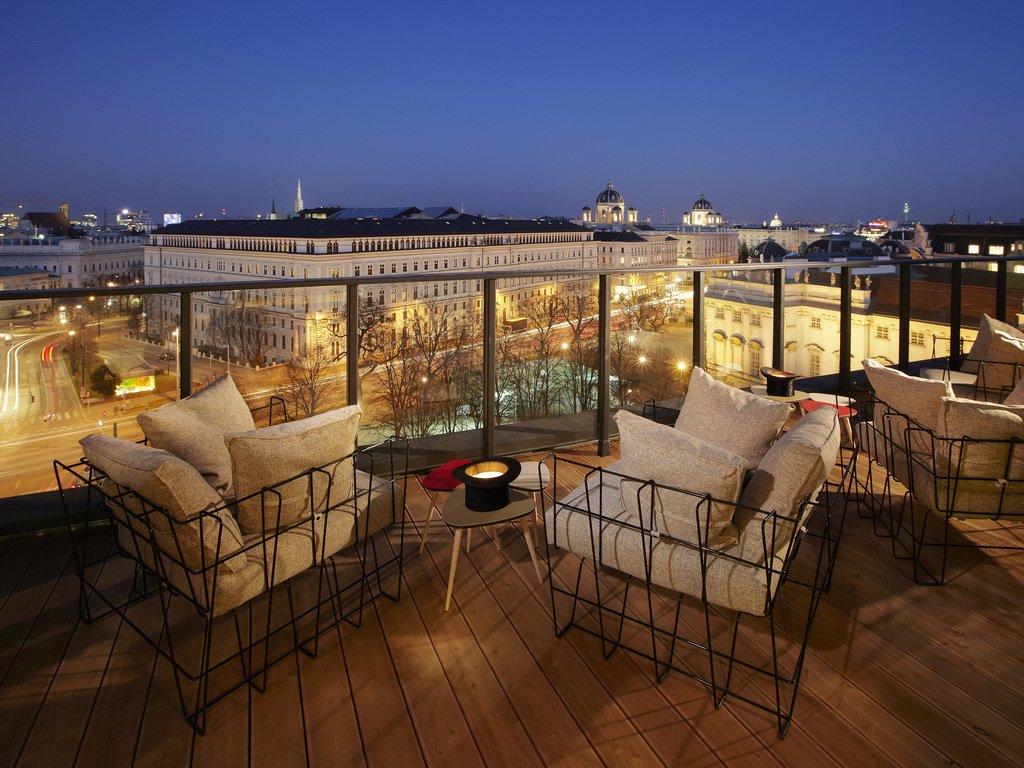
Restaurants in Vienna
Browse all →
Hotels in Vienna
Browse all →
At a Glance
- Cozy
- Minimalist
- Hidden Gem
- Intimate
- Casual Hangout
- Standalone
- Counter Only
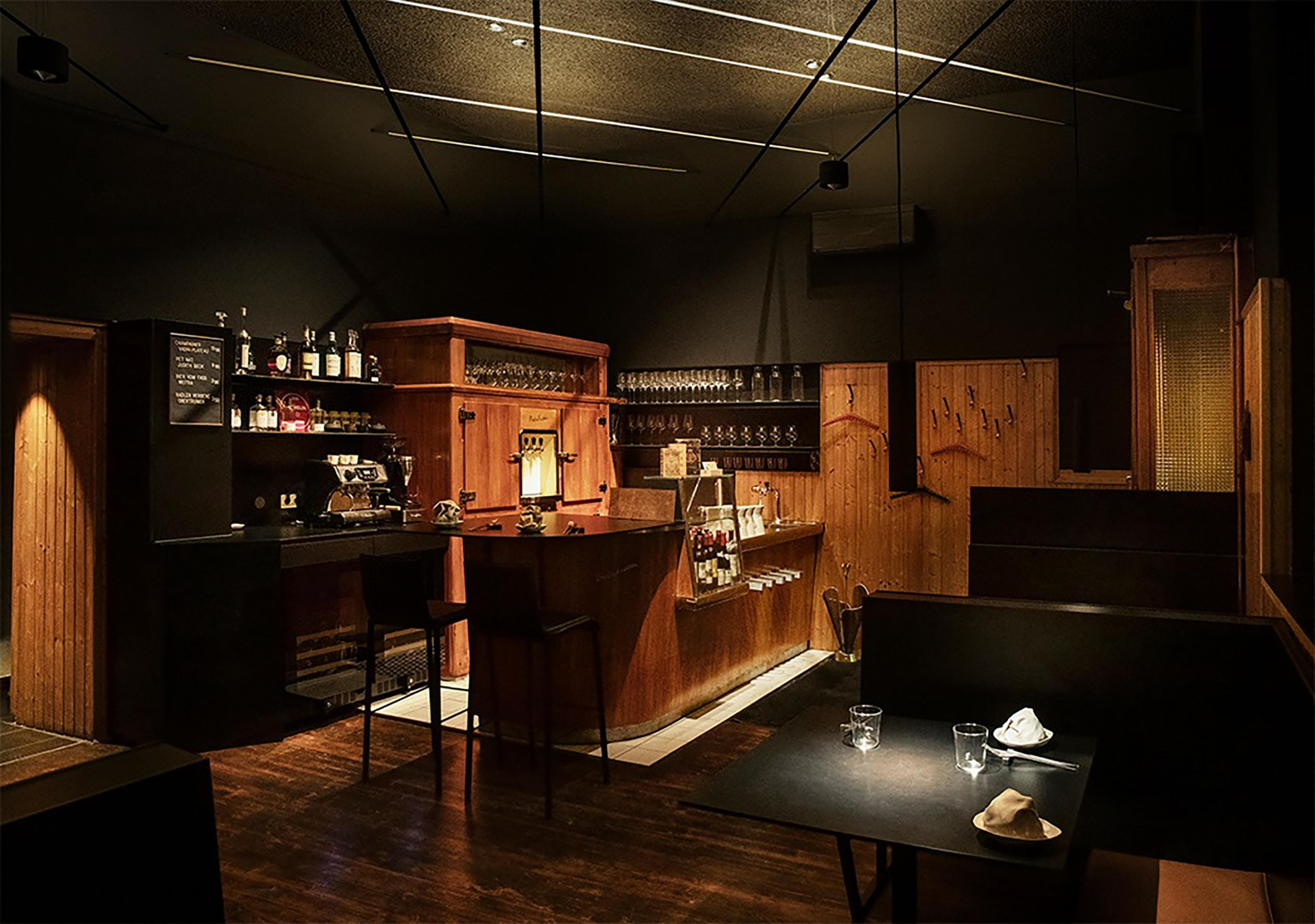
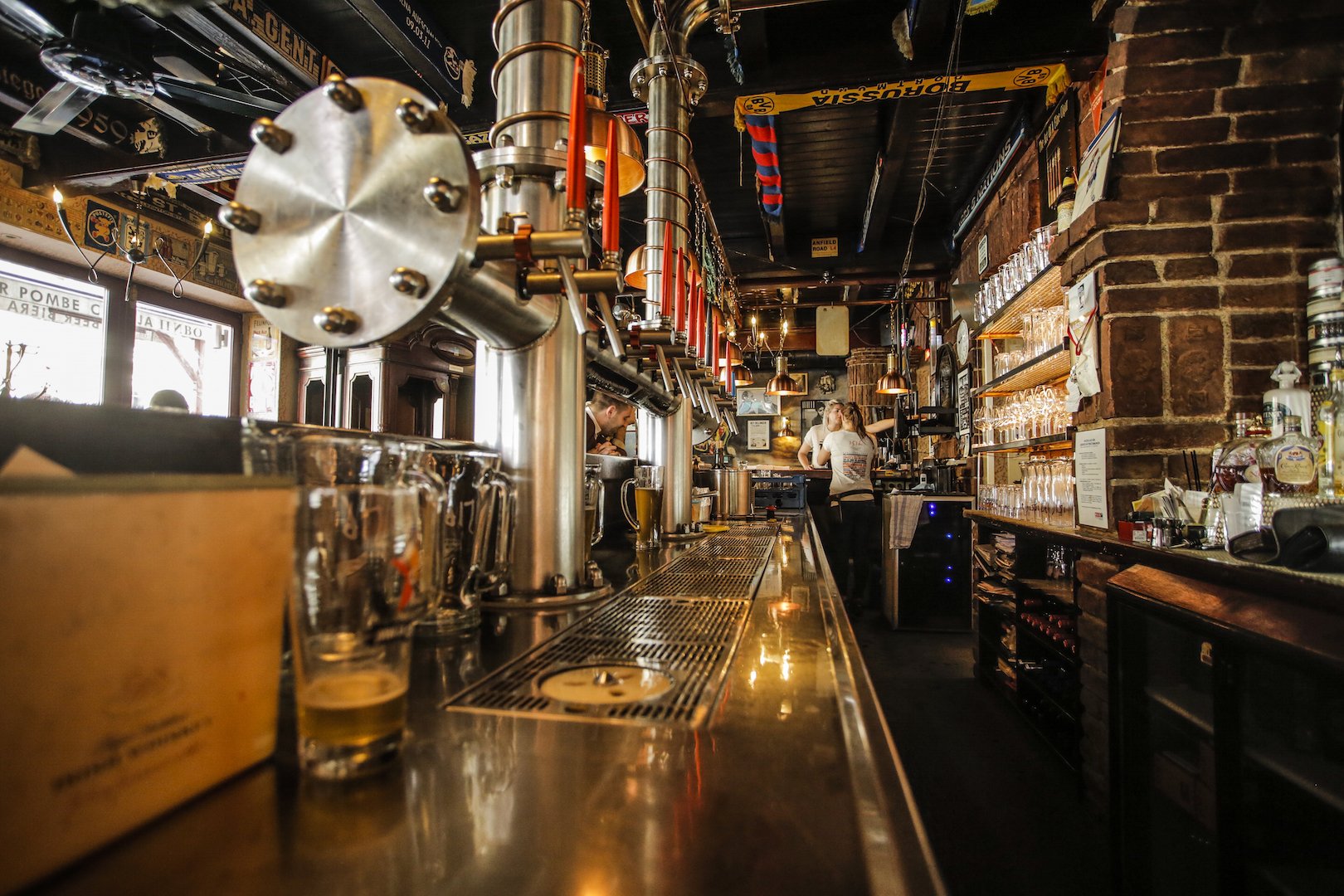
Charming hole-in-the-wall with minimalist, warm, and friendly atmosphere.