

Michelin Plate · Black Pearl 1 Diamond
Our verdict
Wan Yan brings Hui cuisine, one of China's eight classical culinary traditions, into Shanghai's premium dining circuit with consecutive Michelin Plate recognition in 2024 and 2025, plus a Black Pearl 1 Diamond award. Located on Yuyuan Road in Changning, it occupies a niche where regional specificity meets formal dining standards, sitting at the ¥¥¥ price tier alongside credentialed peers across the city's fine Chinese restaurant scene.

Pearl is the En Primeur Club membership app, where members save venues, book tables and use the concierge.
The menu
What to order
- Mouldy tofu
- Wine-scented fermented mandarin fish
- Anhui-style braised pork trotter
Hui Cuisine in Shanghai's Award Circuit
Along Yuyuan Road in Changning, Shanghai's restaurant scene does something it rarely manages with regional Chinese cooking: it applies the full weight of formal dining infrastructure to a cuisine that most diners encounter only in its home province of Anhui. Wan Yan operates in this narrow register, where the specificity of Hui cooking tradition, its use of preserved and fermented ingredients, mountain-foraged produce, and slow-braised technique, meets the kind of institutional recognition that the Michelin Guide and Black Pearl both track and reward.
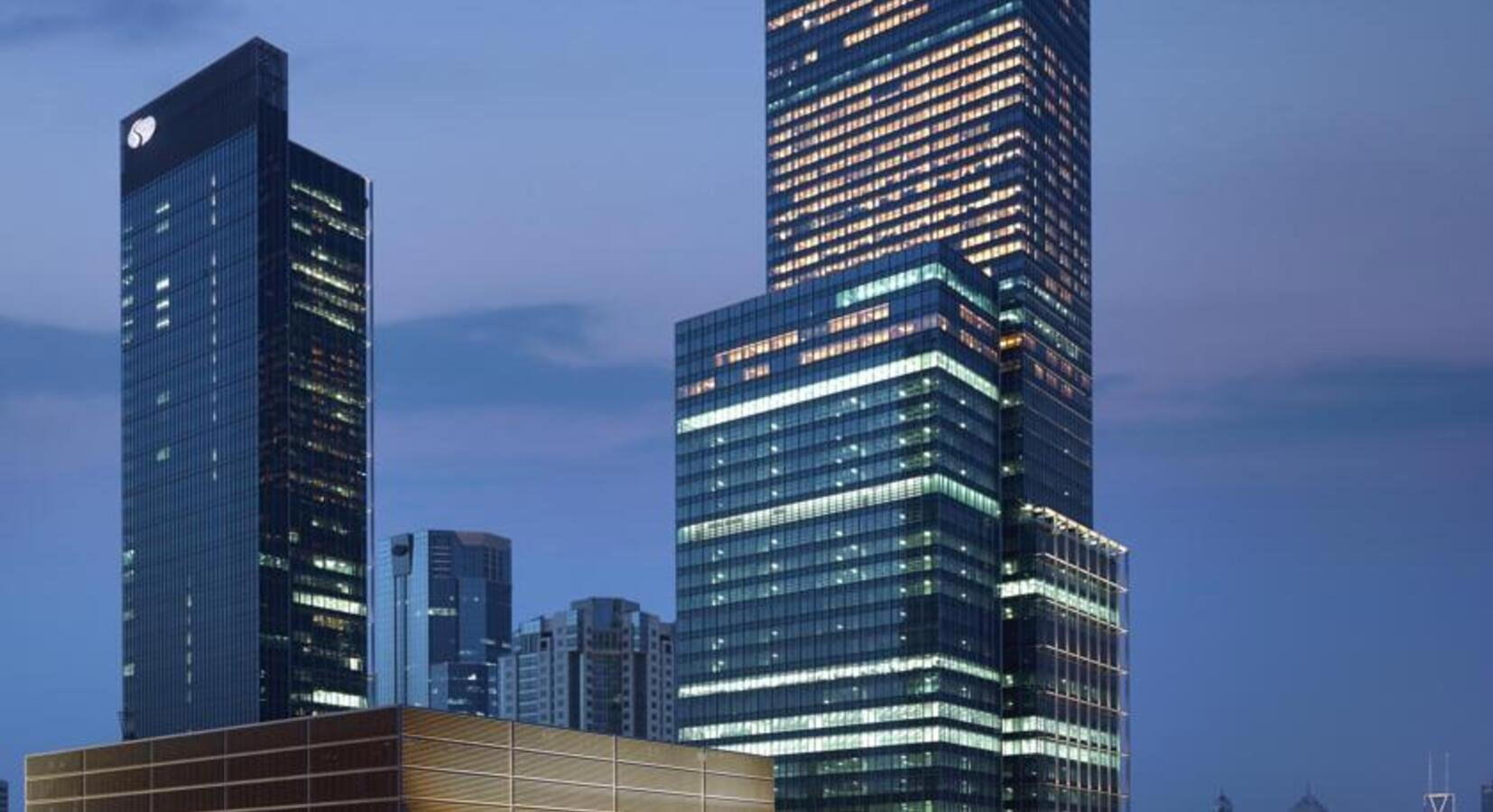
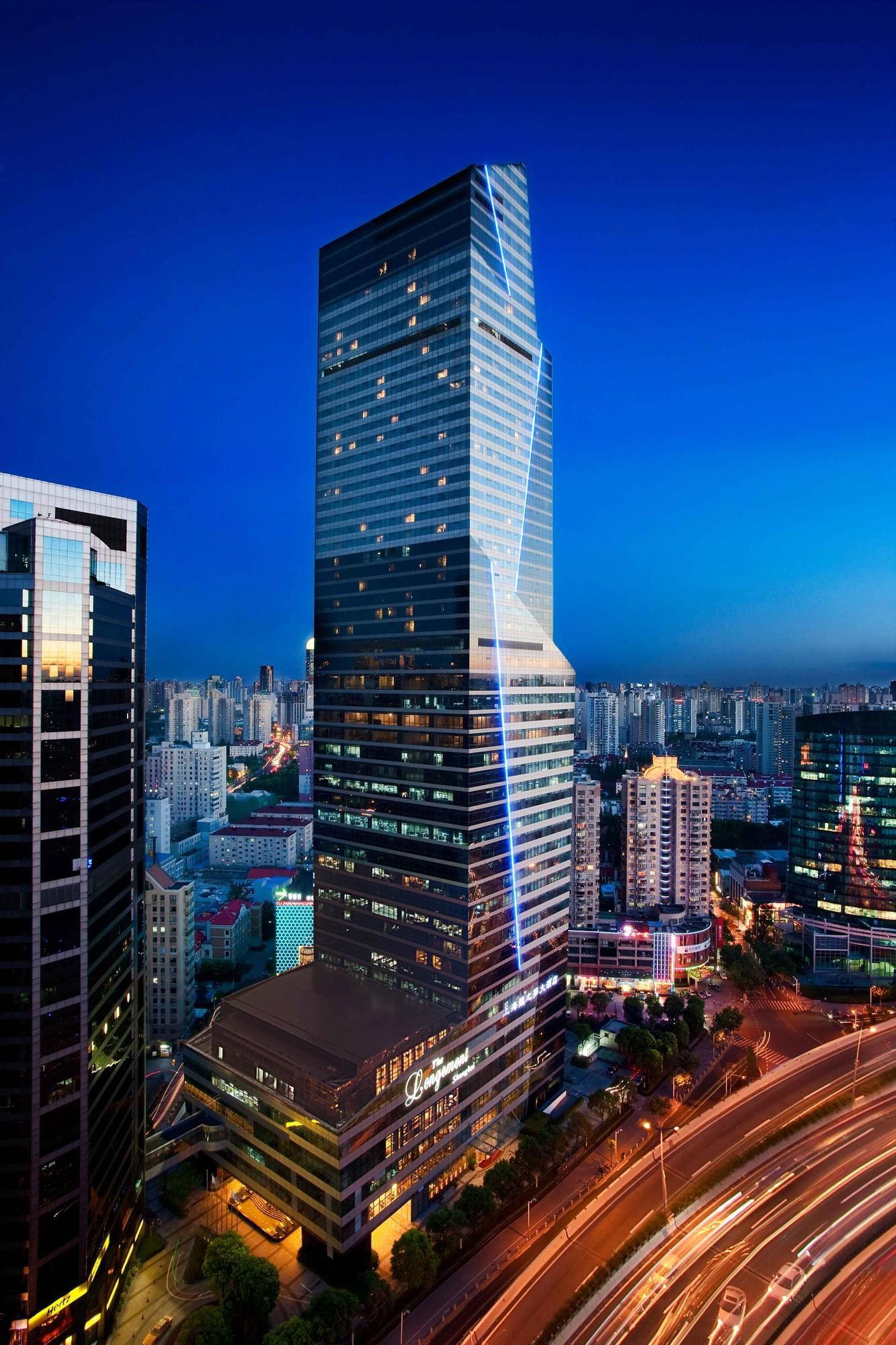
The address, at 18 Yuyuan Road East inside the Jiu Guang complex near Jing'An, places the restaurant within a commercial corridor that skews toward accessible luxury rather than the hushed exclusivity of Huaihai or the Bund. That context matters. Hui cuisine arriving in this part of the city, rather than in a heritage shikumen or a hotel dining room, signals something about how Shanghai's formal dining scene has evolved: regional traditions now compete for awards and serious-eater attention on the same terms as Cantonese, Shanghainese, and international kitchens.
What the Awards Signal
Wan Yan holds a Michelin Plate for both 2024 and 2025, paired with a Black Pearl 1 Diamond for 2025. In Shanghai's dense and competitive awards ecosystem, that combination is worth unpacking. A Michelin Plate denotes consistent quality and fresh ingredients without necessarily reaching the one-star threshold for exceptional cuisine; it is an entry-level credential in the Guide's vocabulary, but a consistent one across two consecutive years. The Black Pearl, which operates as China's domestic counterpart to Michelin, uses a diamond-tier structure where one diamond maps roughly to sustained fine-dining performance. Holding both simultaneously, as Wan Yan does, places it in the tier of restaurants that major guides agree are worth tracking, even if neither has refined it to starred status.
For context, Shanghai's double-credentialed restaurant set spans cuisine types from Shanghainese and Cantonese to contemporary European. Among peers in the Chinese culinary category at the ¥¥¥ price point, Wan Yan's awards position is comparable to venues such as 102 House in the Cantonese space. The distinction here is the cuisine itself: Hui is the only one of China's eight classical culinary schools with a dedicated Michelin-tracked presence in Shanghai at this price tier, which concentrates the comparison set considerably.
Restaurants earning dual recognition from Michelin and Black Pearl tend to draw a clientele that treats guides as reliable filters rather than casual suggestions.
The Case for Hui Cuisine in a Cantonese-Dominant City
Shanghai's fine dining hierarchy has historically centered on Shanghainese home cooking scaled up, Cantonese formality, and imported European formats. The city has a long-standing premium Cantonese circuit, and venues like Xin Rong Ji on West Nanjing Road demonstrate how Zhejiang-origin cooking can also claim formal dining credibility. Against that backdrop, Hui cuisine occupies a different axis. Where Cantonese leans on live seafood, delicacy of preparation, and freshness as its core identity, Hui cooking derives its character from transformation over time: fermented greens, aged ham, long-braised mountain mushrooms, and preserved tofu. The flavor profile runs deeper and heavier than most coastal Chinese traditions.
That divergence is part of Wan Yan's positioning logic. Diners who have covered Shanghai's Cantonese and Shanghainese circuit and want a different register of Chinese cooking have limited options at formal dining standards. Wan Yan addresses that gap directly. The cuisine's reference points in Anhui province, Huizhou's mountainous terrain, its merchant-class food culture, its history of preservation techniques developed for long journeys, don't translate automatically to a Shanghai restaurant context, which makes the execution here more demanding and the result more specific.
For readers exploring the broader regional Chinese dining map, comparable specialist formats appear in other cities: Meng Du Hui in Beijing and Meng Du Hui in Nanjing both work in the Hui tradition, while Ru Yuan in Hangzhou represents how neighboring Zhejiang addresses formal regional cooking.
Where It Sits Among Shanghai's Serious Dining Options
At ¥¥¥, Wan Yan prices below the upper bracket occupied by Fu He Hui, the vegetarian fine dining reference at ¥¥¥¥, and below the premium European tier represented by Taian Table and 8½ Otto e Mezzo Bombana.
Planning Comparison: Wan Yan vs. Shanghai Peers
| Venue | Cuisine | Price | Recognition |
|---|---|---|---|
| Wan Yan (Changning) | Hui | ¥¥¥ | Michelin Plate ×2, Black Pearl 1 Diamond |
| Fu He Hui | Vegetarian | ¥¥¥¥ | Michelin-tracked |
| 102 House | Cantonese | ¥¥¥ | Michelin-tracked |
| Xin Rong Ji (W Nanjing Rd) | Taizhou | ¥¥¥ | Michelin-tracked |
Planning Your Visit
Wan Yan is located at 18 Yuyuan Road East, within the Jiu Guang Jing'An shopping complex in Changning, accessible from Jing'An Temple station on Lines 2 and 7. The ¥¥¥ price tier positions a meal here in the mid-range of Shanghai's formal dining spend, above casual regional restaurants but below the upper-tier tasting menu formats. For the broader Shanghai dining picture, see our full Shanghai restaurants guide, Shanghai hotels, Shanghai bars, Shanghai experiences, and Shanghai wineries. Regional context extends across the country: Xin Rong Ji in Beijing, Xin Rong Ji in Chengdu, Chef Tam's Seasons in Macau, Imperial Treasure in Guangzhou, and Dai Yuet Heen in Nanjing all offer comparative data points for how regional Chinese fine dining performs across different cities.
Frequently asked questions
What is the must-try dish at Wan Yan (Changning)?
What the cuisine tradition does indicate is where to focus attention: Hui cooking's most distinctive preparations involve slow-braised pork with preserved vegetables, Mao Tofu fermented bean curd, and mountain-foraged mushroom preparations. These are the categories Hui restaurants are judged on, and a kitchen carrying Michelin Plate recognition across two years and a Black Pearl 1 Diamond is operating at a level where those core preparations should be the reference point for any first visit.
Is Wan Yan (Changning) reservation-only?
Walk-in availability at peak times is unlikely. Reaching out directly or using a hotel concierge service is the practical approach until booking infrastructure details are confirmed.
Compact Comparison
A compact comparison to help you place this venue among nearby peers.
| Venue | Cuisine | Price | Awards | Notes |
|---|---|---|---|---|
| Wan Yan (Changning)This venue (the venue you are viewing) | Anhui Cuisine | Not listed | Michelin Plate · Black Pearl 1 Diamond | Not listed |
| Fu He Hui | Modern Seasonal Vegetarian Fine Dining | $200–300 | 2 Michelin Stars · World's 50 Best #11 | Vegetarian |
| Ming Court | Cantonese with Shanghainese Influences | $30–50 | 1 Michelin Star · Black Pearl 1 Diamond | Cantonese |
| Polux | French Bistro | $30–50 | Michelin Bib Gourmand | French |
| Royal China Club | Cantonese Dim Sum | $100–150 | Michelin Plate · The Good Food Guide GFG Good | Chinese, Cantonese |
| Scarpetta | Refined Italian Pasta & Pizza | $50–100 | Michelin Plate · Wine Spectator Best of Award of Excellence | Italian |
Recognition history
Dated appearances from independent guides and award organizations, with the underlying list record or original source where available.
Michelin Plate
Michelin
Black Pearl 1 Diamond
Black Pearl
Full recognition history (3 entries)
Michelin Plate
Michelin
Continue exploring
More in Shanghai
Restaurants in Shanghai
All restaurants in Shanghai →
Bars in Shanghai
All bars in Shanghai →

Details
- Elegant
- Cozy
- Sophisticated
- Intimate
- Classic
- Business Dinner
- Special Occasion
- Hotel Restaurant
- Local Sourcing
- A La Carte
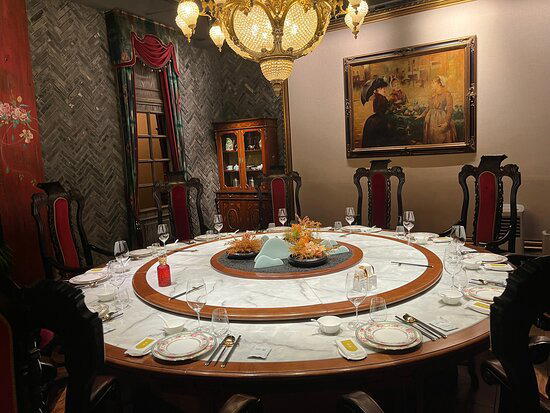
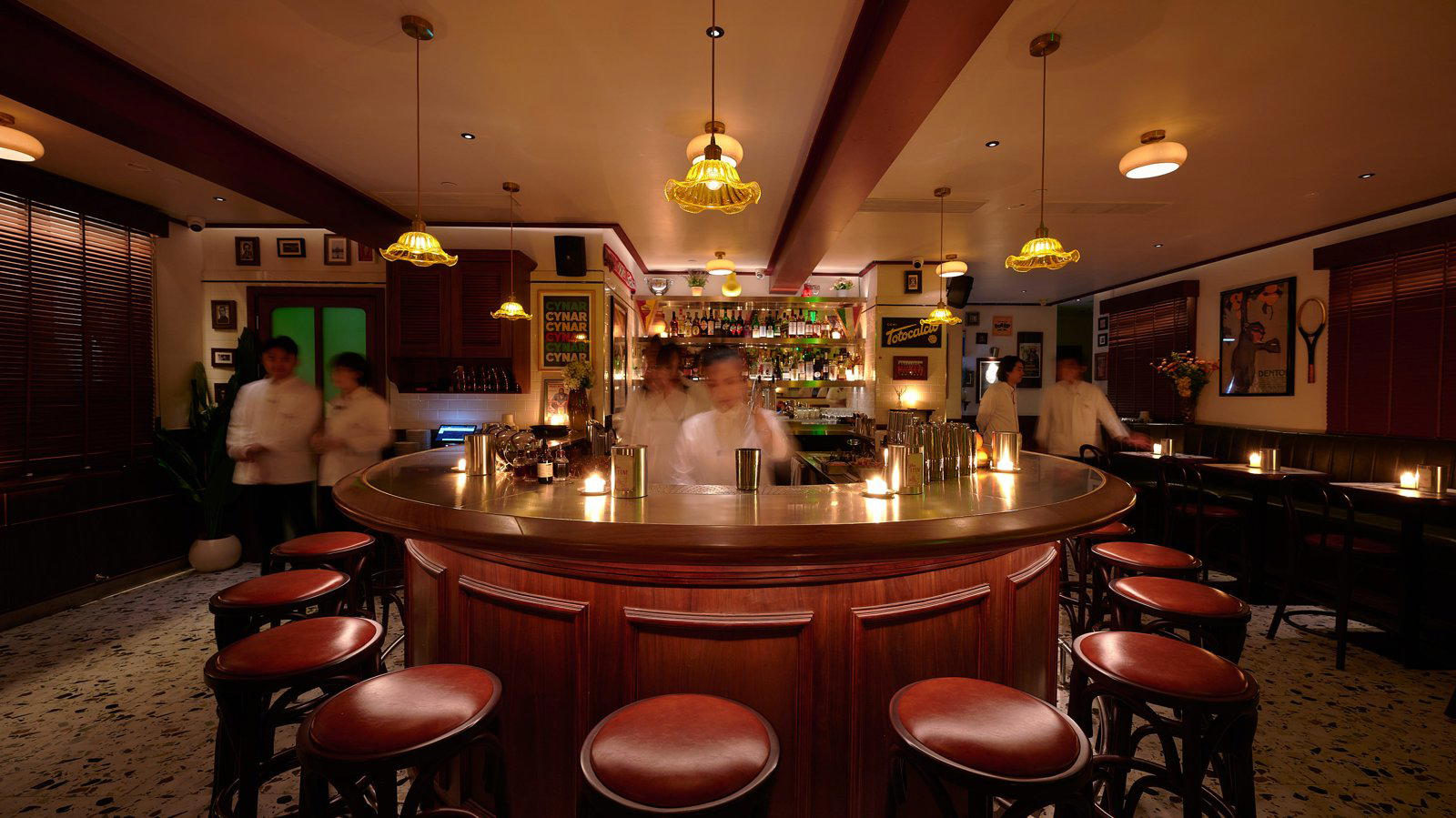
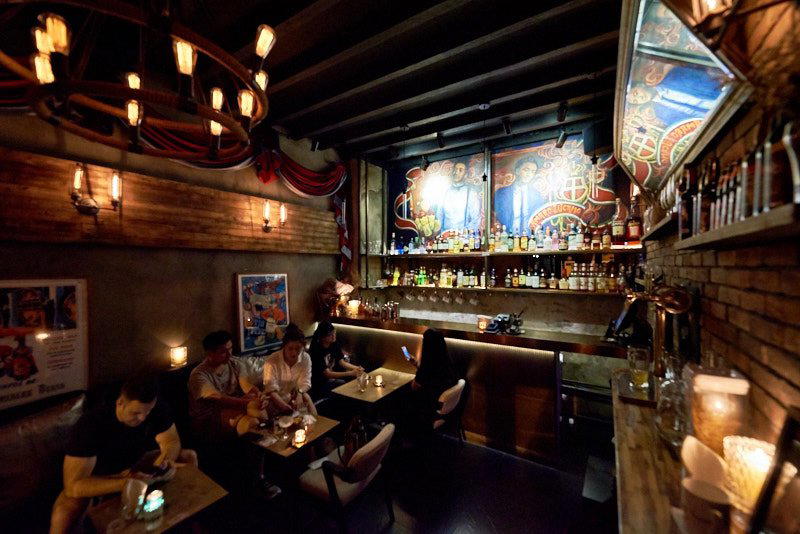
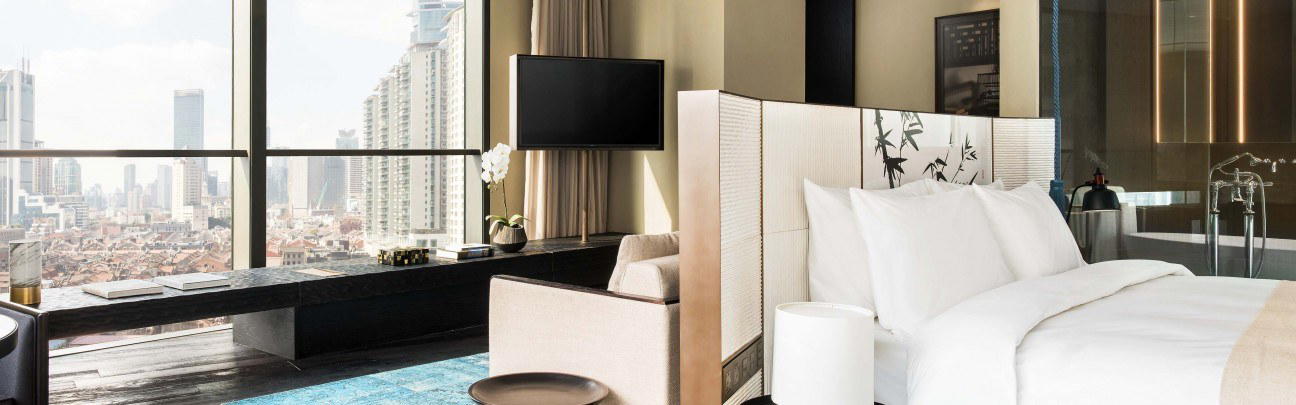
Nostalgic atmosphere with velvet tufted chairs, vintage blue brick walls, and art pieces from around the world.