Wakasa Nomise
Our verdict
On Rishiri Island, off the northern coast of Hokkaido, Wakasa Nomise draws from waters that supply kombu and sea urchin to premier kitchens across Japan. Eating here puts you at the source of that supply chain, where the ferry schedule and the fishing season determine what is on the table. The journey is part of the argument for making it.

Pearl is the En Primeur Club membership app, where members save venues, book tables and use the concierge.
Where the Sea Decides the Menu
Rishiri Island sits in the Sea of Japan roughly twenty kilometres off the Hokkaido coast, close enough to the mainland to feel connected but remote enough that the ferry schedule shapes your day. The island is small, volcanic, and dominated by the silhouette of Mount Rishiri rising above fishing harbours. Dining here is not an abstraction from the landscape; it is a direct consequence of it. The waters around Rishiri produce some of the most referenced kombu in Japan, a seaweed whose mineral depth and umami concentration underpin entire traditions of Japanese cooking far beyond the island itself. That kelp, pulled from cold, clear water by licensed harvesters, is the ingredient that gives local kitchens both their identity and their constraint. You cook what the sea provides, in the season the sea allows it.
Wakasa Nomise operates inside this tradition. The restaurant sits on an island where proximity to source is not a marketing position but a practical reality: the fishing boats, the kelp beds, and the kitchen occupy the same small geography. In cities like Osaka or Tokyo, where tables such as HAJIME in Osaka or Harutaka in Tokyo have built reputations around ingredient provenance at great remove from their sources, the supply chain is a deliberate curatorial act. On Rishiri, that curation happens through geography alone.
The Ingredient Logic of Rishiri
Hokkaido's northern waters are cold year-round, and that cold is productive. The Sea of Japan and the Okhotsk Sea converge near Rishiri, producing nutrient upwelling that feeds dense kelp forests and sustains populations of sea urchin, scallop, crab, and various white fish that would be considered premium catches anywhere in Japan. Rishiri's kombu, classified as a distinct variety, is used in the dashi that underpins kaiseki kitchens from Kyoto to Fukuoka. The island is, in a meaningful sense, an ingredient supplier for Japan's most demanding restaurant traditions, including kitchens like Gion Sasaki in Kyoto and Goh in Fukuoka.
What distinguishes eating on Rishiri from eating those ingredients elsewhere is the compression of time between harvest and plate. Sea urchin, which loses sweetness rapidly after leaving the water, arrives at local tables in a condition that urban restaurants can only approximate through logistics and refrigeration. This is the central argument for making the journey: not merely that the ingredients originate here, but that they are at their most direct on the island where they are pulled from the water. The culinary traditions of Japan's remote northern coast have always been built around this immediacy, and small local restaurants are its most authentic expression.
Among the restaurants worth seeking out in this context, Rishiri Ramen Miraku offers a useful parallel on the island, building its broth from the same kelp base that defines the local food culture. Wakasa Nomise occupies a different register, one closer to the informal izakaya and seafood-focused neighbourhood restaurant format that serves Rishiri's working population as much as its visitors.
Small-Island Restaurant Culture in Japan
Japan's remote island restaurants occupy a specific category that does not map neatly onto urban fine-dining hierarchies. The evaluation frameworks applied to city restaurants, Michelin stars, tasting menu formats, chef pedigree, are largely absent here. What takes their place is a different kind of authority: depth of local knowledge, relationships with specific fishers and harvesters, and a cooking approach shaped by what is available that day rather than by a fixed menu logic. This is closer to the French tradition of cuisine du terroir in its original sense than to the curated provenance narratives found in metropolitan restaurants.
Across Japan, a distinct tier of destination eating has emerged in rural and island settings that operates outside the award circuits followed by restaurants like akordu in Nara. These places are sought out precisely because they are not performing for critics or adapting to urban palates. The seasonal constraint is real, the portion of a menu determined by weather and tide rather than by a chef's creative programme. Visiting them requires planning of a different kind: ferry schedules, limited accommodation, and the understanding that the restaurant may close if the catch is poor or the season has ended.
Getting There and Planning Your Visit
Rishiri Island is reached by ferry from Wakkanai, the northernmost city in Hokkaido, with crossing times of around two hours depending on the service. Seasonal flight connections also operate between Rishiri Airport and Sapporo. The island's visitor population peaks in summer, roughly July through September, when sea urchin season is at its height and the waters are calm enough to sustain regular ferry operations. Travelling outside peak season is possible but requires checking ferry schedules carefully, as services reduce in autumn and winter. Accommodation on the island is limited, and visitors planning to eat at specific restaurants should make contact well in advance, particularly for evenings during the summer peak. The practical reality of island dining is that smaller establishments may close without notice, adjust hours based on staffing, or limit seatings to groups who have pre-arranged their visit.
For visitors building a broader Hokkaido itinerary, the island functions as a deliberate detour rather than a convenient stop. The journey rewards travellers who are specifically interested in Hokkaido's northern food culture and the ingredient traditions that feed Japan's metropolitan kitchen scene. Those interested in comparing this regional register against Hokkaido's urban dining scene will find relevant context at 夕仙山乃 in Sapporo. For wider Japan context across different regional traditions, 三本木川床製 in Nanao, 湖畔荘 in Takashima, and 羽後屋 in Nishikawa Machi each represent regional Japanese restaurant culture operating at a remove from urban fine-dining circuits. Further afield, for those tracking how Japanese culinary traditions translate internationally, Atomix in New York City and Le Bernardin in New York City demonstrate how premium ingredient sourcing from remote origins becomes a central narrative at the upper end of international dining. Additional Japan context can be found across the EP Club network, including Birdland in Sakai, Bistro Ange in Toyohashi, Blue Ocean Steak in Nakagami District, bodai in 那智勝浦町, and Cafe Naoshima Konichiwa in Naoshima, each of which captures a distinct aspect of Japan's regional dining character. The full picture of eating in Japan's northern prefectures is mapped in our full Hokkaido (Rishiri Island) restaurants guide.
Frequently asked questions
Is Wakasa Nomise worth the journey from Wakkanai to Rishiri Island?
The ferry crossing from Wakkanai to Rishiri takes approximately two hours, and the island has no airport link for most travellers, making any restaurant visit a deliberate half-day commitment at minimum. Wakasa Nomise is positioned within a remote-island dining culture that Japan treats as a distinct category from urban fine dining, the value proposition is access to Rishiri's specific cold-water seafood rather than formal tasting menus or Michelin credentials. Travellers already routing through northern Hokkaido will find the crossing purposeful; those making Rishiri a standalone destination for a single meal should plan an overnight stay to justify the logistics.
What dish is Wakasa Nomise famous for?
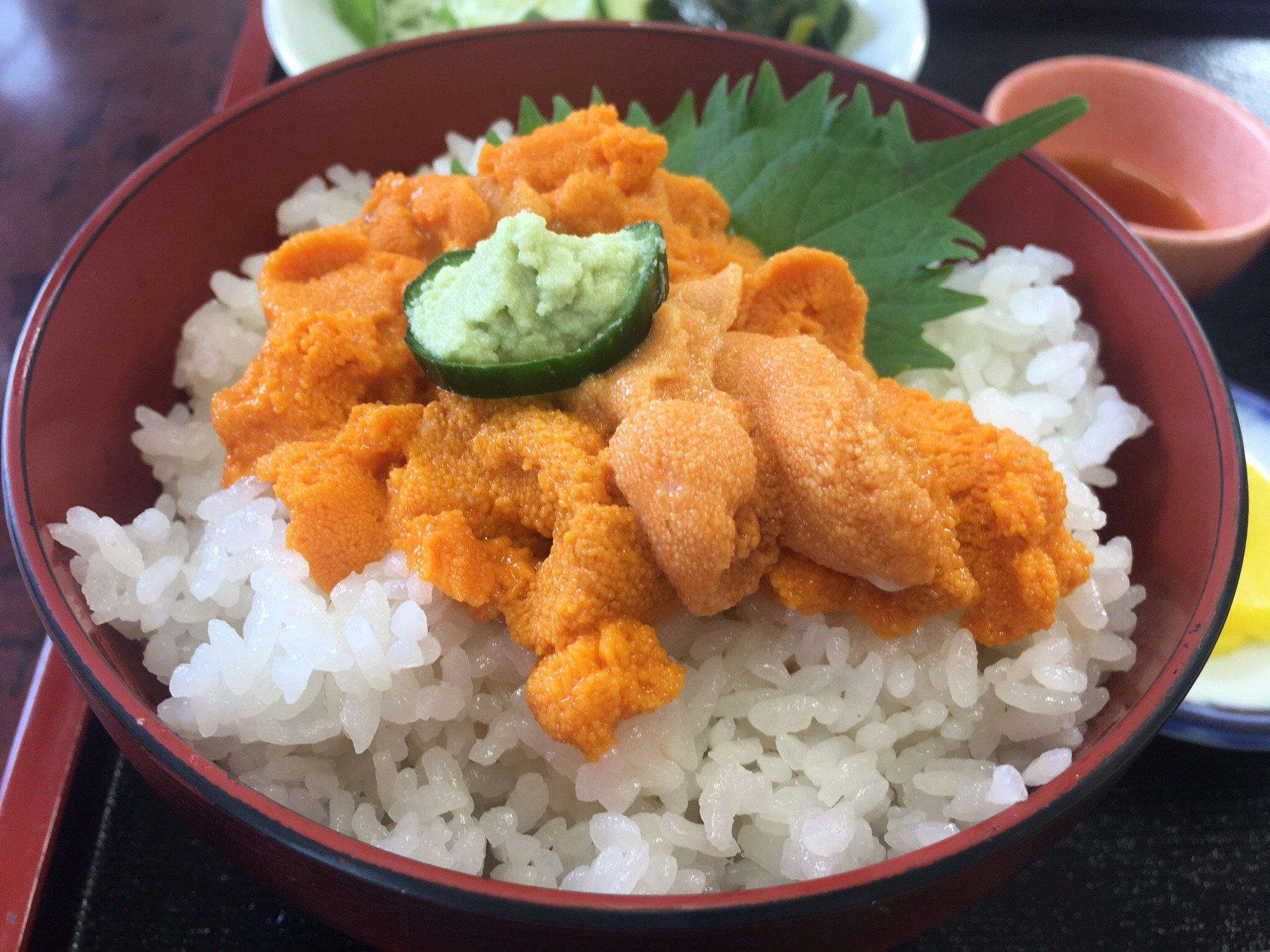
Rishiri Island's position where the Sea of Japan meets the Okhotsk Sea produces some of Hokkaido's most sought-after seafood, including sea urchin (uni) fed on Rishiri kelp, which carries a distinct mineral sweetness compared to mainland varieties. Given that context, Wakasa Nomise's menu is shaped by what the surrounding cold waters yield on a given day.
Do I need a reservation for Wakasa Nomise?
Rishiri Island operates on ferry schedules and limited visitor infrastructure, which means dining options are genuinely finite, the island is not large enough to absorb walk-in overflow the way a city neighbourhood can. Planning ahead is advisable for any restaurant visit here, particularly during summer when access peaks.
Side-by-Side Snapshot
| Venue | Cuisine | Price | Awards | Notes |
|---|---|---|---|---|
| Wakasa NomiseThis venue (the venue you are viewing) | Japanese Izakaya | Not listed | Not listed | Not listed |
| HAJIME | Avant-Garde Japanese Fine Dining | $300–500 | 3 Michelin Stars · World's 50 Best #83 | French, Innovative |
| Harutaka | Edo-Style Omakase Sushi | $200–300 | 3 Michelin Stars · World's 50 Best #76 | Sushi |
| L'Effervescence | Modern French with Japanese Influences | $200–300 | 3 Michelin Stars · World's 50 Best #69 | French |
| RyuGin | Modern Kaiseki | $500+ | 3 Michelin Stars · World's 50 Best #41 | Kaiseki, Japanese |
| Crony | Modern French with Japanese Influences | $150–200 | 2 Michelin Stars · World's 50 Best #34 | Innovative, French |
Details
- Rustic
- Cozy
- Casual Hangout
- Standalone
- Sake Program
- Local Sourcing
- A La Carte
Casual and cozy island atmosphere.