
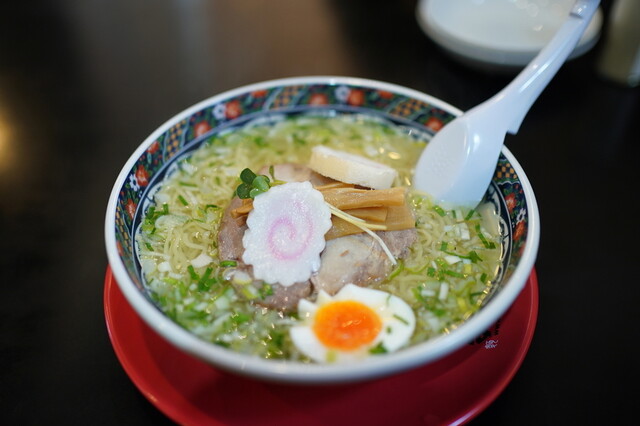
RAMEN ROOM 18 puts Hakodate ramen into a sourcing-led frame: Hokkaido wheat noodles, additive-free production, and broths built from chicken, seafood, clam stock, and niboshi. Its Tabelog Ramen HOKKAIDO 100 selections in 2024 and 2025 place it in a serious regional conversation rather than a casual tourist ramen stop.
Pearl is the En Primeur Club membership app — saves, bookings, and concierge access live there. Same editors, same standards.
- Address
- 北海道函館市昭和2-1-23
- Website
- tabelog.com
 Saves & bookings on Pearl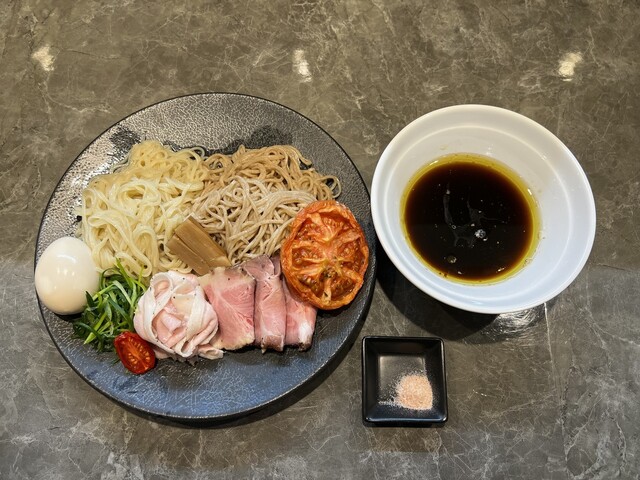
In Showa, away from Hakodate’s postcard seafood markets and tram-side dining rooms, ramen enters a quieter domestic register: a house restaurant with counter seats, tatami rooms, and stockpot pace rather than sightseeing traffic. Hakodate is often reduced to salt ramen, but its noodle culture is broader, shaped by port-city seafood habits, Hokkaido wheat agriculture, and a northern appetite for bowls that carry cold weather without becoming heavy.
That context matters for RAMEN ROOM 18 because the argument is sourcing, not flash or chef theatre. The noodles use Hokkaido wheat and no additives, a claim that lands differently where wheat is agricultural identity, not decoration. The broths are specific: a triple soup of chicken, seafood, and clam stocks, plus a niboshi broth described as 98 percent six types of dried sardine and 2 percent other dried ingredients. In a category often flattened into shio, shoyu, miso, and tonkotsu, those percentages show where the house wants attention.
Hokkaido wheat and dried fish move Hakodate ramen beyond shorthand
Hakodate’s ramen reputation usually begins with clear shio, but contemporary Hokkaido ramen is a more granular conversation about flour, seafood extraction, and local supply. A bowl signals whether a kitchen chooses industrial consistency or accepts house-made noodles and layered stock. The latter demands discipline: wheat choice affects chew and aroma, while seafood and clam stocks can slip from clean salinity into blunt marine weight.
The Tsuta connection gives the room a credential without becoming the whole story. Tsuta brought Michelin attention to Japanese soba noodles, and this Hakodate address is described as its first official independent store. That lineage places the shop inside a modern ramen movement treating noodles, tare, aroma oil, and broth as a technical system, apart from older tourist formats where local fame can outweigh bowl construction.
Tabelog selected the restaurant for Ramen HOKKAIDO 100 in both 2024 and 2025, and its listed score is 3.63. In Japan, where Tabelog scoring is compressed and users can be severe, that is meaningful, especially for a small-format ramen room outside Sapporo’s larger dining gravity. It is not a Michelin star and should not be read as one; it is a regional filter for shops that serious local diners and travelling noodle obsessives take seriously.
Within Hakodate, it contrasts with Ajisai Honten, a better-known reference for classic local ramen at the same everyday price tier. The city’s dining range extends beyond noodles, from sukiyaki at Asari Honten to Italian cooking at Colz and Enoteca La Ricolma, with curry culture represented by Ganso Indian Curry Koike. Ramen Room 18 sits where a low-ticket meal still carries serious technical intent.
A compact room built for solo bowls, not ceremony
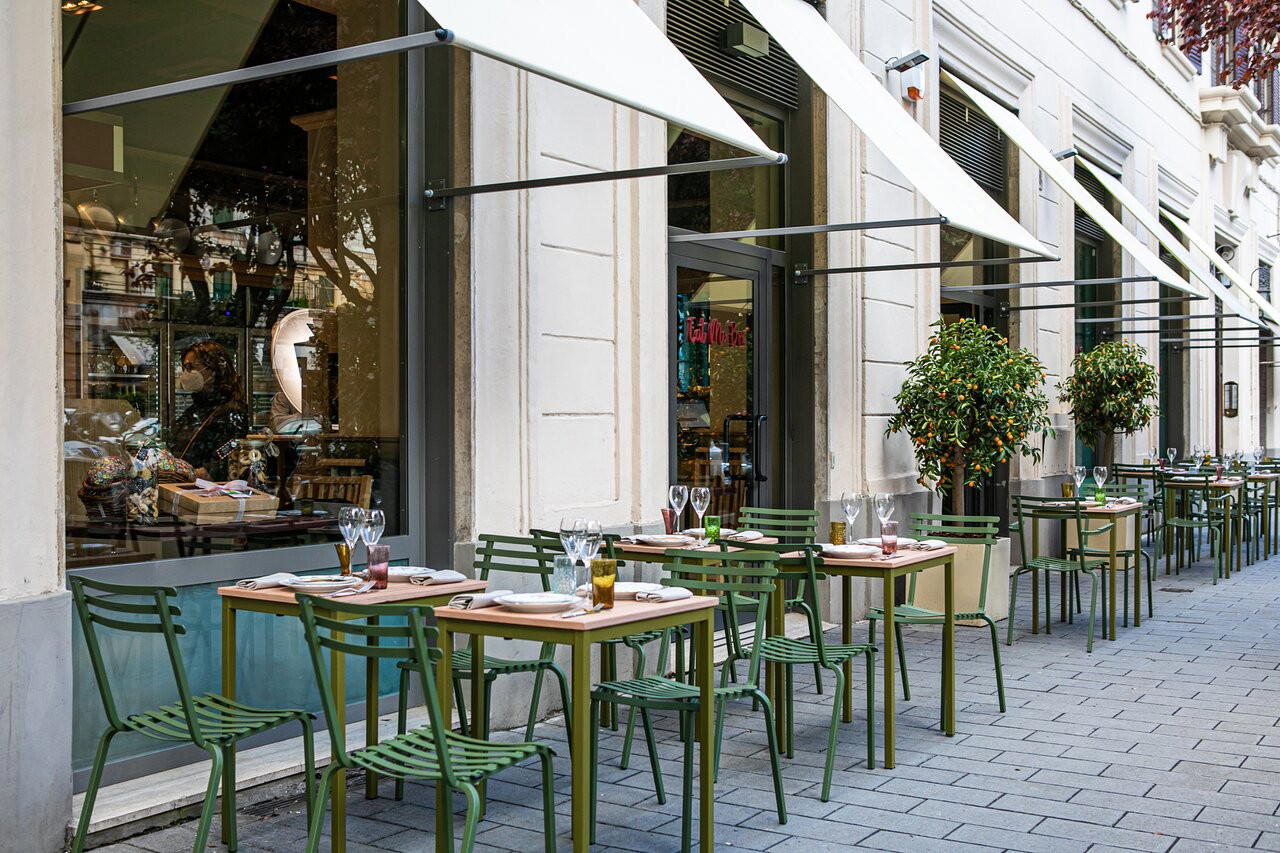
The format keeps expectations grounded: 16 seats, split between 8 counter seats and 2 tatami rooms for 4 people each. This suits solitary diners and small groups without becoming reservation-led. Counter seating shortens the distance between kitchen rhythm and bowl arrival; tatami seating gives families and small parties a gentler option without changing the format.
The room is non-smoking, take-out is listed, and the stronger read is still dine-in. Ramen loses precision quickly once noodles sit, so the counter remains the cleaner choice for evaluating texture and broth balance. The restaurant is solo-dining friendly, signalling quick individual meals as much as destination dining, useful in a city where visitors move between morning markets, Goryokaku, and evening seafood plans.
Payment is cash-only: credit cards, electronic money, and QR code payments are not accepted. Reservations are unavailable, so the experience follows Japan’s older ramen logic of showing up, waiting if necessary, and accepting that ingredient-driven shops can close once supplies run out. For travellers, timing matters more than formal planning. This is not a late fallback after a long itinerary; it works better as a northern Hakodate anchor or deliberate detour for diners who care about flour and stock.
The nearest station is Goryokaku, and the restaurant sits in Showa rather than the harbourfront dining belt. Hakodate’s tourist meals often cluster around seafood, views, and convenience; Showa asks for a more local rhythm. Parking is available, with 8 spaces listed, making the shop easier for drivers than many compact ramen counters in denser Japanese cities. For visitors without a car, the Goryokaku area frames the meal differently from the bay: less spectacle, more neighbourhood utility.
How to place it in a Hakodate dining itinerary
Hakodate rewards travellers who avoid eating every meal in the same register. Seafood is central, but a strong day might move from market fish to ramen, then into Italian, curry, or a more formal Japanese dinner. For broader planning, our full Hakodate restaurants guide is the starting point, while our full Hakodate hotels guide, full Hakodate bars guide, full Hakodate wineries guide, and full Hakodate experiences guide place the meal inside a wider trip rather than a single-stop noodle hunt.
The comparison set calibrates ambition. Shunsai Shungyo Tajima and Nidaime Saheiji sit at a higher spend level, while Enoteca La Ricolma and Lela point to a more restaurant-led evening. Ramen Room 18 is different: it compresses regional sourcing, technical broth work, and casual access into a short meal. That is its appeal. It does not try to behave like a tasting-menu restaurant, and it is stronger for staying within ramen’s disciplined limits.
Readers building a wider Japan food route can use the same lens elsewhere: category clarity matters more than hype. A sukiyaki specialist such as -Grilled beef Sukiyaki- KAMAKURA TANUKIAN 鎌倉 たぬき庵 in Kamakura, a Tokyo charcoal-and-tuna address like. 鮪と炭火焼き うお炭 秋葉原店 in Tokyo,.cafe in Osaka,.know in Kumamoto, (Shoku) Vietnam in Kawasaki, and [Curry Senmon Ten] Maruyama Kyoju. in Sapporo each make more sense when judged by format rather than generic destination status. The same applies beyond Japan, from Jōdo Saké Bar in Los Angeles to Onigiri Time in Pasadena: small formats need clear purpose. In Hakodate, the purpose is legible in the wheat, dried fish, and choice to keep the room modest while the bowl carries the argument.
Comparable Spots, Quickly
Comparable venues by cuisine and price in the same metro.
| Venue | Cuisine | Price | Awards | Notes |
|---|---|---|---|---|
| RAMEN ROOM 18This venue — the venue you are viewing | Modern Hokkaido Ramen by Tsuta | $ | , | |
| Jiyouken (滋養軒) | Hakodate-Style Salt Ramen | $ | , | Daimon (大門) |
| Hakodate Shio Ramen Shinano | Hakodate Salt Ramen | $ | , | Wakamatsucho / Hakodate Station area |
| Uni Senmon Ten Yoichiya Hakodate asaichi ten | Hokkaido uni and seafood donburi | $$$ | , | Hakodate Asaichi (Morning Market) / near Hakodate Station |
| Yakidango Gingetsu | Traditional Japanese dango & sweets shop | $ | , | Yunokawa Onsen |
| Kira | Creative Japanese Kaiseki | $$ | , | Sumiyoshi-cho |
At a Glance
- Cozy
- Hidden Gem
- Modern
- Solo
- Casual Hangout
- After Work
- Standalone
- Design Destination
- Local Sourcing
A compact, house-like ramen shop with counter seats and two small tatami rooms, giving a modern yet homey feel that suits solo diners and ramen-focused visits rather than long, social meals.