Vremeplov on Bulevar oslobođenja brings a distinctly nostalgic register to Novi Sad's dining scene, where the name itself, meaning 'time machine' in Serbian, signals an intent to anchor guests in a particular era of local hospitality. The address places it along one of the city's main arteries, making it accessible for both residents and visitors working through the broader Novi Sad restaurant circuit.
Pearl is the En Primeur Club membership app — saves, bookings, and concierge access live there. Same editors, same standards.
- Address
- Bulevar oslobođenja 96, Novi Sad 21000, Serbia
- Phone
- +38163517325
- Website
- bistrovremeplov.rs
- Directions
- Get directions
 Saves & bookings on Pearl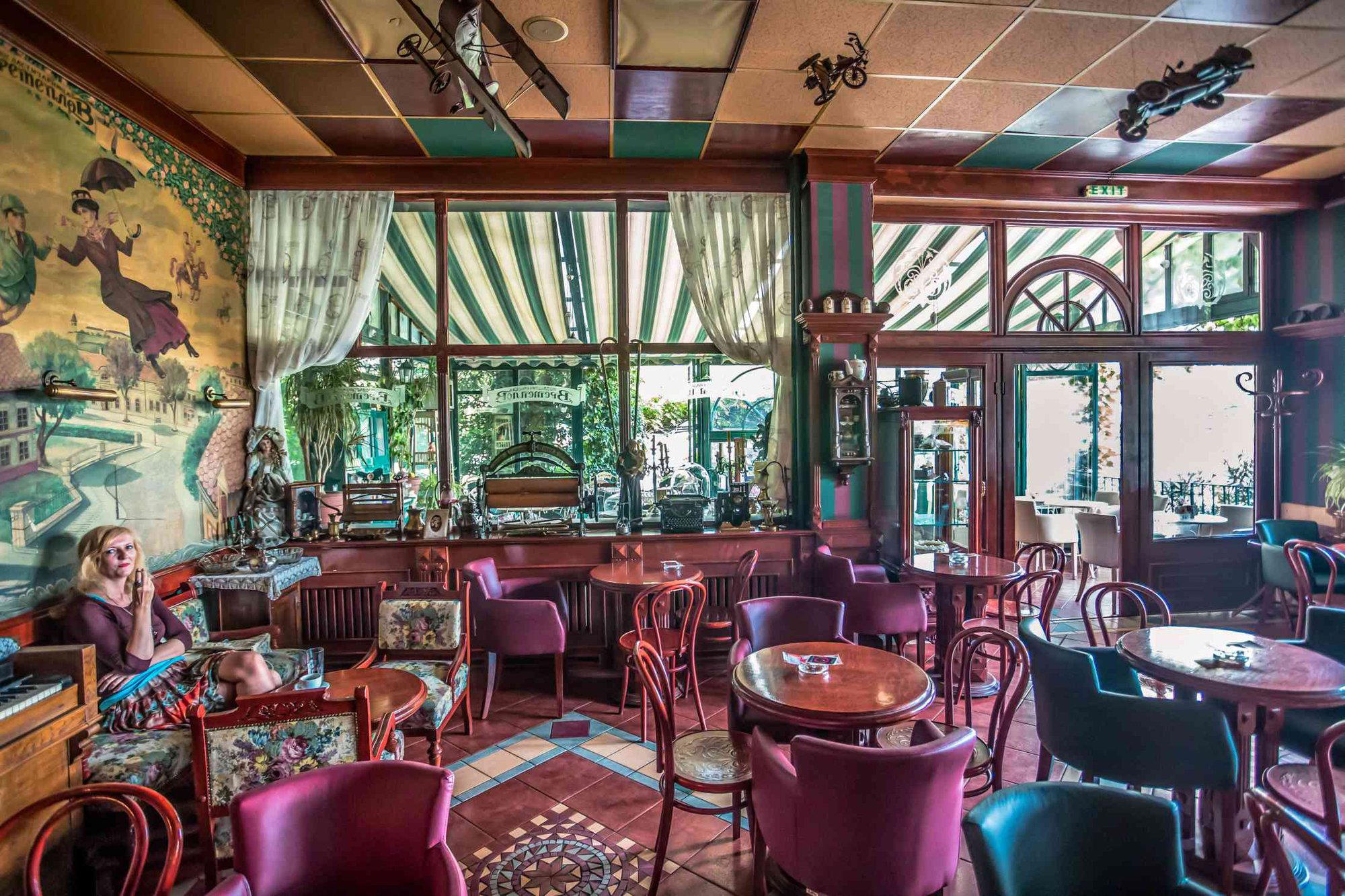
A Boulevard Address and What It Signals
Bulevar oslobođenja runs through Novi Sad like a spine, connecting the city's residential fabric to its commercial centre. Restaurants along this stretch tend to serve a neighbourhood crowd rather than a tourist trail, and that distinction matters when reading what a place like Vremeplov is actually doing. The name translates directly as 'time machine,' and in Serbian dining culture that framing carries weight: it typically signals a kitchen oriented toward traditional recipes, a room styled to evoke an earlier decade, and a hospitality register closer to the kafana tradition than to the contemporary bistro format that has taken hold in the city's centre.
Novi Sad's dining scene has split along recognisable lines over the past decade. A cluster of design-forward restaurants, among them CUBO and Ananda, have pushed the city toward a more European metropolitan register, while a separate cohort of neighbourhood restaurants has held the older grammar of Serbian hospitality: generous portions, long tables, grilled meats, and a room that fills with locals rather than visitors. Vremeplov reads as part of that second current.
The Physical Register: What the Setting Communicates
In Serbian restaurant culture, the name of a venue is often the first atmospheric instruction. 'Vremeplov' is a word children encounter in school, it appears in science fiction, in folk storytelling, in the idea of travelling back to something more rooted and familiar. A restaurant that borrows that word is making a specific promise about the room: expect worn wood, framed photographs or period objects on the walls, lighting calibrated for warmth rather than drama, and a sound environment shaped by conversation rather than a curated playlist. These are the standard signals of the nostalgic-register dining room in Serbia, a format with genuine cultural traction rather than purely decorative intent.
The boulevard setting reinforces this. Unlike the pedestrian zones around Zmaj Jovina or the Danube-facing terraces that draw a self-conscious dining crowd, Bulevar oslobođenja is an everyday artery. Guests arrive because the restaurant is part of their neighbourhood geography, not because they have navigated to a destination address. That functional relationship between a room and its street tends to produce a specific kind of atmosphere: less performative, more durable.
Where Vremeplov Sits in the Novi Sad Scene
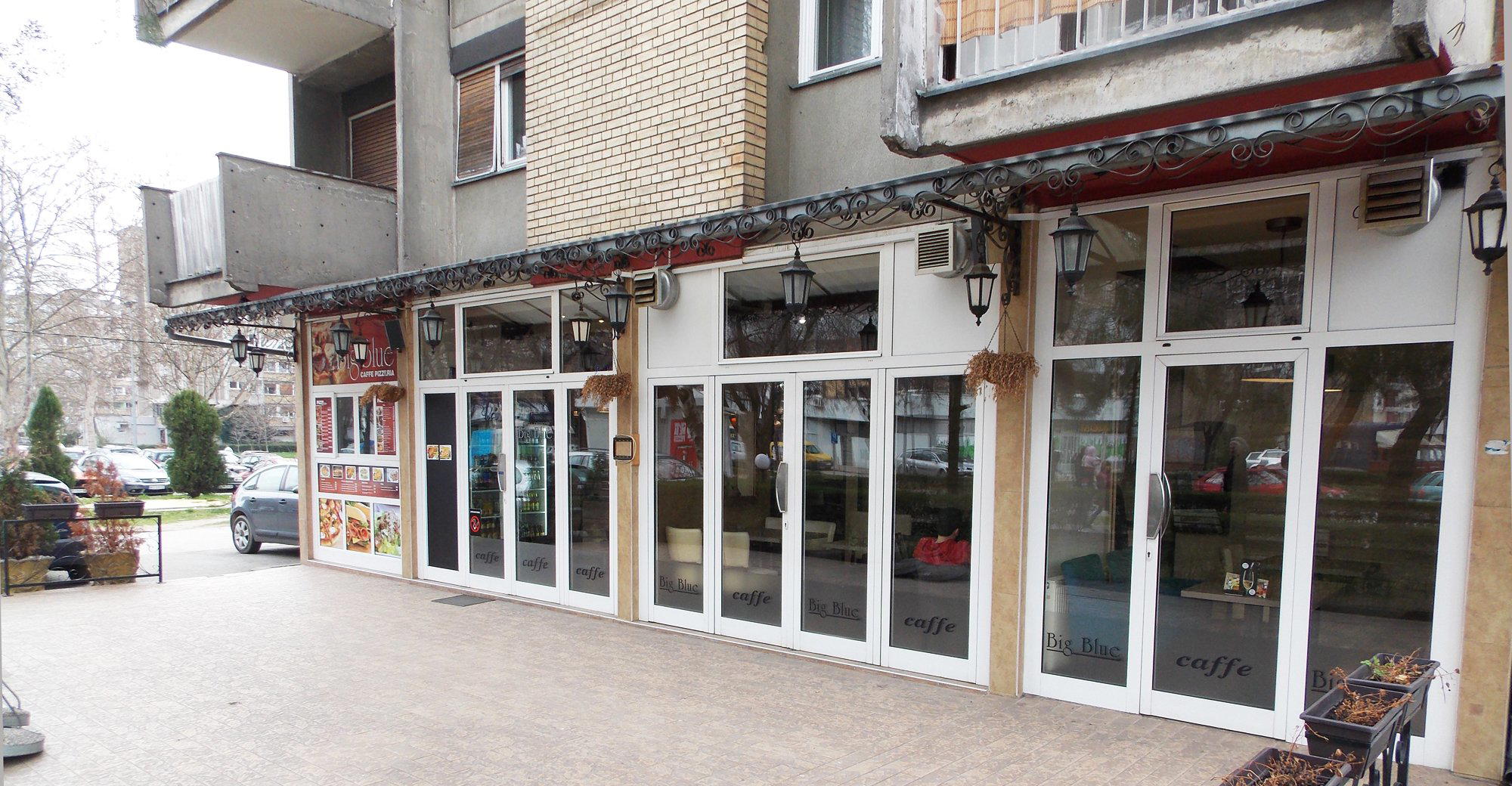
Novi Sad's restaurant circuit rewards some mapping before arrival. The city's most discussed contemporary tables, FISH&ZELENIŠ, Comida Sanchez, and Caffe Pizzeria Big Blue, occupy a different register from the traditional neighbourhood format. For travellers building an itinerary across Serbia, understanding that split is useful context. Venues with a nostalgic or traditional framing, like Vremeplov, tend to offer price points and atmospheres that contrast sharply with the city's design-forward options, and that contrast can make for a more complete picture of where Serbian dining actually sits in 2024.
Across Serbia more broadly, the traditional dining register appears in distinct regional forms. Lovački dom in Valjevo leans into the hunting-lodge archetype of central Serbian hospitality. Etno Kuća Dinar in Vrsac works the ethnographic village format. ČARDA ZLATNA KRUNA in Apatin anchors itself in the Danube fisherman's tradition. Each of these makes a specific claim on memory and place. Vremeplov's claim, at a Novi Sad boulevard address, is urban and residential rather than rural or waterfront, which shapes what guests should expect from both the kitchen and the room.
The Broader Serbian Kitchen: What a Traditional Frame Usually Delivers
What the traditional Serbian dining format reliably delivers, in venues that occupy this register across the country, is a kitchen built around a short list of high-rotation preparations: grilled meats including ćevapi, pljeskavica, and roštilj cuts; slow-cooked dishes such as pasulj and podvarak; and seasonal vegetable preparations that shift with the agricultural calendar. The Vojvodina region, where Novi Sad sits, adds its own inflections, a stronger Hungarian influence in paprika use, more freshwater fish, and a bread and dairy culture that differs from the more overtly Balkan register further south.
For travellers who have spent time at the extreme end of the Serbian fine-dining spectrum, at Langouste in Belgrade, for instance, or at regional specialists like KAFANA DUKAT in Pirot, a return to a traditional neighbourhood room functions as calibration. The craft at these tables is different but not lesser: it lives in consistency, in the quality of sourcing within a tight repertoire, and in the cumulative effect of a room that knows what it is.
Planning a Visit
For neighbourhood-format restaurants in Serbia, walk-in dining is standard practice rather than exception, and the local crowd that sustains these venues typically arrives without advance reservations. That said, weekend evenings at popular boulevard addresses can fill quickly. Visiting earlier in the evening or at lunch will generally produce a quieter room and, in many Serbian kitchens, a fresher pass through the day's preparations.
Visitors should verify current hours and booking details before arrival. Those planning a wider Serbian itinerary may also find useful context in the regional entries for Windmill in Pancevo, Kod Brana in Cacak, Aleksandar Gold in Uzice, Grand **** in Kopaonik, and Kod poštara in Aran Elovac.
- Mira Banjac Cake
- Vremeplov Cake
- Viennese Royal Cake
- Floating Islands
- Reforma Torta
- Nougat Cake
Nearby-ish Comparables
Comparable venues nearby, for context on price, style, and recognition.
| Venue | Cuisine | Price | Notes |
|---|---|---|---|
| VremeplovThis venue — the venue you are viewing | Traditional Austro-Hungarian Pastry & Café | $$ | Not listed |
| Pivnica Gusan | Traditional Serbian Beer Pub | $$ | City Center |
| Salaš 137 | Traditional Vojvodina Farmstead Cuisine | $$ | Čenej |
| Konoba Riba Ribi Grize Rep | Mediterranean Seafood | $$ | Bulevar cara Lazara |
| Loft Downtown | International Cafe | $$ | Stari Grad |
| SOKAČE | Traditional Serbian Grill | $$ | City Centre (Pap Pavla Street) |
At a Glance
- Romantic
- Cozy
- Classic
- Elegant
- Whimsical
- Date Night
- Casual Hangout
- Brunch
- Group Dining
- Garden
- Terrace
- Historic Building
- Beer Program
- Garden
Current opening hours
- Monday
- 7:30 AM–11 PM
- Tuesday
- 7:30 AM–11 PM
- Wednesday
- 7:30 AM–11 PM
- Thursday
- 7:30 AM–11 PM
- Friday
- 7:30 AM–12 AM
- Saturday
- 7:30 AM–12 AM
- Sunday
- 7:30 AM–11 PM
Hours can change for holidays and private events. Last verified .
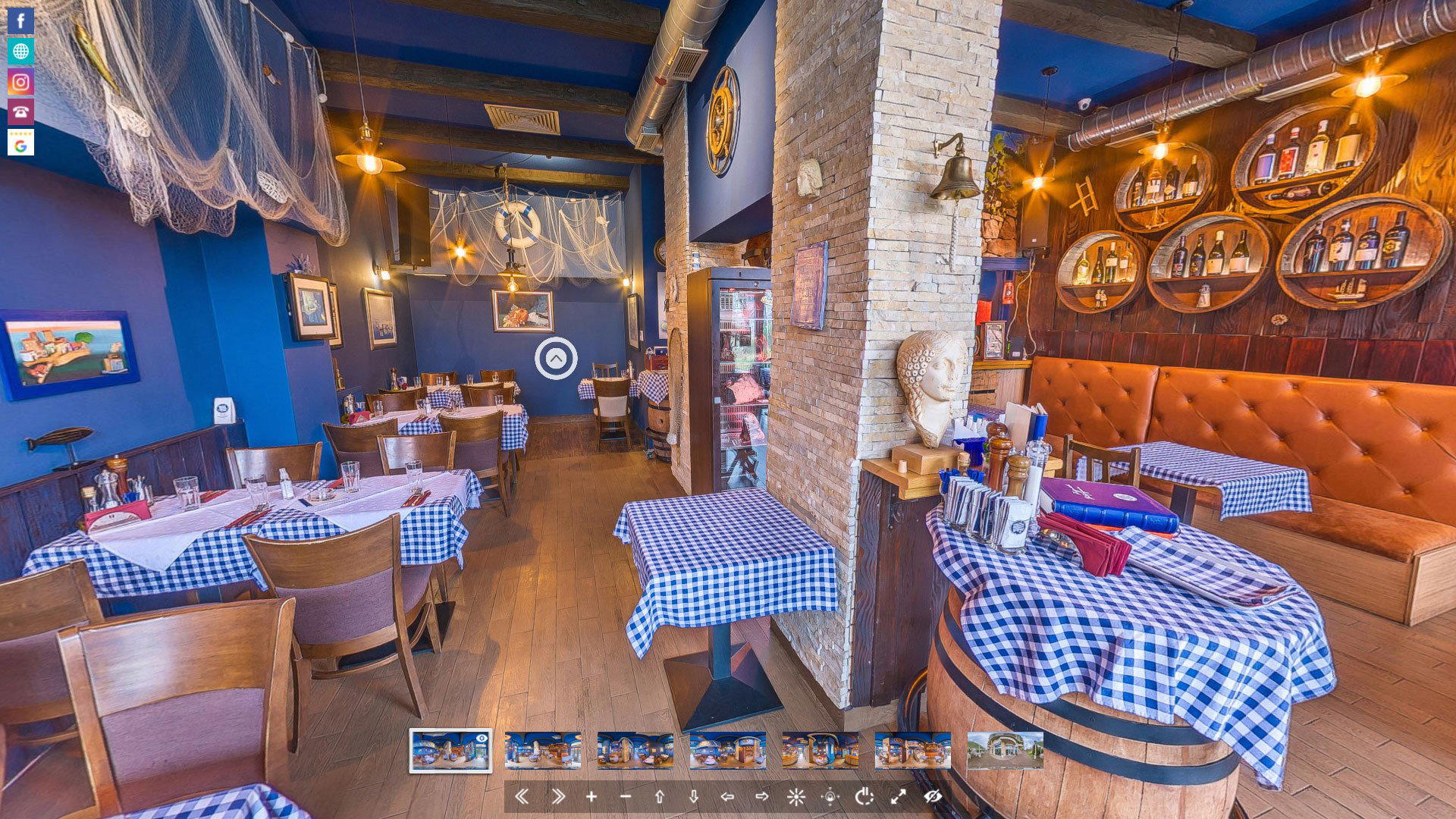
Warmly colored vintage interior adorned with antiques and old photographs creating a museum-like atmosphere; summer garden filled with blooming tangerine, lemon, and orange trees with fountain sounds and natural shade.