A salaš is a traditional Vojvodina farmstead, and Salaš 137 sits on the outskirts of Novi Sad as a working example of that rural form adapted for the table. The address alone, Međunarodni put 137, Čenej, signals a deliberate departure from the city centre, placing the experience within Serbia's flatland agricultural tradition rather than urban hospitality. For those tracing the region's food culture beyond the downtown circuit, it functions as a spatial and culinary argument for the countryside.
Pearl is the En Primeur Club membership app — saves, bookings, and concierge access live there. Same editors, same standards.
- Address
- Međunarodni put 137, Čenej 21233, Serbia
- Phone
- +38162773137
- Website
- salas137.rs
- Directions
- Get directions
 Saves & bookings on Pearl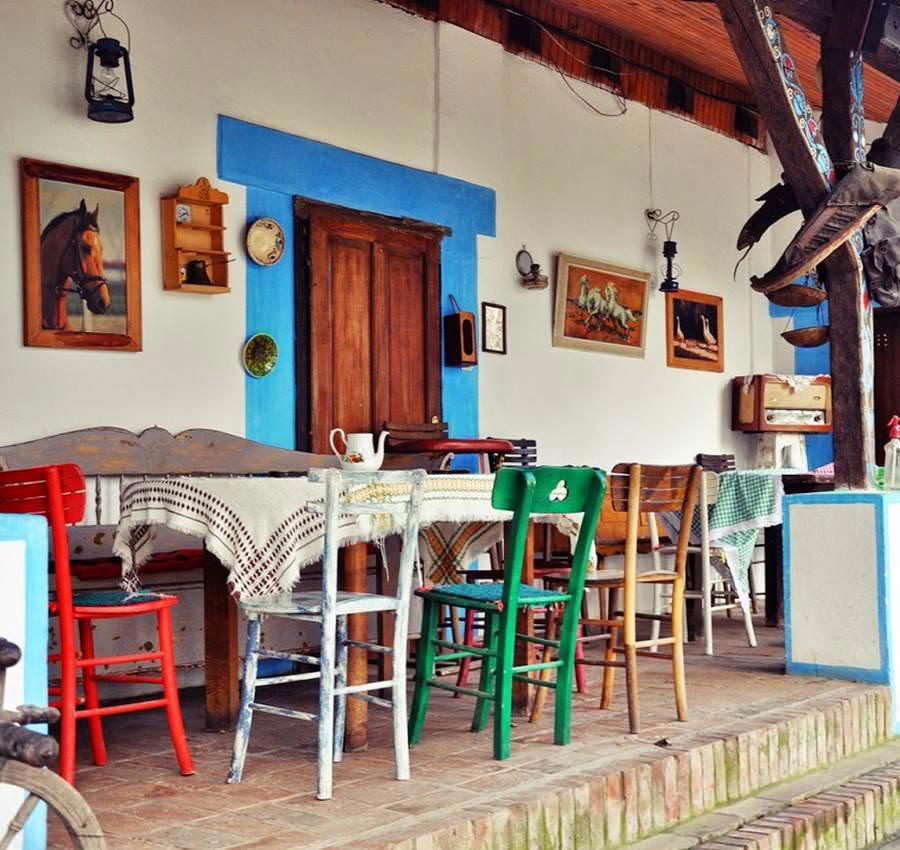
The Salaš Tradition and What It Demands of a Diner
Vojvodina's flatlands have always organised themselves differently from the rest of Serbia. The pannonian plain stretching north and west of Novi Sad produced a particular kind of rural architecture, the salaš, a working farmstead that doubled as a social gathering point, built low and wide against the wind, surrounded by cultivated land rather than neighbours. Dining at a salaš is not the same proposition as dining at a restaurant in Novi Sad's pedestrian zone. The distance from the centre is intentional. The format presupposes that you have committed to the journey, which changes what you expect when you arrive.
Salaš 137 sits on Međunarodni put at the village of Čenej, a few kilometres outside the city proper. That address places it firmly within the category of destination dining that characterises Serbia's rural food tradition: you go deliberately, you do not pass by accidentally, and the meal tends to anchor the afternoon or evening rather than fit into a tighter schedule. Across Serbia, comparable formats, from Lovački dom in Valjevo to Etno Kuća Dinar in Vrsac, operate on similar logic: the physical remove from urban density is part of what defines the experience, not a disadvantage to be overcome.
A Form That Has Evolved Without Abandoning Its Roots
The salaš as a dining format has undergone considerable pressure over the past two decades. In the 1990s and early 2000s, many farmstead restaurants in Vojvodina operated as direct heritage attractions, leaning on folkloric presentation, embroidered tablecloths, folk music at volume, dishes framed as ethnic curiosity rather than genuine regional cooking. That version of the salaš was largely a response to post-Yugoslav tourism expectations, and it aged poorly.
What has replaced it, at the better-regarded addresses in the area, is something more grounded: farmstead hospitality understood as a quality-of-ingredients argument rather than a costume. The shift mirrors what happened to similar rural dining formats across Central and Eastern Europe, where the initial wave of nostalgia-driven ethnographic restaurants gave way to venues making a more honest case for local produce, slower preparation methods, and the architecture of the building itself as context rather than theatrical backdrop. In Vojvodina specifically, that evolution has been shaped by the region's agricultural depth, this is genuinely productive land, and its pork, game, fresh-water fish, and paprika-driven spice traditions are not manufactured for visitors.
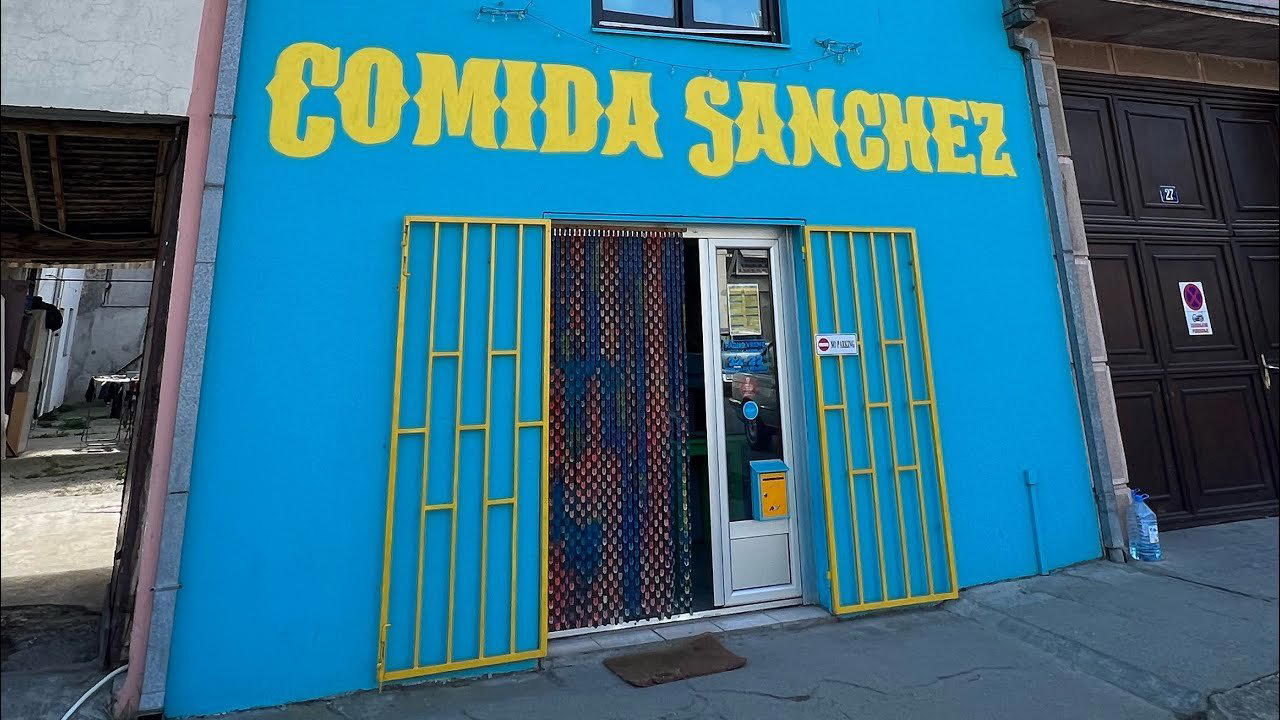
Salaš 137's positioning on this arc is part of what makes it legible within the broader Novi Sad food conversation. The city's dining scene has diversified considerably in recent years, with venues like CUBO and Ananda occupying the contemporary urban end of the spectrum, and operations like FISH&ZELENI;Š anchoring a more ingredient-focused middle tier. The salaš format operates outside those categories entirely, it is not competing with downtown restaurants but with the idea that Vojvodina's food culture is best understood at a remove from the city.
The Physical Experience and What It Signals
Arriving at a salaš in the Vojvodina tradition means arriving at something that looks agricultural from the outside. Low-slung buildings, outdoor space that is functional as much as decorative, the sense that the property has purposes beyond seating guests. That physical character is not incidental, it is the first editorial statement the venue makes about what kind of meal follows. Restaurants that have adopted salaš aesthetics without salaš substance (stone walls, exposed beams, ceramic dishes from the city cash-and-carry) tend to feel hollow in direct comparison. The genuine article carries the weight of actual rural use, and experienced diners in the region can read the difference quickly.
For context within Serbia's wider rural dining circuit, the farmstead format produces some of the country's most consistent food experiences precisely because the supply chain is short. The gap between field or river and plate at a functioning salaš is measurably smaller than at an urban kitchen sourcing through distributors. That same dynamic drives the reputation of places like Čarda Zlatna Kruna in Apatin, where riverine proximity to the Danube shapes the menu in ways that no amount of urban technique can replicate.
Planning a Visit: What to Know Before You Go
Getting to Čenej from central Novi Sad requires a car or taxi, the address at Međunarodni put 137 is not on a standard urban transit route, and arriving by foot from the city is not a practical proposition. Build this into the visit as a deliberate excursion rather than a spontaneous addition to a city day. The salaš format generally rewards longer, unhurried meals, and the surrounding area of Čenej has the flat, open character typical of Vojvodina's agricultural villages, which sets a particular pace before you reach the door.
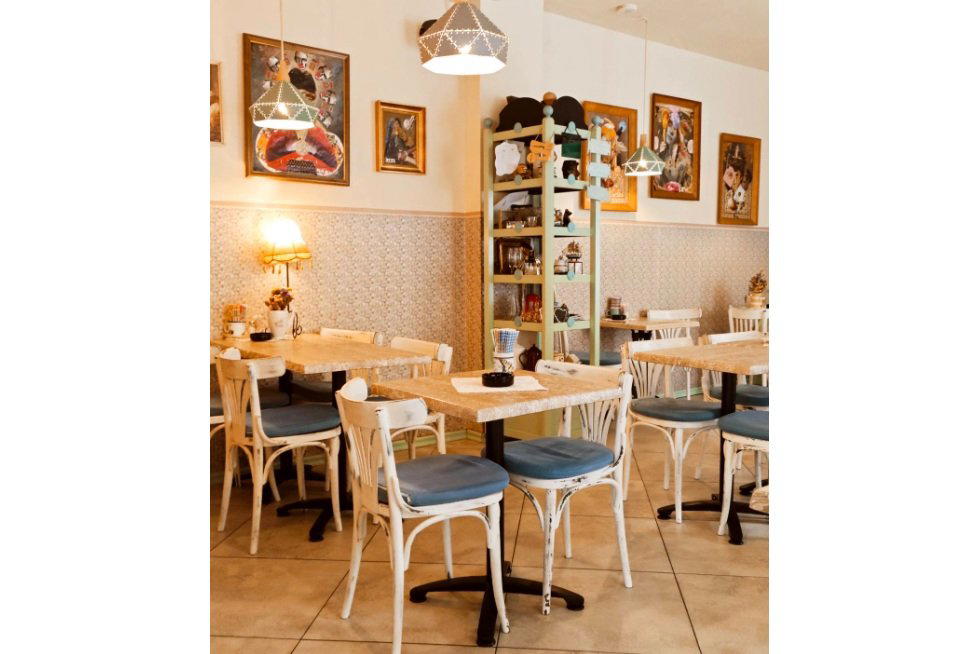
Given the absence of published hours or booking contacts in current records, confirming opening times and reservation availability directly before visiting is advisable, farmstead restaurants in Serbia can have seasonal operating patterns or event-based closures that differ from urban operations. Phone ahead or check for current contact details through local listings. For broader orientation around the Novi Sad dining scene, the EP Club Novi Sad restaurants guide covers the full range from city-centre venues like Comida Sanchez and Caffe Pizzeria Big Blue to the wider regional circuit.
For Serbian rural dining in comparable registers elsewhere in the country, Kod Brana in Cacak, Aleksandar Gold in Uzice, and Kafana Dukat in Pirot each offer regional anchoring points that help frame how Vojvodina's salaš tradition sits within Serbia's broader food geography. At the other end of the formality spectrum, Langouste in Belgrade shows where the country's fine-dining register has moved, a useful counterpoint for understanding what the salaš format deliberately is not trying to do.
- Karađorđe steak
- veal shank
- horseradish leg of lamb
- živa pljeskavica
- rolled veal
- kebabs
- perkelt
Standing Among Peers
Comparable venues nearby, for context on price, style, and recognition.
| Venue | Cuisine | Price | Notes |
|---|---|---|---|
| Salaš 137This venue — the venue you are viewing | Traditional Vojvodina Farmstead Cuisine | $$ | Not listed |
| Pivnica Gusan | Traditional Serbian Beer Pub | $$ | City Center |
| SOKAČE | Traditional Serbian Grill | $$ | City Centre (Pap Pavla Street) |
| Kafe Restoran Maša | International Fusion with House-Made Desserts | $$ | Stari Grad |
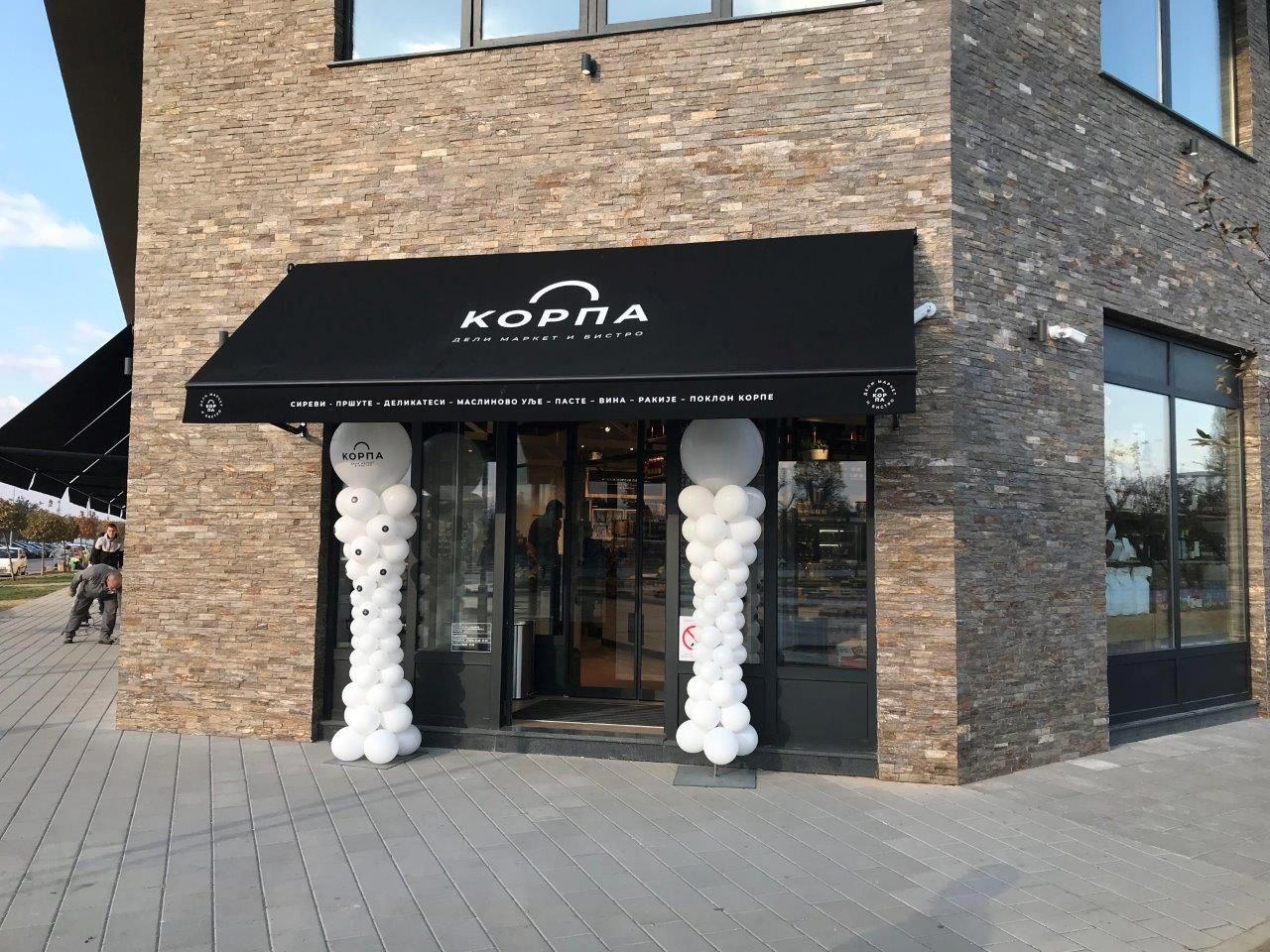
| Korpa Deli Bistro | Modern European Bistro & Steakhouse | $$ | :null |
| SUSHI FRESH | Fresh Japanese Sushi | $$ | Not listed |
At a Glance
- Rustic
- Lively
- Classic
- Scenic
- Group Dining
- Family
- Celebration
- Casual Hangout
- Private Event
- Live Music
- Garden
- Private Dining
- Terrace
- Historic Building
- Beer Program
- Local Sourcing
- Garden
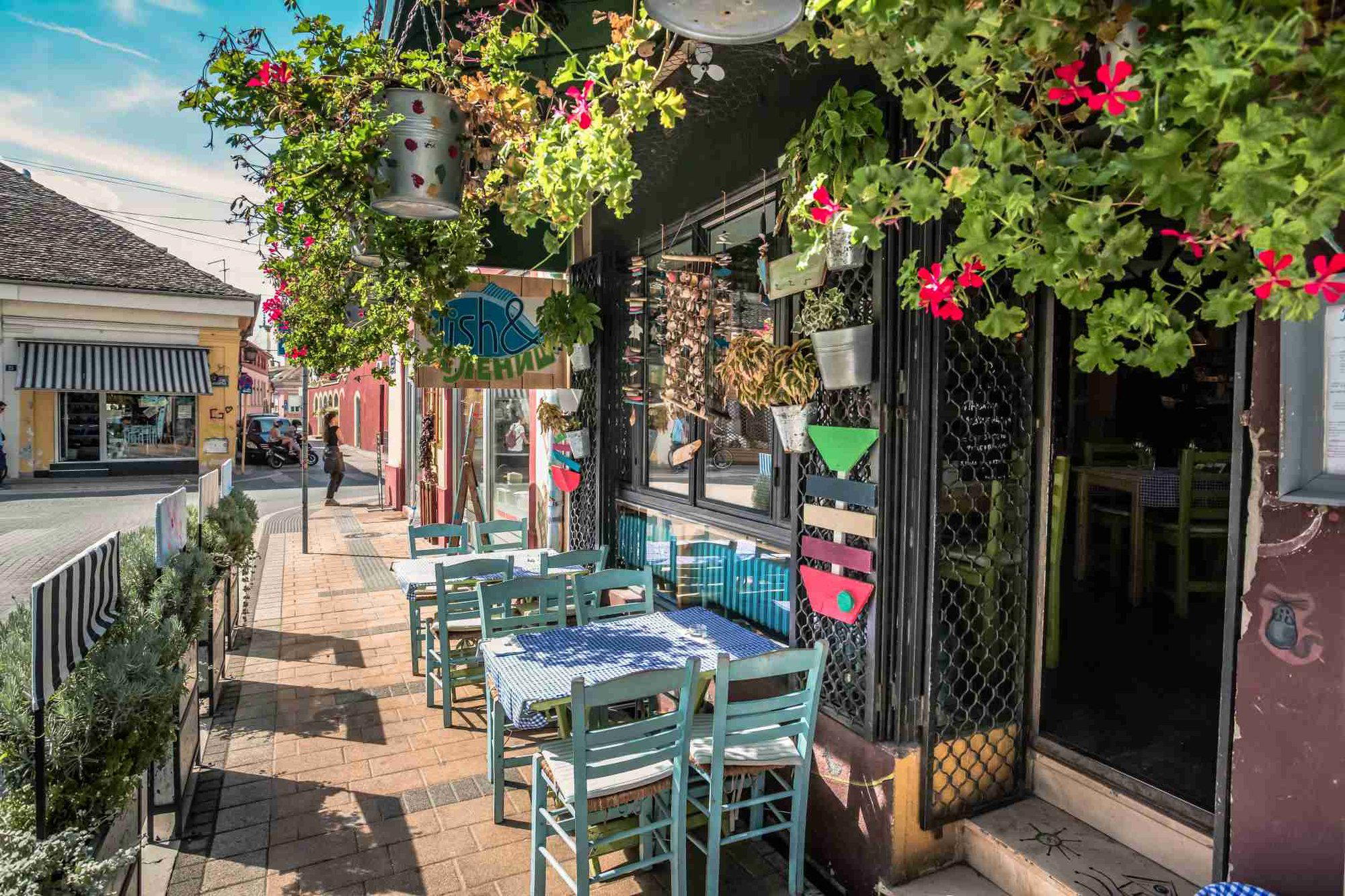
Authentic countryside atmosphere with traditional Serbian decor, live local music from Vojvodina's plains, and a tree-lined estate setting that evokes a regal country experience.