Located along Hsinchu County's Hengshan Township, 穗香粿食 sits within a stretch of Taiwan where rural ingredient culture and local grain traditions run deep. The restaurant draws on the agricultural character of the surrounding area, with a focus on traditional Taiwanese rice and grain preparations that rarely appear on urban menus. For visitors exploring Hengshan's dining scene, it represents a quieter, more grounded side of Taiwanese food culture.
Pearl is the En Primeur Club membership app — saves, bookings, and concierge access live there. Same editors, same standards.
- Address
- 312, Taiwan, Hsinchu County, Hengshan Township, æ²³å ¤å¤§é8è
- Phone
- +886911251643
- Website
- facebook.com
- Directions
- Get directions
 Saves & bookings on Pearl
Where Grain Traditions Hold the Table
穗香粿食 is a restaurant in Hengshan Township, Hsinchu County, serving Modern Taiwanese Kaiseki at about $85 per person.
Hengshan Township sits in the hilly interior of Hsinchu County, a region more commonly associated with Taiwan's semiconductor industry than its food identity. Yet the agricultural character of the surrounding land, with rice paddies, taro fields, and small-scale cultivation running through the valleys, creates the material conditions for a type of cooking that larger cities have largely moved away from. The guǒ (粿) tradition, a broad category of rice-based preparations that includes steamed, pressed, and pan-fried forms made from glutinous or non-glutinous rice flour, is precisely the kind of technique-intensive, ingredient-specific cooking that demands proximity to its raw materials.
The Ingredient Logic Behind Guǒ Culture
Taiwan's guǒ tradition operates differently from the kind of refined grain cooking that attracts international recognition at venues like JL Studio in Taichung or the ingredient-forward European frameworks at logy in Taipei. Where those restaurants apply technical vocabulary to local ingredients, guǒ production is itself the technique, one developed over generations as a practical method of processing rice harvests into forms that could be stored, shared at festivals, and adapted across seasons. The craft is inseparable from the agricultural calendar that supplies it.
Across Taiwan's township-level restaurants and small producers, the sourcing of rice variety matters considerably. Different strains, whether local japonica types or specific glutinous cultivars, produce distinct textures in the finished product. A taro-stuffed guǒ made from properly sourced local ingredients behaves differently in the steamer and on the palate than one made from bulk commodity flour, and practitioners who work at scale close to the source tend to maintain that distinction more reliably than urban operations managing longer supply chains.
This sourcing logic connects 穗香粿食 to a wider pattern visible across Taiwan's more rural restaurant clusters. At Akame in Wutai Township and AKAME in Neipu, the emphasis on indigenous ingredients grown in the immediate region has driven recognition well beyond the township level. The mechanism is similar even where the cuisine differs: proximity to source materials produces a specificity of flavor that is difficult to replicate at distance.
Hengshan in the Hsinchu County Context
Within Hsinchu County, the restaurant scene distributes unevenly. Hsinchu City proper carries most of the formal dining activity, with spots like Dongmen Rice Noodle Soup representing the city's street-food anchor traditions. The county's townships, including Hengshan, Zhudong, and the rural corridors further south, operate at a different register, one where small-format, locally oriented operations serve primarily residential and agricultural communities rather than destination diners.
That distinction matters for how you approach a visit. Hengshan is not a dining district in the sense that Taipei's Da'an or Tainan's Anping are. It is a township where food culture exists as part of daily community life rather than as a curated experience. Restaurants like 穗香粿食 fit that character: they are not constructed for the visiting food traveler, which is precisely what makes them worth seeking out compared to operations that have been shaped by outside attention. For context on how this compares to other county-level operations in northern Taiwan, Bebu in Hsinchu County and Chi Yuan in New Taipei represent different approaches to rural and peri-urban Taiwanese cooking across the same general region.
The contrast with Taiwan's higher-profile dining tier is instructive rather than competitive. Restaurants at the $$$$ price range, including GEN in Kaohsiung and Amei in Tainan, work with Taiwanese ingredients inside refined tasting formats. What township-level operations like 穗香粿食 preserve is the unmediated form of those same ingredients, before they are refined into a tasting menu context. Both registers are worth understanding; they illuminate different aspects of the same food culture.
Planning a Visit
The address on record places 穗香粿食 at 8 Hegu Road, Hengshan Township, Hsinchu County 312. The restaurant requires reservations, and its dress code is smart casual. Rural township restaurants in this region often operate on schedules tied to local demand rather than fixed posted hours, and confirming availability before making the trip from any significant distance is worth the preparation.
For travelers building a wider itinerary around northern Taiwan's food culture, pairing Hengshan with a visit to Shen Yen in Yilan or the coastal seafood options at the Gongliao District restaurant creates a circuit through different expressions of ingredient-focused regional cooking. The broader regional picture also connects to operations further afield, including Volando Urai Spring Spa and Resort in Wulai District, which represents a different model of rural hospitality in the greater Taipei mountain corridor.
For a different calibration of what Taiwan's grain and rice-based food culture looks like at the urban end of the spectrum, the contrast with technically demanding international kitchens, such as Le Bernardin in New York City or Lazy Bear in San Francisco, is useful precisely because it clarifies what township-level cooking is not trying to be. The competitive set for 穗香粿食 is the community of small producers and local restaurants keeping specific grain traditions in daily circulation.
Comparable Spots, Quickly
Comparable venues nearby, for context on price, style, and recognition.
| Venue | Cuisine | Price | Awards | Notes |
|---|---|---|---|---|
| 晌午粄食This venue — the venue you are viewing | Modern Taiwanese Kaiseki | $$$ | Not listed | Not listed |
| Noon Turnip Cake | Traditional Taiwanese Steamed Rice Cake | $ | Bib Gourmand | Hengshan Township |
| 粵菜廳 Canton Court | 港式粵菜 | $$$ | Not listed | 中山區 |
| 養心殿精緻鍋物 | Refined Taiwanese Hot Pot | $$$ | Not listed | Da'an District |
| Shengred Hotpot | Shantou Seafood Hotpot | $$$ | Not listed | Minfu |
| Siliq (思鸝) | Seasonal Taiwanese | $$$ | Not listed | Wulai |





At a Glance
- Elegant
- Intimate
- Sophisticated
- Date Night
- Special Occasion
- Chefs Counter
- Open Kitchen
- Sake Program
- Local Sourcing
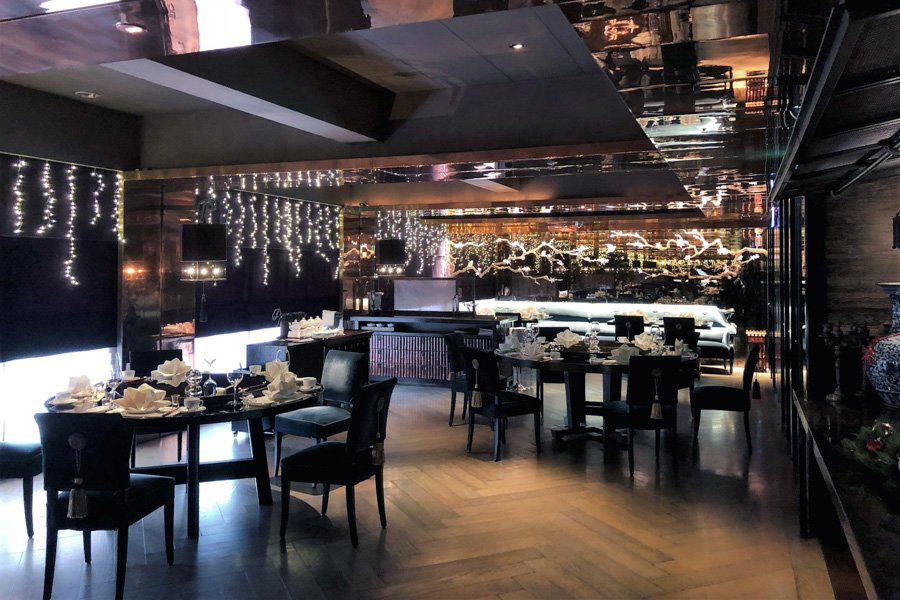
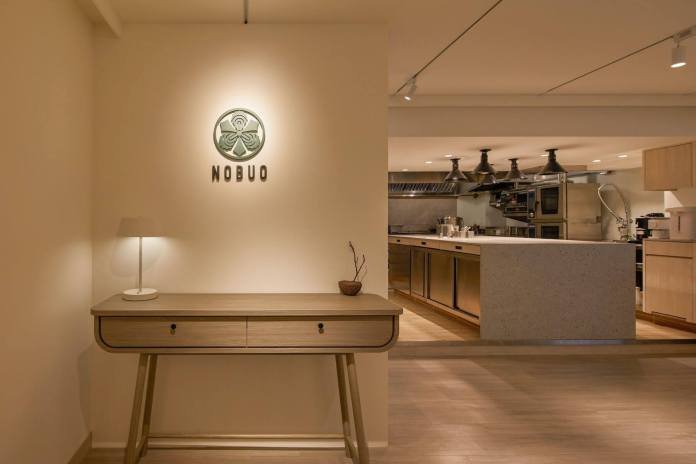
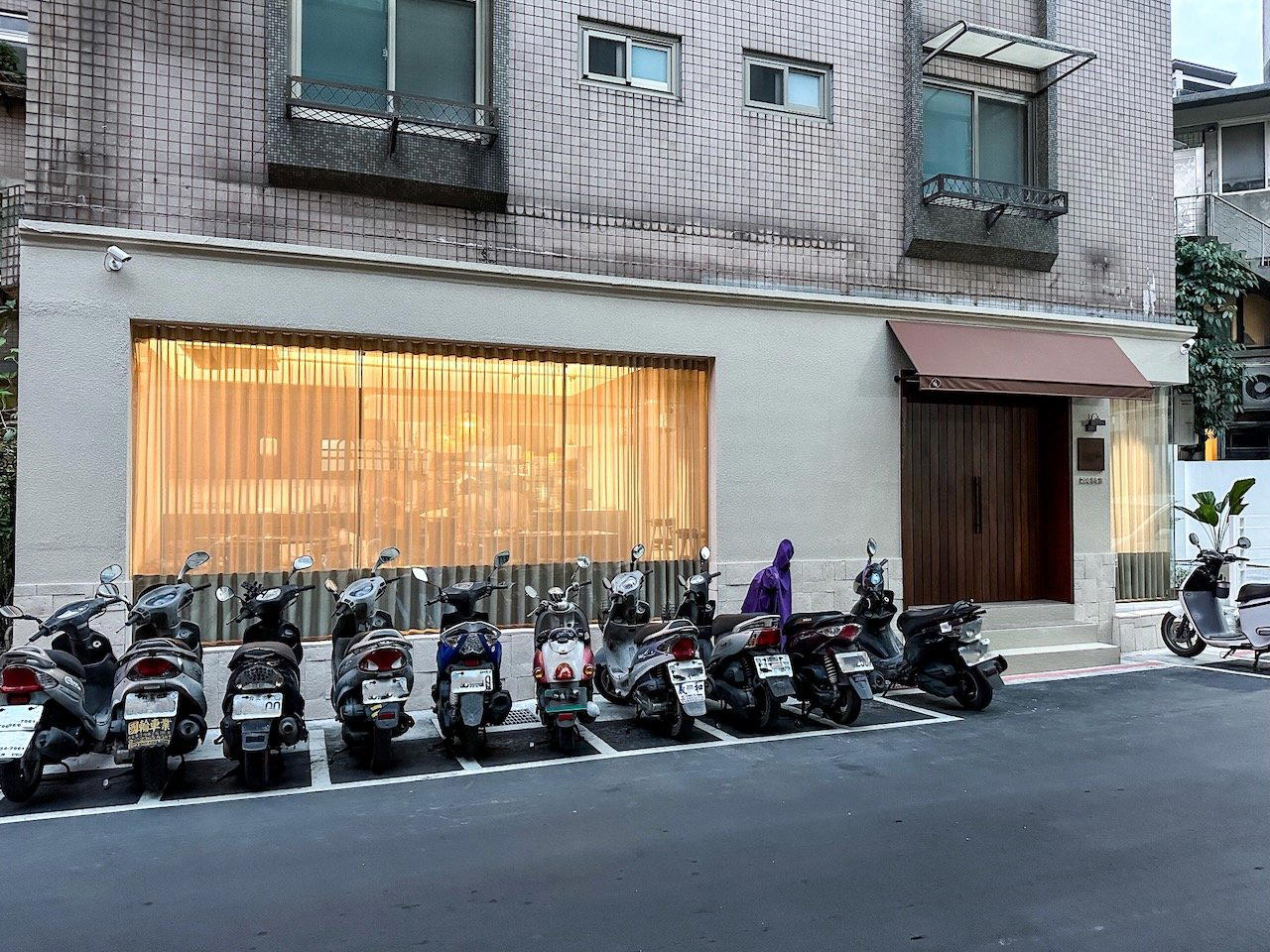
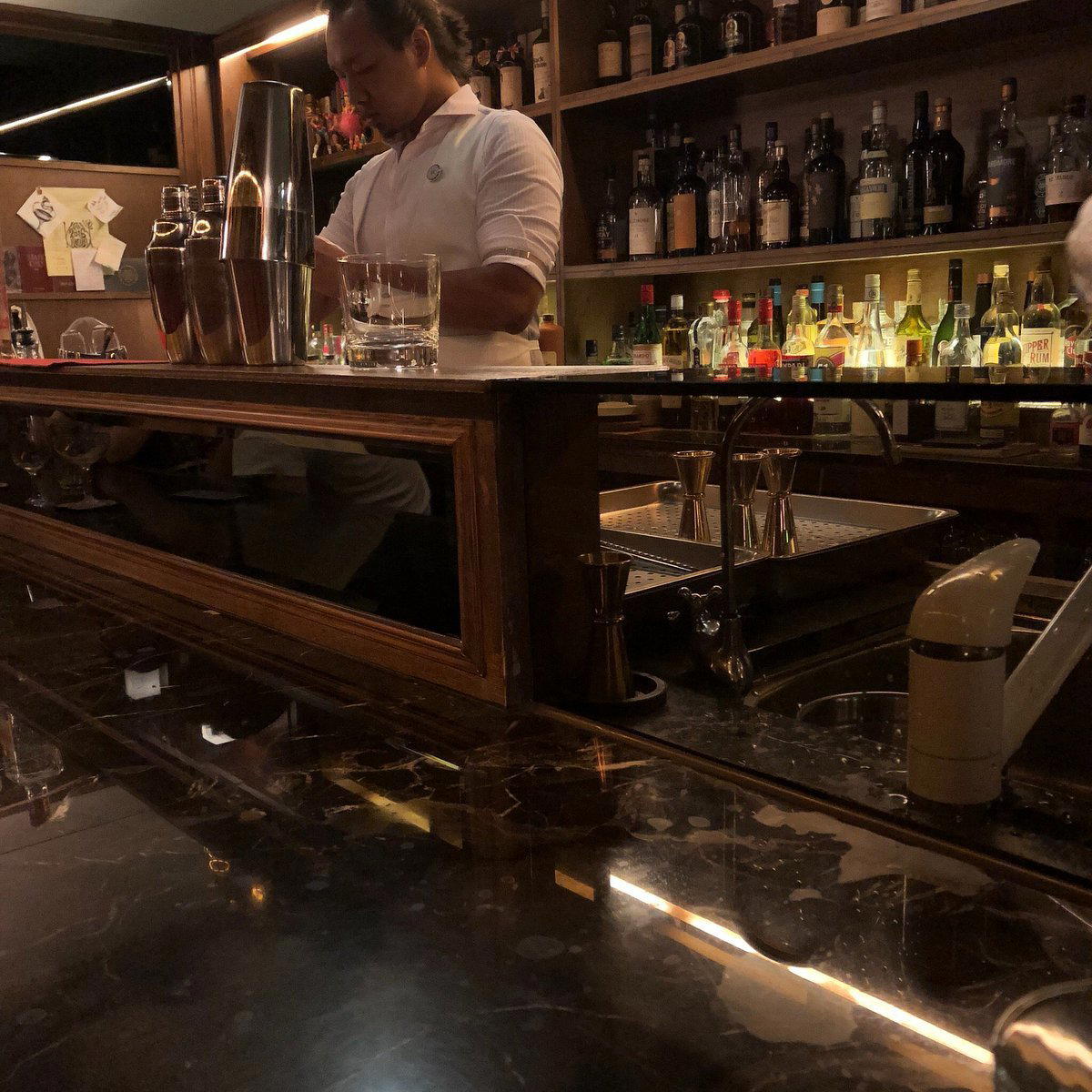
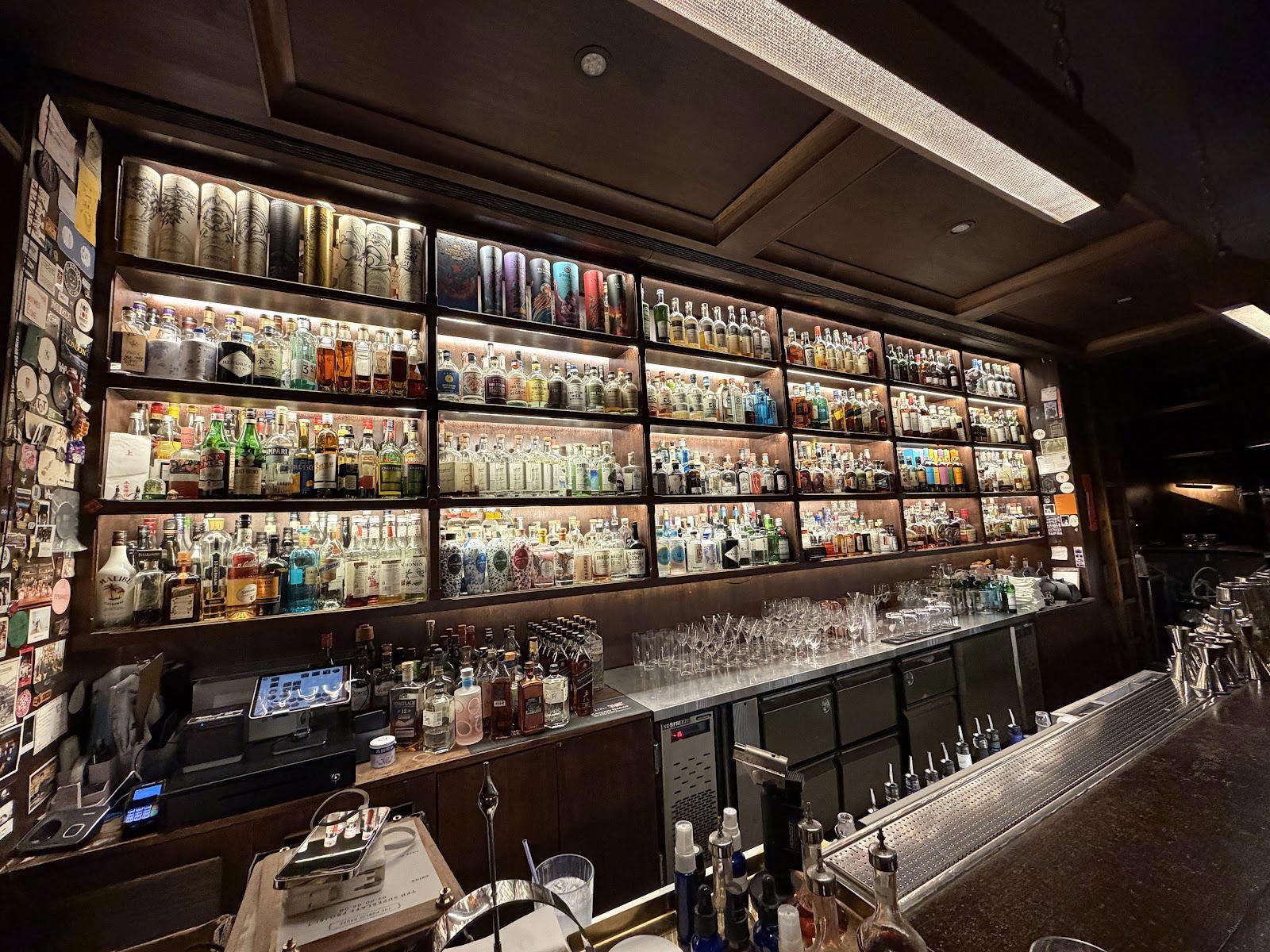
Dimly lit with minimalist decor, warm ambient lighting, and serene atmosphere focused on the open kitchen.