川阜 和牛燒肉
Curated cuts grilled at the table with wasabi
 Discover on Pearl
Pearl is the En Primeur Club membership app — saves, bookings, and concierge access live there. Same editors, same standards.
- Address
- 302, Taiwan, Hsinchu County, Zhubei City, å æä¸è·¯80è
- Phone
- +88635588057
- Website
- inline.app
Zhubei's Vegetarian Dining Scene and Where Xiǎo Shān Sù Shí Guǎn Fits
Taiwan's vegetarian food culture runs deeper than most visitors expect. Rooted in Buddhist practice and Taoist dietary custom, plant-based eating here is not a contemporary wellness trend imported from the West but a culinary tradition that predates the modern restaurant industry by centuries. Across the island, from temple-adjacent canteens in Tainan to refined plant-forward counters in Taipei, the range of what Taiwanese vegetarian cooking encompasses is considerable. Zhubei, Hsinchu County's fast-growing urban centre, sits within this tradition and has developed its own cluster of neighbourhood restaurants serving both the city's longtime residents and the influx of technology-sector workers who have reshaped the area's demographics over the past decade. 川阜 和牛燒肉 is a Japanese Yakiniku (Wagyu BBQ) restaurant in Zhubei City with a Google rating of 4.7 and 1,957 reviews, at 80 Guangming 3rd Road in the 302 postal district of Zhubei City.
The Cultural Weight Behind the Sù Shí Tradition
The term sù shí (素食) in Taiwanese culinary usage covers a broad spectrum. At one end sit strictly Buddhist preparations that exclude not just meat and fish but also pungent alliums, garlic, onion, leeks, shallots, and chives, considered stimulants in Buddhist dietary codes. At the other end sits a more relaxed interpretation that simply means plant-based cooking without the aromatic restrictions. The distinction matters when you are choosing where to eat, because the cooking logic, flavour profile, and ingredient approach differ substantially between the two categories. Restaurants that follow the stricter Buddhist format develop a distinct vocabulary of flavour built around fermented soy products, aged vinegars, mushroom stocks, and sesame preparations to compensate for the absence of alliums. Those working in the broader vegetarian tradition have more freedom with aromatics and often produce food that is harder to distinguish from conventional Taiwanese cooking at first glance.
Taiwan's vegetarian infrastructure is also unusually developed compared to most comparable East Asian food cultures. Dedicated vegetarian restaurants, cafeterias, and buffet formats operate in most Taiwanese cities at a density that reflects genuine embedded demand rather than niche positioning. This matters for how you read the local dining options in a city like Zhubei, where vegetarian dining is part of the everyday food fabric rather than a specialist outlier.
The Guangming Road Dining Corridor
Guangming Road is one of Zhubei's primary commercial corridors, carrying a dense mix of food and beverage operators that serve both the residential population and the professional workforce of the Hsinchu Science Park cluster nearby. The dining character of the area reflects that dual audience: practical, quick-service formats alongside sit-down restaurants that offer more considered meals. Several other dining options operate in proximity to 小山素食館, including Leading One Pot Zhubei Guangming Branch, Wang Steak Zhubei Guangming Branch, and Yen Chiang hotpot, which suggests the corridor functions as a destination dining strip rather than a single-occasion stopover. For visitors working through the city's broader food options, Volcanic rock and 庭苑 ShabuShabu 摘心農場 represent other formats operating in the same neighbourhood tier.
How Zhubei Fits Into Taiwan's Wider Dining Story
Zhubei does not attract the same editorial attention as Taipei, Tainan, or Taichung, all of which have developed international profiles as dining destinations in the past decade. Taipei's logy represents one end of that spectrum, a fine-dining counter operating at international reference level. Taichung's JL Studio has brought Southeast Asian-Taiwanese fusion into serious critical conversation. In the south, GEN in Kaohsiung and A Xia in Tainan anchor their respective cities' upper dining tiers. Zhubei operates at a different register: it is a working city with a strong local dining culture that serves its residents rather than destination visitors, and its restaurants should be read through that lens. For those already in Hsinchu County for business or to visit the Science Park, the local restaurant scene, including vegetarian options, offers more depth than the city's low international profile would suggest. Nearby, 廠壁館香飯 in Hsinchu City provides another regional data point for the kind of everyday Taiwanese dining that underpins the county's food culture.
What to Know Before You Go
The address, 80 Guangming 3rd Road, Zhubei City, Hsinchu County 302, is confirmed. For current opening hours and any reservation requirements, direct on-site verification or a search via local mapping tools is the most reliable approach before visiting. For comparison points elsewhere in Taiwan's broader restaurant geography, 東方龍大方棒仔米粉 in Taichung City, 鹽酥肉燥魯蛋飯 in Sanchong District, GARDENh in Yonghe District, Chenggong Douhua in Chenggong, and 麵線粉麵 in Hengshan all represent the kind of embedded local dining culture that Taiwanese food writing has historically underserved relative to its significance.
Budget Reality Check
Comparable venues nearby, for context on price, style, and recognition.
| Venue | Cuisine | Price | Awards | Notes |
|---|---|---|---|---|
| 川阜 和牛燒肉This venue — the venue you are viewing | $$$ | , | ||
| 鮨安 | Zhubei City, Taiwanese | , | , | |
| SABI | $$$ | Michelin Plate | Zhubei City, Modern Japanese Creative Cuisine | |
| Sushi An | Zhubei City, Traditional Omakase Sushi | $$$$ | Michelin Plate | |
| Yen Chiang hotpot | Zhubei City, Taiwanese Hotpot | $$ | , | |
| HOYA | Zhubei City, Modern Asian Grill | $$$ | Michelin Plate |
Continue exploring
More in Zhubei City
Restaurants in Zhubei City
Browse all →

Bars in Zhubei City
Browse all →

At a Glance
- Cozy
- Intimate
- Elegant
- Group Dining
- Date Night
- Celebration
- Open Kitchen
- Sake Program
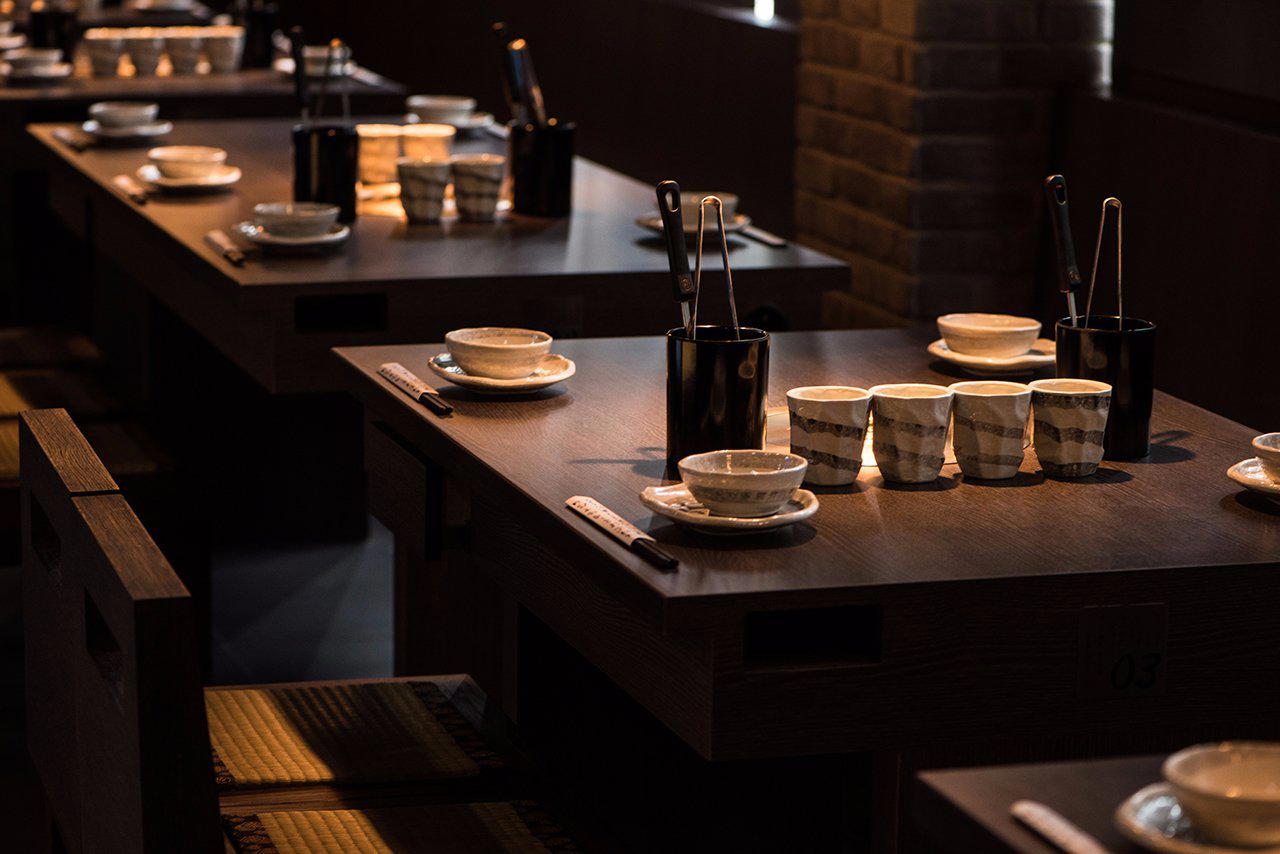
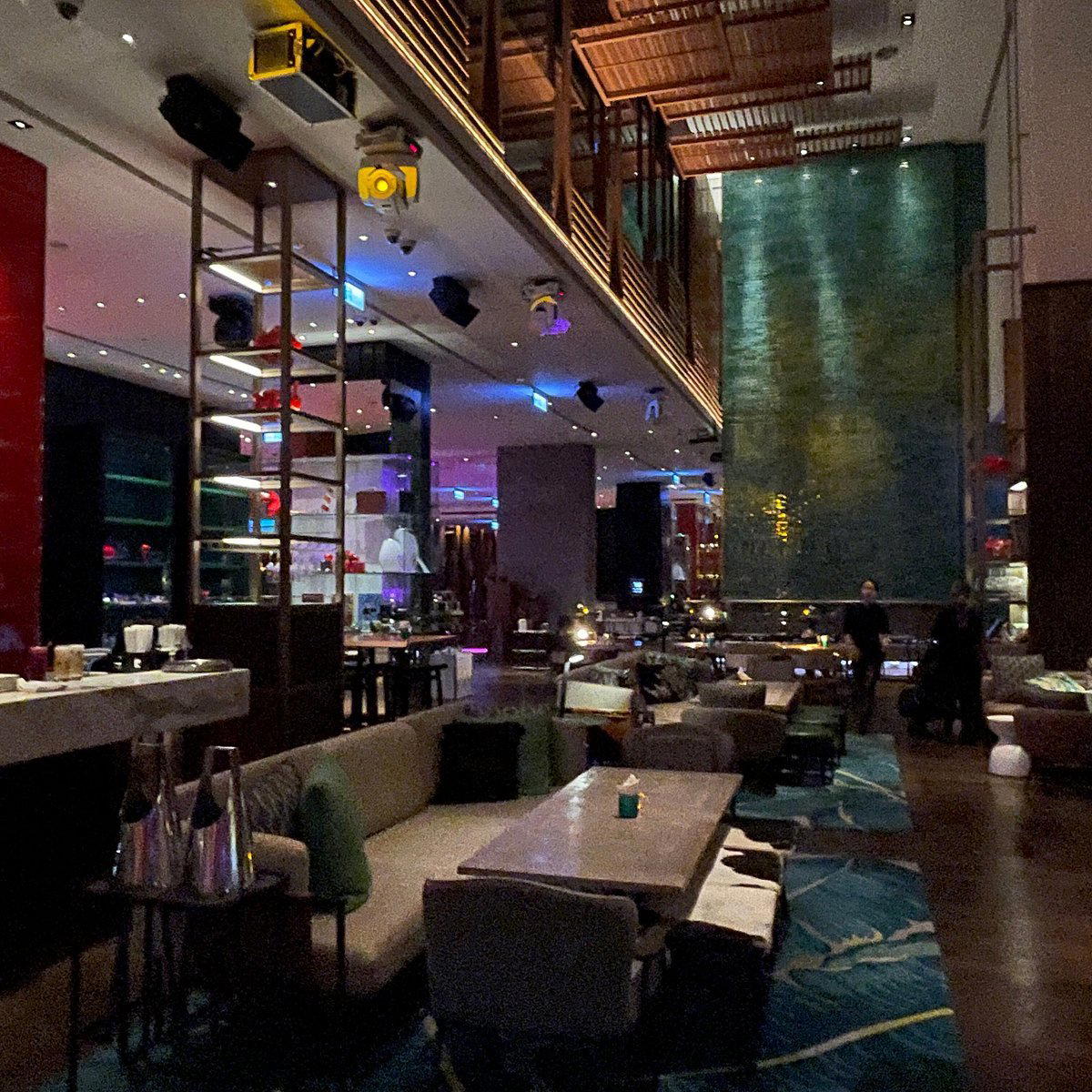
Warm and inviting with dim lighting, sleek modern decor, and the sizzle of high-quality meats on personal grills creating a lively yet intimate atmosphere.