
A Michelin Plate recipient in Taichung's Nantun District, Orient Dragon sits in the mid-tier bracket of Taiwanese dining where everyday technique meets consistent recognition. It draws a broad local following. For visitors comparing Taiwanese options across price points, it represents the accessible, well-regarded end of the city's recognised dining scene.
Pearl is the En Primeur Club membership app — saves, bookings, and concierge access live there. Same editors, same standards.
- Address
- No. 271-1號, Section 2, Gongyi Rd, Nantun District, Taichung City, Taiwan 408
- Phone
- +886 4 2252 3366
- Website
- linktr.ee
- Directions
- Get directions
 Saves & bookings on Pearl
Nantun's Everyday Standard
Taichung's restaurant scene divides more sharply by function than by cuisine. At one end sit destination counters and contemporary tasting menus, places like YUENJI that price at the $$$$ tier and operate on reservation discipline. At the other end sits a category that Taiwanese cities do better than almost anywhere: the neighbourhood restaurant that earns real recognition not through scarcity or spectacle, but through consistency delivered at volume, day after day, to the same returning crowd. Orient Dragon, on Section 2 of Gongyi Road in Nantun District, belongs to that second category. It holds a 2024 Michelin Plate,764 individual reviews. That combination is not incidental. It describes a room that works reliably for the people who use it regularly.
The Atmosphere of a Working Taiwanese Kitchen
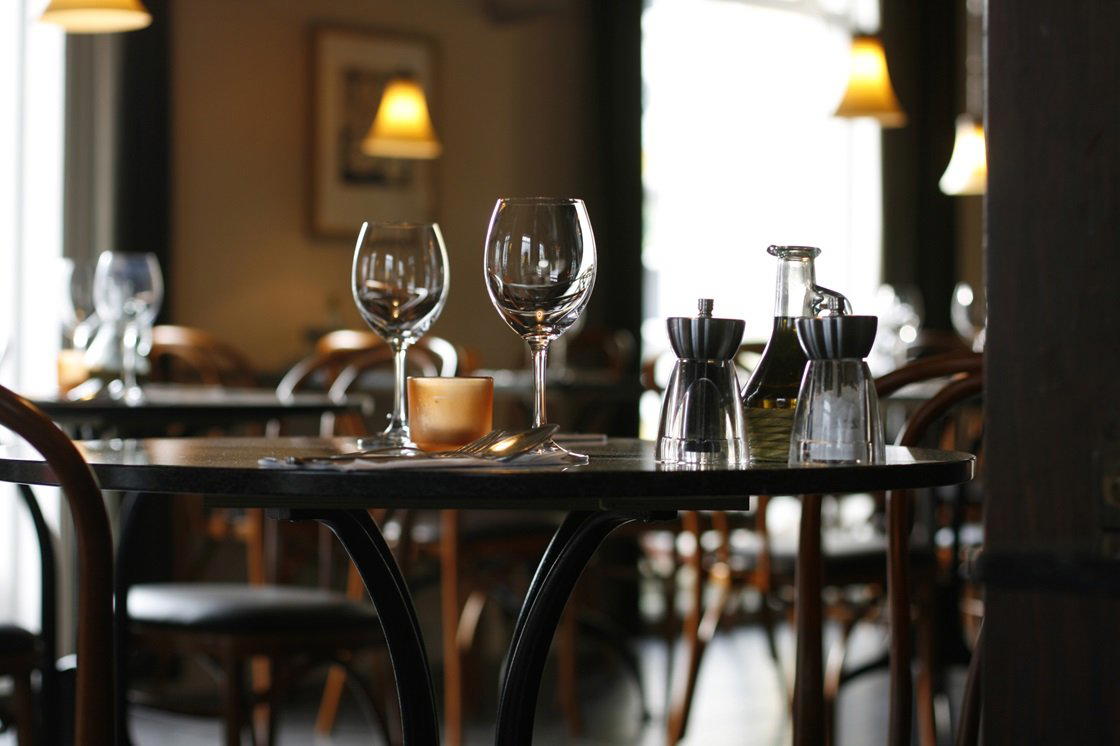
The sensory experience of a mid-tier Taiwanese restaurant like Orient Dragon is specific and worth understanding before you arrive. These are not quiet rooms. The sound environment tends toward the communal: tables close together, the percussion of wok work audible from the kitchen, conversation at volume. The light is usually direct and functional rather than atmospheric. In Taiwanese dining culture, this is not a failure of design but an expression of intent. The room communicates that the priority is the food and the gathering, not the staging of either.
Gongyi Road in Nantun is a commercial corridor rather than a heritage street, which positions Orient Dragon in the everyday urban fabric of the district rather than in any self-conscious dining quarter. The address, No. 271-1, Section 2, places it in the southern stretch of the city, away from the denser concentration of higher-end venues closer to the city centre. For visitors staying in central Taichung, this is a short taxi or ride-share journey, not a significant undertaking. For locals in Nantun, it is simply the neighbourhood option that has proven itself over time.
Taiwanese Cuisine at the Mid-Tier: What the Price Point Signals
The $$ price range at a Michelin Plate recipient in Taiwan describes a specific tier. It means approachable pricing, comparable to what you would pay at a casual neighbourhood table across most of Southeast Asia, without any sacrifice of technique or ingredient quality at the kitchen's core. Taiwan's food culture has long resisted the assumption that quality requires premium pricing. The island's celebrated beef noodle shops, scallion pancake stalls, and braised pork rice counters demonstrate that at the lower end; the Michelin Plate category demonstrates it in the sit-down restaurant context. For a comparable reference point in Tainan, A Cun Beef Soup (Baoan Road) occupies a similar register: accessible pricing, serious local following, and a kitchen that has earned external validation without moving upmarket.
Compared to Taichung peers like Chef Ah-Hsi's Old Time Restaurant or Chien Wei Seafood, the restaurant sits in the same accessible bracket. The contrast with $$$-tier options such as Sur- or $$$$/tasting-menu formats underlines that restaurant is not positioning itself as a special-occasion destination but as a reliable, recognised option for regular Taiwanese dining.
The Michelin Plate in Context
Taiwan's Michelin Guide has expanded its Taichung coverage incrementally since the city was first included. The Plate designation, introduced to acknowledge quality cooking that falls outside the starred tier, has become a meaningful filter in a city where the sheer volume of competent restaurants makes curation genuinely useful. Holding a Plate in 2024 indicates that the kitchen met the Guide's quality threshold in one recent inspection cycle. It is not a lifetime achievement signal; it requires re-earning. For diners cross-referencing Taichung options, the 2024 Plate at the restaurant functions as external confirmation of what the review volume already suggests: this is a kitchen cooking at a consistent standard.
For context on how the starred end of the Taiwanese dining spectrum operates, logy in Taipei and GEN in Kaohsiung represent the formal tasting-menu tier. The restaurant is not competing in that space, and understanding that distinction helps set appropriate expectations for the experience on offer.
The Review Signal: 4,100 Voices
,112 reviews is a different kind of evidence than a single inspector's visit. It is aggregate local testimony, weighted heavily toward the people who eat here not as an event but as a habit. Taiwanese diners are not generous reviewers by default; the city has too many options and too informed a food culture for mediocre kitchens to sustain that kind of average at scale. A score at that level, across that volume, points to a kitchen that handles repetition well, that produces the same result on a Tuesday lunch as on a Saturday dinner. That is a specific skill, and in mid-tier Taiwanese cooking it is the skill that matters most.
For visitors building a Taichung itinerary across multiple meal types, the restaurant fits naturally into a broader programme. Chin Chih Yuan (Central) and Feng Chi Goose represent other recognisable points in the city's mid-tier Taiwanese category. Across Taiwan more broadly, the tradition of Taiwanese cuisine at this register also surfaces in Taipei through venues like Fujin Tree Taiwanese Cuisine & Champagne (Songshan), Golden Formosa, and Mipon, all of which sit in the same culinary tradition even where the format and price point diverge.
Planning Your Visit
The restaurant is located at No. 271-1, Section 2, Gongyi Road, Nantun District, Taichung. Check current hours and reservation availability directly before visiting. Arriving without a booking during peak lunch or dinner service carries some risk at busy periods. The $$ price positioning means a full meal remains accessible for most travel budgets, with no expectation of formal dress or occasion framing.
For those extending through the island, Akame in Wutai Township and Volando Urai Spring Spa & Resort in Wulai District represent the kind of destination-specific dining that rewards planning well in advance.
- Chicken Soup with Japanese Yam
- Chicken with Mushroom and Gourd
- Warm Seafood Salad
- Iberico Pork Rib with Chili Peppers
- Traditional Sesame Oiled Chicken Glutinous Rice
- Squid and Escargot with Green Onions
A Tight Comparison
Comparable venues nearby, for context on price, style, and recognition.
| Venue | Cuisine | Price | Notes |
|---|---|---|---|
| Orient DragonThis venue — the venue you are viewing | Taiwanese | $$ | Not listed |
| Moment in Beijing | Shengping, Northern Chinese Classics | $$ | Not listed |
| Shoal Cuisine | Not listed | $$ | Mingxin, Taiwanese Farm-to-Table Home-Style |
| Shan Shin (West) | Shengping, Creative Taiwanese | $$$ | Not listed |
| Chien Wei Seafood | Wenxin, Taiwanese Seafood | $$ | Not listed |
| Shin Yuan (West) | Houlong, Modern Healthy Taiwanese | $$ | Not listed |
Recognition history
Dated appearances from independent guides and award organizations, with the underlying list record or original source where available.
Michelin Plate
Michelin
Michelin Plate
Michelin
At a Glance
- Elegant
- Classic
- Sophisticated
- Group Dining
- Celebration
- Business Dinner
- Family
- Private Dining
Current opening hours
- Monday
- 11:30 AM–2:30 PM, 5:30–9:30 PM
- Tuesday
- 11:30 AM–2:30 PM, 5:30–9:30 PM
- Wednesday
- 11:30 AM–2:30 PM, 5:30–9:30 PM
- Thursday
- 11:30 AM–2:30 PM, 5:30–9:30 PM
- Friday
- 11:30 AM–2:30 PM, 5:30–9:30 PM
- Saturday
- 11:30 AM–2:30 PM, 5:30–9:30 PM
- Sunday
- 11:30 AM–2:30 PM, 5:30–9:30 PM
Hours can change for holidays and private events. Last verified .
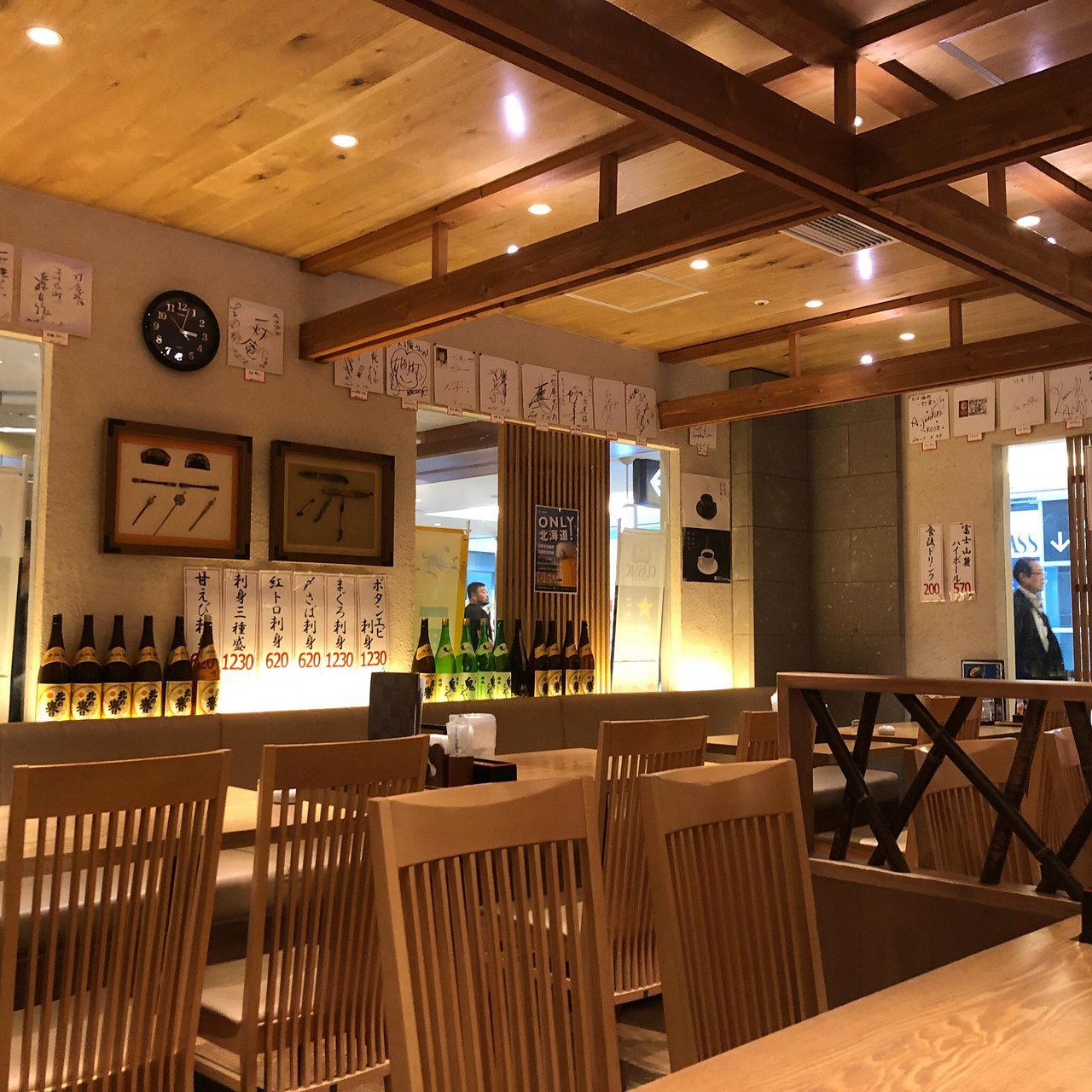
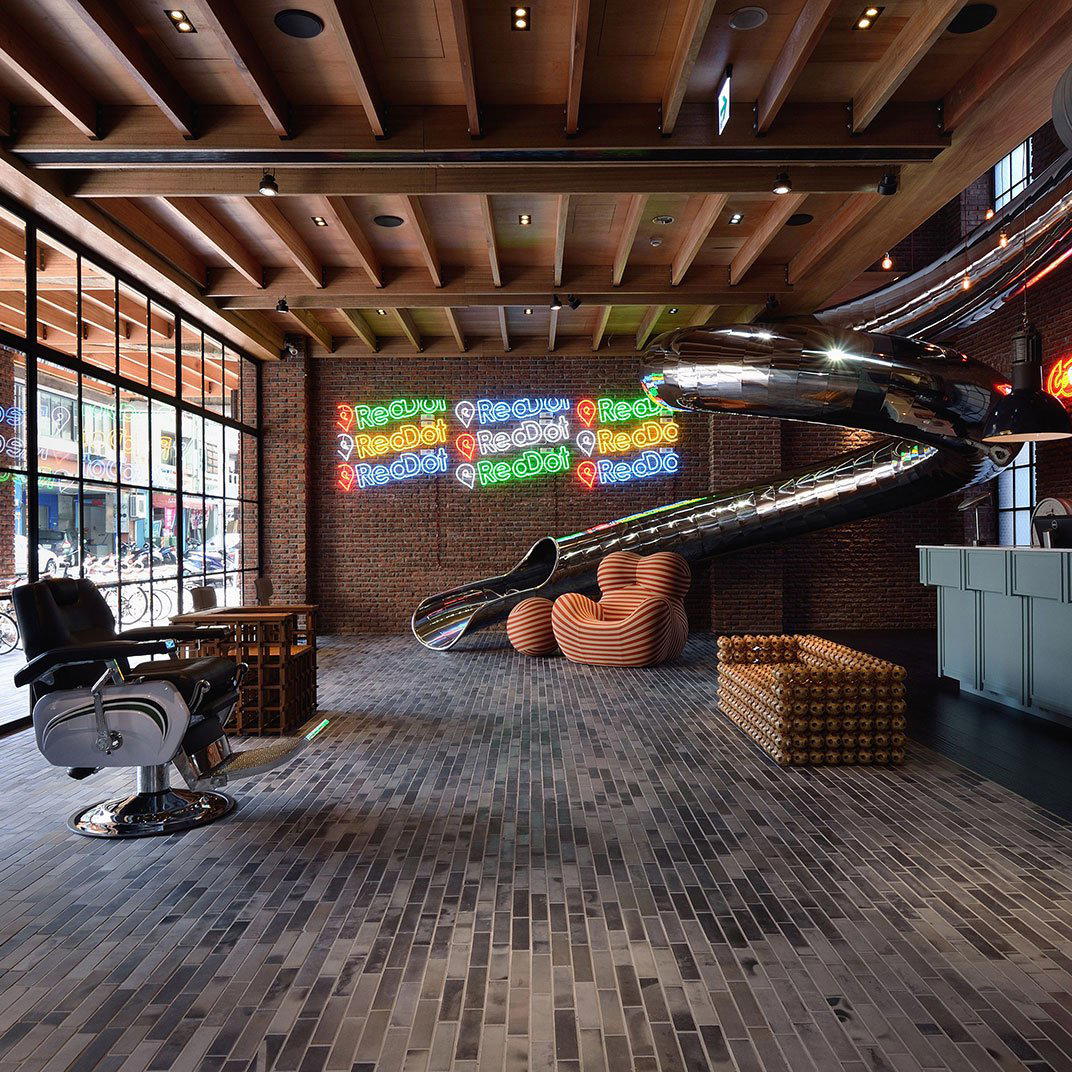
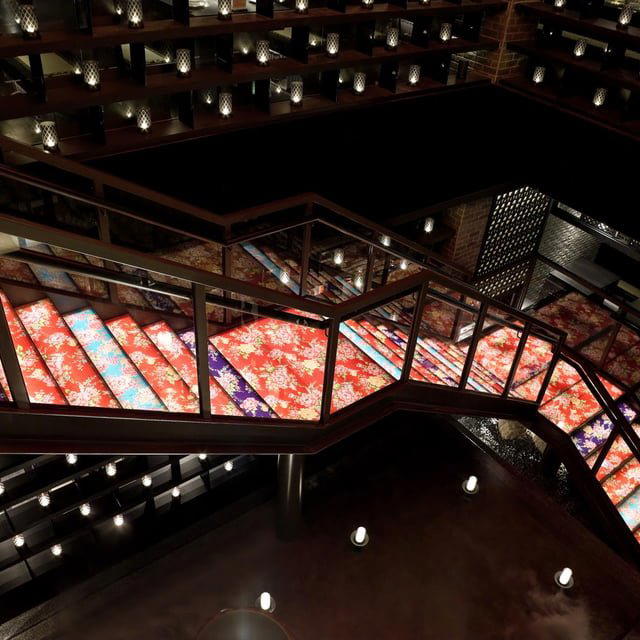
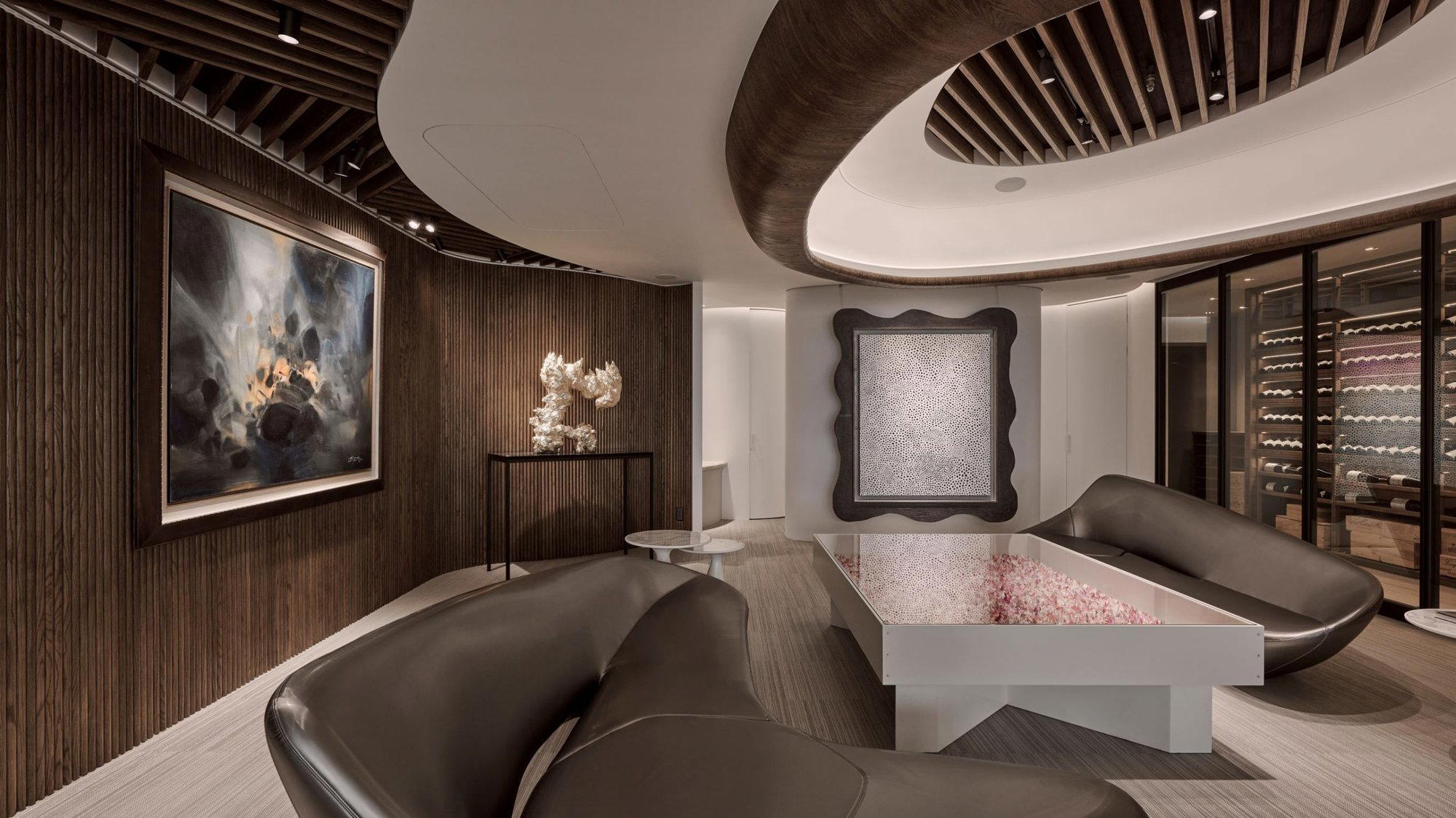
East-meets-west interior with modern and nostalgic notes, decorated liberally with bird cages, creating an elegant atmosphere suitable for both intimate and large group dining.