Vind Brasserie
Our verdict
Vind Brasserie sits at Misværveien 22 in Henningsvær, the compact fishing village on the Lofoten archipelago where the line between land and sea dissolves entirely. The brasserie format here operates in a context where Arctic waters deliver ingredients almost directly to the kitchen door, placing sourcing at the centre of what the cooking means. For visitors making the journey along the E10 through Lofoten, it anchors the village's small but serious dining scene.

Pearl is the En Primeur Club membership app, where members save venues, book tables and use the concierge.
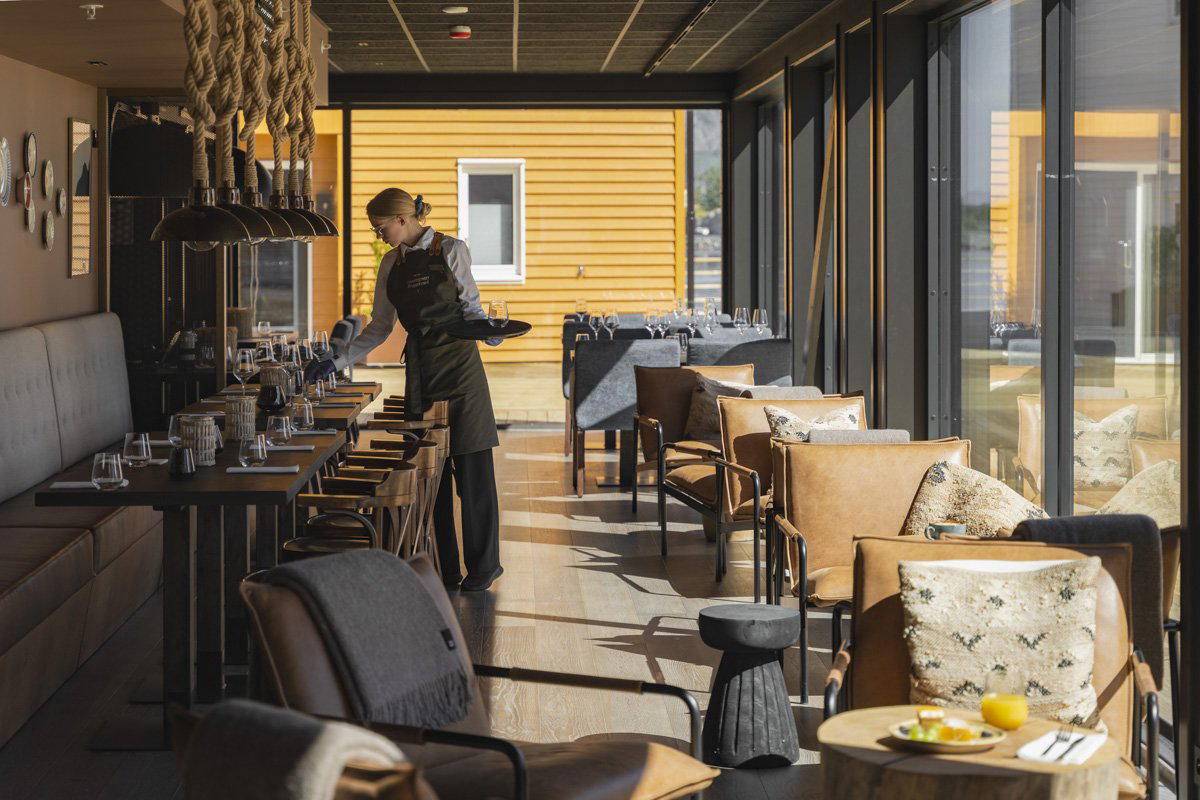
Where the Archipelago Feeds the Kitchen
Henningsvær is not a place you pass through. The village occupies a cluster of small islands at the southern tip of Austvågøya, connected by a sequence of low bridges that run across open water, and the only reason to be there is because you drove, or sailed, specifically toward it. That physical remoteness shapes everything about how restaurants in the village operate, supply chains are short by necessity, and the sea is not a romantic backdrop but a working reality. Vind Brasserie, at Misværveien 22, sits inside that logic. The address places it within the dense knot of wooden buildings and painted facades that make Henningsvær one of the most photographed fishing villages in northern Norway, but the context matters more than the setting: this is a part of the world where ingredient sourcing is determined by geography rather than philosophy.
The Lofoten archipelago has supplied Norwegian and European tables with Arctic cod for centuries. The stockfish trade that built these islands' economies meant that long before the New Nordic movement made foraging and hyper-locality fashionable in Copenhagen and Oslo, Lofoten fishermen were delivering some of the continent's most sought-after protein. That history has a present-tense consequence: the fish arriving in Henningsvær kitchens today travels a fraction of the distance that seafood covers in any mainland European city. The cold, clear waters of the Norwegian Sea produce skrei, the migratory northeast Arctic cod that arrives in Lofoten waters from January through April, alongside coalfish, halibut, and king crab from further north. A brasserie format in this location has access to a supply chain that most coastal restaurants in Europe can only approximate.
The Lofoten Dining Context
Henningsvær's dining scene is small and concentrated. The village attracts climbers, photographers, and travellers doing the Lofoten road circuit, and the restaurants that serve them range from casual fish-and-chips counters to more considered kitchens. Fiskekrogen is the most established address in the village, with a longer track record in the local seafood format. Vind Brasserie occupies a slightly different register, the brasserie designation implies a broader menu range and a less formal service structure than a dedicated fish restaurant, which suits the mixed crowd that passes through Henningsvær across the travel season.
Across Norway more broadly, the conversation about coastal sourcing has been shaped by a handful of high-profile kitchens. Maaemo in Oslo and RE-NAA in Stavanger work at the tasting-menu end of that spectrum, where provenance is documented and presented as part of the formal experience. FAGN in Trondheim and Gaptrast in Bergen operate in the mid-tier of that same sourcing-led Norwegian kitchen tradition. What distinguishes a Lofoten address from all of those is not ambition or technique but proximity: the fish does not need to be sourced because it is already there. The challenge, and the opportunity, is doing something considered with ingredients that arrive this fresh.
Elsewhere in the archipelago and region, Anita's Sjomat in Lofoten has built a reputation on precisely that simplicity, minimal intervention with exceptional raw material. Under in Lindesnes takes a different approach, framing the underwater environment as both ingredient source and architectural concept. Hardanger House in Jondal applies a similar sourcing rigour to the fjord country further south. The pattern across all of them is consistent: Norwegian coastal restaurants that have found an audience outside their immediate region have done so by making the sourcing argument legible on the plate.
Arriving and Eating in Henningsvær
Getting to Henningsvær requires commitment. From the E10, the road that runs the length of Lofoten, the village is reached via a seven-kilometre spur road, and the final approach across the island-hopping bridges gives a clear sense of how genuinely surrounded by water the place is. Most visitors arrive by car from Svolvær, the main town on Austvågøya, roughly 25 kilometres to the northeast. Børsen Spiseri in Svolvær and Brasserie 8622 in Mo i Rana represent the mainland-adjacent dining options for travellers working a longer northern Norway circuit.
Seasonality matters considerably in Henningsvær. The skrei season runs through the first quarter of the year, and that winter-to-spring window also coincides with the northern lights period, which pulls a specific category of traveller. Summer brings near-continuous daylight and a sharply different visitor profile, with more walkers and cyclists making use of the long bright evenings. Both seasons produce good ingredients, the summer months bring different fish runs and easier access to coastal foraging, but the character of a meal in Henningsvær shifts considerably between January and July. Visitors planning around a specific ingredient or experience should factor that seasonal variation into timing. For broader context on when and how to plan a Lofoten dining trip, our full Henningsvær restaurants guide covers the village's options across the year.
The Brasserie Format in a Fishing Village
The brasserie format travels well to remote coastal settings because it accommodates a wider range of appetite and occasion than a dedicated fine-dining room. In the European tradition, a brasserie implies a kitchen that runs longer hours, handles both quick meals and longer table evenings, and does not require a formal occasion as justification for the visit. In a village the size of Henningsvær, that flexibility matters: the audience on any given evening might include travellers who walked the Festvågtind ridge that afternoon and want something substantial, alongside couples making a deliberate dinner out of the drive from Svolvær.
The sourcing argument applies regardless of format. Whether a kitchen is running a three-course tasting structure or a shorter brasserie menu, the advantage of being in Henningsvær is the same: the distance between the water and the plate is measured in hours, not days. That compression of supply chain is not a marketing position in Lofoten, it is simply how the logistics of a remote island village work. For restaurants in the village, the question is not whether to use local seafood but what to do with it.
For comparison points further afield, Karoline Restaurant in Ramberg, Underhuset Restaurant in Reine, and Umami Harstad in Harstad each operate within the same broad northern Norway dining geography, working with similar raw material under different conceptual frameworks. Aurora Restobar in Kirkenes and Experience Restaurant in Steinkjer round out the northern Norway spread for travellers building a longer itinerary. At the international end of the seafood sourcing conversation, Le Bernardin in New York City and Atomix in New York City represent what disciplined sourcing looks like when applied at the highest technical level, a useful reference point for what proximity to raw material can produce when the kitchen ambition matches it.
Practical Considerations
Vind Brasserie is located at Misværveien 22, 8312 Henningsvær. Parking in Henningsvær is limited and the village centre is leading approached on foot once you have parked near the bridge entry point.
Frequently asked questions
Is Vind Brasserie good for families?
The brasserie format is generally accommodating for mixed groups and families, offering a broader range of dishes than a set-menu fine-dining room. Henningsvær itself is a compact island village reached via a seven-kilometre spur off the E10, so the setting rewards travellers who have already committed to the journey together.
What should I expect atmosphere-wise at Vind Brasserie?
Vind Brasserie sits at Misværveien 22 in Henningsvær, a village built across a cluster of small islands at the southern tip of Austvågøya. The surrounding environment, working harbour, open water, and the scale of the Lofoten peaks, does much of the atmospheric work before you walk through the door. The brasserie format signals a more relaxed register than a tasting-menu restaurant, suited to the mix of climbers, photographers, and road-circuit travellers who pass through the village.
Is Vind Brasserie worth visiting as a standalone destination, or is it best combined with the Lofoten E10 road circuit?
Henningsvær requires a deliberate detour, the village sits at the end of a seven-kilometre spur off the E10, meaning no one arrives accidentally. That makes Vind Brasserie, located at Misværveien 22, a natural anchor for travellers already building an itinerary around the Lofoten road circuit rather than a passing stop. The village draws climbers, photographers, and dedicated Lofoten travellers, so the dining room reflects that self-selecting crowd rather than a general tourist flow.
What's the signature dish at Vind Brasserie?
What the location makes clear is that Henningsvær's identity as a fishing village means seafood from the surrounding archipelago is the logical foundation of any kitchen operating here. For current menu information, contacting the restaurant directly is the reliable route.
Where is Vind Brasserie in Henningsv R?
Vind Brasserie is located at Misværveien 22, 8312 Henningsvær, Norway, Henningsv R.
Comparison Snapshot
Comparable venues nearby, for context on price, style, and recognition.
| Venue | Cuisine | Price | Notes |
|---|---|---|---|
| Vind BrasserieThis venue (the venue you are viewing) | European-Norwegian Brasserie | Not listed | Not listed |
| Fiskekrogen | Traditional Norwegian Seafood | $50–100 | Henningsvær |
| Børsen Spiseri | Norwegian Seafood with Stockfish Specialty | Not listed | Svinøya |
| Ni Hao | Chinese and Asian | Not listed | Svolvær |
| Krambua Restaurant | Scandinavian | $20–30 | Trondheim |
| Kjerag Panoramic Restaurant | Norwegian Cafe Fare | Not listed | Lysebotn |
Continue exploring
More in Henningsvær
Restaurants in Henningsvær
All restaurants in Henningsvær →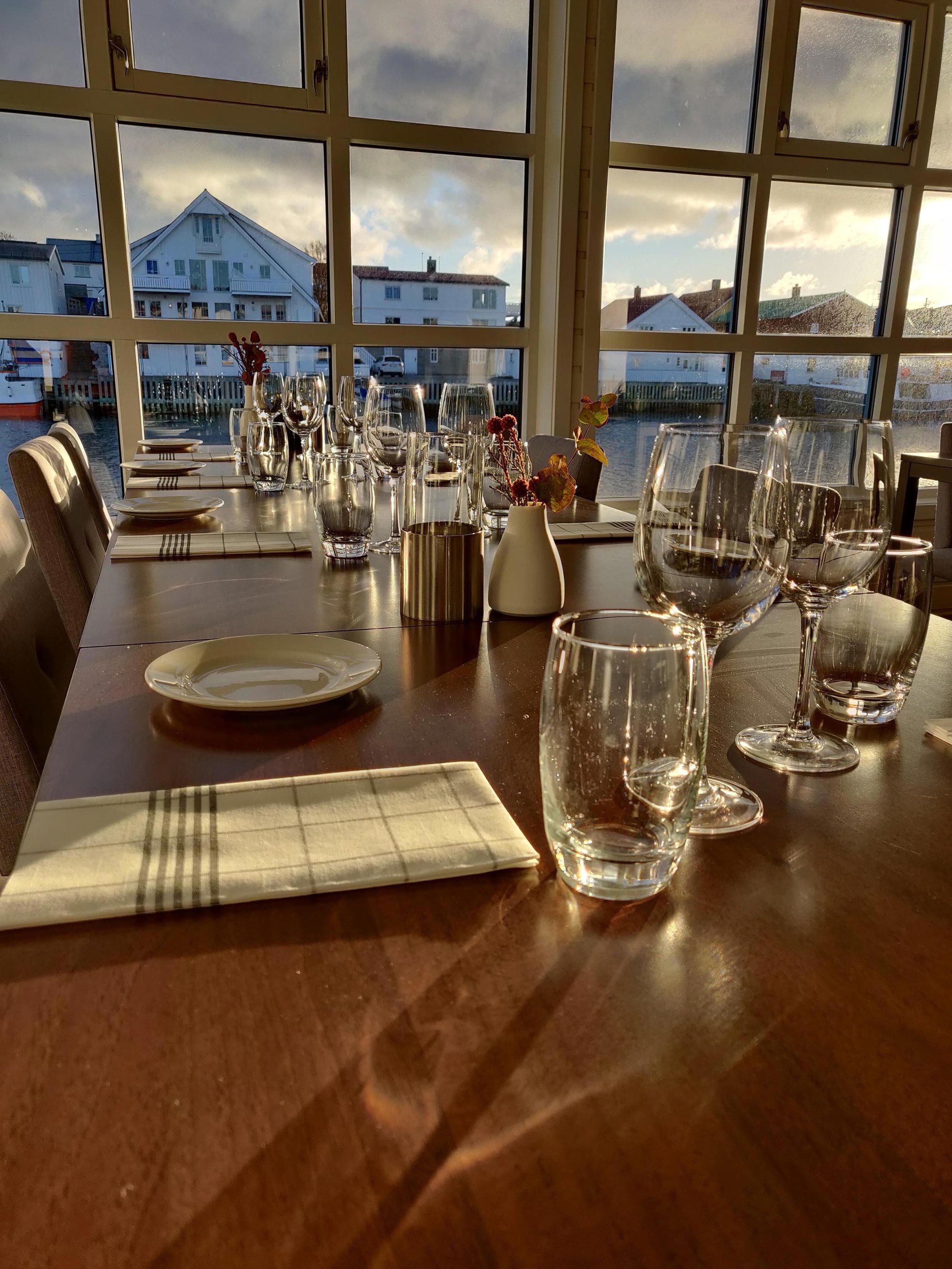

Details
- Elegant
- Sophisticated
- Date Night
- Special Occasion
- Hotel Restaurant
- Terrace
- Waterfront
- A La Carte
- Vegetarian Friendly
Current opening hours
- Monday
- 4–9 PM
- Tuesday
- 4–9 PM
- Wednesday
- 4–9 PM
- Thursday
- 4–9 PM
- Friday
- 4–9 PM
- Saturday
- 4–9 PM
- Sunday
- 4–9 PM
Hours can change for holidays and private events. Hours as of .
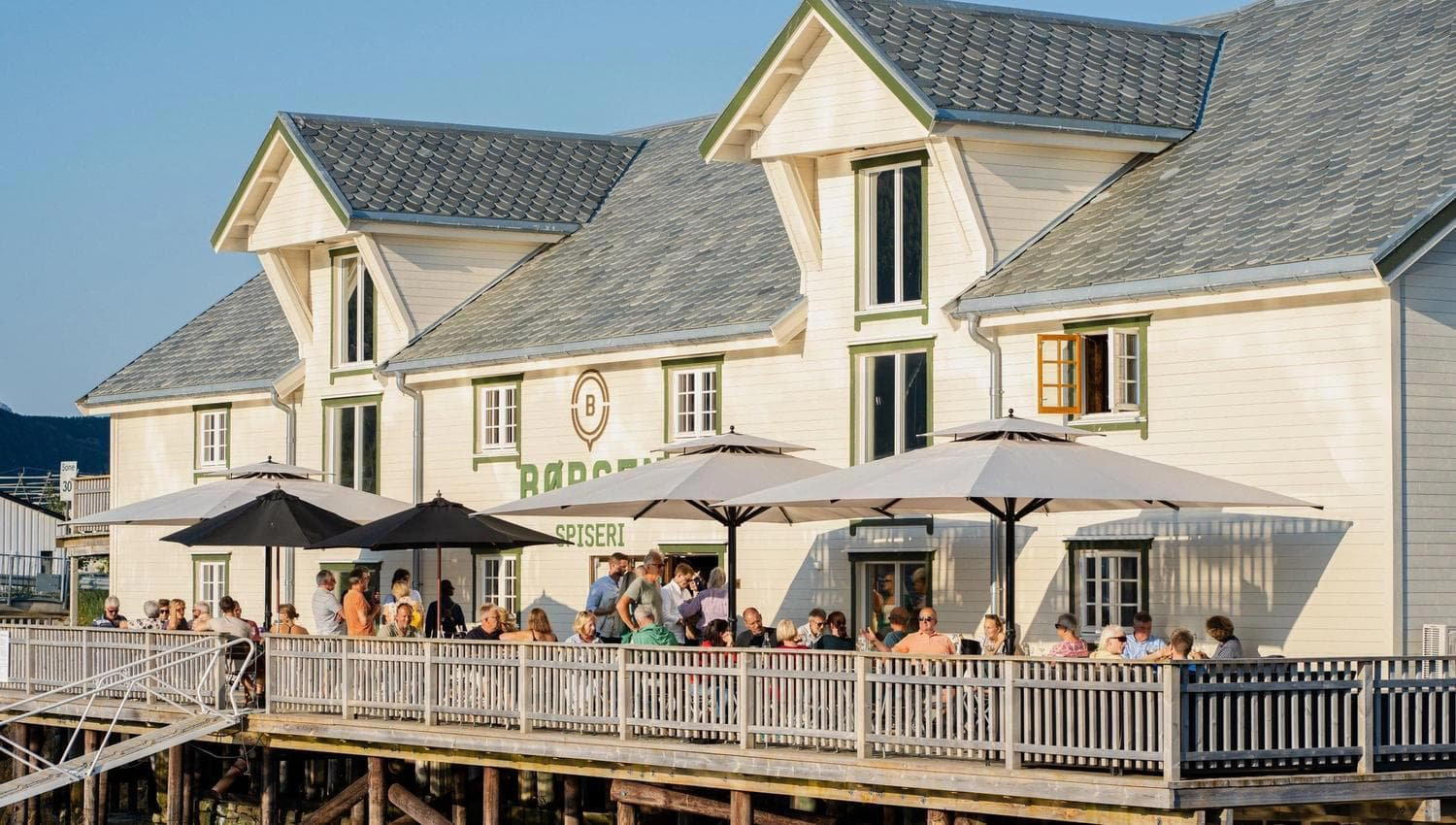
Sophisticated yet relaxed atmosphere with polished service in a waterfront hotel setting.