Vertes Feuilles
Vertes Feuilles sits on Avenue des Hauts in Frasnes-lez-Anvaing, a rural Walloon commune where the surrounding agricultural terrain shapes what ends up on the plate. The restaurant occupies a corner of Belgian provincial dining that rewards those willing to travel beyond the urban circuit. For context on the wider local scene, see our full Frasnes Lez Anvaing restaurants guide.
Pearl is the En Primeur Club membership app — saves, bookings, and concierge access live there. Same editors, same standards.
- Address
- Av. des Hauts 18, 7912 Frasnes-lez-Anvaing, Belgium
- Phone
- +32475461756
- Website
- vertes-feuilles.be
- Directions
- Get directions
 Saves & bookings on Pearl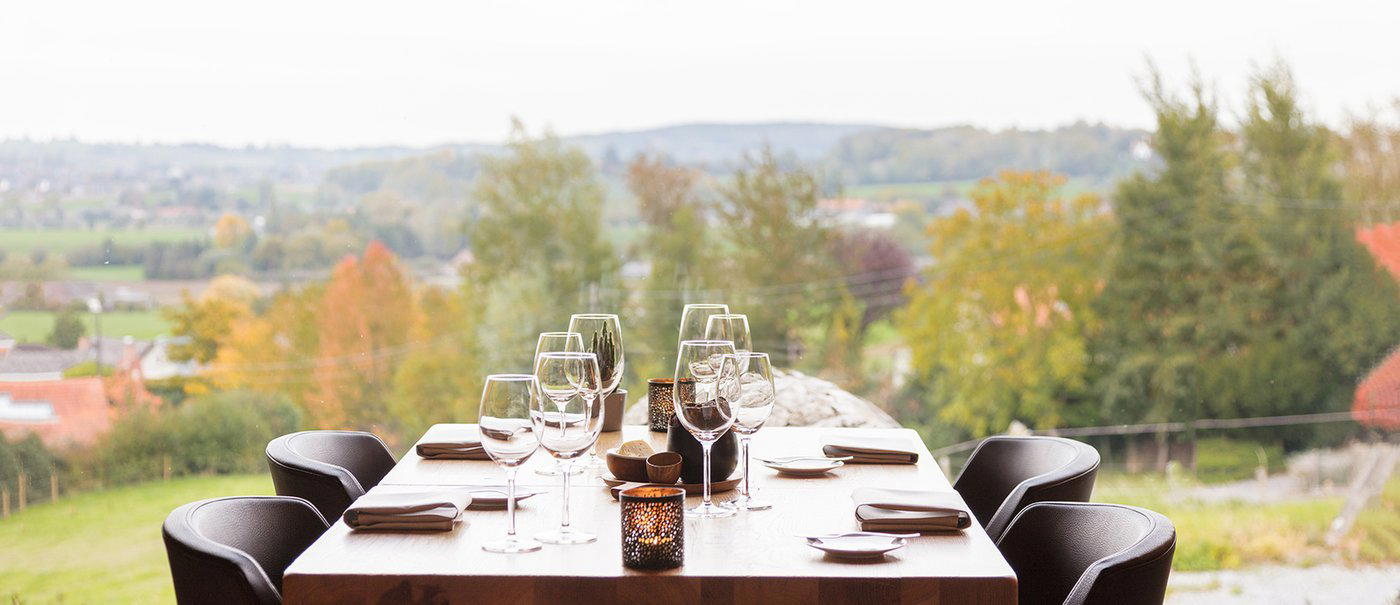
Where Walloon Farmland Meets the Table
Provincial Belgian dining has always operated on a different logic from its city counterparts. In communes like Frasnes-lez-Anvaing, set within the low hills and open field systems of Hainaut province, the distance from urban supply chains has historically pushed kitchens toward what is immediately available: local farms, seasonal garden produce, and the kind of short supply relationships that metropolitan restaurants now spend considerable effort reconstructing. Vertes Feuilles, addressed at Av. des Hauts 18, sits inside that tradition. The name itself, translating loosely to green leaves, signals an orientation toward the vegetable and the seasonal rather than the ceremonial protein-first format common at higher-price-bracket Belgian tables.
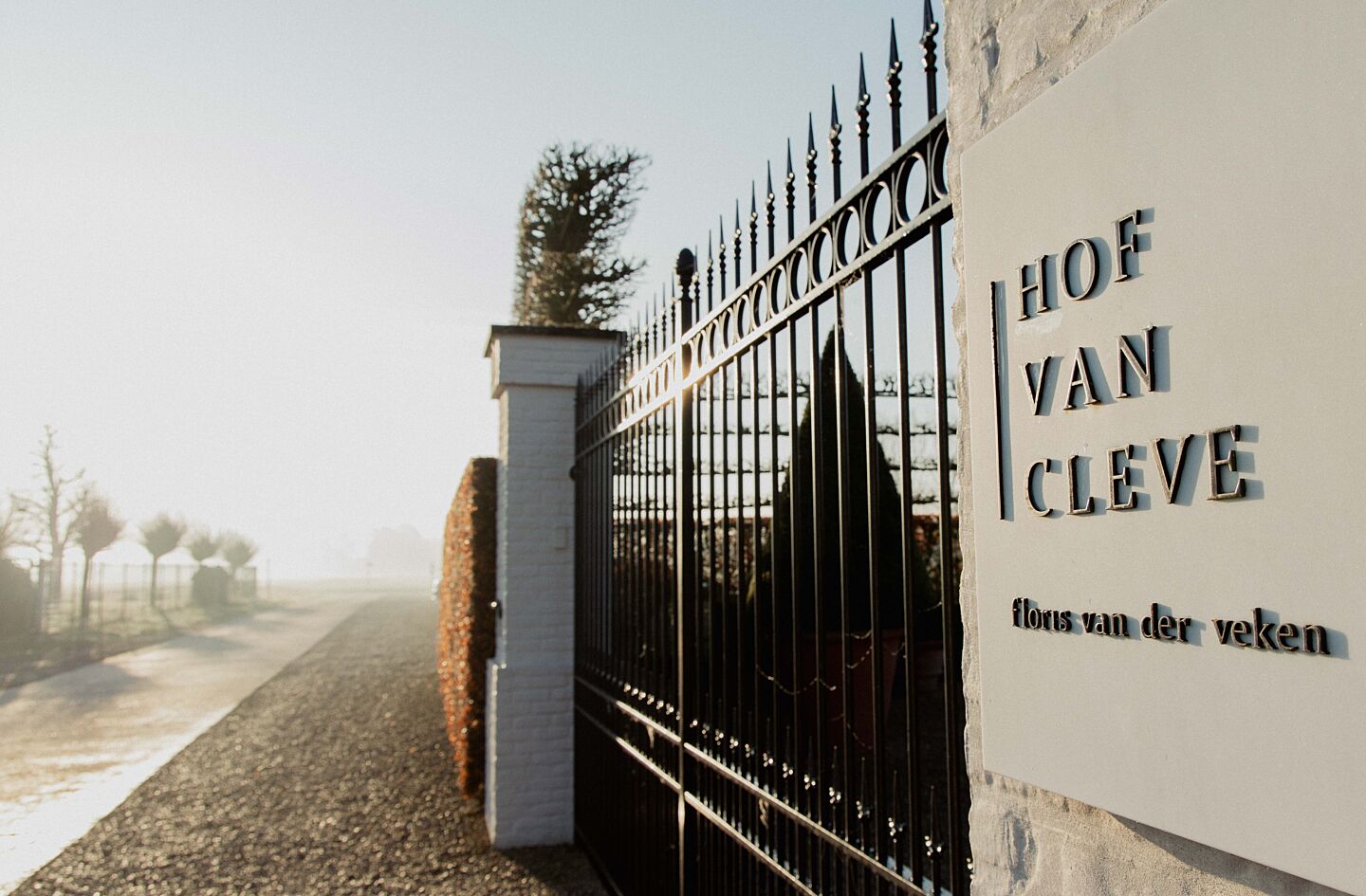
Approaching a restaurant in this part of Hainaut, the setting does most of the early work. The commune sits roughly equidistant between Tournai and Ath, both within a reasonable drive, and the approach through agricultural land primes a certain expectation: that what arrives at the table will have come from somewhere close. That expectation is not incidental in Belgian provincial cooking. It is the structural premise. Where celebrated Flemish addresses like Hof van Cleve - Floris Van Der Veken in Kruishoutem or Boury in Roeselare have codified ingredient sourcing into a public-facing identity, smaller Walloon addresses tend to practice it without announcement, as a default condition rather than a marketing position.
Ingredient Sourcing as Regional Character
The Hainaut agricultural belt, which surrounds Frasnes-lez-Anvaing, produces a mix of cereal crops, root vegetables, and pasture livestock that has fed this corner of Belgium for generations. Restaurants that draw from this supply tend toward cooking that reflects the season with some literalness: what the soil offers in October is not what it offers in April, and menus in places like this shift accordingly. That is a fundamentally different model from the urban kitchen that sources globally and builds a consistent menu year-round.
Belgian provincial cooking in this Walloon register sits in a broader culinary tradition that French-speaking Belgium shares with northern France: a preference for long-cooked preparations, for stocks and reductions built from local bones and roots, for the kind of patient technique that transforms modest raw material into something worth the drive. It is not the French-Asian creative synthesis you find at L'air du temps in Liernu, nor the technically ambitious modern Flemish format of De Jonkman in Sint-Kruis. It belongs to a quieter register, one that European food culture has periodically rediscovered and then undervalued in cycles.
For those calibrating expectations against the Belgian dining circuit more broadly, addresses like Zilte in Antwerp or Castor in Beveren represent the country's internationally recognised, award-stacked tier. Frasnes-lez-Anvaing is not in competition with that tier. What the commune offers instead is cooking with a different relationship to place, one where the sourcing radius is short by geography rather than by design principle.
The Local Dining Context
Frasnes-lez-Anvaing does not have a restaurant density that generates comparison-shopping. The town's dining scene is small, and Vertes Feuilles functions within it as a neighbourhood anchor rather than a destination address competing for regional recognition. The nearest significant dining comparison within the commune is Les Marronniers, which shares the same postal address area. For anyone exploring what Frasnes-lez-Anvaing's table offers in full,
Positioning Vertes Feuilles against the wider Belgian landscape: the country's most discussed addresses in Wallonia tend to cluster around Liège, Namur, and the Ardennes corridor. Hainaut's western reaches, including Frasnes-lez-Anvaing, receive considerably less editorial attention, which means restaurants here operate largely outside the award circuit that shapes perception at addresses such as d'Eugénie à Emilie in Baudour or, at a different scale entirely, Bozar Restaurant in Brussels. That relative obscurity cuts both ways: less visibility, but also less price inflation and reservation pressure than recognition typically brings.
Planning a Visit
Frasnes-lez-Anvaing sits in a part of Belgium that rewards car travel. Public transport connections to the commune are limited, and one practical approach from Brussels or Ghent involves driving southwest through Tournai or southeast from Lille for visitors crossing from France. The address at Av. des Hauts 18 is accessible without difficulty once you are in the commune, though the village scale means parking is direct. Belgian provincial restaurants in communes of this size sometimes operate on reduced midweek schedules or require advance notice for weekend service.
For those building a wider itinerary through Belgium's less-charted dining territory, the western Hainaut corridor connects reasonably to the Flemish addresses further north, including Willem Hiele in Oudenburg and Bartholomeus in Heist on the coast, or toward Walloon alternatives such as La Table de Maxime in Our in the Ardennes. Those building international comparisons for benchmark purposes might reference the sourcing-first ethos that defines addresses like Le Bernardin in New York City at the high end of the ingredient-led spectrum, or the Korean-inflected precision of Atomix in New York City as a contrast in format and approach. Closer to home in Belgium's mid-range Walloon register, La Durée in Izegem and Maison Colette in Tongerlo offer useful peer comparisons. And for those who want a forest-edge Walloon baseline with a longer track record, Le Chalet de la Forêt in Uccle sets a useful reference point for what Belgian cooking rooted in classical tradition looks like at a higher price tier.
In Context: Similar Options
Comparable venues nearby, for context on price, style, and recognition.
| Venue | Cuisine | Price | Notes |
|---|---|---|---|
| Vertes FeuillesThis venue — the venue you are viewing | Belgian Gastronomic | $$$ | Not listed |
| Les Marronniers | French Bistro | $$$$ | Saint-Sauveur |
| Culix | French-Belgian Fine Dining | $$$ | Merelbeke |
| Mirin | Refined French-Belgian with Asian Touches | $$$ | Roosdaal |
| La Tâche | French with Mediterranean Influences | $$$ | St. Pieters |
| Fou du Goût | Classic French with Exotic Twists | $$$ | Lovendegem |
Continue exploring
More in Frasnes Lez Anvaing
Restaurants in Frasnes Lez Anvaing
Browse all →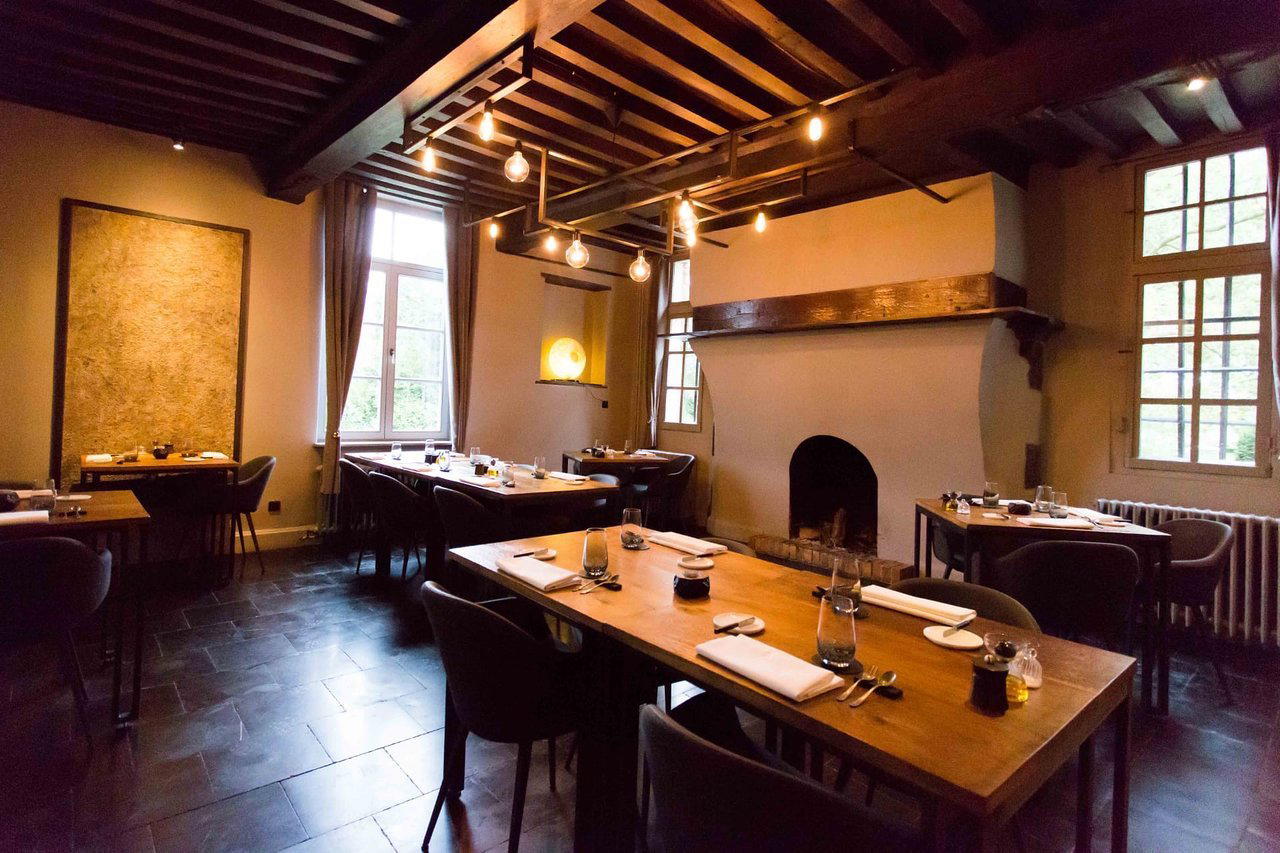
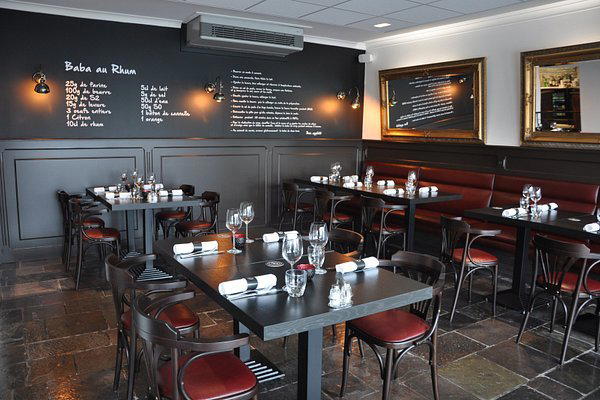
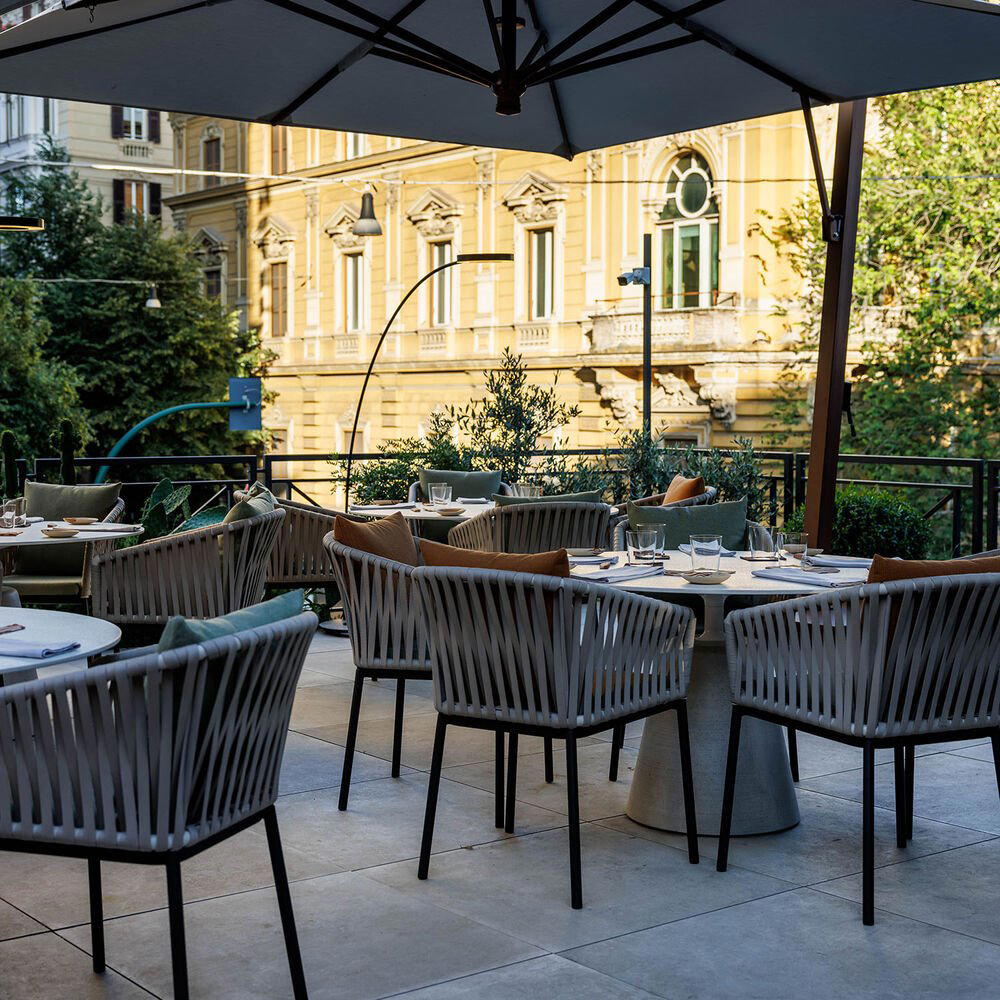
Bars in Frasnes Lez Anvaing
Browse all →
At a Glance
- Romantic
- Cozy
- Scenic
- Date Night
- Special Occasion
- Garden
- Terrace
- Organic
- Local Sourcing
- Garden
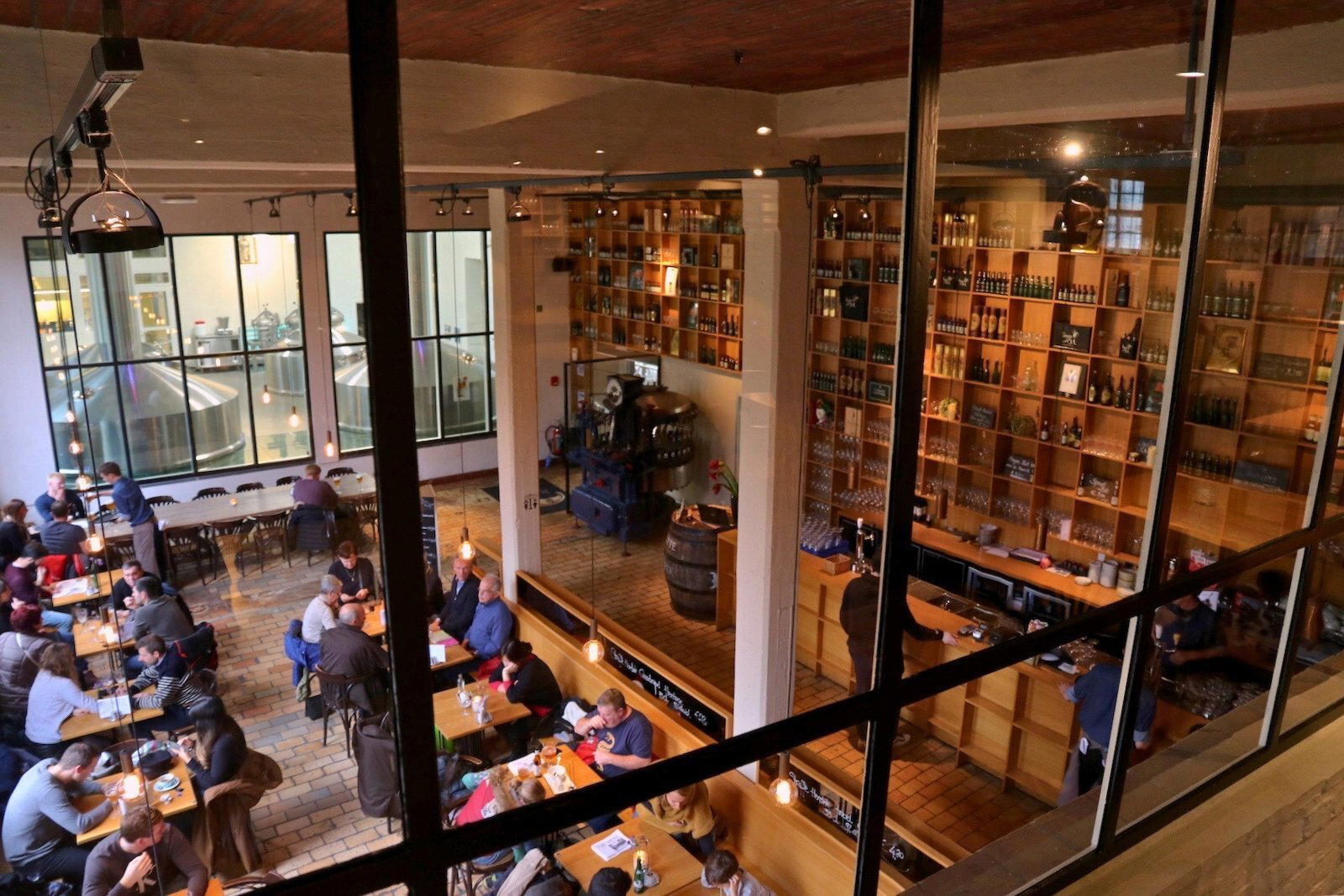
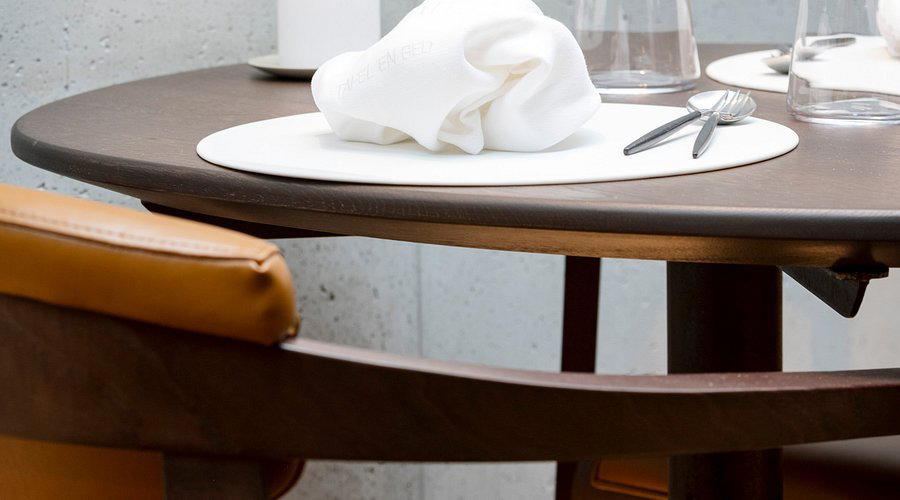
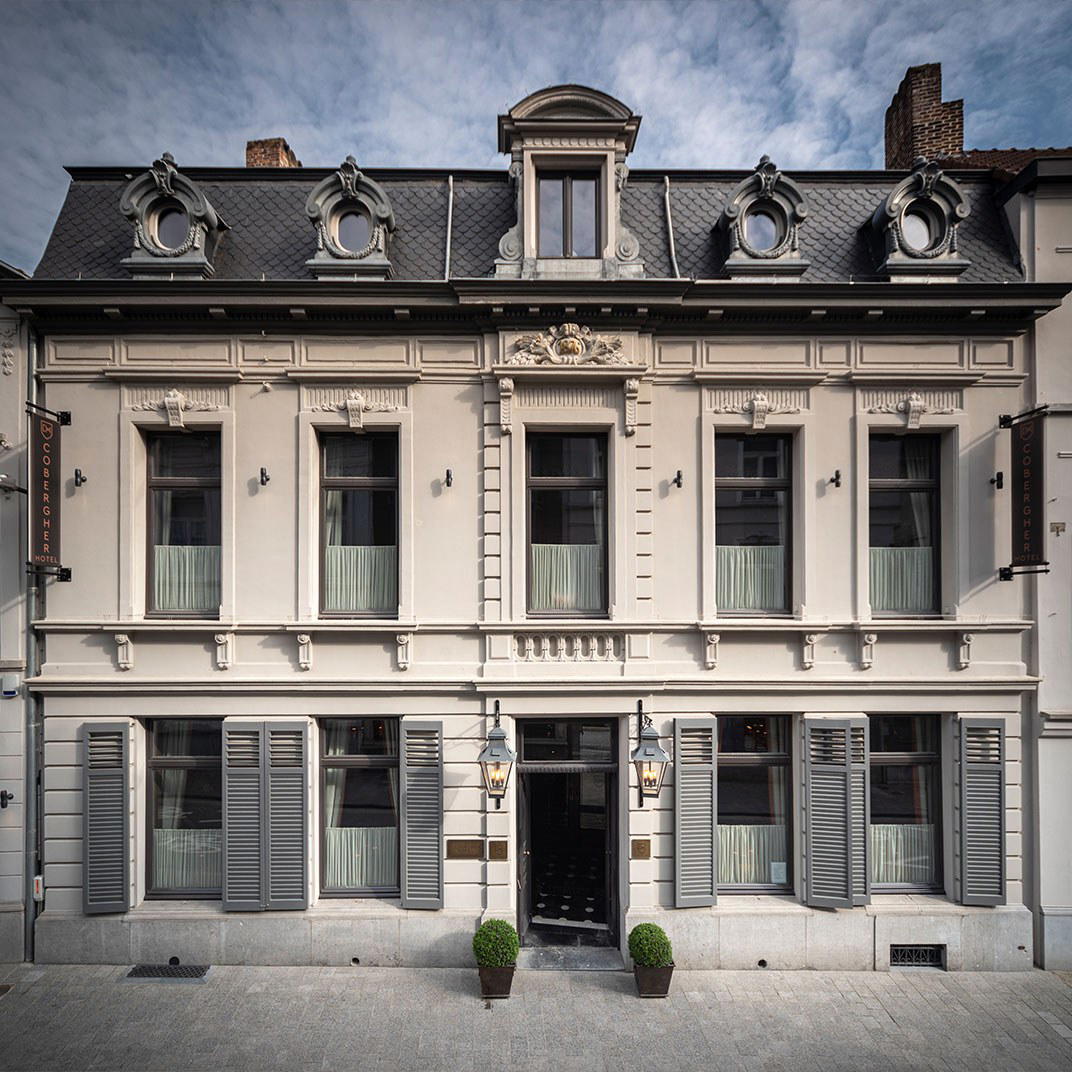
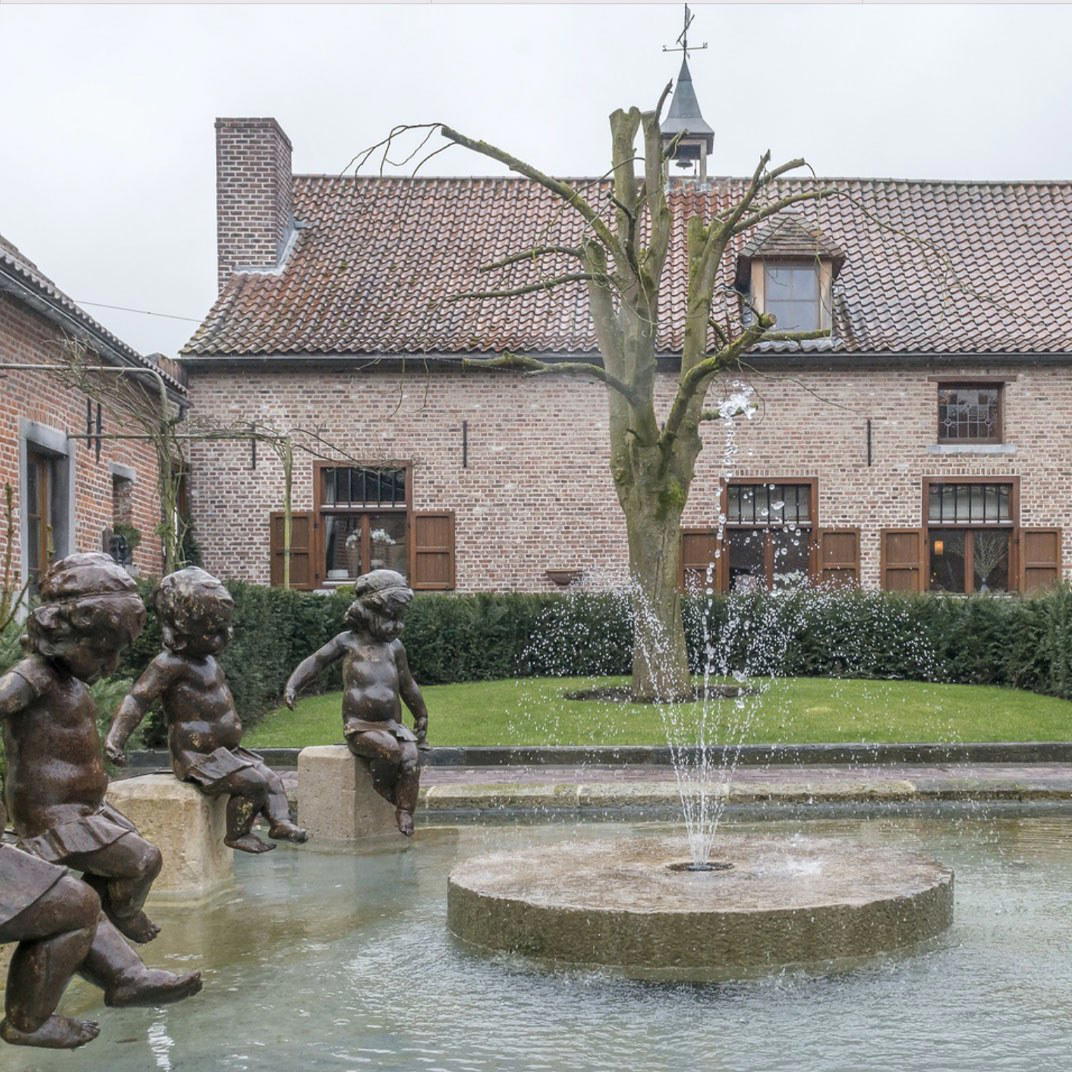
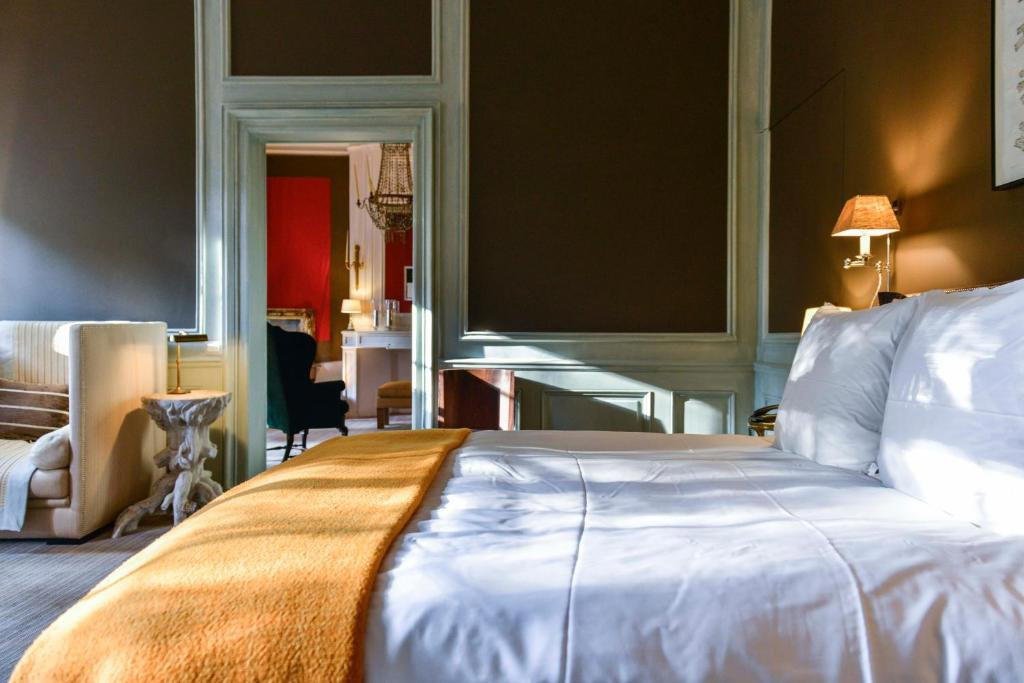
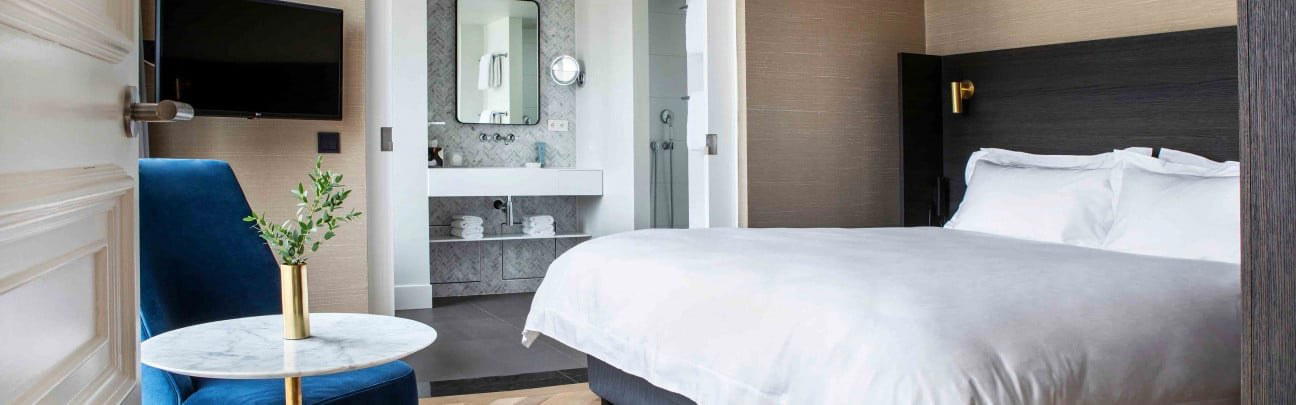
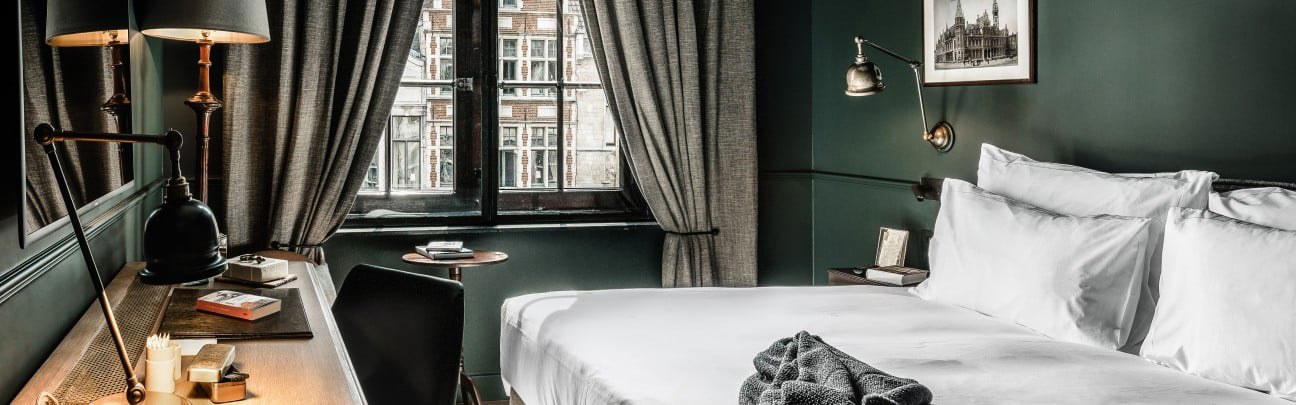
Traditional, modern, and romantic atmosphere with pleasant countryside surroundings and outdoor jacuzzi.