Mirin sits on Koning Albertstraat in Roosdaal, a small Flemish municipality where destination dining has quietly taken root alongside better-known Belgian restaurant towns. The name gestures toward Japanese fermentation culture, placing it in a growing conversation about ingredient-led cooking in provincial Belgium. For travellers considering the broader Flemish dining circuit, it warrants attention alongside the region's more decorated addresses.
Pearl is the En Primeur Club membership app — saves, bookings, and concierge access live there. Same editors, same standards.
- Address
- Koning Albertstraat 186, 1760 Roosdaal, Belgium
- Phone
- +32470607941
- Website
- mirin.be
- Directions
- Get directions
 Saves & bookings on Pearl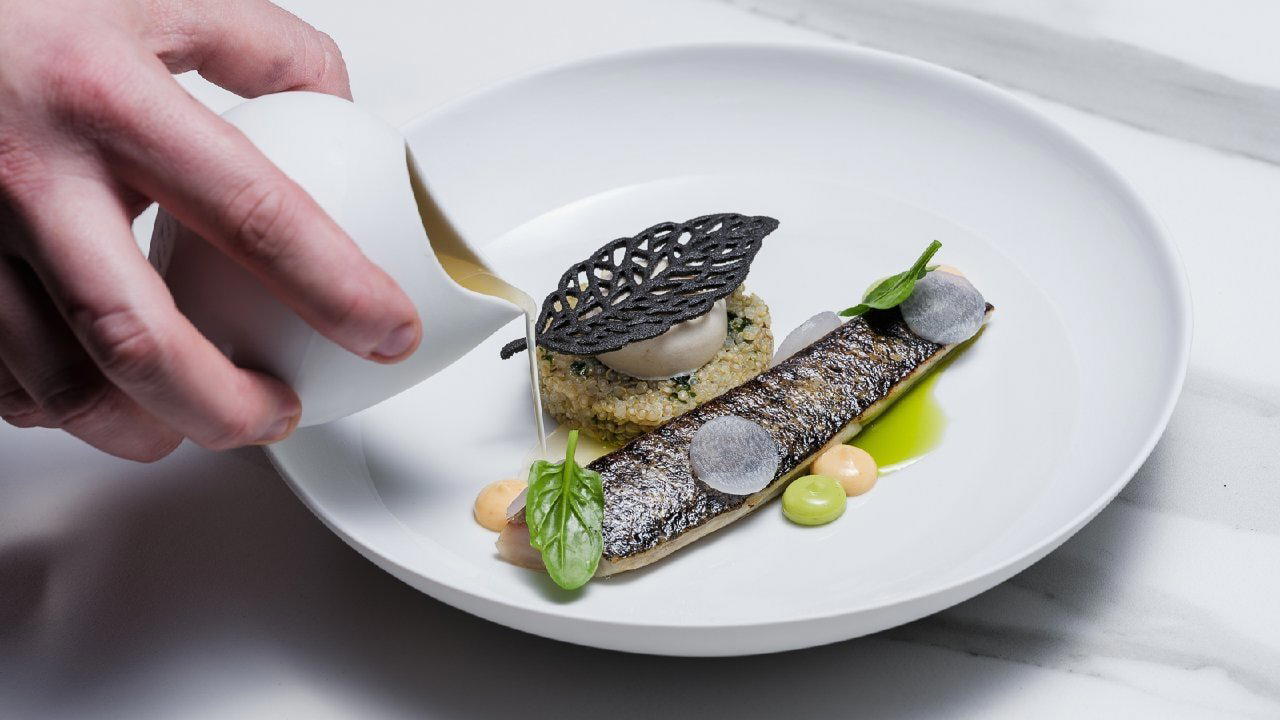
Roosdaal and the Quiet Rise of Provincial Fine Dining in Flemish Brabant
Belgium's serious restaurant culture has long concentrated in a handful of well-mapped corridors: the coast around Heist and Oudenburg, the Flemish interior anchored by Roeselare and Kruishoutem, Brussels and its immediate satellites. Roosdaal, a low-profile municipality in Flemish Brabant roughly midway between Brussels and Aalst, sits outside those established circuits. Mirin is at Koning Albertstraat 186, 1760 Roosdaal, Belgium, and serves refined French-Belgian cuisine with Asian touches at about $65 per person. The restaurant has. That geographic remove is precisely what makes addresses like Mirin worth tracking. Mirin is a restaurant in Roosdaal, Belgium, serving refined French-Belgian cuisine with Asian touches, at about $65 per person. Over the past decade, provincial Flemish dining has undergone a quiet reorganisation: younger kitchens have moved to smaller towns where rent pressures are lower, local supplier relationships are easier to maintain, and a self-selecting clientele arrives with genuine intent rather than convenience. Mirin is part of that pattern.
Mirin, the Japanese sweet rice wine used as a seasoning and glaze, has become shorthand in European kitchens for a particular orientation: a respect for fermentation, for patience, for the transformative potential of a single well-sourced ingredient. It signals a preference for depth over spectacle, for ingredients that arrive at the plate having already done significant work before the chef intervenes. L'air du temps in Liernu, which operates at the French-Asian creative register, or Castor in Beveren, where Modern European technique meets local-produce discipline.
Ingredient Sourcing as the Central Argument
Ingredient sourcing remains central to Belgian fine dining. Kitchens that once built reputations on classical French execution have progressively reoriented around sourcing stories: who grows the celeriac, which cooperative supplies the aged Flemish cheese, how far the turbot has travelled before it reaches the pass. This is not a superficial marketing adjustment. It reflects a genuine change in how Belgian chefs understand their competitive identity, particularly against French peers who can draw on a longer-established network of artisan producers.
Roosdaal sits in agricultural Flemish Brabant, an area with direct access to small-scale vegetable and grain producers across the Dender and Zenne valleys. A kitchen operating in this location has practical reasons to source close: logistics are simpler, relationships are easier to build, and the seasonal rhythm of local agriculture becomes a natural menu constraint rather than an imposed one. That constraint, properly embraced, produces cooking with a coherent identity. The alternative, sourcing broadly without a guiding principle, tends to produce technically accomplished but editorially incoherent menus. The leading Belgian kitchens currently operating at the serious end, places like Willem Hiele in Oudenburg or De Jonkman in Sint-Kruis, have made sourcing the structural logic of the entire menu, not an add-on narrative for the website.
For a venue named after a Japanese fermentation condiment, there is also an implicit sourcing argument around process rather than geography: the idea that great ingredients are not simply found but made, over time, through controlled biological transformation. Fermented elements, aged proteins, cultured dairy, slow-reduced bases: these are sourcing decisions extended through time rather than space. That tradition runs through particularly serious kitchens globally, from Atomix in New York City to the Belgian countryside, and it demands a level of planning and commitment that separates it from more reactive, market-dependent cooking.
Reading Mirin Against the Belgian Fine Dining Tier
Belgium's fine dining tier is unusually dense for a country of its size. Three-star addresses such as Hof van Cleve in Kruishoutem and two-star operations like Boury in Roeselare set a high baseline for what constitutes serious restaurant cooking in this country. Below that decorated tier sits a considerable number of kitchens that operate with equivalent ambition but less institutional recognition, often by choice. Some of Belgium's most interesting cooking currently happens at addresses that have not pursued, or have not yet attracted, formal award attention.
Roosdaal sits in that emerging-address category. Nearby, Cécile represents the Modern French register the town can sustain. For travellers building a Flemish Brabant itinerary, the calculus involves weighing decorated destinations further afield, such as Zilte in Antwerp or Le Chalet de la Forêt in Uccle, against the specific proposition of a less-mapped local kitchen. That decision depends on appetite for the known versus the worth-investigating.
Brussels-based reference points are also relevant here. Bozar Restaurant in Brussels demonstrates how a capital-city address handles the sourcing-and-identity question at high volume. Provincial kitchens like those in Roosdaal operate with different constraints and, frequently, different freedoms. The comparison is instructive rather than hierarchical: different problem sets produce different kinds of cooking, and the traveller who has covered Brussels thoroughly has good reason to move outward into Flemish Brabant.
Planning a Visit to Roosdaal
Roosdaal is not a walk-in destination. The town is accessible by car from Brussels in under forty minutes via the N8 or similar regional routes, and the address at Koning Albertstraat 186 is a specific residential-commercial streetscape rather than a tourist precinct. Arriving with a reservation confirmed in advance is the appropriate approach for any serious kitchen in a town of this scale: tables in small provincial restaurants fill through local regulars and destination visitors alike, and the latter group is growing as Flemish fine dining gains wider international attention. Comparable provincial addresses across Belgium, such as Maison Colette in Tongerlo, La Durée in Izegem, or La Table de Maxime in Our, all reward advance planning and resist spontaneous drop-in visits. The same logic applies at d'Eugénie à Emilie in Baudour and Bartholomeus in Heist. For visitors connecting Mirin with a broader Belgium itinerary, pairing it with the Brussels dining circuit makes geographic sense before or after the Flemish Brabant leg.
In Context: Similar Options
Comparable venues nearby, for context on price, style, and recognition.
| Venue | Cuisine | Price | Awards | Notes |
|---|---|---|---|---|
| MirinThis venue — the venue you are viewing | Refined French-Belgian with Asian Touches | $$$ | Not listed | Not listed |
| Cécile | Modern French-Flemish | $$$ | Michelin Plate | Pamel |
| Vincent | Traditional Belgian Brasserie | $$$ | Not listed | Pl. de Brouckere |
| 65 degrés | Modern French Gastronomic | $$$ | Not listed | Ixelles |
| Balance | Refined French with Global Influences | $$$ | Not listed | Waasmunster |
| Évidence | Contemporary French Fine Dining | $$$ | Not listed | Cadixwijk |

At a Glance
- Cozy
- Elegant
- Intimate
- Date Night
- Special Occasion
- Open Kitchen
- Local Sourcing
Current opening hours
- Monday
- 12–4 PM
- Tuesday
- Closed
- Wednesday
- Closed
- Thursday
- 12–4 PM, 7 PM–12 AM
- Friday
- 12–4 PM, 7 PM–12 AM
- Saturday
- 7 PM–12 AM
- Sunday
- 12–4 PM
Hours can change for holidays and private events. Last verified .
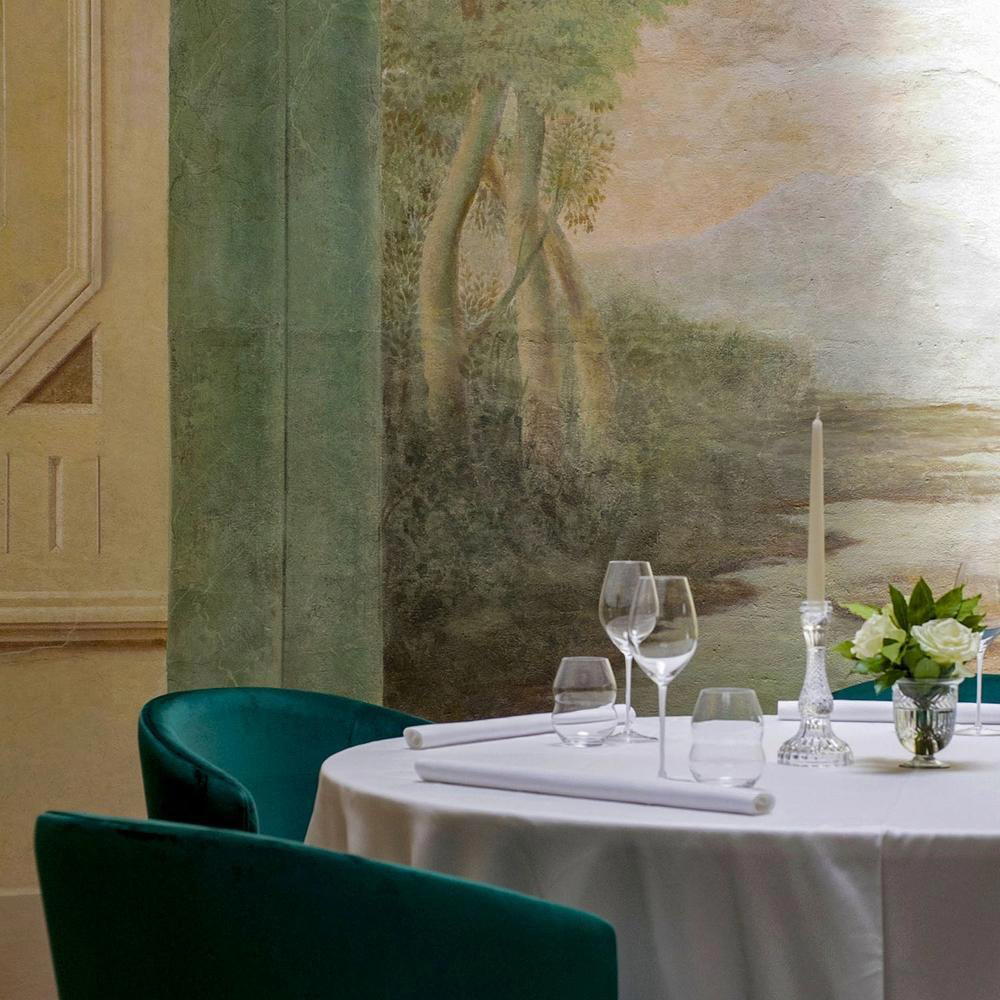
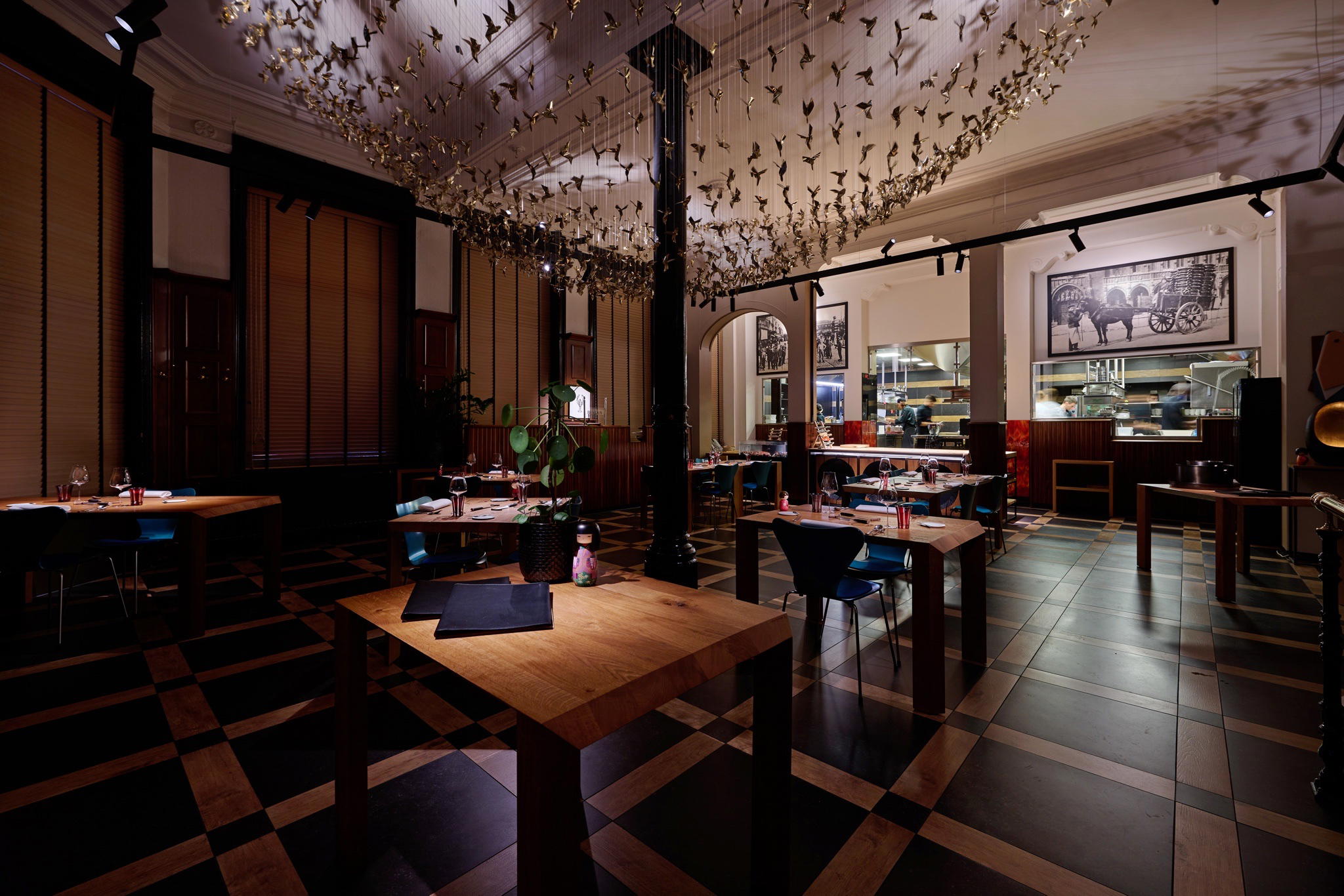
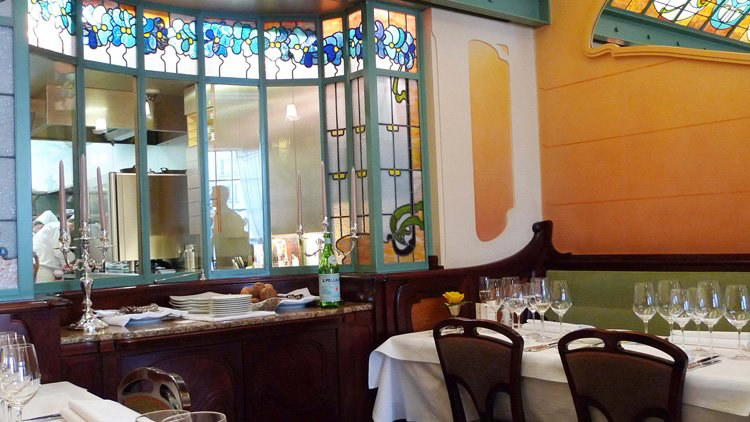
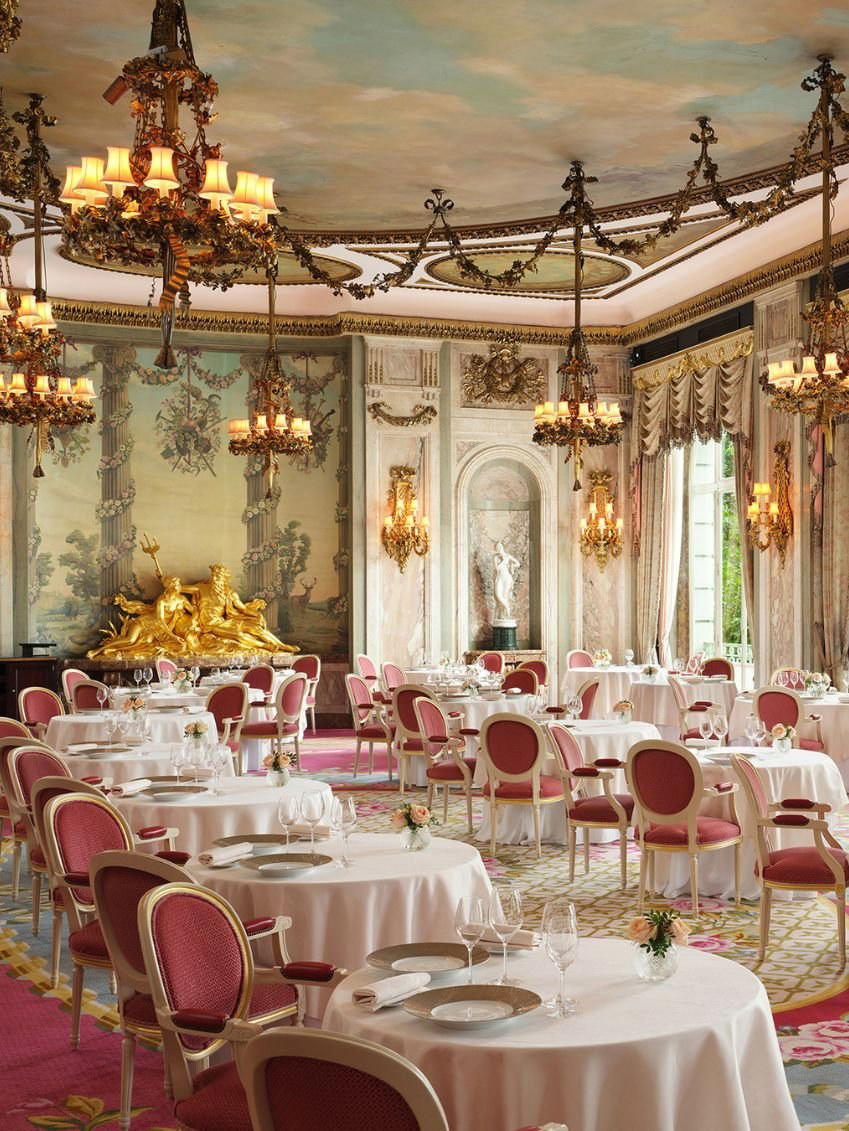
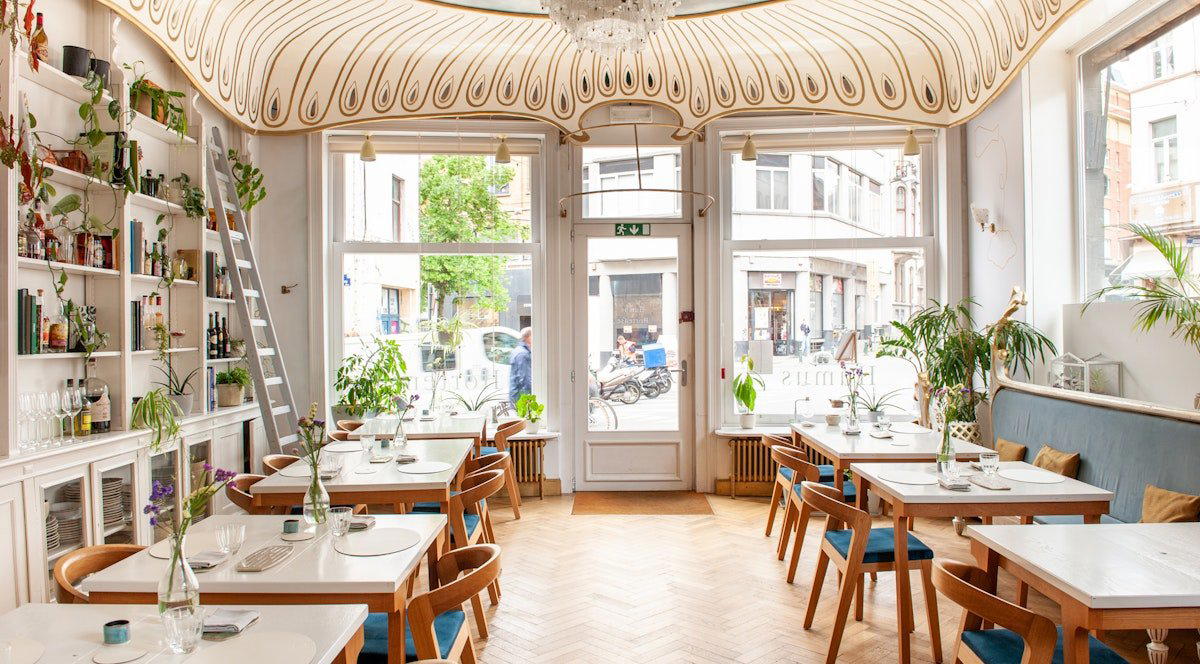
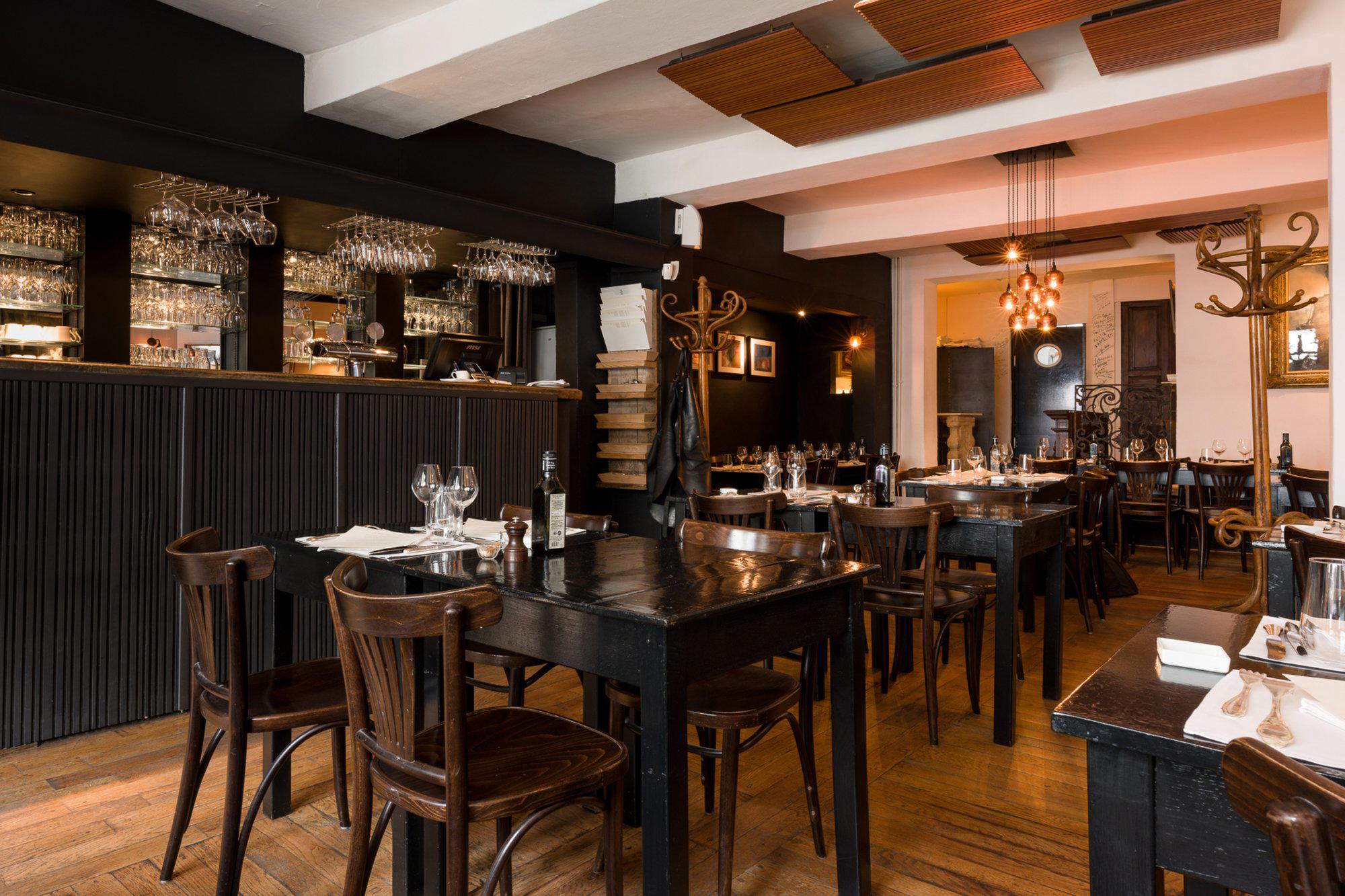
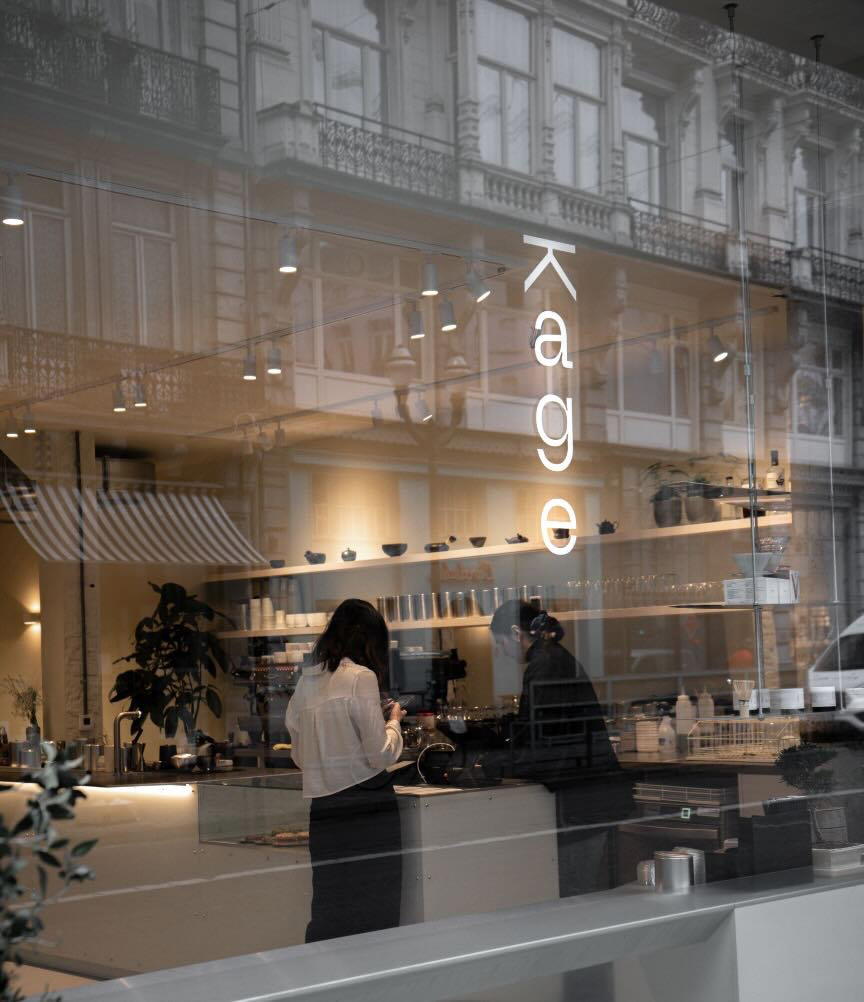
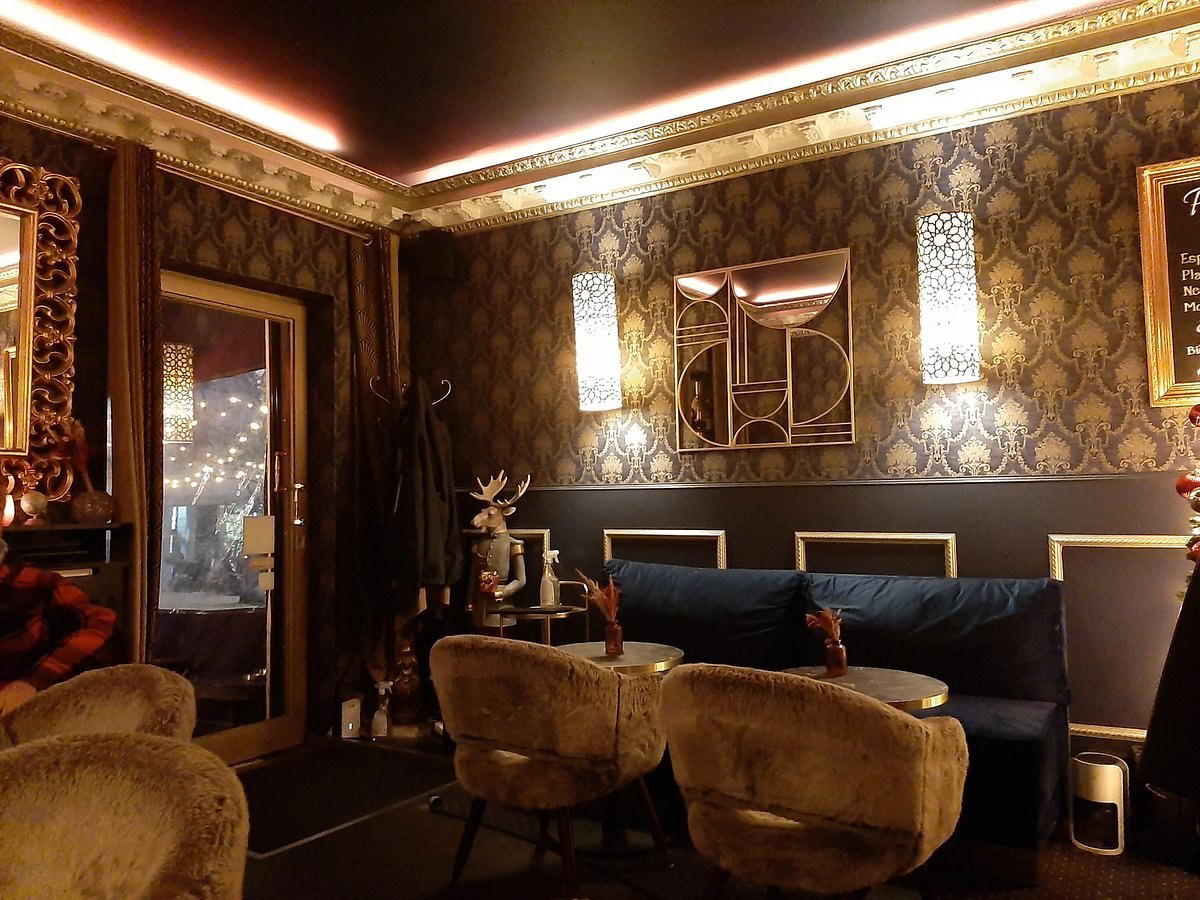
Cosy culinary haven with warm welcoming atmosphere where every detail matters.