Culix sits on Hundelgemsesteenweg in Merelbeke, a commune south of Ghent where a serious dining culture has taken root alongside the city's more celebrated restaurant belt. The address places it in a neighbourhood that rewards deliberate visitors rather than walk-in trade, positioning it within a local comparable set that includes Modern French and Classic Cuisine tables drawing on the same Flemish-produce tradition.
Pearl is the En Primeur Club membership app — saves, bookings, and concierge access live there. Same editors, same standards.
- Address
- Hundelgemsesteenweg 588, 9820 Merelbeke-Melle, Belgium
- Phone
- +3293300220
- Website
- culix.be
- Directions
- Get directions
 Saves & bookings on Pearl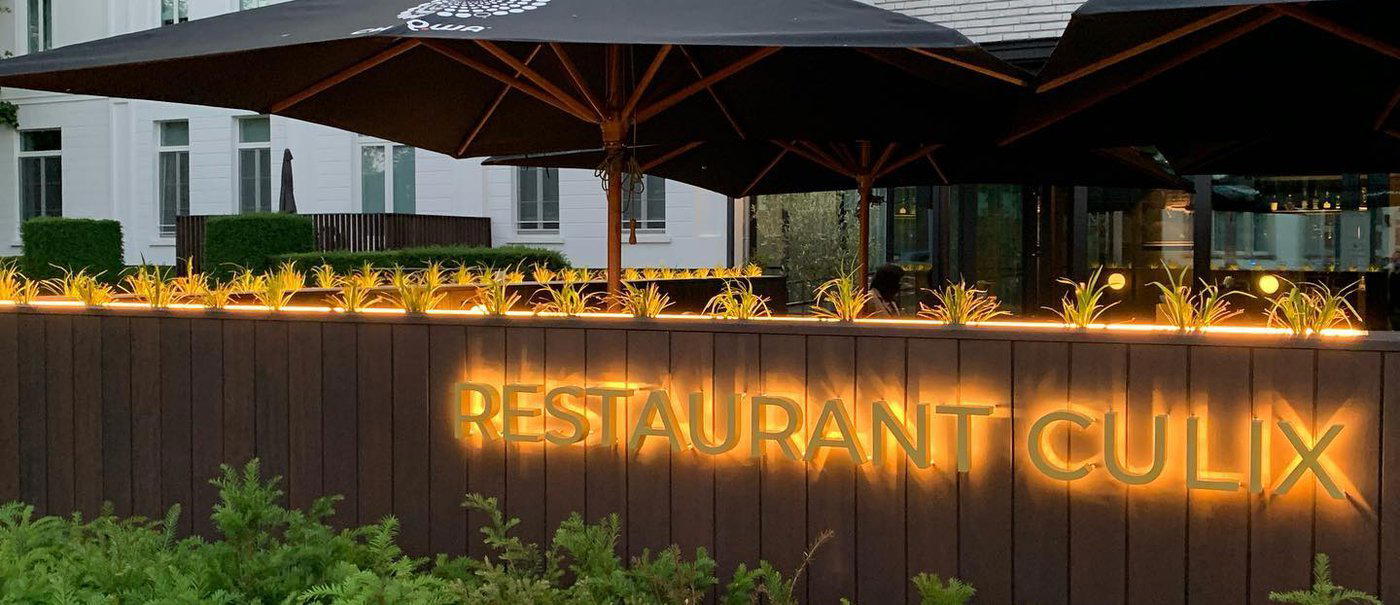
Where Merelbeke Meets the Flemish Table
The stretch of Hundelgemsesteenweg that runs through Merelbeke-Melle is not the kind of road that announces itself. It is functional, suburban, and easy to pass without slowing down, which is precisely the context in which a number of serious Flemish tables have chosen to operate. Belgian dining outside the major cities has long followed this pattern: kitchens of genuine ambition situated in addresses that make no concessions to spectacle, where the food is expected to do all the work of drawing people in. Culix, at number 588, sits squarely within that tradition.
This is not an accident of geography. The commune of Merelbeke occupies a specific position in the wider Ghent dining orbit, close enough to benefit from the city's appetite for quality, far enough to operate at its own pace. Ghent itself has developed one of Belgium's more coherent restaurant cultures outside Brussels and Antwerp, and the satellite addresses that surround it, Merelbeke included, have absorbed some of that seriousness. Tables here are not afterthoughts to urban dining; they are, in many cases, deliberate alternatives to it.
The Flemish Dining Tradition This Address Belongs To
To understand what a table in Merelbeke is working within, it helps to understand what Belgian cooking looks like at its most serious. The country sits at a crossroads of French technique and northern European ingredient culture: the precision of classical training meets a larder defined by North Sea seafood, Ardennes game, Belgian endive, hop shoots in spring, and the grey shrimp, grijze garnalen, that appear on almost every serious menu in some form. Where French kitchens built their identity on sauce work and hierarchy, Flemish kitchens have increasingly turned toward product-first cooking, letting the quality of regional produce carry more of the weight.
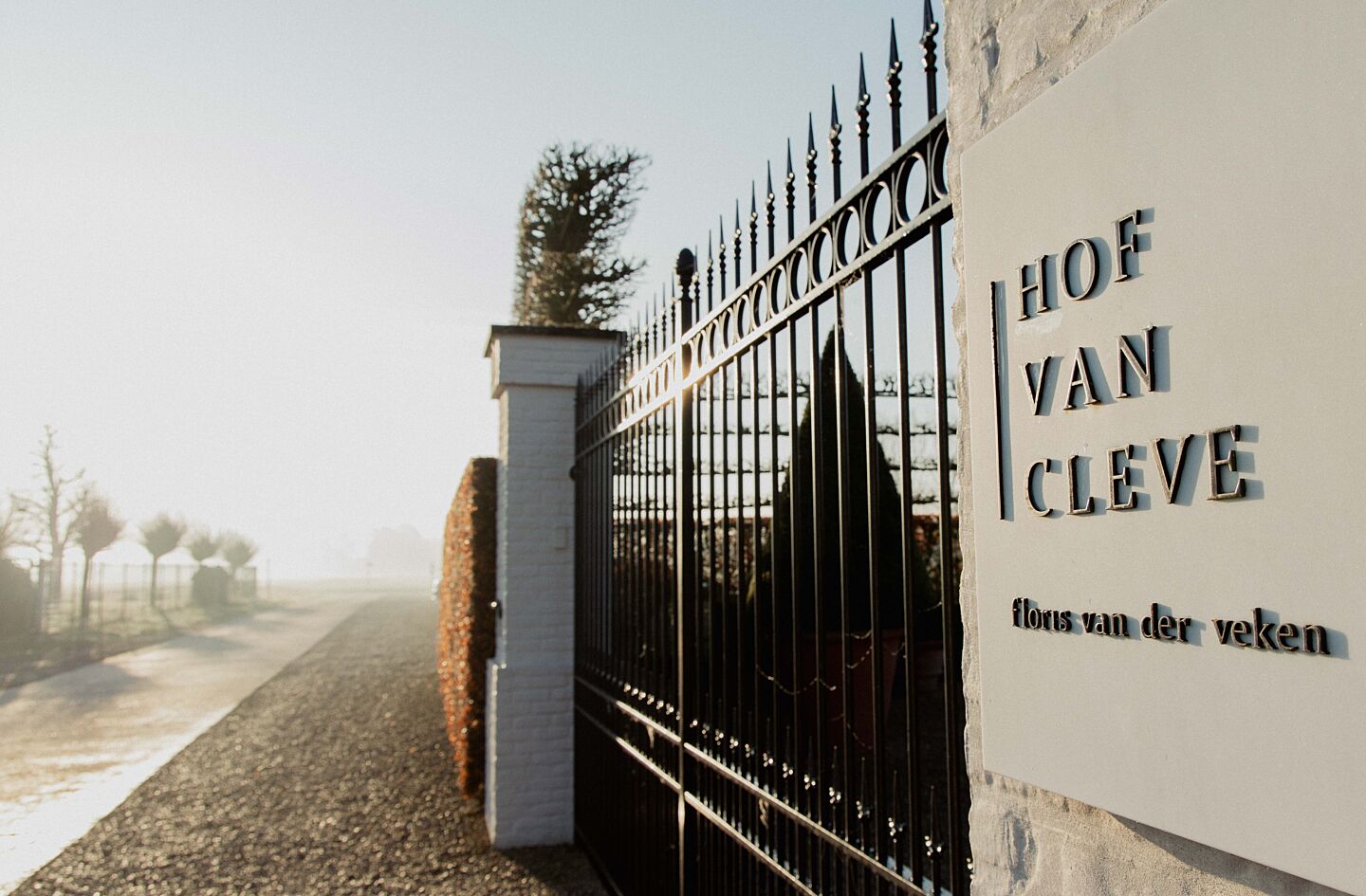
That shift has been visible across Belgium's better-regarded tables over the past decade. At the three-Michelin-star level, Hof van Cleve in Kruishoutem has long represented the benchmark for Flemish fine dining. At the two-star tier, Boury in Roeselare and Zilte in Antwerp demonstrate how the country's serious kitchens have developed distinct regional voices within a shared technical framework. Further afield, Willem Hiele in Oudenburg has built a reputation around hyper-local coastal sourcing that places it in a different conversation again.
Merelbeke's own dining addresses operate at a different scale, but they share the same underlying logic: French technique applied to Flemish and Belgian product, with an emphasis on execution over novelty. The De Blauwe Artisjok brings a Modern French approach to the commune at the €€€ tier, while La Traverse works within a Classic Cuisine register at the same price point. Both suggest a local dining public with specific expectations about what a serious meal looks like. Amaranth and Chocolates Van Hecke round out the neighbourhood's character, the latter pointing to the artisan production culture that runs alongside the dining scene in this part of East Flanders.
Reading the Address: What the Location Signals
In Belgium, the choice to operate on a suburban arterial road rather than in a city-centre location carries meaning. It usually indicates a kitchen that relies on word-of-mouth and repeat custom rather than tourist footfall, a model that tends to produce more consistent cooking over time, because the audience is local and the feedback loop is direct. Restaurants in this position in the Belgian context often develop a loyal regional following before any national attention arrives. The comparable dynamic is visible at Vrijmoed in Ghent, which built its reputation methodically within a specific urban quarter, and at La Durée in Izegem, where a non-central address has not prevented serious recognition.
The same pattern appears further afield in the Belgian context: Ralf Berendsen in Neerharen and d'Eugénie à Emilie in Baudour both operate well outside metropolitan centres and have built reputations that draw diners past more convenient options. The model works in Belgium in a way it does not always work elsewhere, partly because Belgian diners are accustomed to driving for a meal they consider worth the journey, and partly because the country's Michelin culture has long validated out-of-town addresses. At the international level, the contrast with destination-format venues like Le Bernardin in New York City or community-driven formats like Lazy Bear in San Francisco illustrates how differently serious kitchens can position themselves relative to their dining public.
Planning a Visit to Merelbeke
Merelbeke sits directly south of Ghent, accessible by car from the E40 and E17 interchange in under ten minutes from the city centre. For visitors combining the area with broader Belgian dining itineraries, Ghent itself is a natural base, with Brussels around fifty minutes by train. Those building a more ambitious Flemish dining trip might reasonably pair a Merelbeke meal with a visit to Bozar Restaurant in Brussels or plan around the East Flanders corridor that includes Cuchara in Lommel and Le Chalet de la Forêt in Uccle. Given the commune's suburban character, arriving by car is the practical approach; the address on Hundelgemsesteenweg 588 is direct to locate. Culix is recommended for reservations and is priced at about $120 per person.
Cost Snapshot
Comparable venues nearby, for context on price, style, and recognition.
| Venue | Cuisine | Price | Awards | Notes |
|---|---|---|---|---|
| CulixThis venue — the venue you are viewing | Merelbeke, French-Belgian Fine Dining | $$$ | Not listed | Not listed |
| La Traverse | Not listed | $$$ | Michelin Plate | Merelbeke, Contemporary Belgian-French Brasserie |
| De Blauwe Artisjok | Merelbeke, Modern French | $$$ | Michelin Plate | Not listed |
| Amaranth | Merelbeke, Plant-Based Fine Dining | $$$$ | Not listed | Not listed |
| Chocolates Van Hecke | Merelbeke, Artisanal Belgian Chocolatier | $$ | Not listed | Not listed |
| Kolya | Not listed | $$$ | Not listed | Sint-Gillis, Franco-Belgian Eurasian Fusion |
Continue exploring
More in Merelbeke
Restaurants in Merelbeke
Browse all →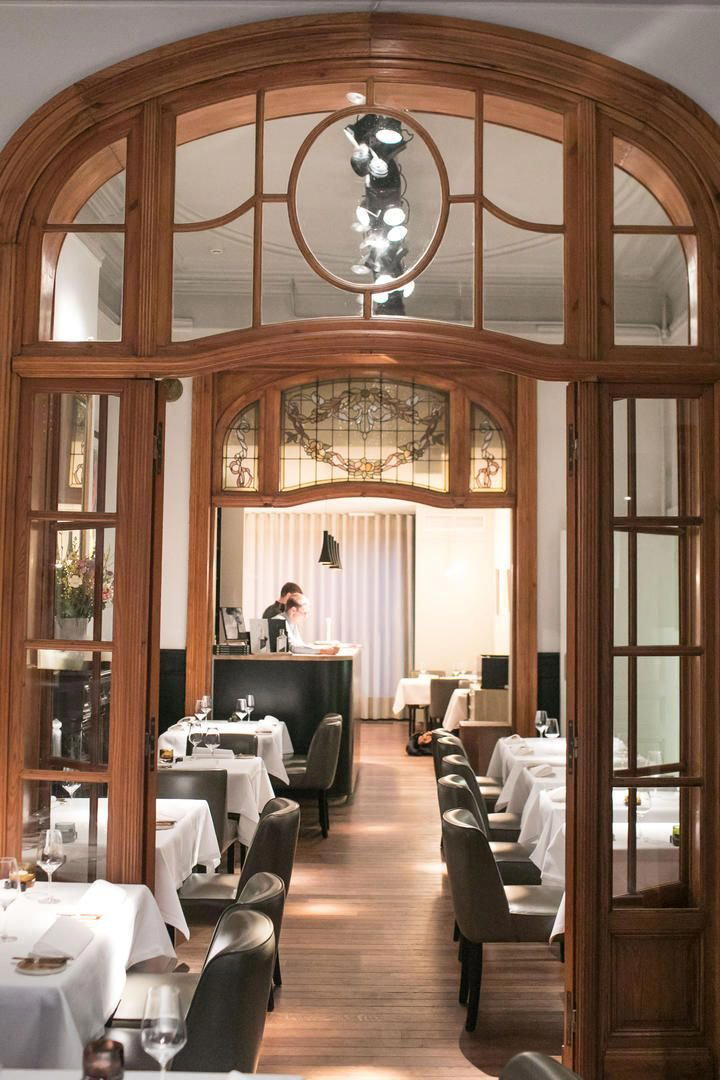
Bars in Merelbeke
Browse all →
At a Glance
- Cozy
- Modern
- Elegant
- Intimate
- Date Night
- Special Occasion
- Open Kitchen
- Extensive Wine List
Current opening hours
- Monday
- Closed
- Tuesday
- 12–1:30 PM
- Wednesday
- Closed
- Thursday
- 12–1:30 PM
- Friday
- 12–1:30 PM, 7–8:30 PM
- Saturday
- 7–8:30 PM
- Sunday
- Closed
Hours can change for holidays and private events. Last verified .
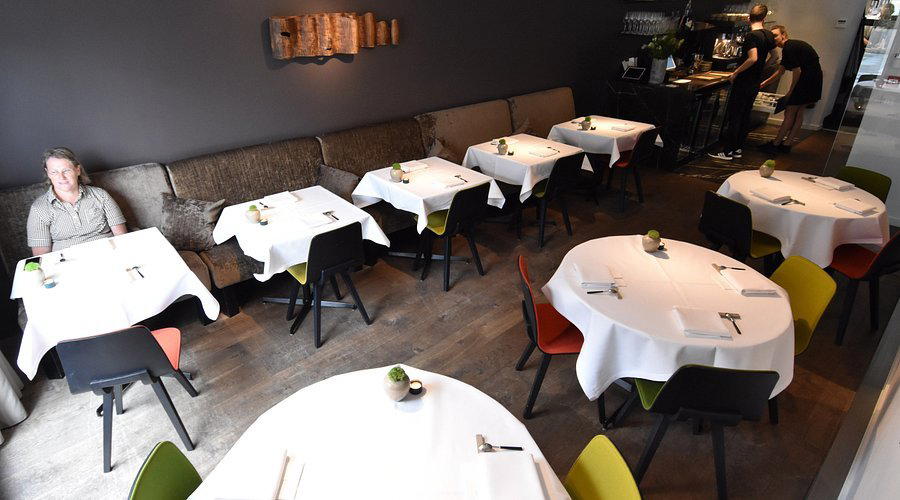
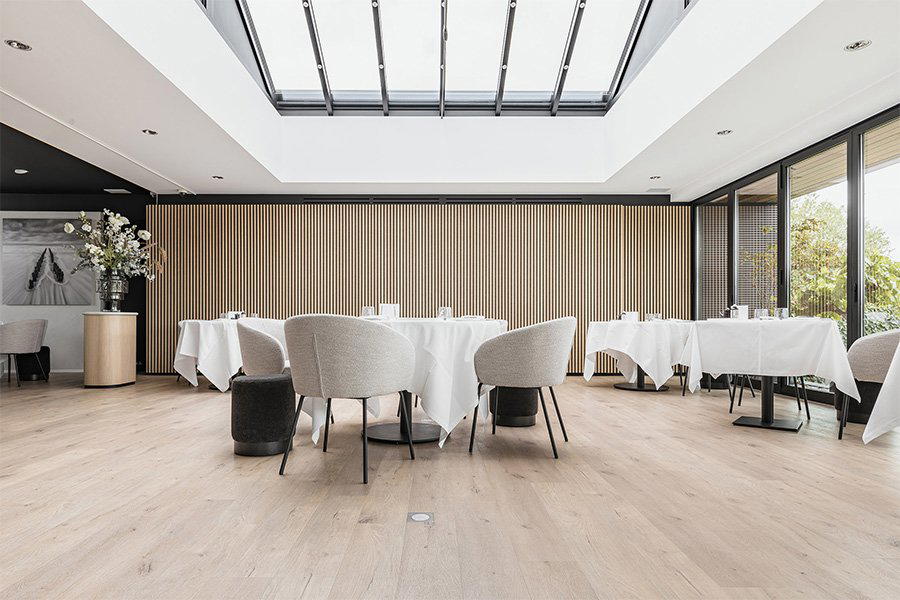
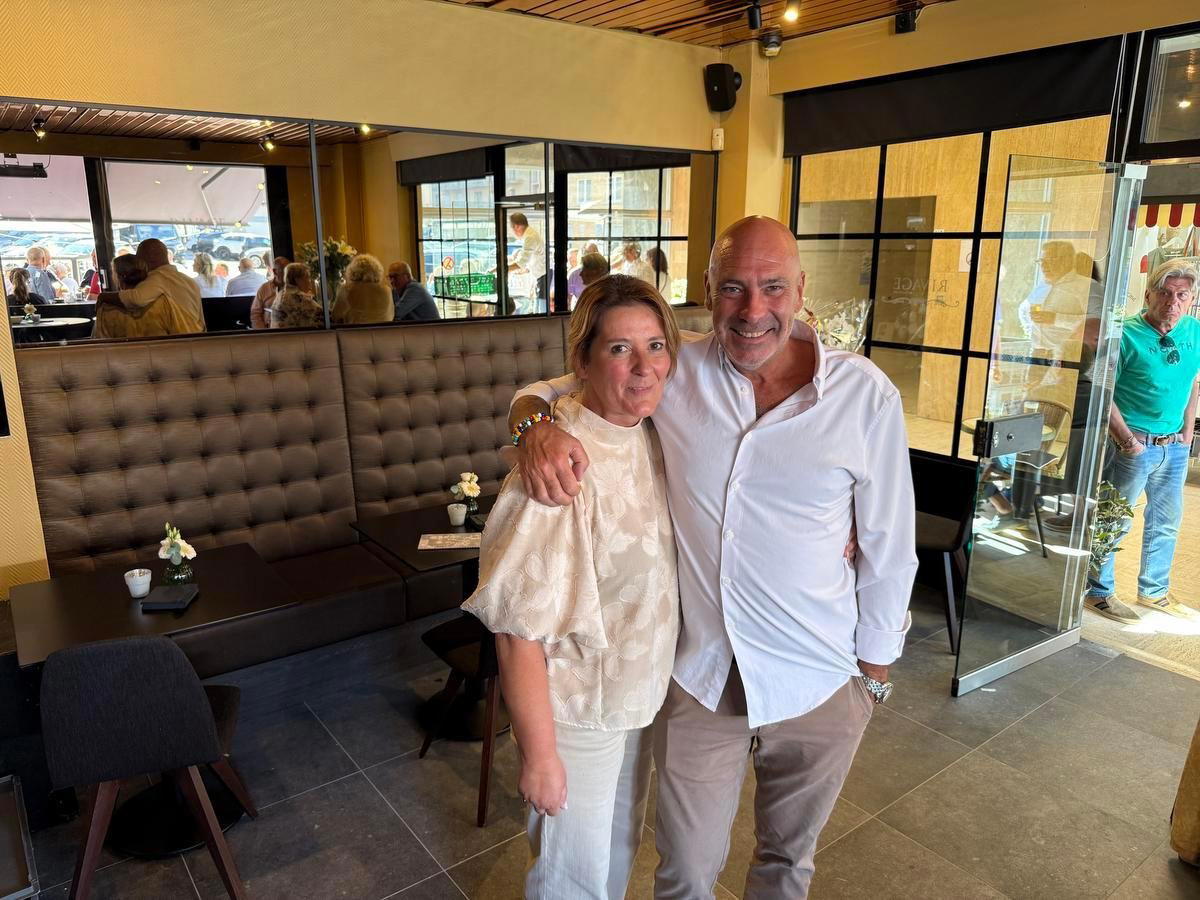
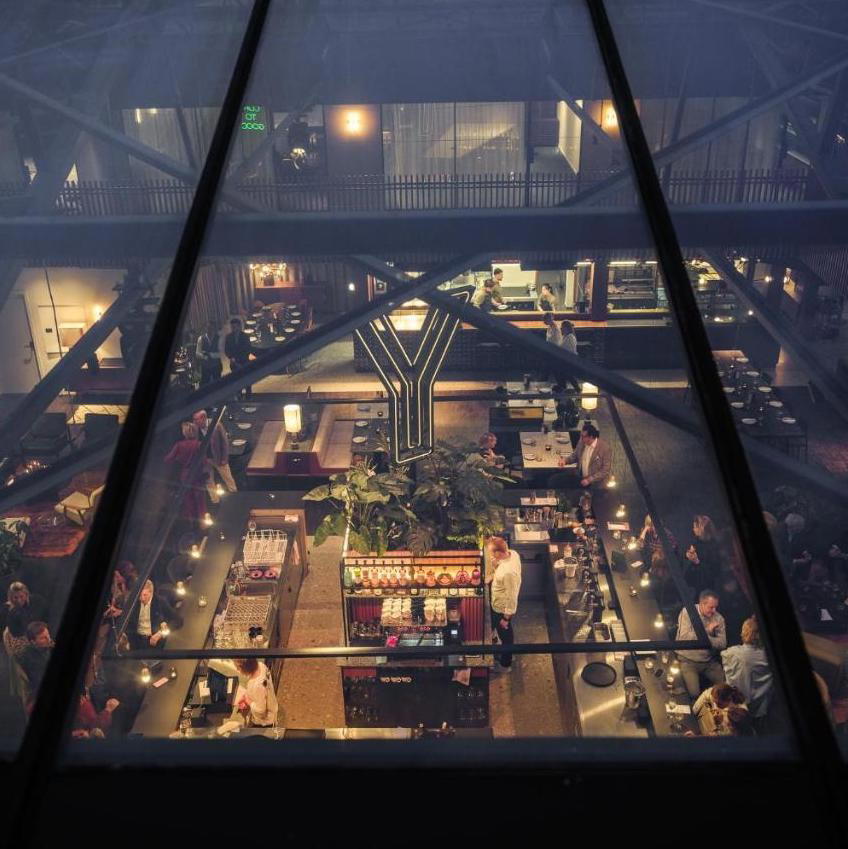
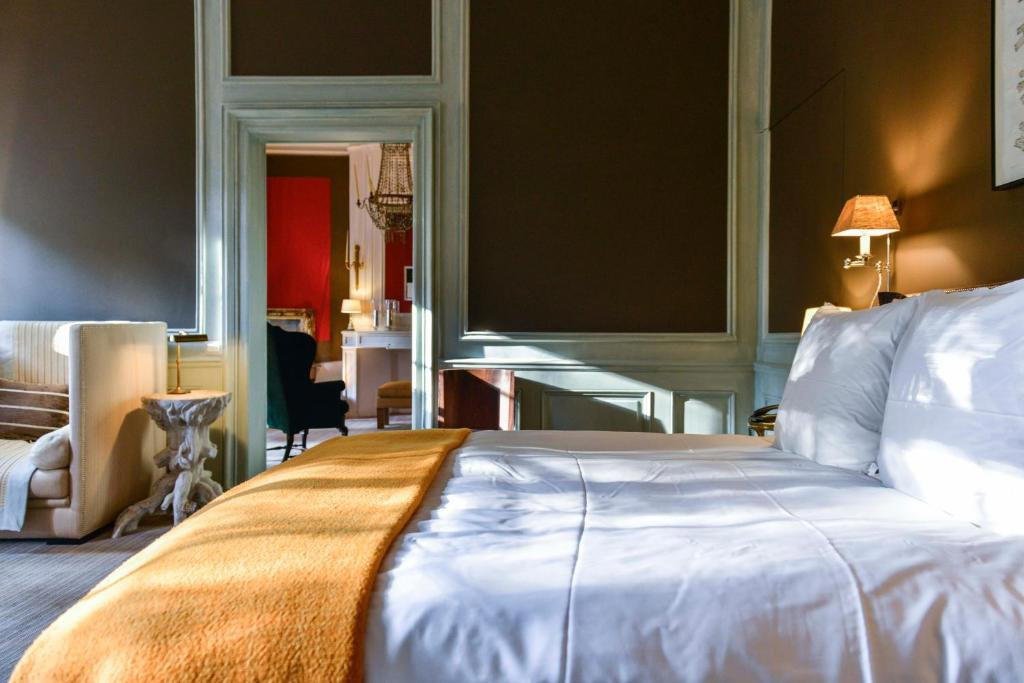
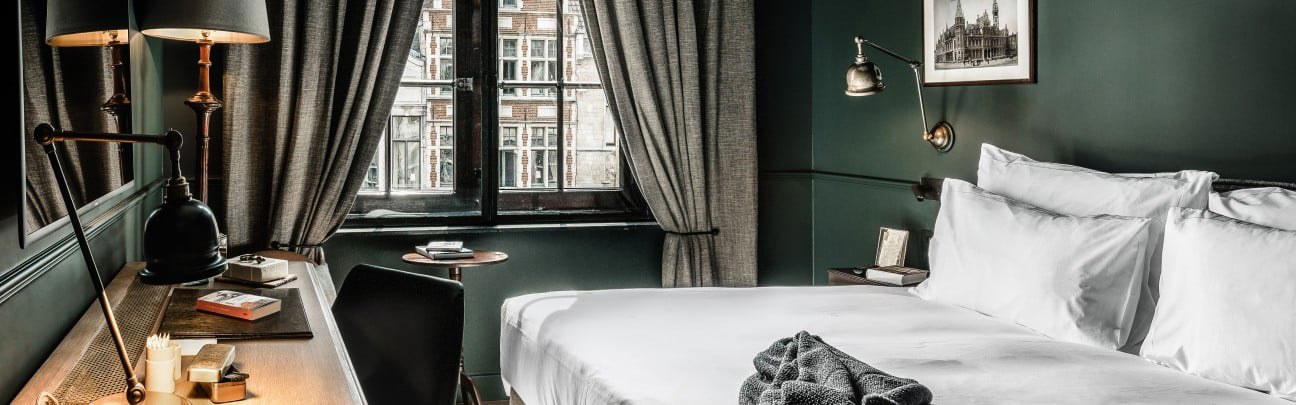
Warm, cozy, and well-kept interior with a quiet, welcoming atmosphere.