

1 Michelin Key · Mr & Mrs Smith Seal of Approval
Occupying a 1724 townhouse and its 20th-century neighbor on pedestrianized Hoogstraat, Pillows Grand Boutique Hotel Reylof Ghent places 156 rooms within walking distance of the city's medieval waterfront. Empire-style public spaces, a sustainability-forward infrastructure, and two in-house dining options position it firmly in Ghent's upper-mid boutique tier, from around $203 per night.

Pearl is the En Primeur Club membership app, where members save venues, book tables and use the concierge.
Where Ghent's Address Does the Heavy Lifting
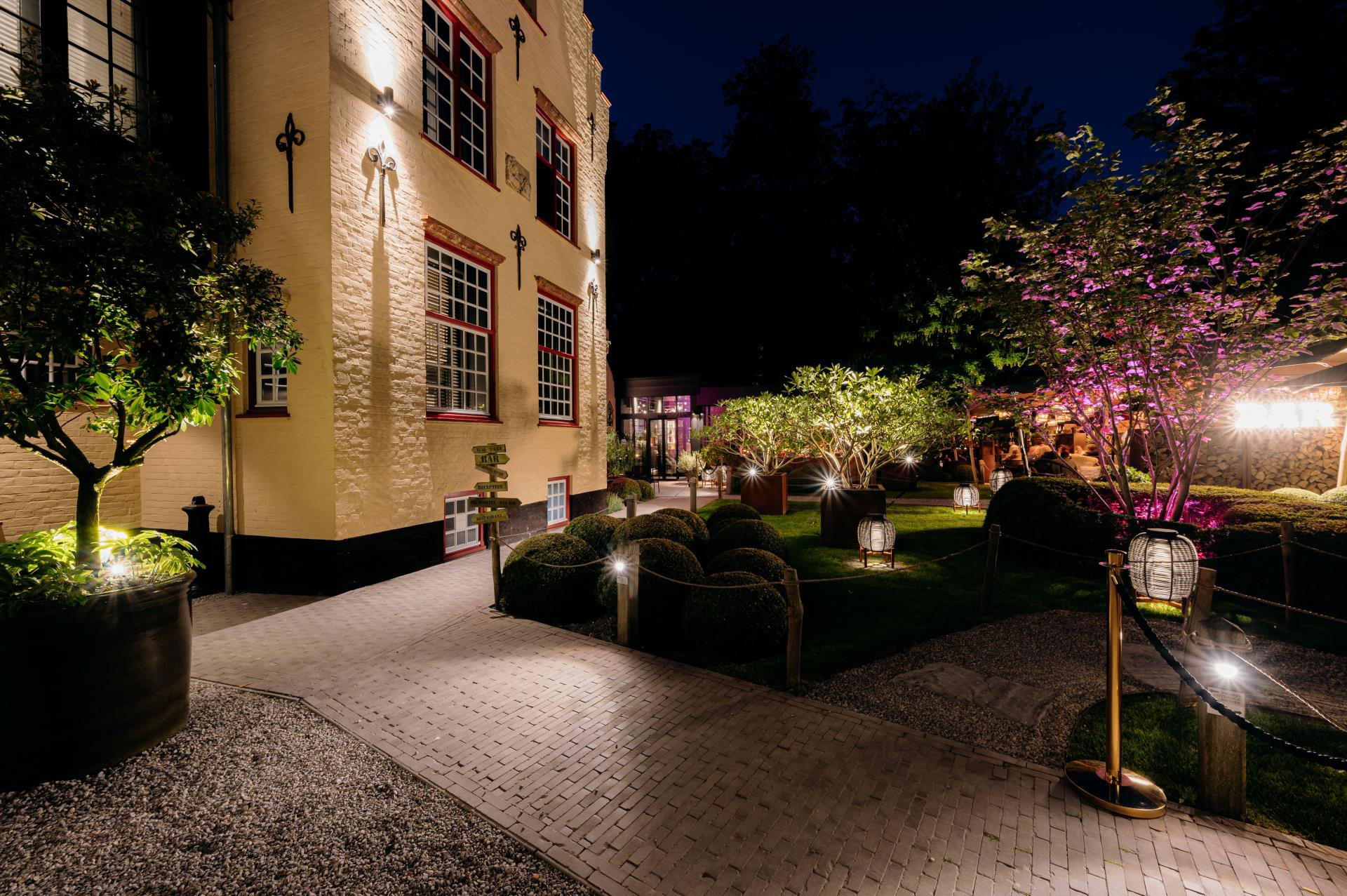
Ghent's decision to pedestrianize its historic center was, by any measure, an act of civic confidence. The city already had the architecture, the Graslei waterfront, the Sint-Baafskathedraal, the layered medieval streetscape that makes Bruges feel rehearsed by comparison, and removing through-traffic simply handed it back to the people who wanted to look at it. For a hotel positioned on Hoogstraat, that decision is an ongoing dividend. Pillows Grand Boutique Hotel Reylof Ghent sits at number 36, directly in the pedestrianized core, which means guests leave on foot and arrive somewhere worth arriving within minutes, in any direction.
That kind of address is rarer than hotel marketing typically acknowledges. Ghent's walkable center is compact, and properties that combine genuine historic fabric with proximity to the main cultural draws occupy a limited pool. The Reylof competes in that pool alongside a handful of character-led properties: 1898 The Post, which converts the city's former central post office into a design-forward stay, and B&B; The Verhaegen, a smaller, more intimate proposition with Georgian-era bones. Against those two, the Reylof occupies a middle register: larger than a true boutique (156 rooms is a meaningful footprint), but far more architecturally considered than the Ghent Marriott Hotel, which serves a different kind of traveler with different priorities.
The Building as Argument
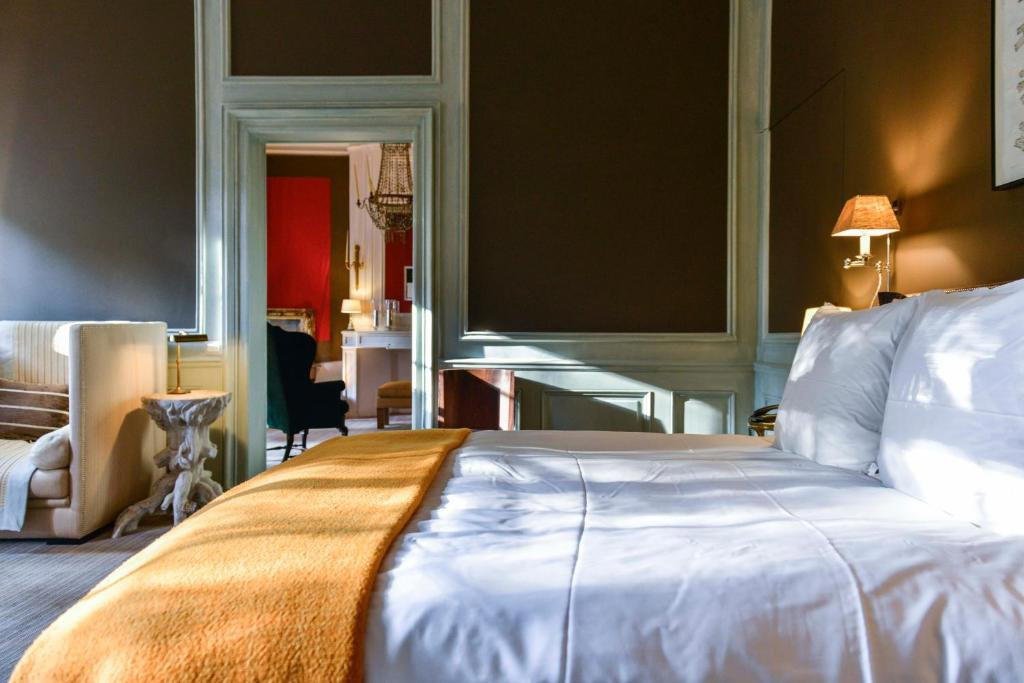
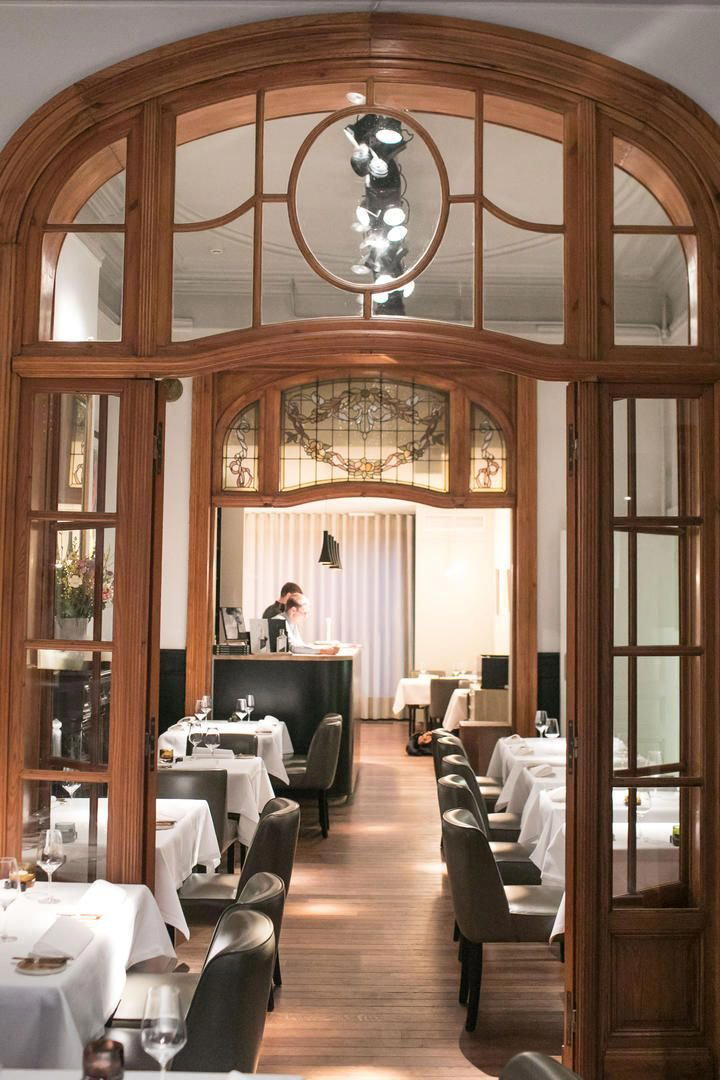
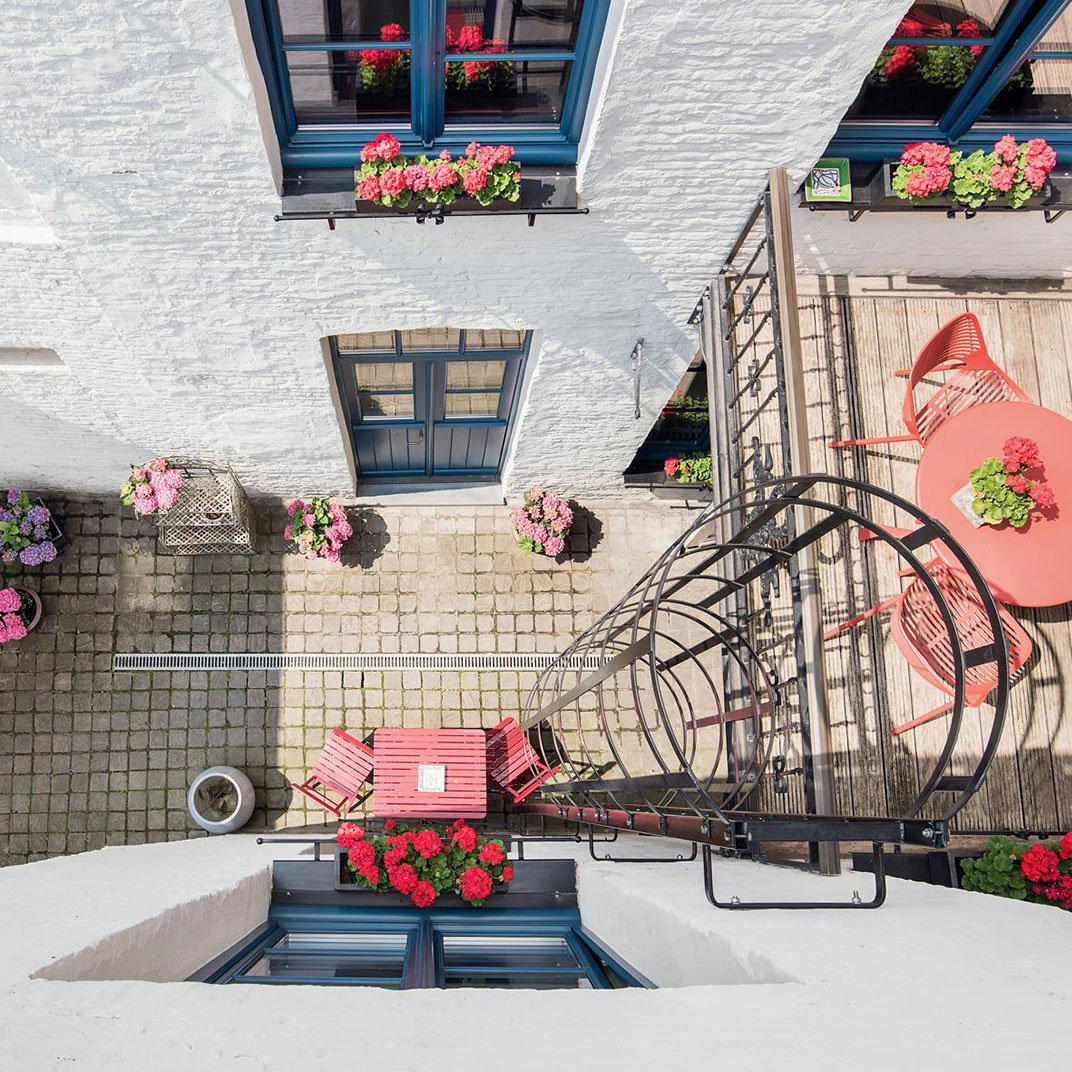
The hotel spans two connected structures: a 1724 townhouse and a 20th-century annex joined into a single property. That pairing is not incidental, it is the architectural premise. Belgian boutique hotels have increasingly learned to work with existing fabric rather than against it, and the Reylof's public spaces make the case for that approach with some confidence. Empire-style interiors dominate the ground floor: ornate mantelpieces, wainscoting, pedimented doorways. The named rooms honor figures from Ghent's cultural history, Valerius de Saedeleer, Emile Claus, Lieven Bauwens, a gesture that situates the property within the city's intellectual and artistic legacy rather than floating above it.
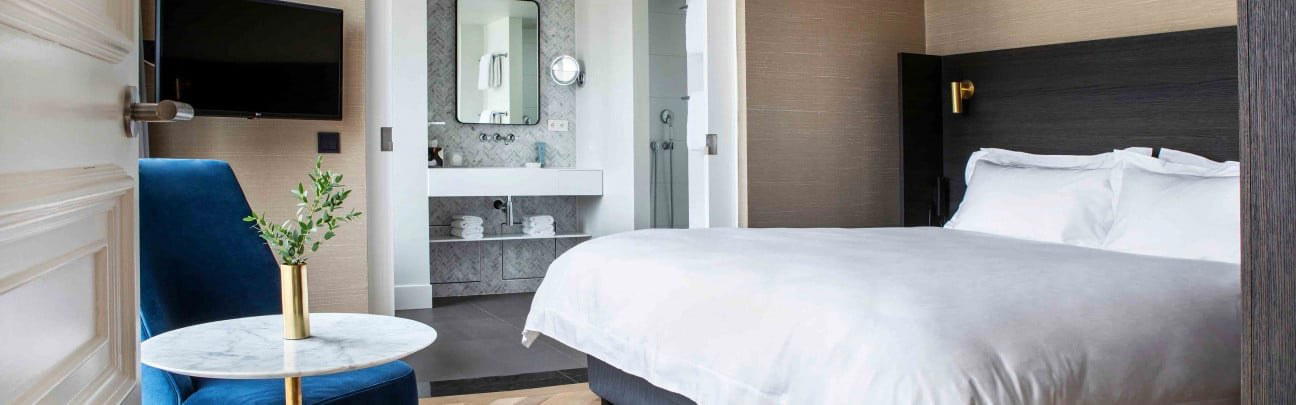
The hotel's namesake, Baron Olivier de Reylof, was a wealthy 18th-century poet, and the whole premise leans into that lineage without tipping into theme-park territory. The distinction matters. Many heritage conversions in Belgian cities use period detail as decoration without coherence; here, the references connect. That said, the theatrical register of the public spaces gives way to something quieter in the guest rooms themselves, where an eggshell-and-tan palette, parquet flooring, and floor-to-ceiling windows do the work more calmly. It is a deliberate gear-change, and for many guests the contrast will be part of the appeal.
Rooms, Suites, and the Logic of Upgrading
At 156 rooms, the property offers enough inventory that rates around $203 per night, the entry-level price point, remain accessible without aggressive advance planning, though peak Ghent periods (the Gentse Feesten festival in July being the most significant demand spike) will compress availability across the entire city. Standard rooms include complimentary wi-fi, Nespresso machines, flat-screen televisions, and rain showers: a specification list that reads as baseline for this tier in 2024, delivered competently rather than reluctantly.
The suite category justifies serious consideration. Private terraces with views over the historic center, freestanding tubs, and integrated sound systems shift the proposition meaningfully, these are not rooms with marginal upgrades but a qualitatively different experience of the building. For a stay where the address is the primary draw, a terrace that extends the city's visual argument into the room itself is a coherent use of the premium. Travelers choosing between the Reylof's suites and the more contained intimacy of B&B; The Verhaegen are really choosing between scale-with-views and character-with-stillness, different things, both defensible.
Sustainability as Infrastructure, Not Branding
The Reylof's sustainability credentials are worth noting specifically because they operate below the surface rather than above it. Micro-cogenerators and heat-recapture systems throughout the property represent an engineering-level commitment rather than a greenwashing checklist. In the broader Belgian hotel market, where sustainability language has become near-universal while technical implementation remains inconsistent, that distinction carries weight. Properties like Domaine La Butte aux Bois in Lanaken approach the question through land stewardship; the Reylof's answer is urban and infrastructural, appropriate to a dense city-center footprint.
Spa Reylof and the Carriage House Conversion
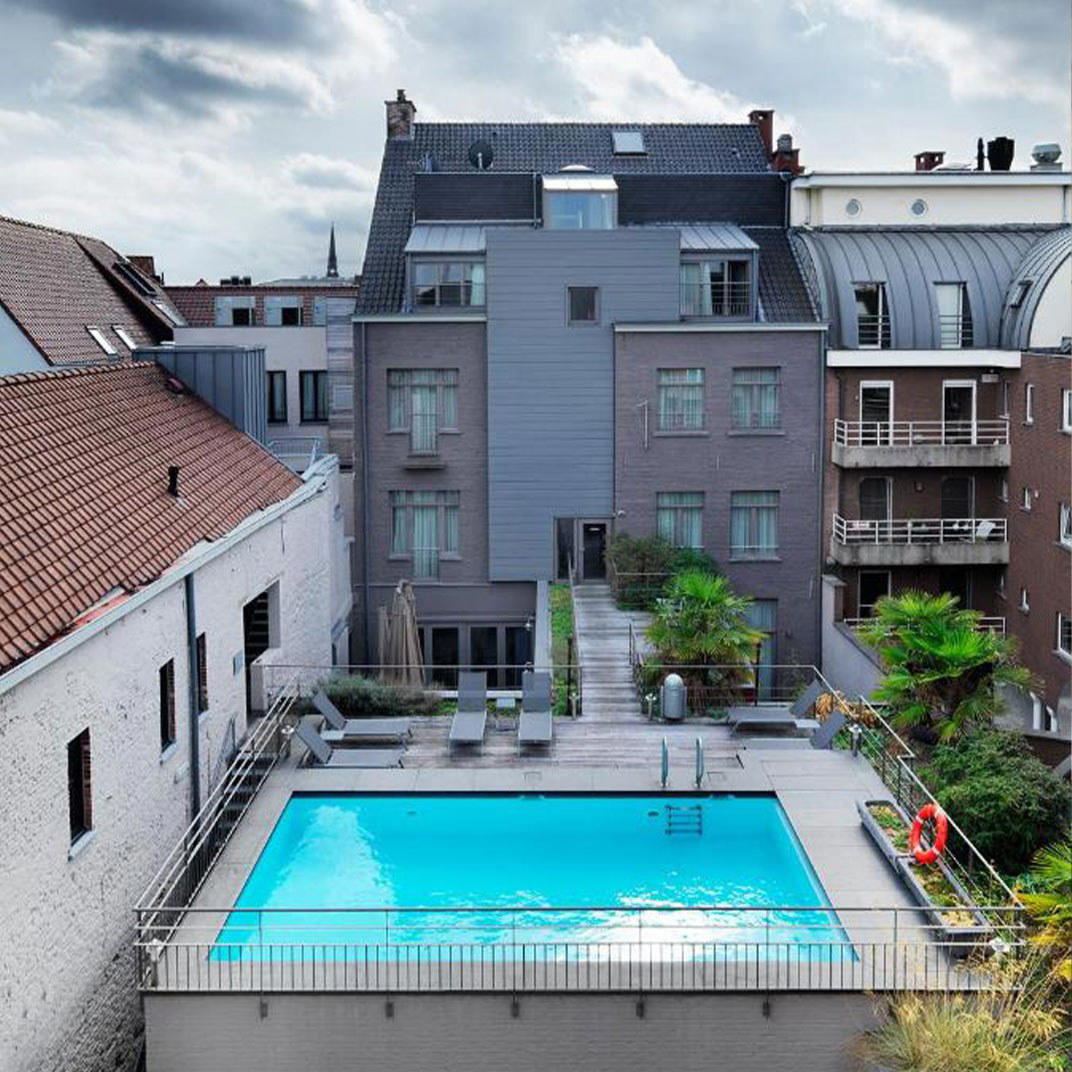
Spa Reylof occupies the former carriage house, a conversion that solves one of the perennial challenges for historic urban hotels: where to put a wellness facility without compromising the architectural integrity of the main building. An indoor pool and sauna in a repurposed carriage house sidesteps that problem neatly. The arrangement gives spa guests a sense of spatial separation from the main hotel, which tends to improve the experience even when the physical distance is modest. For comparison, properties like Kasteel van Ordingen in Sint-Truiden or Chateau de Vignée in Rochefort approach wellness through rural estate logic; the Reylof's version is compact and city-inflected, which suits the context.
Dining: Two Registers Under One Roof
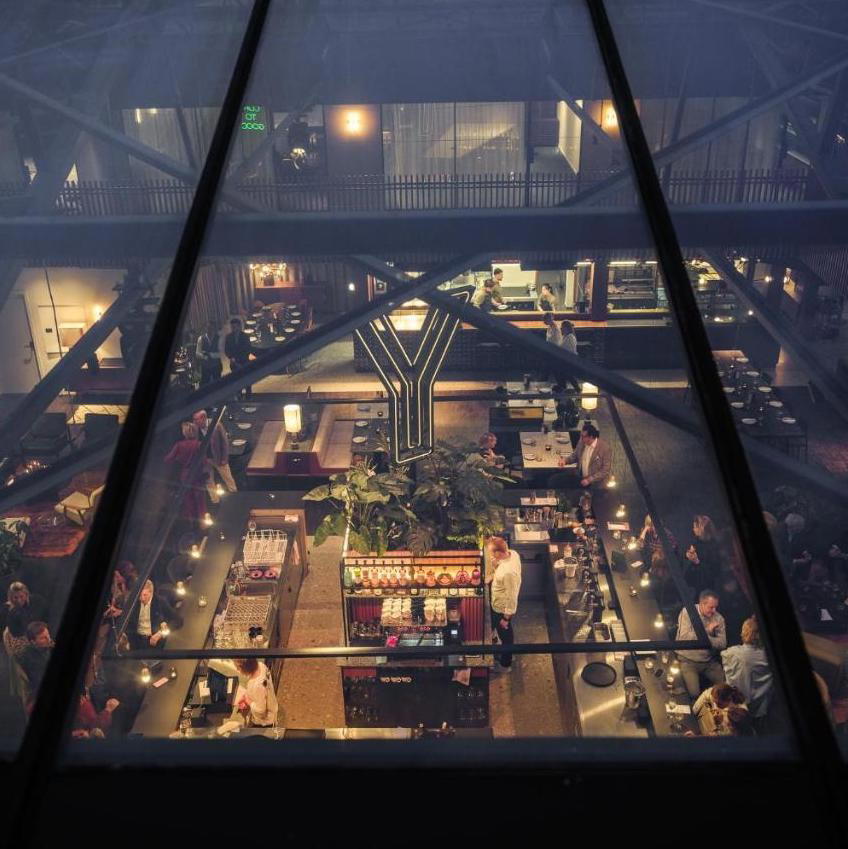
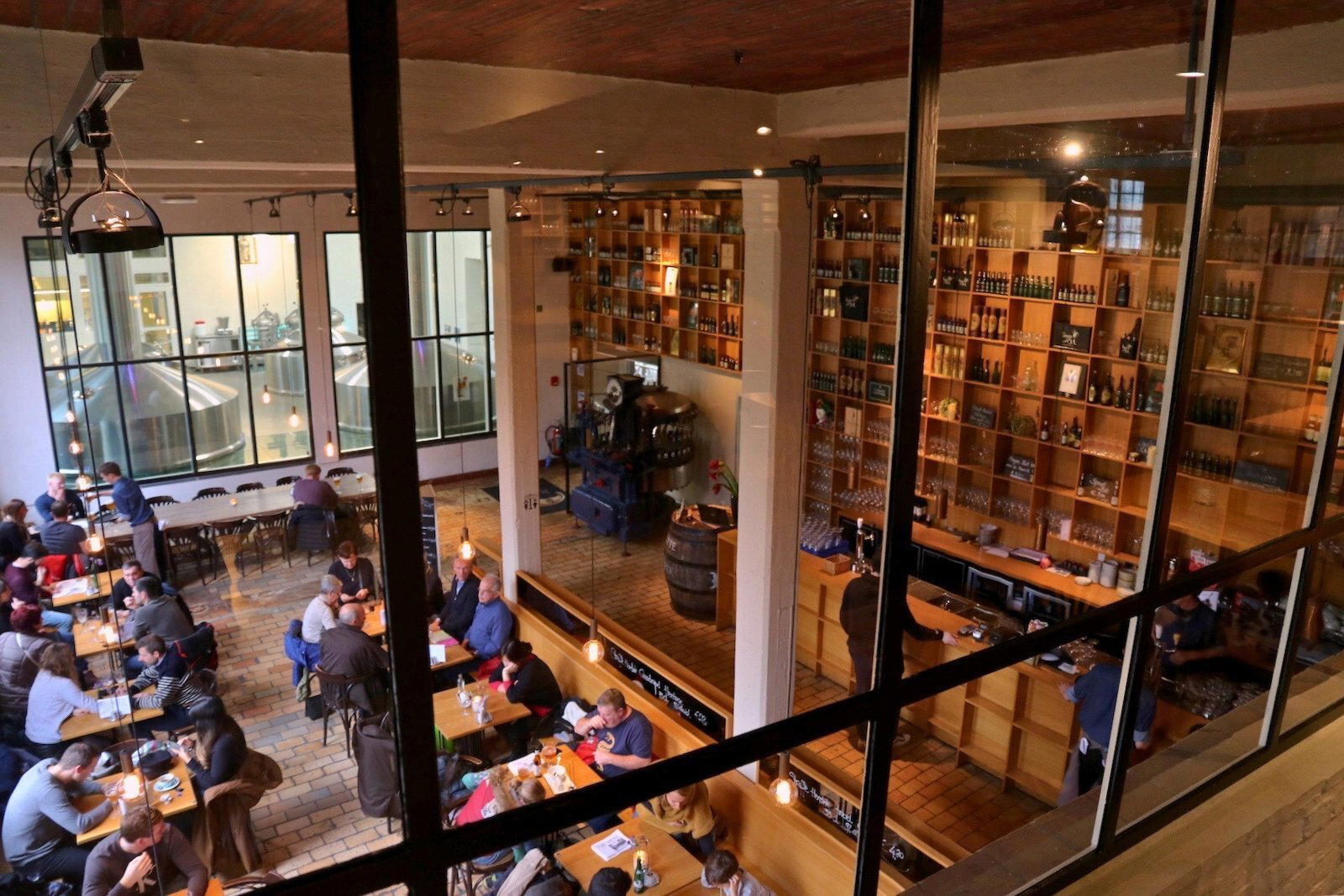
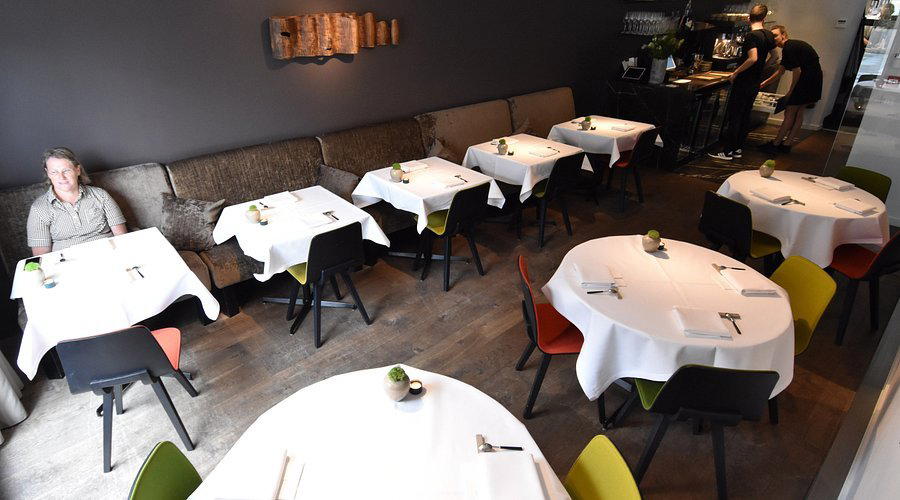
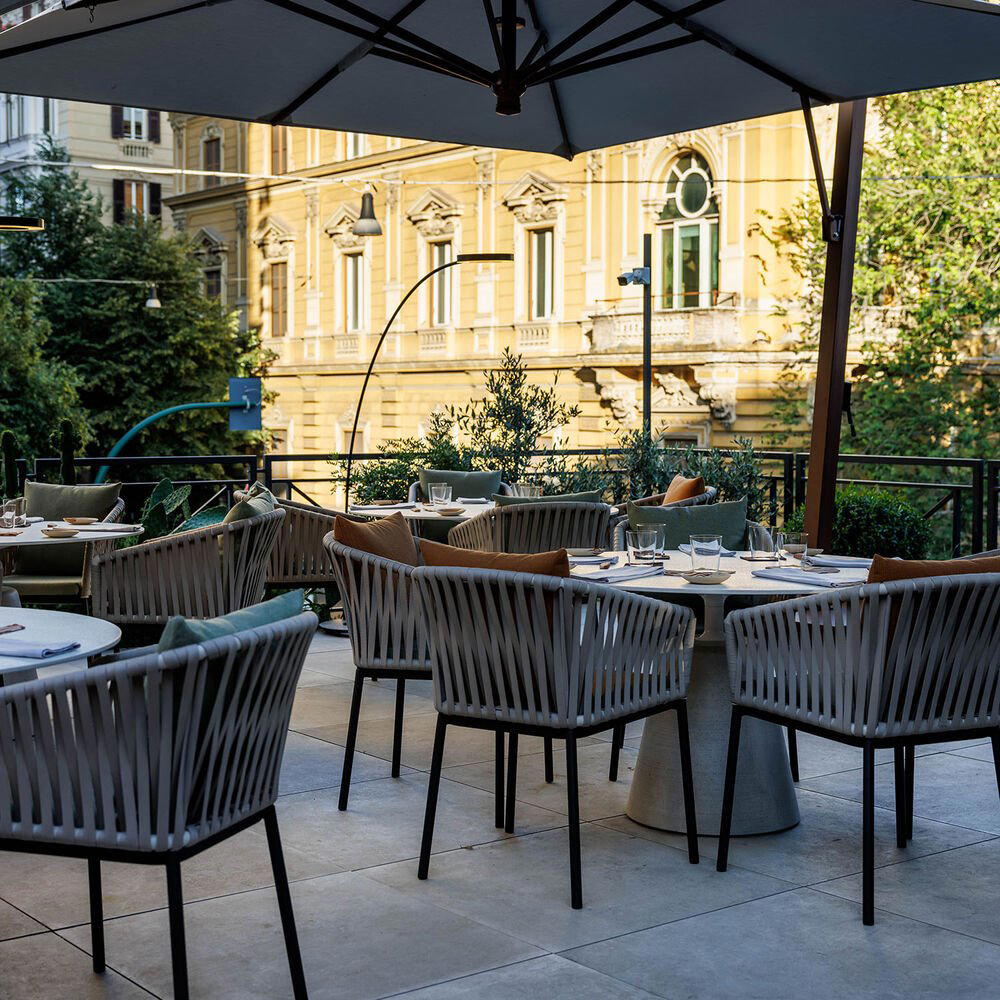
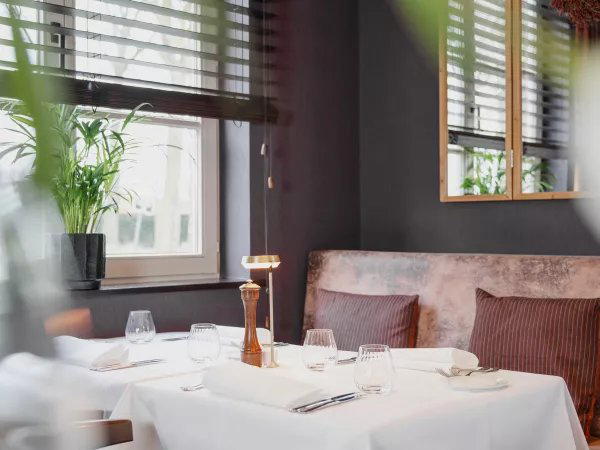
Hotel's restaurant split follows a pattern that has become standard in serious Belgian hospitality: a fine-dining room and a casual bistro operating in parallel, serving different moods and schedules. LOF, the fine-dining option, applies classical technique to Flemish flavors, a framing that places it within a strong regional tradition running from Bruges south through Ghent, where local ingredients and French-influenced preparation have long coexisted productively.
For guests interested in the broader Ghent dining context beyond the hotel, our full Ghent restaurants guide maps the city's most considered options across categories and neighborhoods.
Planning Your Stay
The Reylof's Hoogstraat address at number 36 puts guests within the pedestrianized core, making it genuinely walkable to the Graslei, Sint-Baafskathedraal, and the main concentration of Ghent's restaurants and bars. Bicycles are available for rental throughout the city and remain the fastest way to cover longer distances in a municipality that has actively invested in cycling infrastructure. At $203 per night at entry level across 156 rooms, the property sits in the upper-mid range for Ghent, above the chain tier and below the ultra-premium end that properties like 1898 The Post occupy in terms of design ambition. Those arriving from Brussels will find Ghent accessible by train in under 30 minutes from Brussels-South (Gare du Midi), making the Reylof a viable base for travelers already considering stays in the Belgian capital at properties like Hotel Agora Brussels Grand Place or Le Louise Hotel Brussels. Antwerp, similarly connected by rail, is home to Hotel Julien, another boutique property operating in comparable architectural territory.
Beyond Belgium, the Pillows group's approach to heritage conversion draws comparisons with a wider European tradition of adaptive reuse in premium hospitality, from Castello di Reschio in Lisciano Niccone to Aman Venice, where historic fabric and contemporary comfort have been made to coexist, at very different price points and scales. The Reylof's version is more democratic in scope, 156 rooms, $203 entry, city-center logistics, which is part of what makes it a coherent choice for a wider range of travelers than those ultra-premium peers would serve.
At a Glance
Comparable venues nearby, for context on price, style, and recognition.
| Venue | Cuisine | Price | Awards | Notes |
|---|---|---|---|---|
| Pillows Grand Boutique Hotel Reylof GhentThis venue (the venue you are viewing) | Not listed | $200–300 | 1 Michelin Key · Mr & Mrs Smith Seal of Approval | Not listed |
| 1898 The Post | Binnenstad, Neo-Gothic heritage boutique | $100–200 | 1 Michelin Key · Mr & Mrs Smith Seal of Approval | Not listed |
| Ghent Marriott Hotel | Not listed | Not listed | Not listed | Elisabethbegijnhof - Prinsenhof - Papegaai - Sint-Michiels, Contemporary luxury in historic setting |
| Hotel Harmony | Not listed | $100–200 | Michelin Selected | Binnenstad, Intimate atmospheric hotel in restored historic town mansions. |
| Yalo Urban Boutique Hotel Gent | Not listed | $100–200 | Michelin Selected | Binnenstad, Urban boutique with retro-chic design |
| Ganda Rooms & Suites | Not listed | Not listed | Michelin Selected | Binnenstad, Historic townhouse with contemporary boutique charm |
Recognition history
Dated appearances from independent guides and award organizations, with the underlying list record or original source where available.
Michelin 1 Key
Michelin
Mr & Mrs Smith Seal of Approval
Mr & Mrs Smith
Full recognition history (3 entries)
Michelin 1 Key
Michelin
Continue exploring
More in Ghent
Hotels in Ghent
All hotels in Ghent →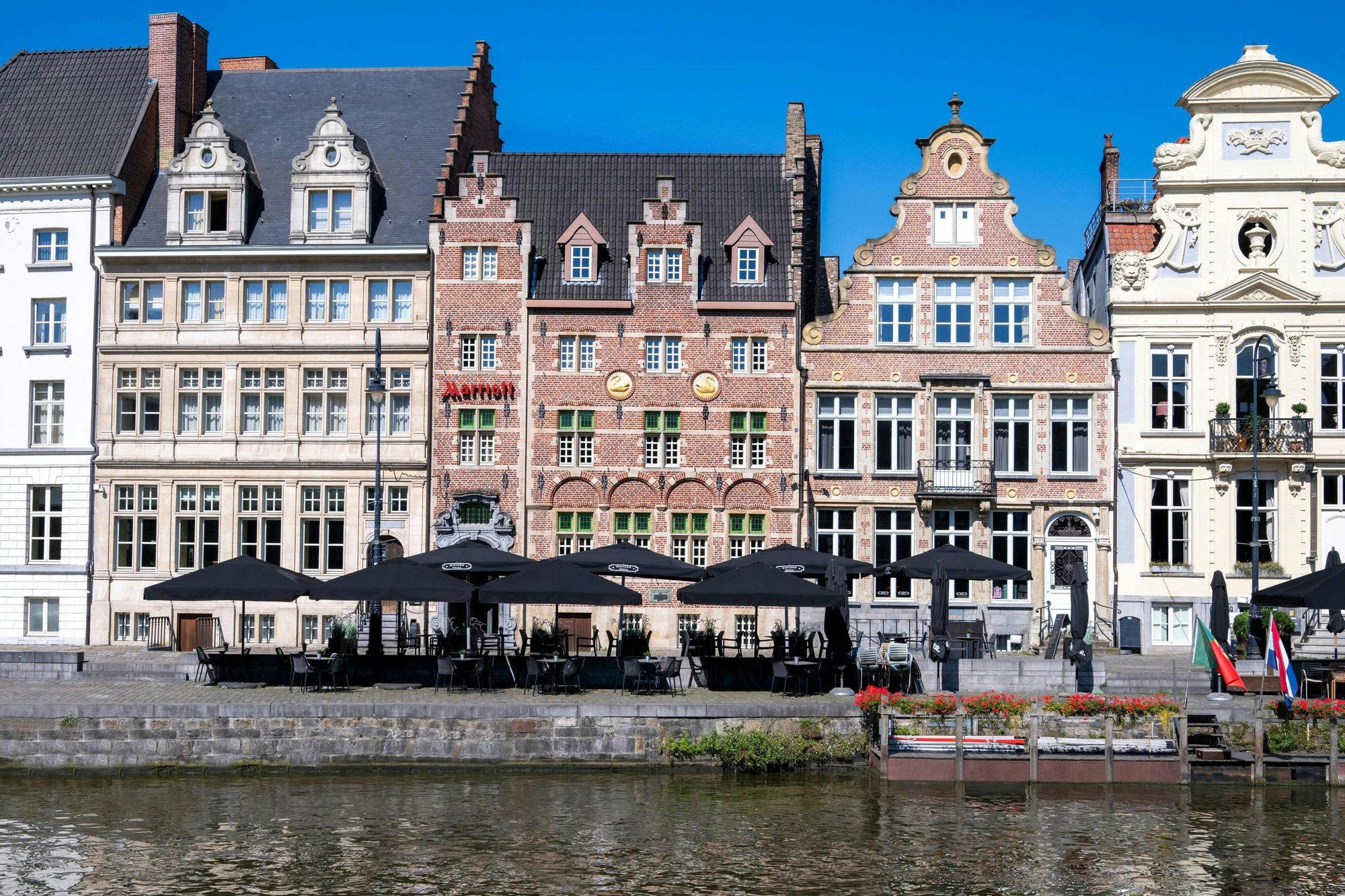

Details
- Elegant
- Sophisticated
- Quiet
- Cozy
- Romantic Getaway
- Anniversary
- Business Trip
- Weekend Escape
- Historic Building
- Terrace
- Garden
- Wi Fi
- Pool
- Spa
- Fitness Center
- Room Service
- Concierge
- Sauna
- Garden
- Wheelchair Accessible
- Elevator
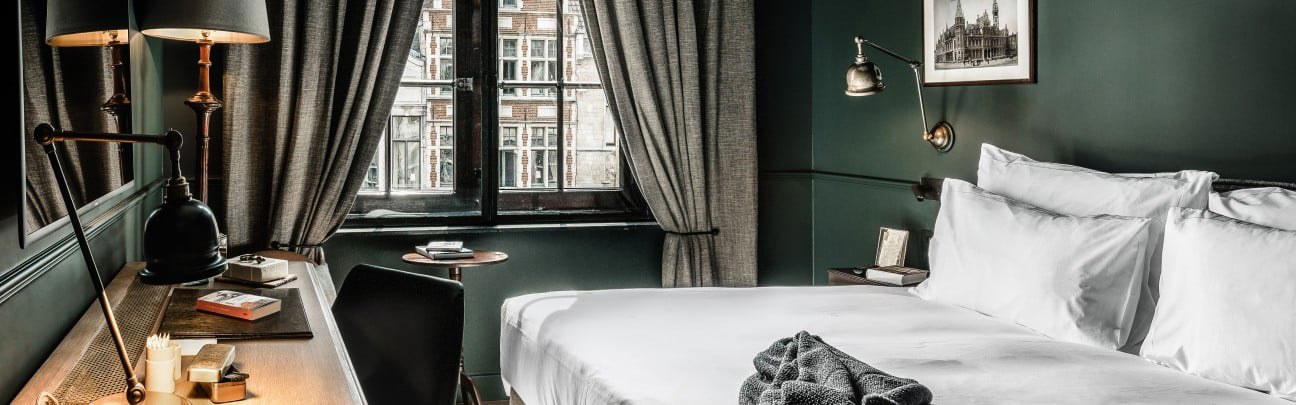
Elegant and serene with refined decor, warm eggshell-and-tan tones, natural light from floor-to-ceiling windows, and a tranquil atmosphere praised in guest reviews.