

1 Michelin Star · We're Smart World Top 100 #64
Our verdict
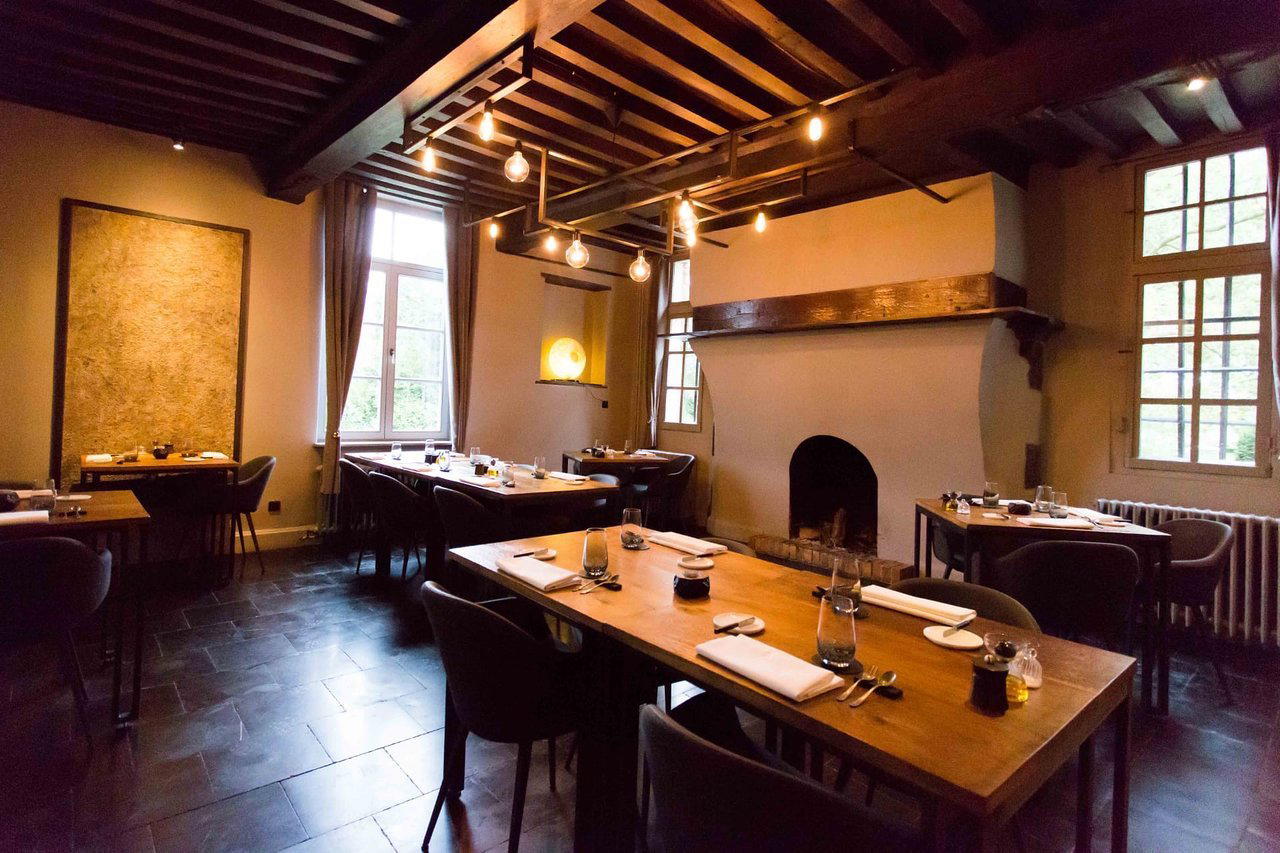
A Michelin-starred restaurant inside a restored castle in the Pays des Collines, Le Vieux Château operates on a fixed menu built around the region's local producers. Chef Tanguy De Turck's cooking draws directly from the surrounding landscape, pairing techniques like plancha and escabèche with ingredients that rarely travel far.

Pearl is the En Primeur Club membership app, where members save venues, book tables and use the concierge.
The menu
What to order
- Focaccia_bread
- Turbot_with_mussel_tempura
A Castle Setting in the Pays des Collines
The approach to Le Vieux Château sets expectations before you've sat down. The restored castle sits within a park garden in Flobecq, a small municipality in the Hainaut province that belongs to the Pays des Collines, a rolling agricultural zone that has quietly developed a reputation for the quality of its local produce. This is not the kind of dining address that announces itself with a city-facing PR machine. It earns its attention through the consistency of what arrives at the table and, since 2024, through a Michelin star that has been renewed for 2025.
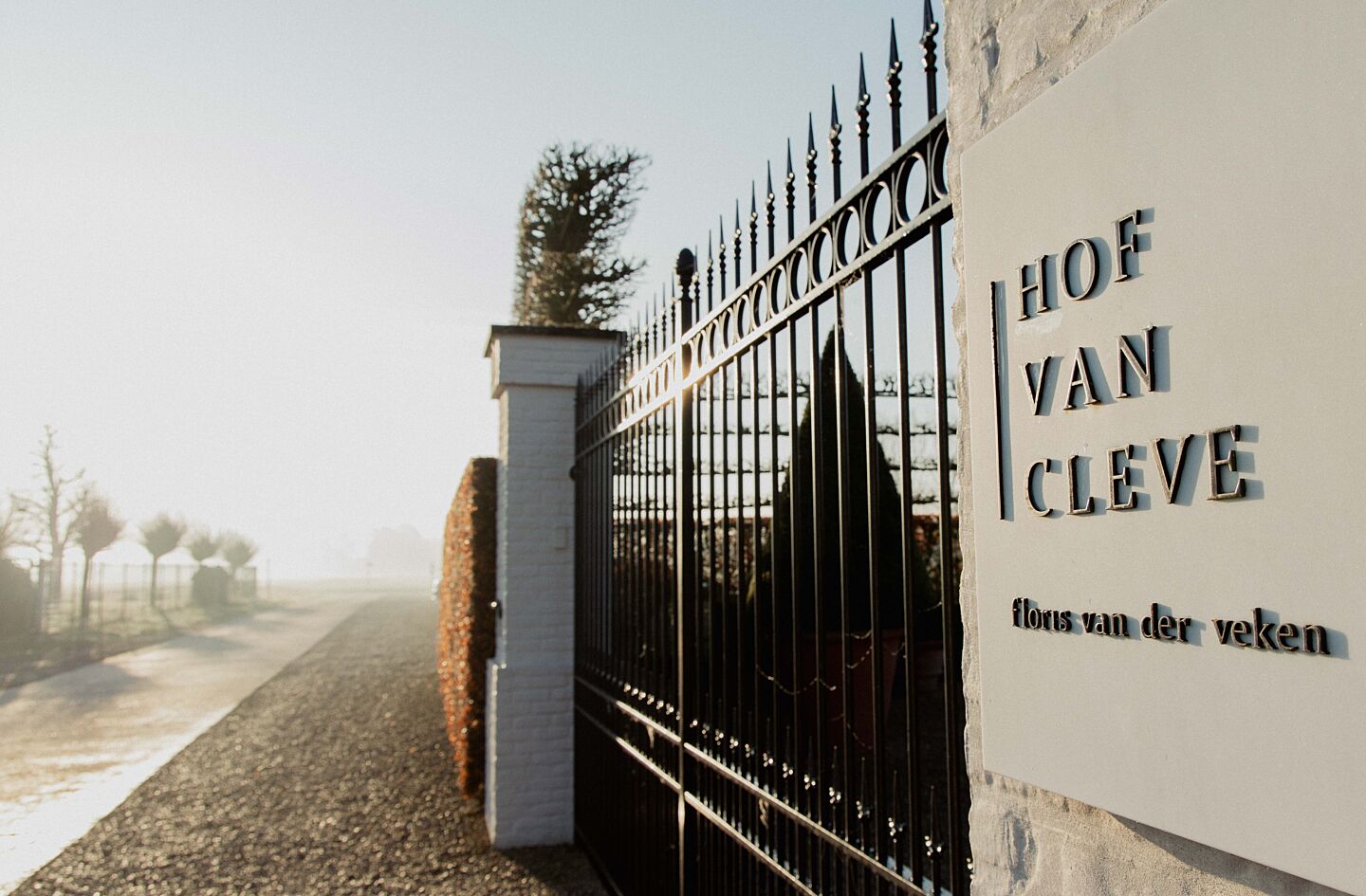
Belgium's Michelin-starred tier is not short of serious kitchens. Names like Boury in Roeselare and Zilte in Antwerp anchor the upper end of that conversation, while Hof van Cleve in Kruishoutem operates further into three-star territory. Le Vieux Château sits in a different register: one-star, countryside-based, menu-only, and priced at €€€ rather than the €€€€ bracket occupied by most of its Flemish and Walloon peers. That combination positions it as one of the more accessible entry points into Belgian fine dining outside the major cities.
The Fixed Menu and Its Logic
The restaurant works exclusively with a fixed menu rather than à la carte. This is a deliberate structural choice that has become increasingly common among kitchens with strong producer relationships, and it makes particular sense here. The Pays des Collines is known within Belgian food circles for the density and quality of its agricultural output. Working without an à la carte option allows Chef Tanguy De Turck to build each service around what is available and in condition, rather than what a printed card requires him to stockpile.
The menu's orientation is described by the restaurant as firmly devoted to nature and the leading local products. That phrasing could sound like standard fine-dining positioning, but the specific dishes on record give it substance. A cream of peas is combined with an escabèche of mushrooms and duck liver, a construction that requires the escabèche's acidity to cut through both the richness of the liver and the sweetness of the pea base. Sea bass prepared on the plancha arrives with BBQ roasted vegetables and wild garlic, a dish that uses smoke and char as seasoning rather than decoration. A dessert pairs fruit compote with dulce de leche and Rodenbach, the Flemish red ale, which brings a lactic tang that keeps the sweetness from closing in on itself.
These are not dishes that rely on luxury ingredient stacking for their effect. They work through technique and through understanding how the components of a regional pantry relate to one another. For context on how this approach compares to the broader Belgian modern kitchen, d'Eugénie à Emilie in Baudour and L'Eau Vive in Arbre both operate in the French-Belgian tradition at the €€€€ tier and offer a useful reference point for where Le Vieux Château sits in the regional pecking order.
Chef Tanguy De Turck and the Pays des Collines Tradition
Belgium's culinary geography tends to be discussed in terms of its northern and southern poles: Flanders, with its Flemish creative tradition visible at addresses like Willem Hiele in Oudenburg and Bartholomeus in Heist, and Wallonia, where French influence remains strong. The Pays des Collines, straddling that divide in Hainaut, has produced a handful of kitchens that don't fit cleanly into either tradition. De Turck's cooking at Le Vieux Château belongs to that in-between register: technically grounded, locally anchored, and not particularly interested in signalling allegiance to either school.
What the record of dishes reveals is a chef working with a clear understanding of acidity, smoke, and fermentation as structural tools rather than garnish. The Rodenbach in the dessert is particularly telling: Rodenbach Grand Cru is a sour ale with a complex acid profile, and using it in a dessert context requires knowing how that profile will interact with a fruit compote's natural pectin sugars and the fat-sweetness of dulce de leche. That's a decision made from knowledge of ingredients, not from trend-following. Kitchens operating at a comparable register at higher price points, such as La Durée in Izegem or Ralf Berendsen in Neerharen, offer a broader international reference frame, while Le Vieux Château stays resolutely regional in its sourcing logic.
Internationally, the conversation around modern cuisine menus built on local producer networks has been shaped by kitchens like Frantzén in Stockholm, which pioneered a format where the menu is entirely dictated by what arrives from specific suppliers each day. The ambition at Le Vieux Château is less maximalist, but the underlying logic shares a lineage: the menu is the producer relationship made visible.
Where It Sits Among Belgian Fine Dining
Belgium punches well above its population size in Michelin-starred restaurants per capita. The 2025 guide confirmed the country's one-star tier as broad and competitive, with new entries appearing each year outside the established urban centres. Le Vieux Château holding its star for a second consecutive year signals consistency rather than a single strong performance.
The €€€ price bracket is relevant here. Most of the Belgian kitchens that draw international attention operate at €€€€, and the gap between those two tiers is not trivial. At €€€, Le Vieux Château prices itself closer to a serious urban bistro than to the grand tasting-menu formats at Bozar in Brussels or Sir Kwinten in Sint-Kwintens-Lennik. For readers who want Michelin-level cooking without the full €€€€ commitment, this is a structurally significant data point.
Planning a Visit
Flobecq is a rural commune in Hainaut, roughly equidistant between Ghent and Mons, and most visitors arrive by car. The castle setting and park garden mean the address works particularly well for weekend visits, when the surrounding Pays des Collines can be explored before or after the meal. The restaurant operates on a fixed menu format, so there is no decision to make at the table beyond drinks. Given the combination of Michelin recognition and a relatively modest price tier, booking in advance is advisable, particularly on weekends. There is no online booking information currently listed, so contact through direct inquiry is the practical route.
For those building a longer stay in the area, our full Flobecq hotels guide covers accommodation options in the region. Broader coverage of the local food and drink scene is available through our Flobecq restaurants guide, bars guide, wineries guide, and experiences guide.
Frequently asked questions
What should I eat at Le Vieux Château?
Is Le Vieux Château better for a quiet night or a lively one?
Is Le Vieux Château okay with children?
Comparison Snapshot
| Venue | Cuisine | Price | Awards | Notes |
|---|---|---|---|---|
| Le Vieux ChâteauThis venue (the venue you are viewing) | Modern French Fine Dining | Not listed | 1 Michelin Star · We're Smart World Top 100 #64 | Not listed |
| Boury | Creative French Fine Dining | $300–500 | 3 Michelin Stars · La Liste Top Restaurants | Modern Frlemish, Creative French |
| Comme chez Soi | French - Belgian, Classic Cuisine | Not listed | Michelin 1 Star | Not listed |
| Hertog Jan at Botanic | Modern Japanese Omakase Fine Dining | Not listed | 2 Michelin Stars · La Liste Top Restaurants | Modern Flemish, Creative |
| L'Eau Vive | Modern French Fine Dining | $150–200 | 2 Michelin Stars · La Liste Top Restaurants | French, Modern French |
| La Durée | Modern French Fine Dining | $150–200 | 2 Michelin Stars · La Liste Top Restaurants | French-Belgian, Creative |
Recognition history
Dated appearances from independent guides and award organizations, with the underlying list record or original source where available.
Michelin 1 Star
Michelin
We're Smart World Top 100 #64
We're Smart World
Full recognition history (5 entries)
Michelin 1 Star
Michelin
We're Smart World 5 Radishes
We're Smart World
Michelin 1 Star
Michelin
Continue exploring
More in Flobecq
Restaurants in Flobecq
All restaurants in Flobecq →
Bars in Flobecq
Browse all →
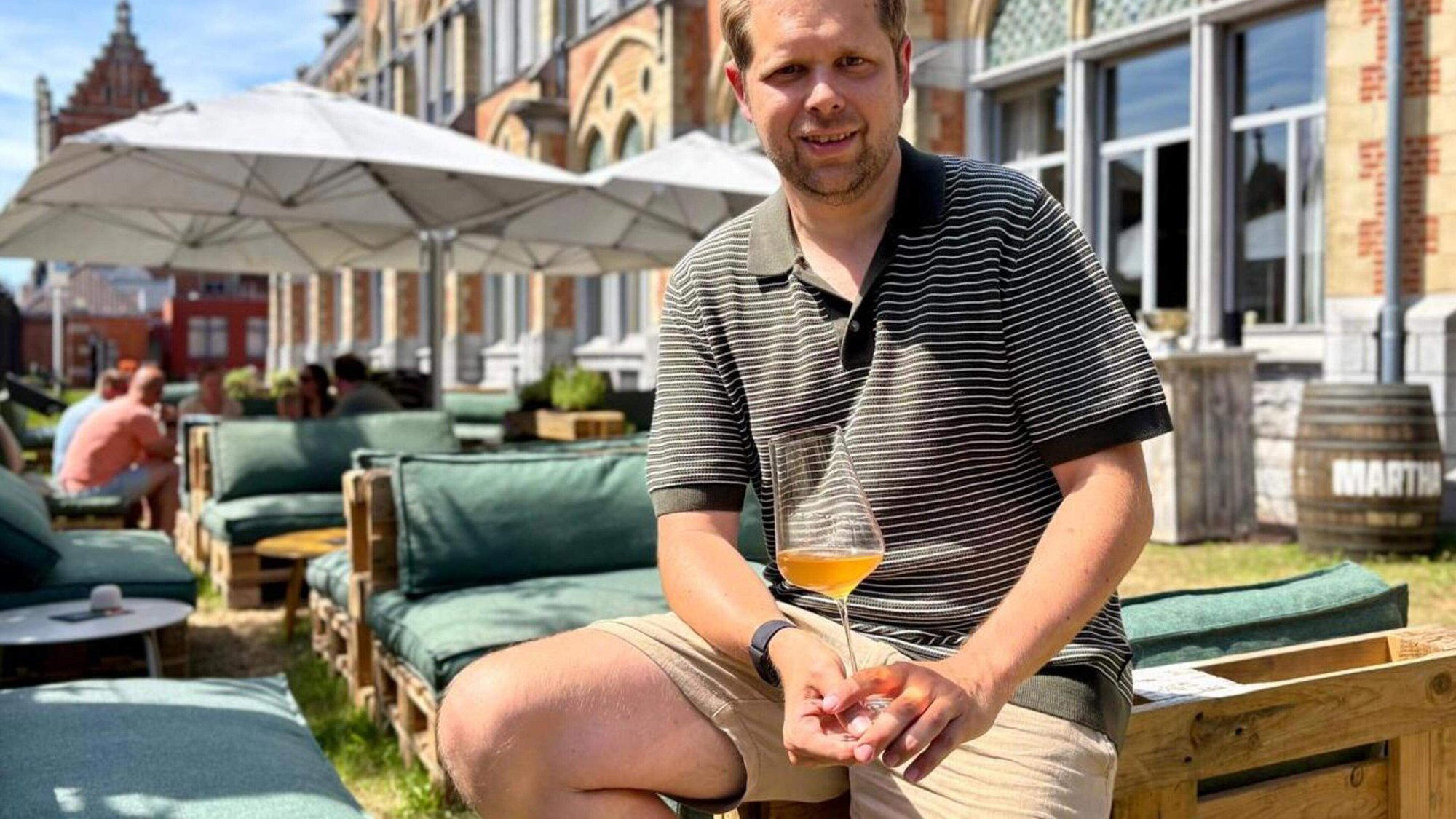
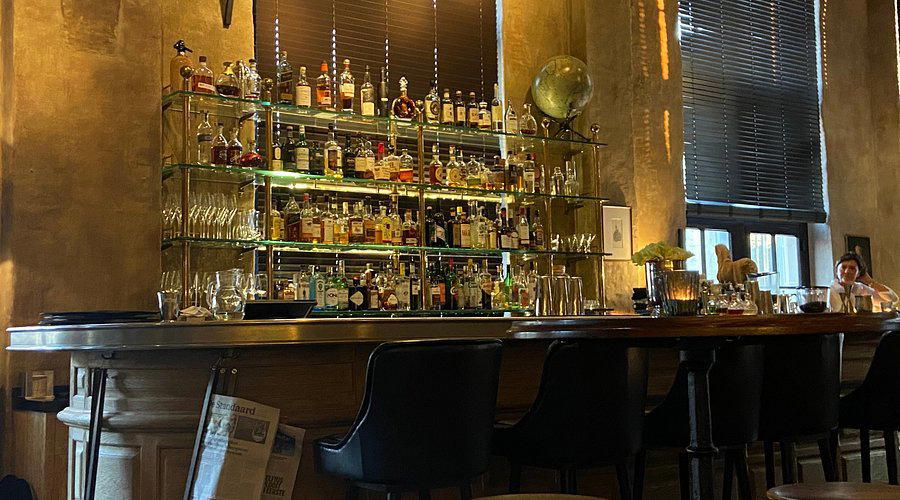
Hotels in Flobecq
Browse all →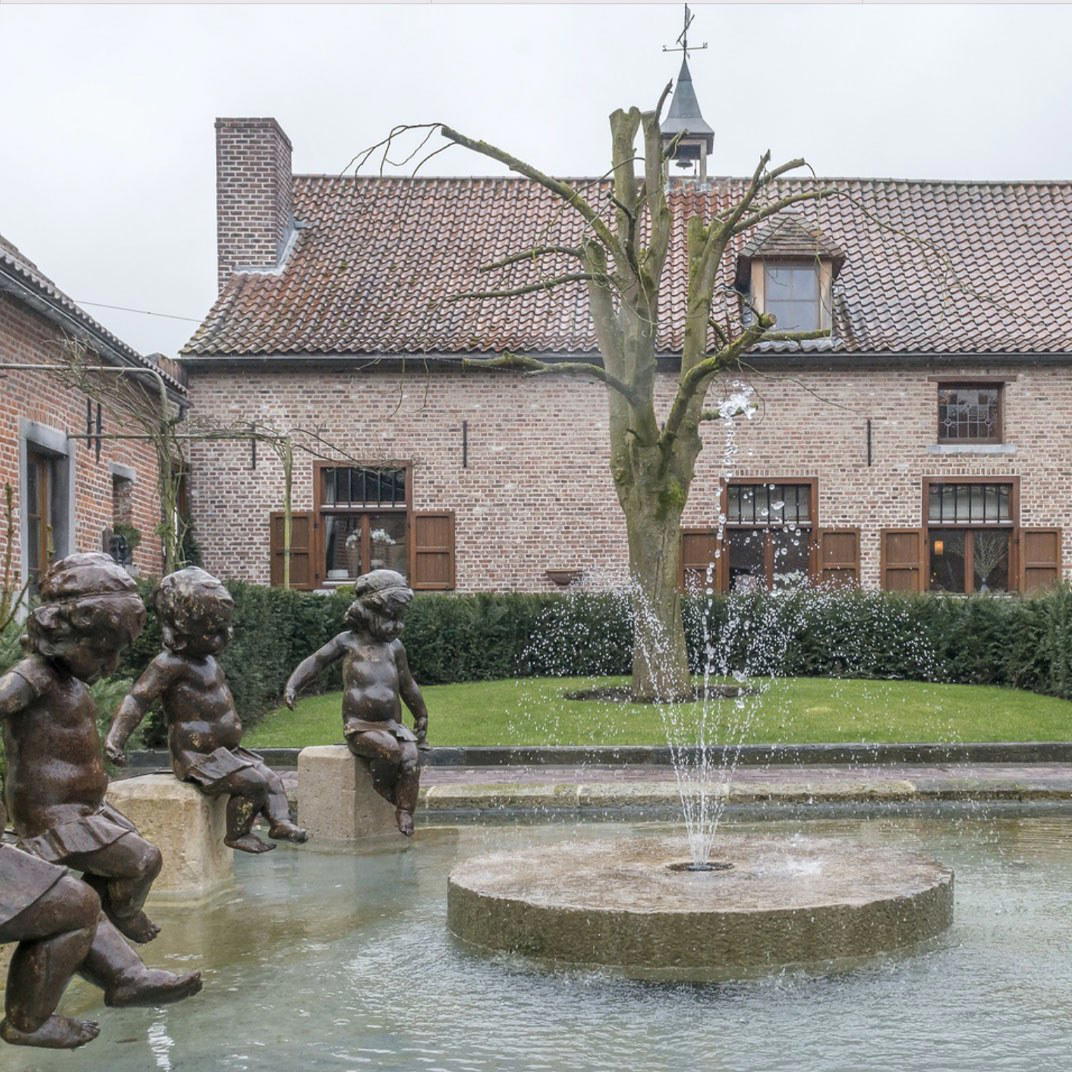
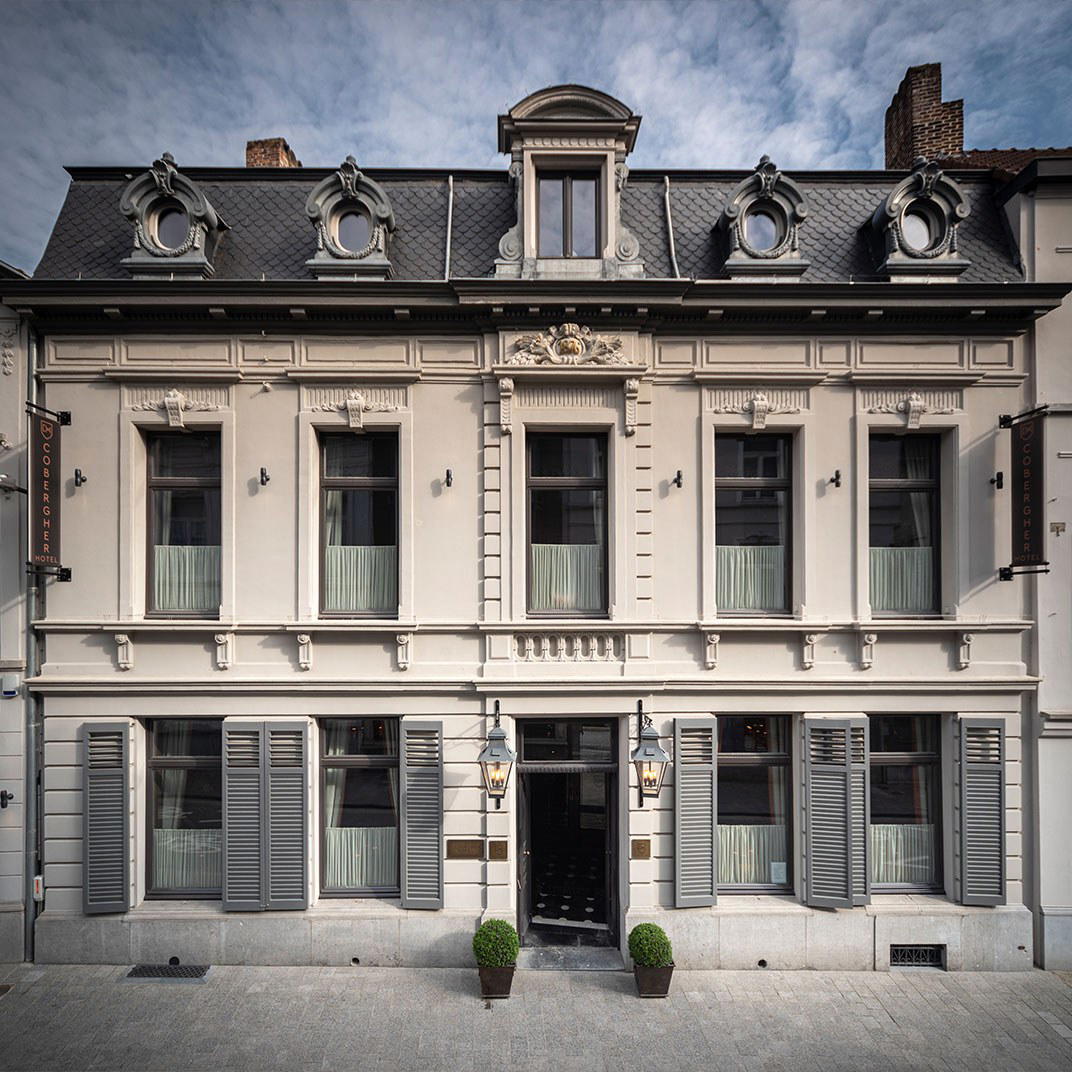
Wineries in Flobecq
Browse all →
Le Vieux Château
The wine
- Wine program
- Deep wine list
- Extensive wine list
- Sommelier-led
Details
- Romantic
- Elegant
- Cozy
- Sophisticated
- Scenic
- Date Night
- Special Occasion
- Historic Building
- Garden
- Extensive Wine List
- Sommelier Led
- Local Sourcing
- Garden
- Tasting Menu
- Vegetarian Friendly
- Vegan Options
Current opening hours
- Monday
- Closed
- Tuesday
- Closed
- Wednesday
- 12–2 PM, 7–9 PM
- Thursday
- 12–2 PM, 7–9 PM
- Friday
- 12–2 PM, 7–9 PM
- Saturday
- 7–9 PM
- Sunday
- Closed
Hours can change for holidays and private events. Hours as of .
Authentic period details like timber ceilings blend with contemporary vibe; cozy dining rooms with natural light from garden views.