L'Envie



1 Michelin Star · Star Wine List · We're Smart World 2 Radishes
Our verdict
A Michelin-starred address in the West Flemish countryside, L'Envie earns its place in Belgium's serious fine-dining tier through David Grosdent's restrained modern French cooking. Ingredient provenance drives the menu: Limousin veal, Roscoff onion, and lardo di colonnata appear with the confidence of a kitchen that knows exactly why each element is on the plate.

Pearl is the En Primeur Club membership app, where members save venues, book tables and use the concierge.
The menu
What to order
- Herve cheese with Liège syrup
- Liège waffle
Where West Flanders Meets French Precision
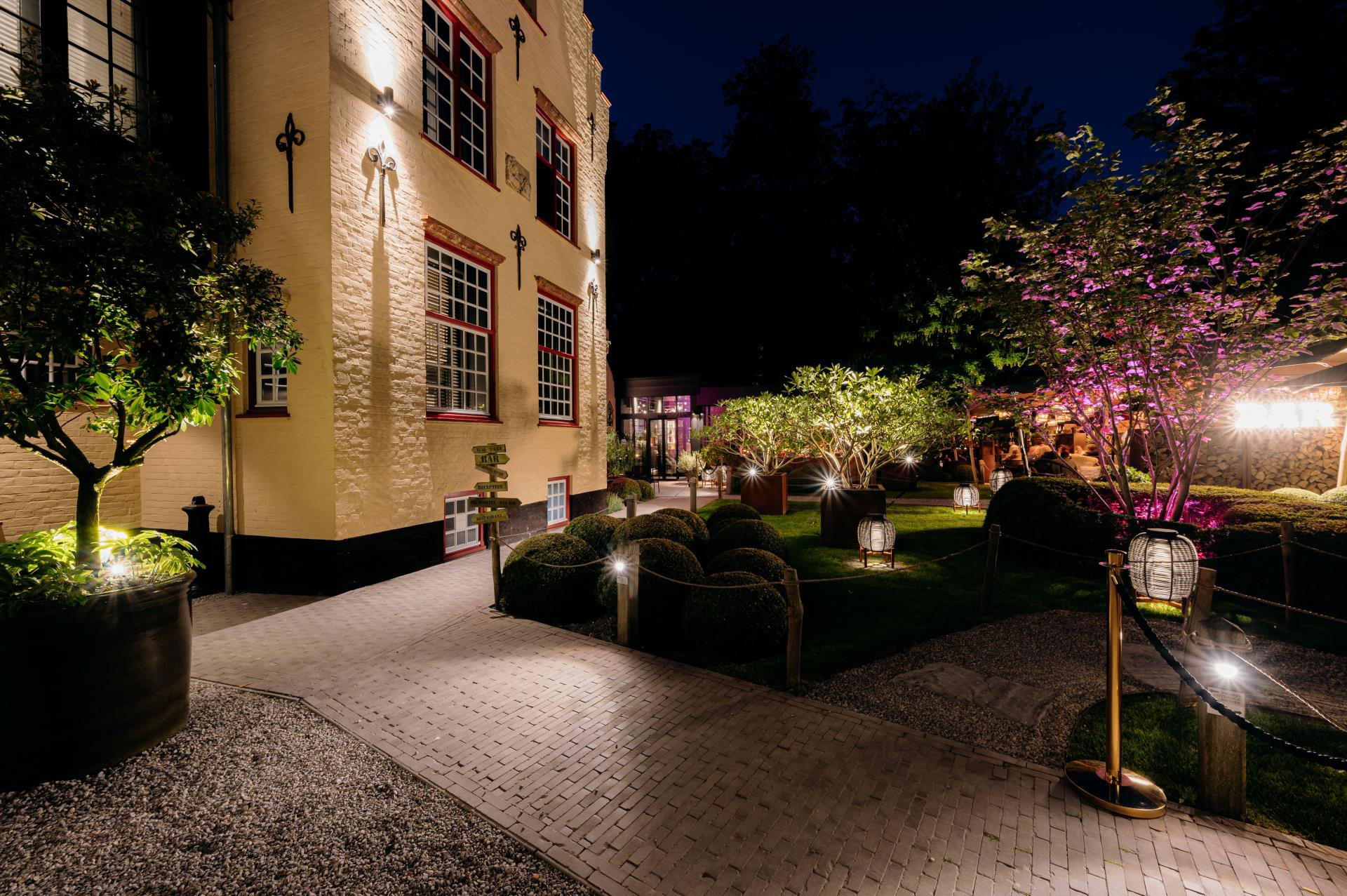
Rural West Flanders is not the first region that comes to mind when plotting a serious fine-dining route through Belgium, yet it has produced a cluster of Michelin-recognised kitchens that operate at a level matching anything in Ghent or Brussels. L'Envie, on Helkijnstraat in the municipality of Zwevegem near Sint-Denijs, belongs to that rural tier. The address is agricultural in character, the kind of Flemish countryside where the distance from field to kitchen is physical rather than philosophical, and that proximity to primary produce is central to understanding what chef David Grosdent is doing here. For broader context on what else the area offers, our full Sint-Denijs restaurants guide maps the wider scene.
The Ingredient Logic
Modern French cooking in Belgium has split into two recognisable camps. One leans into Flemish identity, foregrounding local curing traditions, North Sea produce, and vernacular techniques. The other uses French classical structure as scaffolding while sourcing ingredients wherever quality dictates, regardless of national boundary. L'Envie falls firmly in the second group. The Michelin inspectors' notes make the sourcing logic explicit: Limousin veal appears as a centrepiece, a breed prized across French fine dining for its pale, delicate flesh and clean flavour. Roscoff onion, the AOC-protected pink variety from Brittany, arrives on the same plate alongside cima di rapa, the bitter Italian brassica leaf. Lardo di colonnata, the cured fatback from Tuscany's Apuan Alps, provides a fatty, saline counterpoint to veal sweetbreads with green lentils and lettuce.
This is not ingredient tourism. The pattern across both dishes is the same: a primary protein of documented regional origin, a bitter or acidic vegetable element, and a cured or preserved component that adds depth without dominating. The sourcing map is wide but the editorial intention is narrow. Grosdent is interested in balance and in what happens when high-quality preserved products meet fresh, occasionally bitter, vegetables. That the ingredients cross several national borders is incidental to the flavour logic.
This approach connects L'Envie to a broader European tradition in which the modern French kitchen functions as a syntax rather than a geography, the same framework that governs kitchens like Schanz in Piesport and, at a different price point and scale, Sketch's Lecture Room and Library in London.
The Michelin Case and What It Signals
L'Envie has held a single Michelin star in both the 2024 and 2025 Belgium and Luxembourg guides, which at this price tier (€€€€, the leading bracket in Michelin's scale) positions it clearly. The star at the €€€€ level is not a participation award, inspectors expect technical consistency, ingredient coherence, and a point of view. Retaining it across consecutive years suggests the kitchen is not performing erratically.
Within Belgium's fine-dining geography, the one-star €€€€ position places L'Envie in interesting company. Boury in Roeselare works a comparable West Flemish register at the same price tier. Hof van Cleve in Kruishoutem operates at a higher star count but shares the rural Flemish countryside address format. Further afield, Zilte in Antwerp and Bozar Restaurant in Brussels represent the urban end of the same price band. Rural one-star addresses like L'Envie require a different kind of commitment from the guest, there is no casual drop-in, no pre-theatre context, no foot traffic filling tables. The audience self-selects, which tends to produce a room of people who have read the menu in advance and arrived with purpose.
Vegetables as Structural Elements, Not Garnish
One recurring theme in Grosdent's cooking, as documented by Michelin, is a specific treatment of vegetables. They appear described as creative and present in real quantity, yet used with restraint, meaning they carry structural weight on the plate without being deployed for novelty or volume. Cima di rapa, young garlic, Roscoff onion, green lentils, and lettuce are all ingredients that bring bitterness, acidity, or astringency. None of them are neutral. Pairing them with veal sweetbreads (which are rich, yielding, and require contrast to avoid flatness) and with lardo (fat-forward, intensely cured) shows a kitchen that understands counterpoint rather than simply listing premium ingredients alongside each other.
This is the part of Belgian fine dining that distinguishes it from some of its French neighbours. The Flemish tradition of treating vegetables as primary rather than supporting players runs through kitchens like Willem Hiele in Oudenburg and Bartholomeus in Heist, both of which work the West Flemish and coastal belt respectively. L'Envie operates closer to the French side of the spectrum, but the vegetable discipline is recognisably Flemish in its rigour.
For the French-Belgian register applied differently, d'Eugénie à Emilie in Baudour and L'Eau Vive in Arbre offer useful reference points from the Walloon side of the country. La Durée in Izegem and Ralf Berendsen in Neerharen complete a picture of how the French-Belgian creative tradition distributes itself across the country's fine-dining tier. Closer to home, Sensum in Sint-Denijs offers a point of comparison within the same municipality.
Planning a Visit
Getting to Zwevegem from Ghent takes roughly 40 minutes by car; from Bruges, closer to 50. There is no realistic public transport option for a dinner visit, which is standard for rural Flemish fine dining at this level. The €€€€ pricing bracket means the bill will sit at the upper end of Belgian restaurant spending, comparable to peers like Boury or La Durée rather than urban mid-market addresses. Booking ahead is advisable, a Michelin-starred kitchen in a rural location operates a finite number of covers, and weekend tables at this tier fill weeks in advance. If the visit is part of a wider stay, our Sint-Denijs hotels guide covers accommodation options. Those exploring the area's full offering can also consult our guides to bars, wineries, and experiences in Sint-Denijs.
Frequently asked questions
Is L'Envie suitable for children?
What is the atmosphere like at L'Envie?
at L'Envie?
In Context: Similar Options
| Venue | Cuisine | Price | Awards | Notes |
|---|---|---|---|---|
| L'EnvieThis venue (the venue you are viewing) | Modern French Fine Dining | $100–150 | 1 Michelin Star · Star Wine List | Not listed |
| Boury | Creative French Fine Dining | $300–500 | 3 Michelin Stars · La Liste Top Restaurants | Modern Frlemish, Creative French |
| Comme chez Soi | French - Belgian, Classic Cuisine | Not listed | Michelin 1 Star | Not listed |
| Hertog Jan at Botanic | Modern Japanese Omakase Fine Dining | Not listed | 2 Michelin Stars · La Liste Top Restaurants | Modern Flemish, Creative |
| L'Eau Vive | Modern French Fine Dining | $150–200 | 2 Michelin Stars · La Liste Top Restaurants | French, Modern French |
| La Durée | Modern French Fine Dining | $150–200 | 2 Michelin Stars · La Liste Top Restaurants | French-Belgian, Creative |
Recognition history
Dated appearances from independent guides and award organizations, with the underlying list record or original source where available.
Michelin 1 Star
Michelin
Star Wine List
Star Wine List
We're Smart World 2 Radishes
We're Smart World
Full recognition history (6 entries)
Michelin 1 Star
Michelin
Star Wine List
Star Wine List
Michelin 1 Star
Michelin
Continue exploring
More in Sint-Denijs
Restaurants in Sint-Denijs
All restaurants in Sint-Denijs →

L'Envie
The wine
- Wine program
- Deep wine list
- Extensive wine list
- Sommelier-led
Details
- Elegant
- Sophisticated
- Cozy
- Intimate
- Modern
- Date Night
- Special Occasion
- Celebration
- Open Kitchen
- Extensive Wine List
- Sommelier Led
- Local Sourcing
- Tasting Menu
- Wine
- Champagne
- Vegetarian Friendly
Current opening hours
- Monday
- 12–1:30 PM, 7–9 PM
- Tuesday
- Open 24 hours
- Wednesday
- Closed
- Thursday
- Closed
- Friday
- 12–1:30 PM, 7–9 PM
- Saturday
- 7–9 PM
- Sunday
- 12–1:30 PM
Hours can change for holidays and private events. Hours as of .
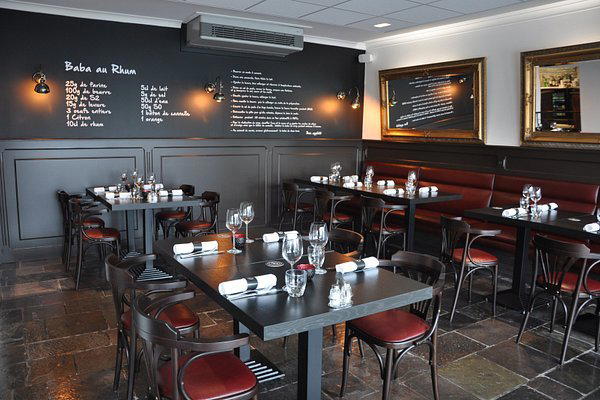
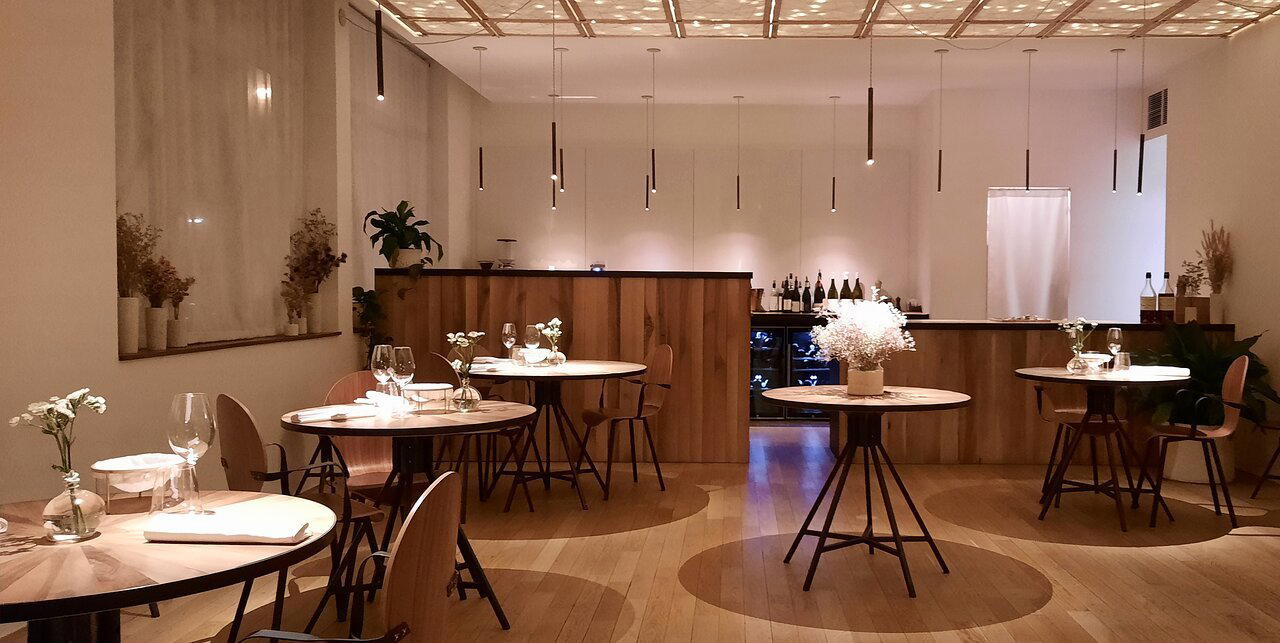
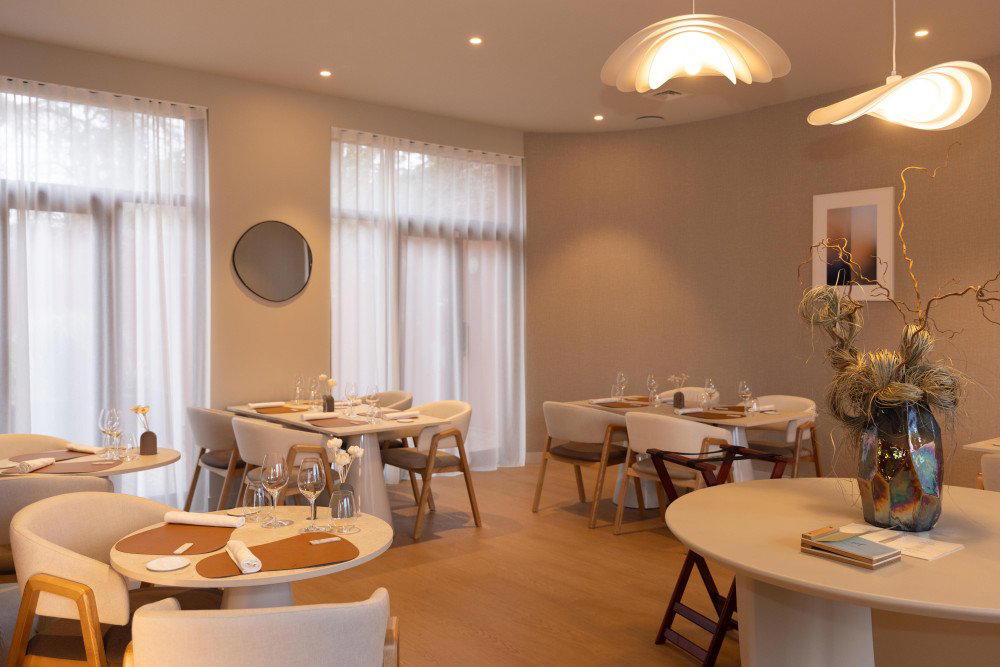
Modern, light, and elegant interior with warm, welcoming atmosphere and meticulous details.