A sushi experience format in Berlin's Charlottenburg district, MIYO Sushi Experience on Mommsenstraße sits within a city scene that has steadily moved beyond novelty Japanese concepts toward more disciplined omakase and sustainable sourcing frameworks. For visitors comparing Berlin's premium Japanese options against the city's broader fine-dining circuit, MIYO represents the neighbourhood-level specialist end of that spectrum.
Pearl is the En Primeur Club membership app — saves, bookings, and concierge access live there. Same editors, same standards.
- Address
- Mommsenstraße 12, 10629 Berlin, Germany
- Phone
- +493076729688
- Website
- restaurant-miyo.de
- Directions
- Get directions
 Saves & bookings on Pearl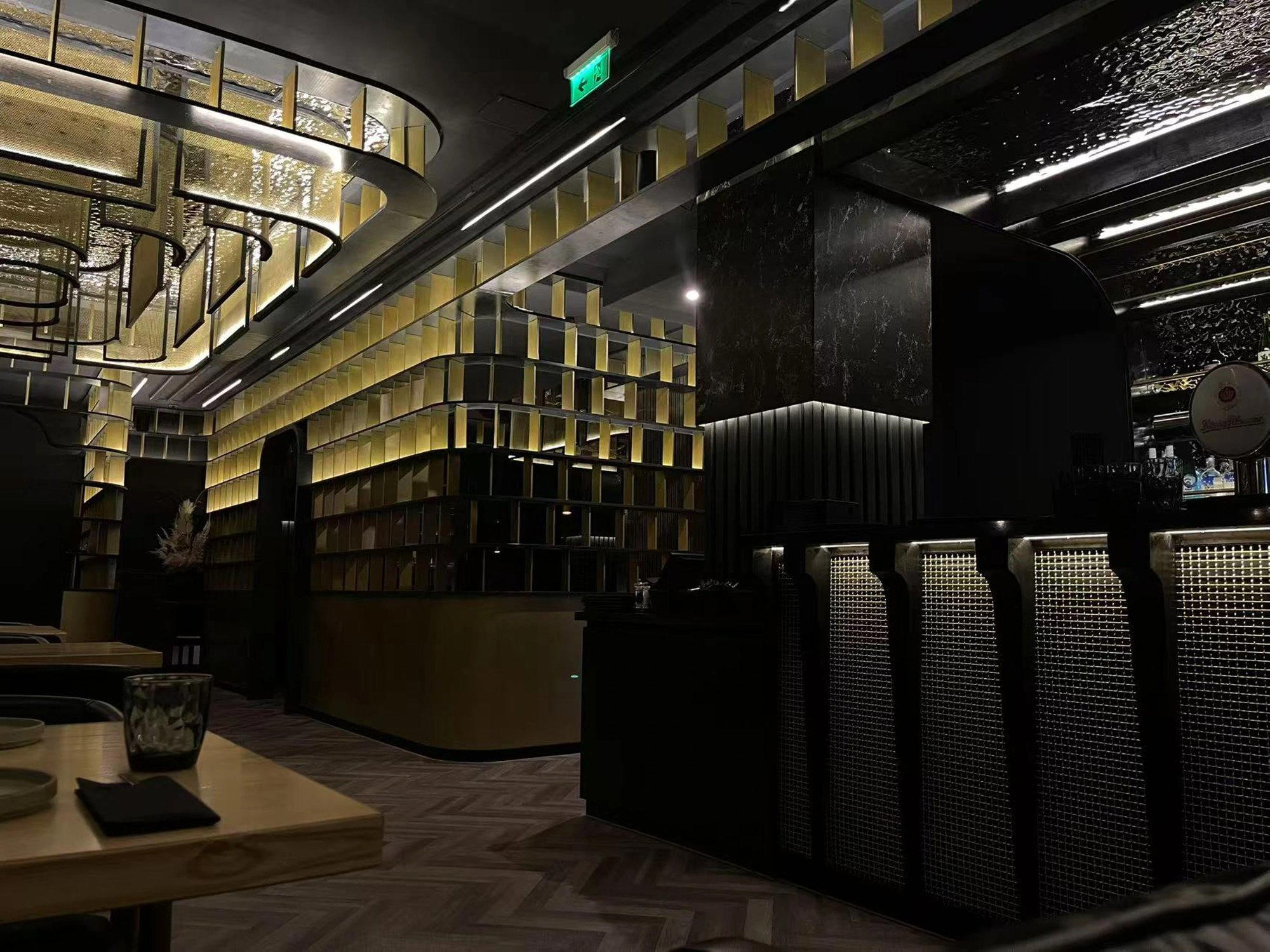
Charlottenburg's Appetite for Precision
MIYO Sushi Experience is a modern Japanese sushi restaurant in Berlin's Charlottenburg district, with a price point of about $35 per person. That distinction tends to go to Mitte or Kreuzberg, where the city's Michelin-decorated addresses cluster: Nobelhart & Schmutzig on Friedrichstraße, Restaurant Tim Raue near Checkpoint Charlie, Rutz just off Auguststraße. Charlottenburg operates differently: it is the city's older money district, a neighbourhood of pre-war apartment blocks and long-established residents who treat dining as a local ritual rather than a destination sport. It is in this context that MIYO Sushi Experience on Mommsenstraße 12 positions itself, serving a residential corridor that has historically been underserved by serious Japanese formats.
The broader European sushi scene has fractured into distinct tiers over the past decade. At the leading sit omakase counters running twelve to twenty seats, sourcing directly from Toyosu or working with European distributors who handle temperature-controlled air freight from Japan. Below that tier, a large middle ground of high-volume sushi restaurants operates on frozen fish and assembly-line efficiency. The specialist experience format, occupying a position between those extremes, has grown as a category in cities where Japanese food culture is maturing but where full counter-service omakase remains rare. Berlin sits in that transitional position: a city with genuine appetite for Japanese craft but without the density of comparable formats found in Paris or London.
Sourcing as Editorial Position
Sustainability in Japanese cuisine at the European level is a genuinely complex problem. The environmental cost of air-freighting fish from Tokyo's Toyosu market is real, and the European fine-dining conversation around ethical sourcing has forced Japanese-format restaurants to either defend that model explicitly or develop alternatives. Some of the more considered operators in Germany and the Netherlands have turned to North Sea suppliers, Danish aquaculture, and Scandinavian day-boat fisheries to reduce the carbon footprint of premium seafood without abandoning quality standards. ES:SENZ in Grassau and Schanz in Piesport represent the German fine-dining approach to regional sourcing within European tradition; the question for any serious Japanese-format restaurant in Berlin is how it reconciles Japanese technique with European sourcing ethics.
The broader sushi experience category in Germany has not resolved this tension uniformly. Operators who frame their concept explicitly around sustainability tend to make sourcing decisions visible: menu notes on provenance, relationships with specific fisheries, seasonal rotations tied to catch availability rather than fixed menus. Where those signals are present, they tend to indicate a more considered operation. Where they are absent, the default remains Toyosu dependency. MIYO's positioning on Mommsenstraße places it in a neighbourhood context where that kind of transparency increasingly registers with the local clientele.
Berlin's Japanese Dining Tier and Where Specialist Formats Sit
Berlin does not have the concentration of Japanese restaurants that London or Paris carries, but it has a functional hierarchy. At the leading, a small number of omakase formats command serious advance booking and price points comparable to the city's Michelin circuit. Below that, the specialist experience format operates with more flexibility in format and price, targeting diners who want structured Japanese dining without the full omakase commitment. This is the competitive tier into which MIYO Sushi Experience fits, alongside a handful of other Berlin operators who have moved away from the à la carte sushi model toward something more curated.
For comparison, the city's starred European restaurants offer a useful frame. CODA Dessert Dining operates on a fixed creative format that books weeks ahead and prices at the upper end of the Berlin market. FACIL runs contemporary European tasting menus in the Mandala Hotel with comparable booking depth. Japanese experience formats at MIYO's level generally do not compete on price with those addresses, but they compete on the specificity of the experience: the sequence, the sourcing story, and the degree of interaction the format allows.
Style and Standing
Comparable venues nearby, for context on price, style, and recognition.
| Venue | Cuisine | Price | Notes |
|---|---|---|---|
| MIYO Sushi ExperienceThis venue — the venue you are viewing | Modern Japanese Sushi | $$$ | Not listed |
| est. | Modern Japanese Fusion | $$$ | Charlottenburg |
| Hachiko | Japanese Ramen & Sushi | $$ | Schoneberg |
| KUCHI Mitte | Japanese Asian Fusion Sushi | $$ | Mitte |
| Layla | Modern Middle Eastern Mediterranean Fusion | $$$ | Kreuzberg |
| The Post Brasserie | Modern French Brasserie | $$$ | Kreuzberg |
Continue exploring
More in Berlin
Restaurants in Berlin
Browse all →
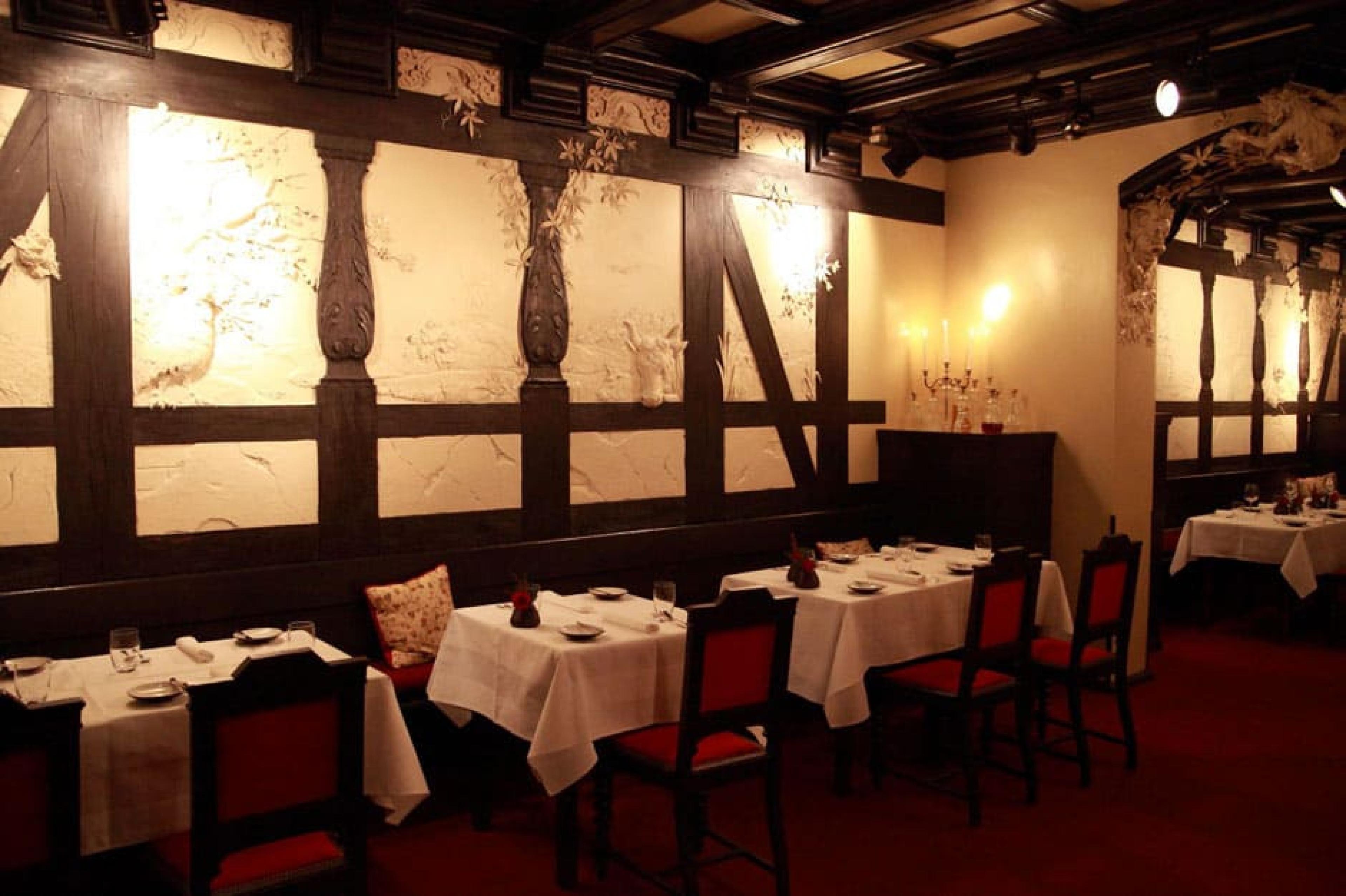
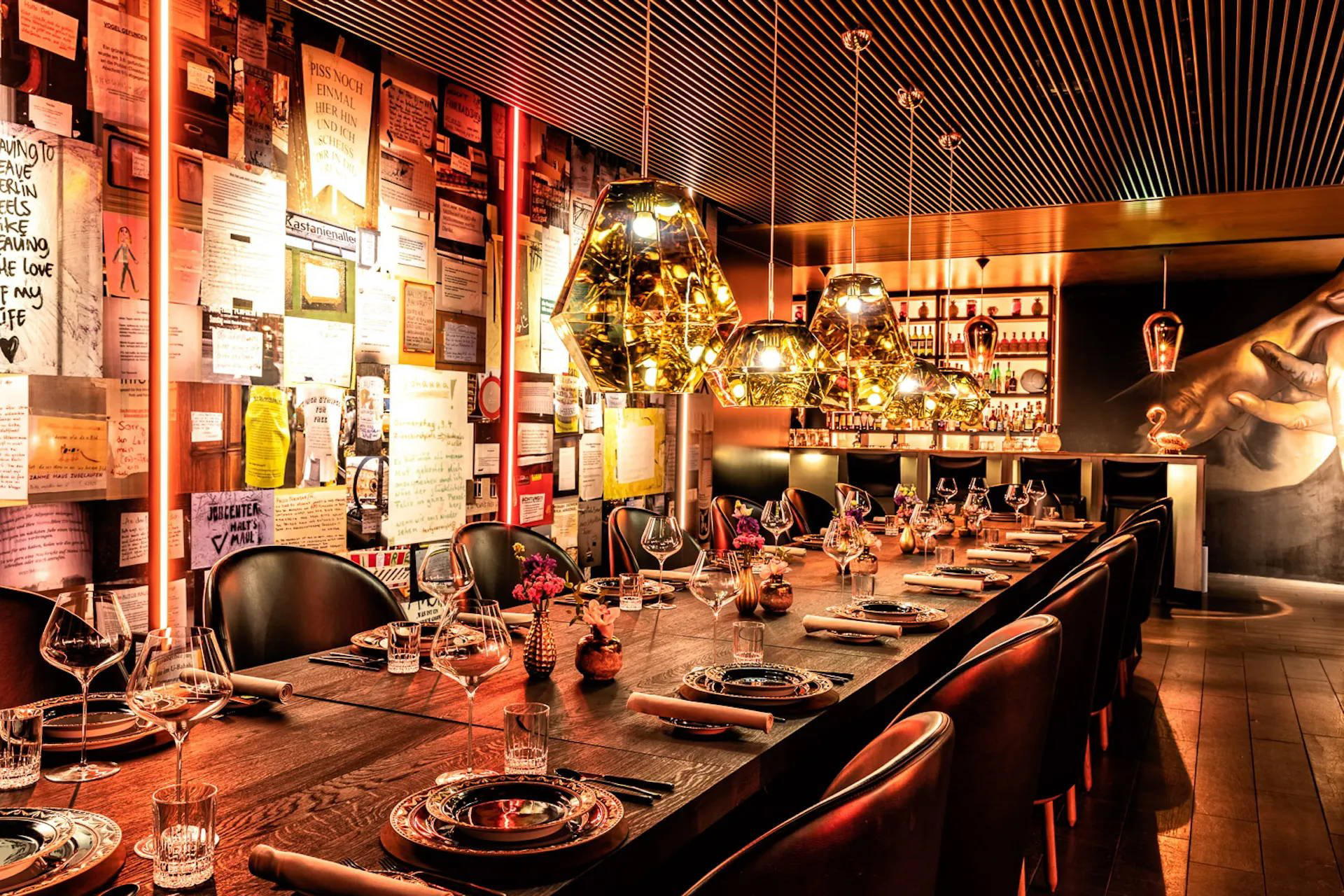
Bars in Berlin
Browse all →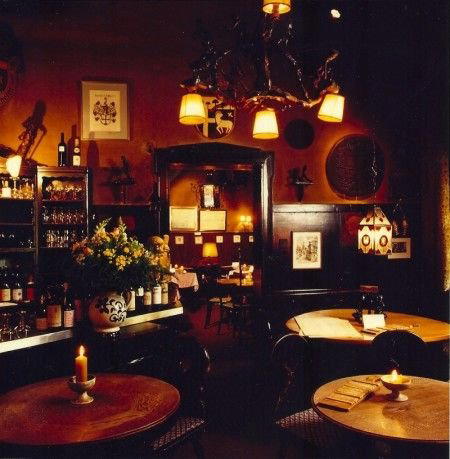
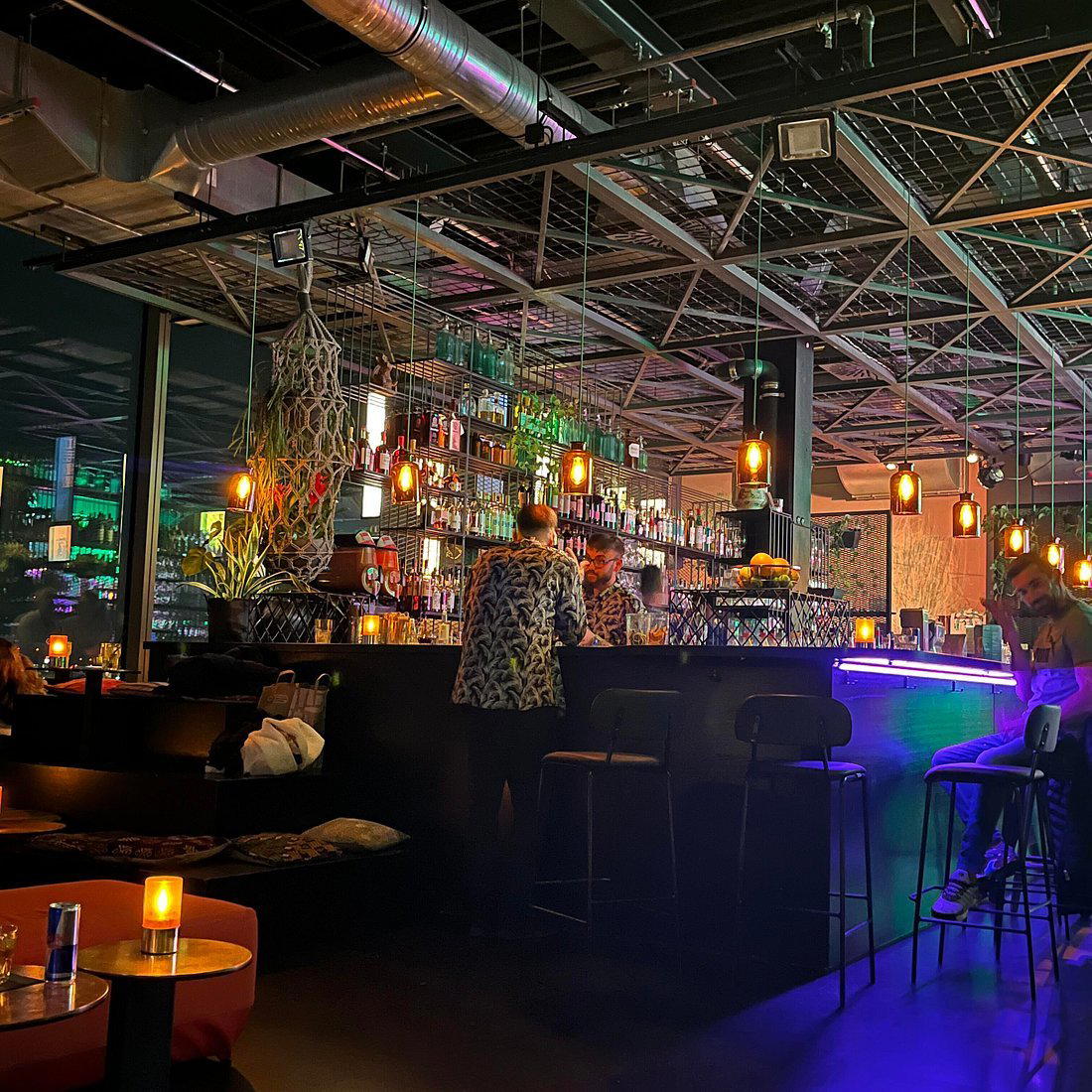
Hotels in Berlin
Browse all →



At a Glance
- Romantic
- Trendy
- Elegant
- Sophisticated
- Date Night
- Special Occasion
Current opening hours
- Monday
- Closed
- Tuesday
- 12–3 PM, 5:30–10:30 PM
- Wednesday
- 12–3 PM, 5:30–10:30 PM
- Thursday
- 12–3 PM, 5:30–10:30 PM
- Friday
- 12–3 PM, 5:30–10:30 PM
- Saturday
- 12–3 PM, 5:30–10:30 PM
- Sunday
- 12–3 PM, 5:30–10:30 PM
Hours can change for holidays and private events. Last verified .
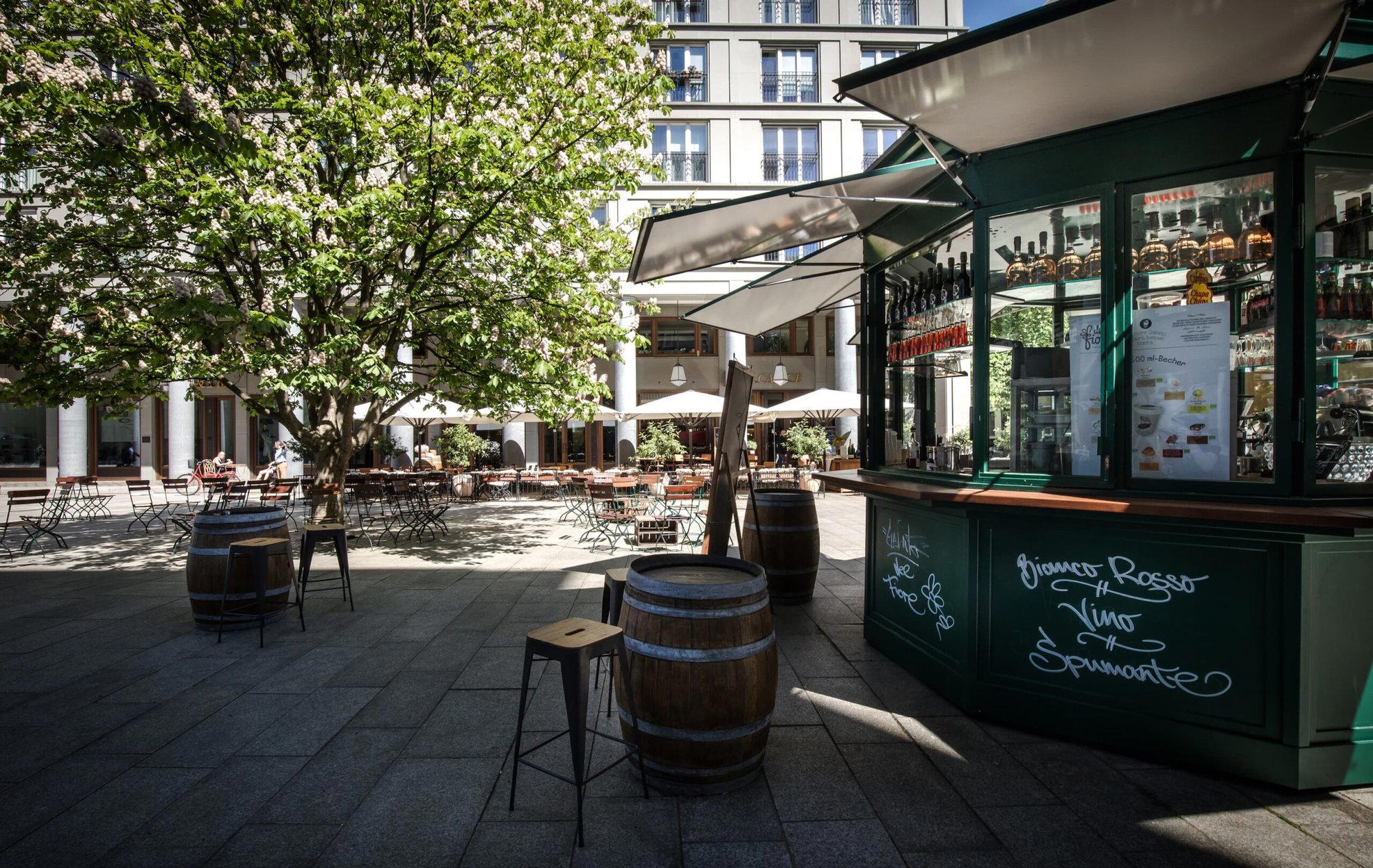
Exclusive and romantic atmosphere ideal for informed connoisseurs, with moderate noise levels.