

1 Michelin Star · Tabelog Bronze #500
Our verdict
Uozuya operates from a house restaurant in Nakagyo Ward, earning Michelin one-star recognition and consecutive Tabelog Bronze Awards in 2025 and 2026, with a score of 3.89. The ten-seat counter runs reservation-only dinner service from Monday through Saturday, with seasonal Japanese cuisine priced at JPY 30,000–39,999 per head. The calligraphy on its sign, by essayist Masako Shirasu, signals the literary and artistic circles that have long frequented it.

Pearl is the En Primeur Club membership app, where members save venues, book tables and use the concierge.
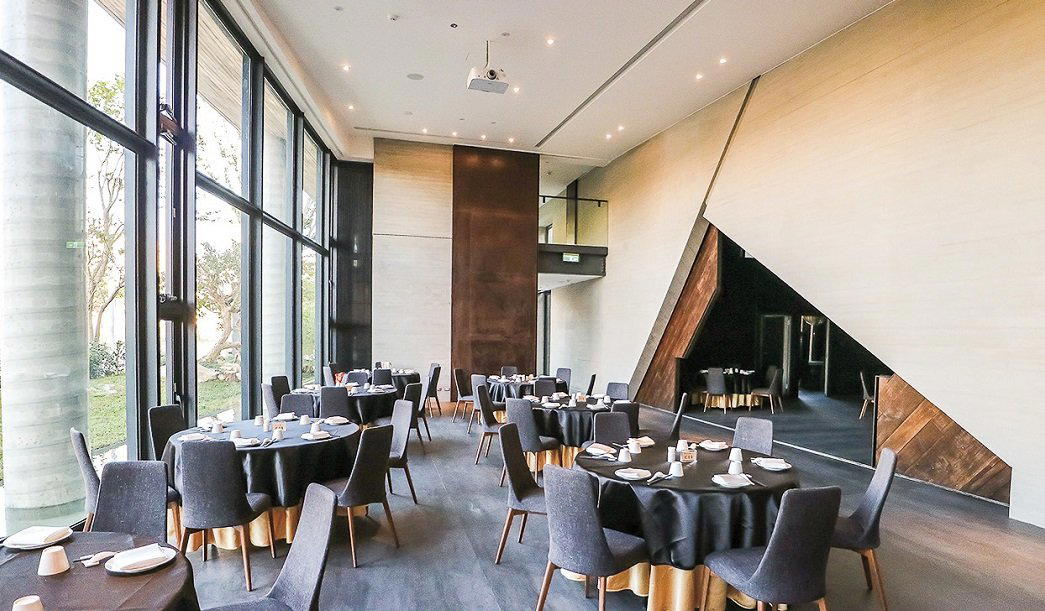
The menu
What to order
- Hanayama pepper hot pot
Where Kyoto's Literary Tradition Meets the Counter
The house restaurant format occupies a particular position in Kyoto's dining culture. Unlike the grand machiya conversions of Gion or the flagstone approaches of established kaiseki institutions, the ichigensan okotowari tradition, the implicit or explicit preference for known guests, has historically produced some of the city's most rigorous tables in the least conspicuous settings. Uozuya sits squarely in that tradition. Located in Nakagyo Ward's Mibuhigashihinokicho, it carries Tabelog's classification as both a hideout and a house restaurant, and the calligraphy on its sign was rendered by essayist Masako Shirasu, a detail that says more about the establishment's social register than any award listing could.
The Award Record and What It Implies
In the architecture of Japan's dining recognition systems, the Tabelog Award Bronze designation represents sustained peer and public confidence rather than a single critical moment. Uozuya has held that designation consecutively in 2025 and 2026, carrying a Tabelog score of 3.89, on a platform where scores above 3.5 already filter out the vast majority of restaurants, places it within a relatively small cohort of consistently rated Japanese cuisine tables in western Japan. The 2023 selection for Tabelog Japanese Cuisine WEST "Tabelog 100" reinforces the pattern: this is a restaurant that has maintained critical standing across multiple evaluation cycles, not a single-season discovery.
Alongside the Tabelog recognition, a Michelin one star (2024) places Uozuya in the bracket of Kyoto Japanese cuisine restaurants that have passed both crowd-sourced and inspector scrutiny. That dual validation matters in a city where the two systems sometimes diverge sharply. Compared to neighbours operating at the ¥¥¥¥ tier, including Isshisoden Nakamura, Kenninji Gion Maruyama, and kaiseki heavyweights such as Gion Sasaki and Ifuki, Uozuya prices at ¥¥¥, with dinner averaging JPY 30,000–39,999. That positioning is worth noting: it occupies a tier where the investment is serious but the price ceiling is lower than the city's most decorated counters, which routinely exceed JPY 50,000.
For a broader view of how Uozuya fits within Kyoto's wider dining scene, see our full Kyoto restaurants guide. And for context on how Japan's premium Japanese cuisine tables operate across other cities, comparable reservation-only formats include Harutaka in Tokyo, HAJIME in Osaka, Goh in Fukuoka, and akordu in Nara.
The Seasonal Logic of the Menu
Kyoto's Japanese cuisine tradition is governed by shun, the precise moment of seasonal peak for each ingredient. The documented character of Uozuya's cooking follows this logic with particular discipline. The seasonal markers cited in public record include Japanese pepper flower (kinome), pike conger (hamo), matsutake mushrooms, and crab: a roster that maps almost exactly onto the arc of Kyoto's culinary calendar from late spring through early winter. Pike conger is the defining summer ingredient in Kyoto, tied to the Gion Matsuri season; matsutake signals autumn; crab anchors the colder months. A menu built around these ingredients is not simply following fashion, it is adhering to a structural seasonal framework that most serious Kyoto Japanese cuisine tables treat as non-negotiable.
What distinguishes the approach, according to public documentation, is the breadth of preparation methods applied to each ingredient, grilling, simmering, and other techniques deployed not as variety for its own sake but as a means of fully expressing each ingredient's qualities. This is a different discipline from the French-influenced tasting menu logic where a single technique defines a course; it is closer to the classical Japanese tradition of reading an ingredient and letting that reading determine the method. The result, as described by long-term guests, is a succession of dishes that operate as a coherent seasonal argument rather than a sequence of individual set pieces.
Among Kyoto's recognised tables at the same price tier, Gion Matayoshi, Kikunoi Roan, and Kodaiji Jugyuan each represent variations on this seasonal framework.
Format and Setting
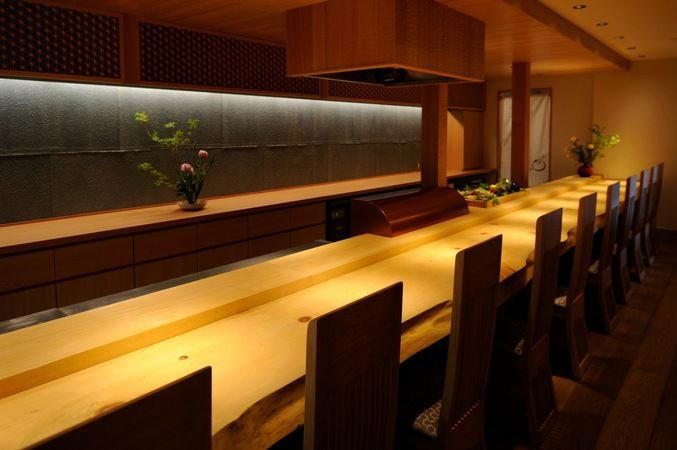
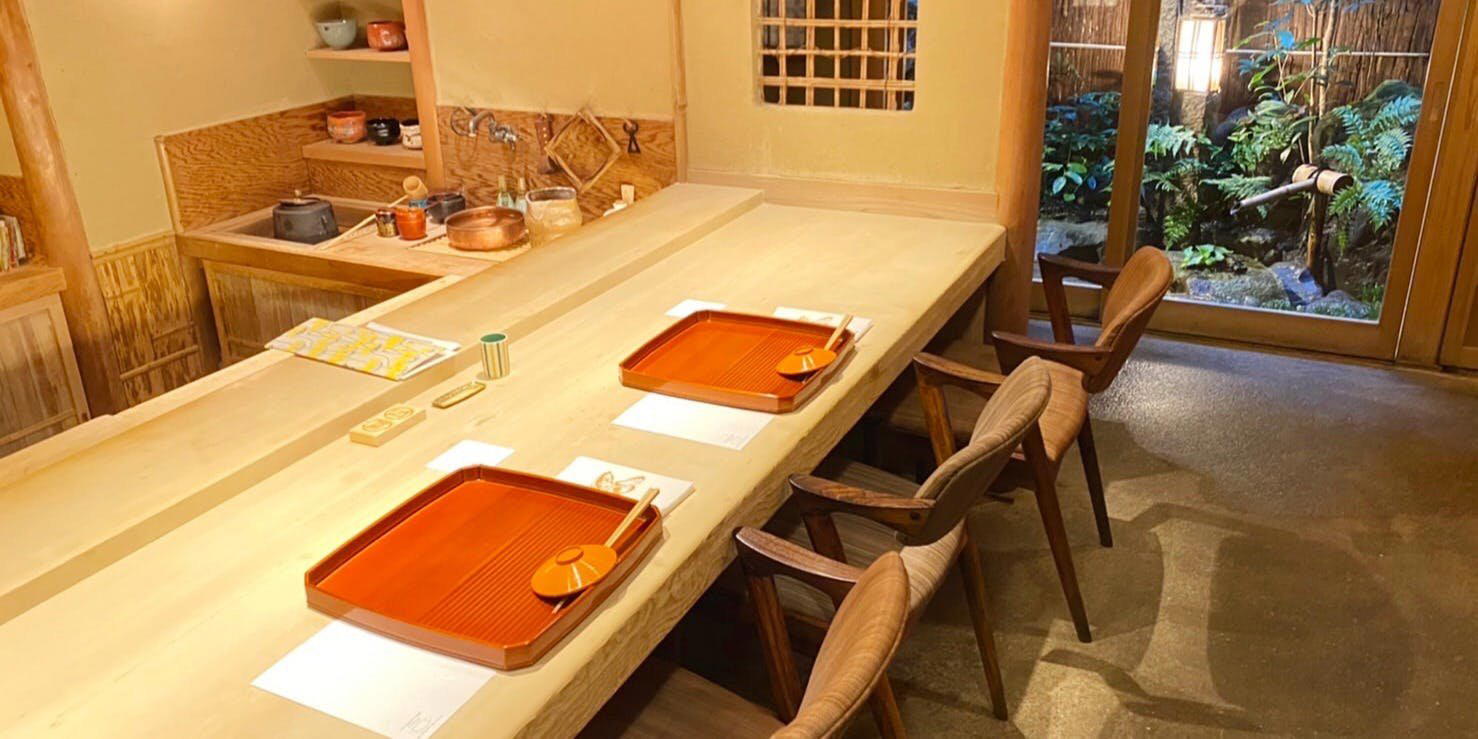
The physical format at Uozuya matters as a contextual signal. Ten counter seats, a tatami room, and the classification as a house restaurant place it in a category where the distinction between dining room and private home is intentionally blurred. This is a relatively common format among Kyoto's serious Japanese cuisine establishments that operate without the infrastructure of a major hotel or traditional machiya conversion, and it tends to attract a clientele that knows what it is looking for. Solo dining is documented as appropriate and common; the occasion framing also points toward small-group dinners rather than large party formats, with private use of the full space available for groups that book accordingly.
The absence of credit card acceptance, no credit cards, electronic money, or QR code payment systems, is a practical constraint worth flagging for international visitors. Cash in yen is required, and at a per-head spend of JPY 30,000–39,999, arriving prepared is essential. No parking is available at the address, which is standard for central Kyoto's residential ward streets. The nearest public reference point from published records is approximately 463 metres from the Sai area of Gozendori Takatsujishita.
Planning Your Visit
Reservations: Reservation only, walk-in is not a viable option at this counter. Contact by telephone at 075-312-2538; no official website is listed in public records, so phone remains the primary booking channel for those without an existing introduction. Hours: Monday through Saturday, 17:00–22:00; closed Sundays and public holidays. Budget: JPY 30,000–39,999 per person at dinner; no lunch service. Payment: Cash only, credit cards, electronic money, and QR code payments are not accepted. Dress: No formal dress code is published, but the clientele and setting suggest smart-casual at minimum. Capacity: Ten counter seats; table seating also available; private use of the full venue is available for appropriate group bookings.
For those planning a broader Kyoto trip around the dining programme, our full Kyoto hotels guide covers accommodation options, and our full Kyoto bars guide maps the city's sake and cocktail scene. The drinks programme at Uozuya is listed as sake (nihonshu), which aligns with the food's seasonal Japanese character. For those extending their Japan itinerary, Myojaku and Azabu Kadowaki in Tokyo occupy a comparable tier in Japanese cuisine, and 1000 in Yokohama and 6 in Okinawa extend the geography further. For experiences and wineries in Kyoto, see our full Kyoto experiences guide and our full Kyoto wineries guide.
What Should I Order at Uozuya?
Uozuya does not publish a fixed menu, and given its reservation-only, counter-format structure, the dishes served are determined by season and by what the kitchen judges to be at peak quality on any given evening. The documented seasonal anchors, pike conger in summer, matsutake in autumn, crab in winter, Japanese pepper flower in spring, provide a rough guide to what the kitchen prioritises at different points in the year, but ordering as a discrete act does not apply here. The experience is shaped by the course progression the kitchen sets, with the sake programme as the primary variable a guest can meaningfully engage with in advance. Arriving with knowledge of the seasonal calendar and a willingness to follow the kitchen's lead is, in this format, the correct approach. The consecutive Tabelog Bronze Awards and Michelin recognition both reflect confidence in precisely that kitchen judgement.
Comparable Spots, Quickly
Comparable venues nearby, for context on price, style, and recognition.
| Venue | Cuisine | Price | Awards | Notes |
|---|---|---|---|---|
| UozuyaThis venue (the venue you are viewing) | Modern Kaiseki | $200–300 | 1 Michelin Star · Tabelog Bronze #500 | Not listed |
| Kenya | Modern Japanese Kaiseki | $200–300 | 1 Michelin Star · Tabelog Bronze #173 | Sakyō |
| Mokubei | Traditional Kyoto Kaiseki | $50–100 | Michelin Plate | Higashiyama |
| Kokyu | Seasonal Kaiseki | $300–500 | 1 Michelin Star | Kamigyō |
| KOKE | Modern Okinawan Fine Dining | $150–200 | 1 Michelin Star · Tabelog 100 #85 | Nakagyō |
| Gosho Iwasaki | Michelin-Starred Kyoto Kaiseki | $150–200 | 1 Michelin Star | Nakagyō |
Recognition history
Dated appearances from independent guides and award organizations, with the underlying list record or original source where available.
Michelin 1 Star
Michelin
Tabelog Bronze #500
Tabelog
Full recognition history (4 entries)
Tabelog Bronze
Tabelog
Michelin 1 Star
Michelin
Continue exploring
More in Kyoto
Restaurants in Kyoto
All restaurants in Kyoto →
Bars in Kyoto
All bars in Kyoto →
Hotels in Kyoto
All hotels in Kyoto →
Wineries in Kyoto
Browse all →
Details
- Intimate
- Elegant
- Cozy
- Sophisticated
- Special Occasion
- Date Night
- Chefs Counter
- Sake Program
- Omakase
- Sake
Current opening hours
- Monday
- 5–10 PM
- Tuesday
- 5–10 PM
- Wednesday
- 5–10 PM
- Thursday
- 5–10 PM
- Friday
- 5–10 PM
- Saturday
- 5–10 PM
- Sunday
- Closed
Hours can change for holidays and private events. Hours as of .
Intimate counter seating in a preserved machiya with pale hinoki wood, tactile washi, and soft lantern lighting creating a hushed, contemplative atmosphere.