Michelin Plate · Tabelog 100 #91
Our verdict
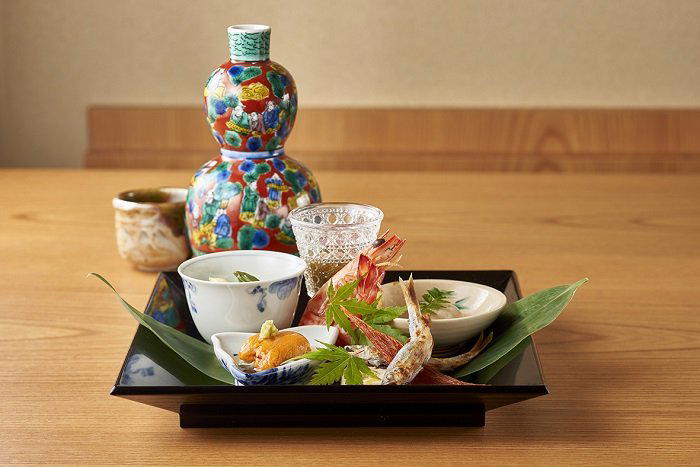
A Michelin Plate bistro in Koto City's Tomioka neighbourhood, Watanabe Ryouri-mise applies classical French technique to Japanese ingredients at an accessible price point. The à la carte format keeps things relaxed, with charcuterie, braised beef cheek, and seafood sourced through Toyosu Market framing a meal that moves through French tradition without demanding ceremony.

Pearl is the En Primeur Club membership app, where members save venues, book tables and use the concierge.
The menu
What to order
- Charcuterie Platter
- Honey-Roasted Kyoto Duck Breast
- Lobster Bisque Risotto
French Technique at a Price Point That Encourages Ordering More
Tokyo's French dining scene covers an unusually wide range of registers. At one end sit the grand European-style rooms: Château Restaurant Joël Robuchon, L'Effervescence, Sézanne, and ESqUISSE, each carrying Michelin stars and multi-course tasting formats that demand an evening of commitment and a four-figure bill. At the other end, a smaller cohort of bistro-format kitchens has taken French technique seriously while keeping the register genuinely casual. Watanabe Ryouri-mise occupies that second tier, a ¥¥ à la carte operation in Tomioka that earned a Michelin Plate in both 2024 and 2025, a signal that the guide's inspectors found the cooking sufficiently precise to acknowledge without the formality of a star-level programme.
That Plate recognition matters as a positioning signal. In Tokyo's French scene, the Plate sits below the star tiers but above the undifferentiated mass of neighbourhood bistros. It indicates a kitchen applying genuine technique rather than approximate French flavour. The peer comparison is instructive: where Florilège operates at a ¥¥¥¥ level with a tasting-menu architecture, Watanabe Ryouri-mise functions in a different category entirely, one where a guest might order three dishes without planning a tasting arc in advance.
How a Meal Here Actually Sequences
The à la carte format shapes the experience in ways that differ fundamentally from the tasting-menu restaurants that dominate Tokyo's French fine-dining coverage. Without a fixed progression enforced by the kitchen, the meal's arc belongs to the guest. That said, the menu's construction suggests a natural order, and following it produces a coherent through-line from opening charcuterie to a seafood middle course to the meaty anchor of the evening.
French charcuterie technique in a Tokyo bistro context does something interesting: the discipline of pâté production and ham curing, which requires extended preparation and precise temperature control, signals a kitchen willing to invest time in foundational work rather than assembling quick-turnaround plates. These opening courses set an expectation of care that carries through the meal. The pâtés and hams at Watanabe Ryouri-mise emerge from that same French tradition of treating preserved and cured product as a serious expression of skill, not a filler course.
The middle of the meal pivots toward Japan's particular advantage. A kitchen positioned at the bottom of Tokyo Bay, in a ward whose fish market history is embedded in Toyosu's global reputation, has access to seafood at a quality and freshness level that few European bistro equivalents can match structurally. The chef's documented connection to Toyosu Market, where provenance and daily selection define professional standing, gives the seafood courses at Watanabe Ryouri-mise a sourcing foundation that French technique then shapes rather than obscures. The result belongs to a specific Tokyo tradition of French kitchens that refuse to treat Japanese ingredients as exotic additions to a European template, treating them instead as the baseline from which the cooking proceeds.
The beef cheek stewed in red wine anchors the protein section of the meal. Braised beef cheek is a reliable indicator of a kitchen's patience and heat management: the cut requires slow wet cooking over several hours to convert collagen to gelatin, producing the unctuous texture the dish is known for. A kitchen that does this correctly, at a ¥¥ price point, in an à la carte format, is making a statement about discipline. For comparison, Les Amis in Singapore operates at the formal end of that Asian French tradition; Watanabe Ryouri-mise sits at the accessible end, with the same European culinary lineage expressed through a different format.
Koto City as a Context for This Kind of Restaurant
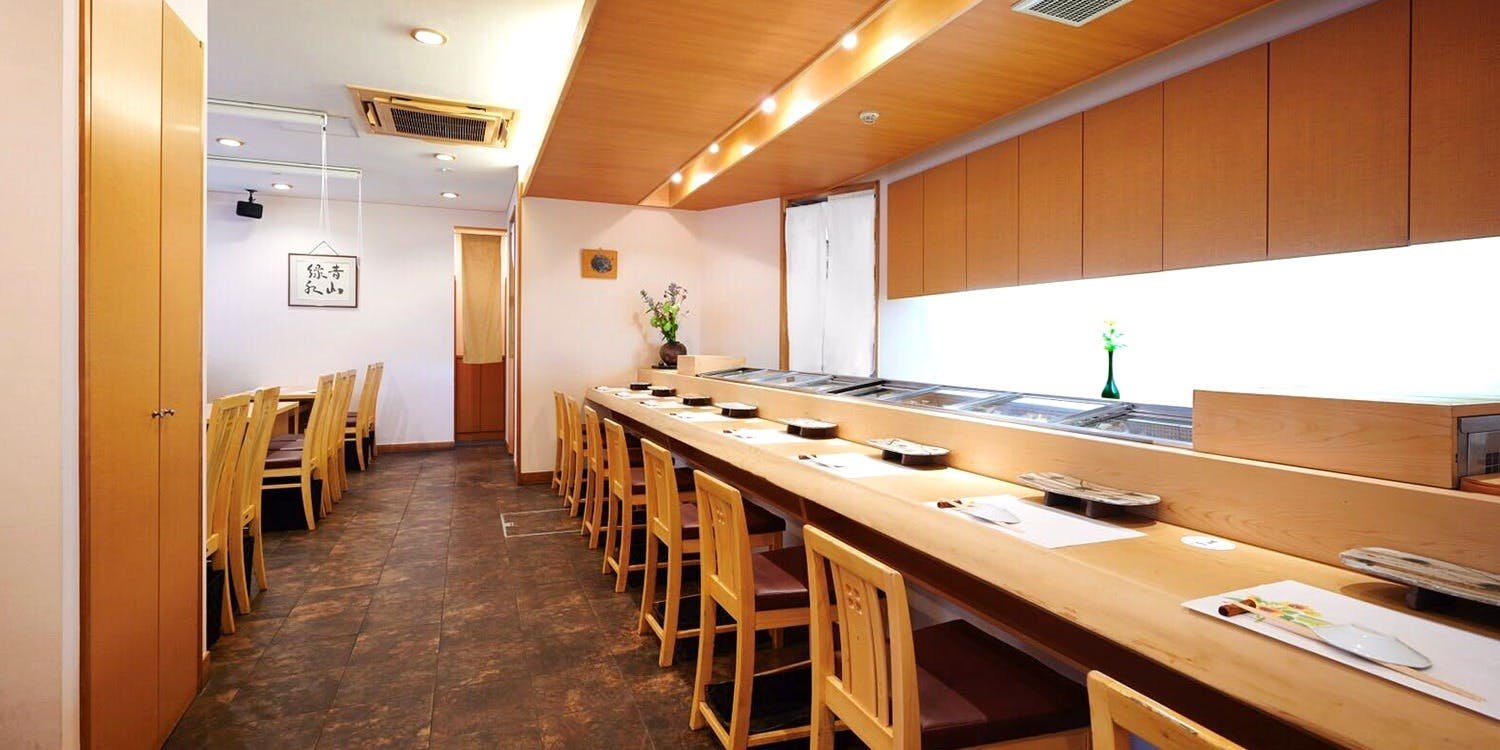
Tomioka address places Watanabe Ryouri-mise in Koto Ward, east of central Tokyo and outside the dining districts, Ginza, Roppongi, Marunouchi, that tend to concentrate the city's French fine-dining coverage. This geographic position is not incidental. Restaurants at this price tier in outer wards typically serve a neighbourhood clientele rather than destination diners, which produces a specific kind of casual atmosphere that is harder to achieve in the high-traffic tourist and business entertainment zones.
For context on how serious French cooking distributes across Japan, HAJIME in Osaka, Gion Sasaki in Kyoto, akordu in Nara, and Goh in Fukuoka demonstrate that French or European culinary frameworks have embedded themselves across the country at various price points and formats. Watanabe Ryouri-mise fits within that wider national pattern, a neighbourhood expression of classical French technique rather than a destination restaurant competing on spectacle. If you are planning broader travel across the region, 1000 in Yokohama and 6 in Okinawa offer additional comparative reference points for where serious cooking operates outside central Tokyo.
The European classical comparison is worth noting: Hotel de Ville Crissier in Crissier represents the formal European end of the French culinary tradition Watanabe Ryouri-mise draws from. The distance between those two formats illustrates how widely French technique has dispersed and adapted, from three-star Swiss formality to a casual Tokyo bistro where the ordering is your own to structure.
Know Before You Go
Address: 1 Chome-2-9 Tomioka, Koto City, Tokyo 135-0047, Japan
Cuisine: French bistro, à la carte
Price range: ¥¥ (mid-range)
Awards: Michelin Plate 2024, Michelin Plate 2025
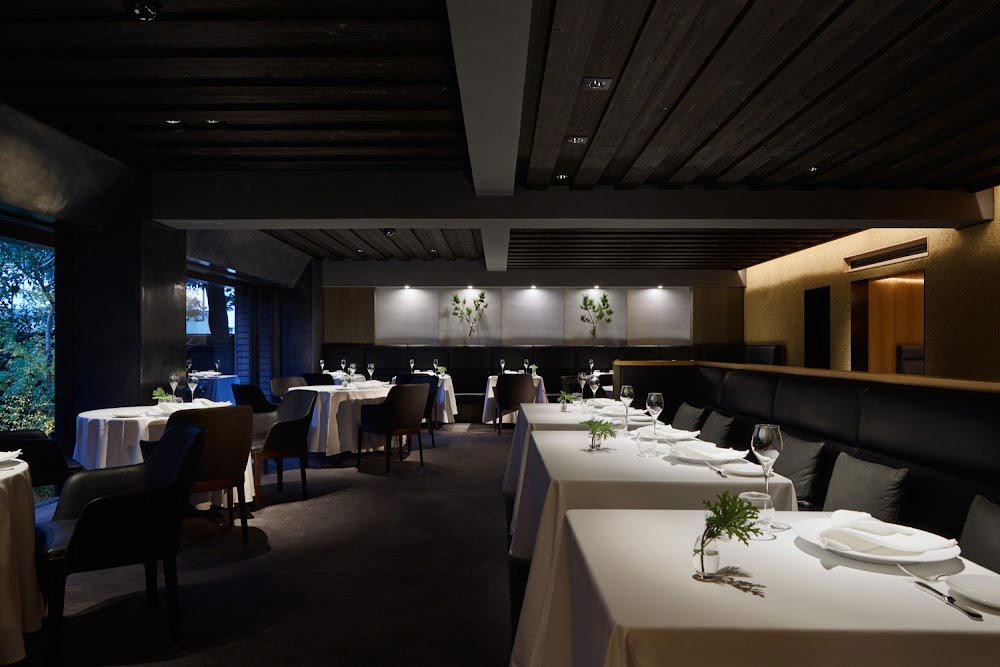
Format: À la carte; casual atmosphere
Booking: Reservation details not publicly listed; call ahead or visit in person
Getting here: Tomioka is accessible via the Tokyo Metro Tōzai Line (Monzen-Nakacho station) or the Yurakucho Line (Tatsumi area); confirm the nearest stop against the full address
For the wider picture on where to eat, stay, drink, and spend time in the city, see our full Tokyo restaurants guide, our full Tokyo hotels guide, our full Tokyo bars guide, our full Tokyo wineries guide, and our full Tokyo experiences guide.
Frequently asked questions
What's the cuisine at Watanabe Ryouri-mise?
Is Watanabe Ryouri-mise award-winning?
Watanabe Ryouri-mise has received recognition including: A chef who is a disciple of gastronomy opened this bistro. Keen on making French cuisine accessible to a general audience, Watanabe Ryouri-mise fosters a casual atmosphere, greeting guests with à la carte offerings. French techniques are on….
What do regulars order at Watanabe Ryouri-mise?
The menu anchors are the charcuterie plate of house-made pâtés and cured hams, the beef cheek braised in red wine, and the seafood courses sourced through Toyosu Market. Both Michelin Plate recognitions (2024 and 2025) align with the kitchen's French technique focus, and the ¥¥ price range means ordering across multiple courses is realistic rather than aspirational.
What should I budget for a meal at Watanabe Ryouri-mise?
Pricing at Watanabe Ryouri-mise is listed as ¥¥.
Side-by-Side Snapshot
A quick peer reference to anchor this venue in its category.
| Venue | Cuisine | Price | Awards | Notes |
|---|---|---|---|---|
| Watanabe Ryouri-miseThis venue (the venue you are viewing) | Modern French Bistro | $100–150 | Michelin Plate · Tabelog 100 #91 | Not listed |
| Harutaka | Edo-Style Omakase Sushi | $200–300 | 3 Michelin Stars · World's 50 Best #76 | Sushi |
| RyuGin | Modern Kaiseki | $500+ | 3 Michelin Stars · World's 50 Best #41 | Kaiseki, Japanese |
| L'Effervescence | Modern French with Japanese Influences | $200–300 | 3 Michelin Stars · World's 50 Best #69 | French |
| HOMMAGE | Modern French with Japanese Influences | $150–200 | 2 Michelin Stars · World's 50 Best #78 | Innovtive French, French |
| MAZ | Innovative Peruvian-Japanese Fusion | $150–200 | 2 Michelin Stars · World's 50 Best #28 | Innovative |
Recognition history
Dated appearances from independent guides and award organizations, with the underlying list record or original source where available.
Michelin Plate
Michelin
Tabelog 100 #91 · No. 91
Tabelog · Tabelog 100 - French - TOKYO - 2025
Full recognition history (4 entries)
Michelin Plate
Michelin
Michelin Plate
Michelin