Ume no Hana occupies a quiet address on Thadenstraße in Hamburg's Altona district, where Japanese dining traditions meet a neighbourhood that has spent the last decade repositioning itself at the intersection of residential calm and serious food culture. The restaurant sits in a tier of Hamburg's Asian dining scene that rewards return visits over first impressions.
Pearl is the En Primeur Club membership app — saves, bookings, and concierge access live there. Same editors, same standards.
- Address
- Thadenstraße 15, 22767 Hamburg, Germany
- Phone
- +494043092979
- Website
- ume-no-hana.de
- Directions
- Get directions
 Saves & bookings on Pearl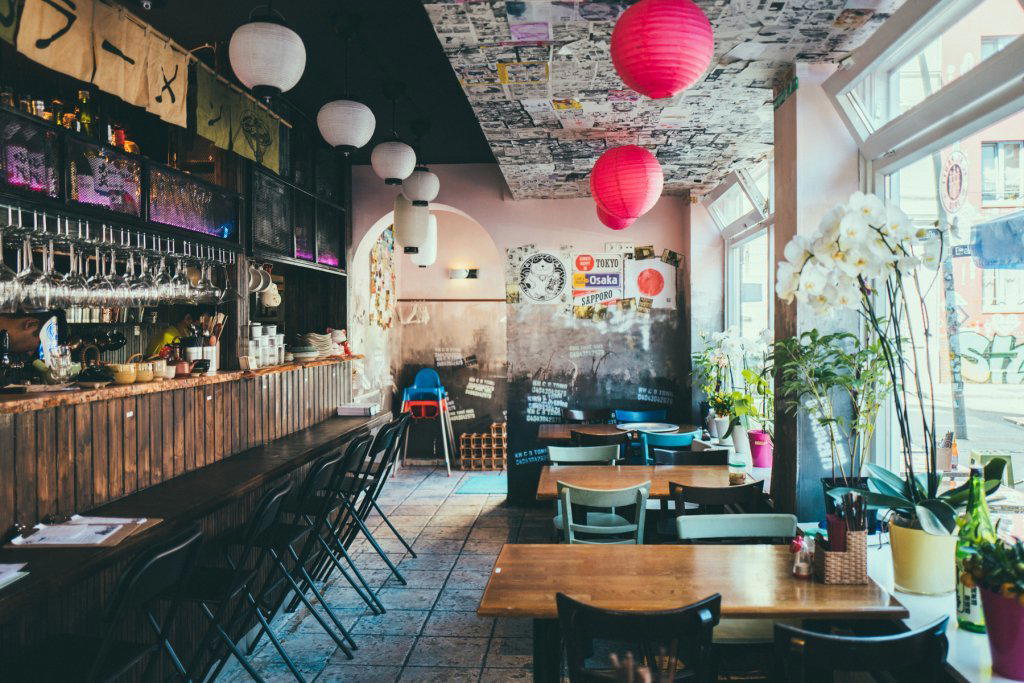
Altona's Quiet Turn Toward Japanese Precision
Hamburg's fine dining conversation tends to orbit the Innenstadt and HafenCity, where addresses like Restaurant Haerlin and The Table Kevin Fehling set the formal register. But Altona has been developing its own slower, more residential version of serious eating, and Thadenstraße 15 is part of that shift. The street sits in the Schanzenviertel-adjacent zone where converted ground-floor spaces now house some of the city's more considered dining rooms. Approaching Ume no Hana, you get the sense of a room that does not announce itself, a character that has become something of a signature among Hamburg's Japanese-leaning establishments.
That restraint at street level is itself an editorial statement. In a city where bianc and Lakeside compete at the top of the €€€€ bracket with theatrical settings and design-forward rooms, the quieter neighbourhood Japanese format occupies a different register entirely. It asks more of the diner in terms of attention and less in terms of spectacle.
A Format That Has Shifted With the City
The evolution of Japanese dining in German cities over the past fifteen years follows a legible arc. Early waves prioritised accessibility: sushi conveyor belts, pan-Asian menus, and lunch specials that pulled from a broad palette of influences. The second wave sharpened focus, as a smaller number of restaurants committed to regional Japanese specificity, whether kaiseki structure, izakaya informality, or the precision counter format that cities like Tokyo and Osaka had long since institutionalised. Hamburg followed this pattern, if slightly behind Berlin and Munich in depth of provision.
Ume no Hana sits in the middle of that second wave, representing the kind of address that emerged as Hamburg's appetite for considered Japanese cooking matured past novelty. The restaurant's position on Thadenstraße, away from the tourist-density of the city centre, reflects a choice that many of Germany's more serious Japanese rooms have made: to trade foot traffic for a clientele that books deliberately. This is a pattern you see replicated at JAN in Munich and, in a different register, at CODA Dessert Dining in Berlin, where format commitment matters more than location convenience.
How Hamburg's Japanese Scene Has Repositioned
To understand where Ume no Hana fits now, it helps to map the broader repositioning that has happened across Hamburg's Asian dining tier. The city has not developed the density of Tokyo-trained counter operators that you find in London or Paris, but it has produced a smaller cohort of restaurants that take sourcing and technique seriously enough to hold a distinct position against European fine dining peers. 100/200 Kitchen operates at the creative-European end of that spectrum; Ume no Hana represents the Japanese-specific lane.
That lane has grown more competitive as German diners have become more fluent in Japanese culinary categories. Where a Hamburg diner in 2010 might have measured a Japanese restaurant primarily against other Japanese restaurants in the city, the contemporary diner is more likely to benchmark against experiences brought back from travel, from cities like New York where Atomix has demonstrated what Korean fine dining can achieve at the highest level, or from coastal France where Le Bernardin has long set the standard for produce-led precision. The reference frame has expanded, and Hamburg's Japanese rooms have had to move with it.
Germany's broader fine dining circuit, anchored by addresses like Aqua in Wolfsburg, Schwarzwaldstube in Baiersbronn, and Vendôme in Bergisch Gladbach, operates largely within a French-inflected European tradition. Japanese restaurants in this context occupy a genuinely distinct category, one that does not compete directly with that tradition but runs alongside it. ES:SENZ in Grassau, Victor's Fine Dining by Christian Bau in Perl, Waldhotel Sonnora in Dreis, Schanz in Piesport, and Bagatelle in Trier all represent the European fine dining track. Ume no Hana is playing a different game.
The Altona Neighbourhood Context
Thadenstraße sits within a part of Hamburg that has changed character considerably since the early 2010s. Altona's proximity to the Elbe, its mix of older tenement architecture and post-industrial conversion, and its demographic shift toward younger professional residents have created the conditions for a food culture that leans independent and specific rather than corporate and broad. This is not the Hamburg of Jungfernstieg hotels and expense-account dinners; it is closer to the Hamburg of deliberate neighbourhood choices, where a restaurant survives on repeat custom rather than tourist discovery.
That context shapes what Ume no Hana is and what it needs to be. A quieter room, a more focused menu, a clientele that arrives knowing what it wants: these are the conditions Altona tends to produce in its better restaurants. For a fuller map of where this address sits among the city's options, the EP Club Hamburg restaurants guide covers the full range across neighbourhoods and price tiers.
Know Before You Go
Address: Thadenstraße 15, 22767 Hamburg, Germany
Neighbourhood: Altona
Booking: Contact the restaurant directly; reservation recommended
Price tier: Verify current pricing directly with the venue
How Ume no Hana Hamburg compares with similar nearby venues.
| Venue | Cuisine | Price |
|---|---|---|
| Nil | International | €€ |
Continue exploring
More in Hamburg
Restaurants in Hamburg
Browse all →
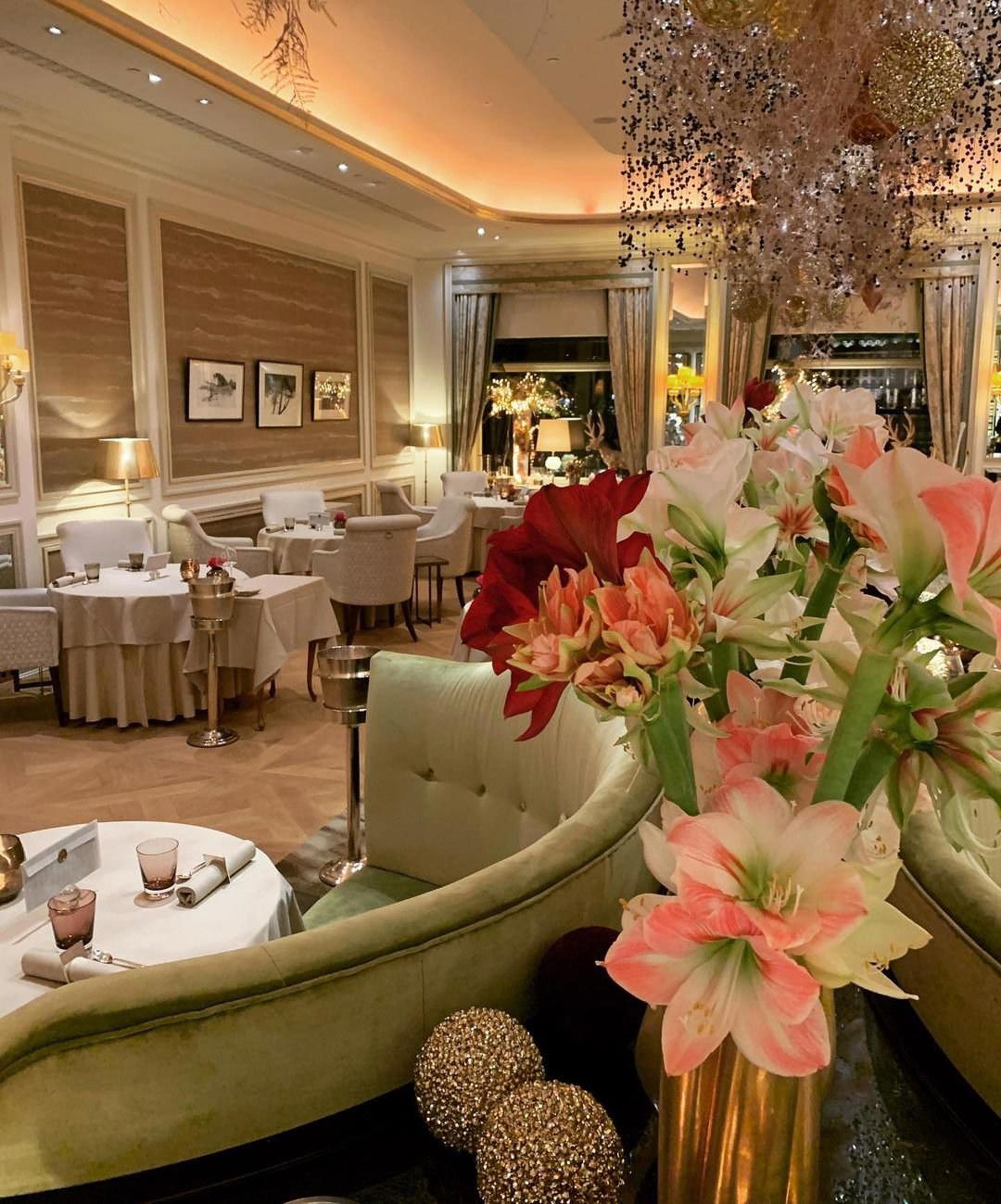
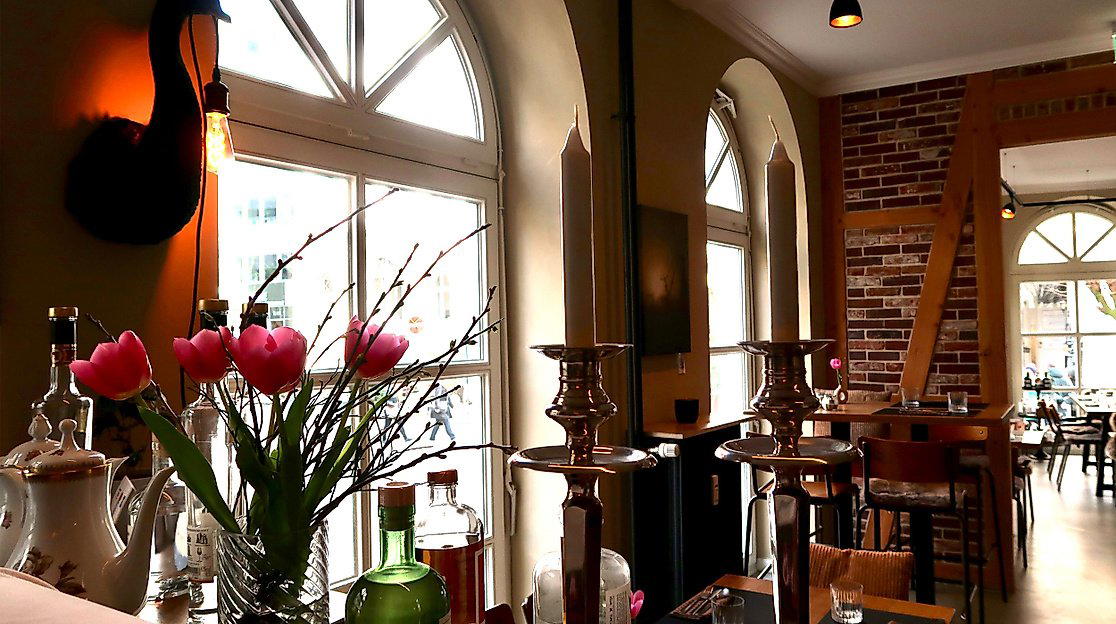
Bars in Hamburg
Browse all →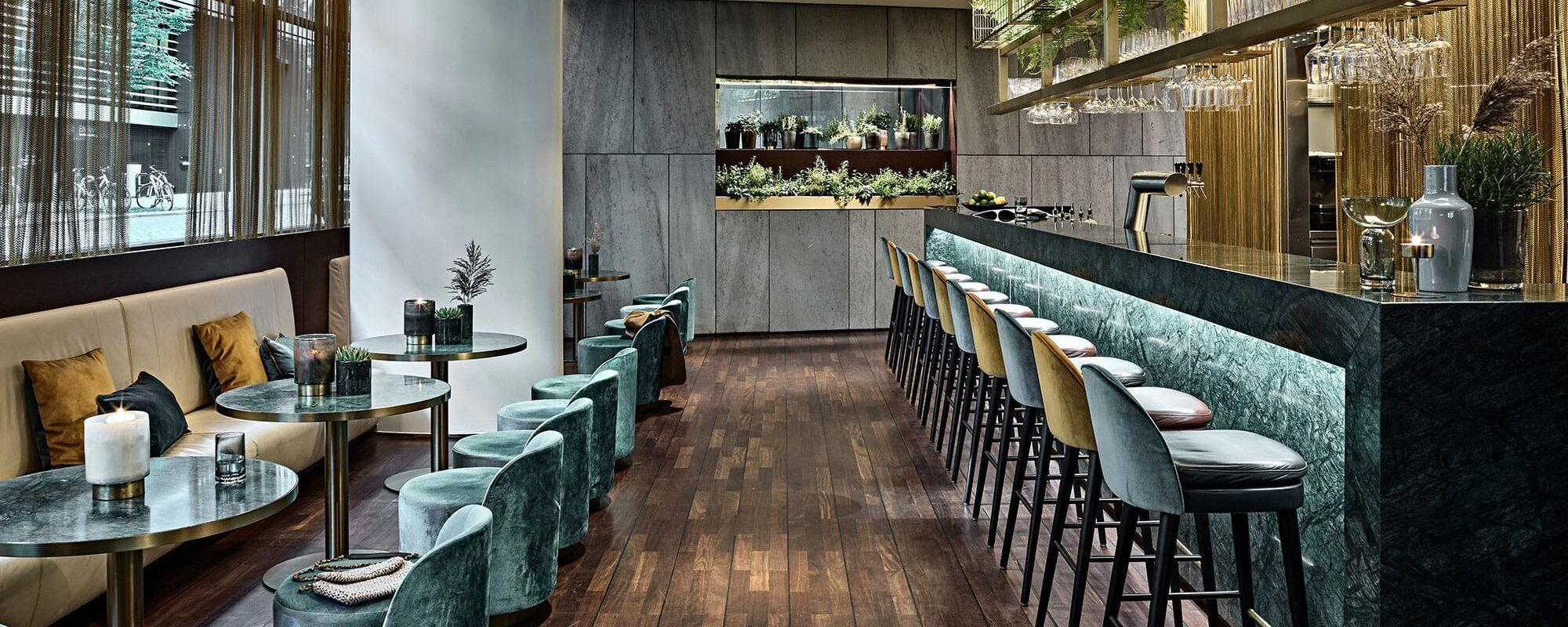
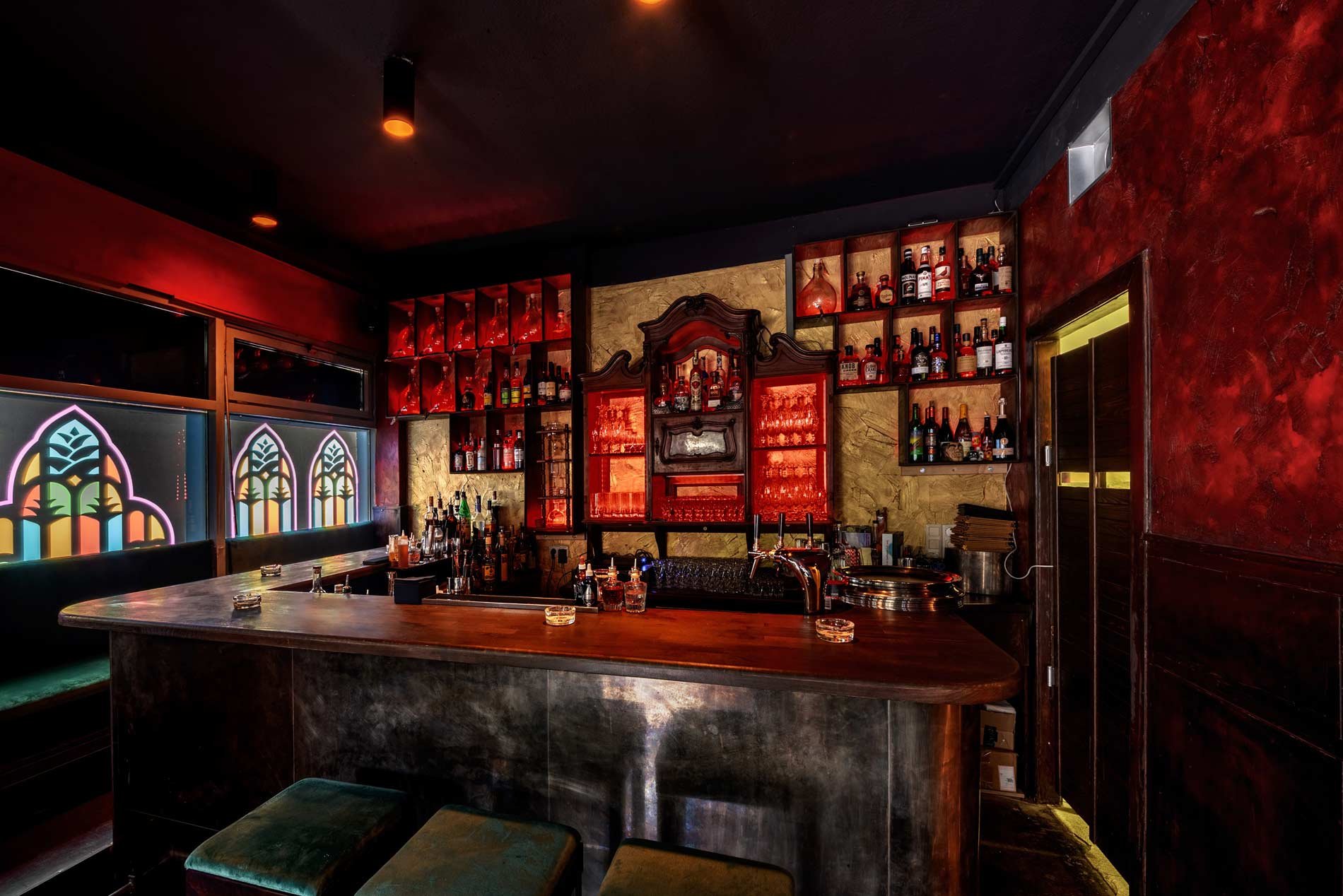

Hotels in Hamburg
Browse all →
Wineries in Hamburg
Browse all →
At a Glance
- Cozy
- Trendy
- Casual Hangout
- Sake Program
Current opening hours
- Monday
- 12–10:30 PM
- Tuesday
- 12–10:30 PM
- Wednesday
- 12–10:30 PM
- Thursday
- 12–10:30 PM
- Friday
- 12–10:30 PM
- Saturday
- 12–10:30 PM
- Sunday
- 12–10:30 PM
Hours can change for holidays and private events. Last verified .
Cozy and trendy atmosphere reminiscent of Japan with street-kitchen charm.
Know Before You Go
- Getting there
- Thadenstraße 15, 22767 Hamburg, Germany