La Sepia occupies a address on Neuer Pferdemarkt in Hamburg's Schanzenviertel, a neighbourhood where independent restaurants consistently outpace the tourist-facing dining corridor along the Alster. The restaurant's name, Spanish for cuttlefish, signals a Mediterranean orientation in a city more often associated with northern European fish traditions and Hanseatic restraint.
Pearl is the En Primeur Club membership app — saves, bookings, and concierge access live there. Same editors, same standards.
- Address
- Neuer Pferdemarkt 16, 20357 Hamburg, Germany
- Phone
- +4949404322484
- Website
- la-sepia.de
- Directions
- Get directions
 Saves & bookings on Pearl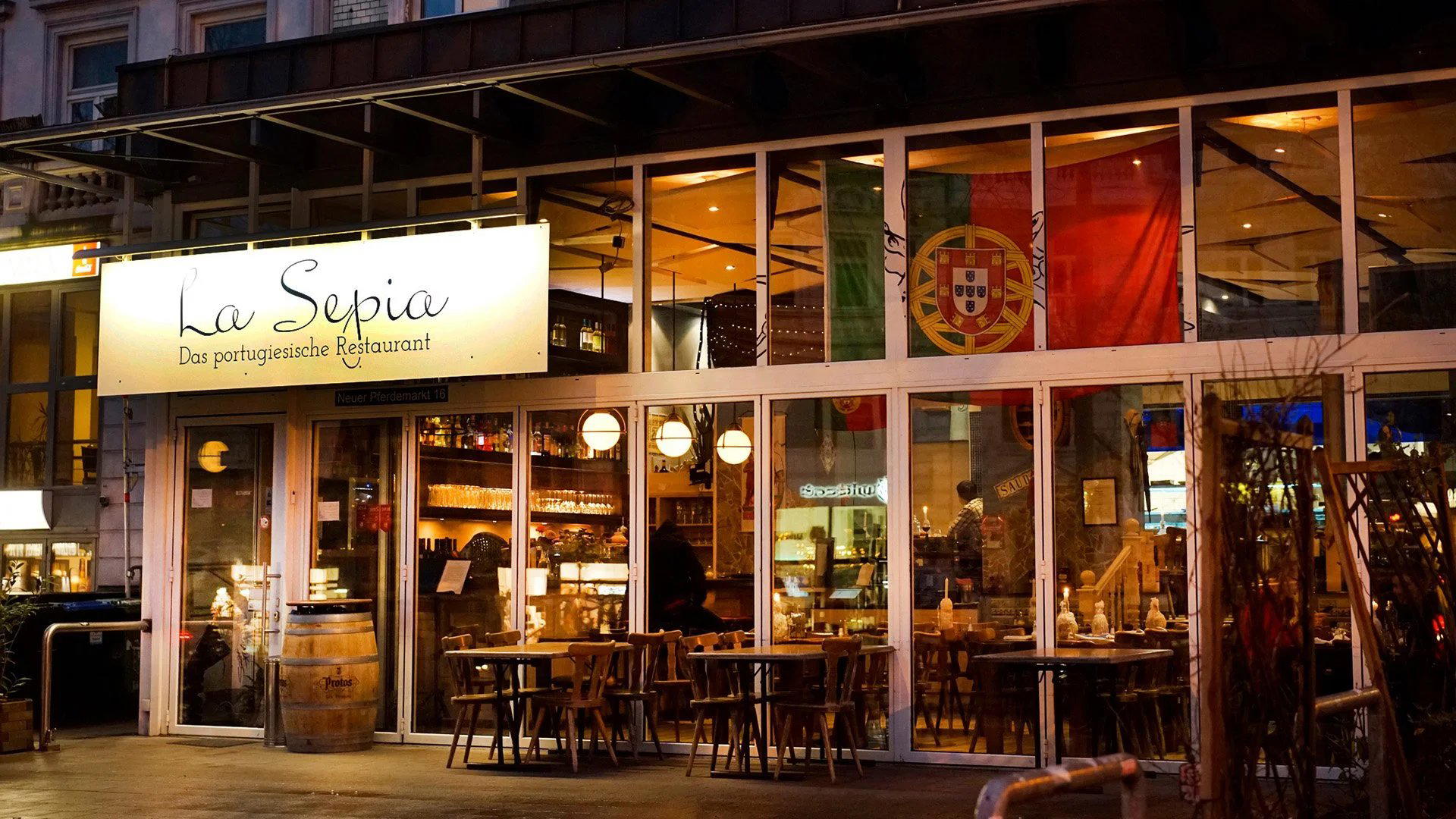
Schanzenviertel and the Southern Turn in Hamburg Dining
Neuer Pferdemarkt sits at the western edge of the Schanzenviertel, a district that has shifted over two decades from counterculture enclave to one of Hamburg's most consistent addresses for independent hospitality. The street itself sits a short walk from the S-Bahn at Sternschanze, which connects quickly to the city centre. What has emerged here is a dining register that sits between the stripped-back informality of the Schanze's bar culture and the formal ambition of Hamburg's dining scene, a middle ground occupied by restaurants that take their cooking seriously without the ceremony of tasting-menu houses like The Table Kevin Fehling or Restaurant Haerlin.
La Sepia's name is a direct reference to cuttlefish, the cephalopod that anchors Spanish and Italian coastal cooking in ways that North German cuisine rarely explores. In Hamburg, a port city with centuries of trade links to the Mediterranean, that orientation is historically grounded even if it remains relatively uncommon on menus. The Hanseatic tradition foregrounded herring, smoked eel, and North Sea flatfish; the Mediterranean counterpart built its identity around octopus, squid, and cuttlefish cooked with olive oil and wine rather than butter and cream. A restaurant named after cuttlefish is positioning itself inside that second tradition, which in Hamburg represents a deliberate culinary statement rather than a default.
Mediterranean Roots in a Northern Port City
Hamburg's trading history connected it to Iberian and Italian ports for centuries, and the city's fish market tradition has always included species more associated with southern European tables than local waters. Properties like bianc, operating at the €€€€ tier with a modern Mediterranean focus, demonstrate that there is an audience for this orientation at the formal end of the market. La Sepia, addressed at Neuer Pferdemarkt 16, operates in a neighbourhood context that suggests a less formal register, the Schanzenviertel rewards neighbourhood regulars as much as occasion diners.
Cuttlefish as a culinary subject carries specific cultural weight. In Spanish cooking, sepia a la plancha and arroz negro depend on the ink and the texture of the cuttlefish body in ways that require sourcing and technique discipline quite different from standard fish service. In Italian coastal tradition, seppie in umido with polenta is a Venetian staple with a cooking logic rooted in slow braise and ink reduction. Both traditions require a kitchen that understands how cephalopods behave differently from finfish, overcooking is irreversible, and the ink demands careful handling to avoid bitterness. A Hamburg restaurant that takes the name La Sepia is implicitly claiming fluency in this tradition. That claim invites scrutiny, which is the appropriate response from any serious diner approaching the address.
Where La Sepia Sits in Hamburg's Dining Structure
Hamburg's restaurant scene stratifies clearly. At the leading, a small group of Michelin-starred addresses, including three-star The Table Kevin Fehling and the long-established Restaurant Haerlin, set the formal ceiling. Below that, a mid-market tier of serious independents handles the majority of destination dining. 100/200 Kitchen represents the creative end of this tier; Lakeside anchors the lake-facing German tradition further afield.
For context across the broader German fine dining conversation, the Michelin-starred properties that define national benchmarks, Aqua in Wolfsburg, Schwarzwaldstube in Baiersbronn, Vendôme in Bergisch Gladbach, and Victor's Fine Dining by Christian Bau in Perl, operate with kitchen teams and price structures that set a different expectation entirely. Hamburg's independent mid-market, where the restaurant addresses, competes on character, consistency, and value coherence rather than on starred prestige. That is not a lesser competition; it is a different one, and the Schanzenviertel rewards restaurants that win it.
Internationally, the conversation around Mediterranean seafood-led restaurants has been shaped by addresses like Le Bernardin in New York City, where the primacy of the fish is a stated philosophy backed by three Michelin stars and decades of consistent execution. The Hamburg context is less formal and the price ceiling lower, but the underlying question, whether a kitchen can make a single category of ingredient the organising principle of a menu, is the same one the restaurant's name invites.
Planning a Visit to Neuer Pferdemarkt 16
The address at Neuer Pferdemarkt 16 is accessible by S-Bahn to Sternschanze or U-Bahn to Feldstrasse, both within comfortable walking distance. The Schanzenviertel rewards arriving early enough to walk the neighbourhood before eating; the area's independent retail and bar culture is part of the experience of an evening in this part of Hamburg. The restaurant is recommended for reservations and typically trades in a casual dress code, with around €25 per person. Checking availability ahead of time is advisable.
Diners with a broader Hamburg agenda should note that the city's fine dining range extends well beyond the Schanzenviertel. For reference across other German cities and their dining registers, JAN in Munich, CODA Dessert Dining in Berlin, ES:SENZ in Grassau, Schanz in Piesport, Waldhotel Sonnora in Dreis, and Bagatelle in Trier offer useful comparison points for what the German dining scene produces outside Hamburg. For the full Hamburg picture, our Hamburg restaurants guide maps the city's dining geography in detail. An international comparison point outside Europe: Atomix in New York City illustrates how a named culinary tradition can anchor a restaurant's identity at the highest formal tier.
Quick Comparison
Comparable venues nearby, for context on price, style, and recognition.
| Venue | Cuisine | Price | Notes |
|---|---|---|---|
| La SepiaThis venue — the venue you are viewing | Portuguese Seafood | $$ | Not listed |
| Daniel Wischer | Traditional Hamburg Fish Bistro | $$ | Hamburg-Altstadt |
| Fisch & Co. | Hamburg Fish Sandwiches & Seafood | $ | Hamburg-Altstadt |
| UNDERDOCKS | Modern Seafood Street Food | $$ | St. Pauli |
| Hummer Pedersen | German Seafood & Lobster | $$$ | Altona-Altstadt |
| Fischbeisl | Hamburg Fish Bistro | $$ | Altona-Altstadt |
Continue exploring
More in Hamburg
Restaurants in Hamburg
Browse all →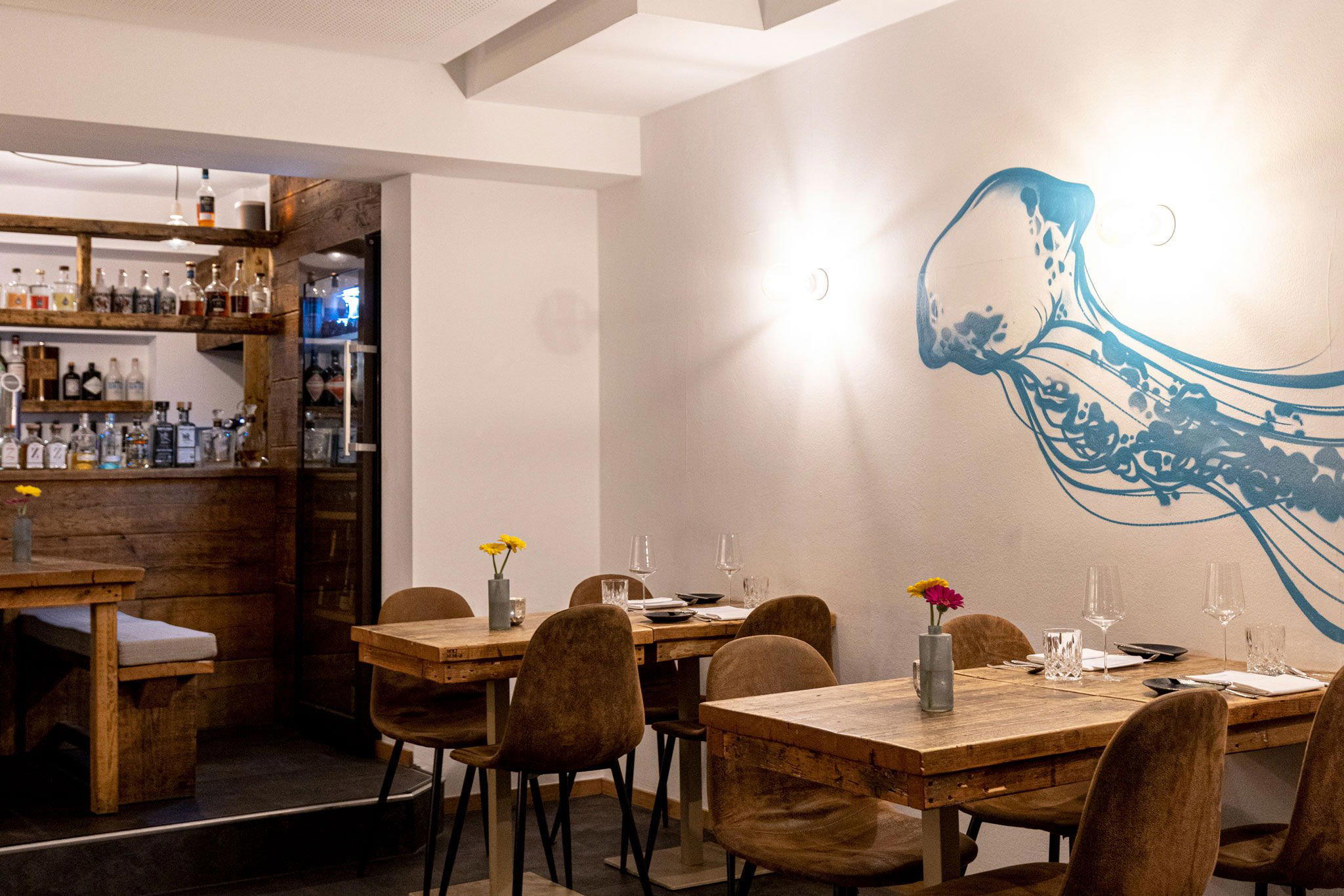
At a Glance
- Cozy
- Lively
- Casual
- Date Night
- Casual Hangout
- Group Dining
- Open Kitchen
- Terrace
- Street Scene
Current opening hours
- Monday
- 3–11 PM
- Tuesday
- 3–11 PM
- Wednesday
- 3–11 PM
- Thursday
- 3–11 PM
- Friday
- 3–11:30 PM
- Saturday
- 12–11:30 PM
- Sunday
- 12–11 PM
Hours can change for holidays and private events. Last verified .
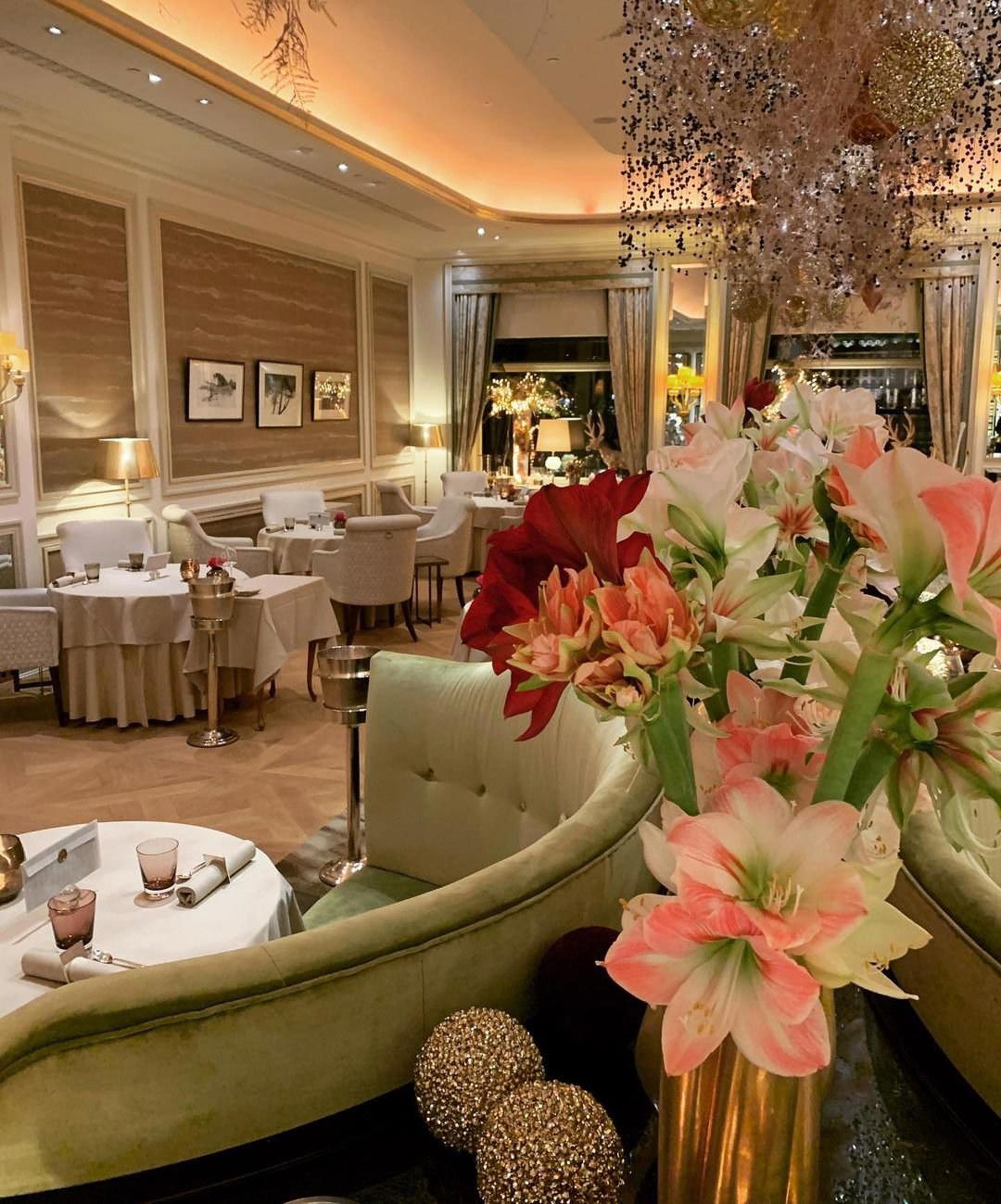
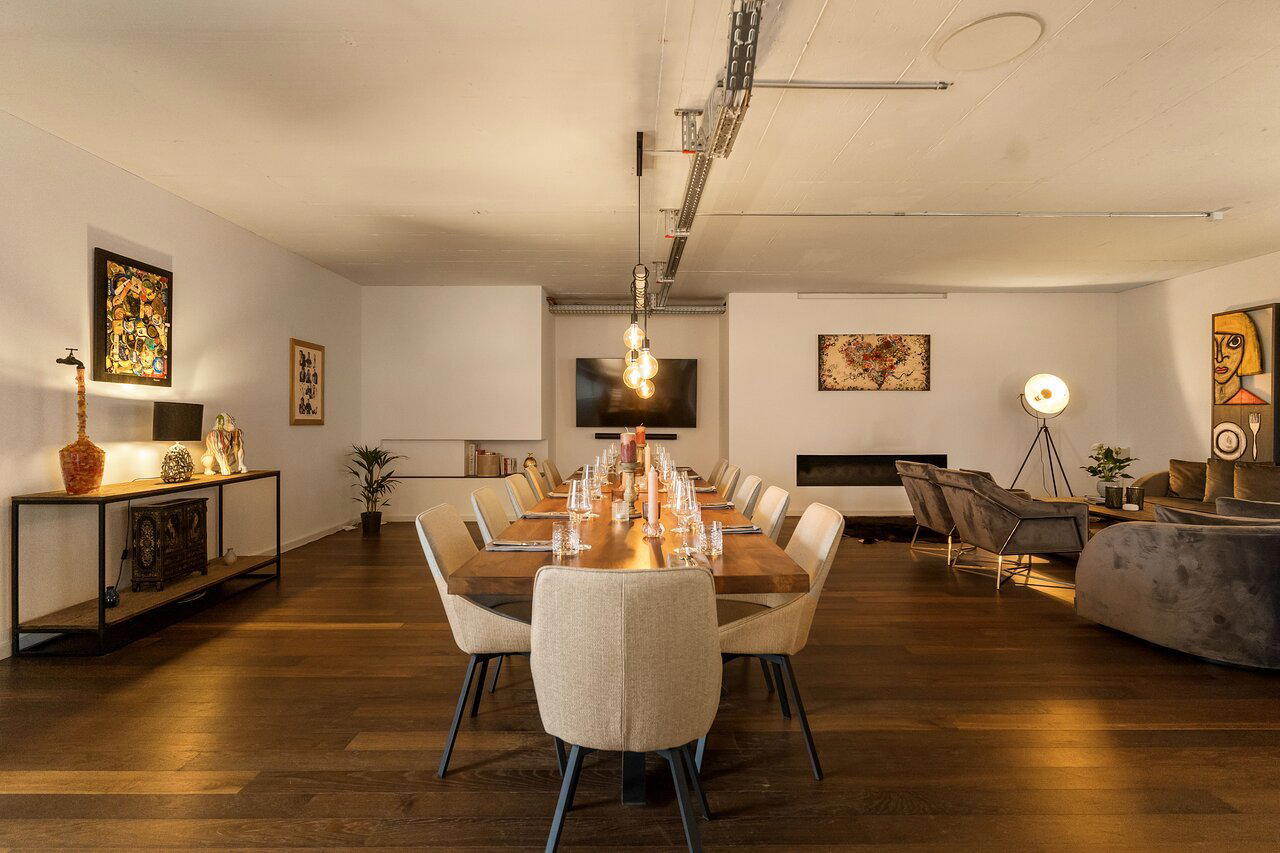
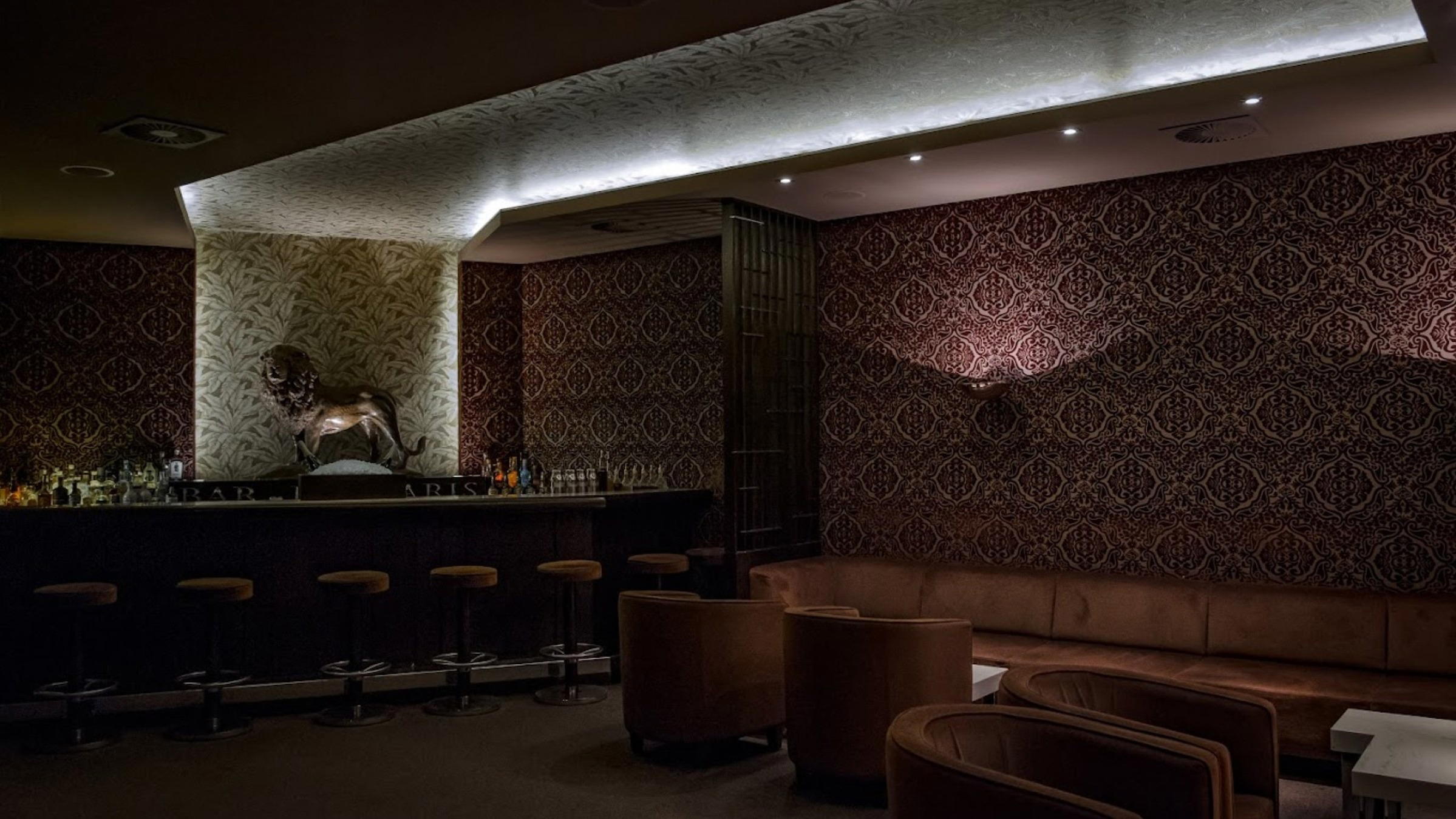
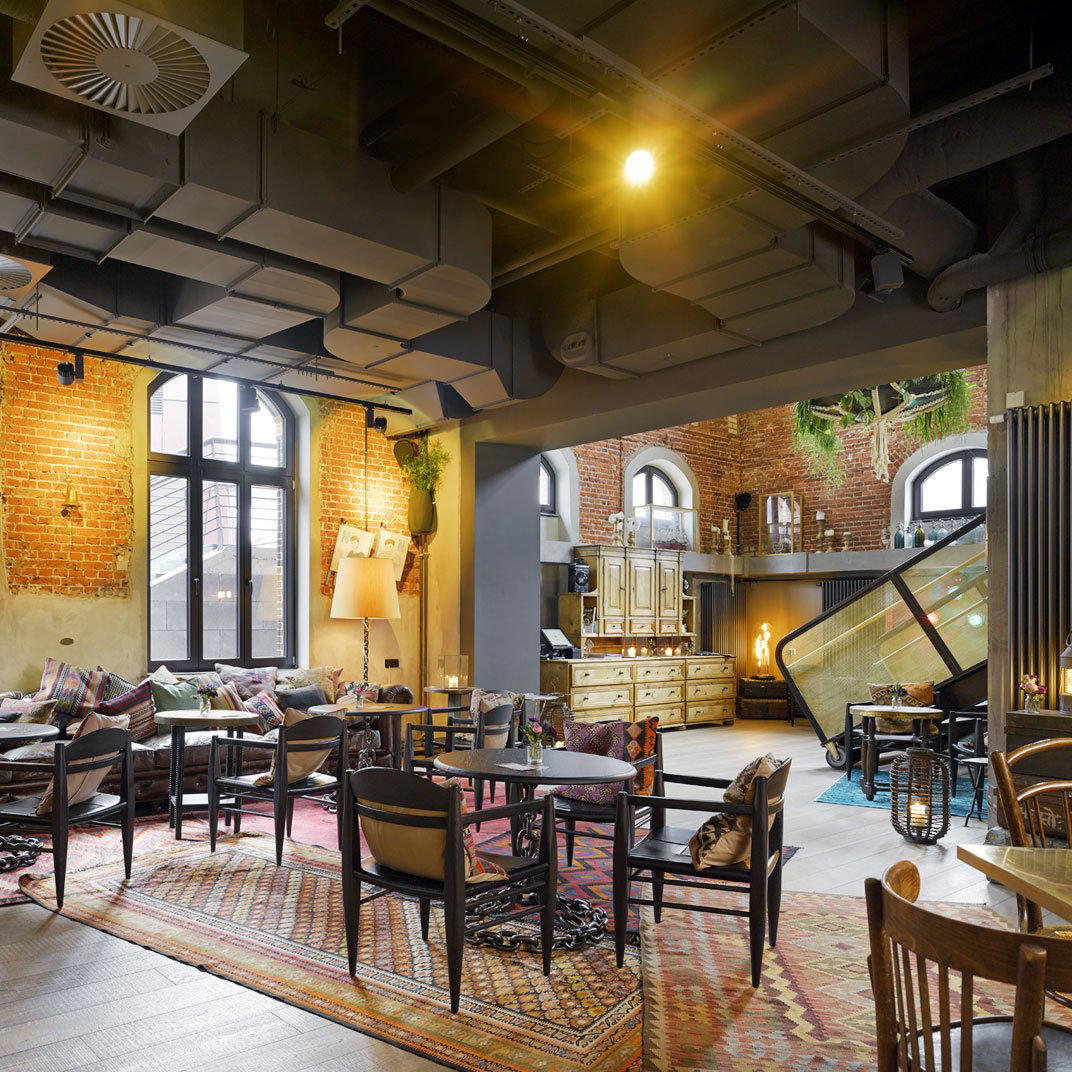
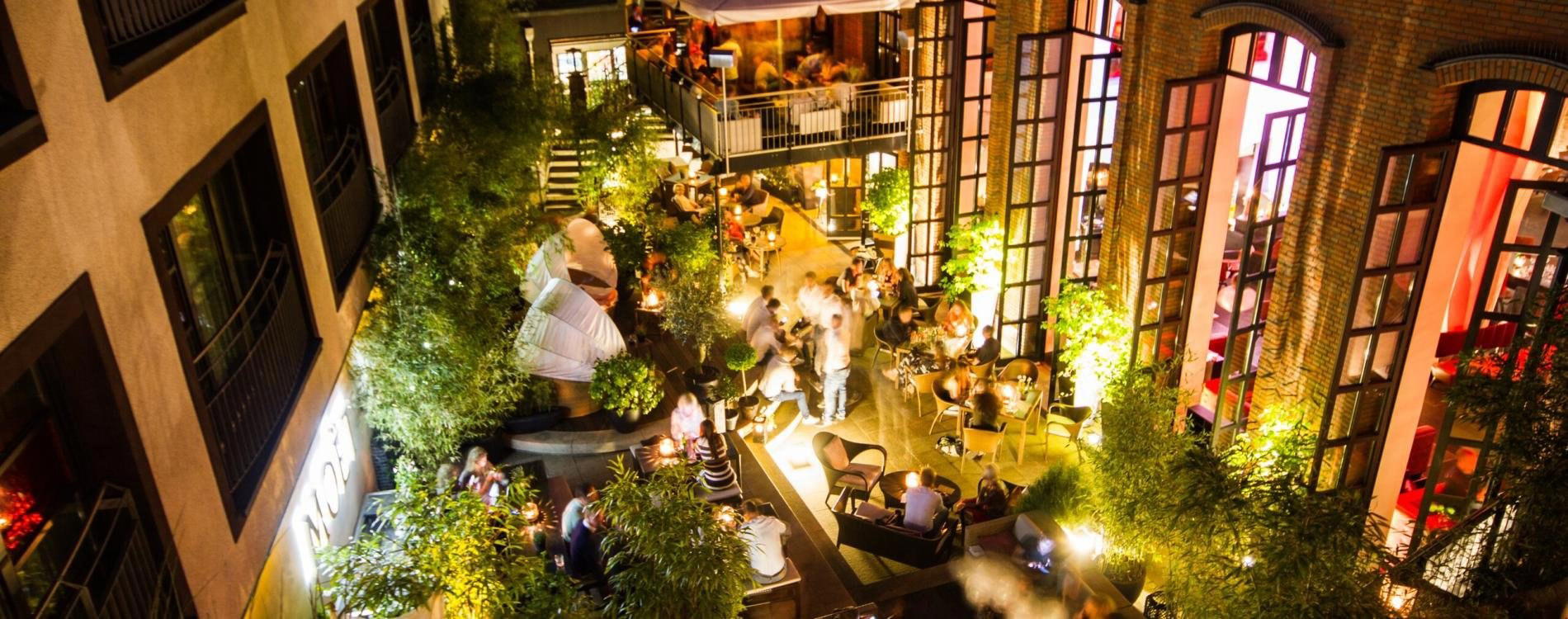
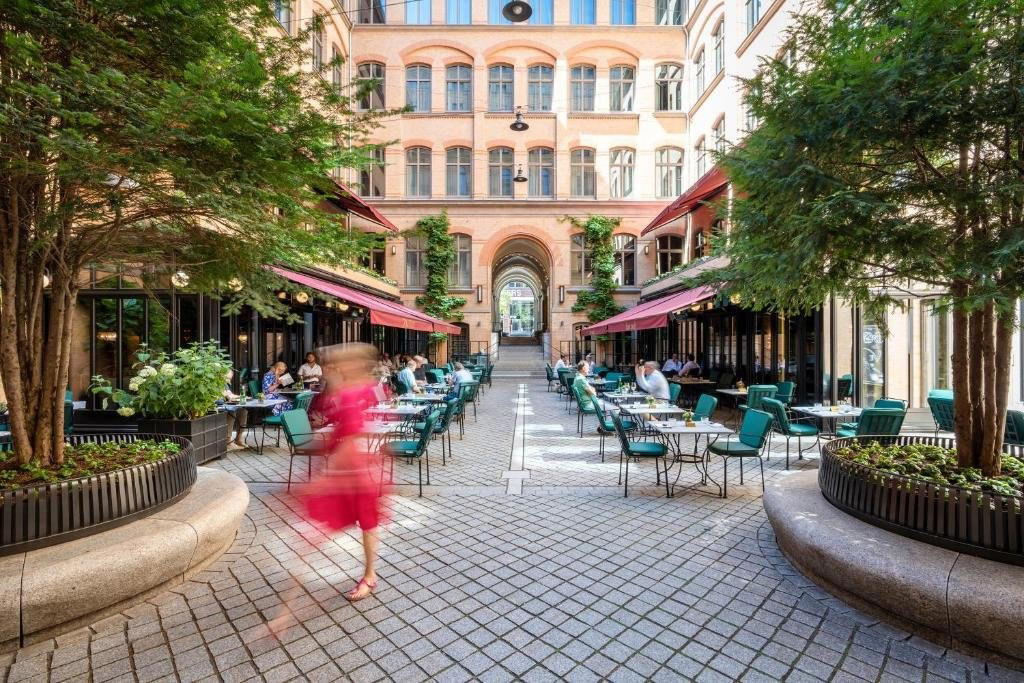
Cozy and comfortable with candlelight, lively terrace for people-watching, and a holiday-like atmosphere.