Daniel Wischer occupies a historic address in Hamburg's Altstadt, placing it among the city's established fine dining addresses. With a setting that reflects the considered formality of the northern German dining tradition, the restaurant draws guests marking significant occasions alongside those treating a weekday lunch as its own kind of event. Advance planning is advisable for prime time slots.
Pearl is the En Primeur Club membership app — saves, bookings, and concierge access live there. Same editors, same standards.
- Address
- Große Johannisstraße 3, 20457 Hamburg, Germany
- Phone
- +494036091988
- Website
- danielwischer.de
- Directions
- Get directions
 Saves & bookings on Pearl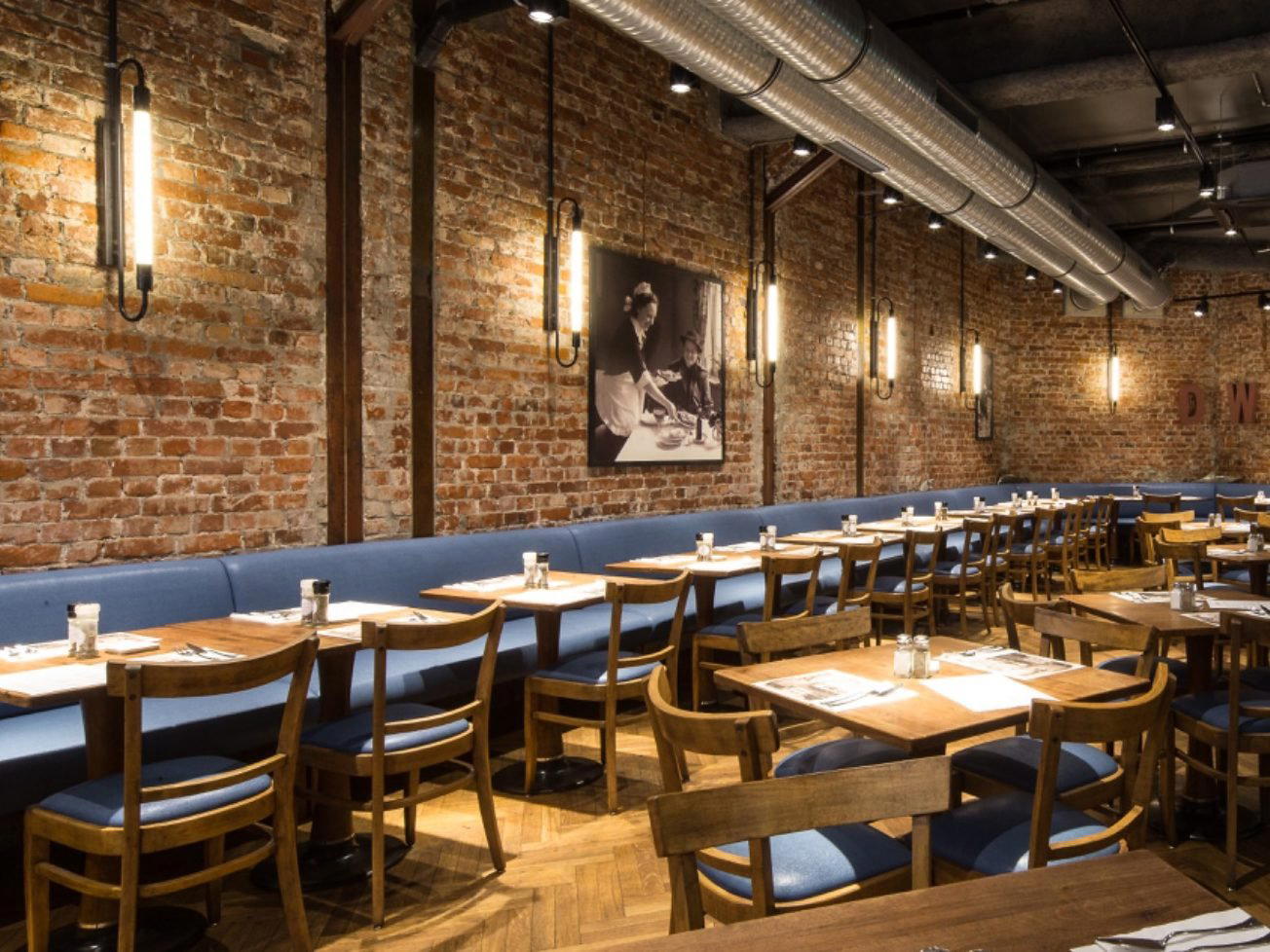
The Weight of a Good Address
Große Johannisstraße sits in the Altstadt, Hamburg's oldest quarter, where the density of law firms, merchant houses, and civic institutions gives the street a particular gravity. Restaurants that endure here do so partly because the address itself carries occasion — the kind of location where deals get sealed, anniversaries get marked, and significant birthdays get the table they deserve. The physical environment primes guests before they arrive at the door.
This matters when thinking about where Daniel Wischer sits in Hamburg's dining picture. The city's fine dining scene has developed a recognizable split over the past two decades: one tier is defined by high-concept tasting menus at places like The Table Kevin Fehling and Restaurant Haerlin, where the evening is structured around a single extended format; another tier serves what might be called occasion dining in the classical European sense — a room where the setting reinforces the moment, the menu rewards attention without demanding performance, and a guest who arrives for a two-hour celebratory dinner leaves feeling the ritual was honored rather than processed.
Where It Sits in the Hamburg Fine Dining Tier
Hamburg's €€€€ bracket has grown more diverse in the last decade. bianc has carved a position in modern Mediterranean cooking; Lakeside anchors a more specifically German identity; 100/200 Kitchen operates with a creative, produce-driven program. Each of these addresses a different kind of dining motivation. What the Altstadt address supplies is a context that the newer, design-forward rooms in HafenCity or Eppendorf cannot replicate: the sense that you are eating inside the city's institutional memory rather than its current ambitions.
That positioning is important for occasion dining specifically. A milestone meal, whether a significant anniversary, a business relationship being formalized over lunch, or a birthday dinner that needs to feel worthy of the number, benefits from a setting that communicates durability. The argument being made by a guest who books here is that the occasion is serious enough to warrant a serious address, and the address responds in kind.
Across Germany, the restaurants that have sustained this kind of function longest tend to share certain characteristics: a service approach that reads rooms without being prompted, a wine program deep enough to handle unusual requests, and a kitchen that understands that occasion dining demands consistency over surprise. Parallels exist at Vendôme in Bergisch Gladbach and Waldhotel Sonnora in Dreis, both of which operate at the intersection of classical technique and the ceremonial meal. Schwarzwaldstube in Baiersbronn and Aqua in Wolfsburg represent the same enduring German fine dining tradition from different regional starting points.
The Occasion Dining Argument
There is a particular kind of pressure that milestone meals carry. The guest has told someone that the reservation is somewhere worth going. The expectation has been set. In cities where the fine dining tier has proliferated, that pressure can occasionally be misread by newer rooms that prioritize the Instagram-friendly and the conceptually interesting over the reliably excellent. The classical European dining tradition, which Hamburg absorbed through its Hanseatic merchant history and its long relationships with French and Scandinavian culinary influence, produces a different answer: the meal should be memorable because it was correct, not because it was unusual.
This is the logic behind milestone dinners at addresses like Daniel Wischer rather than at the city's more experimental rooms. For guests who want a tasting menu built around provocation and technical theater, The Table Kevin Fehling or, further afield, CODA Dessert Dining in Berlin or JAN in Munich make compelling cases. For guests whose occasion demands the kind of formality that reads as respect rather than show, the classical room at a historic address has a different logic entirely.
Internationally, the comparison point is something like Le Bernardin in New York City, where the formal dining room, the unbroken decades of consistency, and the weight of the address constitute part of the dining proposition, or, at the experiential end, Lazy Bear in San Francisco, which has built its own version of occasion-first dining through an entirely different format. Both make the argument that a meal designed around an event should be structured to serve that event. The room and its history do meaningful work.
The German Fine Dining Context
Germany's fine dining geography is worth understanding for anyone planning a significant meal. The highest concentration of recognized addresses sits outside the major cities: Victor's Fine Dining by Christian Bau in Perl, Schanz in Piesport, Bagatelle in Trier, and ES:SENZ in Grassau all operate in smaller towns where the dining destination is the primary reason for travel. Hamburg's version of high-end dining has a different logic: the city is a destination in itself, and its restaurants serve a resident business and cultural community as much as visitors. That shapes how occasion dining functions here, it is less about the pilgrimage and more about the local institution.
The Altstadt location reinforces this. Guests arriving from outside Hamburg treat the address as confirmation that they have chosen correctly. Residents already know what the postcode signals.
Planning a Meal Here
Know Before You Go
- Address: Große Johannisstraße 3, 20457 Hamburg, Germany
- Neighbourhood: Altstadt (Hamburg's historic commercial quarter)
- Occasion fit: Anniversary dinners, significant birthdays, formal business lunches, celebratory meals requiring a serious address
- Getting there: The Altstadt is served by U-Bahn lines U1 and U3 (Rödingsmarkt and Mönckebergstraße); taxi and rideshare drop-off on Große Johannisstraße
- Further reading: See our full Hamburg restaurants guide for peer comparisons and neighbourhood context
Continue exploring
More in Hamburg
Restaurants in Hamburg
Browse all →
Bars in Hamburg
Browse all →

Hotels in Hamburg
Browse all →
Wineries in Hamburg
Browse all →
At a Glance
- Rustic
- Well Known
- Classic
- Cozy
- Casual Hangout
- Group Dining
- Family
- Historic Building
- Standalone
- Local Sourcing
- Sustainable Seafood
Current opening hours
- Monday
- 11:30 AM–9 PM
- Tuesday
- 11:30 AM–9 PM
- Wednesday
- 11:30 AM–9 PM
- Thursday
- 11:30 AM–9 PM
- Friday
- 11:30 AM–9 PM
- Saturday
- 11:30 AM–9 PM
- Sunday
- Closed
Hours can change for holidays and private events. Last verified .
Rustic and maritime with closely packed tables, leather-clad wooden benches, and a central location near City Hall; warm, unpretentious atmosphere reflecting traditional Hamburg working-class dining culture.
Know Before You Go
- Getting there
- Große Johannisstraße 3, 20457 Hamburg, Germany