Burger Village on Max-Brauer-Allee sits in Hamburg's Altona district, a neighbourhood that has quietly become one of the city's more interesting addresses for casual dining. With the ethical sourcing conversation reshaping how Hamburg's mid-tier restaurants operate, Burger Village represents the neighbourhood's shift toward ingredient-conscious fast-casual formats. For context on the wider Hamburg dining scene, see our full Hamburg restaurants guide.
Pearl is the En Primeur Club membership app — saves, bookings, and concierge access live there. Same editors, same standards.
- Address
- Max-Brauer-Allee 10, 22765 Hamburg, Germany
- Phone
- +494084602357
- Website
- burger-village.de
- Directions
- Get directions
 Saves & bookings on Pearl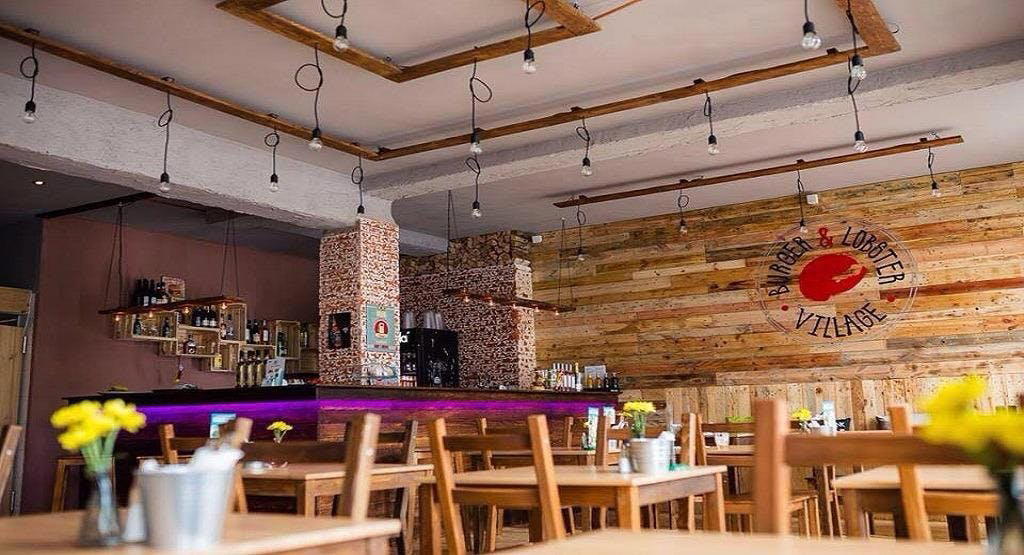
Altona's Casual Dining Shift and Where Burger Village Sits
Hamburg's food scene is often read through its fine-dining credentials: the three-Michelin-starred rooms, the long tasting menus, the white-tablecloth formality that places like Restaurant Haerlin and The Table Kevin Fehling represent with authority. But Hamburg's more textured story is happening at street level, particularly in Altona, where Max-Brauer-Allee has accumulated a density of neighbourhood restaurants that serve the area's mixed, working-city population rather than expense-account visitors. Burger Village at number 10 is part of that fabric.
The broader casual dining category in German cities has been under pressure from two directions simultaneously: the rising cost of quality proteins and the growing expectation, particularly among younger urban diners, that restaurants account for where their ingredients come from. These twin pressures have pushed a number of Hamburg's mid-tier operators toward more transparent sourcing practices, not as a marketing exercise but as a structural response to supply chain realities. How individual operators handle that pressure is increasingly the editorial story of the category.
The Ethical Sourcing Conversation in Hamburg's Burger Segment
Germany's burger restaurant sector has fragmented sharply over the past decade. At one end, multinational fast-food chains operate on volume economics that make ingredient provenance largely irrelevant to their model. At the other, a smaller tier of independent operators has positioned around craft patties, regional buns, and supply chains short enough to trace. Hamburg, with its port-city food culture and relatively high disposable income in districts like Altona and Eimsbüttel, has proved a receptive market for the latter approach.
The sustainability argument in this format is not primarily about theatre. Waste reduction in a burger operation looks different from a tasting-menu kitchen: it plays out in trim management, in packaging decisions, in whether cooking oil is sourced and disposed of with any environmental logic. German regulatory frameworks have pushed hospitality operators toward more considered waste practice generally, but independent restaurants in neighbourhoods like Altona tend to move ahead of compliance minimums when their customer base tracks those decisions. Max-Brauer-Allee's position as a main arterial road through a neighbourhood with a high proportion of long-term residents rather than transient tourists creates exactly that kind of accountable local relationship.
For comparison, Hamburg's more formal end of the market, including 100/200 Kitchen and bianc, handles sourcing questions through structured supplier relationships and seasonal menu architecture. The casual segment operates differently: supply decisions are made closer to the counter, and the margin for ingredient-driven storytelling is narrower. What that means in practice is that the most credible ethical sourcing in the burger format tends to show up in a small number of verifiable choices, regional beef, locally milled flour, compostable packaging, rather than comprehensive farm-to-table positioning.
What the Altona Address Tells You
Max-Brauer-Allee runs from the Altona train station south toward Bahrenfeld, passing through a stretch of the city that functions as a genuine mixed-use neighbourhood rather than a curated dining district. Approaching from the Altona S-Bahn station, which is roughly the most practical entry point for visitors, the street reads as workday Hamburg: independent shops, pharmacies, a produce market presence, and a range of restaurants that serve the lunch and dinner trade of people who live and work nearby rather than those making a destination visit.
This matters for the sustainability frame because neighbourhood restaurants on arterial streets operate under different incentive structures than destination dining. Their repeat customer base creates accountability that a tourist-facing operation does not face in the same way. When a restaurant on Max-Brauer-Allee makes a sourcing or waste decision, it is visible to the same people week after week. That structural dynamic is one reason Altona has produced a number of operators whose practices are more carefully considered than their price points might suggest.
Hamburg's wider dining geography rewards those who move beyond the harbour-front concentration. Lakeside represents a different kind of Hamburg restaurant, situated around the city's lake geography rather than its street-level casual scene, and the contrast is instructive about how varied the city's dining registers have become. Our full Hamburg restaurants guide maps those contrasts across the city's neighbourhoods.
Where Burger Village Sits in the German Casual Dining Picture
Germany's independent burger segment is not confined to Hamburg. Berlin's CODA Dessert Dining represents one extreme of the capital's experimental dining culture, but Berlin also has a dense casual sector with its own ethical sourcing conversations. Further afield, the formal fine-dining tradition at places like Schwarzwaldstube in Baiersbronn, Aqua in Wolfsburg, and Vendôme in Bergisch Gladbach operates at a remove from street-level burger economics, but those rooms set the benchmark expectations for ingredient quality that eventually filter into the broader market's consumer expectations.
What that filtering looks like in practice: diners who eat at JAN in Munich or Victor's Fine Dining by christian bau in Perl absorb a vocabulary about provenance that they carry into their casual dining decisions. The German dining market, more than many European equivalents, supports a consumer base with cross-tier awareness. That is part of the reason the ethical sourcing conversation has traction in a Hamburg burger context at all. Comparable dynamics operate at the more experimental end of German hospitality, including ES:SENZ in Grassau, Schanz in Piesport, and Waldhotel Sonnora in Dreis, where sourcing rigour is a defining structural element of the proposition.
For international comparison, the shift from showmanship to sourcing credibility visible in Hamburg's casual sector has parallels in how rooms like Le Bernardin in New York City and Lazy Bear in San Francisco have reframed their supply chain narratives over the past decade, and how that reframing has influenced diner expectations across price tiers. Bagatelle in Trier offers another regional German reference point for how mid-scale operators are positioning around ingredient stories.
Planning a Visit
Burger Village is at Max-Brauer-Allee 10, 22765 Hamburg, in the Altona district. The Altona S-Bahn station is the most direct public transport approach, with the address a short walk along the main road. The address sits within a neighbourhood where street-level parking is possible but the S-Bahn approach is generally more direct from the city centre. For a broader picture of Hamburg's restaurant scene across price points and styles, the EP Club Hamburg guide covers the city's dining geography in full.
Cost Snapshot
| Venue | Cuisine | Price | Awards | Notes |
|---|---|---|---|---|
| Burger VillageThis venue — the venue you are viewing | Not listed | This venue | Not listed | Not listed |
| The Table Kevin Fehling | Creative | €€€€ | Michelin 3 Star | Not listed |
| bianc | Not listed | €€€€ | Michelin 2 Star | Modern Mediterranean, Mediterranean Cuisine |
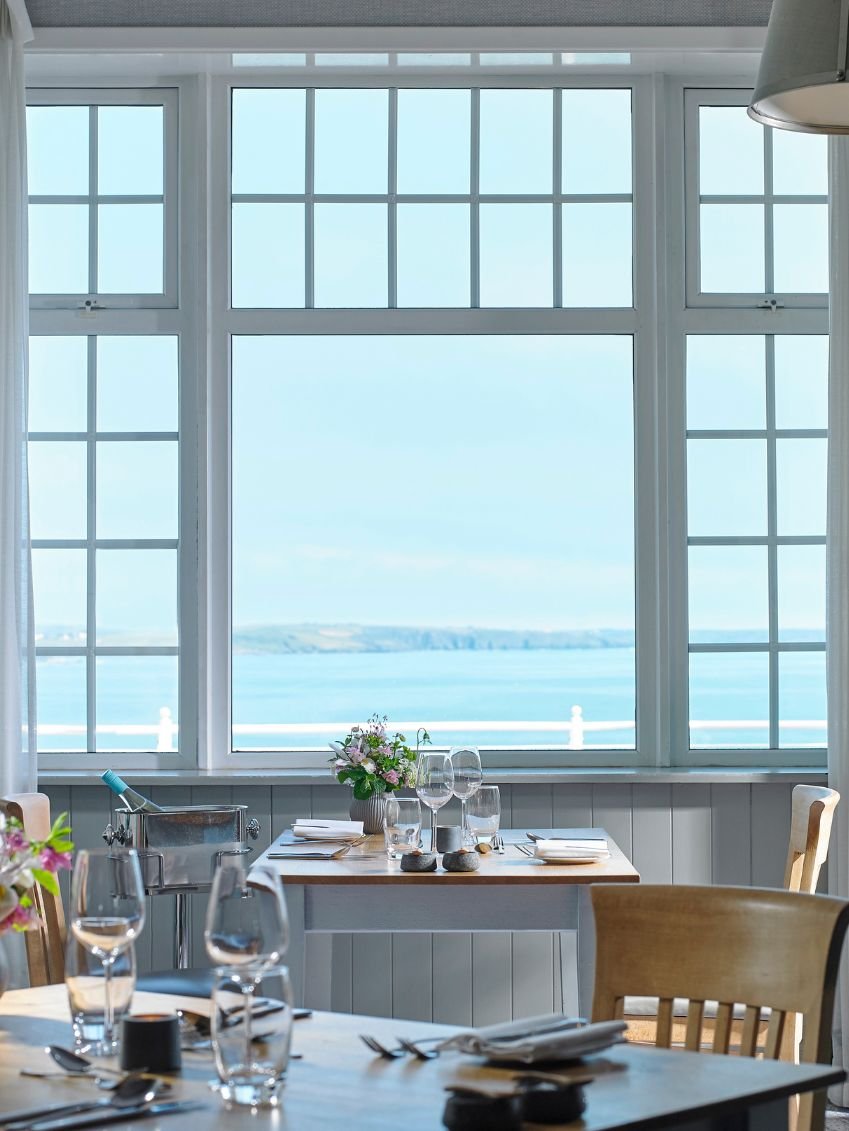
| Lakeside | German Lakeside | €€€€ | Michelin 2 Star | Not listed |
| Heimatjuwel | German, Creative | €€€ | Michelin 1 Star | Not listed |
| Landhaus Scherrer | Modern European, Classic Cuisine | €€€€ | Michelin 1 Star | Not listed |
Continue exploring
More in Hamburg
Restaurants in Hamburg
Browse all →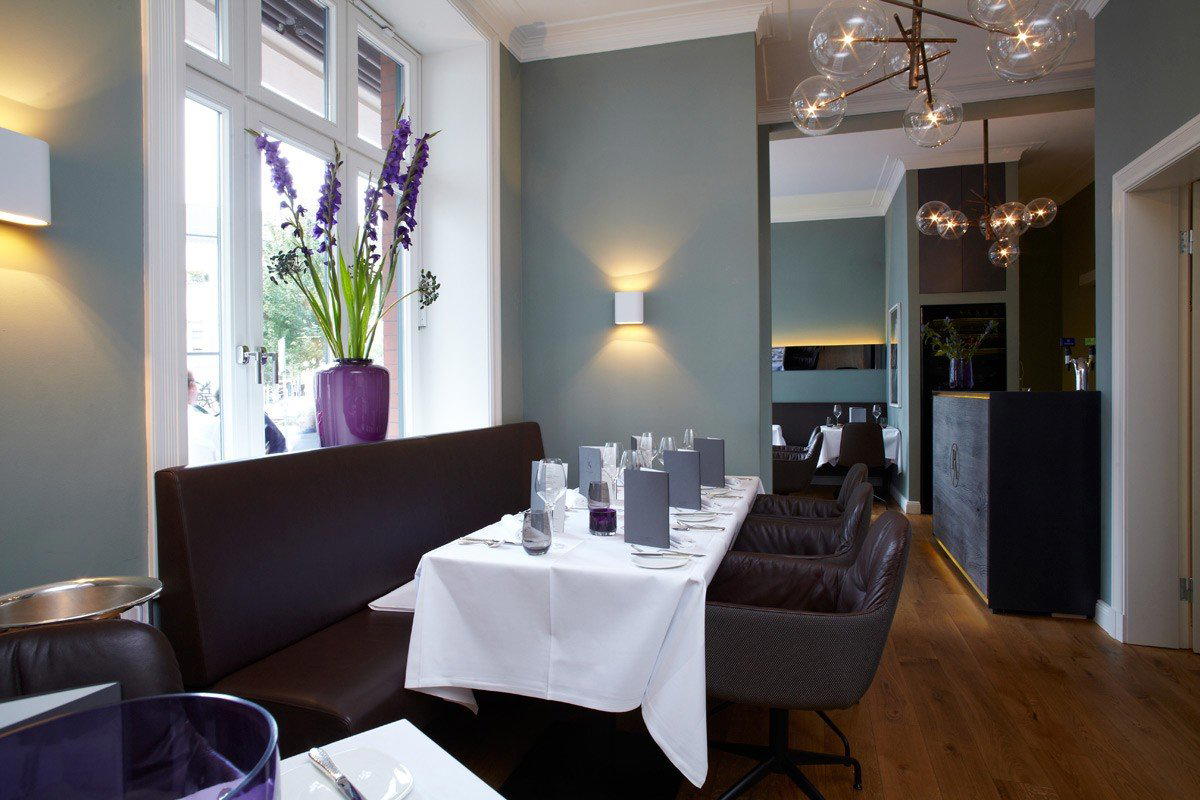
Bars in Hamburg
Browse all →
Hotels in Hamburg
Browse all →
Wineries in Hamburg
Browse all →
At a Glance
- Trendy
- Lively
- Casual Hangout
- Group Dining
- Beer Program
- Local Sourcing
Current opening hours
- Monday
- Closed
- Tuesday
- Closed
- Wednesday
- 12–3 PM, 5–9 PM
- Thursday
- 12–3 PM, 5–9 PM
- Friday
- 12–3 PM, 5–9 PM
- Saturday
- 3–9 PM
- Sunday
- 3–9 PM
Hours can change for holidays and private events. Last verified .
Know Before You Go
- Getting there
- Max-Brauer-Allee 10, 22765 Hamburg, Germany