
Ưu Đàm sits on Nguyễn Du in Hoàn Kiếm and holds a 2025 Michelin Bib Gourmand, the only such recognition for vegetarian cooking in Hanoi. Priced at the entry tier of the city's recognised restaurant scene, it represents a point where Buddhist-influenced Vietnamese vegetarian tradition meets the kind of consistency that earns sustained critical attention.
Pearl is the En Primeur Club membership app — saves, bookings, and concierge access live there. Same editors, same standards.
- Address
- 55 Nguyễn Du, Hoàn Kiếm, Hà Nội, Vietnam
- Phone
- +84 981 349 898
- Website
- uudamchay.vn
- Directions
- Get directions
 Saves & bookings on Pearl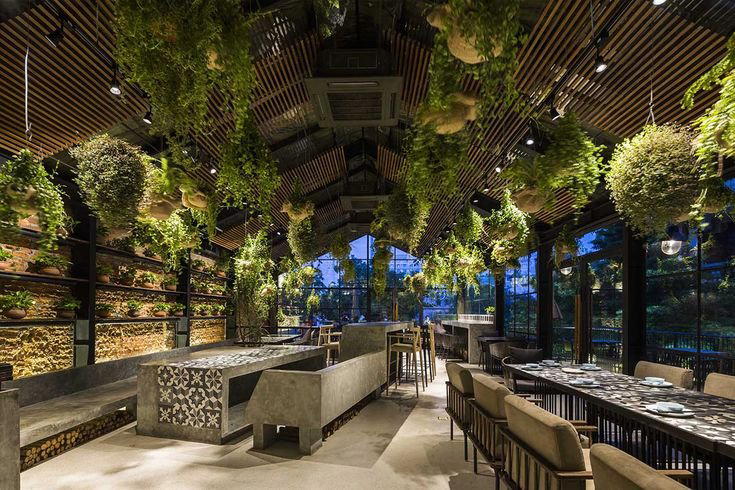
Vegetarian Cooking With a Long Memory
Walk along Nguyễn Du in the early evening and the street carries the particular quiet of Hoàn Kiếm's civic district, broad pavements, older residential blocks, the occasional temple gate. Ưu Đàm sits at number 55, and the address signals something about what to expect inside: this is not the tourist-facing Old Quarter, nor the louder dining corridor around Tây Hồ. It is a neighbourhood where Hanoi eats for reasons other than occasion, and that context matters when reading the food on the plate.
Vietnam has one of Southeast Asia's most coherent vegetarian cooking traditions, rooted in Buddhist practice and strongest in temple communities from Hanoi to Hội An. That tradition does not map neatly onto Western plant-based trends or the omakase-vegetable format now common in European fine dining. It is older, more textural, and deeply tied to fermentation, braising, and the precise mimicry of meat using tofu, mushroom, and gluten preparations. Ưu Đàm works within that tradition rather than against it, which is part of what separates it from the handful of vegetarian addresses that have opened in Hanoi over the past decade positioning themselves against international reference points.
Where the Bib Gourmand Places It
The 2025 Michelin Bib Gourmand places Ưu Đàm in a specific tier: accessible price with consistent quality significant enough to draw inspector attention. At a single ₫ price marker, it sits at the same entry level as 1946 Cua Bac (Vietnamese) in Hanoi's recognised scene, and well below the ₫₫₫₫ bracket occupied by Gia (Vietnamese Contemporary) and Hibana by Koki (Teppanyaki). That positioning matters: the Bib Gourmand specifically signals value relative to quality, and receiving it in the vegetarian category in Hanoi is a different kind of recognition than earning it for phở or bún chả.
Across Asia, the cities with the deepest vegetarian fine-dining cultures tend to be those with strong Buddhist infrastructure. Shanghai's Fu He Hui operates at the high end of Chan Buddhist vegetarian cooking with a full Michelin star. Beijing's Lamdre and Chengdu's Mi Xun Teahouse represent the same lineage in different registers. Ưu Đàm belongs to this broader Asian tradition of vegetarian cooking with doctrinal depth, even if it operates at a more democratic price point. The comparison is instructive: where Shanghai's Buddhist vegetarian addresses have moved toward elaborate tasting formats and luxury positioning, Hanoi's version remains anchored to everyday accessibility.
The Wider Context: Vegetarian Traditions That Carry Weight
The vegetarian traditions that have achieved serious culinary standing globally share a common feature: they are not defined by the absence of meat but by the presence of a distinct cooking logic. Indian vegetarianism, particularly in its Jain and Brahmin strands, builds complexity through spice architecture and dal technique. Japanese shojin ryōri, the monastic cooking of Zen Buddhism, operates through restraint and an almost austere attention to seasonal vegetables and tofu. Ethiopian fasting cuisine builds from legumes, injera fermentation, and berbere in a format that requires no substitution or apology. Vietnamese Buddhist vegetarian cooking shares with all of these a confidence in its own terms: it does not need to reference meat to justify itself.
Hanoi sits at the northern end of Vietnam's culinary axis, where the cooking tends toward subtlety and clear broth rather than the sweeter, herb-heavier profiles of the south. That regional character inflects the vegetarian tradition here: preparations tend to be less sweet than their southern counterparts, with a heavier reliance on fermented soybean pastes, dried mushrooms, and a spare use of fresh herbs. Among comparable Michelin-recognised vegetarian addresses in the West, Bonvivant and Cookies Cream in Berlin, or Mita in Washington D.C., work within entirely different flavour frameworks. The point of comparison is structural recognition, not culinary similarity.
Reading Ưu Đàm Against Hanoi's Recognised Scene
Hanoi's Michelin-recognised restaurant scene is anchored primarily in Vietnamese cooking, with a smaller cohort of international formats. Tầm Vị (Vietnamese) at ₫₫ and Cồ Đàm represent the mid-tier of traditional Vietnamese, while the upper bracket has moved toward contemporary interpretation at venues like Gia. Vegetarian cooking in this field occupies a specific niche: it cannot rely on the reference points that make traditional Vietnamese cuisine legible to an international audience, no bún chả, no phở, no chả cá, and it competes instead on the strength of its own techniques and the clarity of its flavour logic.
That volume suggests a clientele that extends well beyond foreign visitors seeking vegetarian options, pointing instead to a local regular base, the kind of sustained patronage that allows a kitchen to develop consistency over time. For a broader view of where Ưu Đàm sits within Hanoi's current dining moment, the EP Club full Hanoi restaurants guide maps the scene across price tiers and cuisines.
Vietnam's wider restaurant scene has attracted increasing Michelin attention in recent years. In Ho Chi Minh City, Anan Saigon represents the starred end of progressive Vietnamese cooking, and La Maison 1888 in Da Nang anchors the international fine-dining tier. Ưu Đàm's recognition sits within this national expansion of the Michelin footprint but speaks to a different ambition: consistent, affordable, rooted in a specific cultural practice.
Planning Your Visit
Ưu Đàm is at 55 Nguyễn Du in Hoàn Kiếm, a district that is walkable from the Old Quarter and well-served by ride-hailing apps. The single ₫ price tier puts a full meal at the accessible end of Hanoi dining costs, which makes it a practical choice for a standalone lunch or an early dinner before moving on.
Style and Standing
Comparable venues nearby, for context on price, style, and recognition.
| Venue | Cuisine | Price | Awards | Notes |
|---|---|---|---|---|
| Ưu ĐàmThis venue — the venue you are viewing | Modern Vietnamese Vegetarian | $$$ | Bib Gourmand | Not listed |
| The East | Northern Vietnamese | $$ | Bib Gourmand | Hoan Kiem |
| Duong's (Ngo Huyen Street) | Modern Vietnamese Fine Dining | $$ | Michelin Plate | Hoan Kiem |
| Mậu Dịch Số 37 | Traditional Vietnamese Home Cooking | $$ | Bib Gourmand | Ba Dinh |
| Lamai Garden | Contemporary Vietnamese Farm-to-Table | $$$ | Michelin Plate | Tay Ho |
| Cau Go | Authentic Regional Vietnamese Cuisine | $$$ | Michelin Plate | Hoan Kiem |
Recognition history
Dated appearances from independent guides and award organizations, with the underlying list record or original source where available.
Michelin Bib Gourmand
Michelin
Michelin Bib Gourmand
Michelin
At a Glance
- Elegant
- Cozy
- Scenic
- Special Occasion
- Family
- Group Dining
- Design Destination
- Zero Proof
- Garden
Current opening hours
- Monday
- 10 AM–10 PM
- Tuesday
- 10 AM–10 PM
- Wednesday
- 10 AM–10 PM
- Thursday
- 10 AM–10 PM
- Friday
- 10 AM–10 PM
- Saturday
- 10 AM–10 PM
- Sunday
- 10 AM–10 PM
Hours can change for holidays and private events. Last verified .
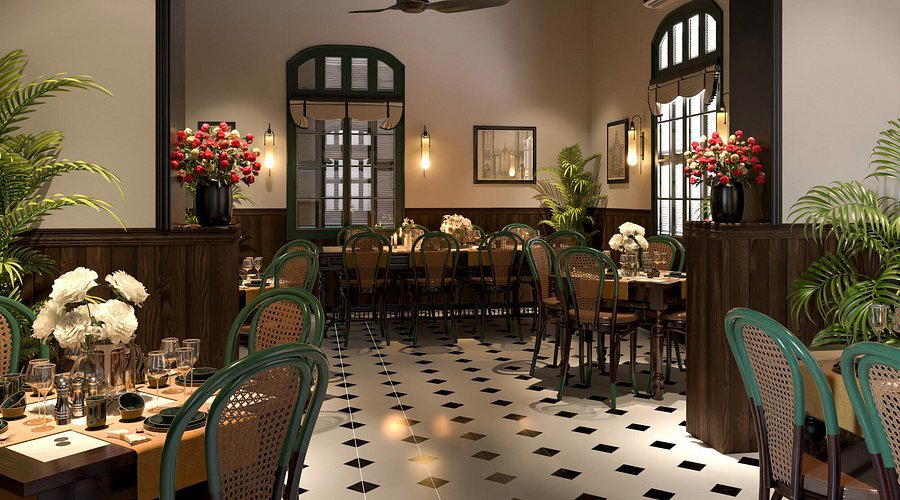
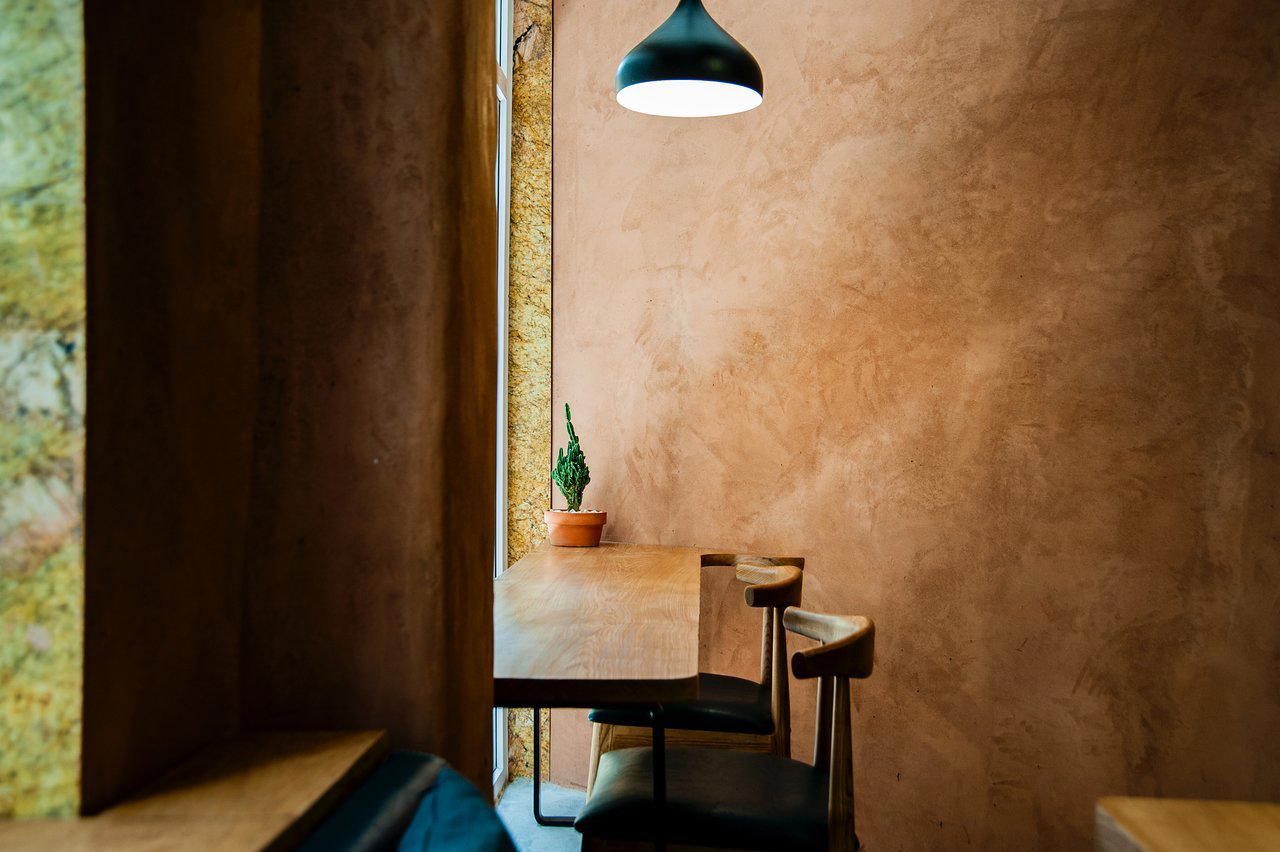
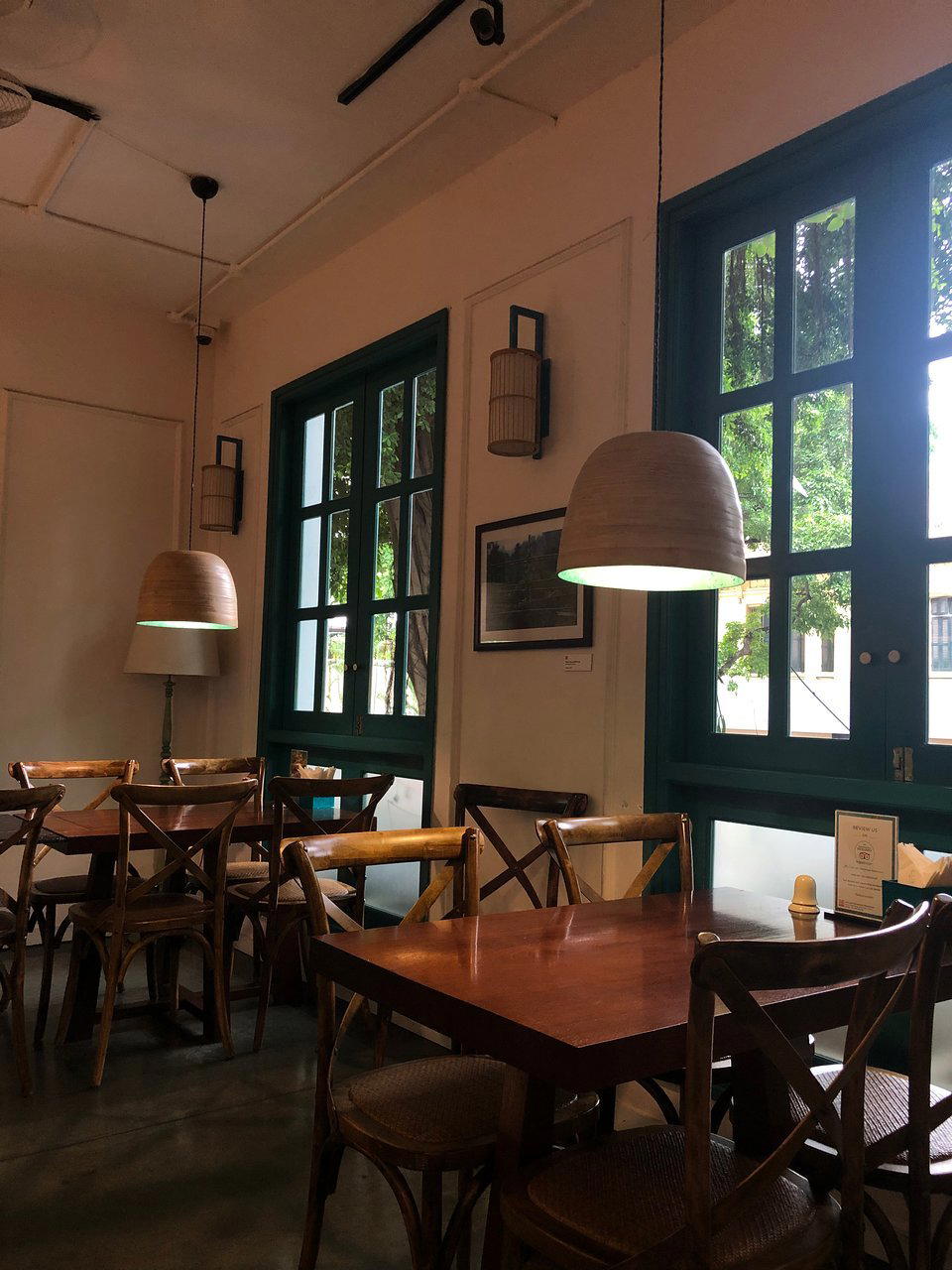
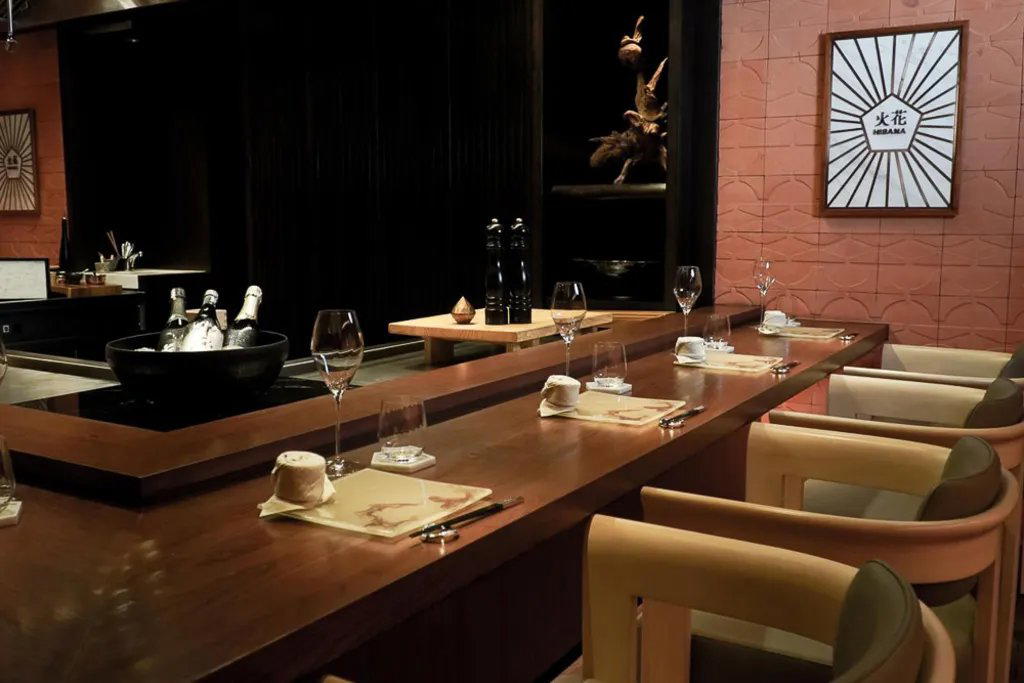
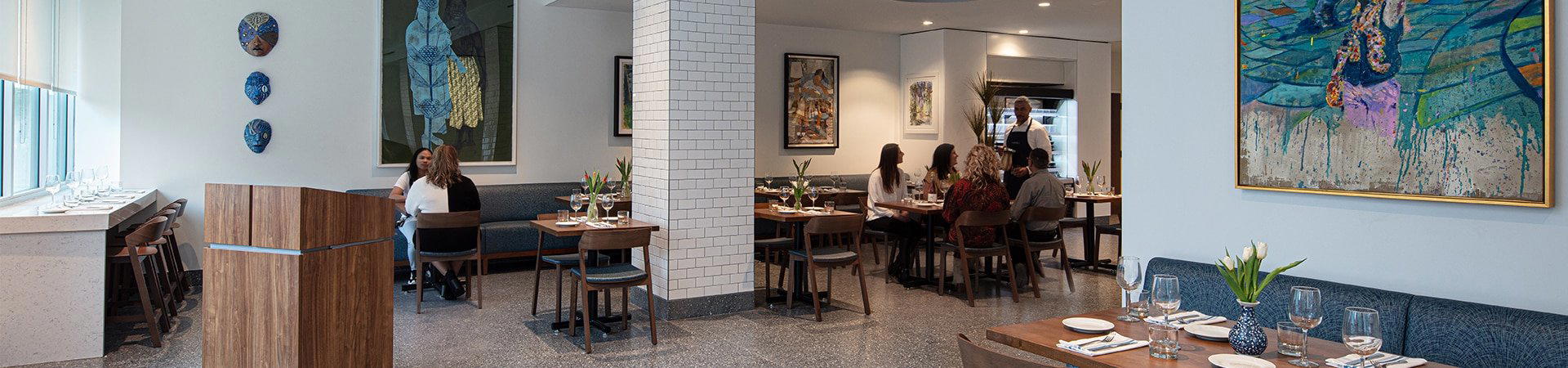
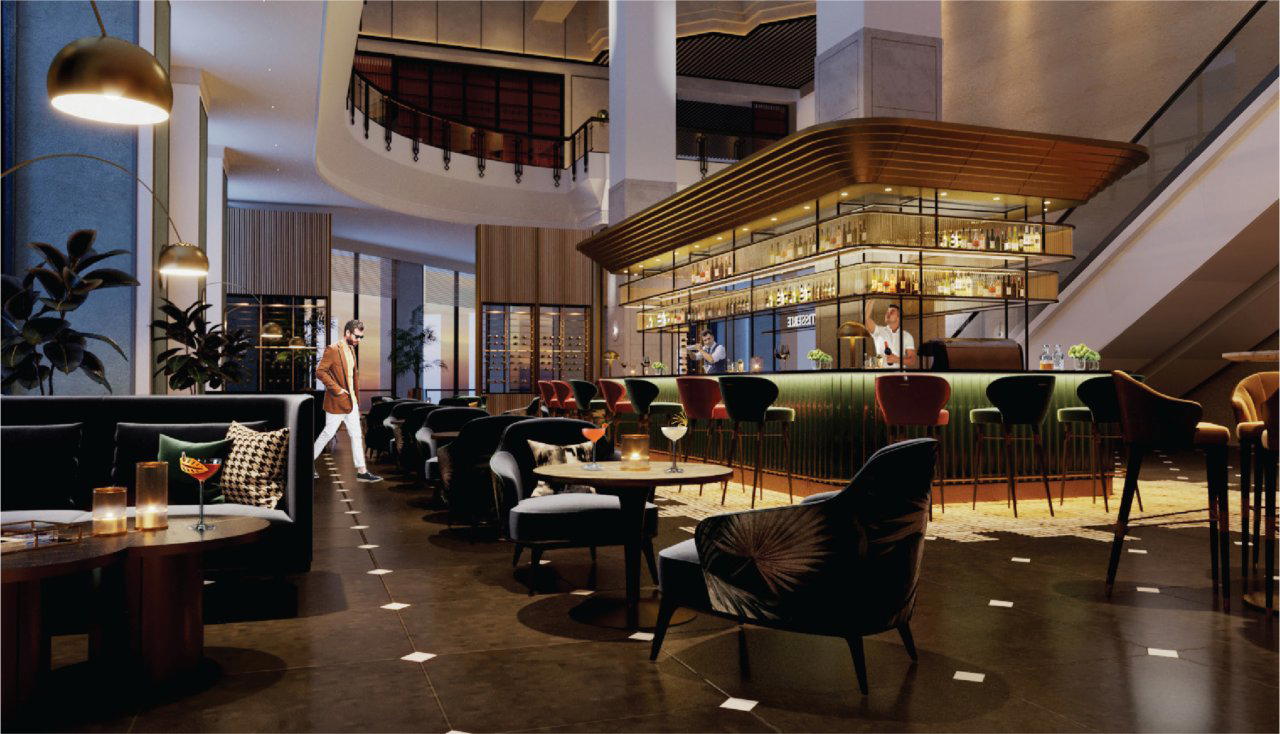
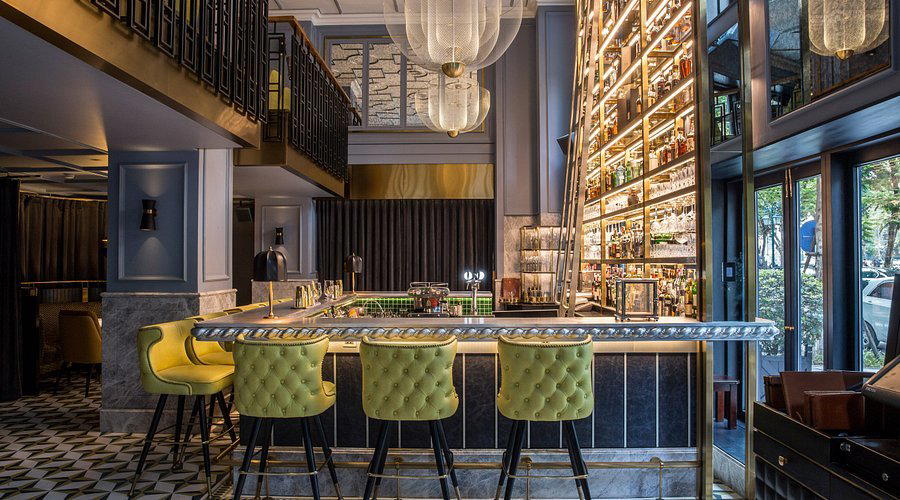
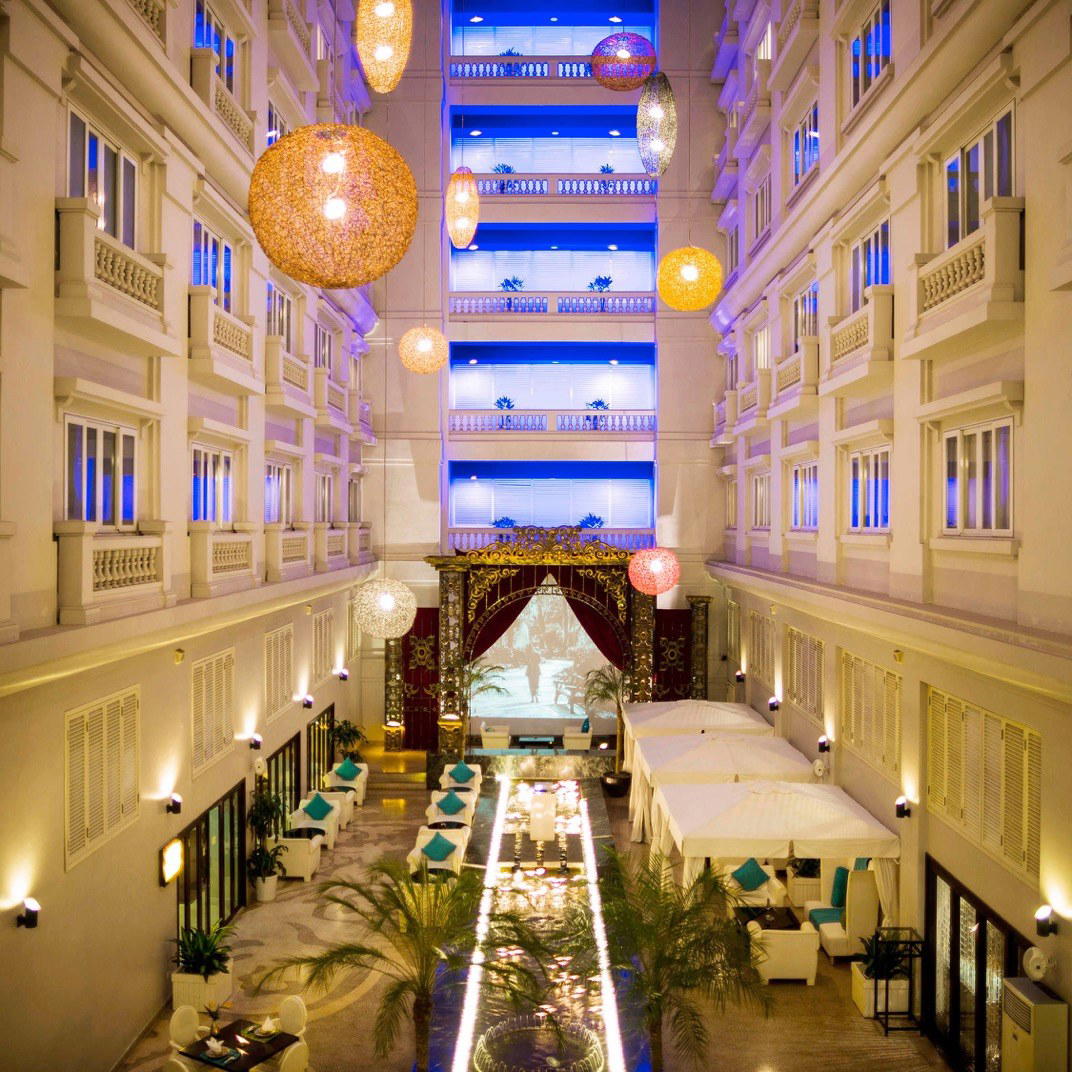
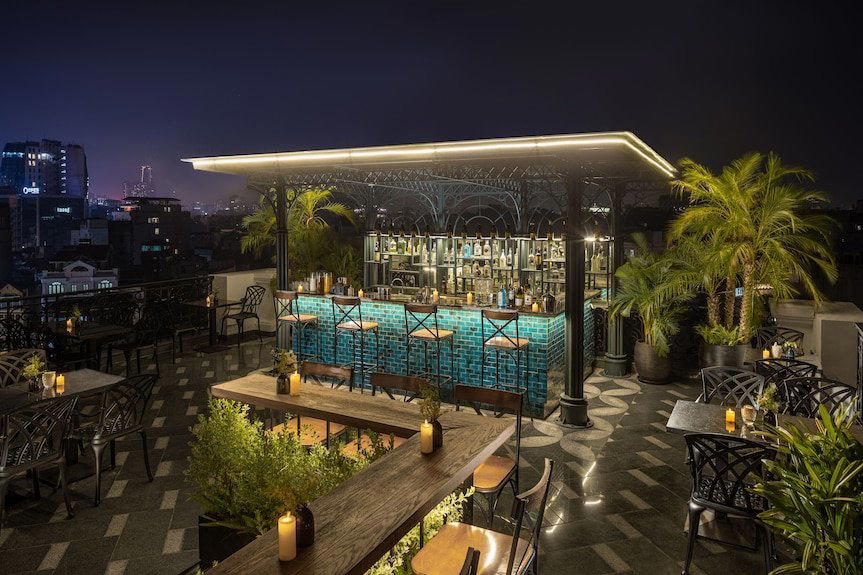
Visually far-reaching with soft lighting, artistic decor, and calming Zen atmosphere from Buddhist statues, though often lively due to crowds.