.png)
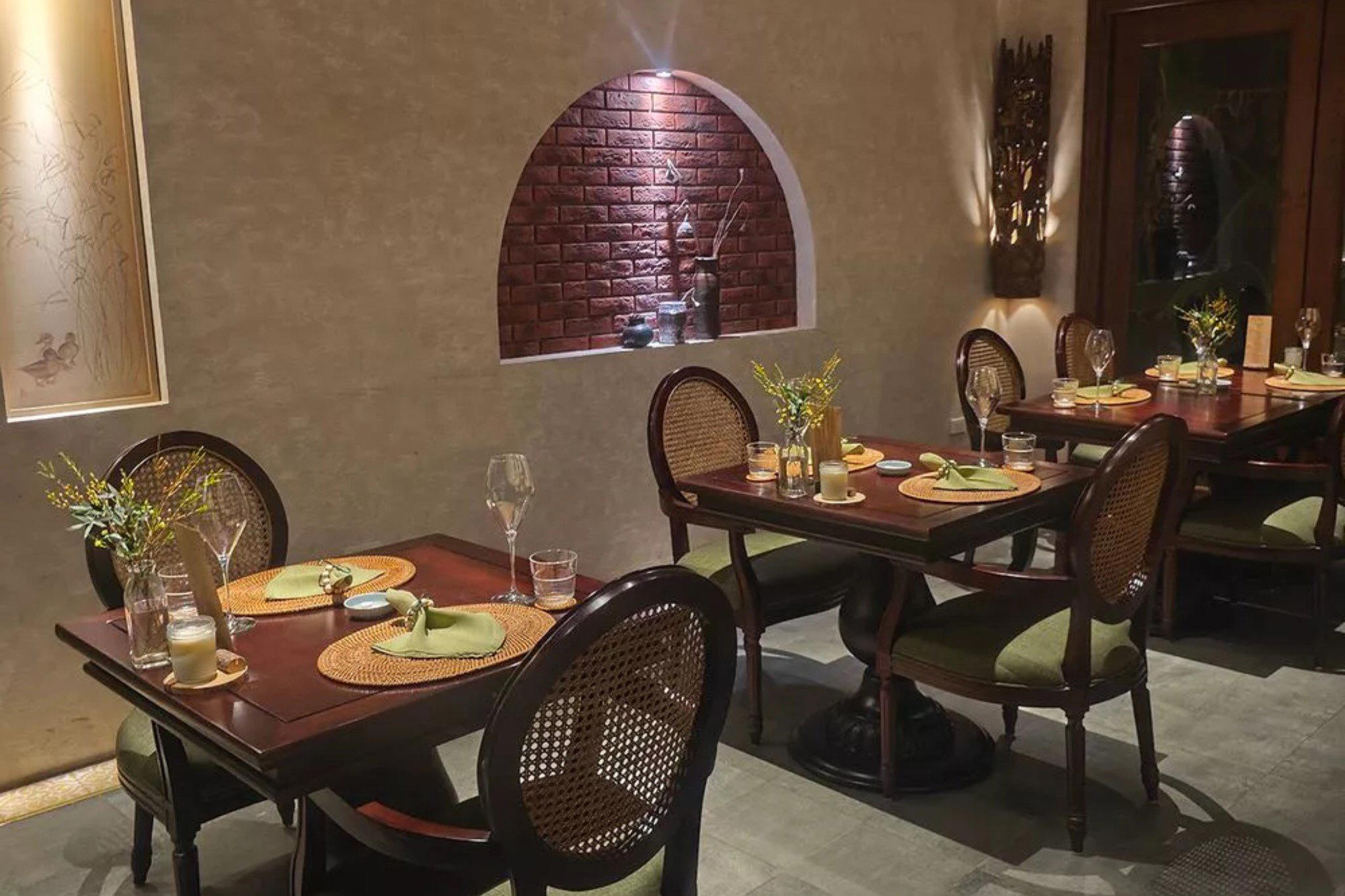
Lamai Garden sits in Hanoi's Tây Hồ district with a 2025 Michelin Plate and a 4.8 Google rating across 92 reviews, positioning it inside the city's growing Vietnamese Contemporary tier. The kitchen works within a culinary tradition shaped as much by French colonial influence as by northern Vietnamese technique, placing it in a comparable set that includes some of Hanoi's most thoughtful mid-to-upper-range dining rooms.
 Discover on Pearl
Pearl is the En Primeur Club membership app — saves, bookings, and concierge access live there. Same editors, same standards.
- Address
- 36B Đ. Đê Quai, Tứ Liên, Tây Hồ, Hà Nội 100000, Vietnam
- Phone
- +84 961 676 448
- Website
- lamaigarden.com
Tây Hồ and the Quiet Rise of Vietnamese Contemporary
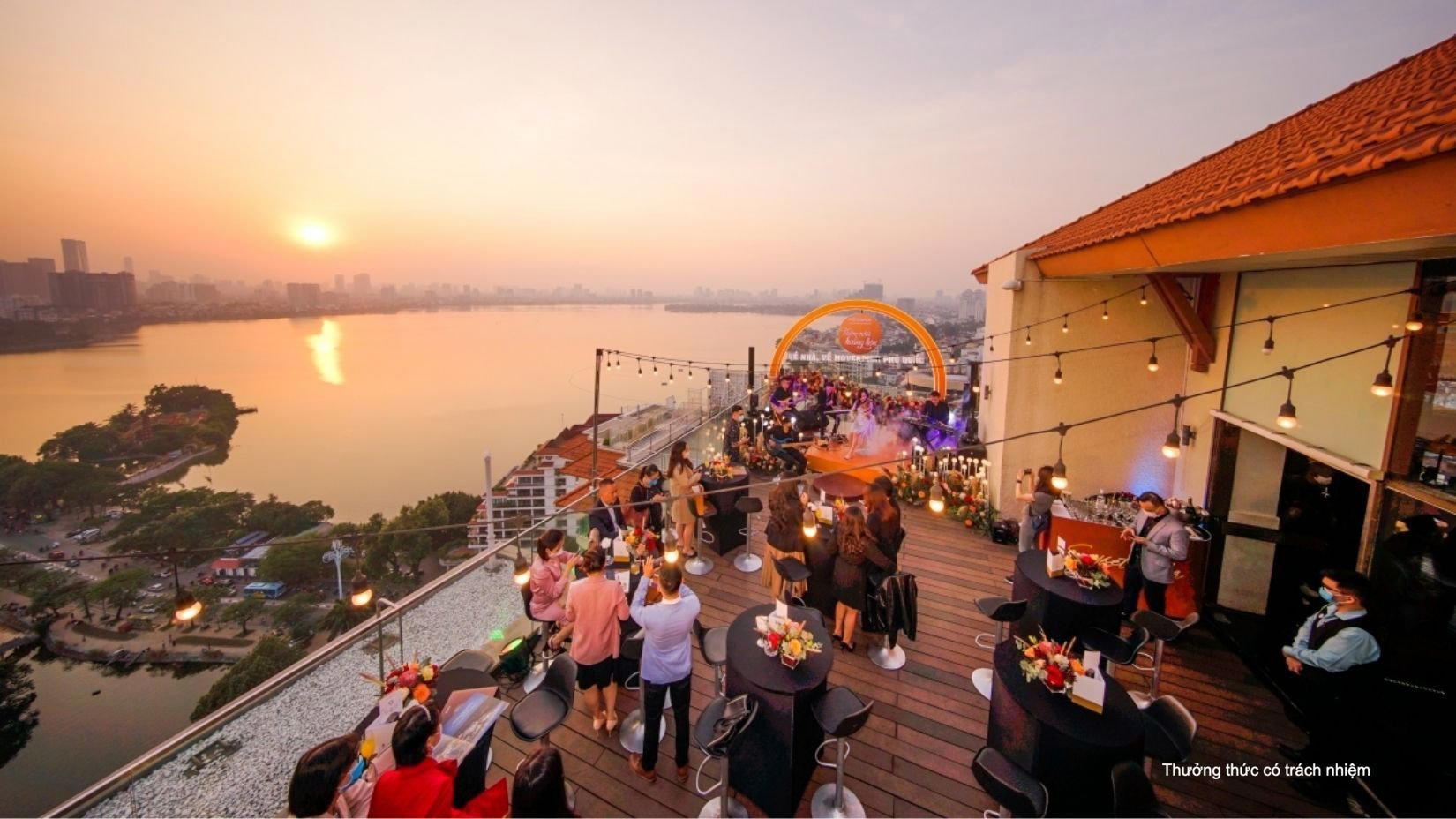
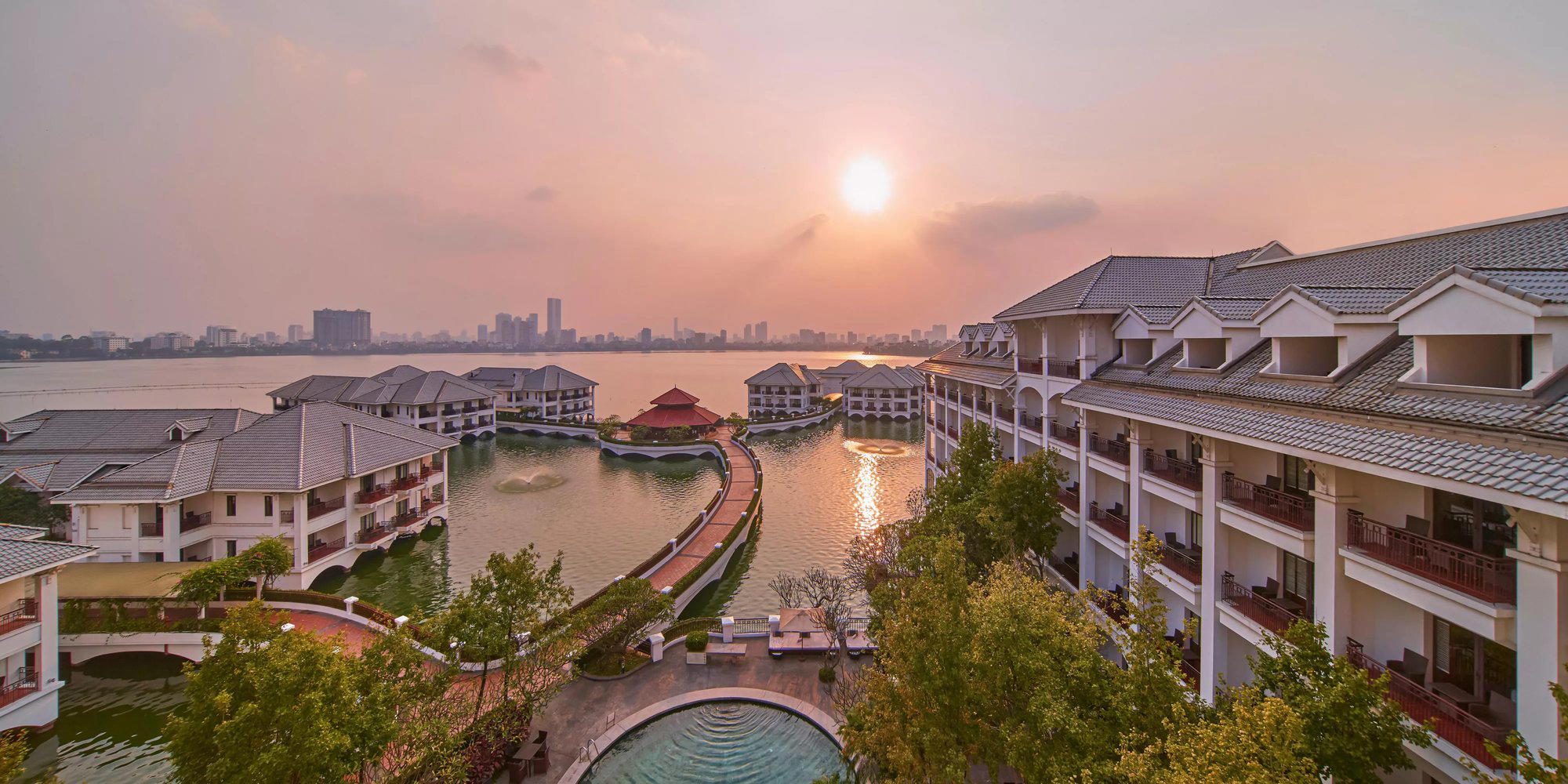
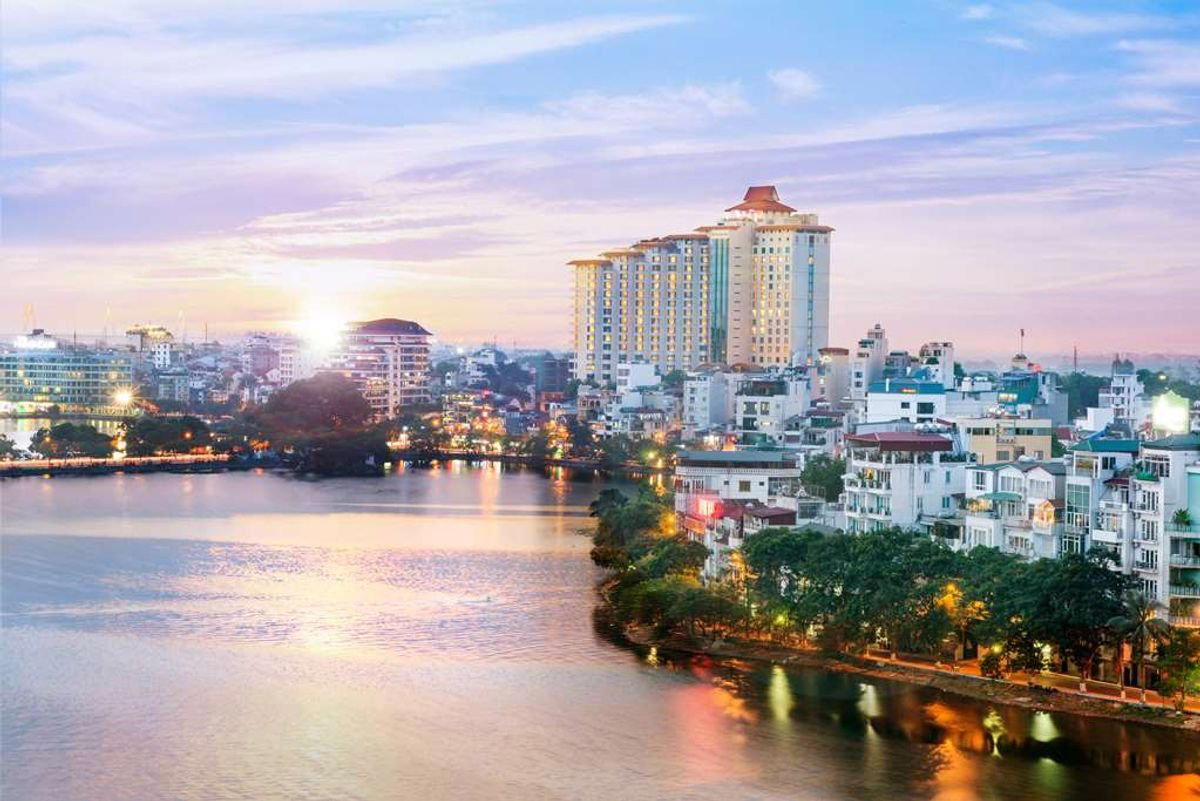
Hanoi's dining geography has shifted considerably over the past decade. The Old Quarter still draws volume, but the more considered contemporary Vietnamese kitchens have migrated toward Tây Hồ, where West Lake's low-rise streets and relative calm allow a different kind of operation to take root. Lamai Garden, at 36B Đê Quai in the Tứ Liên neighbourhood, sits within this westward pull. The address places it along the lake embankment, in an area where garden-fronted properties and open-air structures define the architectural character as much as any interior design choice.
This matters because Vietnamese Contemporary dining, as a category, depends heavily on setting to communicate its departure from street-food informality without tipping into the stiff register of old-school hotel dining. Tây Hồ provides that middle register almost by default. Across the city, the Vietnamese Contemporary tier has fragmented into sub-groups: high-concept tasting-menu rooms like Gia, which sits at the ₫₫₫₫ price point, and more accessible mid-range operations that carry Michelin recognition without the omakase format or full fine-dining ceremony. Lamai Garden, priced at ₫₫₫, belongs to the second group, and its 2025 Michelin Plate signals that the guide's inspectors found the kitchen credible on its own terms rather than simply photogenic.
The French Grain in Northern Vietnamese Cooking
Understanding what Vietnamese Contemporary kitchens in Hanoi are actually doing requires some familiarity with the city's culinary inheritance. French colonial rule, concentrated in Hanoi as the administrative capital of Indochina, left a more pronounced culinary imprint here than in the south. The bánh mì, now internationally recognisable, is the most obvious example: a Vietnamese baguette filled with pâté, pickled vegetables, fresh herbs, and chilli, its bread adapted from French technique to a lighter, crispier local form. But the French influence runs deeper than bread. Condensed milk, introduced as a shelf-stable substitute for fresh dairy, became foundational to cà phê trứng, Hanoi's egg coffee, and to the sweetened iced coffee that now defines Vietnamese café culture globally. Pork-based charcuterie, slow-cooked stocks, and the use of butter in certain dishes all trace back to the same colonial transfer.
Contemporary kitchens working in this tradition, whether in Hanoi, Da Nang, or Ho Chi Minh City, are making a series of interpretive choices. Some lean into the French-Vietnamese synthesis explicitly, treating it as the subject matter. Others use French technique as structural scaffolding while foregrounding local ingredients and northern Vietnamese flavour logic. La Maison 1888 in Da Nang operates at the most formal end of this spectrum, with a French-Vietnamese framework built at the luxury hotel tier. Anan Saigon in Ho Chi Minh City approaches the synthesis from the street-food end, reframing familiar dishes with technical precision. Lamai Garden occupies a position closer to the accessible-contemporary middle, where the French grain is present in technique and presentation without defining the menu's identity wholesale.
What the Michelin Plate Signals
The 2025 Michelin Plate designation is the clearest external calibration point available for Lamai Garden. In the Michelin framework, the Plate sits below the star tier but above a simple listing: it identifies a restaurant where the inspectors found food preparation to a good standard, with care applied to ingredients and cooking. Within Vietnam's Michelin guide, which has expanded steadily since the Ho Chi Minh City edition launched in 2023 and the Hanoi addition followed, the Plate category has grown to include a wide range of Vietnamese Contemporary operations. This places Lamai Garden in a group with restaurants across Hanoi that have cleared the same threshold without yet attracting star-level attention.
The Google rating of 4.8 across 121 reviews adds a complementary data point: a high average sustained across a substantial sample. For comparison purposes, Backstage and Senté (Nguyen Quang Bich Street) represent other points in Hanoi's contemporary dining field worth mapping against. At ₫₫₫, Lamai Garden sits a tier below Gia and Hibana by Koki at ₫₫₫₫, and well above the entry-level street food category represented by operations like Bun Cha Ta or 1946 Cua Bac. In a city where Tầm Vị holds the ₫₫ Vietnamese tier with strong local credibility, the ₫₫₫ bracket requires a clearer statement of culinary intention to justify the price differential.
Vietnamese Contemporary Across the Country
Placing Lamai Garden within its national comparable set gives a clearer picture of where the Vietnamese Contemporary category sits as a whole. In Ho Chi Minh City, the field is denser and more export-facing, with operations like Bờm, Little Bear, Madame Lam, Tre Dining, and ST25 by KOTO each staking out different positions on the tradition-to-innovation axis. Da Nang has developed its own cluster, with Nén Danang representing the more technically focused end of central Vietnamese contemporary cooking. Hanoi's version of the category tends to be quieter in presentation and more directly rooted in northern ingredients: freshwater fish from the Red River Delta, highland herbs, fermented preparations that reflect the cooler northern climate.
That cooler climate also affects the seasonal dimension of dining in Hanoi. The city's four seasons, including a genuine winter with temperatures that can drop to single digits, give northern Vietnamese kitchens a different ingredient rhythm than their southern counterparts. Spring rolls change character, soups shift in weight, and the availability of specific vegetables tracks a tighter seasonal calendar than the year-round abundance of the south. A visit in the October-to-March window captures Hanoi's cooler, drier season, when the city is at its most navigable and northern Vietnamese comfort cooking is at its most contextually resonant.
Planning a Visit
Lamai Garden's address at 36B Đê Quai, in the Tứ Liên ward of Tây Hồ district, sits along the northern edge of West Lake, a 20-to-30-minute ride from the Old Quarter depending on traffic. The Tây Hồ dining corridor is most naturally explored in the early evening, when the lake light changes and the embankment restaurants become the local alternative to the more tourist-heavy Old Quarter options. At ₫₫₫ pricing, a full meal here falls comfortably within the mid-to-upper range for Hanoi but well below the full fine-dining outlay required at the city's ₫₫₫₫ operations. Booking in advance is advisable given the Michelin recognition and the relatively intimate character of garden-format properties in this neighbourhood. Phone and online booking details are best confirmed through current local sources, as contact information for this address is not consolidated in standard international directories. For a fuller map of where Lamai Garden sits within the city's restaurant options, see our full Hanoi restaurants guide, and for planning the wider trip, consult our full Hanoi hotels guide, our full Hanoi bars guide, our full Hanoi wineries guide, and our full Hanoi experiences guide.
Peers in This Market
Comparable venues nearby, for context on price, style, and recognition.
| Venue | Cuisine | Price | Notes |
|---|---|---|---|
| Lamai GardenThis venue — the venue you are viewing | Vietnamese Contemporary | ₫₫₫ | |
| Hibana by Koki | Teppanyaki | ₫₫₫₫ | ₫₫₫₫ |
| Tầm Vị | Vietnamese | ₫₫ | ₫₫ |
| Gia | Vietnamese Contemporary | ₫₫₫₫ | ₫₫₫₫ |
| 1946 Cua Bac | Vietnamese | ₫ | ₫ |
| Bun Cha Ta (Nguyen Huu Huan Street) | Noodles | ₫ | ₫ |
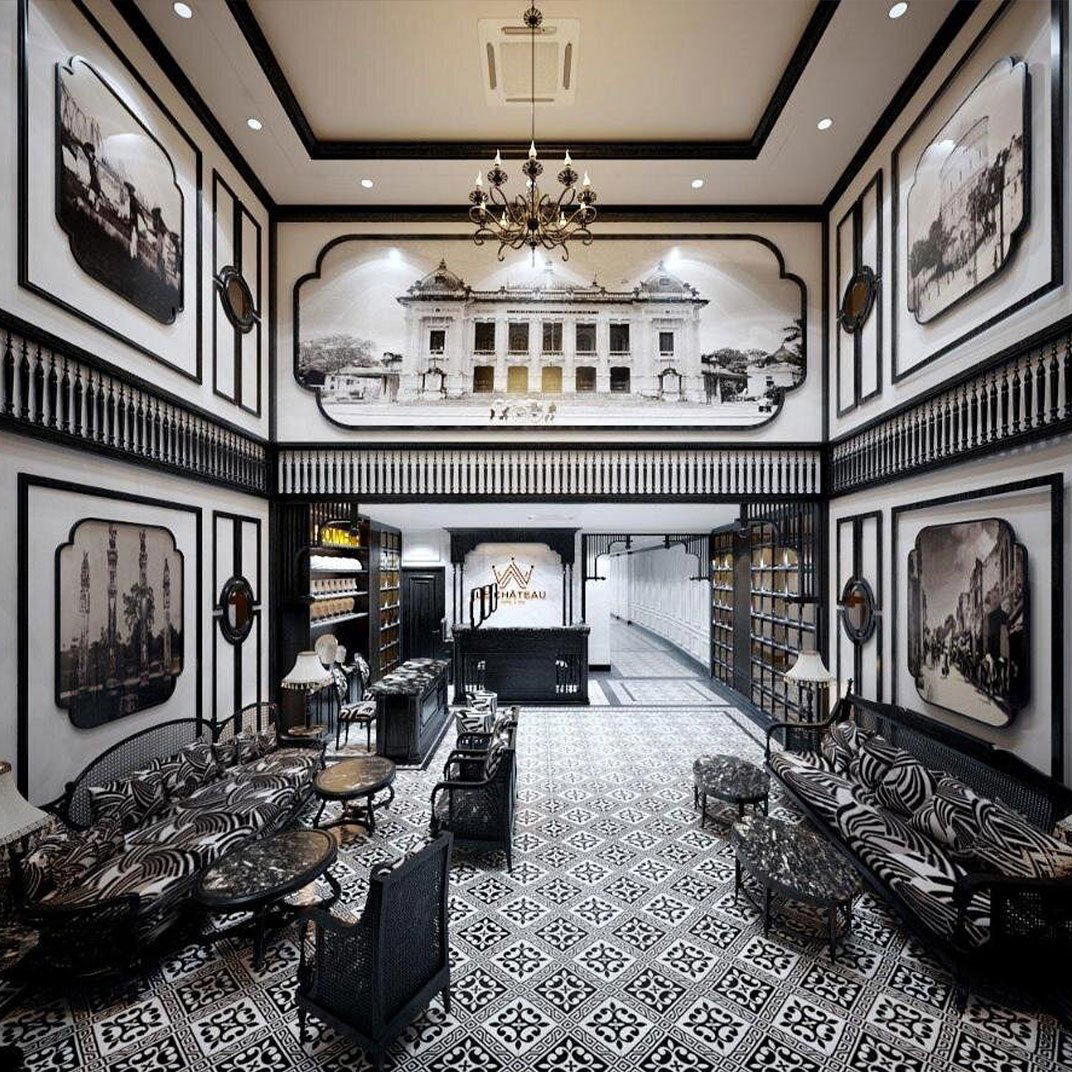
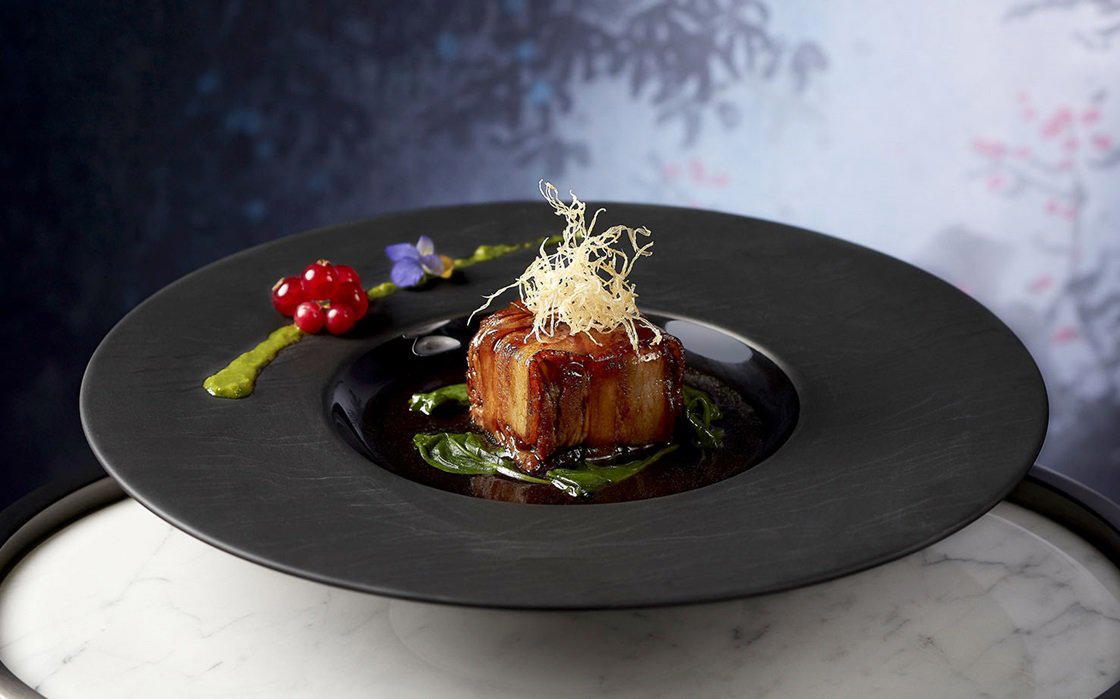
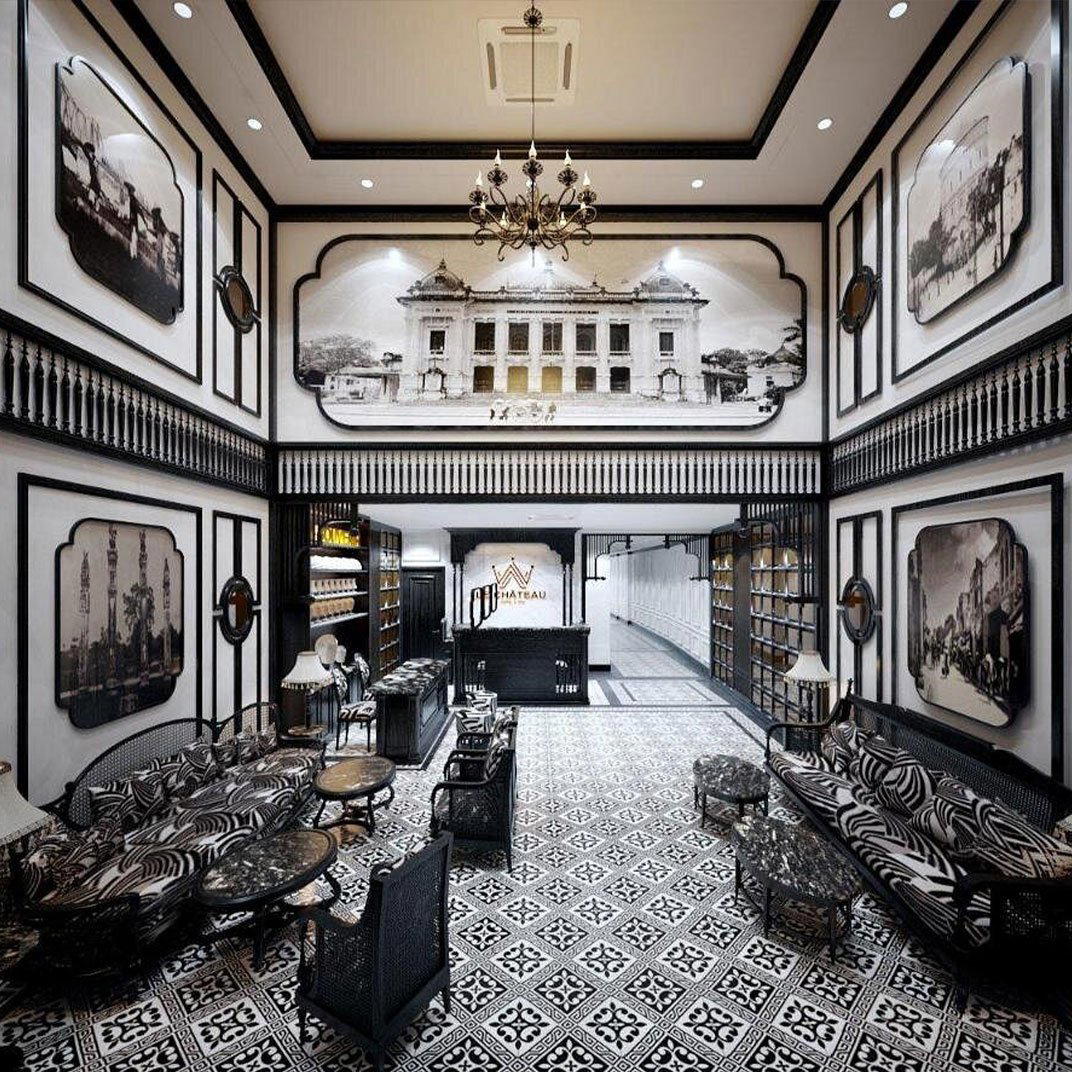
At a Glance
- Intimate
- Cozy
- Elegant
- Quiet
- Scenic
- Date Night
- Special Occasion
- Garden
- Open Kitchen
- Chefs Counter
- Extensive Wine List
- Farm To Table
- Local Sourcing
- Garden
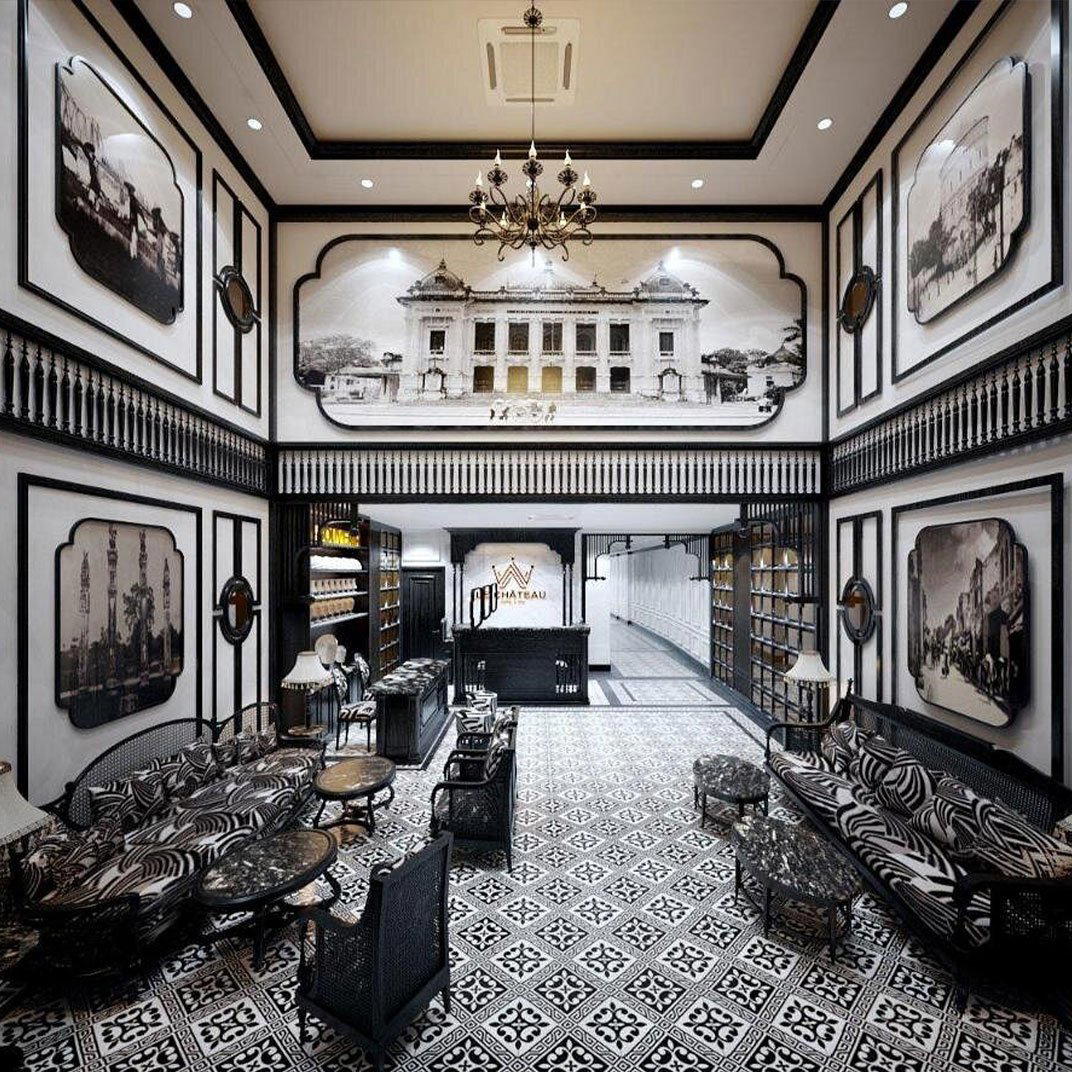
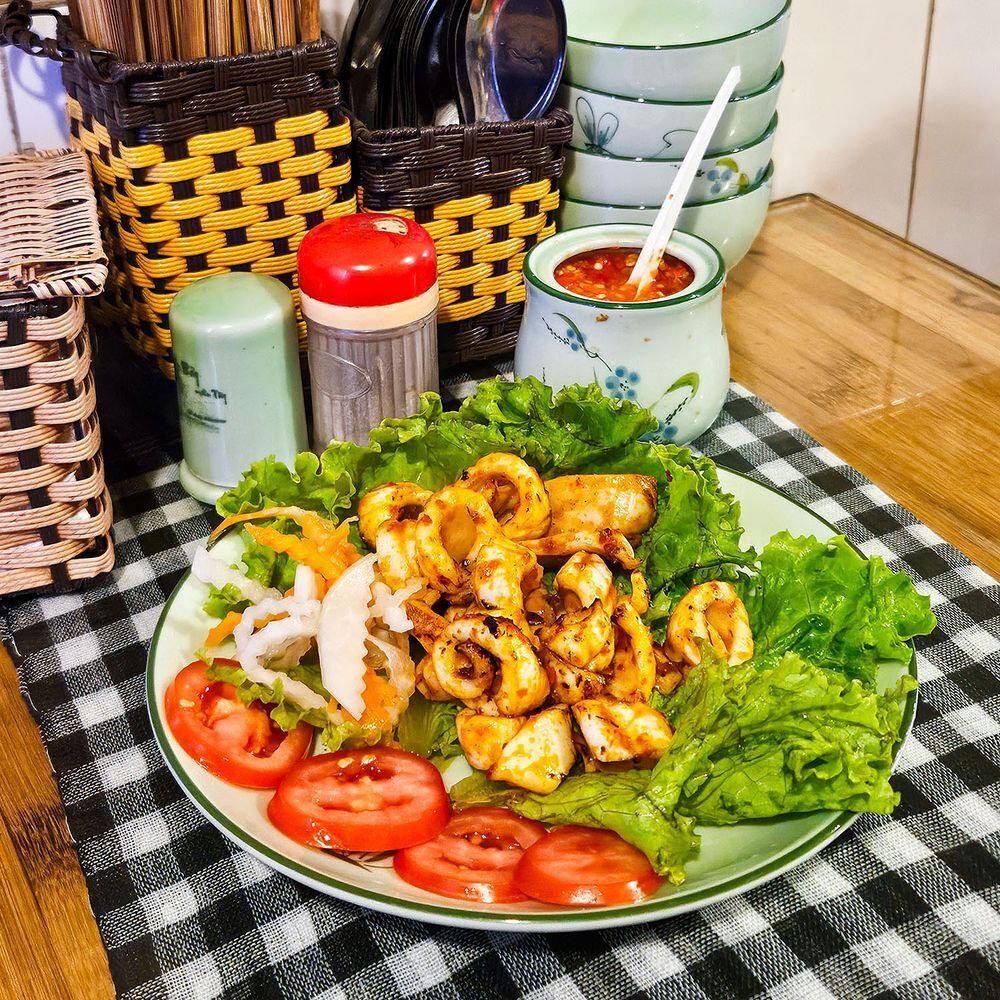
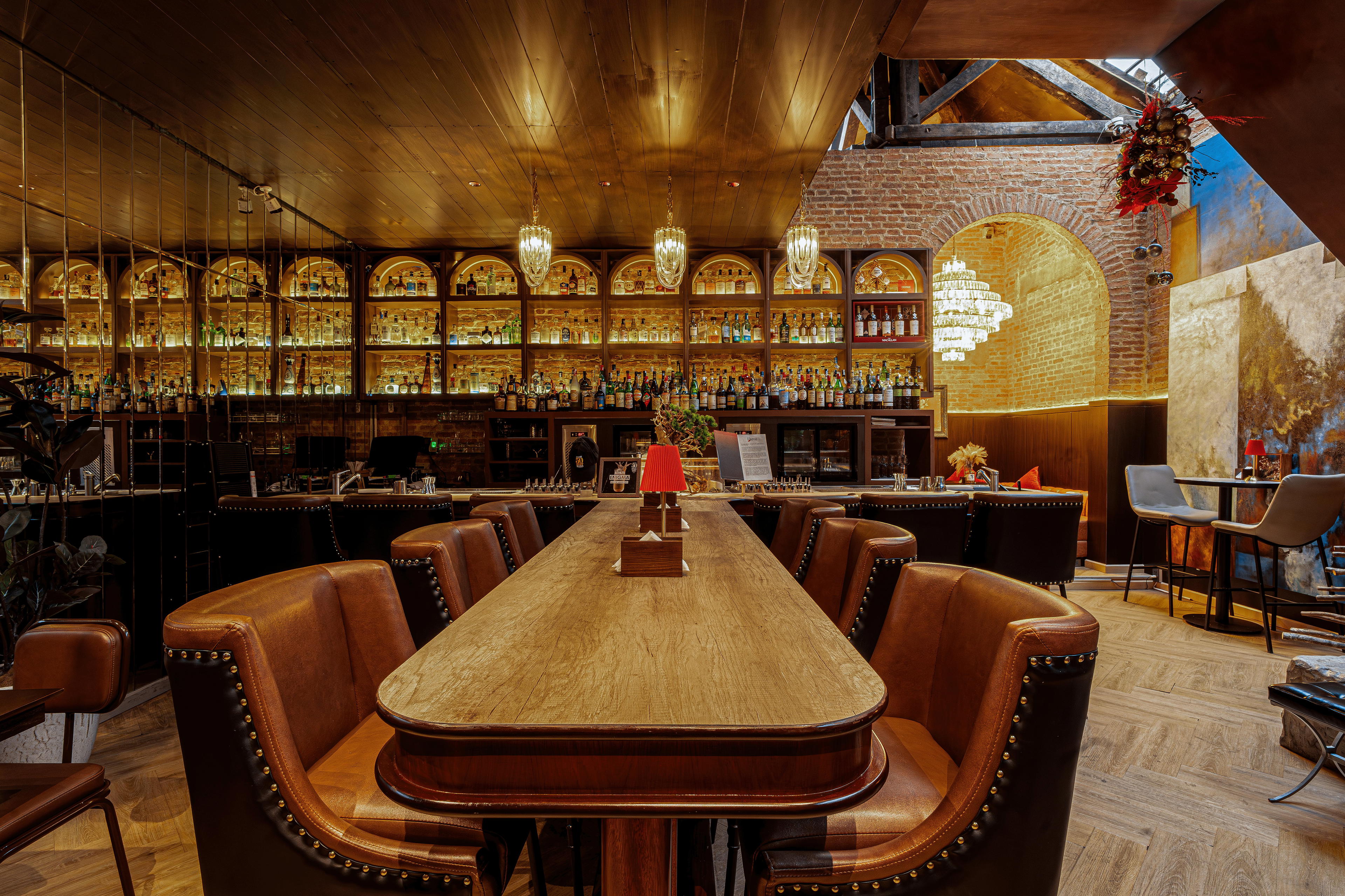
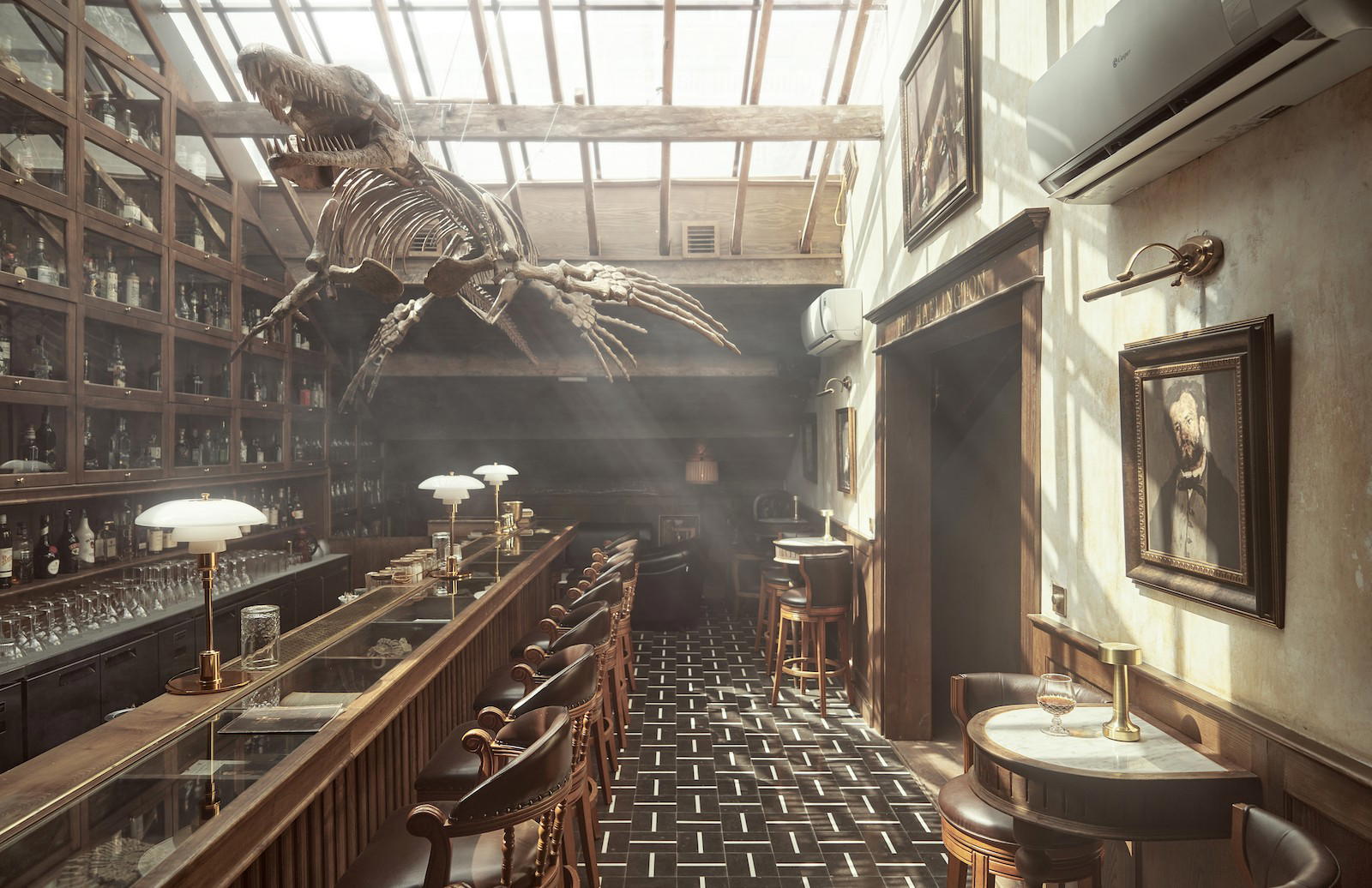
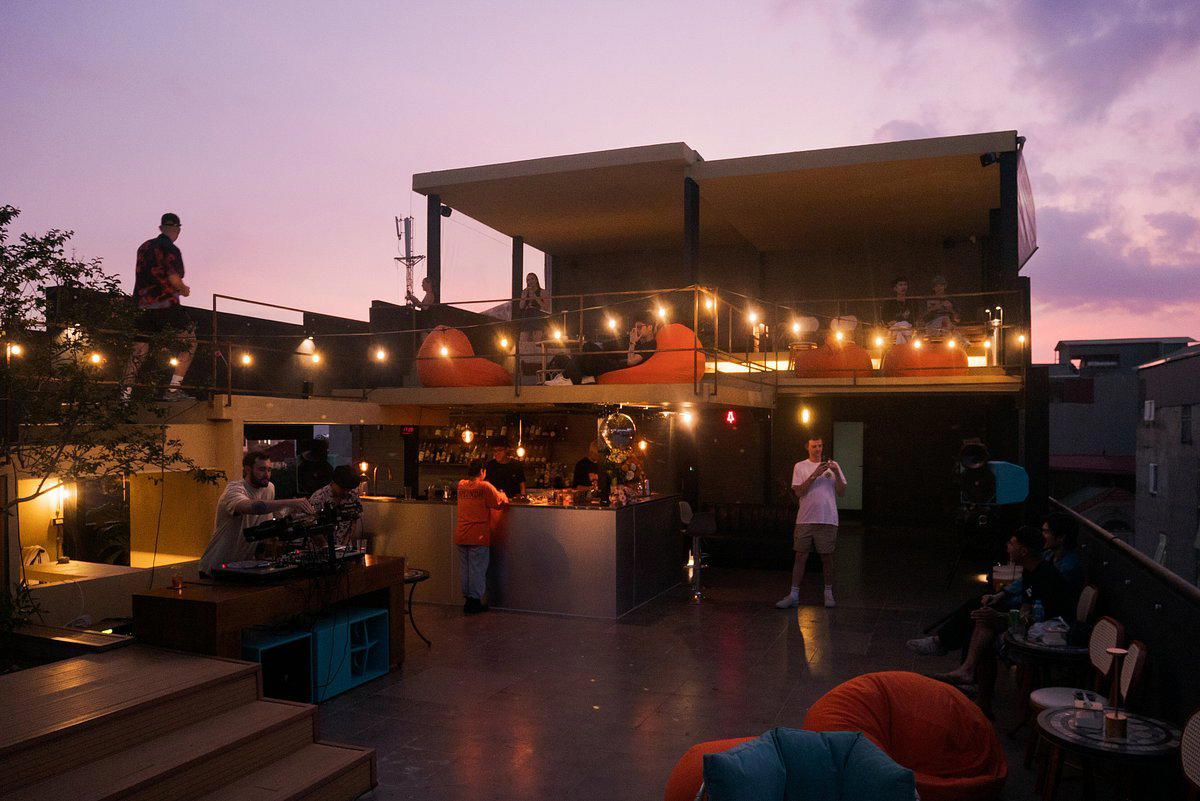
Soft lighting focused on each course, warm and inviting with simple materials highlighting produce, creating a tranquil, calming atmosphere amid lush greenery.