.png)
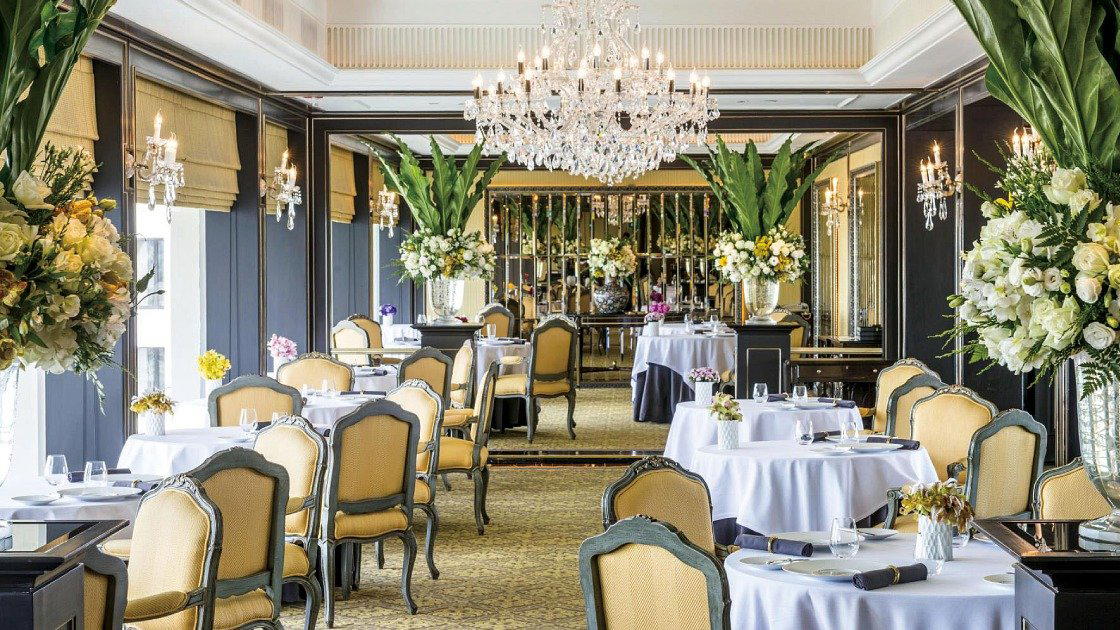
On the seventh floor above Hoàn Kiếm Lake, Cau Go delivers Central Vietnamese cooking at a mid-range price point that belies its Michelin Plate recognition. The kitchen focuses on immaculately seasoned regional dishes, from deep-fried spring rolls to communal hot pots, while window seats and a terrace frame one of Hanoi's most recognisable views.
 Discover on Pearl
Pearl is the En Primeur Club membership app — saves, bookings, and concierge access live there. Same editors, same standards.
- Address
- 9 Đinh Tiên Hoàng, Hàng Trống, Hoàn Kiếm, Hà Nội, Vietnam
- Phone
- +84 838 332 688
- Website
- caugorestaurant.com
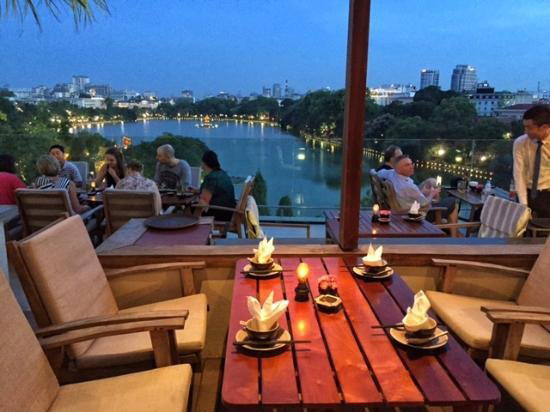
Above the Lake, Inside the Tradition
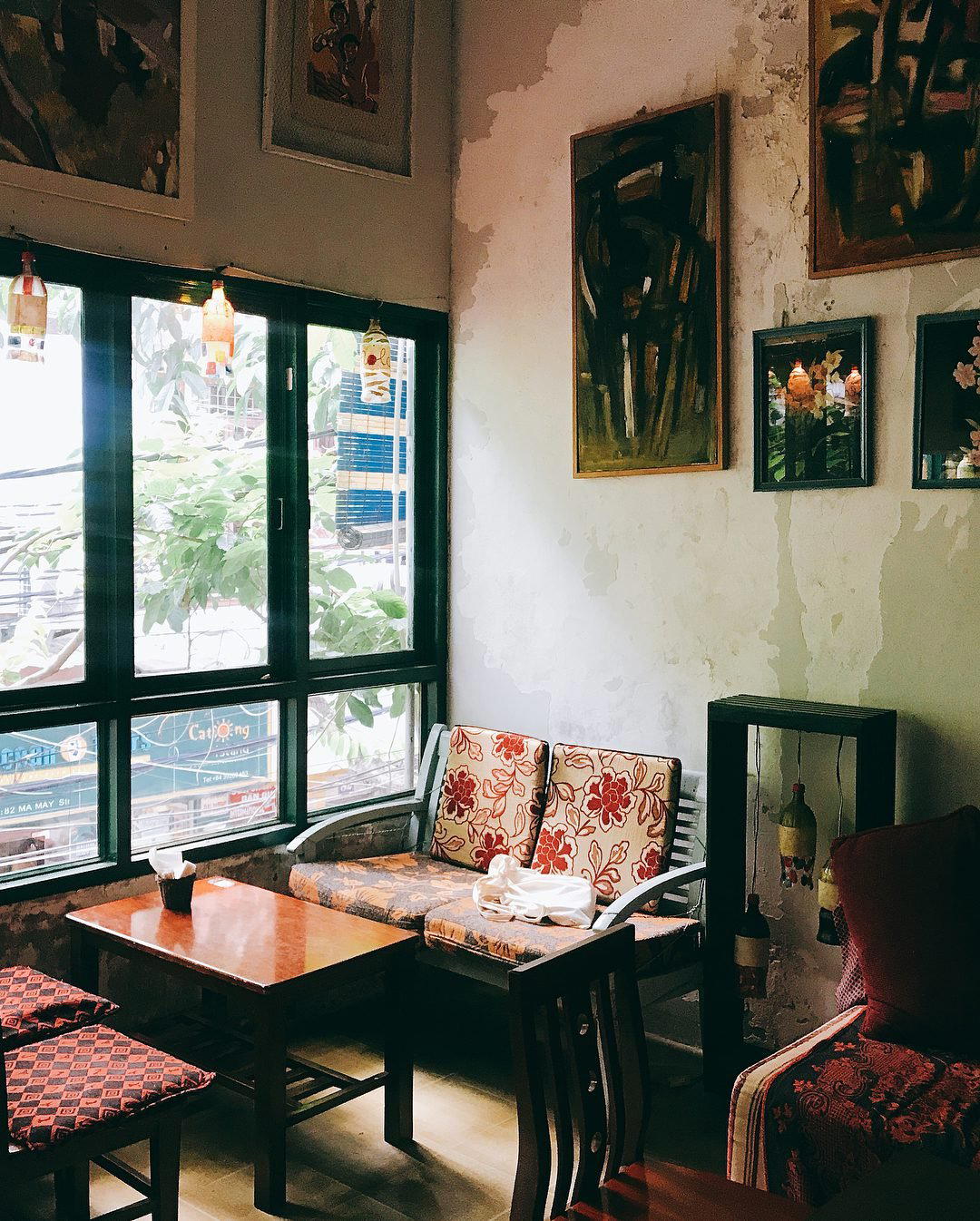
Hanoi's Old Quarter and its immediate surrounds have always sorted themselves vertically as much as geographically. Street-level stalls handle pho and bun cha; mid-floor canteens manage the tourist-facing crowd; and a handful of rooftop or upper-floor addresses claim the view as part of the proposition. Cau Go occupies the seventh floor of a building accessible from both Dinh Tien Hoang and Cau Go Street, and the journey up in the lift sets a tone that is less grand-hotel and more local institution. The window seats and terrace look directly out over Hoàn Kiếm Lake, one of the few vantage points in the city where you can watch that water change colour across the meal without paying the full premium of a five-star dining room.
Cau Go is a Hanoi restaurant serving Authentic Regional Vietnamese Cuisine, with a 2025 Michelin Plate recognition and a mid-range price point. A Michelin Plate signals a kitchen meeting the inspectors' standard for quality cooking without yet reaching star territory. In Hanoi's current guide, that category is well populated, but the restaurants holding it within the ₫₫ price band are fewer. For that reason, Cau Go draws a different comparison set than its starred neighbours. Gia, for example, operates at ₫₫₫₫ with a single Michelin star on a contemporary Vietnamese format. Tầm Vị, which carries a full Michelin star at a similarly accessible price point, is perhaps the more direct reference: both kitchens work with Vietnamese tradition rather than against it, though Cau Go's Central focus gives it a distinct regional character.
The Regional Register: Central Vietnamese Cooking in a Northern Capital
Central Vietnamese cuisine occupies a specific position in the country's culinary geography. Where Hanoi's own traditions lean toward clear broths and restrained seasoning, and Ho Chi Minh City tends toward sweetness and abundance, the Central region, anchored in Hue and extending through Quang Nam, historically developed a court-influenced cooking style defined by precise seasoning, bold spicing, and a formal approach to presentation. That tradition had to travel to reach Hanoi, and venues that handle it well represent a distinct niche in the capital.
The kitchen at Cau Go serves authentic, immaculately seasoned Central Vietnamese cuisine. Immaculate seasoning in this context refers to the Central tradition of balancing fish sauce depth against acidity and heat in ratios that are more compressed and deliberate than in other regional styles. It is the difference between a dish that tastes broadly correct and one that has been calibrated. That calibration is what the Michelin assessment signals, and it is what separates this kind of venue from the many Old Quarter addresses that serve a generalised pan-Vietnamese menu to a tourist-heavy audience.
For readers curious about how Central Vietnamese cooking translates in other cities and contexts, Ăn Thôi in Da Nang and La Maison 1888 in Da Nang offer reference points closer to the cuisine's home ground. Further afield, Akuna in Ho Chi Minh City handles Vietnamese cooking at a higher price tier, while diaspora expressions appear in destinations from Berlu in Portland to An Nam in Singapore and Ăn Chơi in Hong Kong.
What to Order
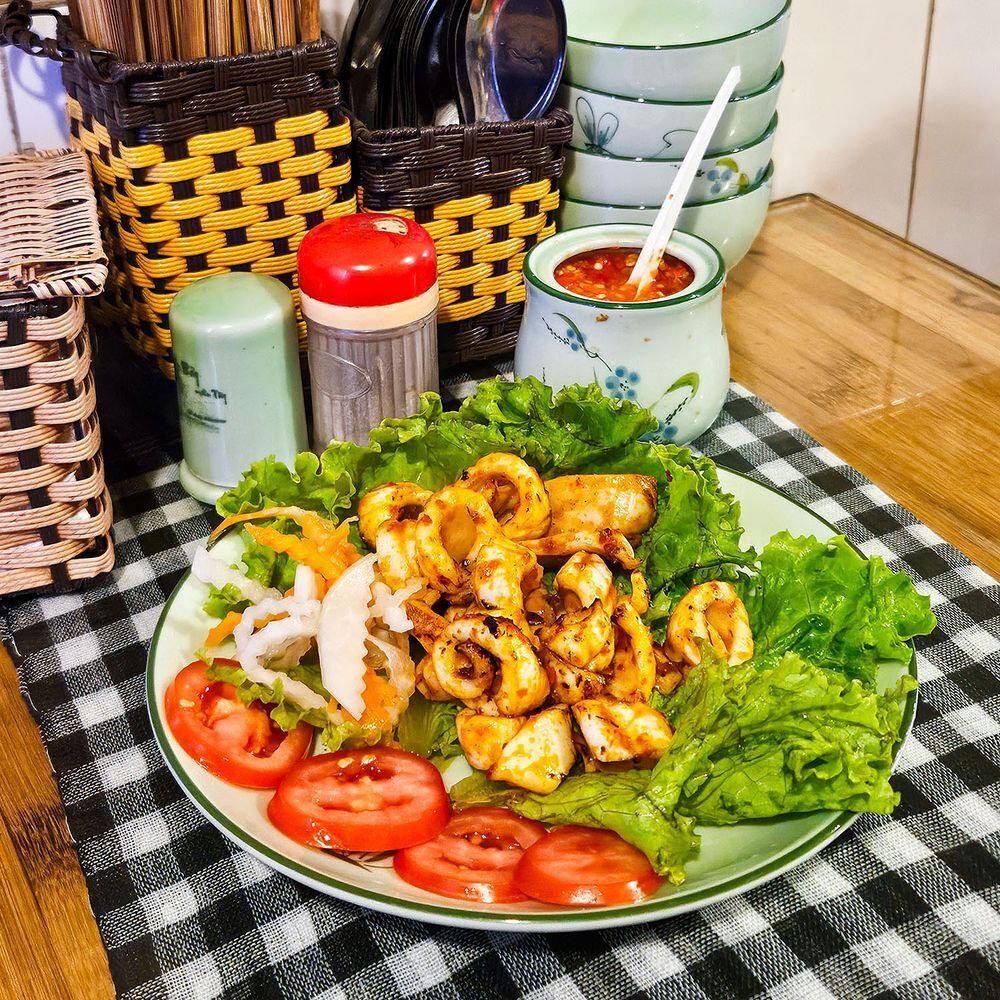
The deep-fried Vietnamese spring rolls are the dish that appears most consistently in assessments of this kitchen. In Central cooking, the spring roll, nem cuon or variations thereof, is often smaller and more densely packed than the Hanoi or southern versions, with a wrapper that crisps more completely under heat. The result, when done correctly, is a textural contrast between the shattering shell and the herb-forward filling that is harder to achieve than it looks. This is the kitchen's calling card, and it is the right place to form an initial impression of the cooking's precision.
For groups, the hot pot formats are worth the table commitment. Two versions are noted: chicken with basil leaves, and beef with a broader range of accompanying ingredients. Hot pot in Central Vietnamese tradition carries a different weight than its northern equivalent; the broths tend toward aromatic complexity rather than the bone-deep richness of Hanoi-style lau. Sharing format also means the meal extends naturally over an evening, which suits the setting: the terrace and lake-facing windows earn their full value over a longer sitting rather than a quick dinner.
The broader menu handles the regional canon. Readers unfamiliar with Central Vietnamese cuisine will find the format more accessible than the tasting-menu structures at higher-tier venues, and the ₫₫ price range keeps the experience within reach for most travellers. Compare with 1946 Cua Bac or Chào Bạn for accessible Vietnamese dining.
Getting There and Planning Your Visit
The address is 9 Dinh Tien Hoang, in the Hang Trong ward of Hoan Kiem District, directly on the eastern edge of Hoàn Kiếm Lake. The building is accessible from both Dinh Tien Hoang (the main lakeside road) and from Cau Go Street, a narrow lane running perpendicular to it. A lift serves the upper floors. The restaurant sits on the seventh floor, and the terrace faces the lake. Early evening is worth considering for the transition from afternoon light to dusk over the water, which changes the character of the terrace seats considerably compared to a midday or late-night visit. The 4.4 Google rating across 2,547 reviews is a useful volume signal.
For the broader Hanoi visit, nearby accommodation, bars, and experiences can help shape an itinerary around dinner here. Other regional Vietnamese cooking addresses worth noting for comparison include A Bản Mountain Dew for Northern Vietnamese regional focus, and Bếp Prime for a different register of the city's contemporary dining. Readers planning a broader Vietnam trip can add Agave in Ubon Ratchathani and Camille in Orlando as comparative reference points for how Vietnamese cooking travels across formats and regions.
Same-City Peers
Comparable venues nearby, for context on price, style, and recognition.
| Venue | Cuisine | Price | Notes |
|---|---|---|---|
| Cau GoThis venue — the venue you are viewing | Vietnamese | ₫₫ | |
| Hibana by Koki | Teppanyaki | ₫₫₫₫ | ₫₫₫₫ |
| Tầm Vị | Vietnamese | ₫₫ | ₫₫ |
| Gia | Vietnamese Contemporary | ₫₫₫₫ | ₫₫₫₫ |
| 1946 Cua Bac | Vietnamese | ₫ | ₫ |
| Bun Cha Ta (Nguyen Huu Huan Street) | Noodles | ₫ | ₫ |
At a Glance
- Elegant
- Scenic
- Iconic
- Sophisticated
- Date Night
- Group Dining
- Special Occasion
- Business Dinner
- Terrace
- Panoramic View
- Waterfront
- Historic Building
- Beer Program
- Local Sourcing
- Waterfront
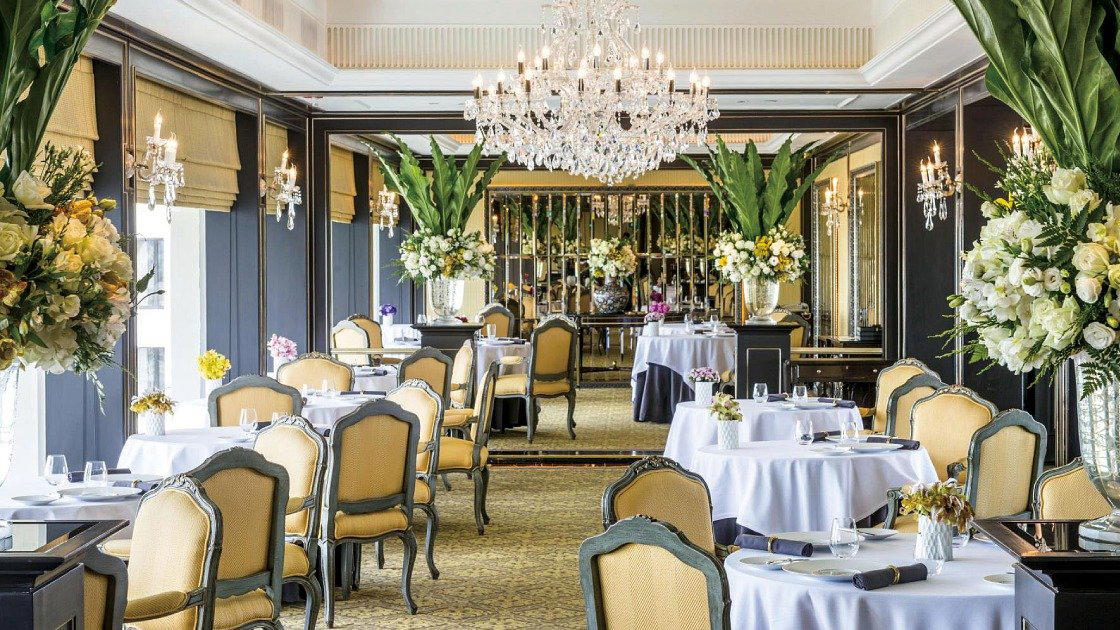
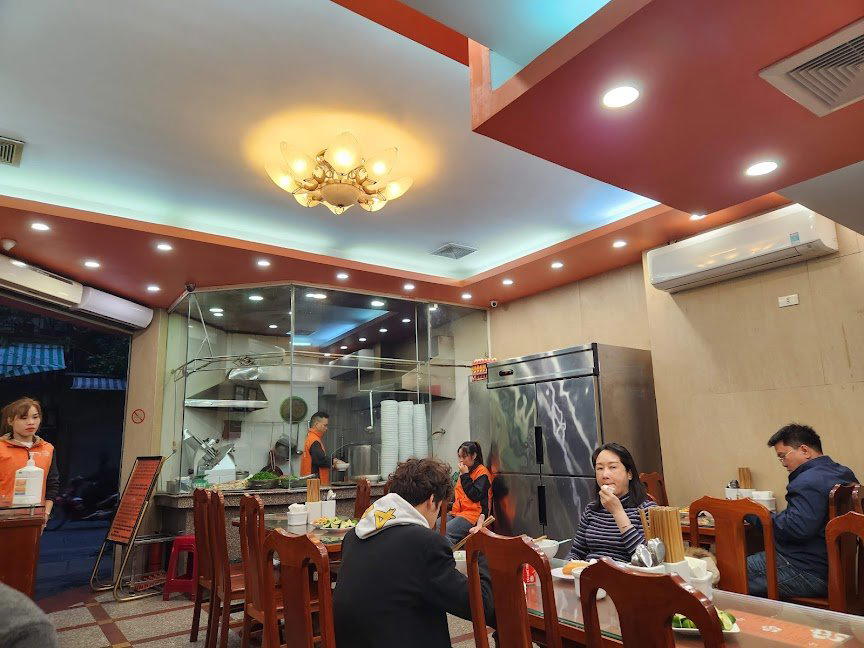
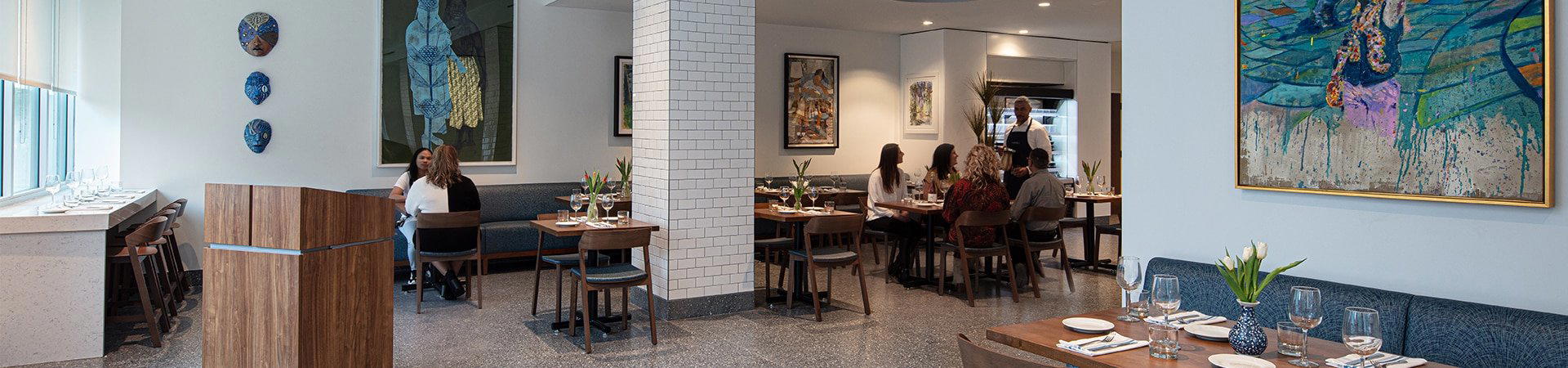
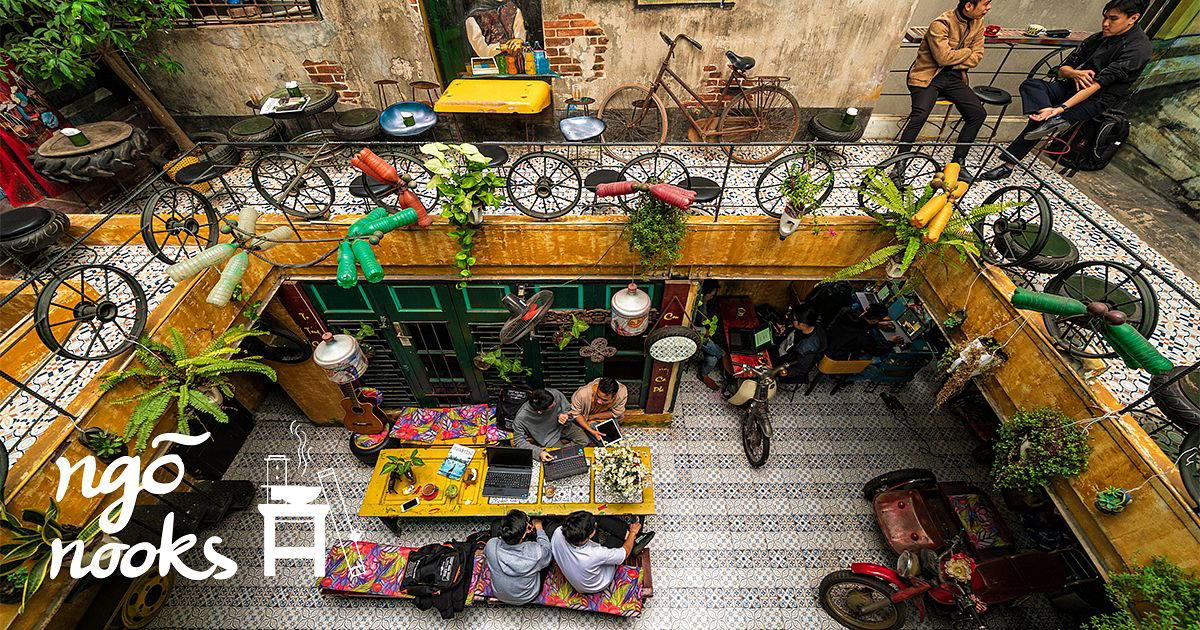
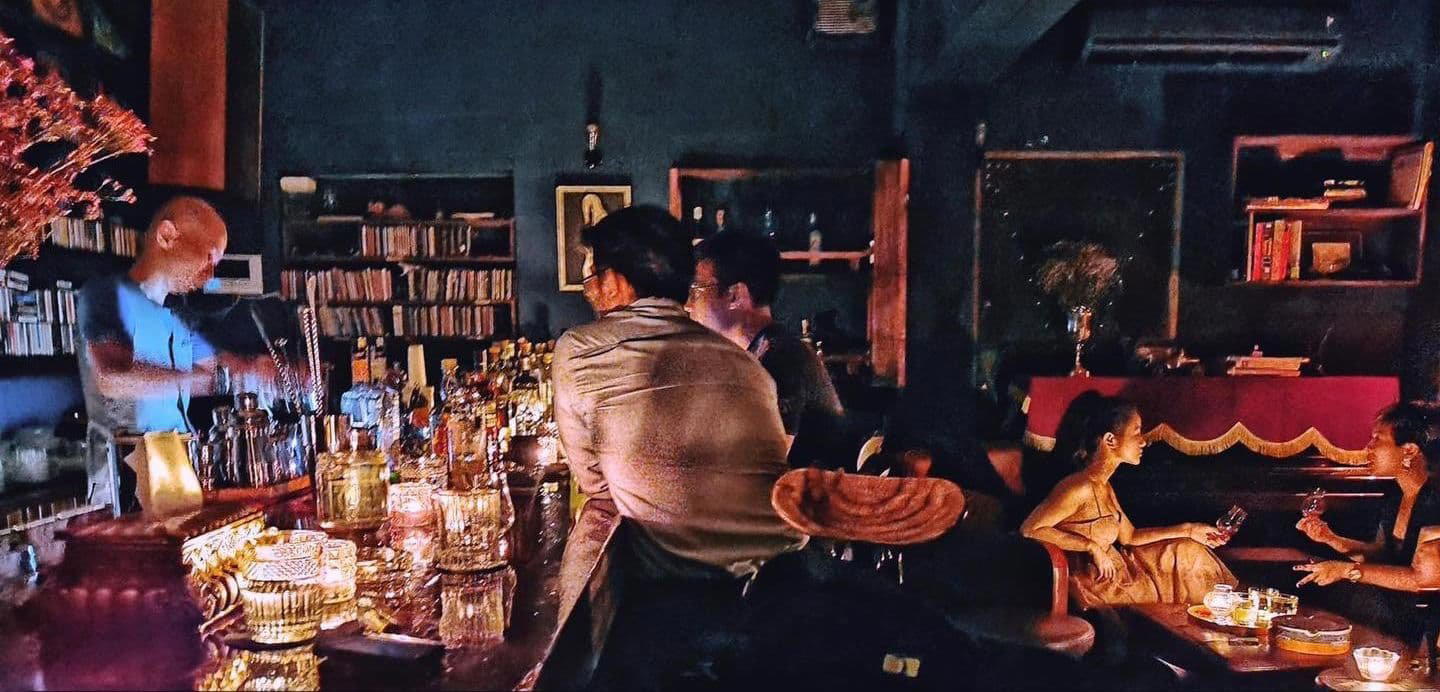
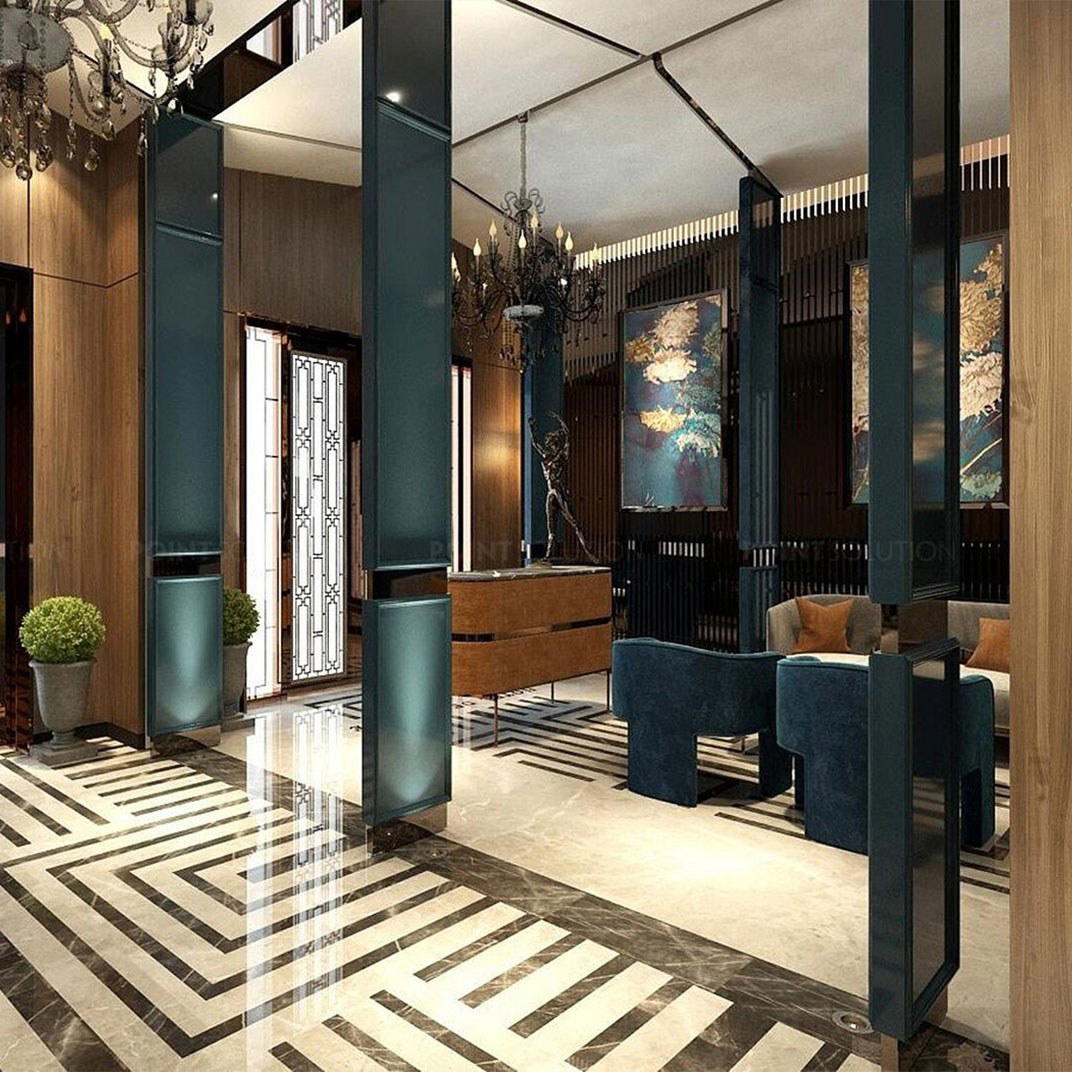
Modern yet warm setting with contemporary Vietnamese decor, natural lighting from expansive windows, and breathtaking lake views creating an elegant atmosphere.