Turlonia
Turlonia sits on Corso Italia in Fiume Veneto, a small town in the Friuli-Venezia Giulia region where proximity to the Adriatic, the Dolomite foothills, and the agricultural plain shapes what ends up on the plate. In a part of northeastern Italy where ingredient provenance tends to drive the menu conversation, the address positions Turlonia within a local dining tradition that values source over spectacle.
Pearl is the En Primeur Club membership app — saves, bookings, and concierge access live there. Same editors, same standards.
- Address
- Corso Italia, 5, 33080 Fiume Veneto PN, Italy
- Phone
- +39434561586
- Website
- osteriaturlonia.it
- Directions
- Get directions
 Saves & bookings on Pearl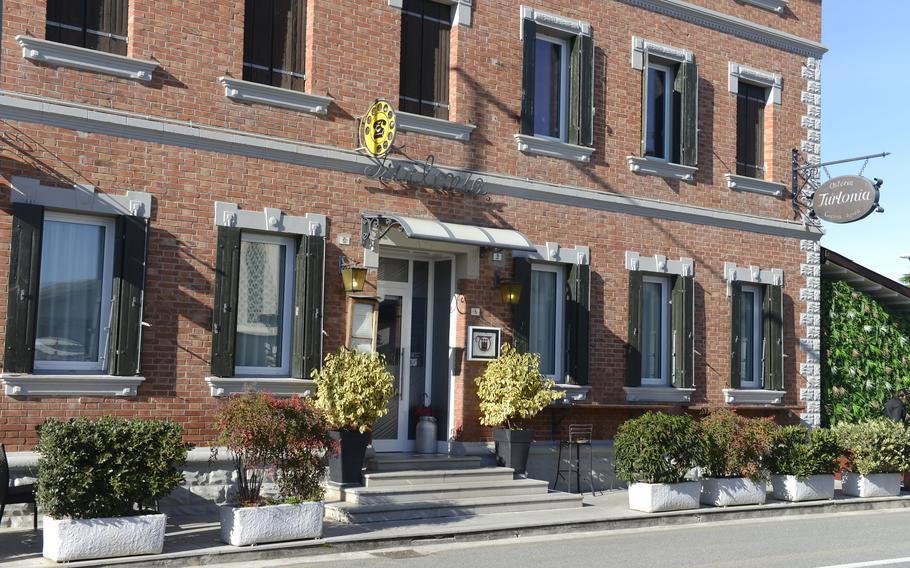
Where Friuli's Larder Meets the Table
Northeastern Italy's dining identity is built around geography in a way that few other Italian regions can claim with equal force. Friuli-Venezia Giulia sits at the convergence of the Adriatic coast, the Carnic and Julian Alps, and one of Italy's most productive agricultural plains, and that triangulation shows up on plates across the region with unusual directness. Restaurants here tend to draw ingredients from a tightly defined radius: freshwater fish from the rivers draining the Dolomite foothills, cured meats from inland producers, brassicas and pulses from the plain, and seafood from the northern Adriatic ports. Turlonia is a restaurant in Fiume Veneto, in Friuli-Venezia Giulia's Pordenone province, and it operates within that same regional logic. The town sits in the Pordenone province, roughly equidistant between the mountains and the coast, which places it squarely in Friuli's transitional larder zone where the produce of both terrains arrives with relative ease.
This matters because ingredient sourcing in Friuli is not a marketing exercise. The region's food culture predates modern farm-to-table rhetoric by several centuries. The Friulian diet was historically shaped by scarcity and seasonal availability, and the cooking reflects that: dishes tend to be economical in construction, precise in technique, and dependent on the quality of primary ingredients rather than elaborate saucing or architectural presentation. That tradition gives restaurants in towns like Fiume Veneto a clear brief: find good raw material, apply appropriate craft, and let the ingredient carry the argument.
The Fiume Veneto Dining Context
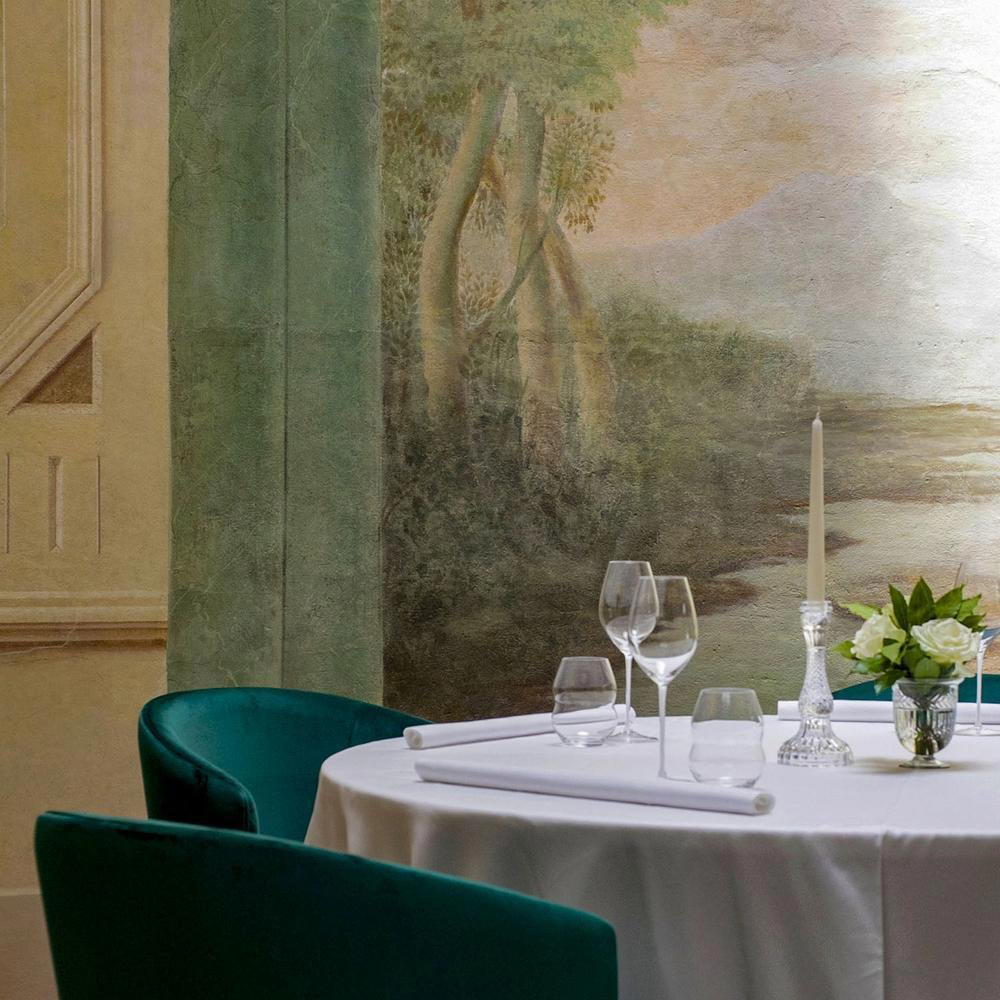
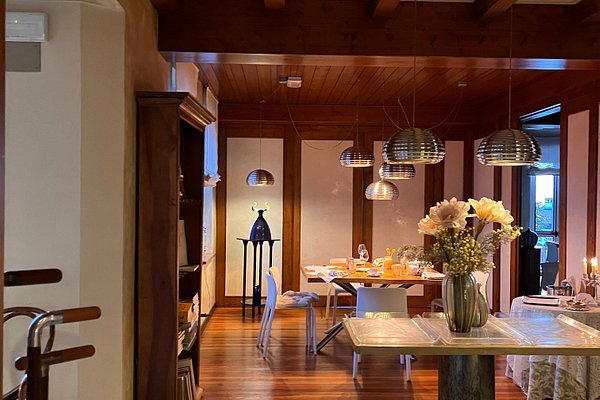
Fiume Veneto is not a dining destination in the way that Udine or Trieste function as anchoring cities for regional food tourism. It is a working town in the Pordenone hinterland, and that status means its restaurant scene serves a predominantly local clientele with a genuine appetite for quality rather than a visitor economy chasing novelty. The dining room at Turlonia on Corso Italia reflects that civic character: this is a restaurant that earns its place through consistency with neighbours who return regularly, not through the kind of spectacle-driven positioning that attracts one-time tourists.
That localism has a parallel at L'Ultimo Mulino, the other address that appears regularly in conversations about where to eat in Fiume Veneto. Together they represent a small, quality-oriented tier within a town that does not have the density of fine-dining addresses found in larger Veneto or Friuli cities. For a broader picture of where Turlonia sits within the local scene, the full Fiume Veneto restaurants guide provides the comparative context.
Sourcing Logic in a Region That Takes Provenance Seriously
The northeastern Italian regions, Friuli included, have consistently produced restaurants whose sourcing disciplines mirror particularly rigorous kitchen cultures in the country. Dal Pescatore in Runate built its multi-decade reputation in part through an unwavering commitment to regional and seasonal produce in the Po Valley. Le Calandre in Rubano operates within Veneto's broader agricultural network. Further north, Atelier Moessmer Norbert Niederkofler in Brunico has made Alpine ingredient sourcing central to its critical identity. These are the upper reference points of a regional sourcing tradition that extends downward through smaller, less-decorated addresses.
Turlonia operates in a different tier from those three-Michelin-star or internationally recognised houses. What the same regional tradition produces at the local level, however, is often more instructive about the actual food culture than the flagship addresses. The discipline of sourcing well when the margin is narrower and the clientele expects value alongside quality is, in many ways, a harder standard to meet than sourcing excellently with a €€€€ price point and international recognition behind you. Restaurants in the Pordenone area that do this consistently are doing something worth noting, even when the awards infrastructure has not caught up.
Across Italy more broadly, the sourcing conversation has shifted in the last decade from a niche preoccupation of alta cucina to a baseline expectation in serious mid-range dining. Places like Osteria Francescana in Modena, Piazza Duomo in Alba, and Uliassi in Senigallia have made ingredient origin a conversation starter rather than a footnote, and that shift has filtered down through the tier structure. It means that a restaurant in Fiume Veneto is now more likely to be evaluated by its clientele on sourcing transparency than it would have been fifteen years ago.
Positioning Within Italian Fine Dining's Wider Architecture
Italy's restaurant hierarchy spans an unusually wide range of format and ambition. At one end sit the destination houses: Enoteca Pinchiorri in Florence, Enrico Bartolini in Milan, La Pergola in Rome, Villa Crespi in Orta San Giulio, and Da Vittorio in Brusaporto, all operating at price points and recognition levels that make them pan-European rather than merely Italian references. At the other end sits the trattoria and osteria tier, which serves the everyday habits of Italian dining culture. The interesting middle layer, which includes addresses like Casa Perbellini 12 Apostoli in Verona, Quattro Passi in Marina del Cantone, and Reale in Castel di Sangro, is where regional identity and technical ambition intersect without the full ceremony of the destination tier. Turlonia operates somewhere in that mid-tier geography: a local address in a small Friulian town, evaluated against regional rather than national competition.
For international reference, the sourcing discipline that defines northeastern Italian cooking at its most serious has parallels in the way Le Bernardin in New York City treats seafood provenance, or in the ingredient-first Korean philosophy evident at Atomix in New York City. The principle, that the sourcing decision precedes the cooking decision, is not uniquely Italian, but Friuli's geography makes it unusually easy to act on.
Planning a Visit
Turlonia is located at Corso Italia 5 in Fiume Veneto, in the Pordenone province of Friuli-Venezia Giulia. Fiume Veneto is accessible by car from Pordenone in under fifteen minutes, and from Venice in approximately an hour via the A28. As with most serious local restaurants in the Friulian hinterland, visiting on a weekday tends to offer a quieter experience, while weekend evenings draw a fuller, more sociable room. Current contact details, hours, and booking availability are best confirmed directly through local listings or a call to the venue.
- frico
- baccalà
- roe deer gnocchi
- tagliatelle
- stratagliata
- grilled boar
Comparison Snapshot
Comparable venues nearby, for context on price, style, and recognition.
| Venue | Cuisine | Price | Notes |
|---|---|---|---|
| TurloniaThis venue — the venue you are viewing | Traditional Friulian Trattoria | $$ | Not listed |
| L'Ultimo Mulino | Traditional Italian in Historic Mill | $$$ | Fiume Veneto |
| Trota Blu | Italian Seafood with Trout Specialties | $$ | Caneva |
| Enoteca Enos | Italian Steak & Wine Bar | $$ | :null |
| Tempini | Italian Seafood and Pizza | $$ | Jesolo Lido |
| Ai Tre Canai | Traditional Italian Seafood | $$ | Marano Lagunare |
Continue exploring
More in Fiume Veneto
Restaurants in Fiume Veneto
Browse all →
Bars in Fiume Veneto
Browse all →
Hotels in Fiume Veneto
Browse all →
At a Glance
- Rustic
- Cozy
- Classic
- Casual Hangout
- Group Dining
- Special Occasion
- Standalone
- Local Sourcing
- Farm To Table
Current opening hours
- Monday
- Closed
- Tuesday
- 11 AM–2:30 PM, 6–10:30 PM
- Wednesday
- 11 AM–2:30 PM, 6–10:30 PM
- Thursday
- 11 AM–2:30 PM, 6–10:30 PM
- Friday
- 11 AM–2:30 PM, 6–10:30 PM
- Saturday
- 11 AM–2:30 PM, 6–10:30 PM
- Sunday
- 11 AM–2:30 PM
Hours can change for holidays and private events. Last verified .
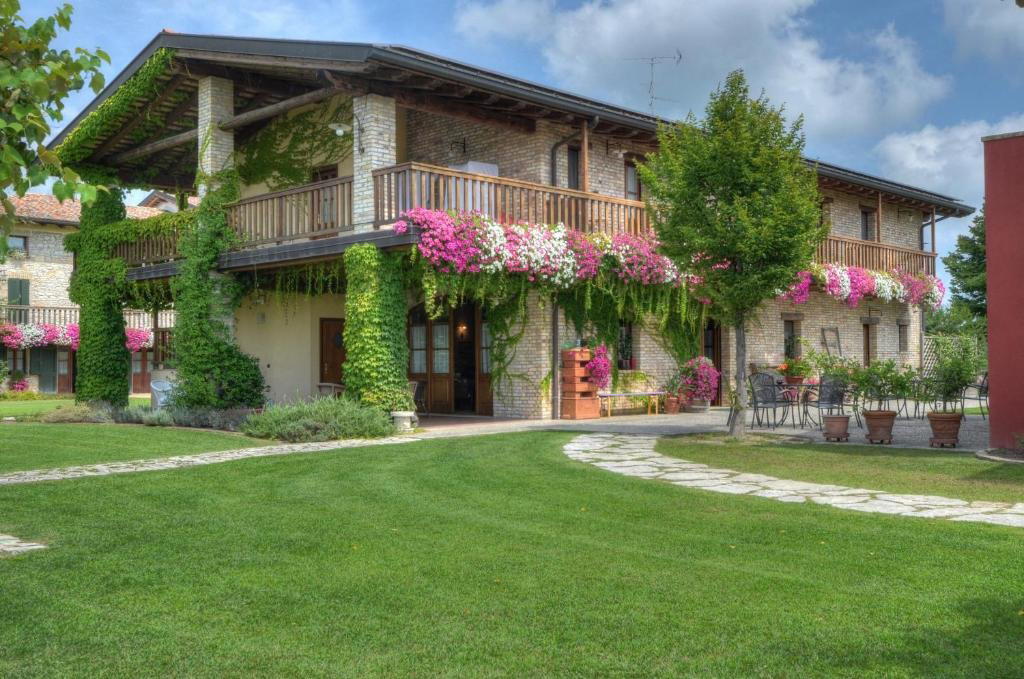
Warm and welcoming countryside setting with traditional Italian charm, featuring homemade-style presentations and friendly, knowledgeable staff in a casual dining environment.