Our verdict
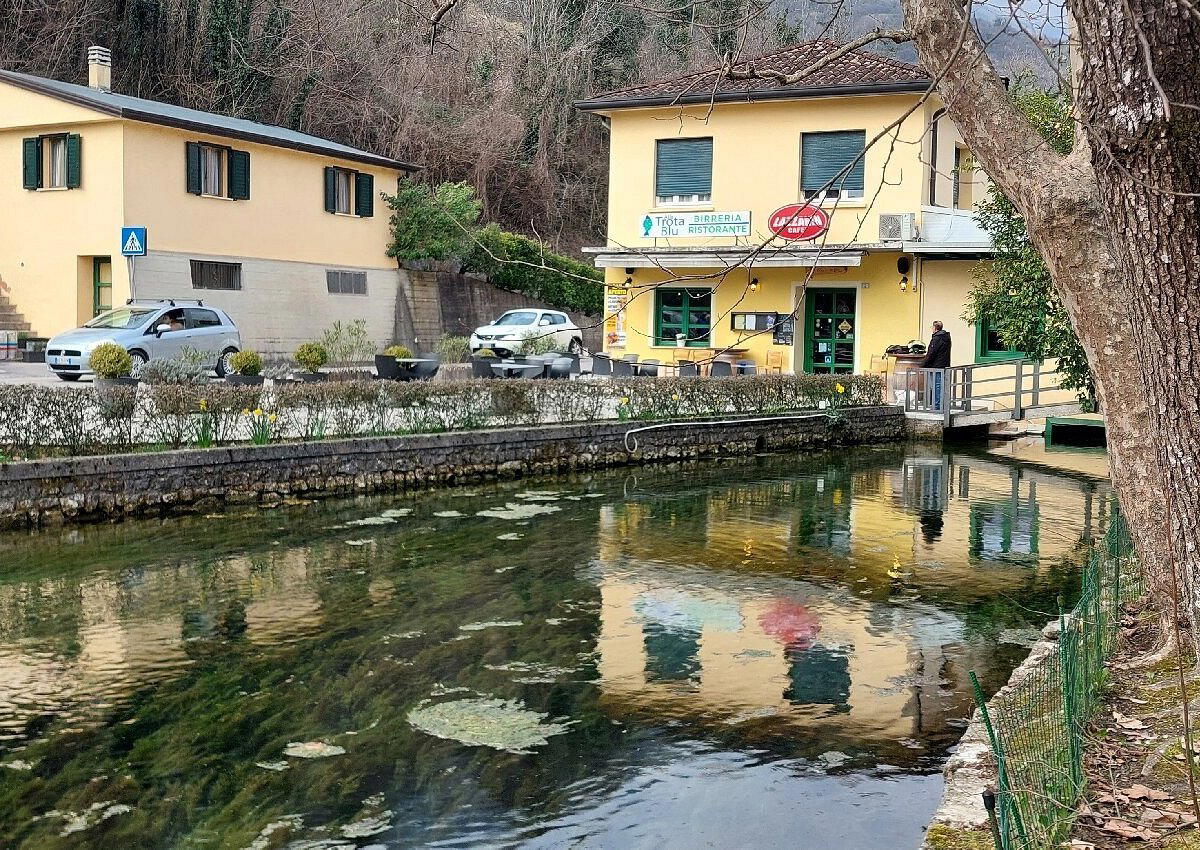
Trota Blu sits in Sarone, a quiet corner of Friuli's Pordenone province where the Livenza river system and forested hills shape both the landscape and the plate. The address alone, Via Santissima, in a village most GPS systems fumble, signals a kitchen anchored to its immediate surroundings rather than to broader culinary trends. For travelers cross-referencing ingredient-driven dining against Italy's northeast, this is a name worth tracking.

Pearl is the En Primeur Club membership app, where members save venues, book tables and use the concierge.
The menu
What to order
- Tagliatelle with smoked trout
- Trout tasting
- Mixed fried seafood
Where Freshwater Tradition Meets the Friulian Table
There is a particular kind of restaurant that only makes geographic sense when you stand in front of it. Trota Blu, addressed to Via Santissima in the hamlet of Sarone, sits inside the Pordenone province of Friuli-Venezia Giulia, a region where rivers, pre-Alpine foothills, and a centuries-old tradition of freshwater fishing converge in ways that have shaped local cooking for generations. The name itself, trout, rendered blue in the old poaching-with-vinegar technique that has appeared on Friulian and Venetian tables since at least the 18th century, announces the editorial position of this kitchen before you reach the door.
Arriving into Caneva and its satellite villages by car, you pass through a terrain that explains the menu. The Livenza and its tributaries run cold and fast through limestone karst, producing the conditions that freshwater fish, trout in particular, require to develop the firm flesh and clean flavor that distinguish them from farmed equivalents. This is not the scenic backdrop of a branding exercise; it is the actual supply chain. Restaurants that have built their identity around a single ingredient category in this way occupy a different position in Italian dining than the broad-church trattoria or the urban fine-dining room that sources nationally. They are accountable to geography in a way that is either their greatest strength or their most exposing vulnerability, depending on the season and the kitchen's discipline.
The Northeast's Ingredient Logic
Friuli-Venezia Giulia is one of Italy's more underappreciated food regions from an international perspective, despite producing some of the country's most distinctive white wines, cured meats, and dairy. Its cooking reflects the region's layered history as a border territory: Austrian, Venetian, and Slavic influences arrive at the table without the self-consciousness of fusion. Freshwater fish, trout, pike, perch, have a more prominent place in Friulian cooking than in the cuisines of more coastally oriented Italian regions, and the technique of the trota blu preparation, where live or very recently killed fish are poached in water acidified with vinegar to produce the characteristic bluish skin color, is one of the few preparations in Italian cooking that has retained its original French-influenced form without significant modern adaptation.
In the broader map of Italy's ingredient-anchored restaurants, the northeast corridor running from Veneto into Friuli has produced a distinctive cohort. Dal Pescatore in Runate operates on a comparable philosophy of regional fidelity, though its focus is the Po Valley and its price point sits at the ceiling of Italian fine dining. Le Calandre in Rubano takes Veneto ingredients into a progressive register that would be unrecognizable to Trota Blu's evident frame of reference. The point is not competitive ranking but category clarity: kitchens that commit to a specific geographic and ingredient logic create a very different kind of dining proposition than those that draw from the full Italian pantry.
The Setting as Context
Sarone is not a dining destination in the way that Alba or Modena commands deliberate travel. Piazza Duomo in Alba and Osteria Francescana in Modena anchor their respective towns as reasons to make the journey; Trota Blu is the kind of address that rewards travelers already moving through Friuli, or those willing to build an itinerary around a very specific culinary interest. That specificity is its own form of credibility. Restaurants in small Friulian villages that have survived across decades, and the trota blu tradition here has deep local roots, do so because they serve a local community as much as visiting diners, which tends to keep menus grounded and pricing in contact with reality.
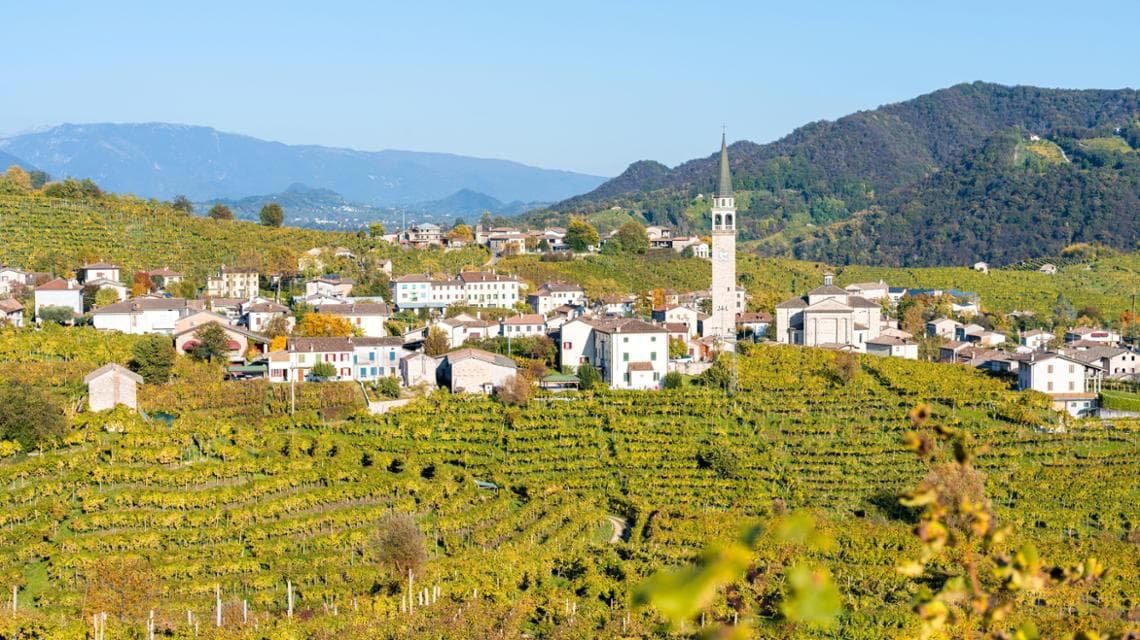
The physical experience of approaching a restaurant on a road like Via Santissima, in a range of vineyards and water, is qualitatively different from arriving at a city-center address. The context is already doing interpretive work before the meal begins. Italy's northeast has a concentration of this kind of experience, kitchens where the surrounding terrain is the argument, that is denser than the country's more urbanized food regions. Casa Perbellini 12 Apostoli in Verona represents one end of that spectrum, where a historic urban address carries its own authority; Trota Blu occupies the opposite end, where the village setting is inseparable from the proposition.
Freshwater Cooking in European Perspective
The broader European tradition of freshwater restaurant cooking is worth understanding as a reference point. The great river-fish restaurants of France, those along the Loire, the Saône, the Rhine tributaries, established a model in which proximity to the water source, live-tank storage, and classically minimal preparation were the marks of serious cooking. Italy absorbed this tradition unevenly, with strong freshwater cultures in Lombardy's lake districts, in Friuli, and in parts of Emilia, but without the institutional recognition that French river-fish cooking received. For comparison, Le Bernardin in New York City built its international reputation on a similar philosophy of technical restraint applied to high-quality fish, though in a marine rather than freshwater context, and its sustained recognition over decades demonstrates how durable that proposition is when executed with consistency.
Among Italy's seafood-anchored restaurants, Uliassi in Senigallia and Quattro Passi in Marina del Cantone hold Michelin recognition for coastal fish cooking that is technically sophisticated and rooted in local catch. The freshwater equivalent rarely achieves that visibility, which is partly a function of how guide culture weights coastal versus inland fish, and partly a reflection of the smaller market for restaurants with this degree of specificity. That relative obscurity is precisely what makes Trota Blu the kind of address that warrants attention from travelers who have already worked through the well-documented tier of Italian fine dining represented by Enoteca Pinchiorri in Florence, Enrico Bartolini in Milan, or La Pergola in Rome.
Planning a Visit
Sarone sits within the Caneva municipality in the Pordenone province, reachable from Pordenone city in under thirty minutes by car, and roughly equidistant between Udine and Treviso for travelers routing through Friuli or the Veneto border zone. For those building a broader northeast Italy itinerary, the region pairs naturally with Verona, the Collio wine zone across the Friulian hills, and the Dolomite foothills to the north. Given the village location and the specialist nature of the kitchen, contacting the restaurant directly before visiting is the correct approach; the absence of published booking infrastructure online reflects the kind of operation that functions through local and regional word of mouth. As with most ingredient-focused rural restaurants in Italy, the kitchen's strength is likely to track closely with season, which in freshwater fish terms means being attentive to the local fishing calendar and any regional conservation rules that affect availability. Consult our full Caneva restaurants guide for additional context on dining in this part of Friuli.
Frequently asked questions
Is Trota Blu suitable for children?
Trota Blu's setting in Sarone, a quiet village within the Caneva municipality, suggests a relaxed, unhurried pace rather than a high-volume urban dining room. Freshwater fish cooking of this regional style tends toward simple, clean preparations that translate well across age groups.
What should I expect atmosphere-wise at Trota Blu?
The address on Via Santissima in Sarone places Trota Blu in a small rural village in the Pordenone province, far from the urban dining circuit. Expect the tempo and informality of a traditional northern Italian trattoria serving a largely local clientele, rather than a destination room oriented toward tourists. The surroundings of the Friulian foothills reinforce that character.
How far is Trota Blu from Pordenone, and is it worth the drive from there?
Sarone sits within the Caneva municipality in the Pordenone province, reachable from Pordenone city in under thirty minutes by car. For anyone tracking the freshwater cooking traditions of Friuli-Venezia Giulia, that journey covers ground that most visitors to northeast Italy never reach. The restaurant's position in the Friulian foothills, rather than along a main tourist route, is precisely what keeps this style of cooking in its original context.
What should I order at Trota Blu?
The restaurant's name and geographic position in Friuli-Venezia Giulia point squarely toward freshwater fish, particularly trout, which has been central to this region's culinary identity for generations. The broader freshwater tradition in northeast Italy also incorporates preparations from local rivers and streams that rarely appear on menus elsewhere in the country. Specific current dishes should be confirmed when booking.
Where is Trota Blu in Caneva?
Trota Blu is located at Via Santissima, 2, 33070 Sarone PN, Italy, Caneva.
Is Trota Blu reservation-only?
Booking ahead is advisable for any restaurant of this type in a small village like Sarone, where the kitchen is unlikely to run at urban-scale capacity.
What's Trota Blu best at?
The restaurant's identity is built around the freshwater cooking tradition of Friuli-Venezia Giulia, a discipline that remains one of the more overlooked specialisms in Italian regional food from an international standpoint. Trota Blu represents that tradition at a genuinely local level, operating in Sarone within the Caneva municipality rather than in a larger city where the cuisine would be filtered for outside audiences.
Quick Comparison
Comparable venues nearby, for context on price, style, and recognition.
| Venue | Cuisine | Price | Notes |
|---|---|---|---|
| Trota BluThis venue (the venue you are viewing) | Italian Seafood with Trout Specialties | $20–30 | Not listed |
| Zero 81 | Contemporary Neapolitan Pizza | $20–30 | Treviso |
| Trattoria Brunello | Traditional Veneto Trattoria | Not listed | Zero Branco |
| Nogherazza | Traditional Italian | Not listed | Belluno countryside |
| Trattoria alla Rampa | Traditional Venetian Trattoria | $20–30 | Castello |
| Ai Mediatori | Traditional Italian Trattoria | Not listed | Tombolo |
Continue exploring
More in Caneva
Restaurants in Caneva
All restaurants in Caneva →
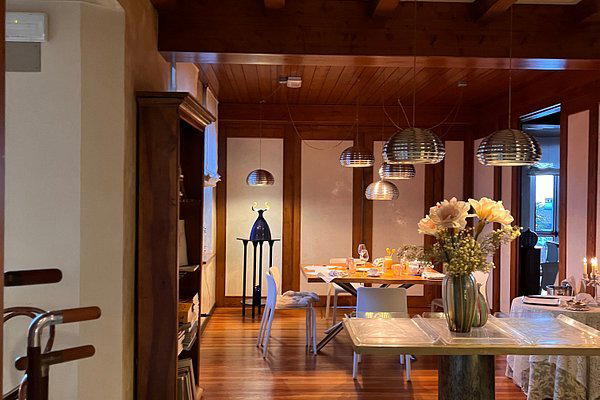

Bars in Caneva
Browse all →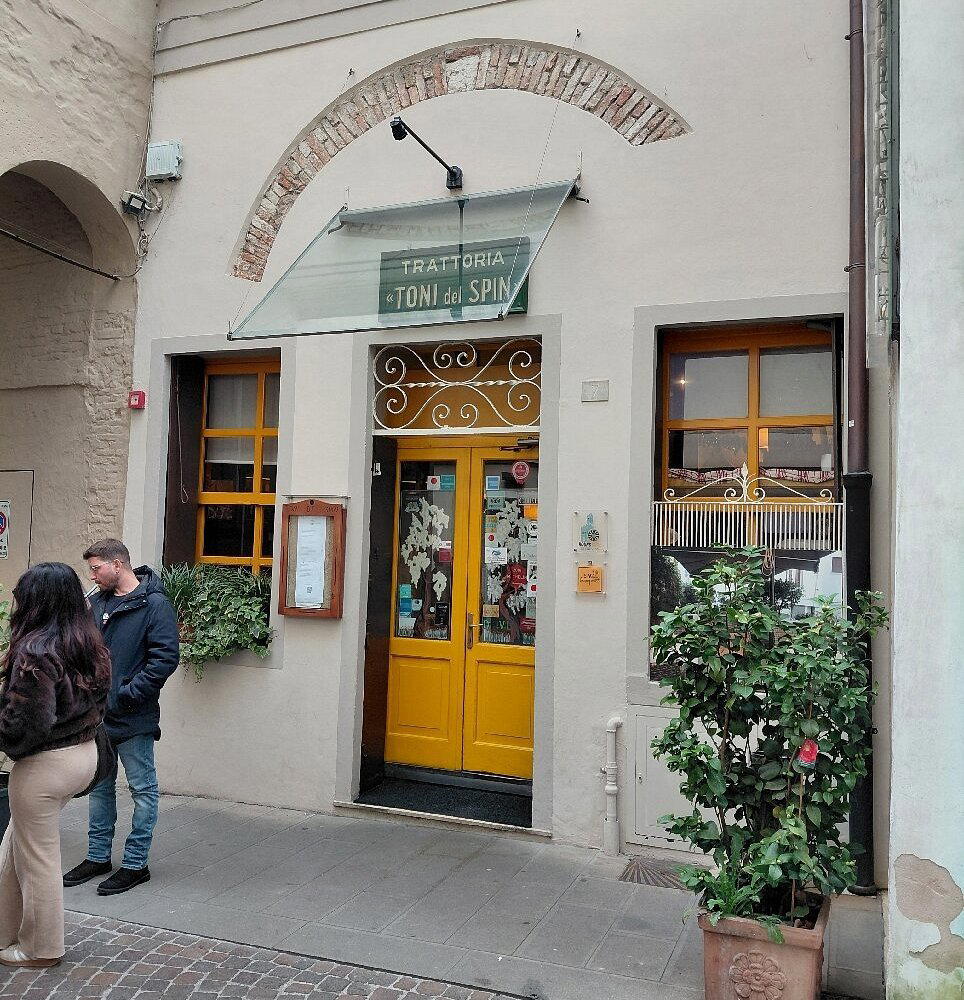
Hotels in Caneva
Browse all →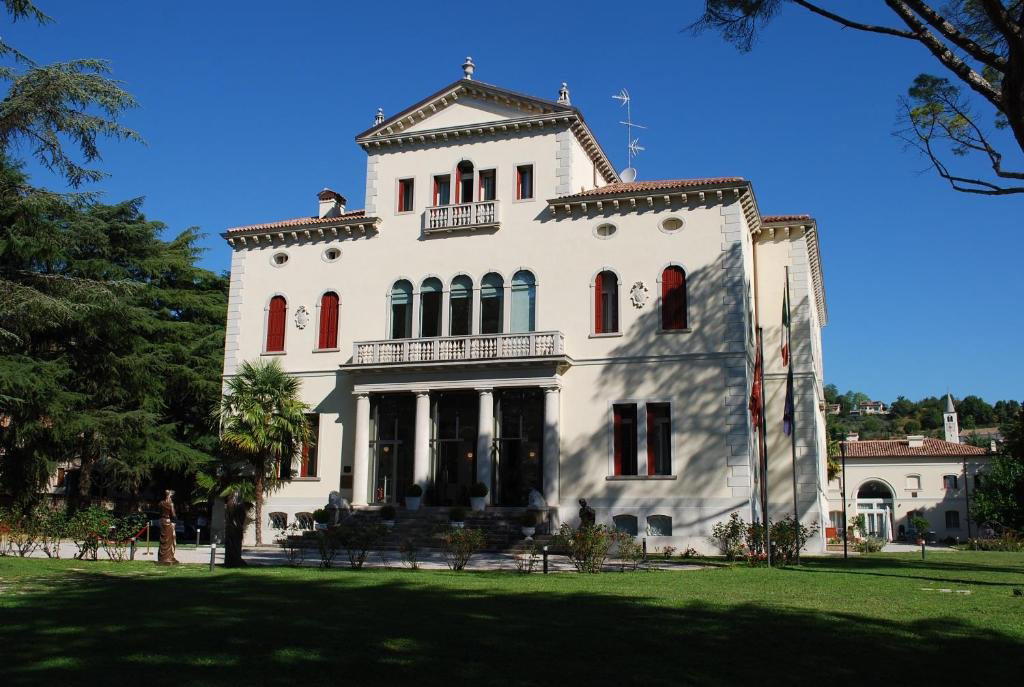
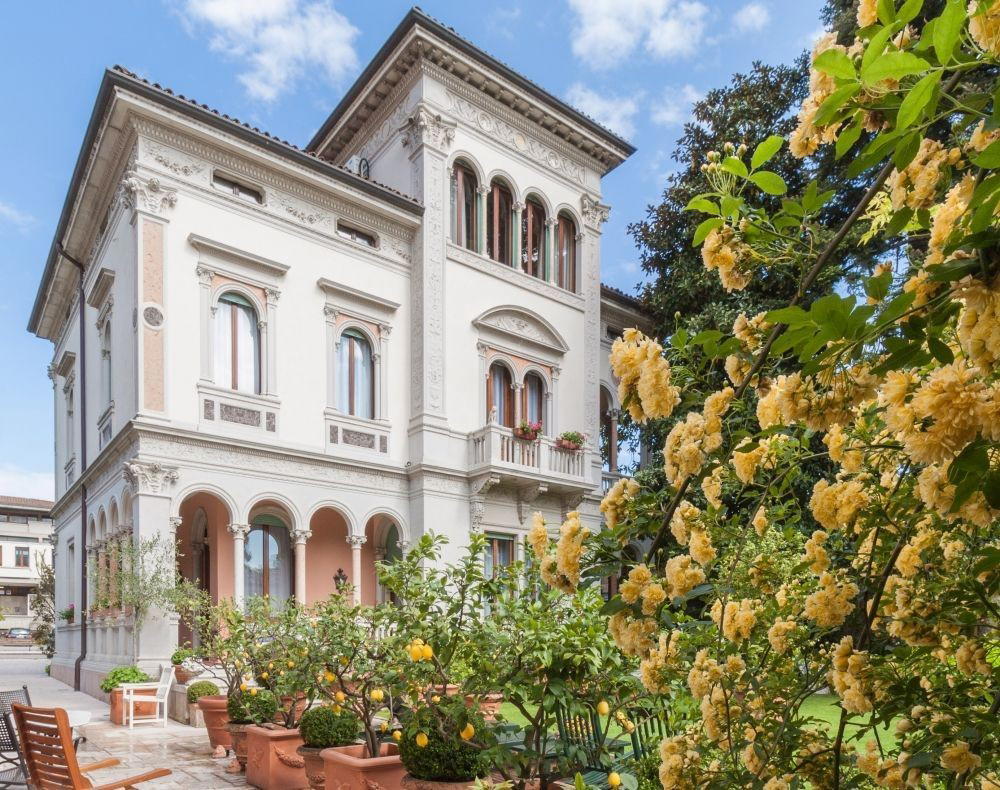
Details
- Rustic
- Cozy
- Scenic
- Family
- Casual Hangout
- Group Dining
- Waterfront
- Terrace
- Beer Program
- Waterfront
- A La Carte
- Beer Program
- Vegetarian Friendly
- Gluten Free Options
Current opening hours
- Monday
- Closed
- Tuesday
- 10:30 AM–2 PM, 5:30–11 PM
- Wednesday
- 10:30 AM–2 PM, 5:30–11 PM
- Thursday
- 10:30 AM–2:30 PM, 5 PM–12 AM
- Friday
- 10:30 AM–2:30 PM, 5 PM–12 AM
- Saturday
- 10:30 AM–2:30 PM, 5 PM–2 AM
- Sunday
- 10:30 AM–12 AM
Hours can change for holidays and private events. Hours as of .
Relaxed and cozy with simple decor, large windows providing pond views with ducks and geese, shaded outdoor terrace under trees and umbrellas.