Ai Tre Canai
Our verdict
On the edge of the Marano Lagoon, Ai Tre Canai draws its kitchen logic directly from the brackish waters and fishing traditions that define this corner of Friuli-Venezia Giulia. The address on Via Udine places it within one of northern Italy's least-trafficked seafood destinations, where the supply chain runs shorter than almost anywhere else on the Adriatic coast. For those willing to make the detour from Udine or Trieste, it represents the clearest argument for eating where the fish actually lives.

Pearl is the En Primeur Club membership app — saves, bookings, and concierge access live there. Same editors, same standards.
- Address
- Via Udine, 36, 33050 Marano Lagunare UD, Italy
- Phone
- +393943167020
- Hours
- Mon–Tue ClosedWed 11:30 AM–3:30 PM, 6:30–10 PMThu 11 AM–3 PM, 6:30–10 PMFri 11:30 AM–3:30 PM, 6:30–11 PMSat 9 AM–5 PM, 6:30–11 PMSun 11:30 AM–3:30 PM, 6:30–10:30 PM
- Website
- ristoranteaitrecanai.com
- Directions
- Get directions

Where the Lagoon Sets the Menu
Marano Lagunare sits at a point where the Adriatic coast fractures into a lattice of channels, reed beds, and tidal flats that have sustained professional fishing for centuries. The lagoon here is shallower and less visited than its counterpart at Grado, which means the fish and shellfish that come out of it carry a character shaped by distinct salinity levels, slower tidal movement, and proximity to the Tagliamento river mouth. At Ai Tre Canai, on Via Udine at the edge of this small harbour town, that geography is the foundational ingredient. The sourcing story begins not with a supplier relationship but with a location: when the kitchen and the catch share the same postcode, the distance between extraction and plate collapses in ways that affect texture, flavour, and what the cook can reasonably attempt on a given day.
In much of northern Italy, the premium seafood conversation is dominated by restaurants that import product from further afield, treating provenance as a badge rather than a constraint. The trattorie and osterie of the Friulian lagoon operate differently. The supply here is genuinely local, genuinely seasonal, and subject to the rhythms of a working fishing community rather than the requirements of a fixed menu. Comparable eating traditions exist along the Po Delta and around the Venetian lagoon, but Marano has remained further outside the food-tourism circuit, which has kept its restaurant culture grounded in what the water actually produces rather than what visitors expect to see on a menu. For broader context on where Ai Tre Canai sits within the local dining scene, the full Marano Lagunare restaurants guide maps the town's options across styles and price points.
The Ingredient Logic of Lagoon Cooking
The cooking tradition that Ai Tre Canai belongs to is built around a narrow, rotating cast of species: grey mullet, sea bass, sole, eel, crab, clams, and the various molluscs that colonise the lagoon floor. These are not the glamorous centrepieces of Michelin-level coastal cooking in the way that, say, the brodetto at Uliassi in Senigallia or the seafood compositions at Quattro Passi in Marina del Cantone deploy pristine Campanian or Adriatic catch. They are workhorse species, handled with the kind of quiet technical competence that comes from cooking the same fish, the same way, for decades. The preparation tends toward simplicity: grilling, steaming, and slow braising that respect the inherent salinity of lagoon-raised seafood without drowning it in competing flavours. This is an approach to ingredient sourcing that treats proximity as the primary creative constraint, and it produces food that reads very differently from restaurants where the product arrives refrigerated from distant markets.
For a useful contrast, consider the sourcing philosophy at Atelier Moessmer Norbert Niederkofler in Brunico, where a declared commitment to Alpine regionality shapes every element of an ambitious tasting format. The impulse is similar — geography as kitchen discipline — but the price point, format, and critical context sit in an entirely different bracket. Lagoon cooking in Friuli operates without that infrastructure of recognition. It is local by default, not by doctrine, and the distinction matters when evaluating what you are actually eating and why it tastes the way it does.
Marano Lagunare in the Context of Italian Coastal Dining
Italy's most decorated seafood restaurants cluster around a handful of well-documented coastlines: the Ligurian riviera, the Amalfi coast, Romagna, and the upper Adriatic around Trieste. Marano sits at the edge of that last zone, close enough to benefit from the broader Friulian culinary reputation but far enough from the main tourist routes to have avoided the kind of attention that changes a place. The restaurants here, including Ai Tre Canai and its near neighbours Alla Laguna - Vedova Raddi, La Bricola, and Taverna Al Pescatore, operate within a tight local ecosystem where competition for the same catch creates a de facto quality baseline. When multiple kitchens in a small harbour town depend on the same daily boats, the standard of the raw material becomes a shared resource rather than a competitive advantage. What differentiates them is execution and emphasis.
This is a different kind of dining proposition from the structured ambition of Osteria Francescana in Modena or the controlled formality of Dal Pescatore in Runate. It is also different from the urban seafood authority of Le Bernardin in New York City. The frame of reference for Ai Tre Canali is the lagoon itself, not the international fine-dining circuit, and that should calibrate expectations appropriately. Readers looking for the full spectrum of Italian restaurant ambition, from communitarian trattoria culture through to three-Michelin-star formality, can trace that range through venues like Piazza Duomo in Alba, Le Calandre in Rubano, Enrico Bartolini in Milan, Enoteca Pinchiorri in Florence, Reale in Castel di Sangro, Da Vittorio in Brusaporto, and Casa Perbellini 12 Apostoli in Verona. Ai Tre Canali occupies the opposite end of that register, and that positioning is the point.
Planning a Visit
Marano Lagunare is accessible by car from Udine in roughly 45 minutes and from Trieste in under an hour, making it a viable lunch detour from either city rather than a stand-alone destination requiring an overnight stay. The harbour area where Ai Tre Canai is found on Via Udine is compact and walkable, and arriving by midday positions you to eat when the morning catch has been processed and the kitchen is working at full capacity. Given the town's size and the limited number of serious restaurants, booking ahead is advisable for weekend visits, particularly in summer and early autumn when the lagoon is at its most productive and the number of visitors from Udine and Pordenone increases. The leading lagoon seafood eating in Friuli tends to track the fishing calendar, so late spring through early autumn generally offers the widest range of species. Friulian white wines, particularly those from the Collio and Friuli Colli Orientali DOCs a short drive inland, pair logically with the cooking and are typically available on local lists at prices that reflect proximity to the production area.
Frequently asked questions
Would Ai Tre Canai be comfortable with kids?
Marano Lagunare is a working fishing village rather than a resort town, and restaurants here tend toward the unpretentious end of the spectrum. A table focused on simply prepared lagoon fish — mullet, eel, crab, clams — suits families who eat broadly, though the menu is seafood-led with little deviation. If your children eat fish, this is a reasonable fit; if not, options will be limited.
Is Ai Tre Canai formal or casual?
The address on Via Udine in Marano Lagunare places it firmly in working-port territory, where the dining culture runs casual by default. Lagoon cooking in this part of Friuli has never been about ceremony; the focus is the catch, not the room. Come dressed for a long lunch near the water, not a tasting menu evening.
How does Ai Tre Canai fit into the broader Friulian lagoon dining circuit, and is it worth combining with other stops?
Marano Lagunare sits roughly 45 minutes by car from Udine and under an hour from Trieste, making Ai Tre Canai a viable anchor for a day built around the northern Adriatic coast. The lagoon cooking tradition here is distinct from both the Venetian seafood canon to the west and the Istrian style to the east, drawing on a narrower, more seasonal roster of species specific to these tidal flats. Pairing a lunch at Ai Tre Canai with the Marano fish market or a short boat trip into the lagoon channels gives the meal its proper context.
What should I order at Ai Tre Canai?
The cooking tradition here rotates around what the Marano lagoon yields: grey mullet, sea bass, sole, eel, crab, and clams are the recurring cast. Dishes follow the season and the morning's catch, so the menu is not fixed. The practical move is to ask what came in that day rather than arriving with a specific dish in mind.
What's Ai Tre Canai's location?
Ai Tre Canai is located at Via Udine, 36, 33050 Marano Lagunare UD, Italy, Marano Lagunare.
Do I need a reservation for Ai Tre Canai?
Marano Lagunare draws a regional crowd that knows the lagoon-seafood circuit well, and the better tables in small Friulian port restaurants fill quickly on weekends and in summer. Booking ahead is advisable; the venue's contact details are not publicly listed here, so reaching out via local directories or arriving in person to inquire is the most direct route.
What's the defining dish or idea at Ai Tre Canai?
The central idea is tidal-catch cooking: the menu is determined by what the Marano lagoon produces on a given day, not by a fixed kitchen programme. Grey mullet and eel are the species most associated with this lagoon's culinary identity, and preparations tend to be direct rather than technique-heavy. The ingredient is the argument.
At-a-Glance Comparison
Comparable venues nearby, for context on price, style, and recognition.
| Venue | Cuisine | Price | Awards | Notes |
|---|---|---|---|---|
| Ai Tre CanaiThis venue — the venue you are viewing | Traditional Italian Seafood | Not listed | Not listed | Not listed |
| La Bricola | Italian Seafood | Not listed | Not listed | Darsena Centrale |
| Taverna Al Pescatore | Traditional Seafood Trattoria | Not listed | Not listed | Marano Lagunare |
| Alla Laguna - Vedova Raddi | Traditional Friuli Seafood Trattoria | $30–50 | Michelin Plate | Marano Lagunare |
| Croce del Sud | Neapolitan Pizza and Seafood | $20–30 | Not listed | Lignano Sabbiadoro |
| Osteria Campana d'Oro | Friulian Italian Osteria | $20–30 | Not listed | Palmanova |
Continue exploring
More in Marano Lagunare
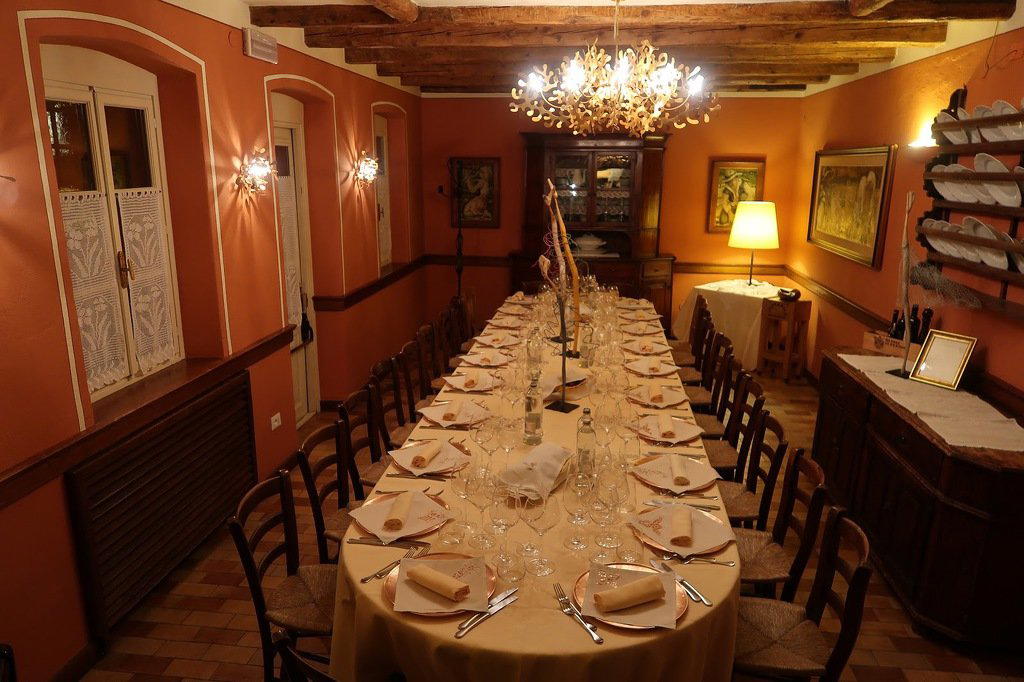
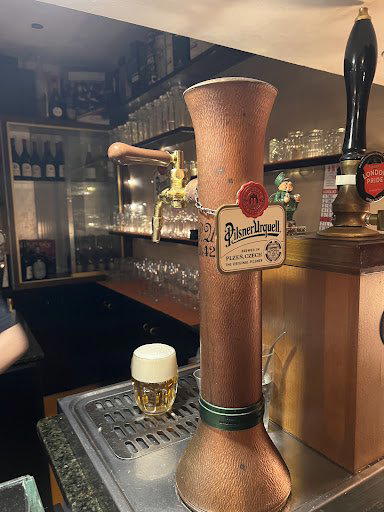
Restaurants in Marano Lagunare
Browse all →
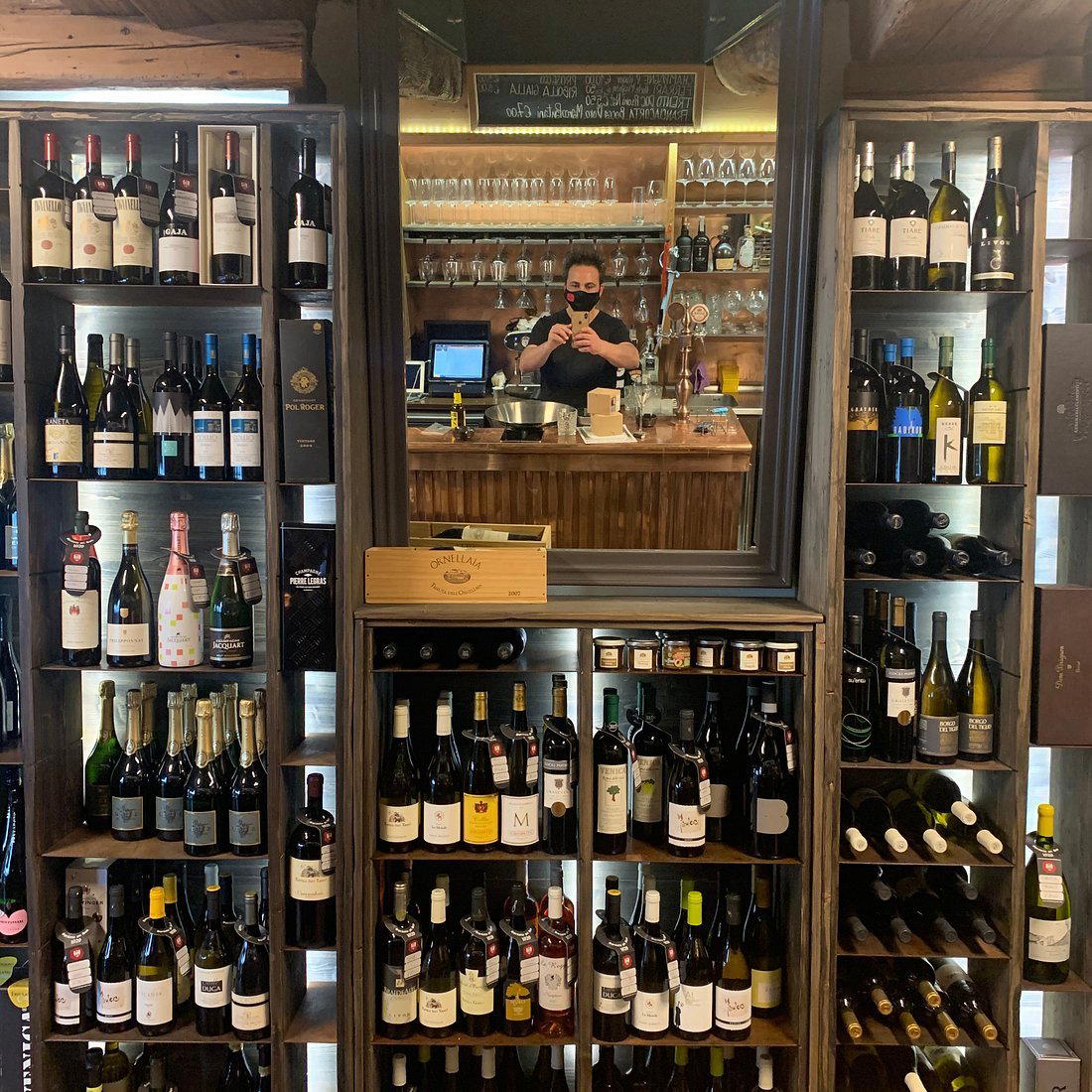
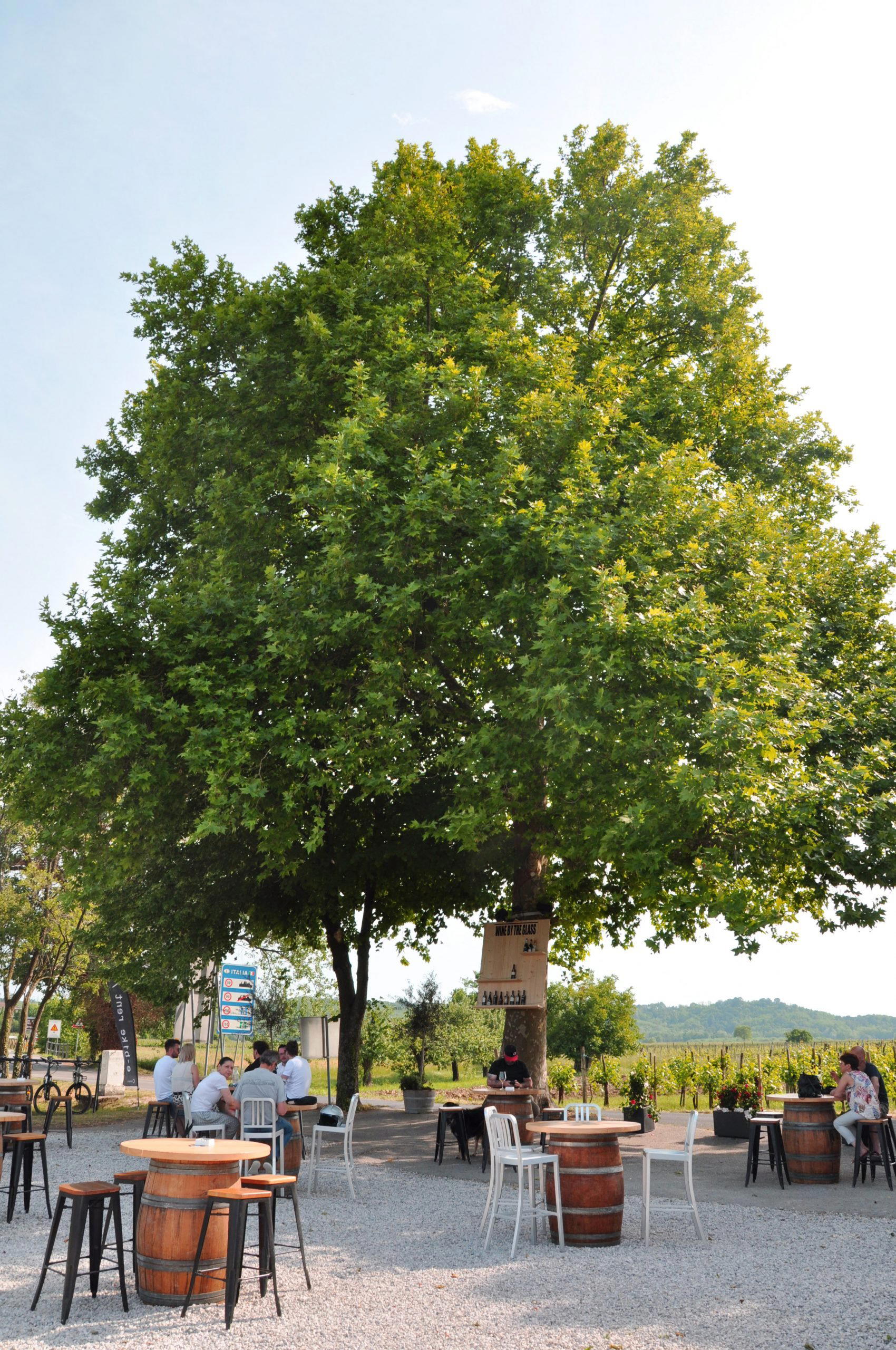
Bars in Marano Lagunare
Browse all →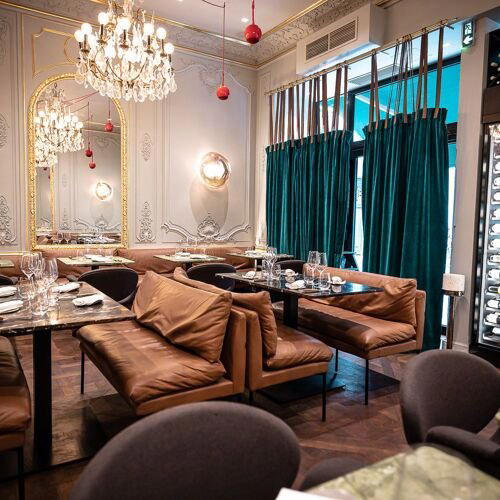
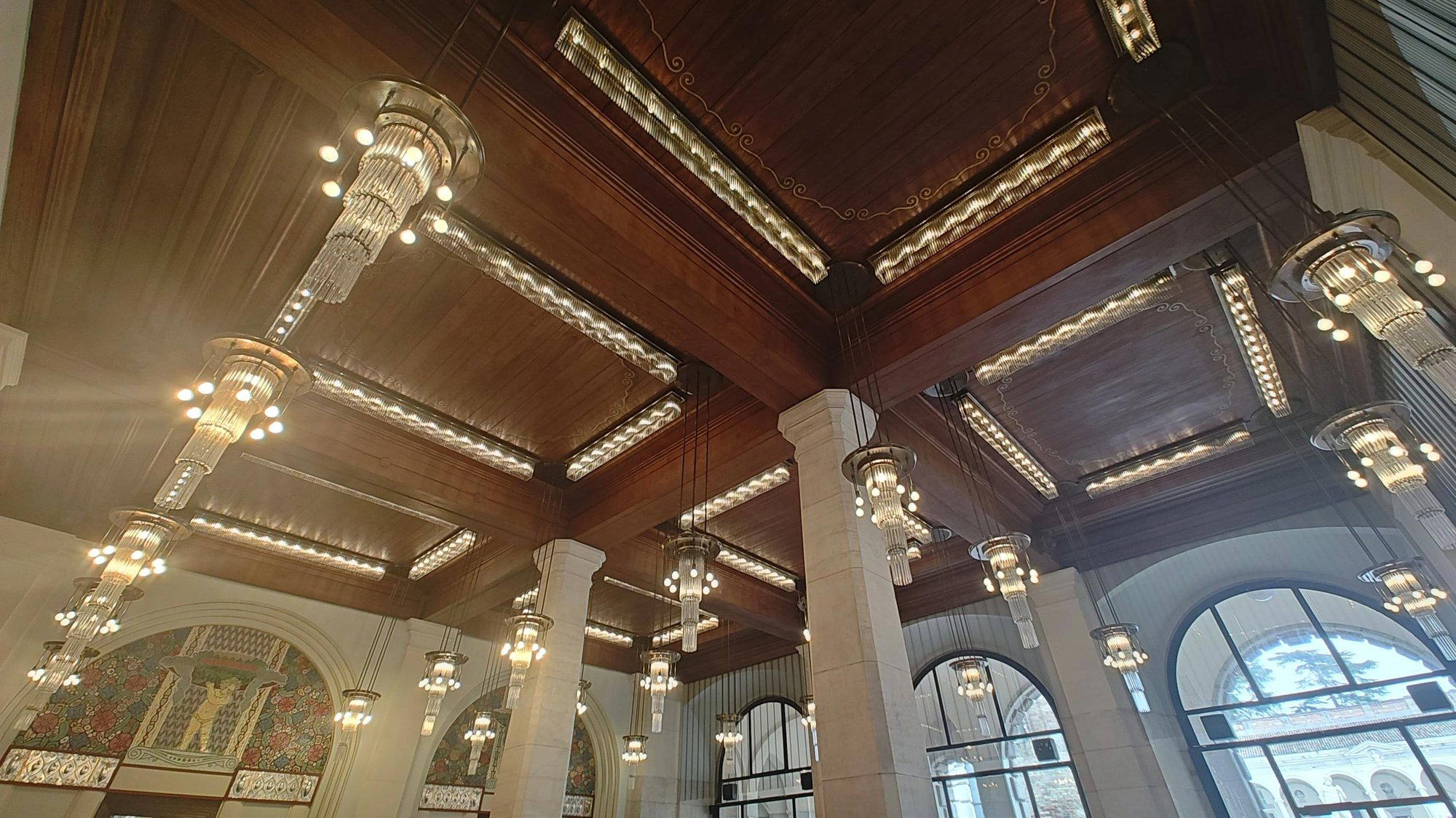
Hotels in Marano Lagunare
Browse all →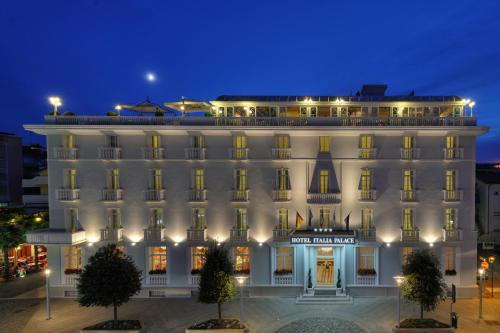
Details
- Rustic
- Cozy
- Family
- Casual Hangout
- Waterfront
- Local Sourcing
- Waterfront
- A La Carte
- Vegetarian Friendly
- Gluten Free Options
Current opening hours
- Monday
- Closed
- Tuesday
- Closed
- Wednesday
- 11:30 AM–3:30 PM, 6:30–10 PM
- Thursday
- 11 AM–3 PM, 6:30–10 PM
- Friday
- 11:30 AM–3:30 PM, 6:30–11 PM
- Saturday
- 9 AM–5 PM, 6:30–11 PM
- Sunday
- 11:30 AM–3:30 PM, 6:30–10:30 PM
Hours can change for holidays and private events. Last verified .
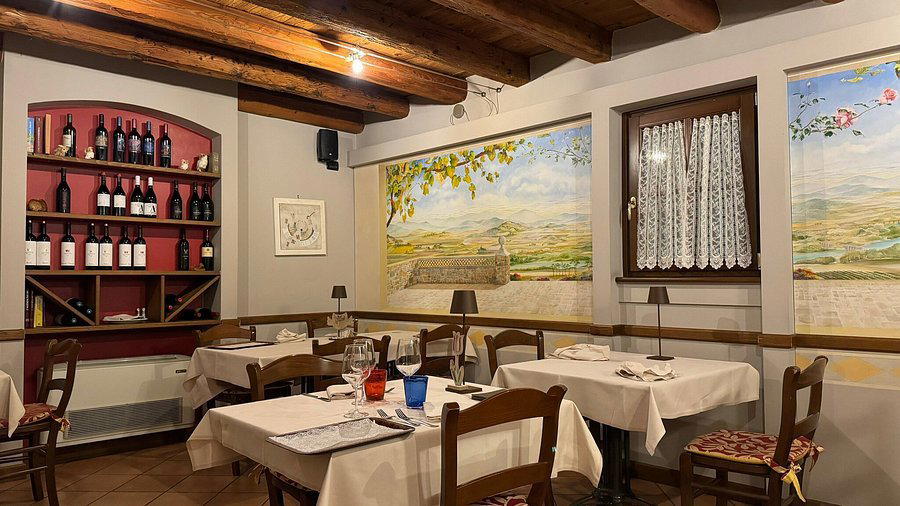
Simple atmosphere with a warm and friendly welcome.