Our verdict
It operates at the opposite end of the spectrum from the city's Michelin-chasing tasting-menu rooms, offering a format where the food is measurable in bites, the price in cents, and the ritual in decades. For anyone mapping Vienna's food culture beyond the fine-dining tier, it is an essential reference point.

Pearl is the En Primeur Club membership app, where members save venues, book tables and use the concierge.

The menu
What to order
- Bacon and egg
- Egg salad
- Smoked salmon
- Salami
A Century of the Same Idea, Done Right
Vienna has a long tradition of eating institutions that resist reinvention. The house has been producing small, open-faced rye bread spreads since the early twentieth century, and the format has not shifted meaningfully since. In a city where the fine-dining conversation is dominated by tasting menus at places like Steirereck im Stadtpark and Amador, Trzesniewski occupies a completely different register: small portions, fast service, no reservations, minimal theatre. The longevity of the format is itself the argument for visiting.
The spreads, known locally as Brötchen or aufstrich, are assembled on finger-length pieces of dark rye bread. The selection rotates across fish-based, egg-based, and vegetable-based options. Each piece is eaten in one or two bites. The format encourages sampling across several varieties rather than committing to a single plate, which is how most regulars approach it.
The Sustainability Case for the Small-Format Model
Trzesniewski's format has an environmental logic that more expensive restaurants are now working hard to approximate. The spread-based model generates minimal food waste by design: portions are small and precise, bread is used in full slices cut to specification, and the ingredient list for each spread is short enough that over-ordering is structurally difficult. No elaborate plating, no garnish surplus, no half-consumed sharing plates. The kitchen produces to order and keeps the menu tight.
This is not a venue marketing itself on sustainability credentials, and it would be a mistake to frame it that way. The efficiency is structural, a product of a century-old format developed for economy rather than environmental principle. But the outcome aligns closely with what contemporary food ethics now call nose-to-tail or zero-waste thinking. Kitchens at the higher end of the Vienna market, including operations like Mraz & Sohn and Konstantin Filippou, invest considerable effort and expense in designing around waste. Trzesniewski achieves a similar result through sheer format discipline.
The sourcing philosophy, insofar as it can be inferred from the menu's composition, favours local and regional ingredients. Central European rye bread culture is inherently tied to regional grain production. It is the kind of embedded localism that policy documents now advocate for and that established institutions have simply always practised without announcement.
Where Trzesniewski Sits in Vienna's Eating Hierarchy
Vienna's restaurant scene spans an unusually wide range. At the apex, you have the multi-course tasting format, priced at €€€€ and above, represented by venues like Steirereck im Stadtpark, Amador, and Doubek. These kitchens operate with large brigade teams, extended prep times, and significant ingredient budgets. Below that tier sits a middle layer of modern Viennese bistros and neighbourhood restaurants. And then there is what Trzesniewski represents: the working institution, unchanged in format, priced for daily use, and structured to move quickly.
The spread-and-rye format has international analogues. The Danish smørrebrød counter operates on similar principles of small open-faced portions with defined toppings. The Basque pintxo bar uses bread as a vehicle for precision bites. The difference is that Trzesniewski has been doing this in the same city, with the same format, long enough that it has become a civic reference point rather than a trend. For visitors oriented toward destination dining at the level of Le Bernardin in New York or Atomix, a stop at Trzesniewski offers useful contrast: what does a city's food culture look like when you strip out ambition and price and leave only tradition? Döllerer in Golling an der Salzach, Ikarus in Salzburg, and Obauer in Werfen all represent the country's creative cooking at a high level, as do Alpine destinations like Griggeler Stuba in Lech, Gourmetrestaurant Tannenhof in Sankt Anton am Arlberg, and Schwarzer Adler in Hall in Tirol. Further afield, Kräuterreich by Vitus Winkler in Sankt Veit im Pongau, Landhaus Bacher in Mautern an der Donau, Ois in Neufelden, and Restaurant 141 by Joachim Jaud in Mieming round out the country's serious dining geography. Trzesniewski is the counterpoint to all of it: the institution that makes no argument for itself beyond continuity.
Planning Your Visit
Trzesniewski operates as a counter-service venue. There are no reservations and no tasting menus. The experience is self-directed: you select spreads from the display, pay per piece, and eat standing or at a small counter. Morning and midday are the natural fit, when the rye bread tradition aligns with the rhythms of a Viennese workday.)
For a broader map of where Trzesniewski sits within Vienna's eating culture, the EP Club Vienna restaurants guide covers the full range from counter institutions to Michelin-level tasting rooms.
Frequently asked questions
What is Trzesniewski known for?
What's the must-try dish at Trzesniewski?
How far ahead should I plan for Trzesniewski?
Is Trzesniewski suitable for visitors with dietary restrictions?
Reputation Context
Comparable venues nearby, for context on price, style, and recognition.
| Venue | Cuisine | Price | Notes |
|---|---|---|---|
| TrzesniewskiThis venue (the venue you are viewing) | Viennese Open Sandwiches | $1–10 | Not listed |
| Željo | Bosnian Balkan Grill & Burek | $10–20 | Favoriten |
| Superfood Deli 1060 | Organic Superfood Bowls | $10–20 | Mariahilf |
| Wolfseck | Traditional Viennese | Not listed | Schwarzlacken Ausiedlung |
| Nobilis | Modern Austrian Fine Dining | $100–150 | Wien-Mitte |
| Topf & Deckel | Healthy Seasonal Cantina | $10–20 | Stephansdom |
Continue exploring
More in Vienna
Restaurants in Vienna
All restaurants in Vienna →
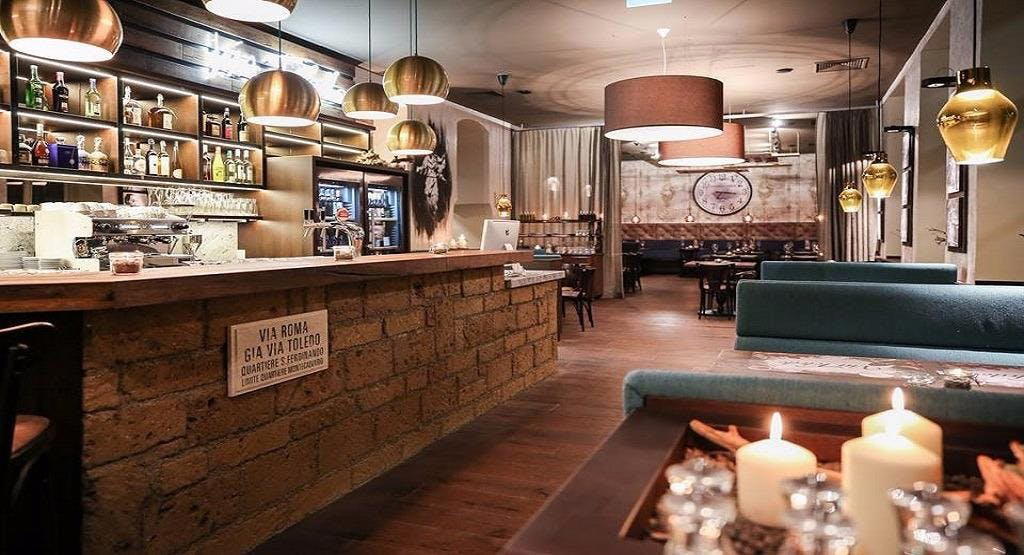
Bars in Vienna
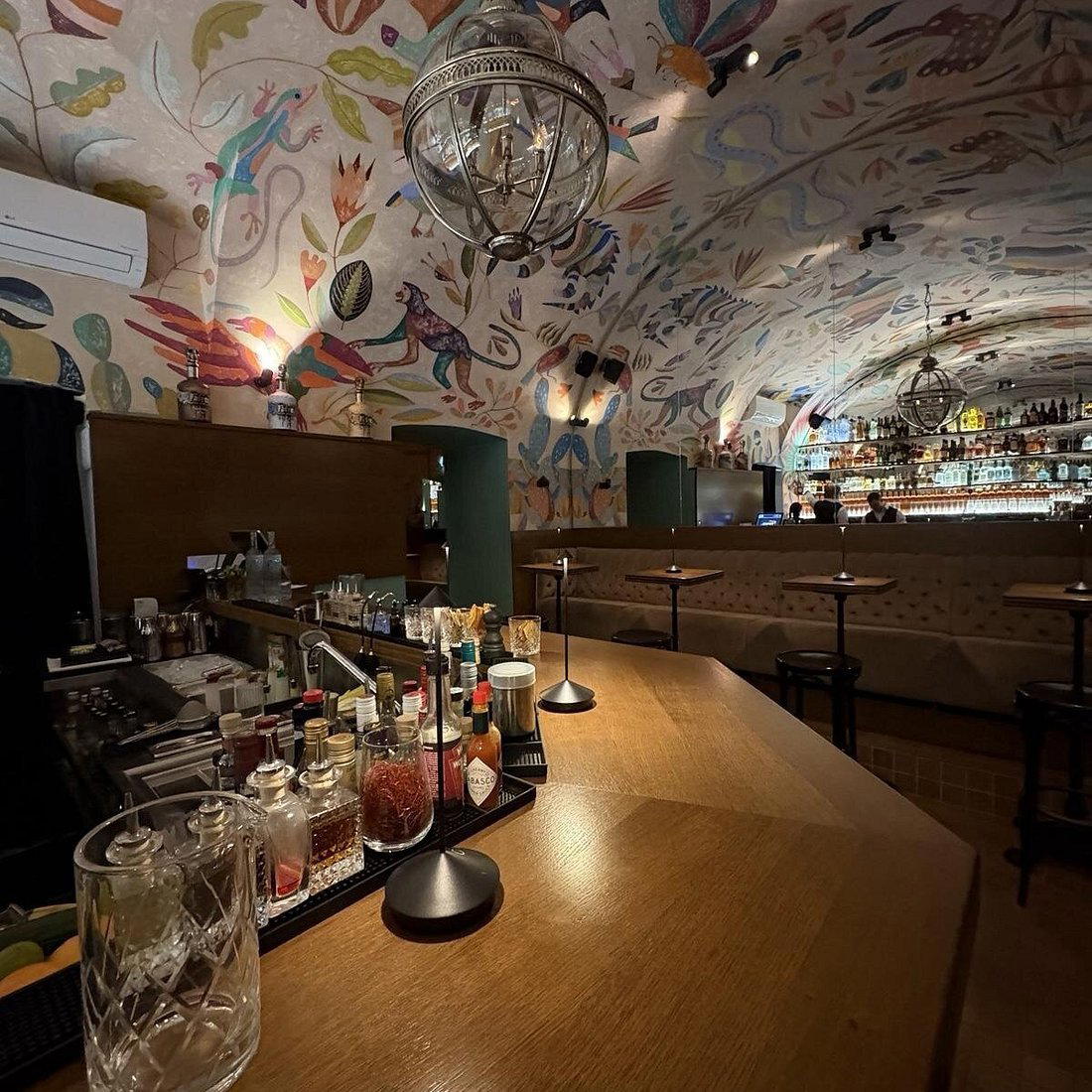
All bars in Vienna →
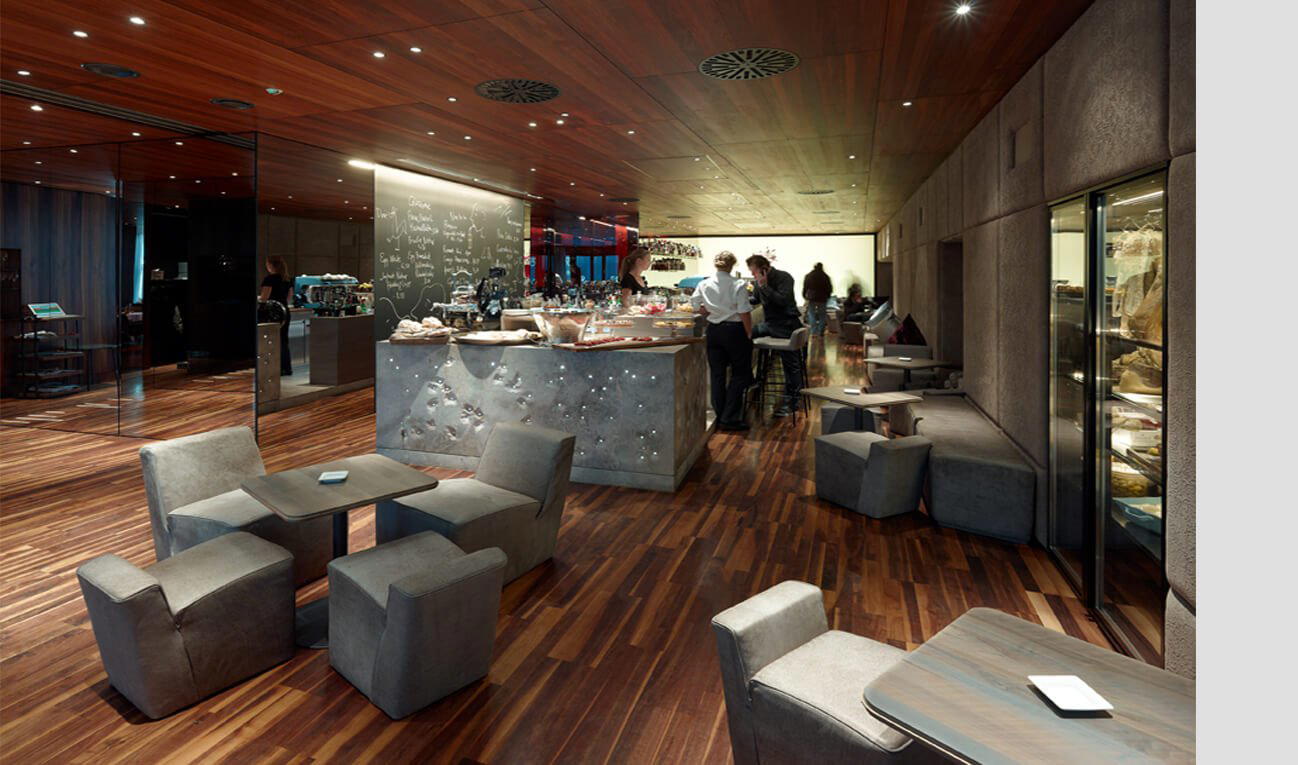
Hotels in Vienna
All hotels in Vienna →
Details
- Classic
- Well Known
- Cozy
- Casual Hangout
- Solo
- Historic Building
- Beer Program
- Small Plates
- A La Carte
- Beer
- Vegetarian Friendly
- Vegan Options
Current opening hours
- Monday
- 8:30 AM–7 PM
- Tuesday
- 8:30 AM–7 PM
- Wednesday
- 8:30 AM–7 PM
- Thursday
- 8:30 AM–7 PM
- Friday
- 8:30 AM–7 PM
- Saturday
- 9 AM–5 PM
- Sunday
- Closed
Hours can change for holidays and private events. Hours as of .
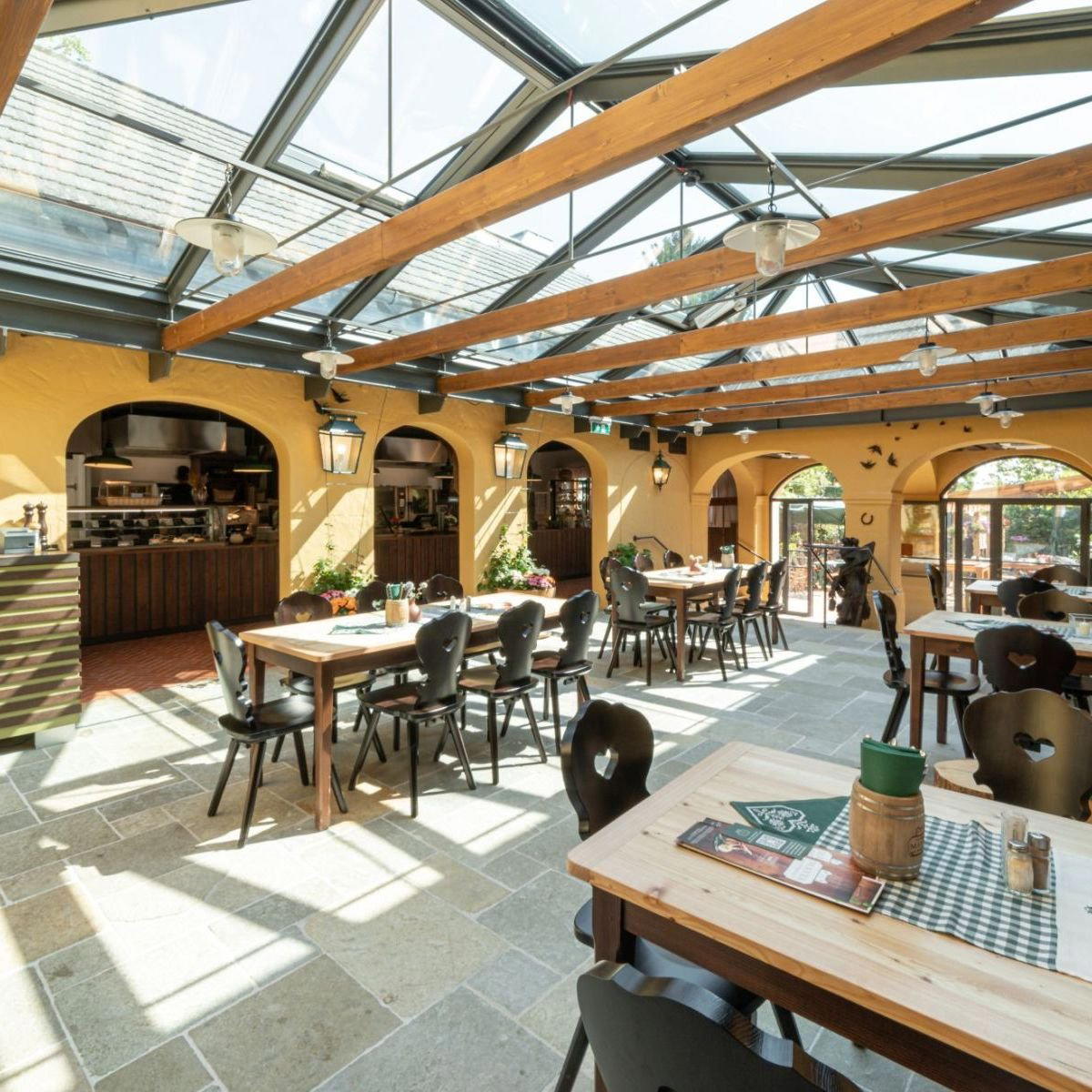
Casual and busy atmosphere with standing tables and limited seating, evoking a classic, no-frills snack bar vibe.