On Mariahilfer Straße, Vienna's busiest shopping corridor, Superfood Deli 1060 takes a position that most cafes on that strip ignore: ingredient sourcing as the operating logic rather than the afterthought. The format sits closer to the European health-conscious deli tradition than to Vienna's classic Kaffeehaus culture, offering a daytime counter with produce-forward eating in a district better known for retail than refined food.
Pearl is the En Primeur Club membership app — saves, bookings, and concierge access live there. Same editors, same standards.
- Address
- Mariahilfer Straße, Raimundhof 45/17-19, 1060 Wien, Austria
- Phone
- +43 1 9543193
- Website
- superfooddeli.at
- Directions
- Get directions
 Saves & bookings on Pearl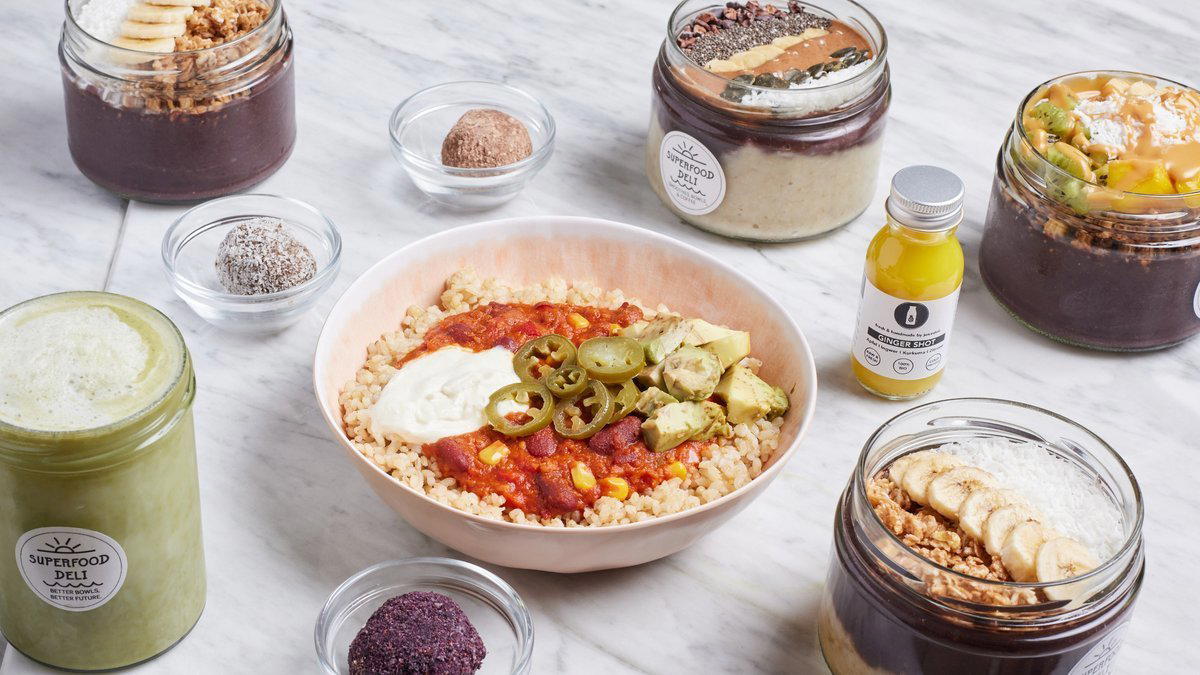
Mariahilfer Straße and the Slow Rise of Ingredient-Led Eating in Vienna
Superfood Deli 1060 is a casual restaurant in Vienna's sixth district, serving Organic Superfood Bowls at a price around $10 per person. Vienna's sixth district has long been defined by movement rather than destination dining. Mariahilfer Straße pulls some of the highest foot traffic of any street in the country, and the food operations along it have historically served that transience: fast, functional, forgettable. What has shifted in recent years, across European cities with similarly commercial high streets, is the arrival of counter formats that treat sourcing as their primary editorial statement. These are not fine-dining adjacents; they sit in a different register entirely, one where the quality signal comes from the produce itself rather than from technique, plating, or room design. Superfood Deli 1060, addressed inside the Raimundhof at Mariahilfer Straße 45/17-19, occupies exactly that position in Vienna's sixth district.
The broader European context matters here. Cities like Amsterdam, Copenhagen, and Berlin developed a cohort of ingredient-focused delis and lunch counters well before Vienna's café culture showed much appetite for the format. Vienna's dominant food identity remains anchored in the Kaffeehaus tradition and in a fine-dining scene that runs from the creative tasting menus at Steirereck im Stadtpark through the modern European precision of Konstantin Filippou and the inventive cooking at Amador. The mid-tier, ingredient-led daytime counter has been slower to establish itself, which gives the format that Superfood Deli 1060 represents more room than the same concept would have in London or Berlin.
What Ingredient Sourcing Means in a Deli Context
The term "superfood" carries significant marketing baggage, and it is worth separating the label from what the sourcing-forward deli format actually delivers at its most disciplined. In the European deli tradition that this format draws from, the operating assumption is that seasonal, often organic or biodynamically farmed produce should drive the menu rather than follow it. Menus at this type of operation shift with supply, pricing reflects the actual cost of quality inputs, and the kitchen vocabulary tends toward assemblies that let produce speak without heavy intervention.
Austria has the agricultural foundation to support this approach credibly. The country's organic farming sector is among the largest per capita in the European Union, and the supply chains connecting Vienna to Burgenland, Lower Austria, and Styria for vegetables, grains, and dairy are well-established. Operations like Taubenkobel in Schützen am Gebirge and herb-intensive kitchens like Kräuterreich by Vitus Winkler have demonstrated, at the fine-dining end of the spectrum, how deeply Austria's regional producers can anchor a restaurant's identity. The deli format extends that logic to a more accessible price point and a more casual transaction.
The Raimundhof Setting and What It Signals
The Raimundhof is a courtyard complex set back from Mariahilfer Straße's main retail frontage, a building type that appears at intervals along the street and tends to house a different commercial register than the street-facing shops. Addresses inside these courtyards attract tenants who rely less on walk-in impulse traffic and more on a returning clientele that knows where it is going. For a deli operating on a sourcing-first model, where the offer changes with what is available and the product is not designed for speed-of-service mass throughput, a courtyard position makes structural sense. It filters for the kind of visitor who is making a deliberate choice rather than a convenience decision.
This contrasts with the more theatrical fine-dining addresses in Vienna's first district and along the Ringstraße corridor. Operations like Mraz & Sohn and Doubek are built around evening service and reservation architecture. The sixth district deli operates in the opposite rhythm: daytime, lighter transaction, lower barriers to entry, higher reliance on product quality as the primary retention mechanism.
Vienna in a Broader Austrian Food Context
Understanding where a format like this sits requires some sense of how Austria's food geography is structured. The country's most celebrated kitchens are often outside Vienna: Döllerer in Golling an der Salzach works with alpine ingredients; Obauer in Werfen has built decades of reputation on regional produce; Landhaus Bacher in Mautern an der Donau draws directly on the Wachau's horticultural output. In the Alpine west, addresses like Gourmetrestaurant Tannenhof in Sankt Anton am Arlberg, Stüva in Ischgl, and Schwarzer Adler in Hall in Tirol ground their menus in hyper-local alpine sourcing as a matter of geography as much as philosophy. Even at the northern fringe, Ois in Neufelden and Restaurant 141 by Joachim Jaud in Mieming operate with strong regional-produce commitments.
Vienna, as a capital city, sits at the receiving end of those supply networks. The question for any ingredient-forward operation in the city is whether it can maintain sourcing discipline at a price point and throughput that works commercially. In cities where this format is well-established, such as the farm-to-counter operations that have become standard in parts of San Francisco (see Lazy Bear as a point of comparison for the broader commitment to sourcing-led concepts in that market) or the produce-driven format that underpins serious New York operations like Le Bernardin at the fine-dining end, the credibility of ingredient claims depends entirely on supply chain specificity and consistency.
Planning a Visit: What to Know
The restaurant is located at Mariahilfer Straße, Raimundhof 45/17-19 in Vienna's sixth district. The address inside the Raimundhof courtyard means the entrance is set back from the main street; first-time visitors should look for the courtyard passage rather than a street-level shopfront. Given the format, this operates as a daytime operation rather than an evening destination, and the sixth district's position along the U3 and U6 lines makes it direct to reach from most of Vienna's central districts.
City Peers
Comparable venues nearby, for context on price, style, and recognition.
| Venue | Cuisine | Price | Notes |
|---|---|---|---|
| Superfood Deli 1060This venue — the venue you are viewing | Organic Superfood Bowls | $ | Not listed |
| Wolfseck | Traditional Viennese | $ | Schwarzlacken Ausiedlung |
| Erbsenzählerei | Organic Vegetarian Café | $$ | Margareten |
| Augora Fermente | Fermentation-Focused Contemporary | $$ | Mariahilf |
| Galaxie | Balkan Grill | $$ | Neubau |
| Promise | Authentic Austrian | $$ | Franz Josefs Bahnhof |
Continue exploring
More in Vienna
Restaurants in Vienna
Browse all →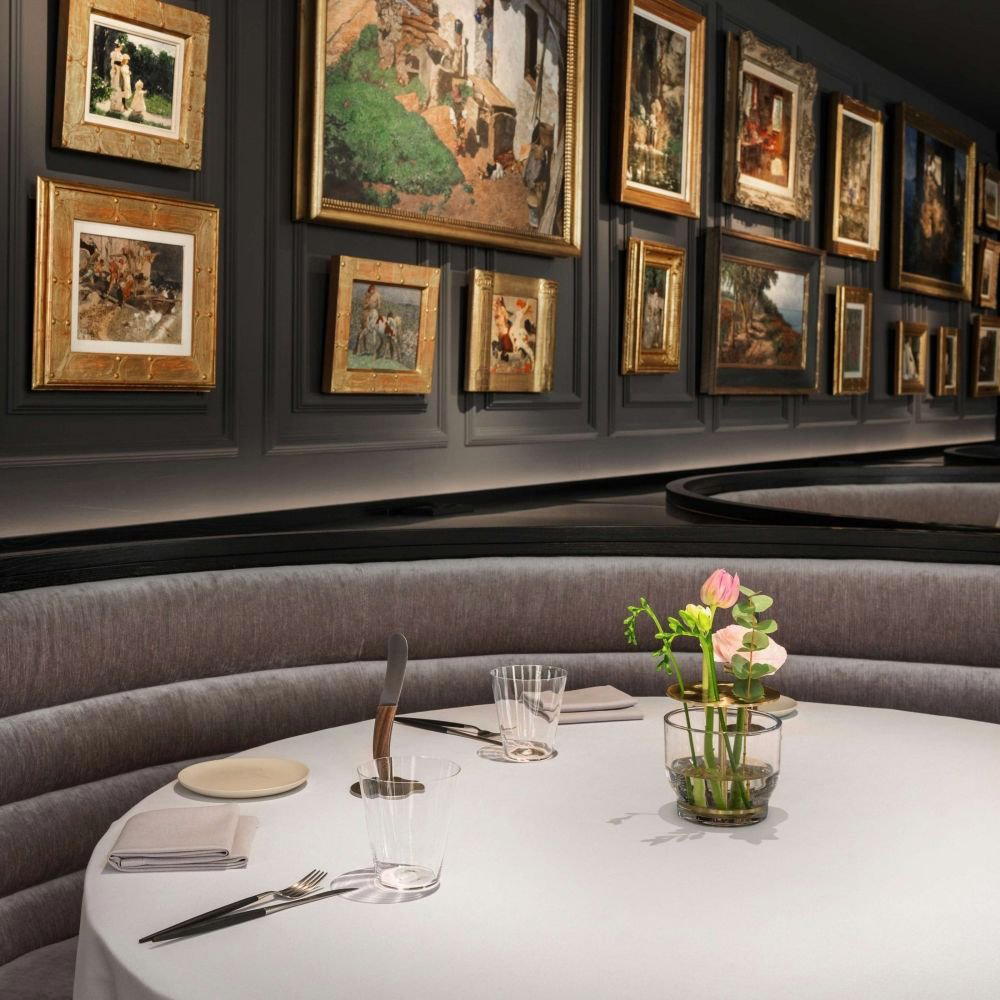
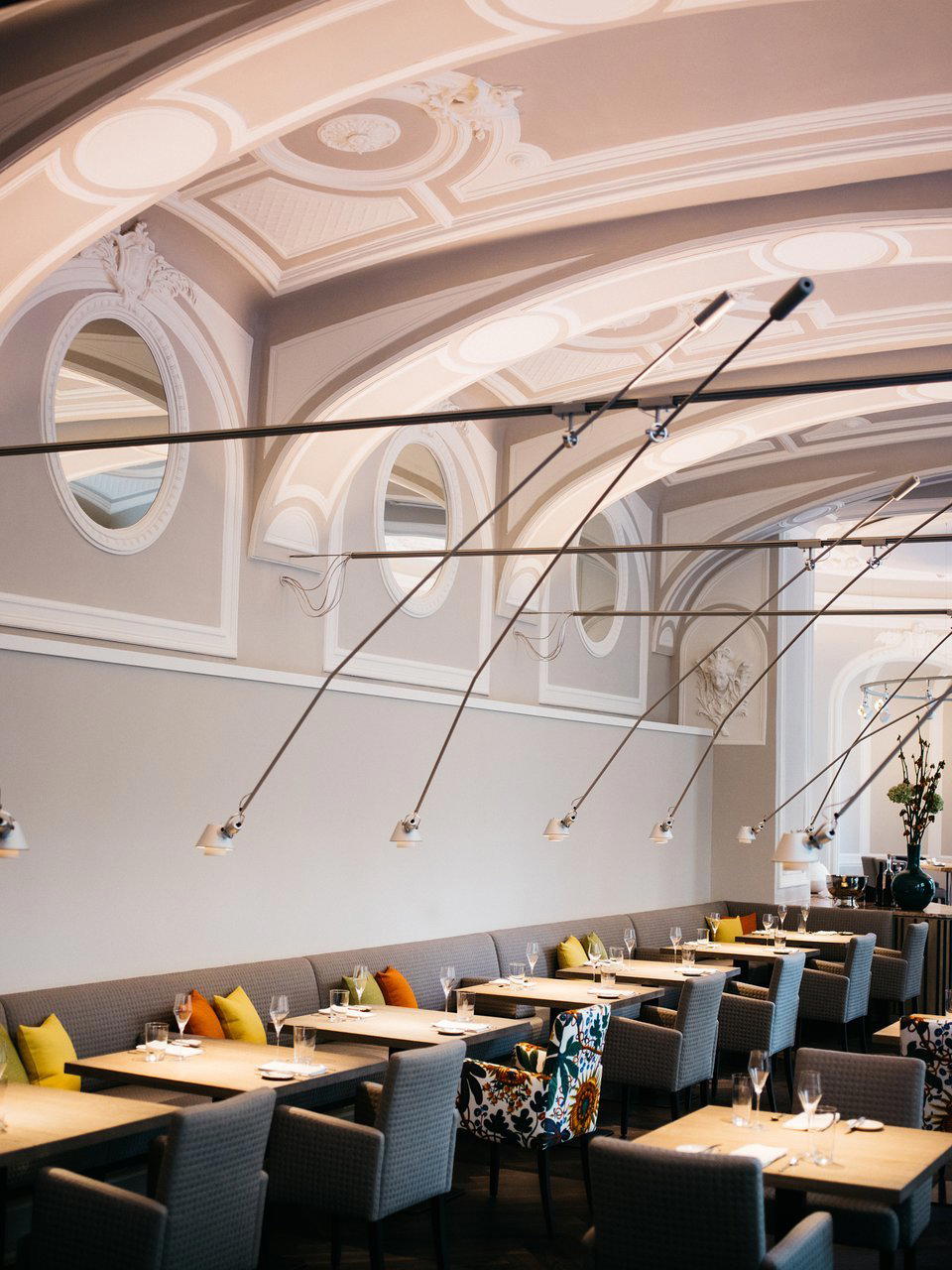
![[aend] restaurant in Vienna](https://cdn.enprimeurclub.com/storage/v1/object/public/images/locations/recsVyRkMfzCxPmp0/hero2.jpg?width=3840&quality=75)
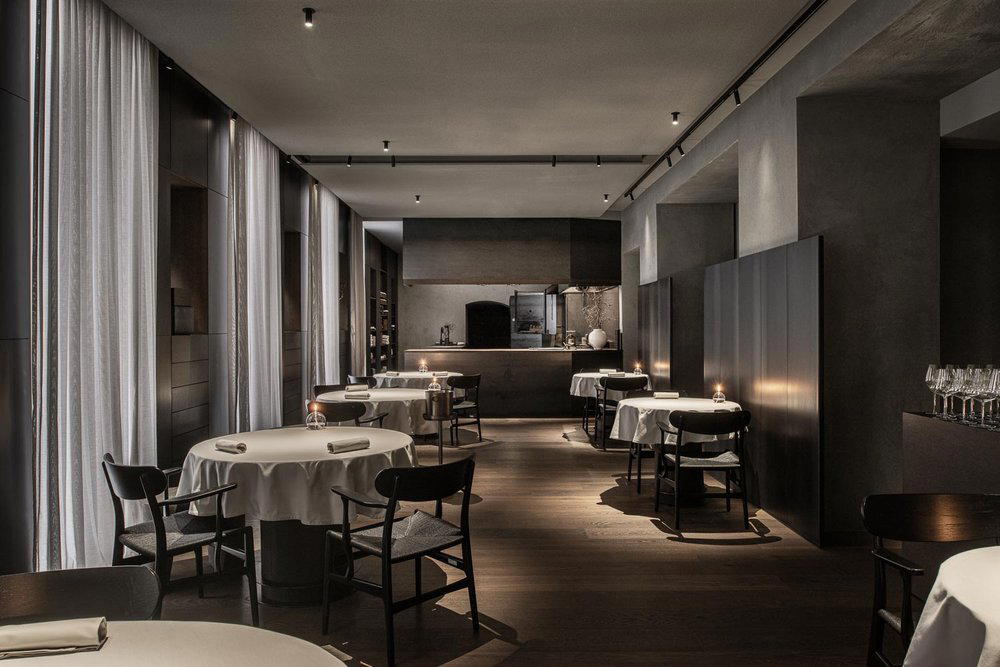
Bars in Vienna
Browse all →

Hotels in Vienna
Browse all →
At a Glance
- Modern
- Trendy
- Casual Hangout
- Brunch
- Organic
Current opening hours
- Monday
- 7 AM–8 PM
- Tuesday
- 7 AM–8 PM
- Wednesday
- 7 AM–8 PM
- Thursday
- 7 AM–8 PM
- Friday
- 7 AM–8 PM
- Saturday
- 9 AM–7 PM
- Sunday
- 9 AM–7 PM
Hours can change for holidays and private events. Last verified .
Bright, casual atmosphere with outdoor seating in a charming courtyard, offering healthy island vibes.