Our verdict
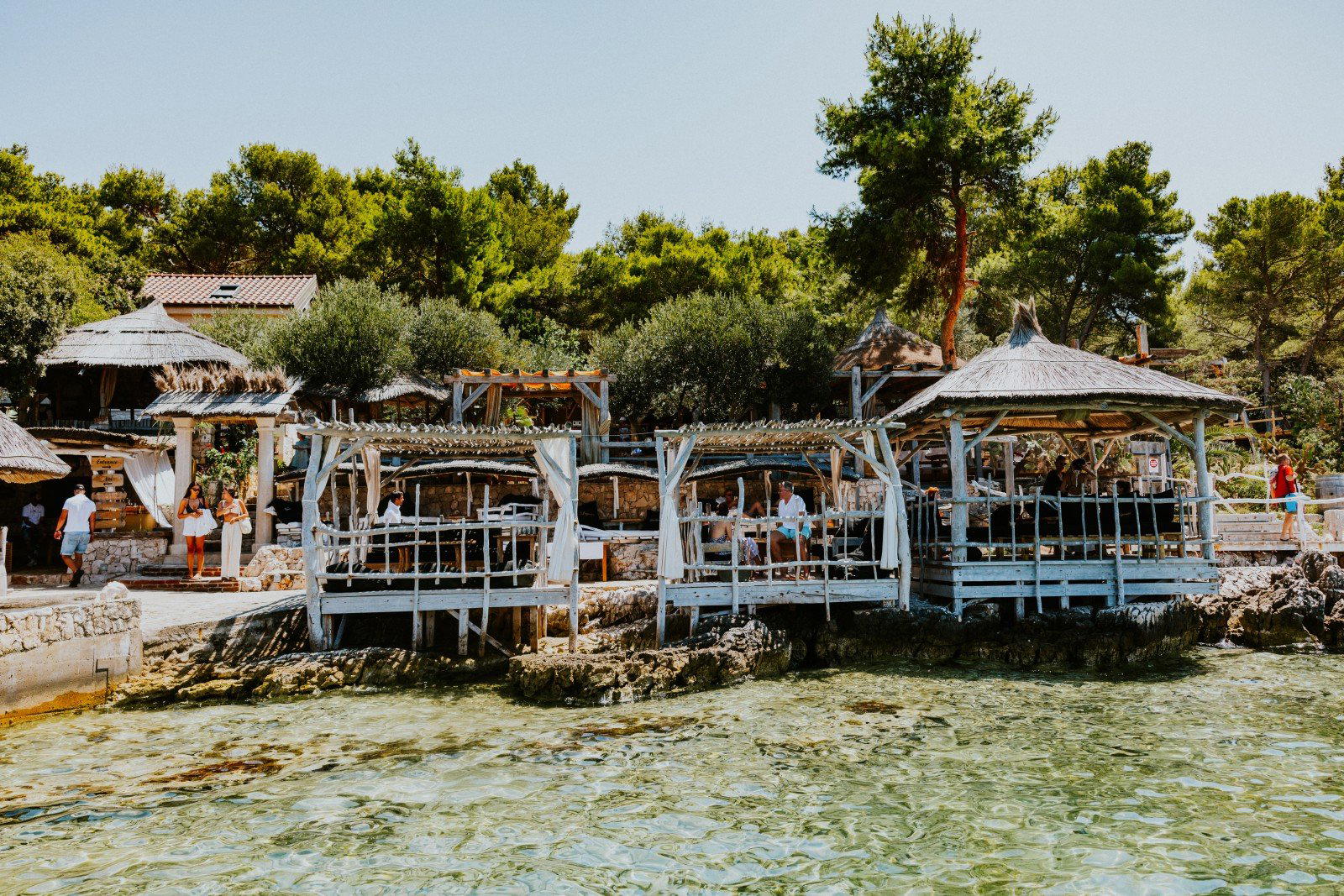
On the coastal fringe of Split's Trstenik neighbourhood, TRITON sits where the Adriatic dining tradition meets a quieter, residential stretch of the city. Away from the Old Town crush, it draws a local crowd that returns for seafood rooted in Dalmatian technique rather than tourist expectation. For visitors willing to travel a few minutes from the Diocletian's Palace circuit, that distinction matters.

Pearl is the En Primeur Club membership app, where members save venues, book tables and use the concierge.

The Address Tells You Something
Split's dining scene divides along a fault line that most visitors never notice. On one side sits the Old Town circuit, the restaurants within and immediately around Diocletian's Palace that absorb the majority of tourist traffic and price accordingly. On the other sits a looser ring of neighbourhood addresses that serve a predominantly local clientele, operate on different rhythms, and measure themselves against resident expectation rather than passing footfall. TRITON, addressed at Put Trstenika 19 in the Trstenik district, belongs to the second category. That placement is not incidental, it shapes everything about what the experience is and who it is for.
Trstenik is a residential stretch of Split's western coastline, a few kilometres from the compressed energy of the Riva and the Palace. The neighbourhood has a marina, a beach, and the kind of quiet that central Split does not offer. Restaurants here are not competing for the attention of cruise passengers or first-night arrivals; they compete for the loyalty of the people who live nearby. That competitive pressure tends to produce a different kind of consistency than tourist-belt operations require.
Dalmatian Seafood in Its Proper Context
Croatia's Adriatic coastline has one of the clearest culinary identities of any European coast. The tradition runs through simply prepared fish, grilled, baked, or prepared na gradele, local shellfish, house-made pastas with seafood sauces, and a measured use of olive oil, garlic, and herbs that the region grows well. The technique is not elaborate by design; it is spare because the ingredients demand relatively little intervention. What distinguishes a serious Dalmatian seafood address from a functional one is sourcing discipline and timing: fish that arrived that morning cooked by someone who understands what to leave alone.
This is the tradition within which a coastal address like TRITON operates. Split sits at the centre of a stretch of coastline that runs from Pelegrini in Sibenik to the north down through Dalmatia to Restaurant 360 in Dubrovnik to the south, a corridor that contains some of Croatia's most credentialled dining. The island options extend the range further: LD Restaurant in Korčula and BioMania Bistro Bol in Bol sit within ferry distance. Against this broader Adriatic dining geography, Split's neighbourhood restaurants occupy a distinct and genuinely useful tier: less formal, less expensive, and often more representative of how the city actually eats.
Within Split itself, the comparison set is instructive. Krug operates at the upper end of Mediterranean cuisine in the city, while Adriatic and Bistro Noir represent different points on the style and price spectrum. Bajamonti POP and Bokamorra skew toward a younger, more casual register. A coastal neighbourhood address like TRITON sits in a different conversation altogether, one measured by proximity to the water, local repeat trade, and fidelity to Dalmatian convention rather than innovation for its own sake.
The Wider Croatian Fine Dining Frame
Understanding where TRITON sits within Split also means understanding the range of ambition that Croatian dining now spans. At the top of that range, addresses like Agli Amici Rovinj in Rovinj and Nebo by Deni Srdoč in Rijeka operate in a contemporary European register with tasting menu formats and national recognition. Boskinac in Novalja on Pag Island combines estate wine production with serious regional cooking. Alfred Keller in Mali Lošinj and Dubravkin Put in Zagreb represent the inland and island ends of Croatian cooking ambition. Korak in Jastrebarsko anchors a slower, rural register.
None of those references are direct competitors to a Trstenik neighbourhood restaurant. They are context. Croatia's dining range now runs from destination tasting menus to local konoba tables, and the most useful way to read any individual address is to locate it honestly within that range rather than pitch it against inappropriate peers. A coastal neighbourhood restaurant in Split is doing something specific and valuable; it does not need to be something it is not.
Approaching the Visit
The Trstenik area is accessible from the city centre by taxi or a short drive along the coastal road. The neighbourhood itself is calm relative to Split's tourist core, particularly outside the summer peak of July and August, when the Palace district operates at a different intensity entirely. Visitors staying near the Old Town who make the deliberate effort to reach a restaurant like TRITON are, in a small way, opting into how residents experience the city rather than how the tourist infrastructure frames it. That shift in orientation tends to affect the experience in ways that are difficult to manufacture closer to the centre.
Croatia's coastal dining season runs roughly from April through October, with summer representing peak demand along the entire Adriatic corridor. Contacting the restaurant directly to confirm current hours and reservation options is advisable before visiting, particularly in shoulder months when coastal operations adjust schedules.
For a broader orientation to what Split's restaurants offer across price points and styles, the EP Club Split restaurants guide maps the full range. For reference points further afield in the premium coastal dining category, Le Bernardin in New York City represents how serious seafood-focused cooking is positioned globally, and Atomix in New York City shows what tightly controlled tasting formats achieve at the top end of the market, useful calibration for understanding what the Dalmatian tradition is doing differently and why that difference has its own logic.
What to Know Before You Go
What do regulars order at TRITON?
Regulars at a Dalmatian coastal restaurant of this type typically anchor their orders in the fresh catch of the day, grilled whole fish, shellfish, and pasta with seafood sauces are the bedrock of this tradition. Supplement that with a local white wine, and the order largely makes itself.
Do they take walk-ins at TRITON?
Neighbourhood restaurants in Split's residential areas generally have more walk-in availability than city-centre addresses during the main summer season, but this varies by day and month. If you are visiting in July or August, making contact in advance is sensible regardless of how casual the format appears. Checking directly before your visit remains the reliable course.
What is TRITON leading at?
A coastal address in the Trstenik neighbourhood, positioned to serve a local Dalmatian clientele, earns its reputation through consistency with the regional seafood tradition rather than technical ambition. The strength of a restaurant in this tier is typically in the freshness of the catch, the quality of the olive oil, and the discipline not to over-complicate what the Adriatic already does well. TRITON's Put Trstenika address places it directly within that tradition, which is its most credible credential.
Is TRITON allergy-friendly?
Dalmatian cooking relies heavily on seafood, shellfish, and wheat-based pasta, which means guests managing allergies in any of those categories should communicate requirements directly with the restaurant before arriving. Contact the restaurant through local search listings or on arrival for the most accurate current information. Guests with severe shellfish or fish allergies should verify their options carefully given the regional cooking tradition.
Is TRITON a good option for visitors staying outside Split's Old Town?
For visitors based in the Trstenik or western coastal areas of Split rather than near Diocletian's Palace, TRITON at Put Trstenika 19 represents a local option within the immediate neighbourhood rather than a destination requiring travel. That proximity is meaningful: accessing Dalmatian seafood cooking without returning to the tourist-concentrated centre is a different kind of convenience, and one that tends to produce a more locally oriented meal. The address serves a residential catchment first, which is typically reflected in both the atmosphere and the pricing relative to Old Town comparators.
Frequently asked questions
Where is TRITON in Split?
TRITON is located at Put Trstenika 19, 21000, Split, Croatia, Split.
Is TRITON worth visiting if you're staying in the Trstenik area of Split rather than near Diocletian's Palace?
For guests based in Split's western coastal stretch rather than the Old Town, TRITON at Put Trstenika 19 removes the need to travel into the tourist-heavy centre for a seafood dinner. The Trstenik neighbourhood sits along the coastal road and is accessible by taxi or a short drive from most of Split's accommodation zones. A restaurant serving a residential local clientele in this part of the city operates under different pressures than Old Town venues, which tends to show in the pace and character of service.
What do regulars order at TRITON?
At a Dalmatian coastal address like TRITON on Put Trstenika, the order that returns visit after visit is the fresh catch of the day, typically grilled whole fish, local shellfish, or simply dressed seafood with olive oil and herbs. The Adriatic tradition here is not elaborate: the sourcing and preparation of the catch is what the kitchen is judged by. Pasta with seafood sauces is a common second order for tables staying longer.
Do they take walk-ins at TRITON?
TRITON sits in the Trstenik neighbourhood at Put Trstenika 19, which is calmer than Split's Old Town circuit and generally carries less walk-in pressure during shoulder season. In peak July and August, Croatian coastal restaurants at residential addresses can fill quickly with a mix of returning locals and visitors staying in that part of the city. Arriving early or calling ahead is sensible in summer, though no booking policy is publicly documented for TRITON.
What's TRITON best at?
TRITON's position on the Trstenik waterfront in Split points toward the core of Dalmatian cooking: straightforward, well-sourced Adriatic seafood prepared without excess. Restaurants earning a local clientele in residential Split neighbourhoods do so through consistency rather than spectacle, and that is the standard by which a place at this address earns its regulars. The coastal setting reinforces an expectation of fresh fish over creative cuisine.
Is TRITON allergy-friendly?
Dalmatian cooking at a seafood-focused restaurant in Split centres on fish, shellfish, and wheat-based pasta, which means guests managing allergies in any of those categories should communicate clearly when ordering. No allergy or dietary menu information is publicly documented for TRITON specifically. Guests with shellfish or gluten concerns should confirm dish-by-dish with staff, as cross-contact is common in traditional Adriatic kitchens.
Cuisine and Recognition
Comparable venues nearby, for context on price, style, and recognition.
| Venue | Cuisine | Price | Notes |
|---|---|---|---|
| TRITONThis venue (the venue you are viewing) | Modern Dalmatian Mediterranean | Not listed | Not listed |
| Konoba Laganini | Modern Dalmatian Seafood | $50–100 | Diocletian's Palace |
| Štorija | Modern Dalmatian Fine Dining | $50–100 | Old Town |
| Corto Maltese | Modern Mediterranean Freestyle | $30–50 | old town |
| Restoran PERIVOJ | Modern Mediterranean | $30–50 | near Diocletian Palace |
| Konoba Matejuska | Authentic Dalmatian Seafood | $20–30 | Varoš |