
Michelin Plate
Our verdict
A Michelin Plate-recognised address on the edge of Split's residential fringe, BÒME operates from a seven-table room inside a colourful Modernist building, where owner-chef Mario runs a modern Mediterranean menu built on market-sourced ingredients, house-made bread and pasta, and cooking that treats texture and flavour balance as the primary discipline. At the €€ price point, it sits among the most serious kitchens in the city.

Pearl is the En Primeur Club membership app, where members save venues, book tables and use the concierge.
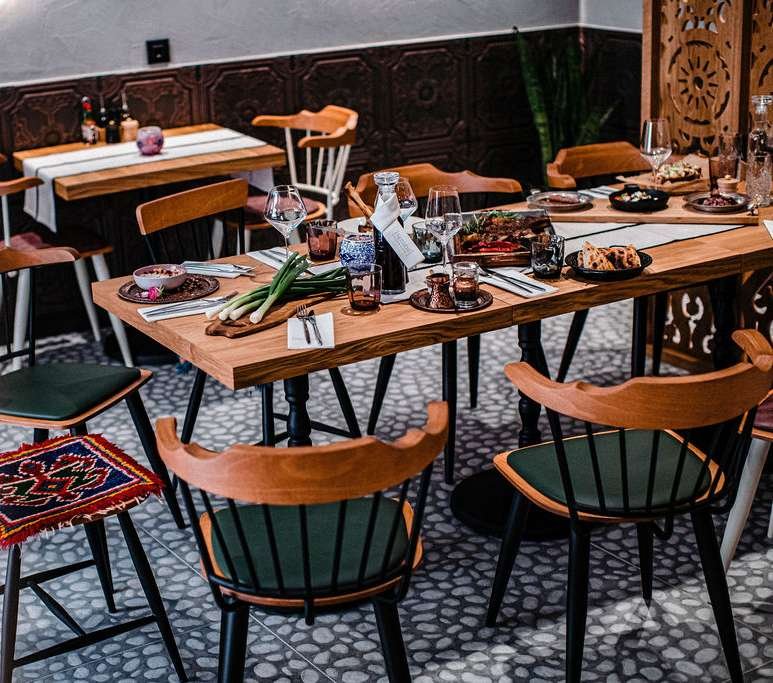
The Building That Announces Nothing
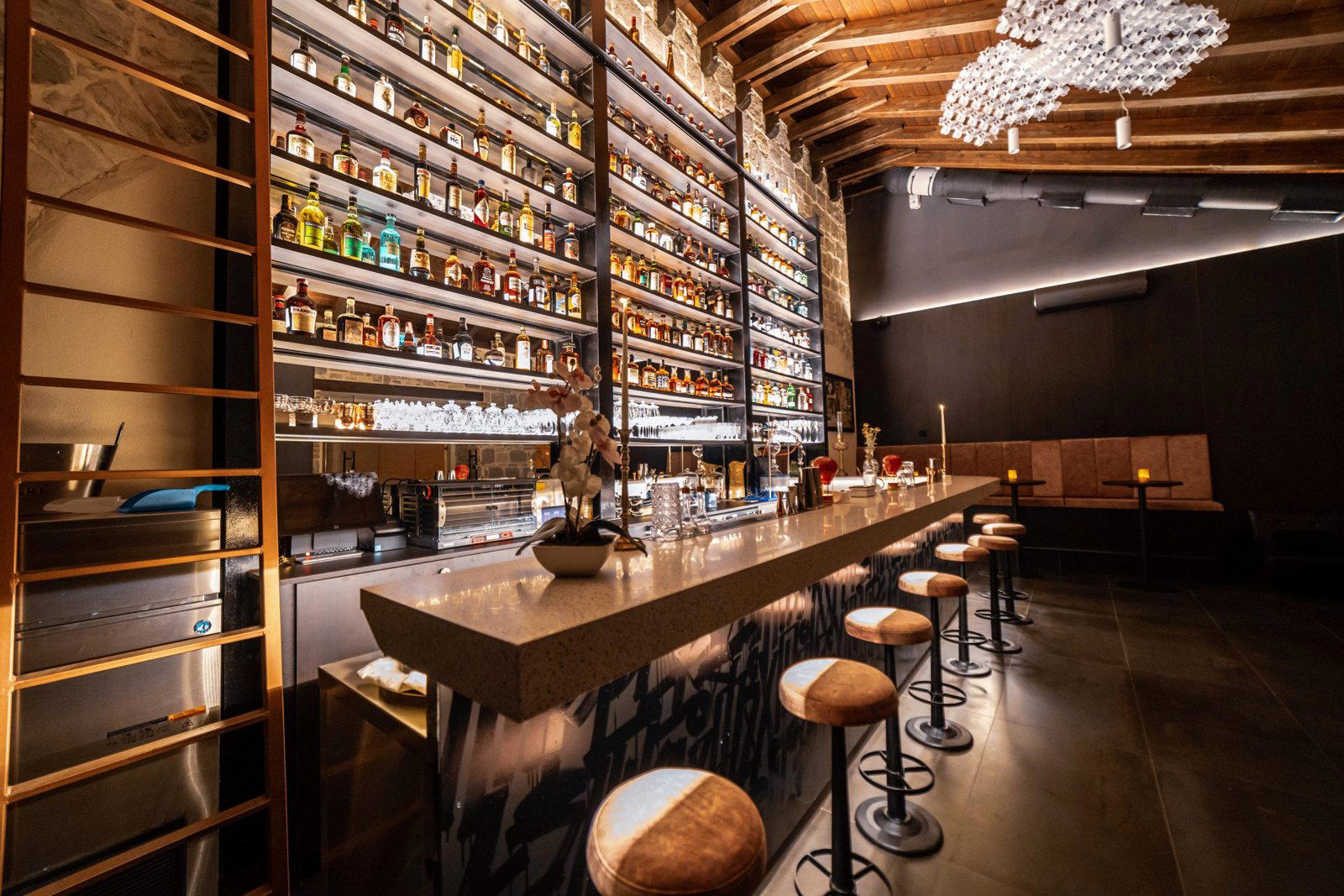
The address on Ul. Dinka Šimunovića sits in a part of Split that most visitors never reach. The exterior, a socialist-era Modernist block painted in bright, discordant colours, reads more like a municipal relic than a restaurant. That dissonance is, in retrospect, the point. Inside, the room is quiet, contemporary, and tightly edited: seven tables arranged in front of an L-shaped open kitchen, enough seats to keep the cooking personal and the service unhurried. This is a format that has become more common across the Adriatic's serious dining tier, where small-room discipline allows a single kitchen team to maintain consistency across every plate that leaves the pass.
The Olive Oil Foundation of Dalmatian Cooking
Mediterranean cuisine is, at its structural core, an argument about fat. Butter and cream are the load-bearing ingredients of northern European kitchens; in Dalmatia, the equivalent weight is carried by olive oil, cold-pressed, grassy, sometimes peppery, always present. The Dalmatian coast produces oil from varieties including Oblica and Levantinka, cultivated on terraced hillsides that have been in agricultural use since Roman settlement. What this means in practice is that a dish built on good Dalmatian oil has a depth of flavour that no amount of cream or reduction can replicate, a minerality that runs through the fat itself and into everything it touches. The leading kitchens in Split understand this not as a regional talking point but as a technical foundation.
BÒME's modern Mediterranean approach operates within that tradition. The menu at this level, Michelin Plate recognition in 2025, at an €€ price point that places it well below the starred tier occupied by Krug, is defined by how it handles base ingredients rather than how it complicates them. Flavour balance and texture are the stated priorities, which in Mediterranean terms means understanding when to add acid, when to let fat carry, and when to leave a ingredient alone. The bread and pasta are made in-house; the ingredients are sourced by the chef directly from Split's central market. That supply chain matters. Market-sourced produce in Dalmatia in season, late-summer tomatoes, early zucchini flowers, fresh fish from the quayside, is a different category of ingredient from what arrives via a regional distributor.
What the Format Signals
Seven tables is a deliberate constraint, not a limitation. At this scale, a kitchen can cook to order in a way that larger rooms cannot, and the gap between the diner and the person cooking is narrow enough that the room functions more like a counter experience than a conventional restaurant. The L-shaped kitchen visible from the dining area closes that distance further. Across Croatia's Michelin-recognised tier, from Agli Amici Rovinj in Istria to LD Restaurant in Korčula, the properties that sustain recognition over multiple cycles tend to share this characteristic: a format small enough to keep quality tightly controlled, and an ownership structure where the kitchen is not abstracted from the front of house.
BÒME fits that pattern. Owner-chef Mario runs the kitchen; his fiancée Franciska runs the room. That structure is not unusual at the €€ level, but it is increasingly rare to find it combined with Michelin-level execution at this price bracket. The 2025 Michelin Plate signals that inspectors have placed the kitchen in a tier of cooking worth tracking, even if it does not yet carry a star. In Split's dining scene, where Krug operates at €€€ with a full star, and addresses like Dvor, K.užina, and ZOI cover different registers of the Mediterranean tradition, BÒME occupies a specific niche: technically serious cooking at mid-range pricing in a room that feels removed from the tourist circuit.
Reading the Context: Split's Dining Geography
Split's restaurant geography divides roughly along two axes: proximity to the Diocletian's Palace and price tier. The addresses closest to the Palace walls operate in a high-footfall, high-margin environment where tourist volume drives the business model. The serious cooking tends to migrate outward, to Meje, to Manuš, to quieter residential streets where rents allow for smaller formats and more considered menus. BÒME's location on Ul. Dinka Šimunovića places it in that second geography. It is not a restaurant that captures passing trade.
For a broader read on where BÒME sits within the city's full dining offer, our full Split restaurants guide covers the range from traditional konoba cooking through to the starred tier. The city's bar programme is mapped in our Split bars guide, and accommodation context is in our Split hotels guide. For those interested in the Dalmatian wine tradition that underpins cooking at this level, our Split wineries guide and Split experiences guide cover producers and access points across the region.
Regional Comparison Points
Croatia's Michelin-acknowledged dining tier has expanded significantly since 2020, and the range now extends from Boskinac in Novalja on Pag island to Dubravkin Put in Zagreb and Korak in Jastrebarsko. The Mediterranean flank of this tier, where Dalmatian produce meets modern technique, sits alongside Istrian addresses like Alfred Keller in Mali Lošinj in a competitive set that the guide is clearly tracking closely. Beyond Croatia, the same approach to olive oil, coastal produce, and restrained technique appears at addresses like La Brezza in Ascona and at the far end of the prestige register, Arnaud Donckele & Maxime Frédéric at Louis Vuitton in Saint-Tropez. BÒME operates nowhere near that price tier, but the underlying culinary logic, ingredients over intervention, texture as a primary variable, runs through all of them.
Planning a Visit
BÒME holds seven tables, which at peak season (June through September) means availability moves quickly. Booking ahead is advisable for summer visits; the off-season window, when Split empties of tourists and the market produce shifts to root vegetables, pulses, and preserved fish, may offer a different but equally considered version of the menu. The address is a walk from the central city rather than a short stroll from the Palace gates, which means arriving on foot requires some orientation. The €€ pricing places a full meal within reach of most travellers at this level, materially below the €€€ tier occupied by Kadena and Krug, and offering Michelin-acknowledged cooking at a price point that makes it among the more accessible serious restaurants in the city.
Frequently asked questions
How hard is it to get a table at BÒME?
At peak season, June through September, availability moves quickly, and booking well in advance is the practical approach. Off-season visits offer more flexibility and the same market-led cooking.
What's the signature at BÒME?
The kitchen does not operate around fixed signature dishes; the market-sourced, season-led format means the menu shifts with what Mario selects each day at the local market. The consistent through-line is in-house bread and pasta, and a modern Mediterranean approach where texture is treated as a primary element alongside flavour. The Michelin Plate (2025) reflects that approach rather than any single item.
How It Stacks Up
| Venue | Cuisine | Price | Awards | Notes |
|---|---|---|---|---|
| BÒMEThis venue (the venue you are viewing) | Modern Mediterranean | $30–50 | Michelin Plate | Not listed |
| Krug | Modern Dalmatian Fine Dining | Not listed | 1 Michelin Star | Mediterranean Cuisine |
| Dvor | Modern Mediterranean Seafood | $100–150 | Michelin Plate | Mediterranean Cuisine |
| Kadena | Modern Mediterranean Seafood | $50–100 | Michelin Plate | International |
| Konoba Fetivi | Traditional Dalmatian Seafood | $30–50 | Michelin Plate | Traditional Cuisine |
| PiNKU fish & wine | Modern Croatian Seafood | $50–100 | Michelin Plate | Seafood |
Recognition history
Dated appearances from independent guides and award organizations, with the underlying list record or original source where available.
Michelin Plate
Michelin · 2026 Michelin Plate
Full recognition history (3 entries)
Michelin Plate
Michelin
Michelin Plate
Michelin
Continue exploring
More in Split
Restaurants in Split
All restaurants in Split →
Bars in Split
All bars in Split →

Details
- Elegant
- Modern
- Cozy
- Intimate
- Date Night
- Solo
- Special Occasion
- Open Kitchen
- Terrace
- Extensive Wine List
- Local Sourcing
- A La Carte
- Croatian Wine
- Vegetarian Friendly
Current opening hours
- Monday
- Closed
- Tuesday
- 12–7 PM
- Wednesday
- 12–7 PM
- Thursday
- 12–7 PM
- Friday
- 4–11:45 PM
- Saturday
- 4–11:45 PM
- Sunday
- Closed
Hours can change for holidays and private events. Hours as of .
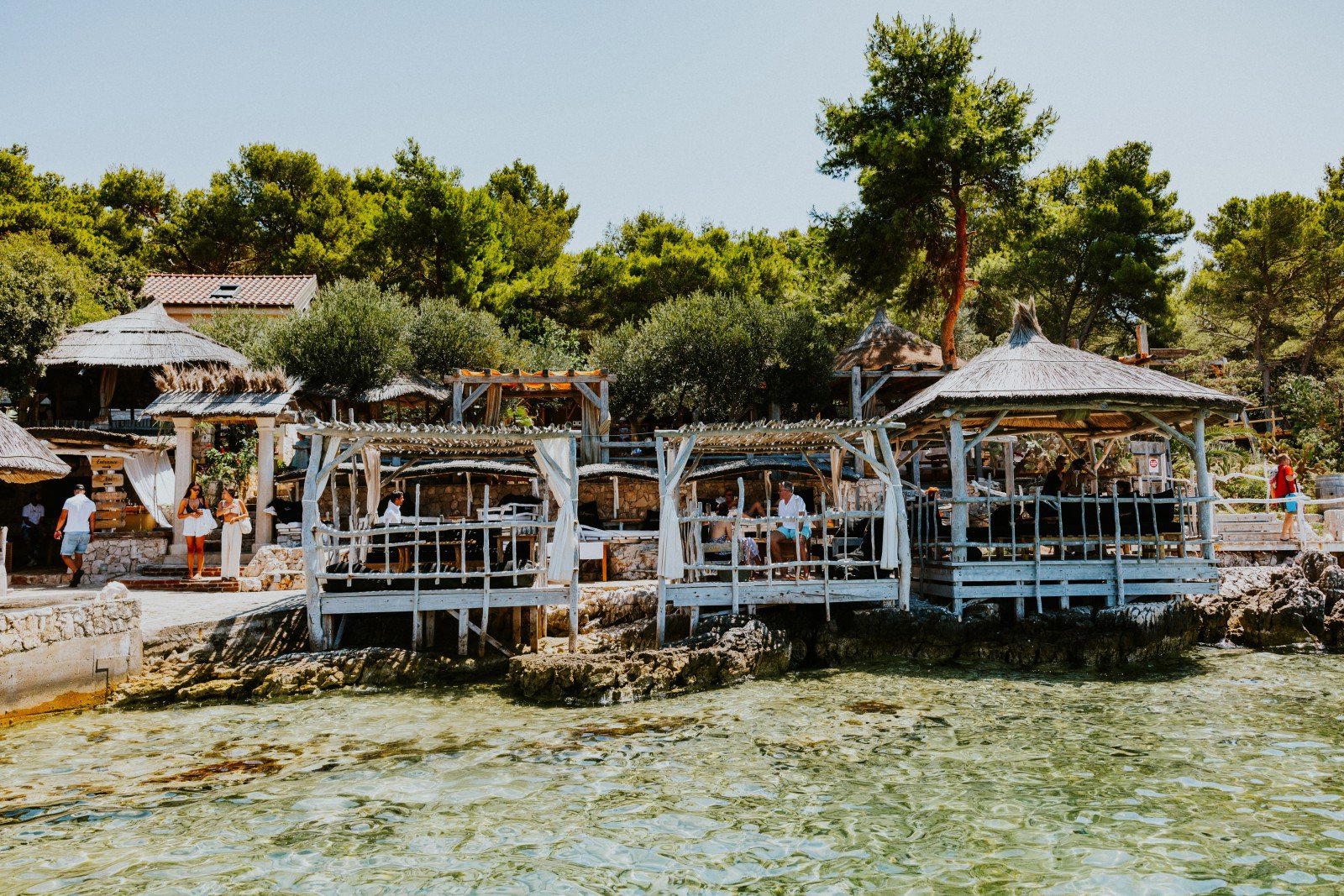
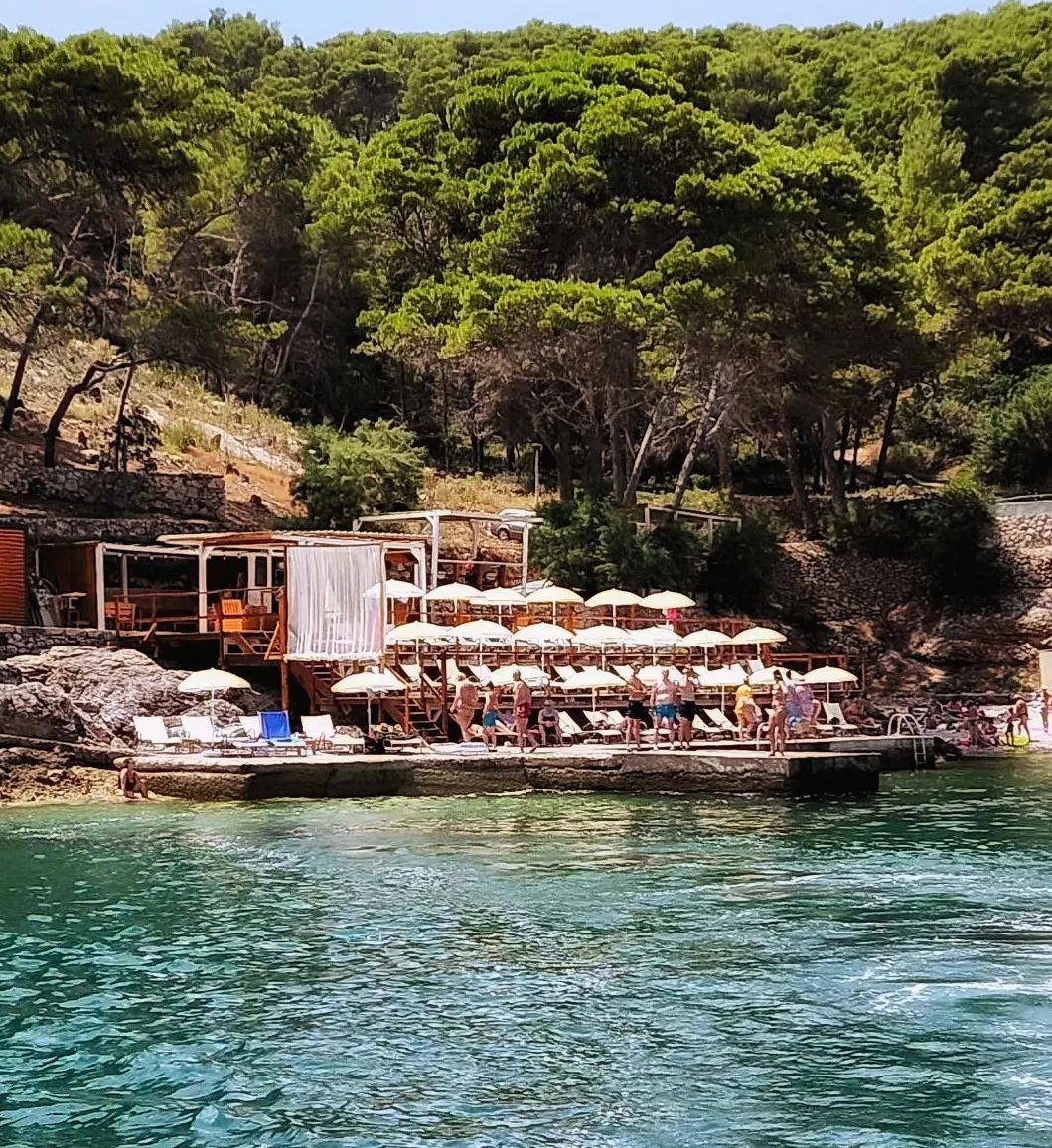
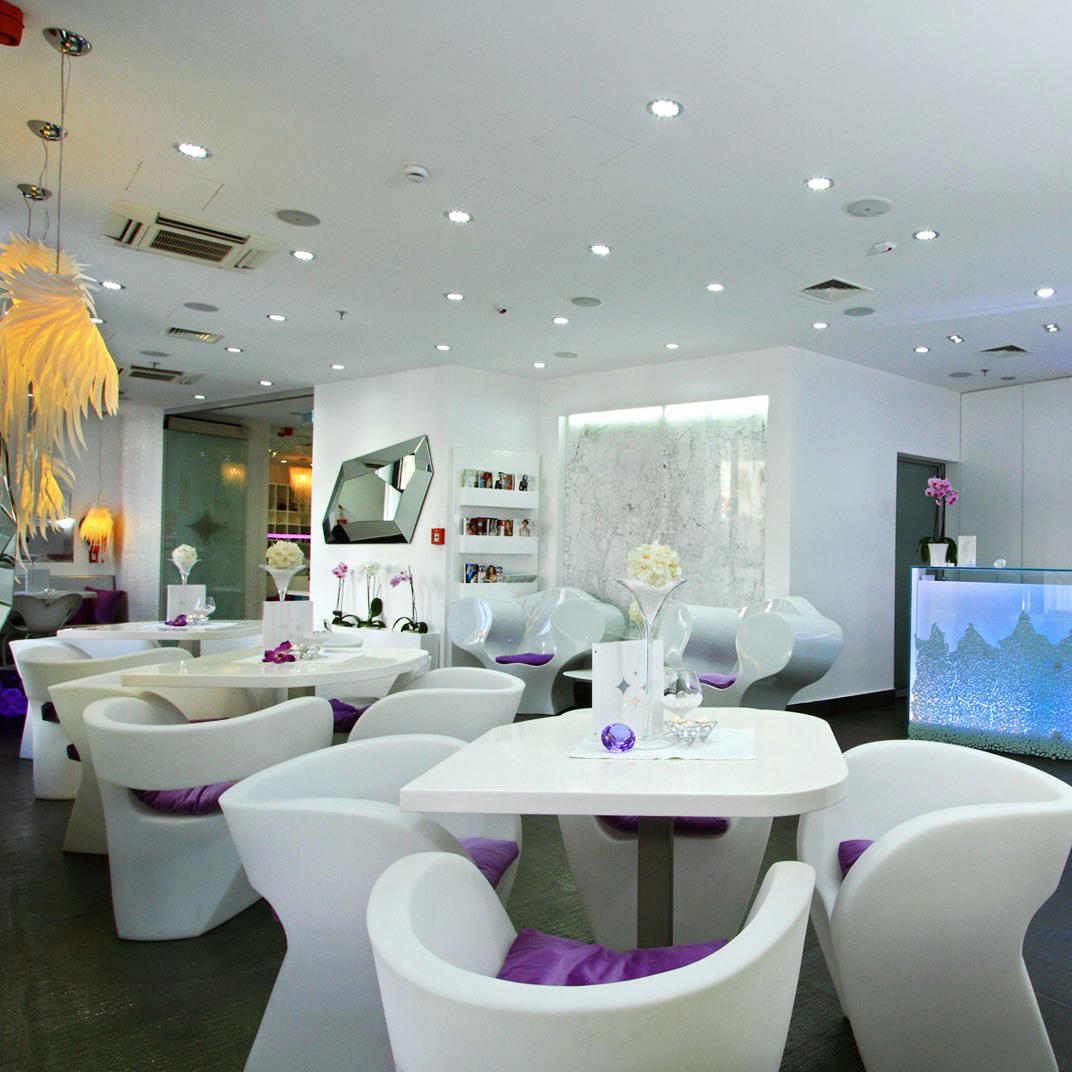
Colorful, elegant furnishings with a casual yet refined atmosphere, open kitchen, and pleasant covered terrace.